Ghana – A dedicated non-profit is reshaping the nation’s rapidly expanding fish farming sector by weaving animal welfare into public health and environmental policies.
Explosive Growth Demands Urgent Action
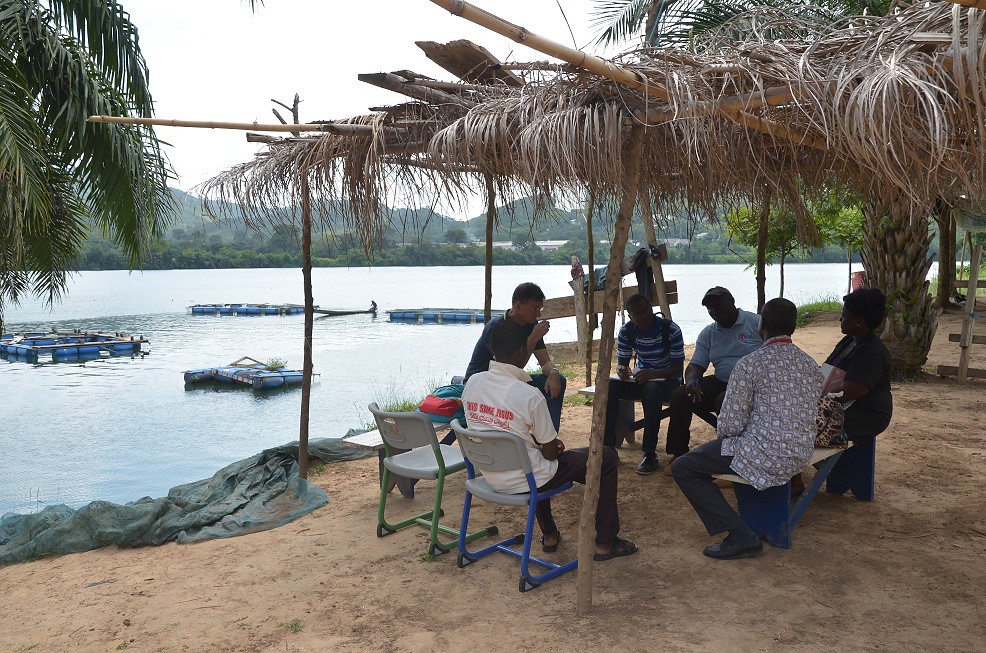
Explosive Growth Demands Urgent Action (Image Credits: Flickr)
Farmed fish production in Ghana skyrocketed from 7,500 metric tons in 2009 to 100,000 metric tons in 2023, adding roughly 250 million fish annually to the market.
Nearly 90 percent of this output comes from Nile tilapia raised in cages on Lake Volta, managed by about 101 major producers. Yet, this boom has exposed stark gaps in welfare standards. No enforceable rules govern stocking density, water quality, handling, transport, or slaughter methods. Fish welfare relies entirely on farmers’ individual choices.
SHARED, led by Director Emmanuel Awuni, stepped in with targeted research to highlight these issues. Awuni, a former physiotherapist turned effective altruism advocate, founded the organization to tackle these interconnected challenges.
One Health: Linking Animals, Humans, and Ecosystems
SHARED employs the One Health approach, which underscores the deep ties between animal health, human wellbeing, and environmental stability. The group advocates for evidence-based policies that boost farmed animal welfare while aligning with government goals in public health and resilience.
“We use a One Health approach, recognizing that animal health, human health, and environmental health are deeply interconnected, to advocate for evidence-based interventions that benefit farmed animals while simultaneously advancing public health and environmental outcomes,” Awuni explained.
This strategy identifies high-impact overlaps, such as improving biosecurity to cut disease spread that affects both fish stocks and human consumers. By framing welfare in economic terms – like better feed efficiency and lower mortality – SHARED gains traction where ethical arguments alone fall short.
Revealing Report Exposes Critical Gaps
In collaboration with AWASH researcher Naveeth, SHARED produced the report “Aquaculture and Fish Welfare in Ghana.” It uncovered widespread disease problems, including Infectious Spleen and Kidney Necrosis Virus in 80 percent of farms and bacterial pathogens in 68 percent.
Farmers reported median mortality rates of 70 percent, with hatchery survival at just 40 to 70 percent compared to 80 to 90 percent in grow-out systems. Feed costs, which consume 60 to 70 percent of production expenses, could drop through simple fixes like reduced stocking density.
- Overstocking harms welfare and productivity, yet requires no new investments to fix.
- Government has proven capacity via national ISKNV vaccination efforts.
- Act 1146 offers a one-year window for welfare-inclusive regulations.
- Hatcheries lack targeted welfare initiatives despite high losses.
Policy Victories Amid Systemic Hurdles
An Animal Charity Evaluators grant propelled SHARED’s advocacy, securing government commitment to embed aquaculture health and fish welfare in regulations under the 2025 Fisheries and Aquaculture Act (Act 1146). SHARED now leads the Fish Health Cluster in the Technical Working Group drafting these rules.
Bureaucratic delays and enforcement weaknesses pose ongoing challenges, but building ministry relationships has accelerated progress. Animal welfare rarely tops African priorities, so SHARED anchors efforts in productivity and biosecurity benefits. “Welfare must be framed around economics, not ethics,” Awuni noted.
| Year | Production (Metric Tons) |
|---|---|
| 2009 | 7,500 |
| 2023 | 100,000 |
As a lean team without a physical office, they navigate credibility issues through strategic funding.
Africa’s Window for Proactive Change
SHARED eyes broader farmed animal policy across Africa, where agriculture expands before norms solidify. Local research remains key to tailoring interventions.
“Farmed animal agriculture is expanding rapidly across Africa… The opportunity to get ahead of industrial animal agriculture on this continent is real. We shouldn’t let it pass,” Awuni urged.
Key Takeaways
- SHARED’s One Health strategy secured fish welfare in Ghana’s key fisheries act.
- Report highlights diseases and low-cost fixes for massive productivity gains.
- Donors can amplify impact by funding localized African animal advocacy.
SHARED’s work demonstrates how targeted policy advocacy can safeguard millions of fish while bolstering Ghana’s aquaculture future – what steps should global funders take next? Share your thoughts in the comments.