Victoria, Australia – Paleontologists uncovered 24 dinosaur footprints in a coastal rock formation, offering fresh evidence that large carnivorous dinosaurs roamed polar landscapes during the Early Cretaceous period. The tracks, preserved in floodplains from 120 to 128 million years ago, emerged from a site once positioned near the South Pole when Australia formed part of the supercontinent Gondwana. This discovery highlights how these ancient beasts navigated seasonal extremes in environments marked by long, dark winters and brief summer thaws.
A Pandemic-Era Breakthrough on Boonwurrung Country
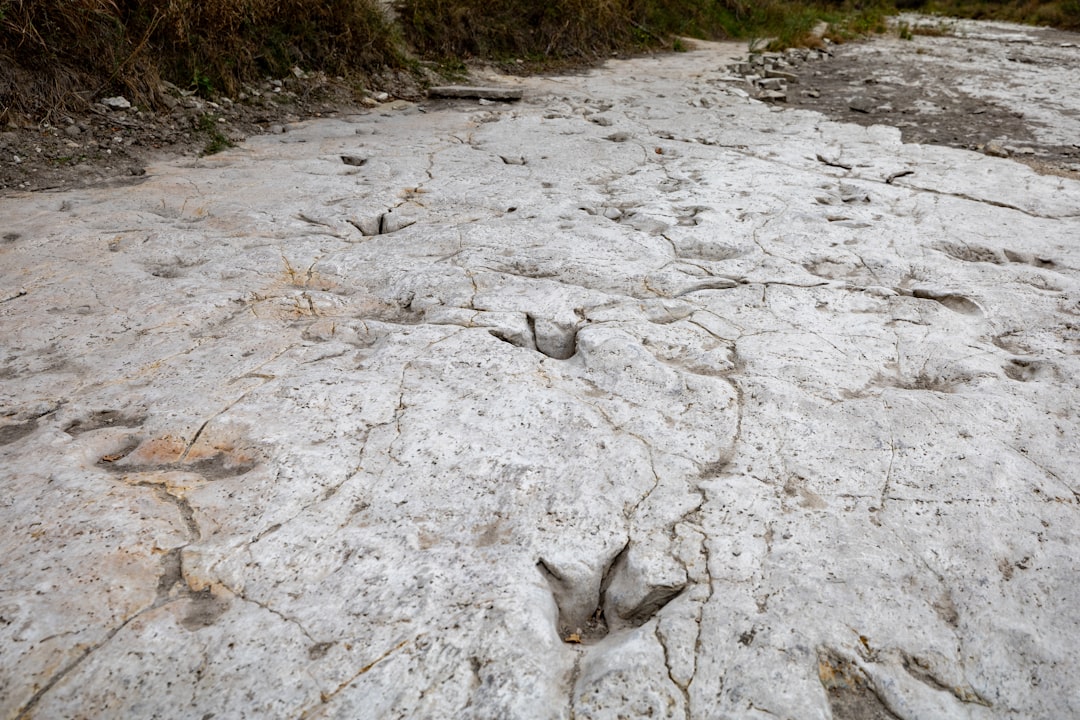
A Pandemic-Era Breakthrough on Boonwurrung Country (Image Credits: Unsplash)
Volunteer fossil hunter Melissa Lowery spotted the tracks during the COVID-19 pandemic while prospecting along the Bass Coast in the Wonthaggi Formation south of Melbourne. Lowery’s keen eye, dubbed “ichno-vision” by collaborators, identified impressions amid tidal mud and eroding substrates. Anthony Martin, a paleontologist from Emory University, visited the site in May 2022 to analyze the finds after travel restrictions eased.
The team documented the impressions through field moldings and 3D imaging, building on Martin’s earlier 2007 report of three theropod tracks from the same strata. Co-authors included Thomas Rich and Patricia Vickers-Rich from Museums Victoria and Monash University, along with local experts. Their work appeared in the journal Alcheringa in September 2024. These efforts preserved details despite challenges like twice-daily tidal inundation and marine encrustations of algae, tube worms, and barnacles.
Deciphering the Footprint Assemblage
Of the 24 tracks, researchers identified 18 as theropod prints, belonging to medium-to-large carnivores. These ranged from 18 to 47 centimeters (7 to 18.5 inches) in length, featuring slender toes ending in sharp claws. The largest suggested a dinosaur with a hip height exceeding 1.8 meters, comparable to a tall human.
Four tracks came from small ornithopods, bipedal herbivores about a meter long, with broader toes and blunter claws measuring 10 to 18 centimeters. Two impressions remained uncertain in origin. The variation in sizes pointed to both juveniles and adults traversing the area.
| Track Type | Number | Size Range | Key Features |
|---|---|---|---|
| Theropod | 18 | 18-47 cm | Thin toes, sharp claws |
| Ornithopod | 4 | 10-18 cm | Thicker toes, blunt claws |
| Uncertain | 2 | Varies | Unclear origin |
Navigating a Harsh Polar Realm
The Wonthaggi Formation captured a rift valley landscape with braided rivers and floodplains during Gondwana’s early breakup. Mean annual temperatures exceeded modern levels, yet polar winters delivered freezing cold and months of darkness. Dinosaurs likely ventured out in summer after spring-thaw floods receded, leaving prints on wet sands and muds.
Fragmented bones and teeth in the strata, probably swept in by floods, had hinted at dinosaur presence before. Yet tracks outnumbered body fossils, confirming active movement where remains accumulated. Theropods probably hunted ornithopods, fish, and turtles in this dynamic setting. “The tracks are preserved in floodplains next to channel sandstones, suggesting that dinosaurs travelled through the landscape during polar summers,” Patricia Vickers-Rich observed.
Reshaping Views on Polar Dinosaur Life
These impressions provided the strongest proof yet that large theropods flourished in polar zones. “These numerous tracks are the best evidence yet that these former polar environments supported large carnivores,” Anthony Martin stated. The mix of ages implied possible nesting and rearing of young on-site, rather than mere migration.
Thomas Rich noted, “The discovery… is the best evidence to date that these former polar environments supported a variety of dinosaurs, including large carnivores that most likely preyed on smaller dinosaurs, fish and turtles.” This built on a 2023 find of 27 bird tracks nearby, the southernmost Early Cretaceous avian evidence. Such sites underscored richer polar ecosystems than previously thought.
Key Takeaways
- 18 theropod tracks confirm large carnivores prowled polar floodplains.
- 4 ornithopod prints mark first such evidence in the Wonthaggi Formation.
- Juvenile-to-adult sizes suggest year-round residency or breeding.
This trove of tracks not only populates a once-frozen world with vivid dinosaur activity but also prompts questions about adaptation to extremes. How did these giants endure polar nights? Share your thoughts in the comments.