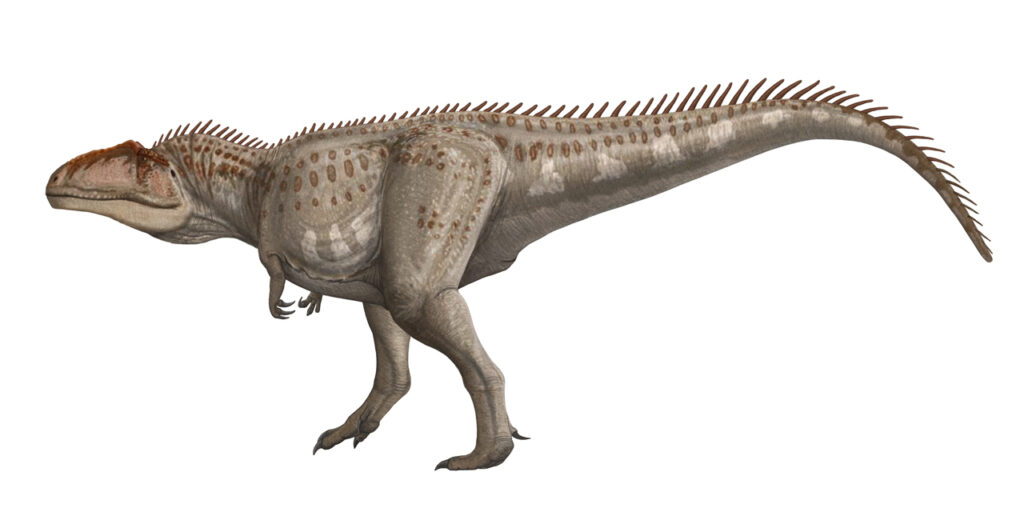
When you imagine the ultimate prehistoric showdown, few matchups capture the imagination quite like this one. Picture it: one of the largest land predators ever to walk the earth squaring off against one of the most iconic armored dinosaurs of all time. The sheer drama of such an encounter would have been nothing short of spectacular.
We’re talking about a battle between pure offensive might and ingenious natural armor, between razor-sharp intelligence and unwavering defensive prowess. This isn’t just about size or strength. This is about two completely different survival strategies from different eras separated by approximately 45-50 million years.
The Colossal Carnivore: Meet Giganotosaurus
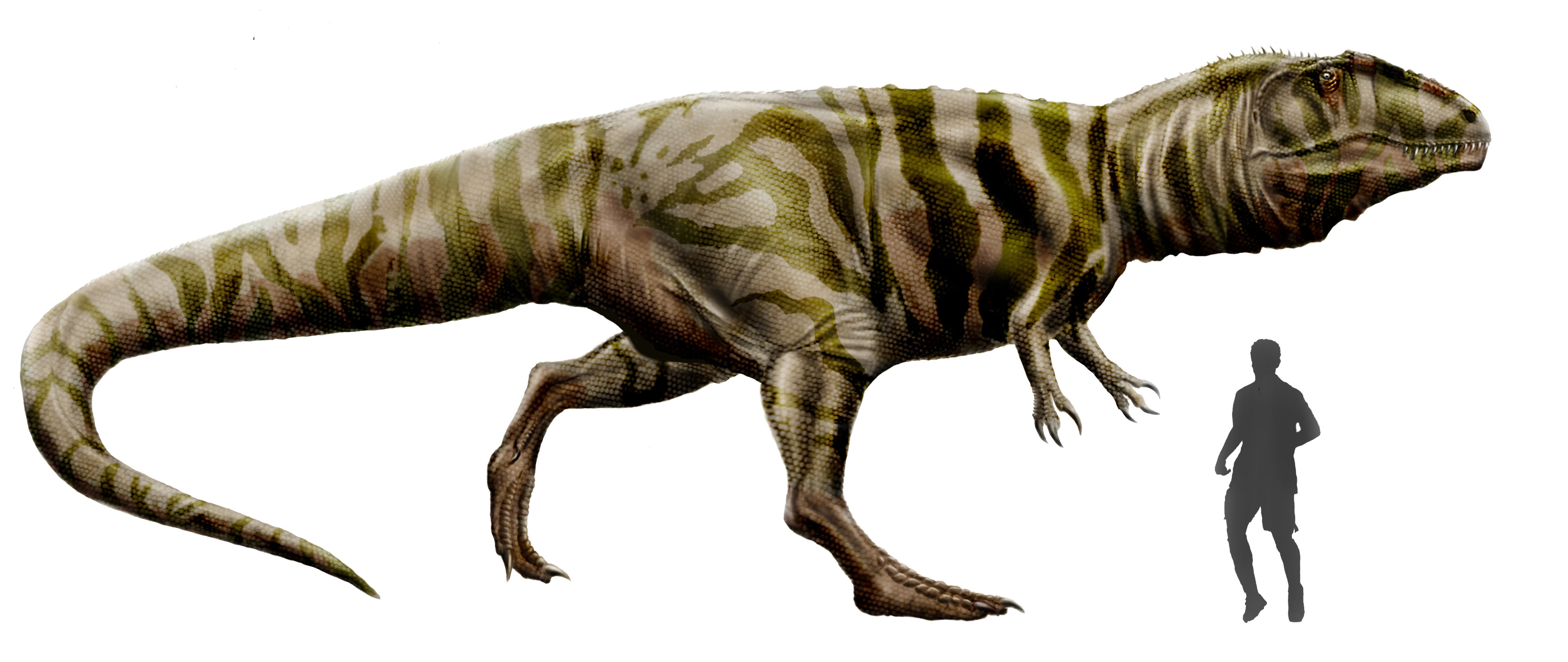
Giganotosaurus reached a staggering length of roughly forty to forty-three feet, with hip heights of approximately 12 feet, with estimated weights ranging from roughly fifteen thousand to seventeen thousand pounds. This massive predator could reportedly reach running speeds of up to thirty-one miles per hour, making it faster than many modern vehicles navigating city streets.
The sheer skull of this beast tells a terrifying story. Its massive head featured dozens of serrated teeth that grew to eight inches in length, perfectly designed for slicing through flesh and causing catastrophic blood loss. Three fingers on each hand bore sharp claws used for defense and rending prey, while its long tail provided balance during high-speed pursuits.
When attacking prey, researchers suggest Giganotosaurus used its daggerlike teeth to create deep wounds and then let its prey bleed to death. This hunting strategy proved devastatingly effective against the massive sauropods that shared its South American habitat during the Cretaceous period.
The Armored Defender: Understanding Stegosaurus

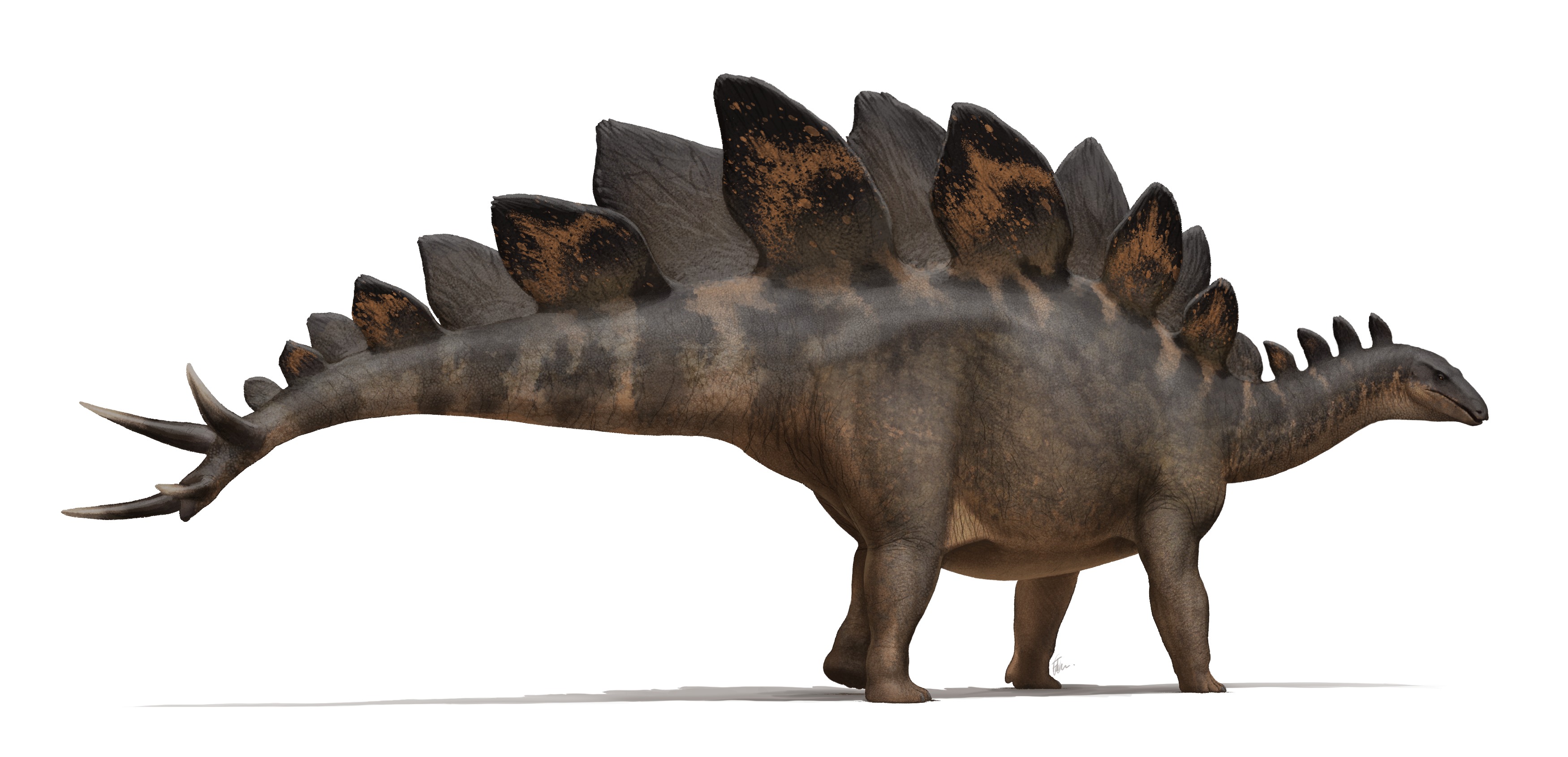
Stegosaurus typically measured between twenty-one and thirty feet in length, standing roughly ten to fourteen feet tall, with weights ranging from approximately six thousand eight hundred to eight thousand four hundred pounds. Its most distinctive feature consisted of seventeen to twenty-two bony plates arranged in a staggered double row from neck to tail, with the largest plates measuring more than two feet wide and equally tall.
At the end of its tail, four formidable spikes jutted outward, each measuring two to three feet in length, with keratin covering that made them even longer and sharper in life. These tail weapons, scientifically known as thagomizers, were positioned to deliver devastating defensive strikes against predators.
Despite its impressive bulk, Stegosaurus possessed a remarkably small brain, roughly the size of a walnut and weighing only about two and a half ounces. However, this didn’t prevent it from developing one of nature’s most effective defensive systems against the predators of its time.
Size and Physical Advantages
The Giganotosaurus held a significant size advantage, with estimated weights ranging from roughly 12 to 14 tons (26,000 to 28,000 pounds), standing approximately 12 feet at the hip and measuring 40 to 43 feet long, while Stegosaurus reached weights up to fifteen thousand four hundred pounds, standing fourteen feet overall and measuring about thirty feet at maximum.
The difference in body structure proved equally dramatic. Stegosaurus featured much shorter forelimbs compared to its hind limbs, giving its back a characteristically arched appearance. This design optimized it for low-level browsing but severely limited its mobility options during confrontations.
Meanwhile, Giganotosaurus possessed the streamlined build of an apex predator. Fossil remains reveal a powerful, streamlined predator with knife-like teeth and a body built for speed, representing the pinnacle of theropod evolution in South America.
Speed and Mobility: A Crucial Factor
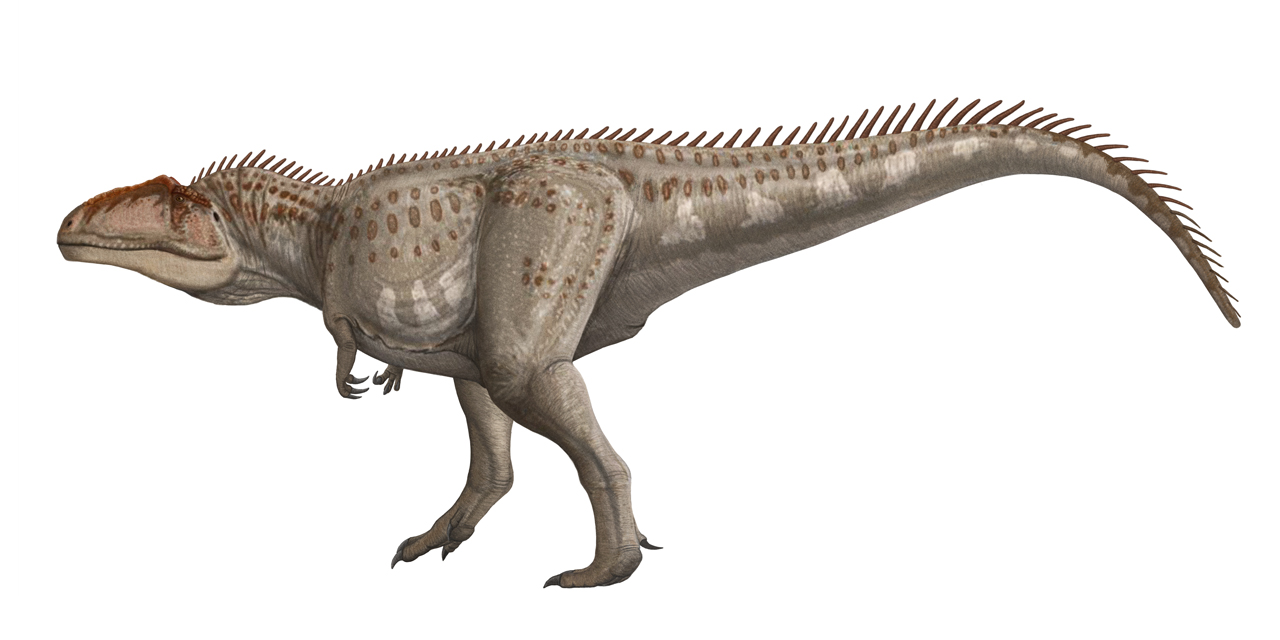
The speed differential between these dinosaurs was absolutely staggering, with Giganotosaurus capable of reaching speeds of thirty-one miles per hour, significantly faster even than the famous T-Rex. This incredible velocity gave the predator multiple tactical advantages in any potential encounter.
In stark contrast, Stegosaurus moved at a painfully slow four and three-tenths miles per hour, barely faster than a human’s casual walking pace of three miles per hour. This massive speed disadvantage meant that escape would never be an option for the herbivore.
Such a dramatic difference in locomotion capabilities fundamentally altered the dynamics of any confrontation. The armored dinosaur would need to rely entirely on its defensive capabilities, as outrunning its opponent was simply impossible.
Offensive Capabilities: Teeth, Claws, and Crushing Power
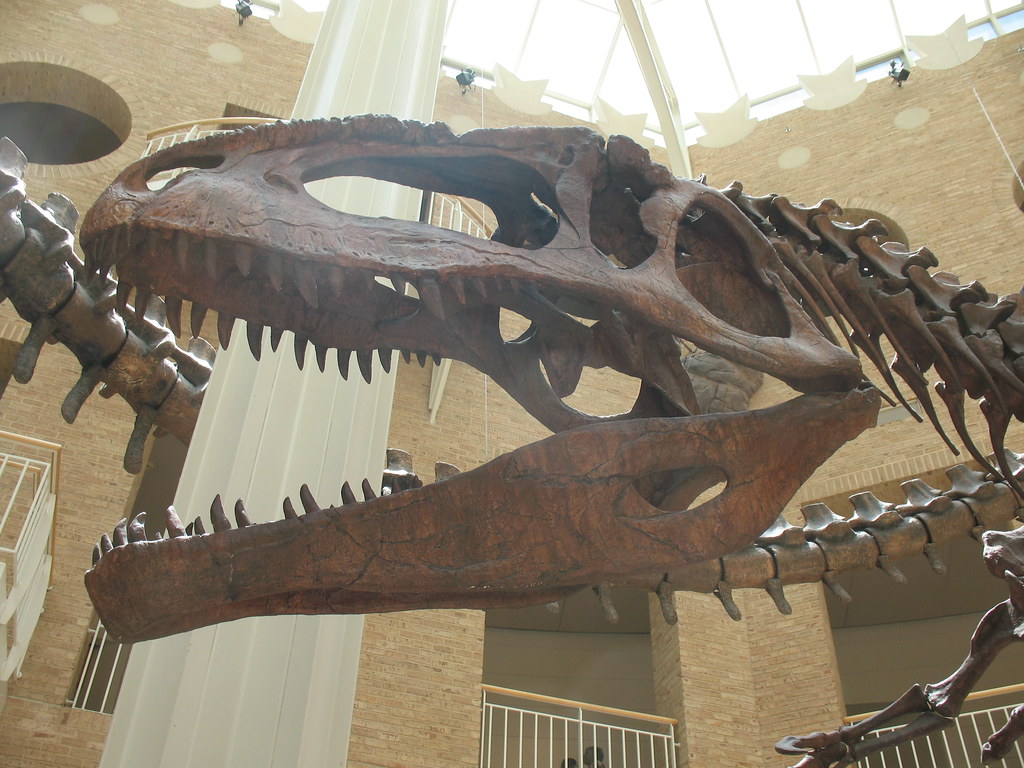
Giganotosaurus exhibited truly fearsome offensive capabilities, including a bite force of six thousand PSI, over seventy teeth measuring eight inches in length, sharp claws, and the ability to charge and knock over prey. While not quite matching T-Rex’s legendary bite force, it still delivered devastating wounds to any unfortunate target.
This carnivore’s eight-inch-long, sharp, arrow-tip-shaped teeth were specifically designed to slice through thick hides and skin, while its clawed hands and feet could hold down or bring prey items to its mouth. The lower jaw structure was actually reinforced for maximum slicing effectiveness.
The hunting strategy relied on precision rather than brute force. The carnivore’s lower jaws were optimized to inflict wounds via a slicing method, with reinforced mandibles specifically adapted for this purpose. This approach proved devastatingly effective against large prey throughout the Cretaceous period.
Defensive Systems: Armor, Spikes, and Survival Strategies

Stegosaurus possessed fascinating defensive capabilities that remain somewhat mysterious, including dermal plates that may have provided protection from above or assisted with thermoregulation, potentially helping defend against attacks from Giganotosaurus. The dinosaur’s massive size and strong bone structure also contributed to its overall defensive capabilities.
The herbivore’s primary weapon consisted of four long spikes jutting from the end of its tail, measuring two to three feet in length and capable of inflicting serious damage if the dinosaur successfully swung its tail at attackers. Paleontological evidence includes a fossilized Allosaurus tailbone with a hole precisely matching the size of a Stegosaurus spike.
However, significant limitations hampered these defenses. The Stegosaurus wasn’t particularly fast, and its tail wasn’t long enough to function like an effective flail weapon. This meant successful defensive strikes required perfect timing and positioning against incoming threats.
Battle Analysis: Predator vs Prey Dynamics
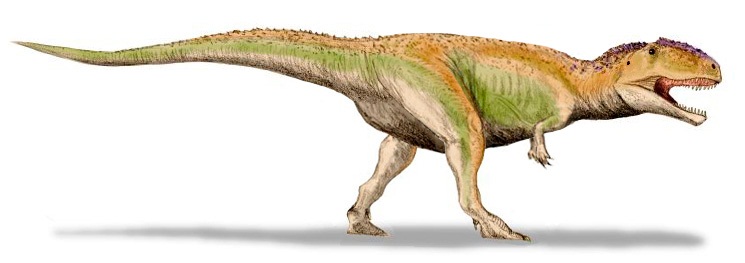
The Giganotosaurus possessed overwhelming advantages in both size and speed, making it the clear favorite in any direct confrontation. Its combination of massive dimensions, incredible velocity, and specialized hunting adaptations created a nearly perfect killing machine.
As a likely apex predator, Giganotosaurus relied on tremendous speed, large size, and keen senses to dominate its environment, rarely needing to worry about attacks from other creatures. This confidence and experience in combat situations provided additional psychological advantages.
The tactical scenario favored the predator overwhelmingly. Its speed allowed for strategic positioning, circling, and avoiding the dangerous tail spikes while seeking vulnerable areas to attack. The herbivore’s slow movement and limited defensive range created multiple opportunities for a skilled hunter to exploit.
The Verdict: Analyzing the Likely Outcome

Despite Stegosaurus having some defensive advantages, the overwhelming physical superiority of Giganotosaurus in terms of size, speed, and offensive capabilities would likely determine the outcome of such an encounter. The speed differential alone created an insurmountable tactical disadvantage for the armored dinosaur.
The most probable scenario would involve Giganotosaurus using its superior speed to circle its opponent, staying clear of the dangerous tail spikes while looking for opportunities to attack vulnerable areas. While the thagomizer spikes would certainly prove deadly if they struck the head or neck, and the bony plates would provide some protection, the predator’s mobility made such defensive strikes extremely difficult to land.
The size and weight advantages, combined with powerful jaws and razor-sharp teeth, would eventually overwhelm even the most determined defensive efforts. Nature’s ultimate predator would likely emerge victorious through superior speed, tactical flexibility, and devastating offensive capabilities.
Conclusion

This epic matchup between two of prehistory’s most fascinating creatures illustrates the eternal struggle between offense and defense in the natural world. While Stegosaurus developed remarkable defensive innovations that helped it survive for millions of years, the sheer physical dominance and hunting prowess of Giganotosaurus would prove too overwhelming in a direct confrontation.
The battle would showcase nature’s incredible diversity of survival strategies, from the herbivore’s impressive armor plating and weaponized tail to the carnivore’s lightning speed and crushing bite force. What do you think about this prehistoric showdown? Tell us in the comments.