Picture two colossal predators circling each other under a prehistoric sky. One hails from South America, the other from the ancient forests of North America. They never met in real life, separated by millions of years and an entire continent. Yet the question burns in the minds of dinosaur fans everywhere: if these titans clashed, who would walk away victorious?
This matchup has sparked heated debates among paleontologists and enthusiasts alike. Both dinosaurs ruled their ecosystems with terrifying efficiency. Both had massive skulls, bone-crushing jaws, and the kind of presence that would make any other creature think twice. Let’s dig into what makes each of these prehistoric giants so formidable.
The Size Factor: Length, Height, and Weight
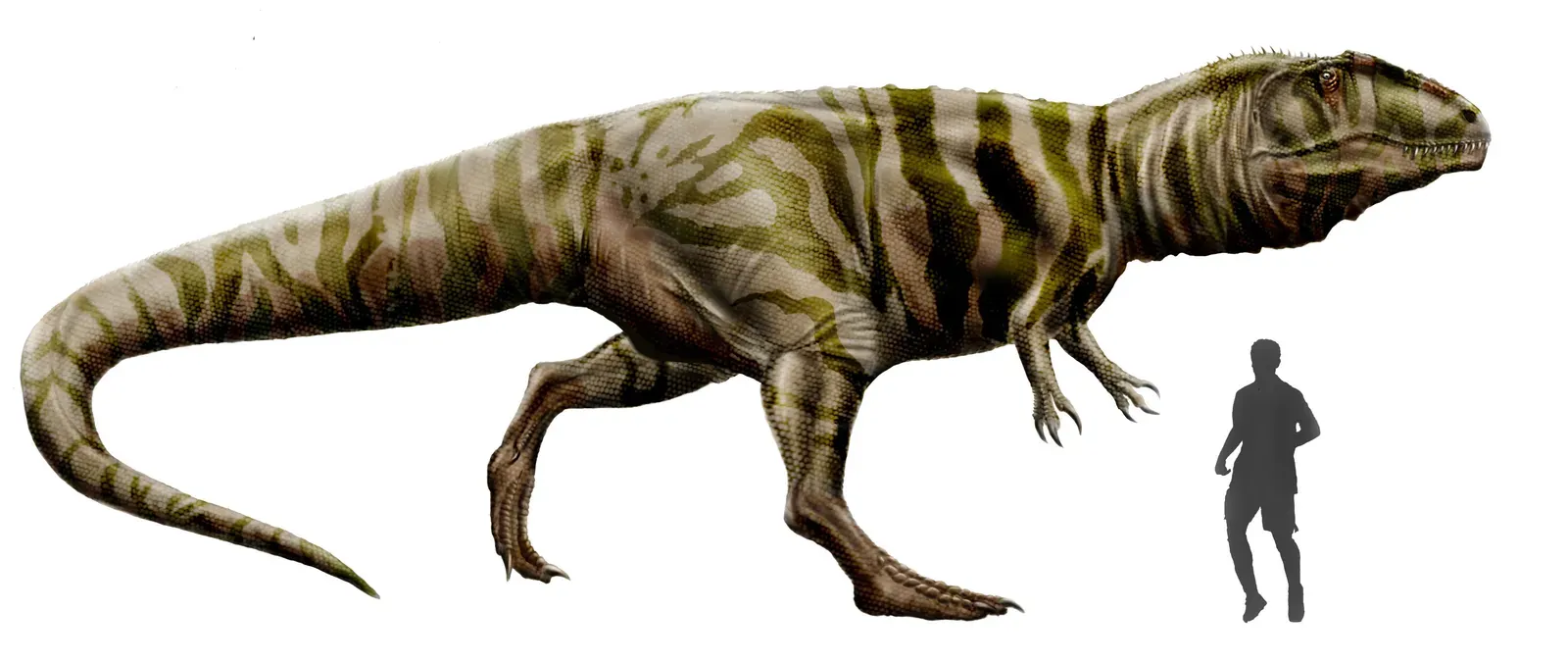
Giganotosaurus was probably about 45 to 47 feet long, while the largest T. rex specimen reached nearly 42 feet long. That gives the South American predator a slight edge in length. Both stood about 20 feet tall, and Giganotosaurus may have had a few tons of mass on T. rex, but estimates for their maximum masses are both upward of 9 tons.
Here’s the thing though: size isn’t everything. It’s unlikely that such a small size difference would give one dinosaur an edge over the other. Think of it like heavyweight boxers in adjacent weight classes. The bigger guy doesn’t automatically win. Still, carrying a few extra tons of muscle could matter when two giants collide at full force.
Bite Force: The Ultimate Game Changer
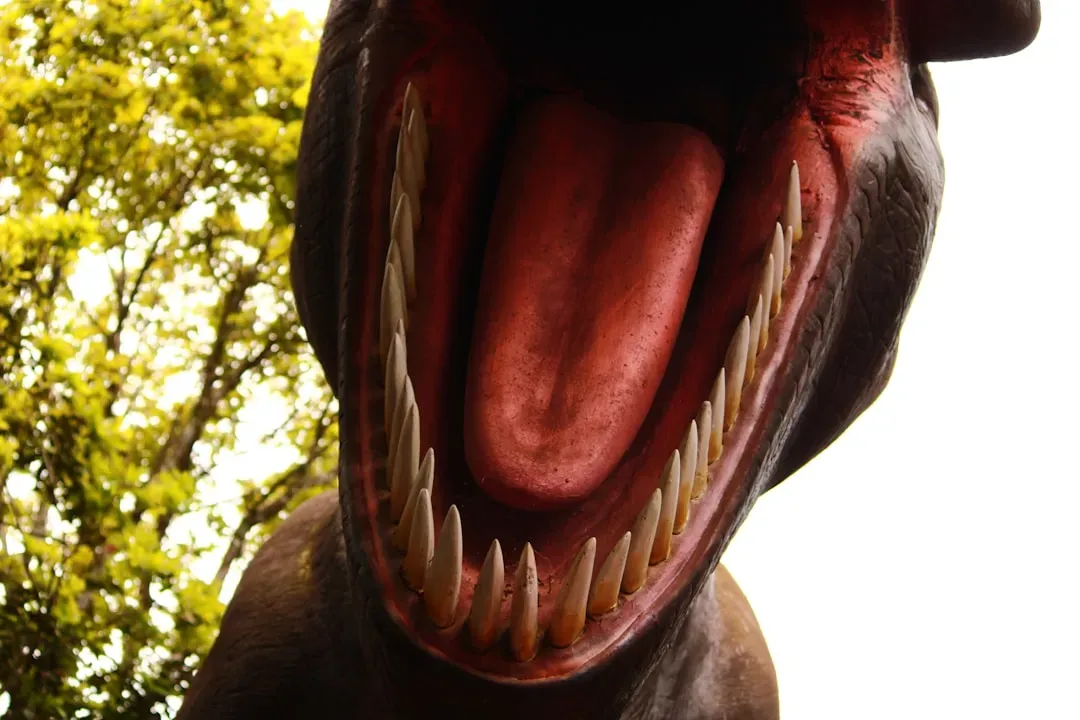
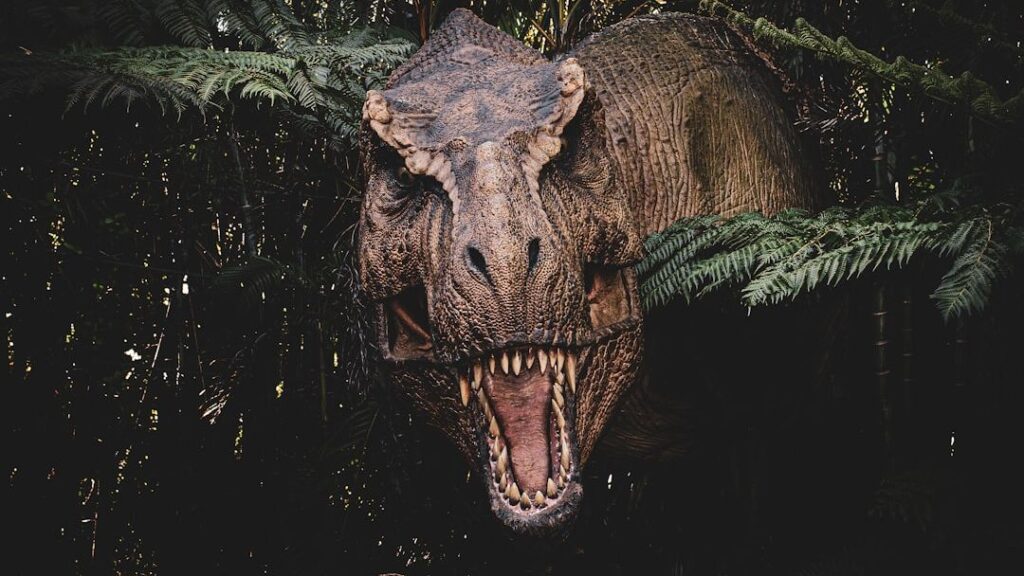
This is where things get serious. Its jaws allowed for 35,000 Newtons and higher for bite strength for T. rex. That would drive all 50-60 of their 8-12-inch teeth into an enemy, breaking bones and causing immense trauma. Meanwhile, Giganotosaurus had a much weaker bite of just 6,000 Newtons, but it had 76 sharp, serrated teeth ready to harm an enemy.
Let’s be real here: that’s a massive difference. The T. rex bite could crush bone and tear through armor like it was paper. The results showed that relative to the Alligator mississipiensis, the Giganotosaurus was only 5.363x as powerful while T. rex was 12.432x as powerful. That means that if Giganotosaurus bites Tyrannosaurus, its impact would only be half as effective. The southern giant relied more on slicing wounds than devastating crushes.
Intelligence and Sensory Superiority
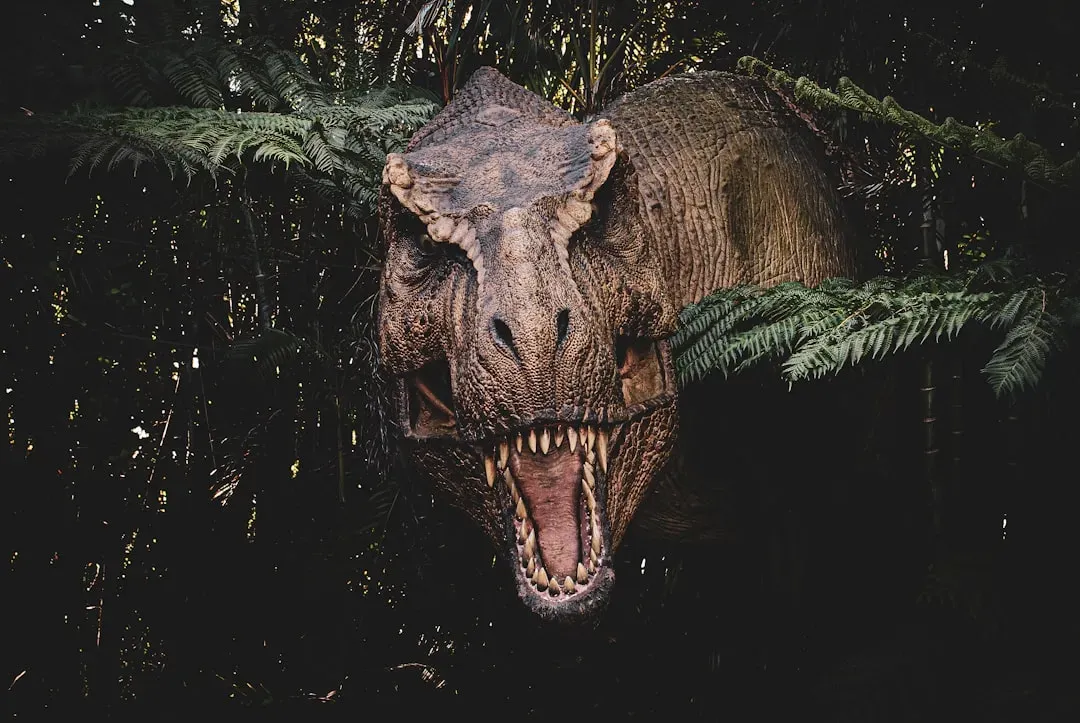
Tyrannosaurus Rex was an incredibly smart dinosaur with impeccable senses of smell, hearing, and sight. rex brains show unusually large olfactory regions for a dinosaur, indicating the species had an exceptionally keen sense of smell. Recent studies suggest T. rex was probably only about as smart as a crocodile, not a baboon, which still made it cunning enough to be a devastating hunter.
The Giganotosaurus was similar in some respects, having good smell and sight, but the information about their senses is underdeveloped. We simply don’t have enough fossil evidence to say Giganotosaurus matched the sensory prowess of its North American rival. In a fight between apex predators, knowing where your opponent is and what they’re planning could mean everything.
Agility and Maneuverability
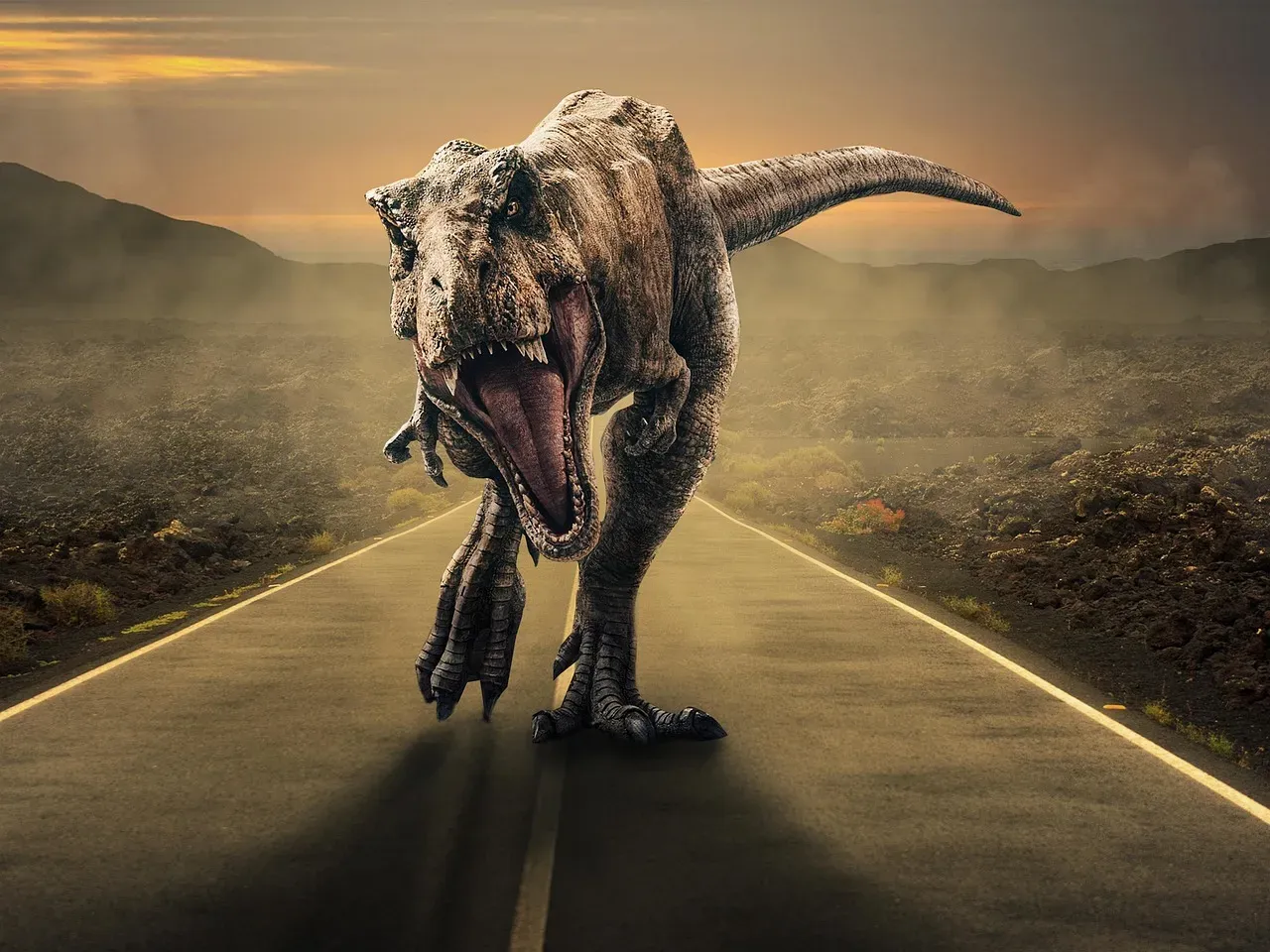
Holtz and colleagues calculated that a T. rex could rotate its body and twist in place twice as well as other dinosaurs of a similar mass, thanks in part due to massive hip bones and muscles. The pyramid-shaped ankle bones of a T. rex also may have offered more stability for maneuvering than a Giganotosaurus’s boxier ankles. That ability to pivot and corner might not sound dramatic, but imagine trying to land a bite on something that can spin around faster than you can.
Giganotosaurus probably reached speeds around 24 miles per hour, which is impressive for something that massive. However, pure speed means less when you can’t change direction quickly. T. rex evolved these traits possibly to take down sophisticated prey like heavily armored Triceratops, which demanded precision.
Hunting Strategies and Combat Styles
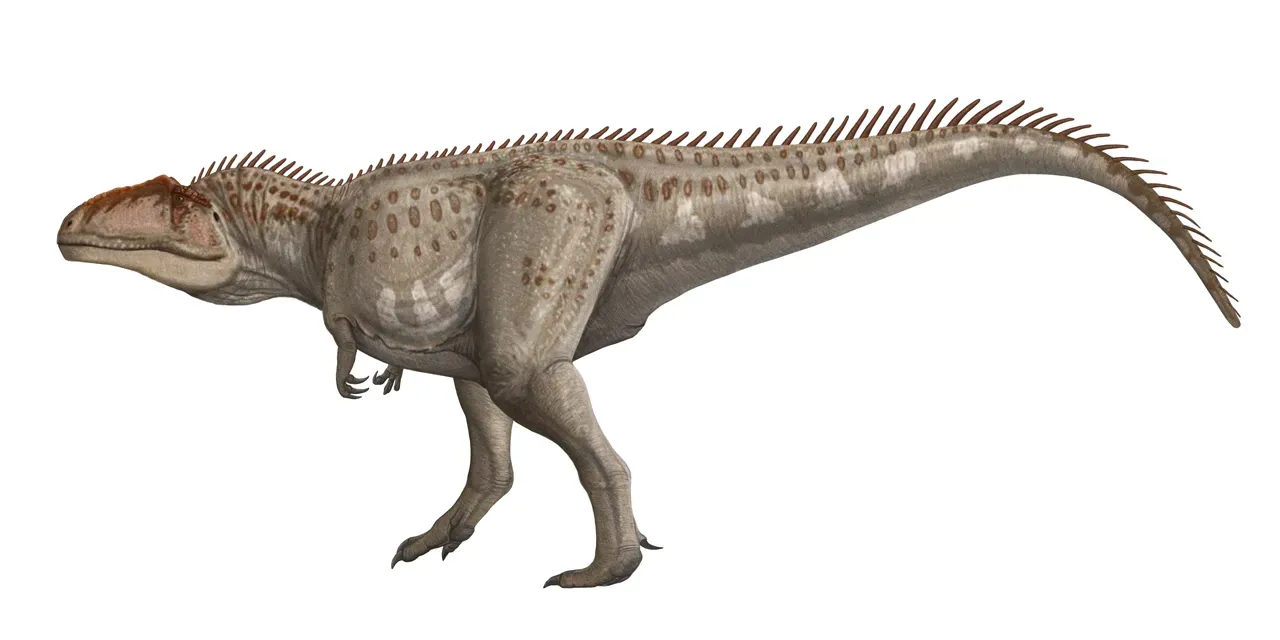
Giganotosaurus may have worked in packs to attack giant titanosaur sauropods. Some theropods like Albertosaurus and Giganotosaurus possibly attacked with a ‘bite and slice’ technique rather than going for an outright kill. Its strategy involved wearing down prey with multiple slashing attacks, letting them bleed out over time.
T. rex probably ambushed prey and also scavenged when convenient. The tyrant king was built for direct confrontation and overwhelming force. One good bite could cripple an opponent instantly, breaking limbs or crushing vital organs. In a one-on-one duel, the patient bleeder faces off against the instant devastator.
Weaponry Beyond the Jaws
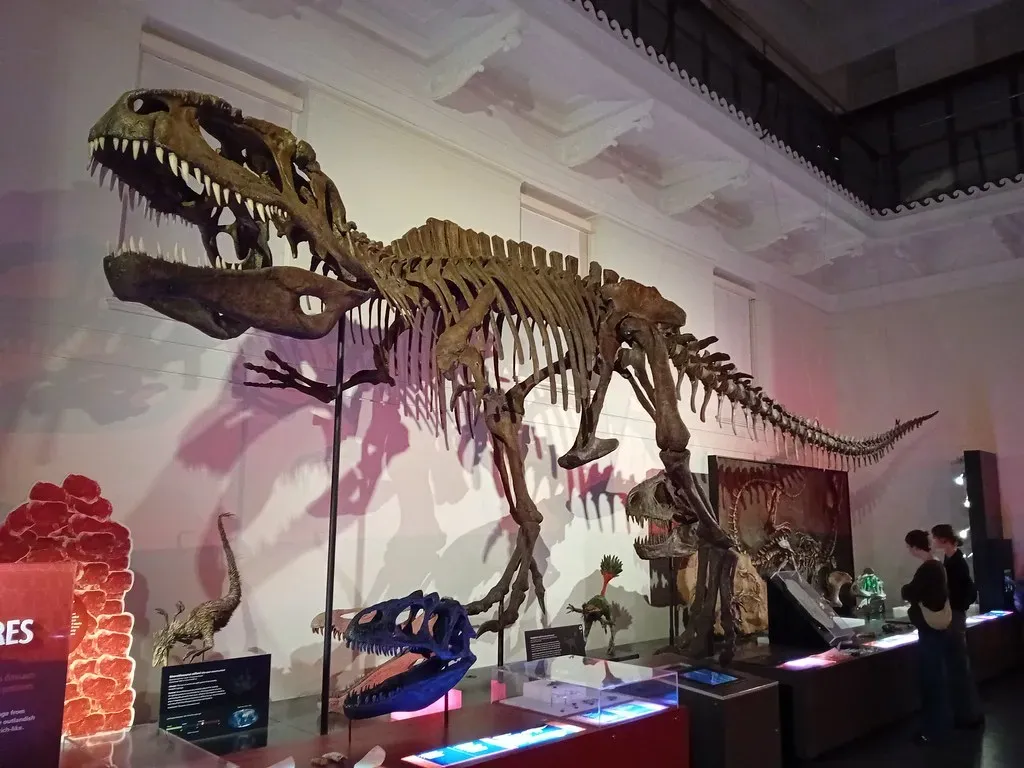
Giganotosaurus had slightly longer arms with larger claws, possibly giving it more versatility in an attack. Those three-fingered hands could potentially grasp or slash, adding another dimension to its offensive arsenal. Much has been made of T. rex’s tiny arms, but they were strong and may have played a role in grappling prey. The Tyrannosaurus can lift 439 lbs using arms that are just over 3 feet long.
Still, both relied primarily on their heads and massive bodies to take down prey. Those arms weren’t going to win or lose this fight. The real weapons were mounted in their skulls, backed by tons of muscle and bone.
Body Structure and Fighting Build
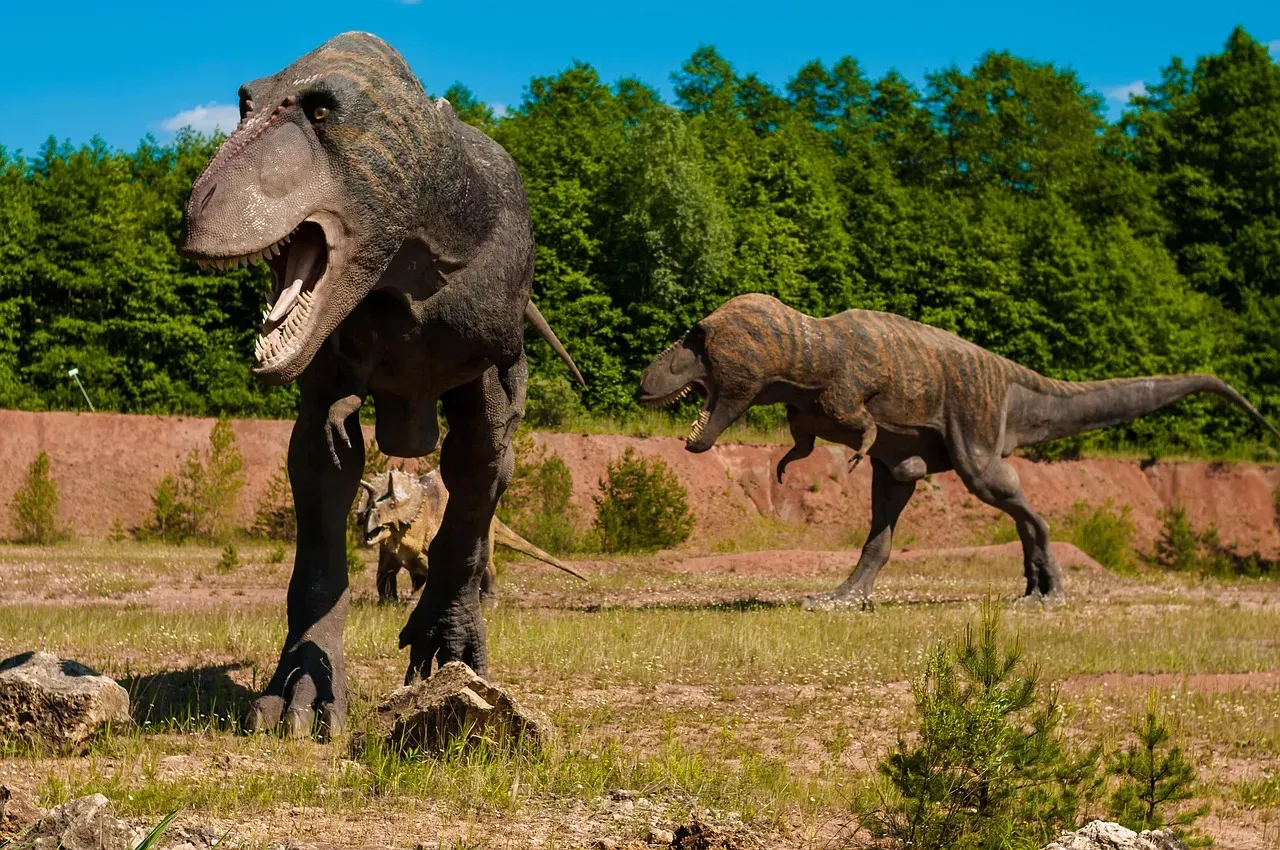
T. rex’s weight is concentrated toward its middle, while Giganotosaurus is “more long and slab-like throughout its body”. Think of Giganotosaurus as more streamlined and tiger-like, while T. rex resembled a compact powerhouse built like a grizzly bear. That stocky build gave T. rex better balance and more power behind each movement.
The skull tells part of the story too. Giganotosaurus had a longer, narrower skull optimized for slicing bites. T. rex packed a shorter, wider skull designed to withstand tremendous stress. When you’re crushing bones with every bite, you need a head built like a battering ram.
Environmental Adaptations and Prey
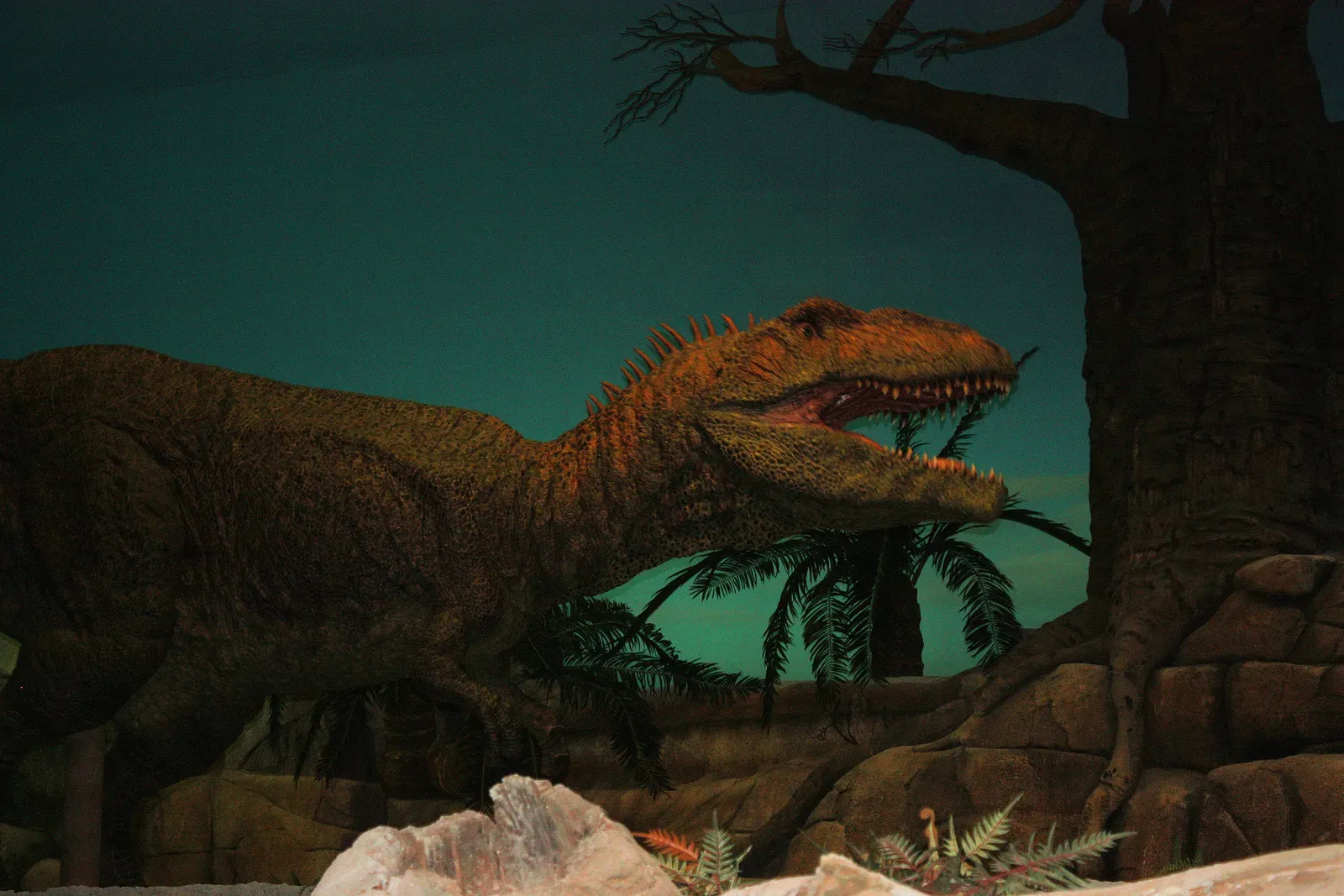
Giganotosaurus, whose genus name translates to “giant southern lizard,” stalked the arid, hot desert of what is now Argentina, while T. rex enjoyed the cooler, wetter environment at the edge of lakes and shallow seas in North America. T. rex is thought to have eaten armored Triceratops and big-brained duck-billed dinosaurs, while Giganotosaurus probably took down the largest-ever land animals: the long-necked sauropod dinosaurs.
Different environments breed different hunters. T. rex evolved to outsmart clever prey and overpower armored tanks. Giganotosaurus specialized in coordinated takedowns of creatures ten times its size. Both strategies worked brilliantly in their respective worlds.
The Physical Evidence and Scientific Consensus
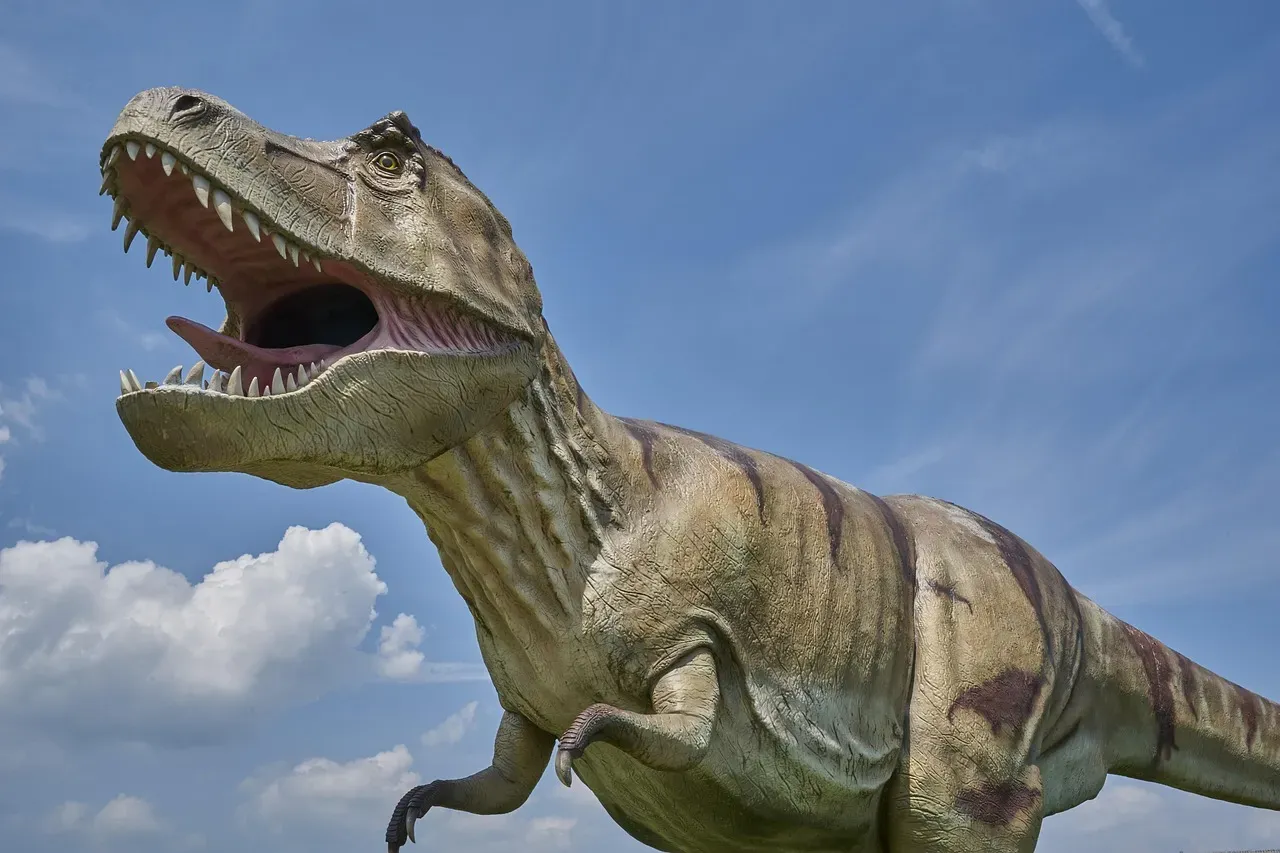
While Giganotosaurus may have been the larger animal, T. rex had the advantage in bite force, mass, and fossil record. If these two creatures were dropped into a pit, many paleontologists believe T. rex would come out on top. This fight would be a heavyweight brawl with the Giganotosaurus at a severe disadvantage because it has to get way too close to the T-Rex to inflict damage.
The science backs up what makes intuitive sense. In close combat, overwhelming power usually beats slashing finesse. Giganotosaurus would need to keep its distance and land multiple strikes while avoiding that catastrophic T. rex bite. One mistake, one slip, and it’s over.
The Verdict: Who Claims Victory
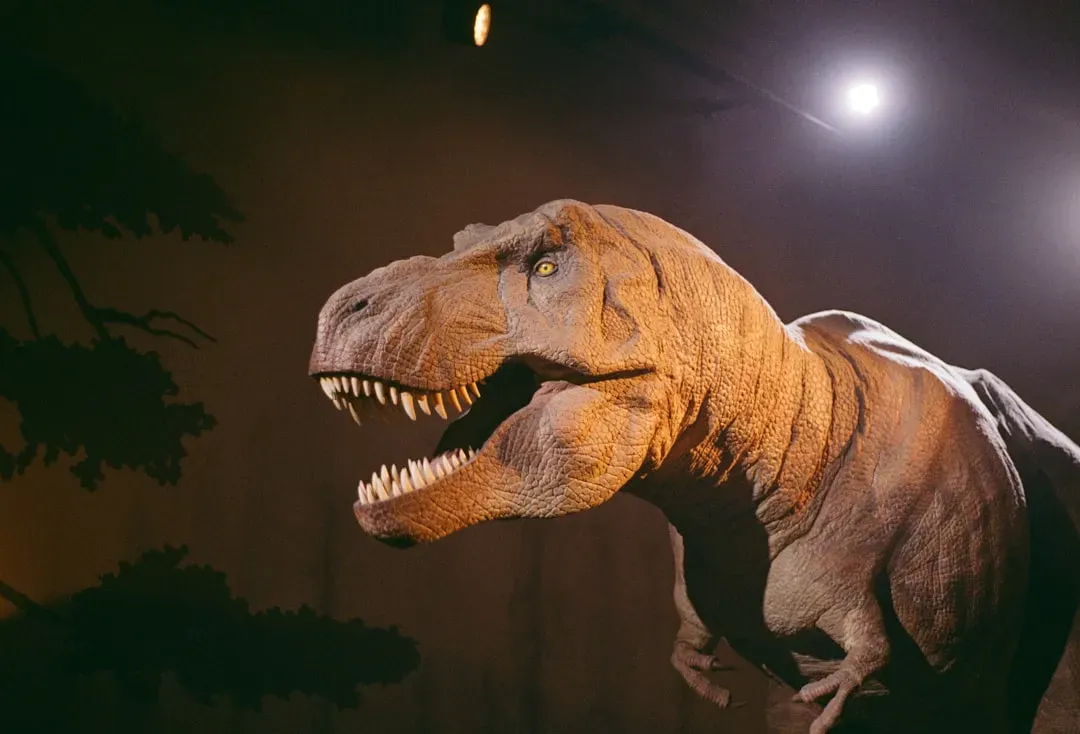
In a fight between a Giganotosaurus and T-Rex, the Tyrannosaurus Rex would win. The advantages stack up too heavily in favor of the North American predator. Superior bite force, better senses, enhanced agility, and a body built for pure combat power give T. rex the edge it needs.
Giganotosaurus was no pushover, mind you. It was longer, possibly heavier, and armed with wicked teeth and claws. In its own time and place, it was absolutely dominant. Yet against an opponent specifically evolved to hunt sophisticated, dangerous prey in solo confrontations, the southern giant faces an uphill battle. The tyrant king earned its reputation through millions of years of evolutionary refinement, creating perhaps the most perfect land predator to ever walk the Earth.
What do you think about this prehistoric showdown? Would Giganotosaurus stand a chance with its pack-hunting instincts, or does T. rex’s raw power seal the deal?