Picture yourself standing in a dense, steaming forest. The air is thick and warm. Strange, towering trees rise forty meters above you, and the sound of enormous wings beats rhythmically overhead. This is not a scene from a science fiction film. This is Earth, roughly 300 million years ago, and the creatures ruling that world were insects. Not tiny, forgettable ones either. We’re talking about flying predators the size of hawks, ground-crawlers longer than a school bus, and scorpions that could weigh as much as a grown adult.
This was the time of giant insects, a full 100 million years before the dinosaurs, during which insects had their own version of a T-Rex – Carboniferous and Permian giant dragonfly-like creatures that terrorized the skies. It’s one of Earth’s most extraordinary and least-discussed chapters. So let’s get into it, because the story of these prehistoric giants is stranger, bigger, and more thrilling than you might ever expect.
Welcome to the Carboniferous: Earth’s Swampy, Oxygen-Drenched Age of Giants
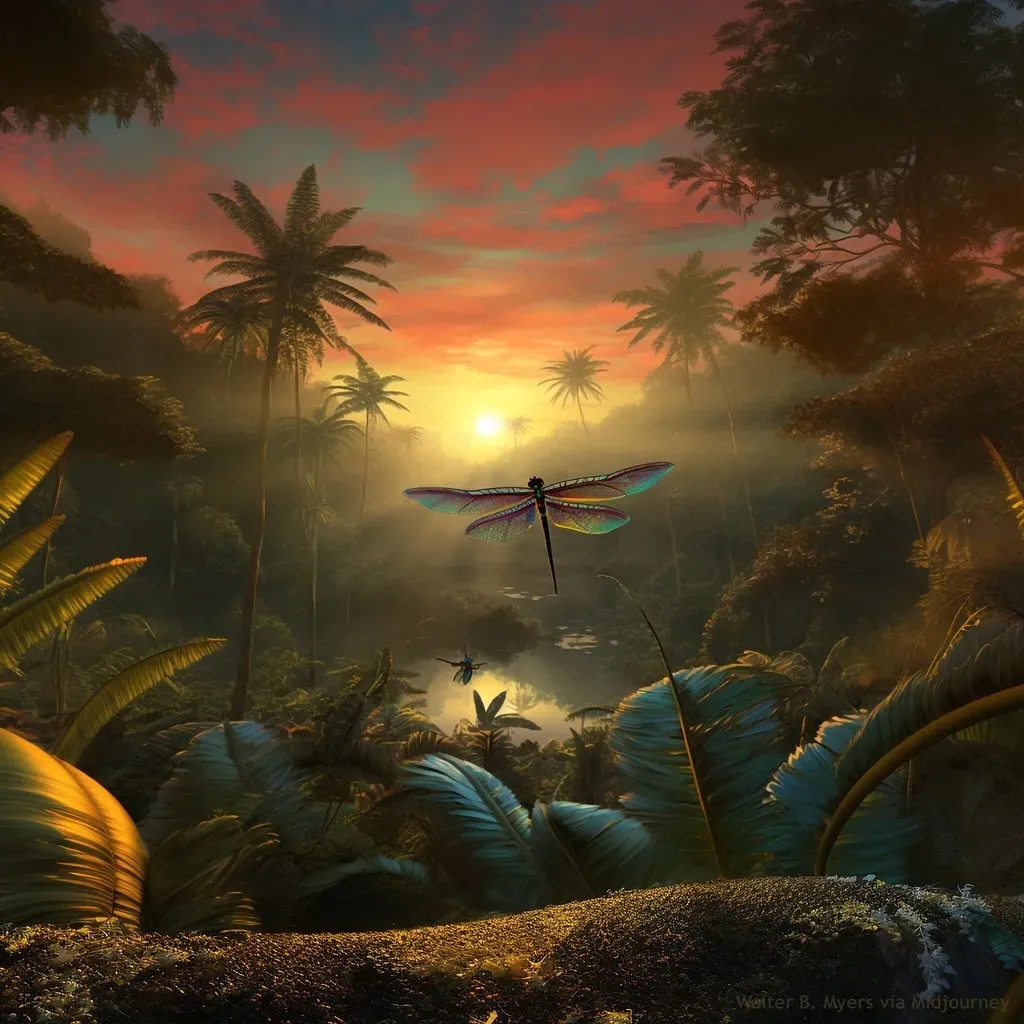
The Carboniferous Period spanned roughly 359 to 299 million years ago, an era marked by unprecedented evolutionary innovation, bizarre gigantism, and vast coal formations that continue to impact our world today. If you could visit it, you’d immediately feel different. The very air would feel heavier, richer. That’s because the atmosphere during this era was fundamentally unlike anything you breathe now.
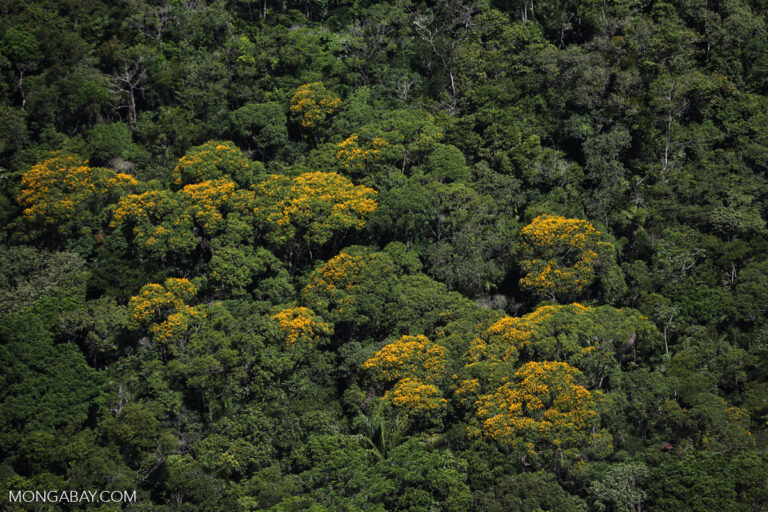
The Carboniferous landscape was transformed by the proliferation of plant life, establishing Earth’s first extensive, swampy forests. These ancient plants differed significantly from modern flora. Towering lycophytes, such as Lepidodendron and Sigillaria, were prominent, resembling giant club mosses or scale trees. Lepidodendron could reach heights of 30 to 50 meters, with trunks often exceeding a meter in diameter. Imagine walking through a forest where every tree looks like something out of an alien planet. That was real. That was here, on this Earth.
The Oxygen Explosion That Made Everything Enormous
Here’s the thing that makes the Carboniferous truly mind-bending. During this period, Earth’s atmosphere held significantly higher oxygen levels than today, reaching up to roughly a third of the atmosphere. This atmospheric shift was driven by the explosive growth of new plant life. Vast forests sequestered enormous amounts of carbon dioxide through photosynthesis. A lack of efficient wood-decomposing organisms meant that dead plant material was buried rather than fully decaying and releasing its carbon back into the atmosphere.
Modern insects are limited in size due to the way oxygen is transported throughout their bodies. They rely on a tracheal breathing system, which delivers oxygen directly to tissues through a network of tubes, placing a natural limit on how large they can grow. During the Carboniferous period, however, the atmosphere contained up to roughly a third more oxygen than today’s levels, significantly more than what we breathe now. Think of it like this: if today’s air is a modest fuel supply, Carboniferous air was a supercharger. Everything that breathed it had the potential to grow far beyond what modern biology would allow.
Meganeura: The Sky Predator That Defies Imagination
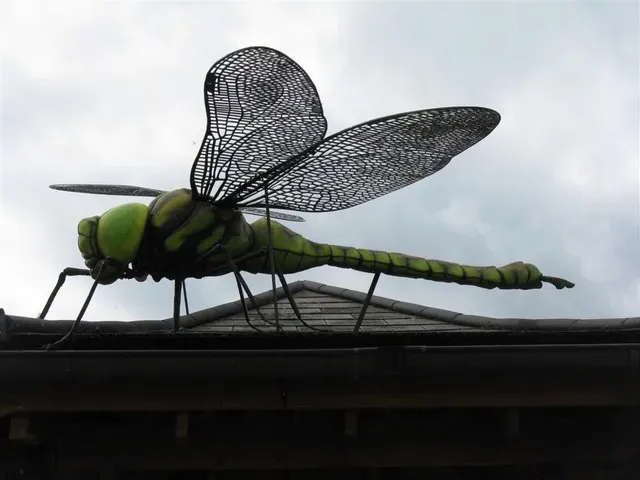
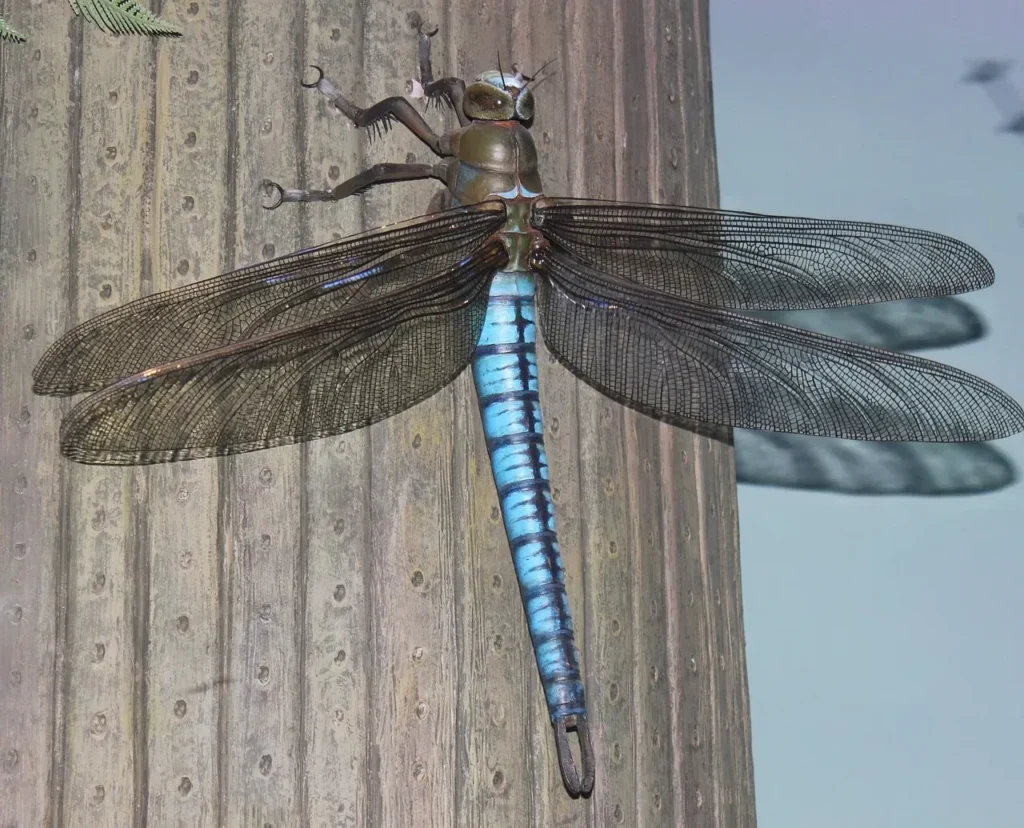
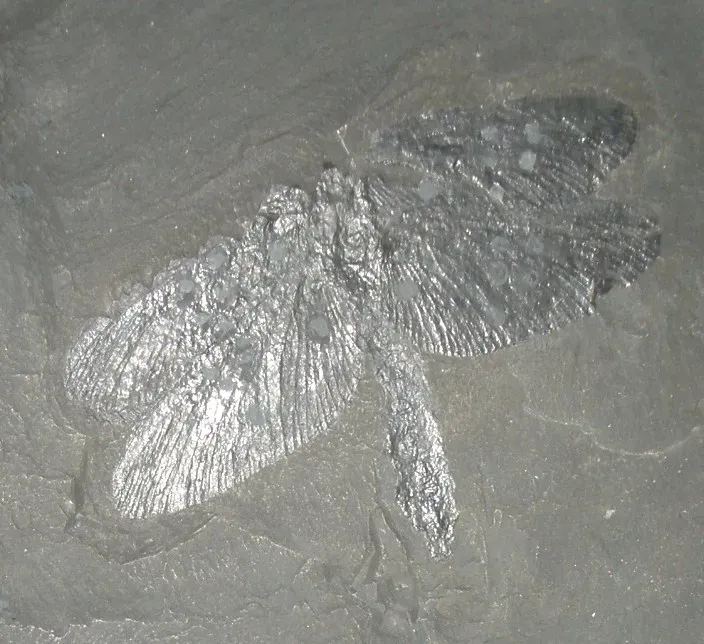
Meganeura is a genus of extinct insects from the Late Carboniferous, approximately 300 million years ago. It is a member of the extinct order Meganisoptera, which are closely related to and resemble dragonflies and damselflies. You might picture a large dragonfly when you hear that. Go bigger. Much, much bigger.
With a single wing length reaching 32 centimeters and a wingspan of about 65 to 75 centimeters, Meganeura monyi is one of the largest-known flying insect species. To put that in perspective, that’s roughly the wingspan of a modern hawk. With large compound eyes providing nearly panoramic vision and powerful mandibles capable of catching smaller prey such as other insects or even small vertebrates, it ruled the skies with remarkable efficiency. Honestly, I think if you were standing in that forest, you wouldn’t want to look up.
Arthropleura: The Mega-Millipede That Owned the Forest Floor
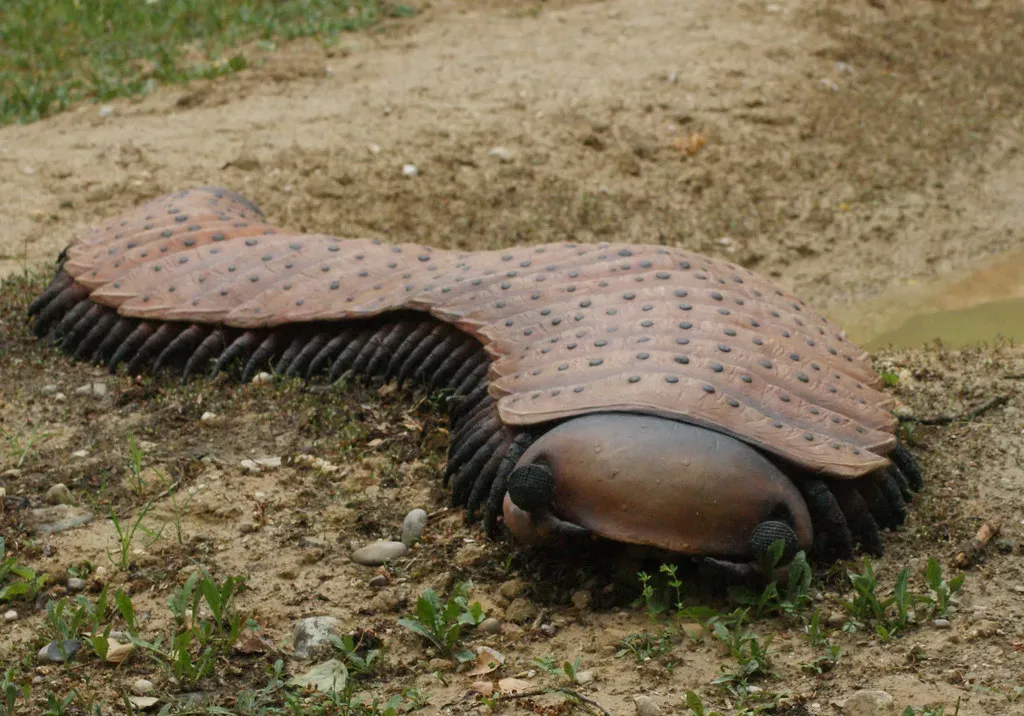
Not all of the Carboniferous giants ruled the sky. Some of them owned the ground entirely. Arthropleura is an extinct genus of massive myriapod that lived in modern-day Europe and North America around 344 to 292 million years ago. It was a millipede capable of reaching at least 2 meters in length, possibly up to over 2.5 meters, making it the largest known land arthropod of all time.
Arthropleura is known from body fossils as well as trace fossils, particularly giant trackways up to 50 centimeters wide, and potentially also large burrows. You can picture those footprints frozen in ancient stone, a silent but vivid record of just how massive this creature was. Currently, Arthropleura is believed to be a detritivore, like most extant millipedes. This means feeding on either dead and decaying plant matter or animal remains when available. The short, closely packed legs, as well as evidence from the morphology of the ichnofossil trackways, both suggest that Arthropleura was a very slow moving animal. Slow but absolutely enormous, like a living armored carpet of the ancient world.
A Sky With No Vertebrate Predators: Freedom That Fueled Gigantism
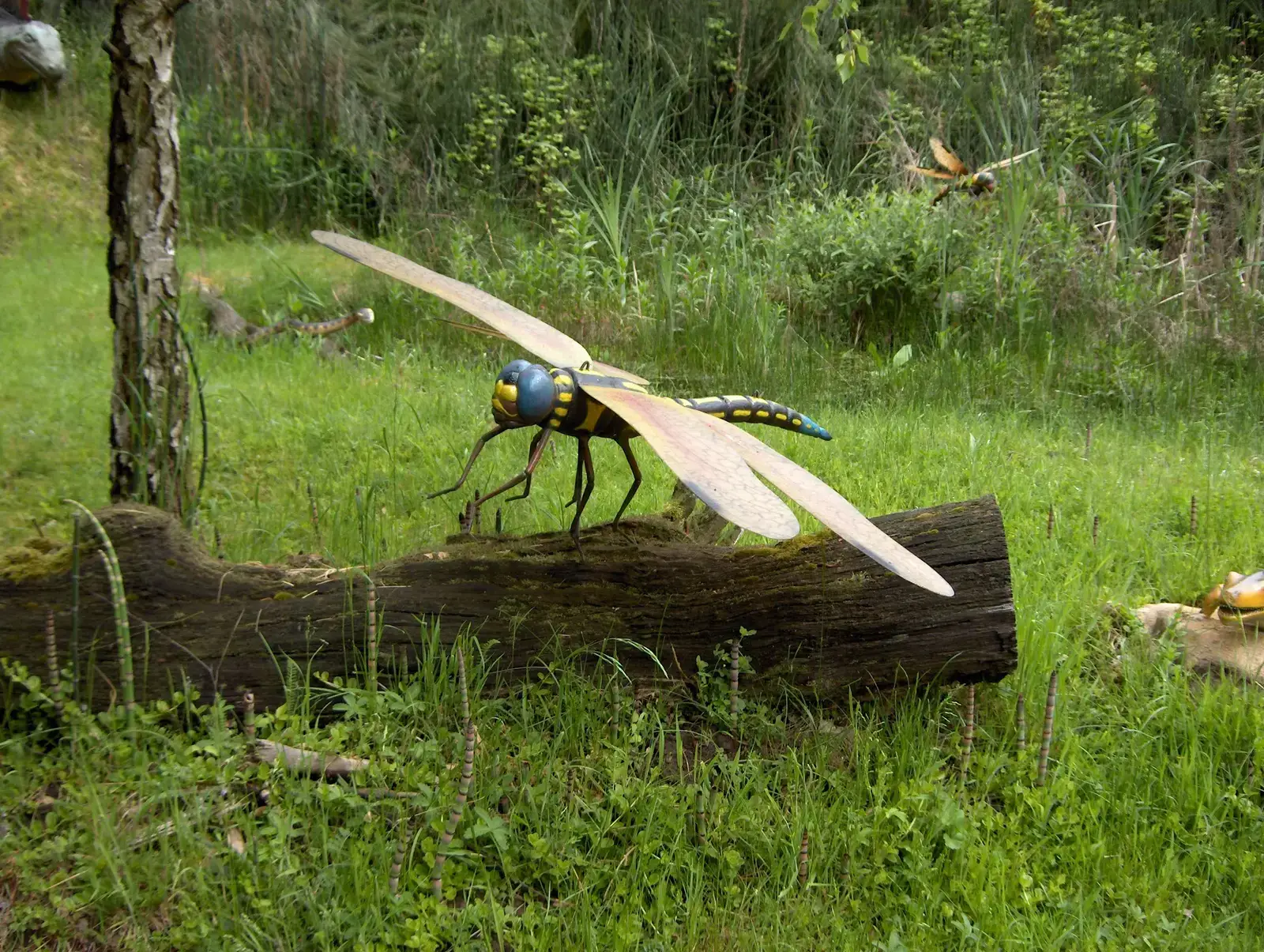
Oxygen alone doesn’t tell the whole story. There’s another factor that made the Carboniferous a playground for giant insects, and it’s surprisingly simple. Insects were the only animals capable of flight during the Carboniferous Period. Birds hadn’t yet evolved and reptile species were still primitive and land-bound. The lack of agile aerial predators allowed flying insects to grow large without being easy targets.
One researcher suggested that the lack of aerial vertebrate predators allowed pterygote insects to evolve to maximum sizes during the Carboniferous and Permian periods, perhaps accelerated by an evolutionary arms race for increases in body size between plant-feeding Palaeodictyoptera and Meganisoptera as their predators. That’s a fascinating idea. Predator and prey both growing bigger and bigger, locked in an escalating biological standoff, with nothing flying above them to cut it short. It’s almost like an unchecked evolutionary experiment that nature ran for tens of millions of years.
Other Monsters of the Carboniferous World
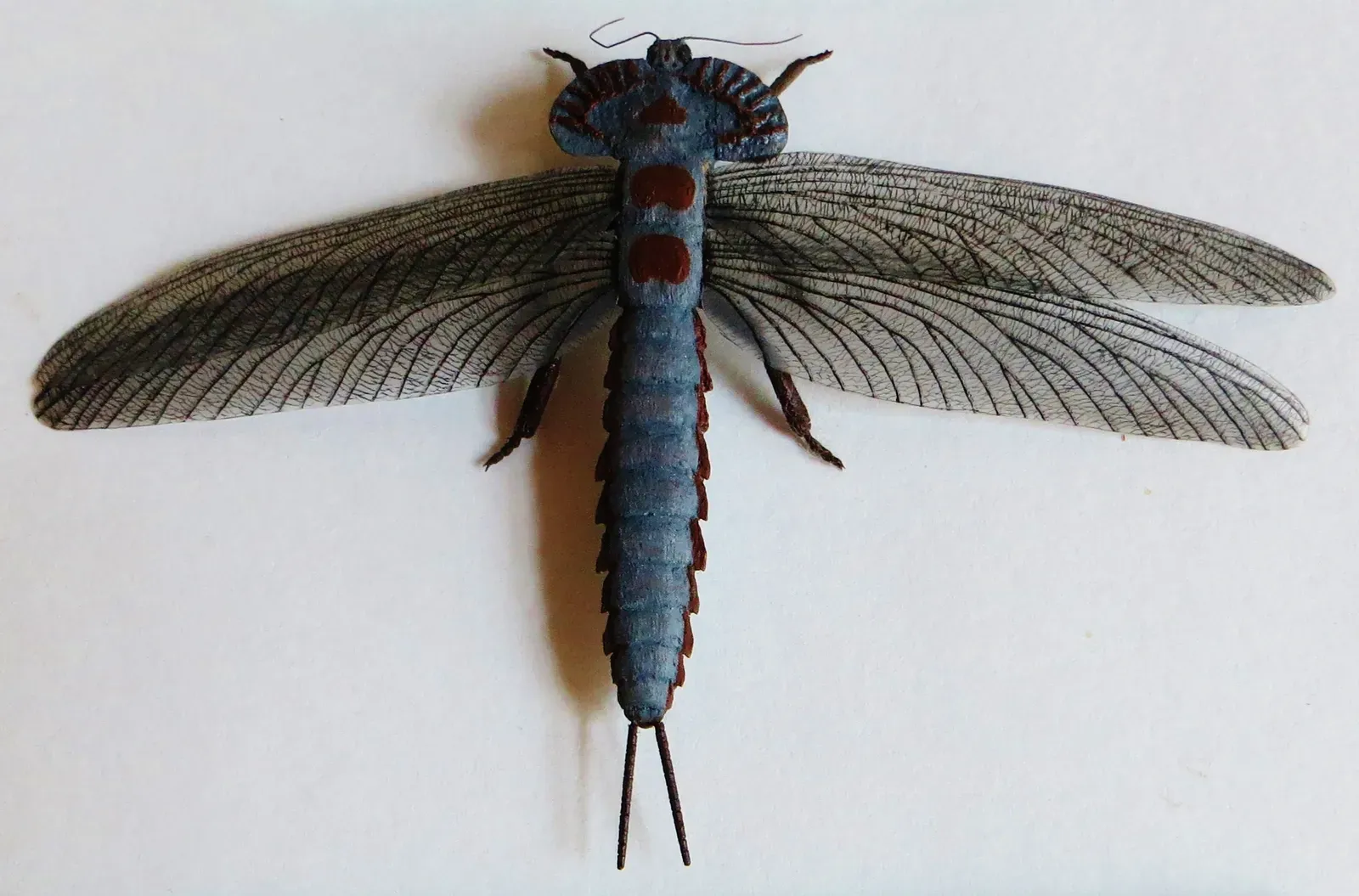
Let’s be real, Meganeura and Arthropleura grab most of the headlines, but the Carboniferous was absolutely packed with other enormous creatures that deserve attention. Other giants of the time included mayflies with wingspans of nearly half a meter, a spider with enormous leg spans, and yard-long and even longer millipedes and scorpions.
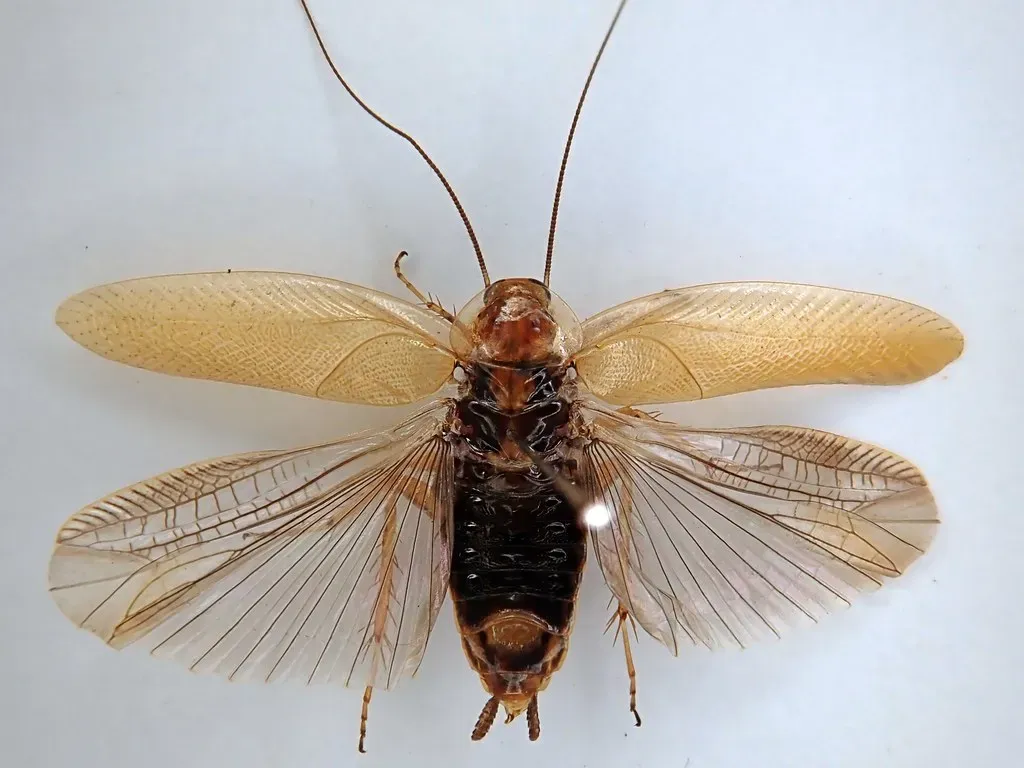
Further groups of giant insects included the Syntonopterodea, relatives of present-day mayflies, the abundant and often large sap-sucking Palaeodictyopteroidea, the diverse herbivorous Protorthoptera, and numerous basal Dictyoptera, ancestors of modern cockroaches. It wasn’t just one or two exceptional species. Proliferation was not limited to just the traditional predators. Even everyday insects like cockroaches and mayflies saw massive growth. The entire ecosystem was operating on a grander scale. It was as if nature had dialed up a size slider, and nearly everything responded.
The End of the Giants: How the Reign of Monster Insects Collapsed
Every golden age ends. The Carboniferous giants were no exception, and their decline is almost as dramatic as their rise. The Carboniferous Period concluded with a significant global climate shift known as the Carboniferous Rainforest Collapse, occurring around 305 million years ago. This event was marked by a transition to cooler and drier conditions, often accompanied by intense glaciation, which led to a substantial drop in global sea levels. The vast tropical swamps, which had supported the Carboniferous flora, began to shrink and fragment into isolated patches.
Toward the end of the Permian period, oxygen levels began to drop significantly. By around 250 million years ago, atmospheric oxygen had fallen to some of the lowest levels in Earth’s history. After the evolution of birds about 150 million years ago, insects got smaller despite rising oxygen levels. Insects had reached their biggest sizes about 300 million years ago during the late Carboniferous and early Permian periods. A combination of collapsing oxygen, new airborne predators, and catastrophic climate shifts sealed the fate of the ancient giants. Although oxygen fluctuations continued after this period as life continued, no insect has ever become giant again.
Conclusion: A World So Strange It Feels Like Fiction, Yet It Was Completely Real
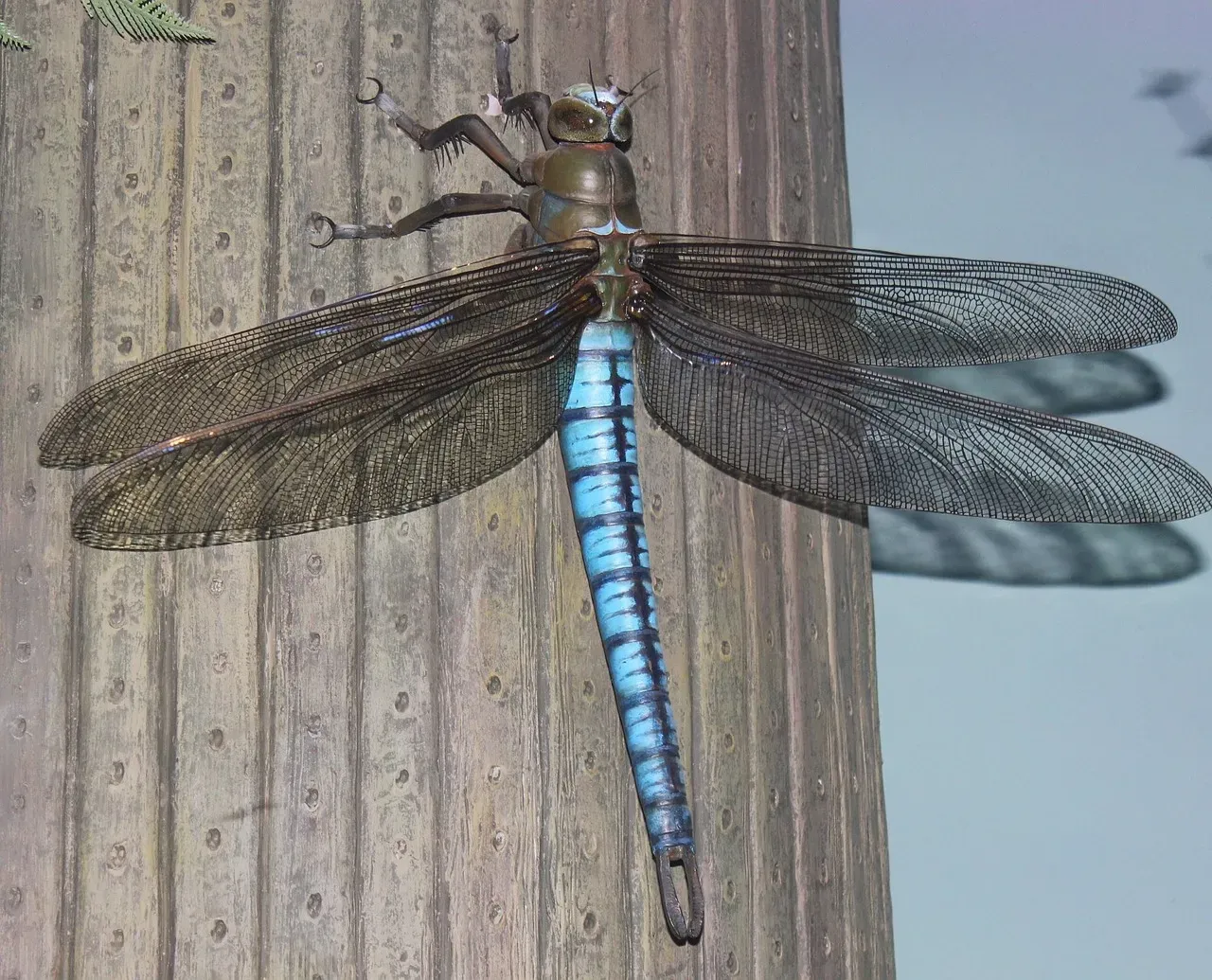
There’s something deeply humbling about the Carboniferous. Long before the dinosaurs thundered across the land, before mammals scurried in the undergrowth, even before the first bird ever spread its wings, insects had already built a world of titans. They ruled the sky and the forest floor for millions of years, in a world rich with oxygen and free from the vertebrate predators that would eventually clip their evolutionary wings.
Today, the descendants of those ancient creatures are much smaller, but their story teaches us about the delicate balance of life, the power of evolution, and the dramatic ways Earth’s atmosphere can shape the course of history. It’s a reminder that the planet we think we know has worn many faces, and some of them were filled with creatures stranger and more awe-inspiring than any Hollywood monster. The next time you swat a fly or spot a dragonfly hovering near a pond, take a second to consider: the ancestor of that small insect once owned the skies of an entire planet. What do you think about that?