Picture yourself walking through an ancient forest. The humid air feels thick, almost suffocating. You hear a sudden buzzing overhead and look up to see something that shouldn’t exist: a dragonfly with wings wider than a hawk’s, casting a shadow across your entire body. Welcome to Earth roughly 300 million years ago, when insects weren’t just creepy crawlers you could squash with your shoe. They were apex predators, massive herbivores, and absolutely terrifying masters of both sky and soil.
Here’s the thing about prehistoric bugs: they weren’t slightly larger versions of what we see today. We’re talking about millipedes the length of small cars and dragonflies that could snatch prey the size of modern rats. This wasn’t some science fiction nightmare – it was reality during specific periods of Earth’s deep past. Let’s be real, if you thought finding a cockroach in your kitchen was bad, imagine encountering its ancient cousin that measured several times larger and had an appetite to match.
The Carboniferous Period: Earth’s Golden Age for Giant Bugs
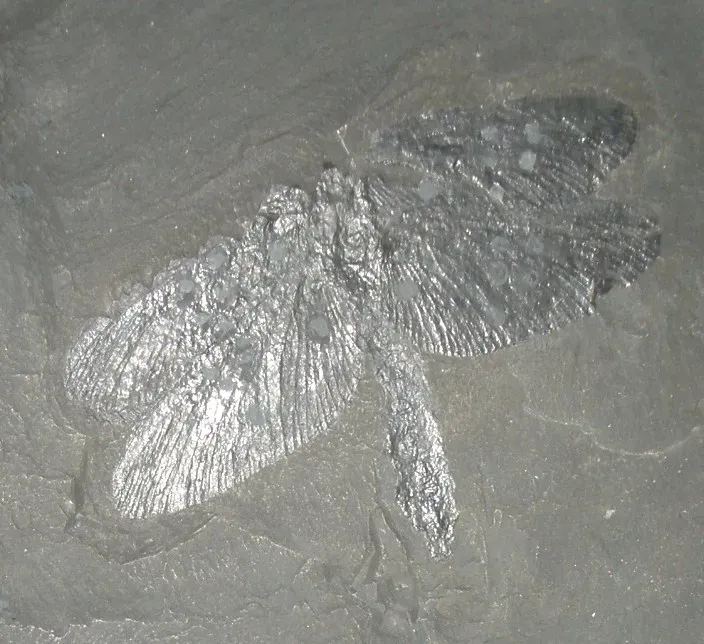
Insects reached their biggest sizes about 300 million years ago during the late Carboniferous and early Permian periods. This era wasn’t just significant for bugs – it fundamentally shaped our planet in ways you still see today. The Carboniferous Period was named for the large amounts of carbon-rich coal deposits formed during this time, and oxygen levels in the atmosphere reached up to 35% compared to today’s 21%.
Think about that for a second. Nearly half again as much oxygen floating around in every breath. During the Carboniferous and Permian periods, Earth’s air contained 31-35% oxygen, while today there is just 21% oxygen in the air. The planet was essentially one gigantic, humid greenhouse, covered in vast swamp forests that stretched as far as the eye could see. These weren’t the forests you’d recognize today – instead of oaks and pines, towering club mosses and giant horsetails dominated the landscape, some reaching heights that would make modern trees jealous.
Meganeura: The Terror of Ancient Skies
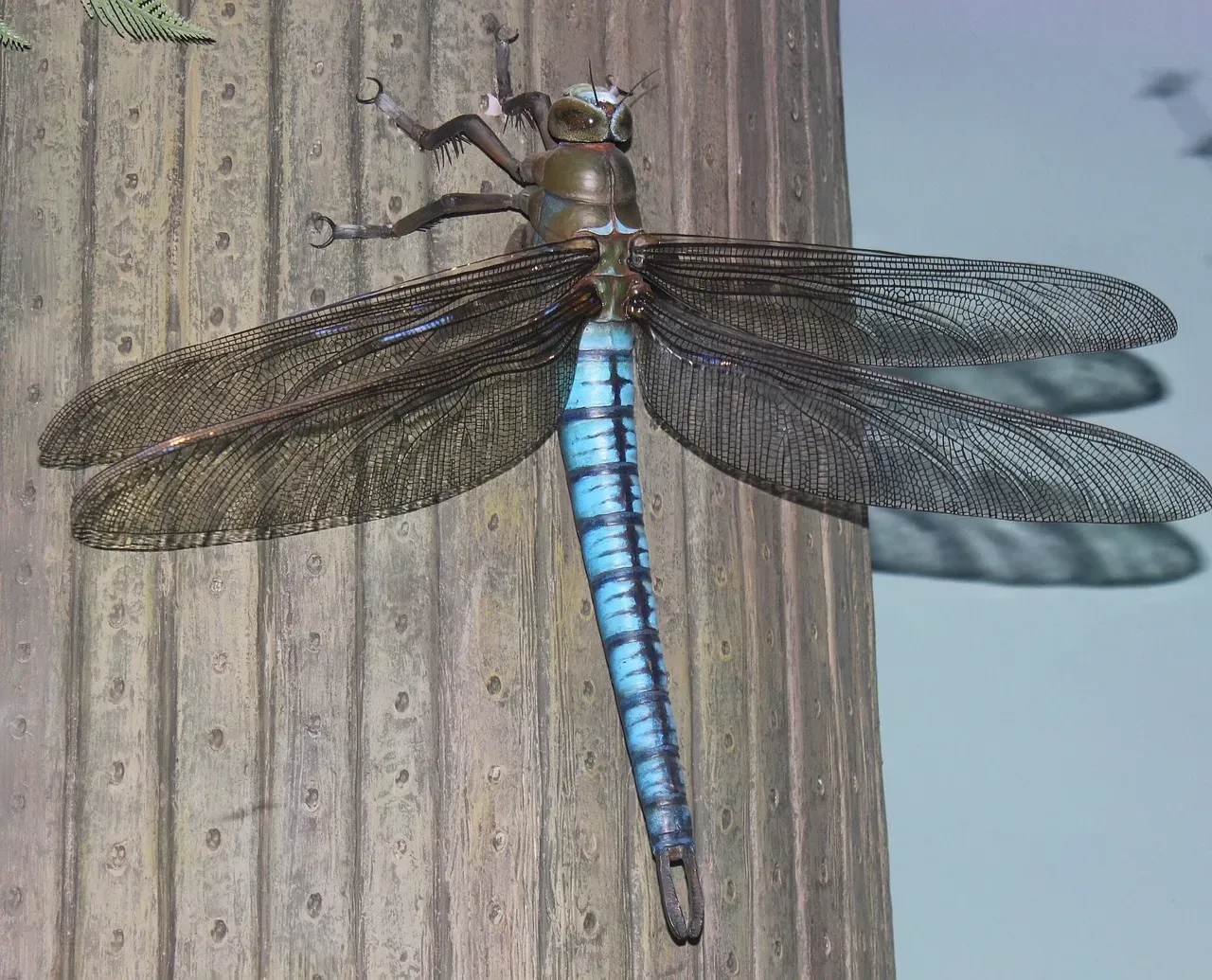
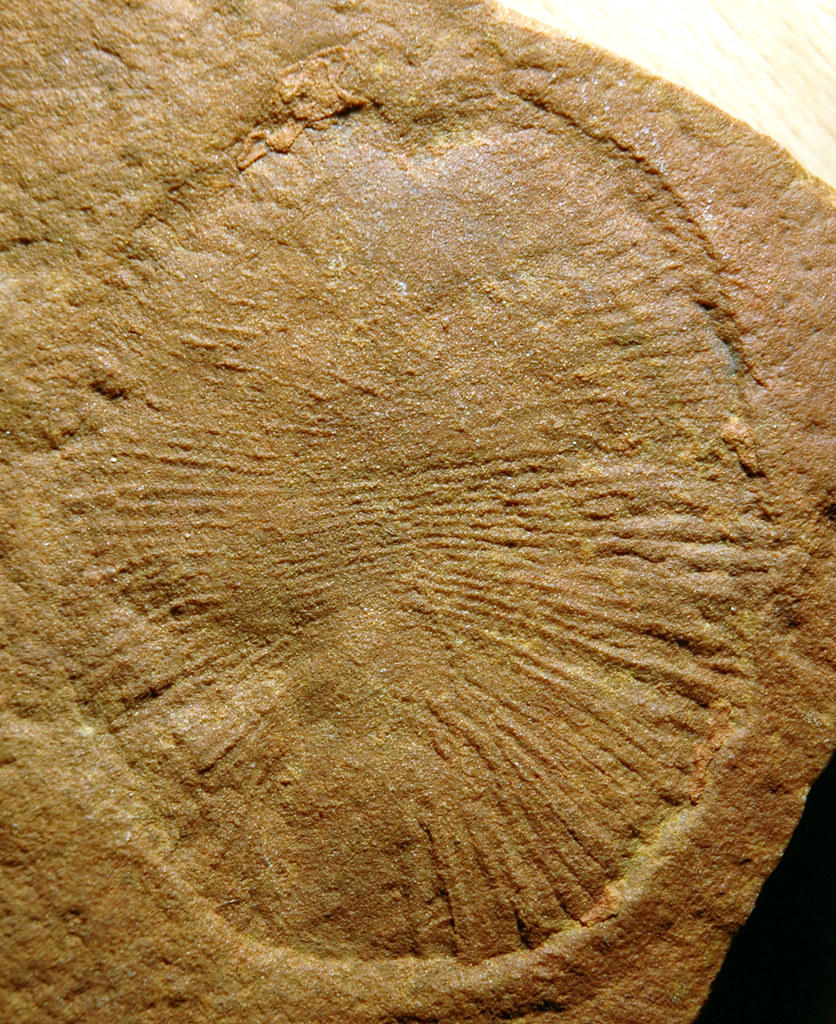
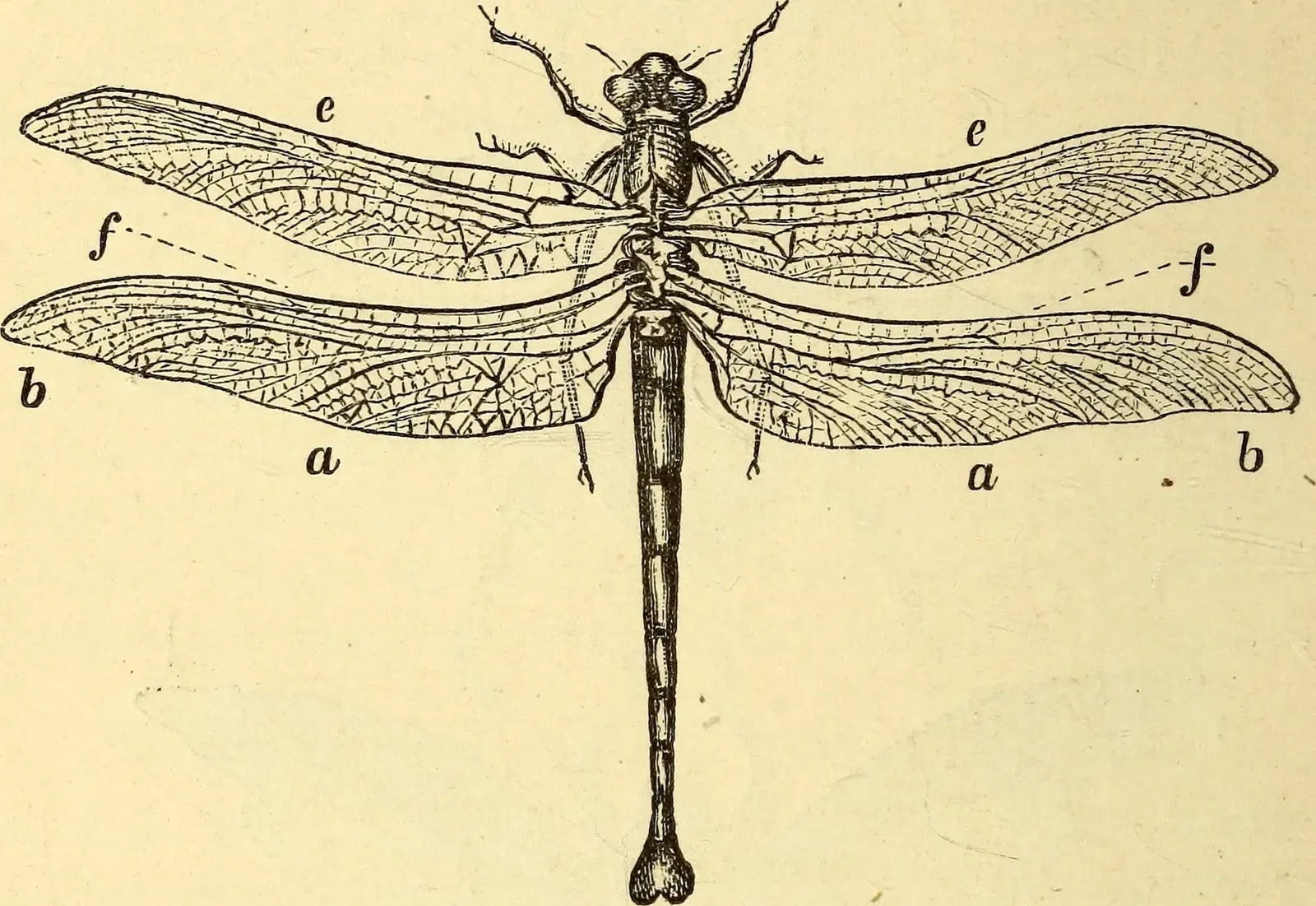
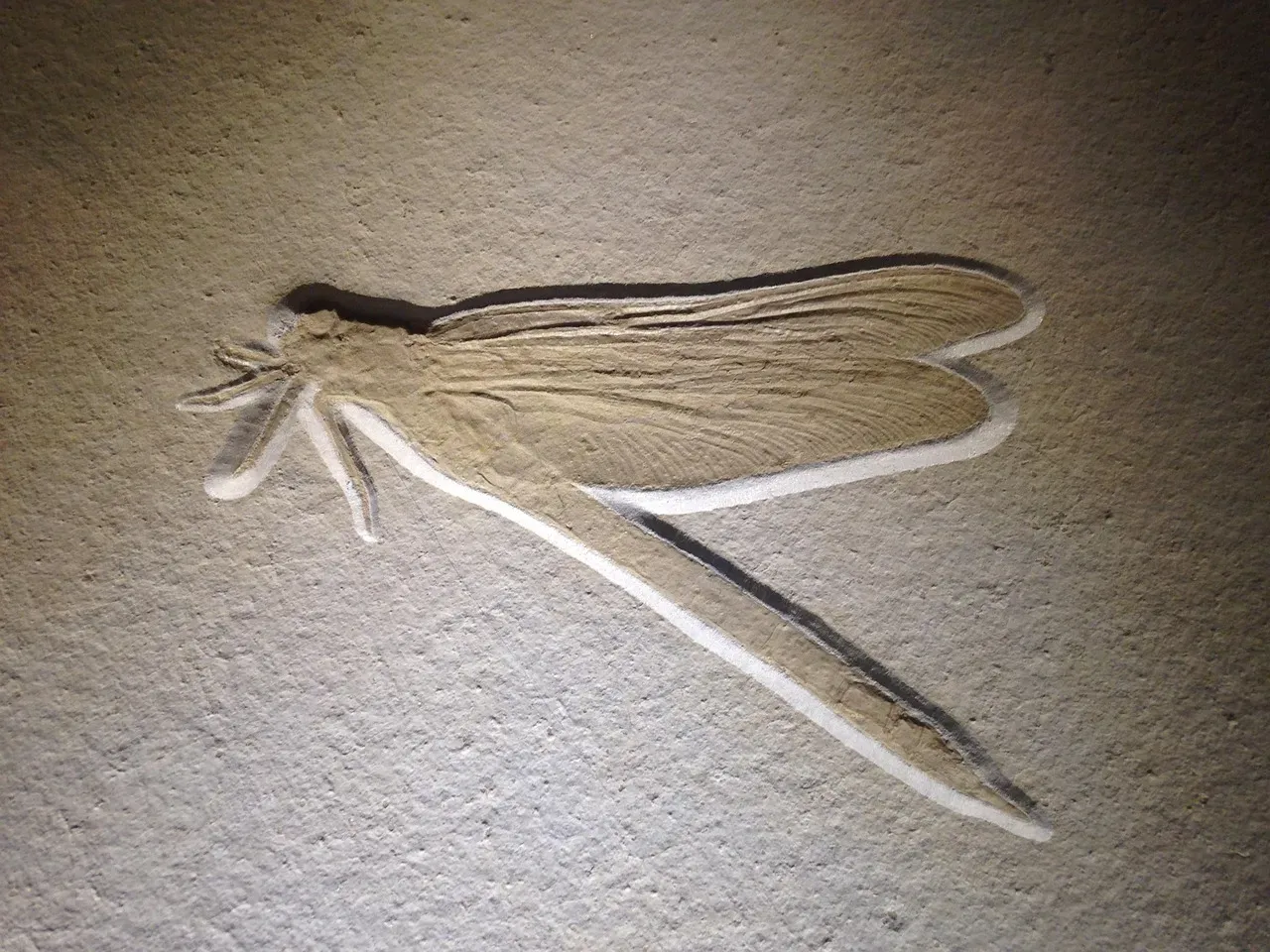
With single wing length reaching 32 centimetres and a wingspan about 65–75 cm, M. monyi is one of the largest-known flying insect species. Let that sink in – we’re talking about a wingspan of over two feet. Fossils of Meganeura were first discovered in Late Carboniferous Coal Measures of Commentry, France, in 1880, and French paleontologist Charles Brongniart described and named the fossil “Meganeura”, which refers to the network of veins on the insect’s wings.
These weren’t gentle giants either. Meganeura had spines on the tibia and tarsi sections of the legs, which would have functioned as a “flying trap” to capture prey. Picture a modern dragonfly’s hunting strategy, then scale it up dramatically. These ancient predators likely patrolled open spaces near water, their enormous compound eyes scanning for anything unlucky enough to cross their flight path. Their prey wasn’t limited to other insects – small amphibians that were just beginning to adapt to life on land probably found themselves on the menu too.
Arthropleura: The Car-Sized Millipede That Wasn’t an Insect
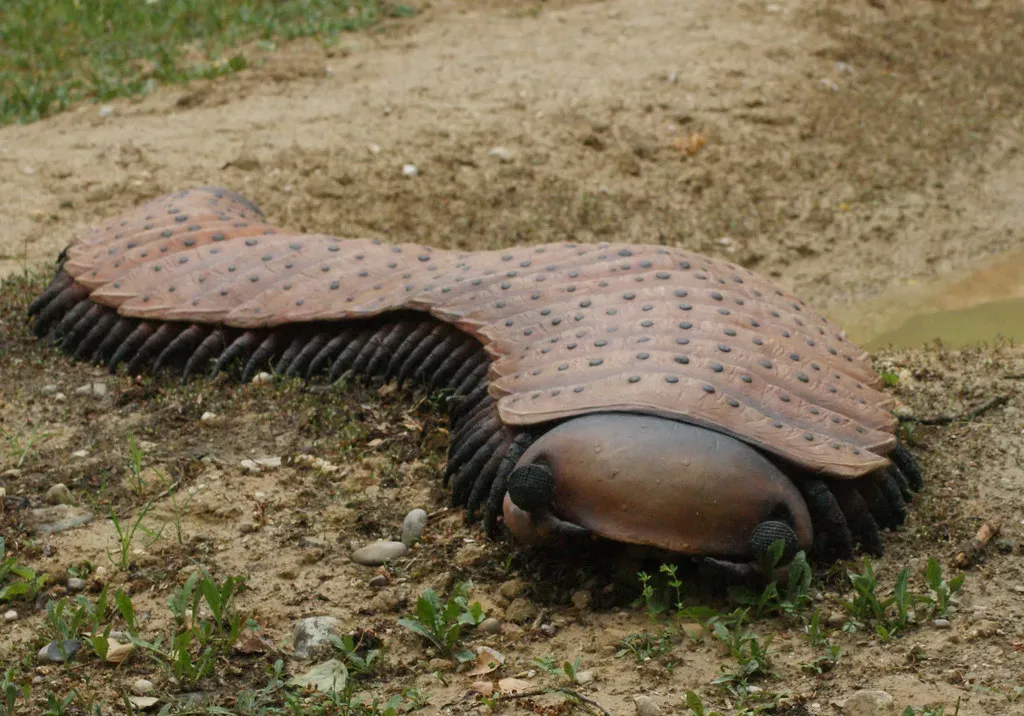
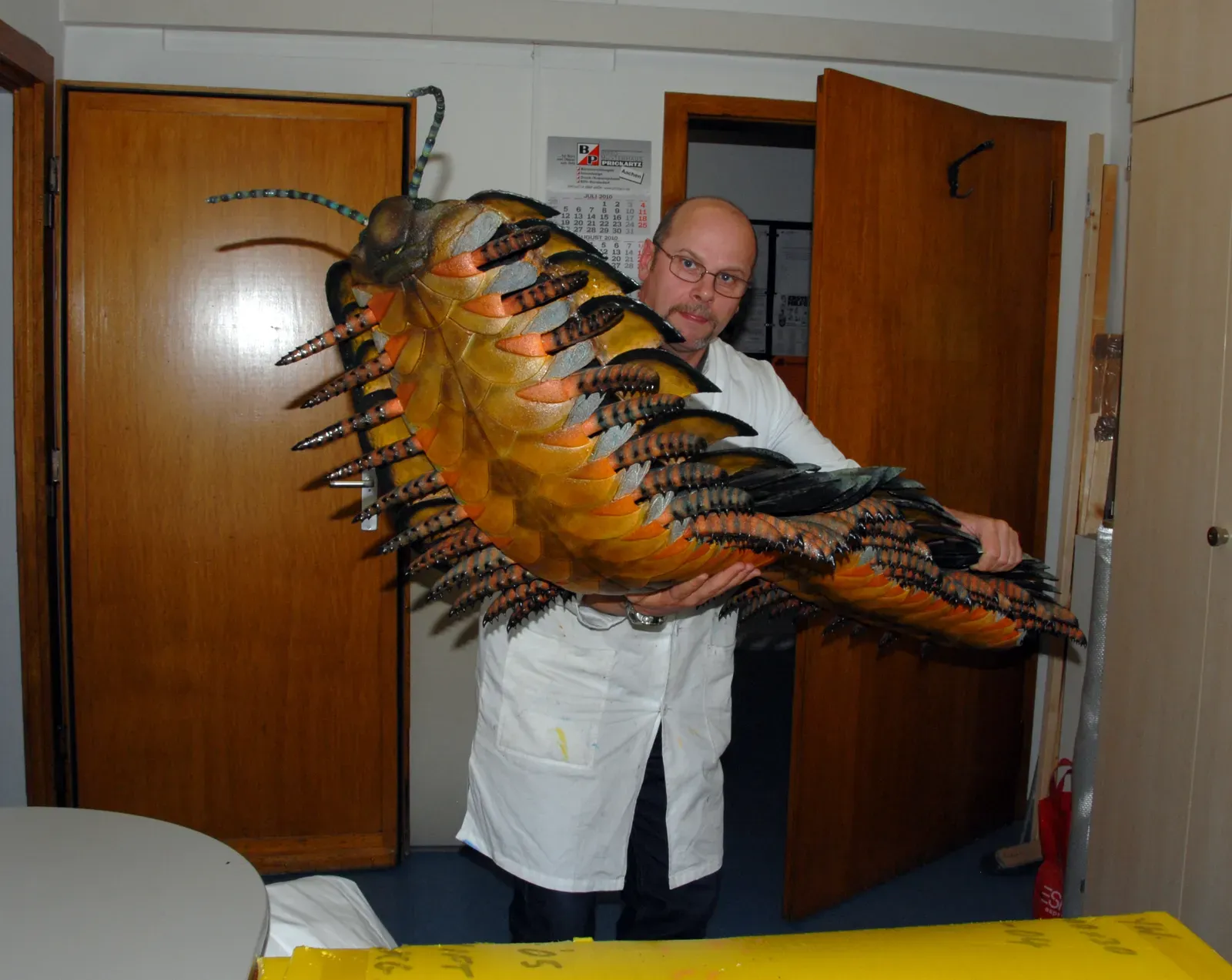
Arthropleura was capable of reaching at least 2 metres in length, possibly up to over 2.5 metres, making it the largest known land arthropod of all time. Honestly, it’s hard to say for sure whether this creature would be more terrifying or fascinating to encounter. Members of Arthropleura are the largest known arthropods in Earth’s history, with an estimated length exceeding 2.6 meters – roughly equivalent to the width of a school bus.
Despite their intimidating size, recent research suggests these giants weren’t the predatory monsters you might imagine. Arthropleura is believed to be a detritivore, feeding on either dead and decaying plant matter or animal remains when available. Still, imagine hiking through a Carboniferous forest and coming face to face with a millipede longer than most people are tall. Scientists estimated that it would have weighed up to 50 kilogrammes, which is about the same as a large dog. The creature moved slowly across the forest floor, its dozens of legs working in coordinated waves.
The Oxygen Mystery: Why Size Actually Mattered
The leading explanation for insect gigantism comes down to basic biology and atmospheric chemistry. Insects don’t have lungs; instead, they rely on air flowing through a series of openings on their bodies called spiracles, which connect via tiny tubes to the tissues that need oxygen. This system works brilliantly for small creatures, yet it creates natural size limits under normal atmospheric conditions.
High oxygen concentrations in the atmosphere (over 30 percent, compared to 21 percent today) allowed giant insects to get enough oxygen through the tiny breathing tubes that insects use instead of lungs. Here’s where it gets interesting though – some scientists propose an alternative theory. The larvae of many ancient insects passively absorbed oxygen from water and were not able to regulate their oxygen intake very well, and one way to decrease the risk of oxygen toxicity would have been to grow bigger. Growing larger actually protected them from absorbing dangerously high oxygen levels relative to their body volume.
Pulmonoscorpius and Other Ground Terrors
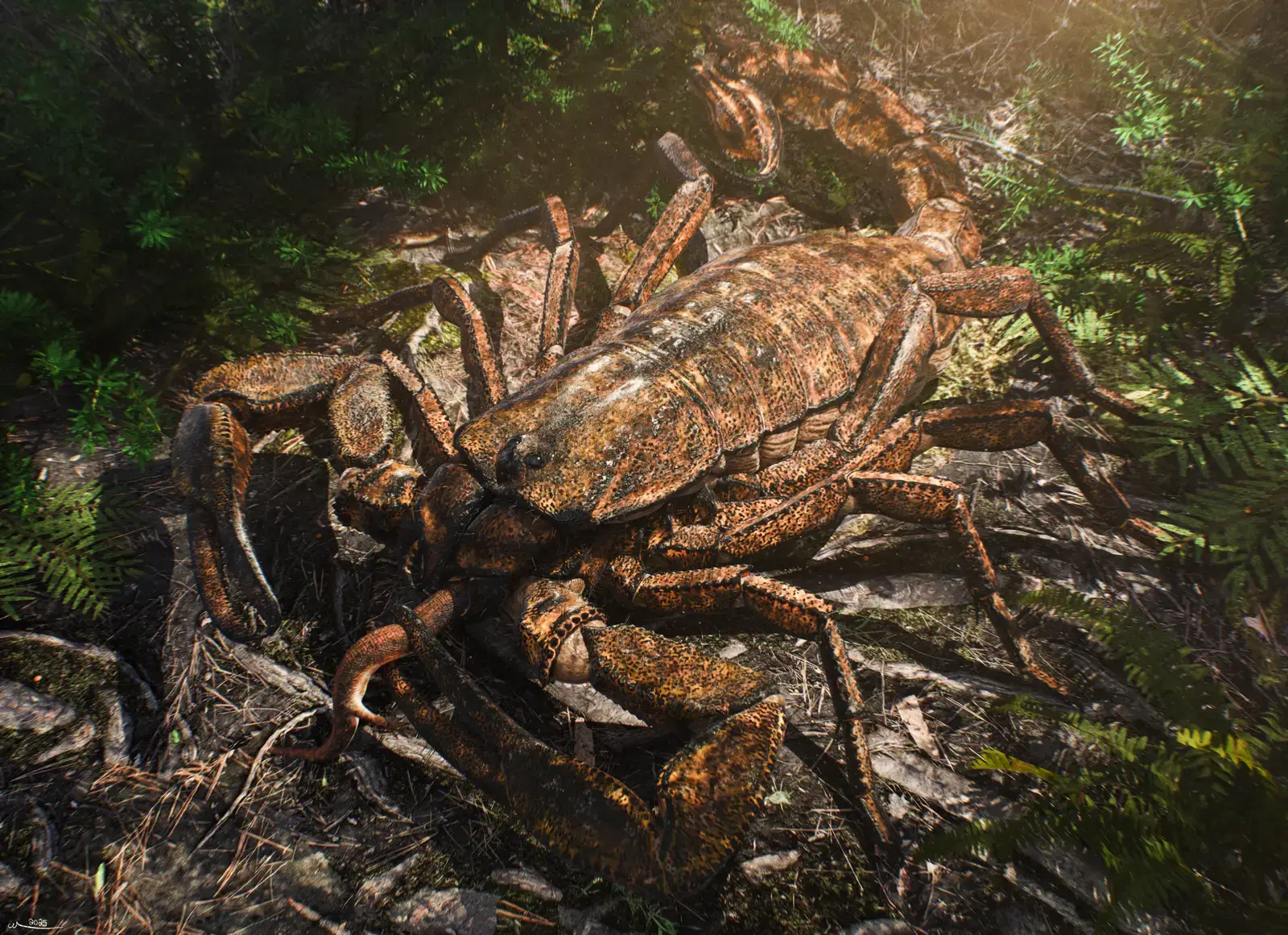
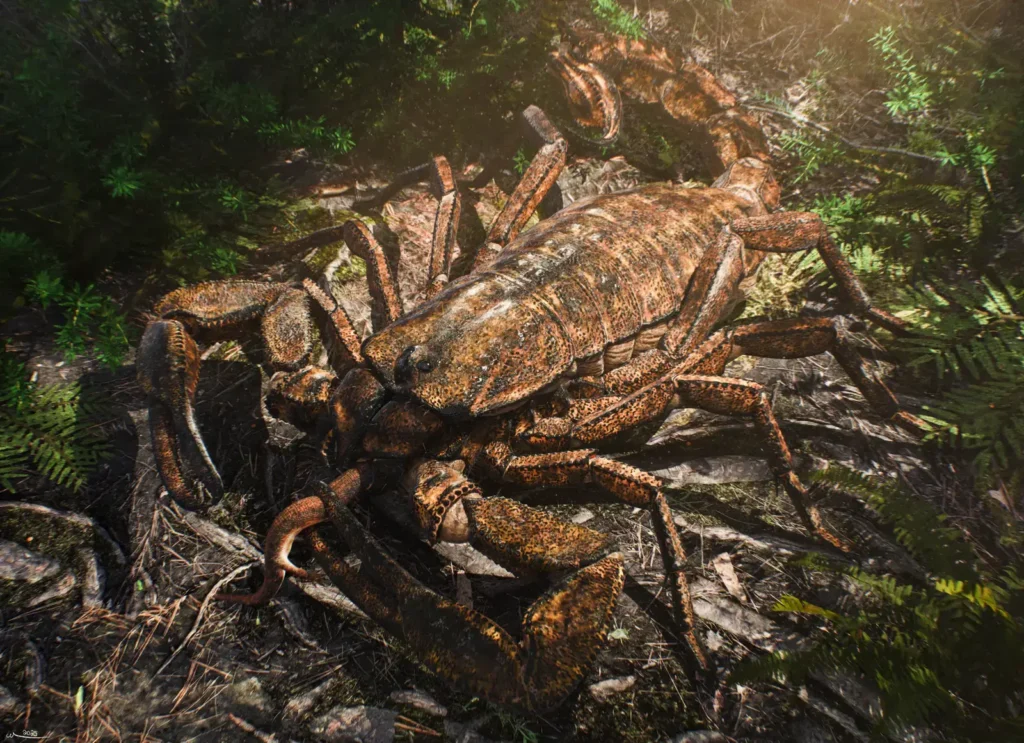
Flying giants weren’t the only supersized arthropods during this period. Pulmonoscorpius was an early scorpion that likely grew to be over 2 feet long and used its size to overpower prey in the open. Imagine encountering a scorpion nearly as long as your arm, complete with venomous stinger and powerful pincers.
The forest floor was a battleground where size definitely mattered. Proliferation was not limited to just the traditional predators – even everyday insects like cockroaches and mayflies saw massive growth. Giant cockroaches scuttled between fallen logs while mayflies the size of small birds hovered near water sources. The entire ecosystem operated on a scale that modern observers would find utterly alien. Competition between predators and prey likely drove an evolutionary arms race, pushing body sizes ever upward in both groups.
The Fall of the Giants: Why They Disappeared
After the evolution of birds about 150 million years ago, insects got smaller despite rising oxygen levels, according to a new study by scientists at the University of California, Santa Cruz. This might be one of evolution’s most fascinating plot twists. Even when atmospheric conditions theoretically favored larger sizes again, insects didn’t bounce back to their prehistoric proportions.
With predatory birds on the wing, the need for maneuverability became a driving force in the evolution of flying insects, favoring smaller body size. Smaller insects could dodge, weave, and escape aerial predators far more effectively than lumbering giants. Around 305 million years ago, atmospheric carbon dioxide levels began decreasing significantly, causing the average global temperature to drop, which resulted in forests receding to isolated patches, eventually leading to the minor extinction of most of the larger giants of the Carboniferous. The perfect storm of climate change, dropping oxygen levels, and new predators sealed the fate of these magnificent monsters.
Lessons from a World of Giants
The age of giant insects teaches us something profound about evolution and environmental change. The giant size of Arthropleura has been frequently attributed to higher oxygen levels during the Carboniferous, however this does not align with the fossil record, as Arthropleura reaches giant sizes before the rise in oxygen concentration during the Carboniferous. The story isn’t as simple as “more oxygen equals bigger bugs.” Multiple factors – oxygen levels, lack of predators, available food sources, climate conditions – all interacted in complex ways to create Earth’s brief age of giants.
What’s truly remarkable is how quickly things can change. Within roughly 50 million years, the dominant megafauna of the insect world vanished, replaced by smaller, more agile creatures better adapted to new conditions. It serves as a powerful reminder that even the most successful organisms can find themselves outcompeted when their world transforms. The coal deposits we mine today are literally the compressed remains of those ancient forests that supported these giants – we’re still benefiting from and dealing with the consequences of that distant era.
Did you know that the fossils of these prehistoric giants are still being discovered today, revealing new secrets about their anatomy and lifestyle? What would you think if we could somehow recreate the atmospheric conditions that allowed these creatures to thrive?