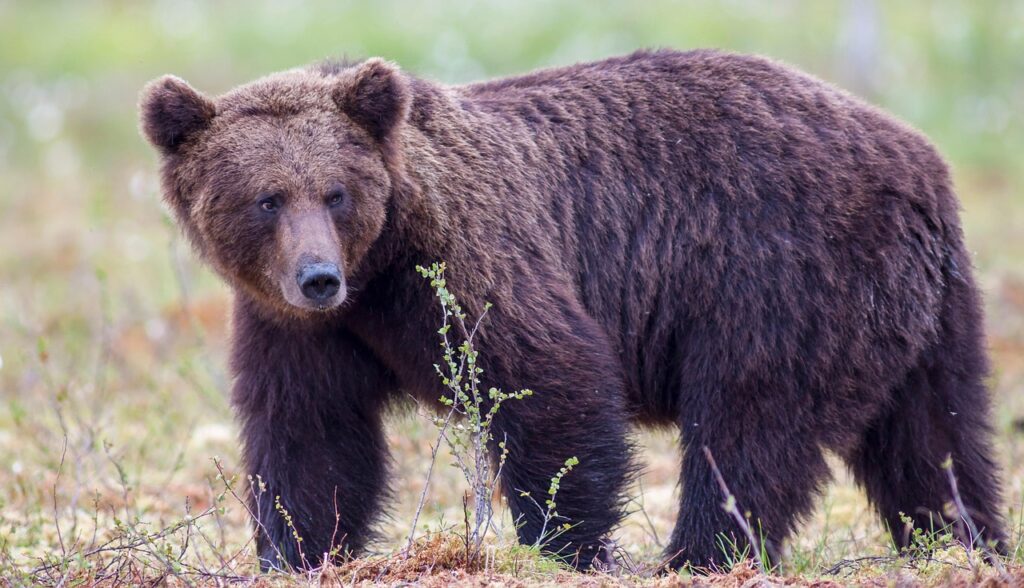
Northwest Territories – Grizzly bears increasingly overlap with the calving grounds of the Bathurst barren-ground caribou herd, potentially exacerbating one of North America’s most severe wildlife declines.
A Staggering Population Drop
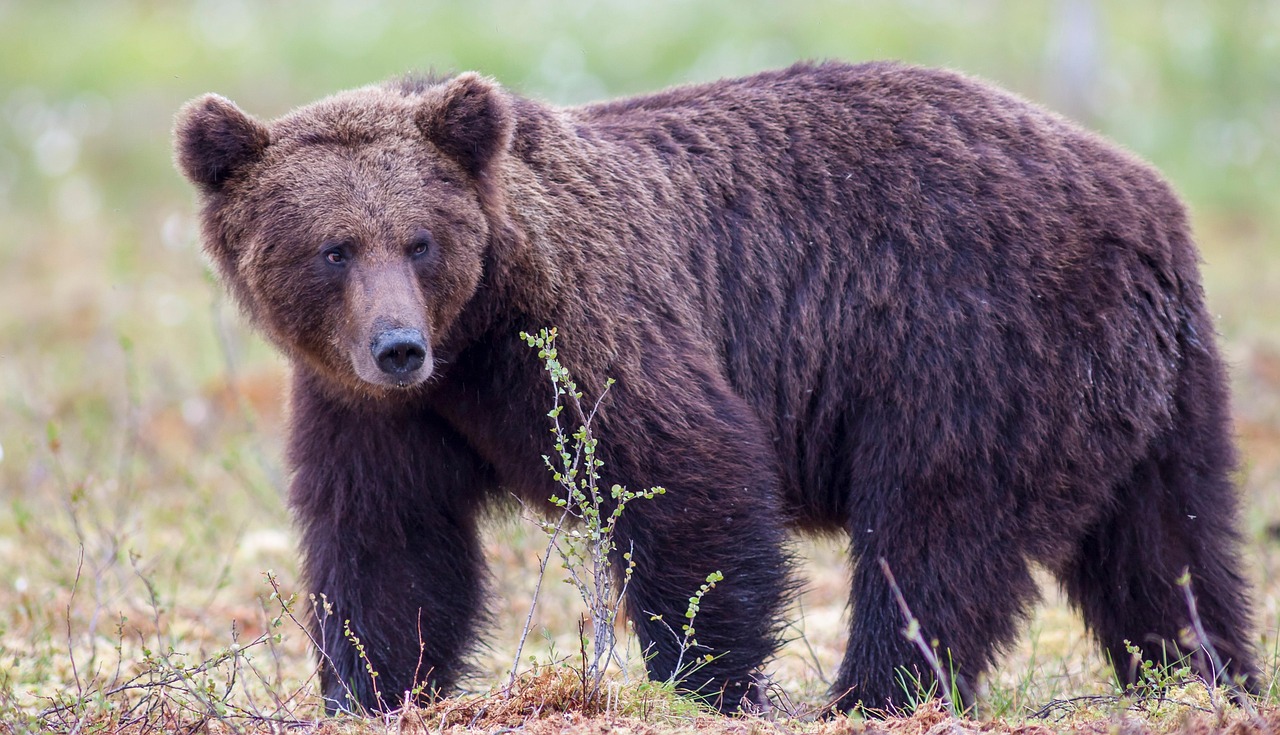
A Staggering Population Drop (Image Credits: Pixabay)
Surveys tracked the Bathurst herd’s rapid descent over decades. Officials estimated roughly 470,000 animals in the mid-1980s. Numbers began falling sharply in the 2000s. Recent assessments painted a dire picture. The Government of Northwest Territories reported 3,609 adult caribou in 2025, down from 6,851 in 2022. This marked a 47 percent decline in just three years. Earlier counts included 8,200 in 2018 and 20,000 in 2015.
| Year | Population Estimate |
|---|---|
| Mid-1980s | ~470,000 |
| 2015 | 20,000 |
| 2022 | 6,851 |
| 2025 | 3,609 |
Researchers used GPS collars and calving ground photo surveys for these figures. The herd now represents less than 1 percent of its historical peak.
Grizzlies Zero In on Vulnerable Calves
Trail cameras captured grizzly bears frequenting Bathurst calving areas during peak birthing season. A study published in Biological Conservation documented this spatiotemporal overlap. Authors suggested the bears targeted newborn caribou, or neonates. Such predation could hinder recruitment into the adult population. The research called for deeper analysis to quantify the impact.
Northern Canada’s barren-ground caribou face predators like wolves and bears at critical life stages. Grizzlies appeared drawn to the nursery-like calving zones.
- Trail cameras showed bears lingering extensively during calving.
- Overlap occurred precisely when calves were most vulnerable.
- Predation presumed on young, though exact kill rates unknown.
- Study urged further monitoring of bear-caribou interactions.
Layered Pressures Beyond Predation
Climate change altered forage availability and intensified insect harassment. Warmer conditions stressed the herd during migrations and summer ranges. Industrial expansion in the north fragmented habitats and increased human presence. Mining and infrastructure disrupted traditional routes.
Wolf predation drew management focus, including control programs and harvest bans since 2015. A mobile core protection zone shielded key areas. Yet the population continued to shrink. Government reports listed these as primary drivers. Predators like grizzlies added to the burden on an already fragile herd.
Urgent Calls for Integrated Action
Officials maintained a total harvest prohibition in the Northwest Territories. GPS tracking aided year-round monitoring. Conservationists emphasized multifaceted strategies. Enhanced predator studies could inform targeted interventions. Inuit knowledge highlighted environmental shifts’ role. Recovery remained elusive despite restrictions. The 2025 survey underscored the crisis’s acceleration.
Key Takeaways
- Bathurst herd plummeted from 470,000 to 3,609 adults since the 1980s.
- Grizzly bears overlapped calving grounds, targeting newborns per trail camera evidence.
- Climate change, industry, and other predators compound the threats.
The Bathurst caribou’s plight demands swift, science-driven responses to halt the collapse. Further research on grizzly impacts could unlock vital protections. What conservation measures would you prioritize? Share your thoughts in the comments.