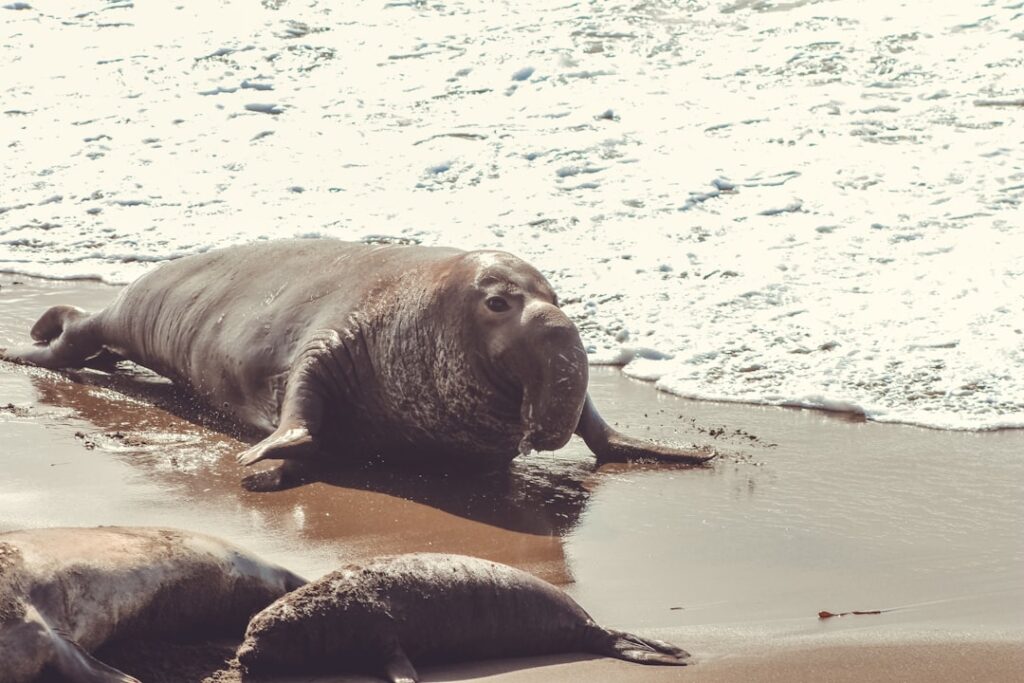
California – Northern elephant seals at Año Nuevo State Park faced a grim milestone this month as highly pathogenic avian influenza H5N1 claimed dozens of lives, mostly among vulnerable young pups.
Seven Pups Test Positive Amid Rising Deaths
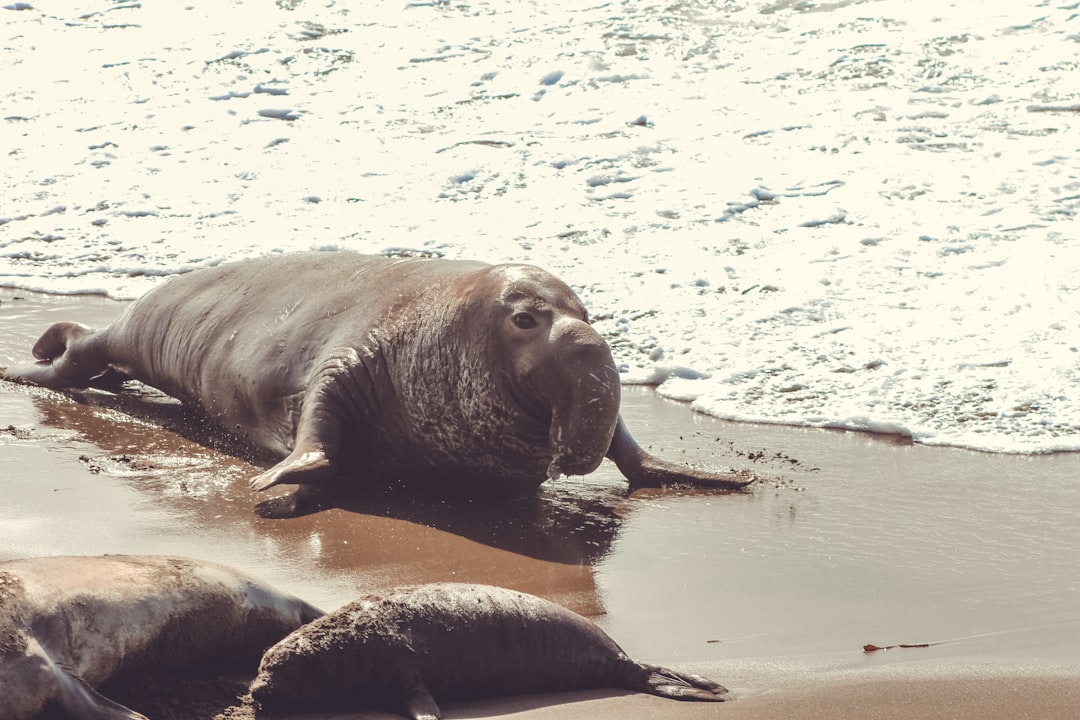
Seven Pups Test Positive Amid Rising Deaths (Image Credits: Unsplash)
Researchers spotted the outbreak after noticing seals displaying unusual respiratory distress and neurological symptoms. Seven weaned pups tested positive for the virus, confirmed by the U.S. Department of Agriculture’s National Veterinary Services Laboratory. About 30 elephant seals perished in total, with nearly all victims being the young ones recently separated from their mothers.
The colony at the park numbered around 1,350 seals when the illness surfaced earlier in February 2026. Daily monitoring by scientists from the University of California, Davis, and UC Santa Cruz enabled swift detection in this dense gathering spot. Typically, the site hosts up to 5,000 seals during breeding season, making such vigilance crucial. More test results remain pending as experts track the spread.
Park Closures Limit Human Interaction
California State Parks acted quickly by shutting down main seal-viewing areas and halting guided tours for the season. These steps aimed to minimize human disturbance and curb any potential transmission risks. Officials urged the public to maintain at least 150 yards from the seals and avoid contact with any sick or deceased wildlife. Pet owners received similar warnings to keep animals away.
The measures reflect heightened surveillance protocols developed after years of studying the seals. This breeding colony ranks among the largest mainland groups for northern elephant seals. Researchers emphasized that the bulk of the population appeared healthy so far. Ongoing observations will determine if the virus persists beyond the pups.
Lessons from Global H5N1 Spread
The California cases echo devastating outbreaks elsewhere. In 2023, H5N1 killed over 17,000 southern elephant seal pups along South American coasts, alongside thousands of sea lions. The virus has jumped to various mammals worldwide, including farmed mink and other marine species. Scientists attribute its adaptability to mutations enabling mammal-to-mammal transmission.
Seabirds likely introduced the strain to the seals, given its prevalence in wild avian populations across the Americas. Northern elephant seals now join a growing list of affected wildlife. Experts from institutions like UC Davis highlighted how long-term monitoring aided early intervention here. Such efforts could prove vital if the outbreak expands.
Low Human Risk, High Wildlife Concern
Public health authorities assessed the danger to people as low. No human infections linked to these seals have occurred. Still, they advised against handling marine mammals or their remains. The Marine Mammal Center noted this as the first H5N1 confirmation in California marine mammals.
- Observe seals from afar using binoculars.
- Report sick or dead animals to authorities.
- Wash hands thoroughly after outdoor activities near beaches.
- Prevent pets from approaching wildlife.
- Support conservation monitoring programs.
Key Takeaways
- First H5N1 cases in northern elephant seals and California marine mammals.
- 30 deaths, mainly pups; colony monitoring continues.
- Park closures protect both seals and visitors.
This outbreak underscores the unpredictable reach of H5N1 in ecosystems, urging sustained vigilance for marine life. As scientists watch the colony recover, the event serves as a reminder of nature’s fragility. What steps should coastal communities take next? Share your thoughts in the comments.