In the windswept deserts of Mongolia, paleontologists uncovered something that would shatter everything we thought we knew about dinosaurs. Buried beneath layers of ancient sediment lay the fossilized remains of a creature so bizarre, so utterly unique, that it seemed like nature had been playing a wild game of evolutionary mix-and-match. This wasn’t just another dinosaur – this was Halszkaraptor, a revolutionary discovery that would force scientists to completely rewrite the rulebook on what these prehistoric giants were capable of.
The Shocking Discovery That Changed Everything
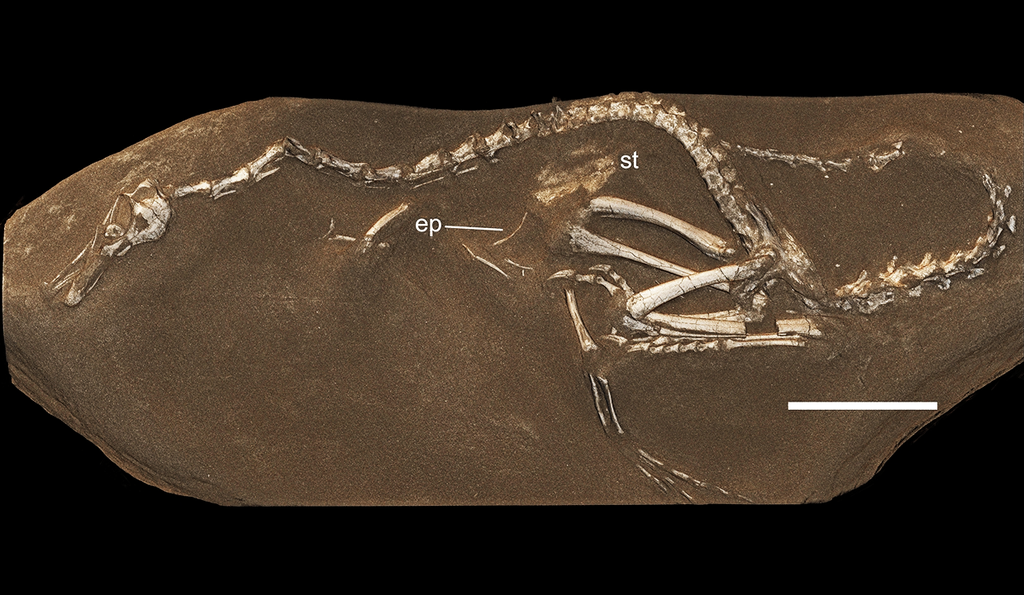
The moment paleontologists first laid eyes on Halszkaraptor’s remains, they knew they were looking at something extraordinary. The fossil, nicknamed “Halszka” after Polish paleontologist Halszka Osmólska, was discovered in the Djadochta Formation of Mongolia’s Gobi Desert in the early 2000s. What made this discovery particularly remarkable wasn’t just the creature’s unusual anatomy, but the exceptional preservation of its skeleton.
The specimen was so well-preserved that researchers could examine minute details of its bone structure, revealing adaptations that had never been seen before in any dinosaur. Using advanced synchrotron scanning technology, scientists were able to peer inside the fossilized bones without damaging them, uncovering secrets that had been locked away for over 70 million years.
A Body Built for Two Worlds
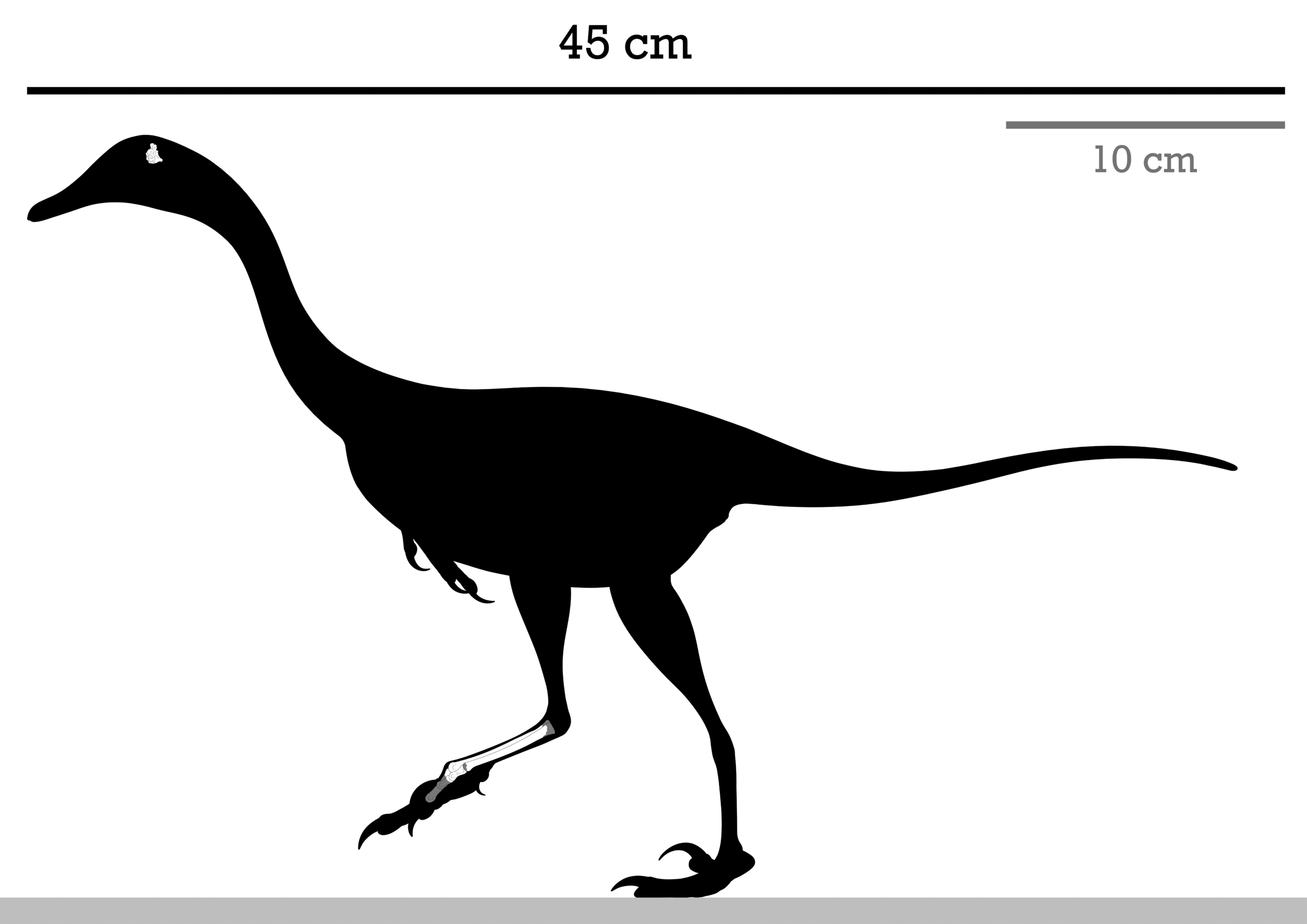
Halszkaraptor possessed a body plan that defied conventional dinosaur categories. Standing about three feet tall and measuring roughly five feet in length, this creature was built like a prehistoric Swiss Army knife. Its most striking feature was undoubtedly its elongated, swan-like neck, which comprised nearly half of its total body length and contained an unprecedented number of vertebrae for a dinosaur of its size.
The creature’s torso was compact and streamlined, suggesting it was designed for efficiency rather than raw power. Its limbs told a fascinating story of adaptation – the front limbs were paddle-like, perfect for propulsion through water, while the back legs retained the characteristic sickle-shaped claws of its raptor relatives. This combination created a creature that was equally at home stalking prey on land or gliding through ancient waterways.
The Swan Neck That Revolutionized Hunting
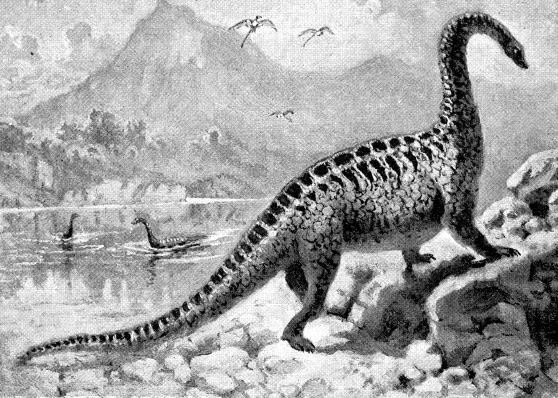
The most captivating aspect of Halszkaraptor was its remarkably flexible neck, which could bend and twist in ways that would make a modern swan envious. This serpentine appendage contained over 20 vertebrae, each equipped with specialized joints that allowed for extraordinary range of motion. The neck’s design was so sophisticated that it could strike like a spear, darting forward to snatch unsuspecting prey from the water’s surface.
Scientists believe this neck evolved specifically for underwater hunting, allowing Halszkaraptor to submerge its head while keeping its body at the surface. The creature could sweep its neck from side to side like a living fishing rod, detecting vibrations and movement in the murky waters of ancient Mongolia. This adaptation was so successful that it gave Halszkaraptor a significant advantage over other predators of its time.
Raptor Feet Meet Aquatic Lifestyle
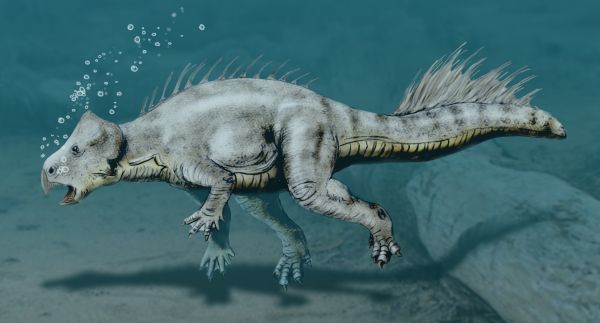
While Halszkaraptor’s upper body was built for aquatic life, its feet told a different story entirely. The creature retained the fearsome sickle-shaped claws characteristic of dromaeosaurids, but with a unique twist. These claws were not just weapons – they were versatile tools that could grip slippery rocks, anchor the dinosaur in strong currents, and deliver devastating strikes to prey both in water and on land.
The feet themselves were partially webbed, a feature that had never been documented in any other dinosaur species. This webbing, combined with the powerful leg muscles, made Halszkaraptor an excellent swimmer. The creature could use its feet like flippers, propelling itself through water with surprising speed and agility.
Ancient Mongolia’s Aquatic Paradise
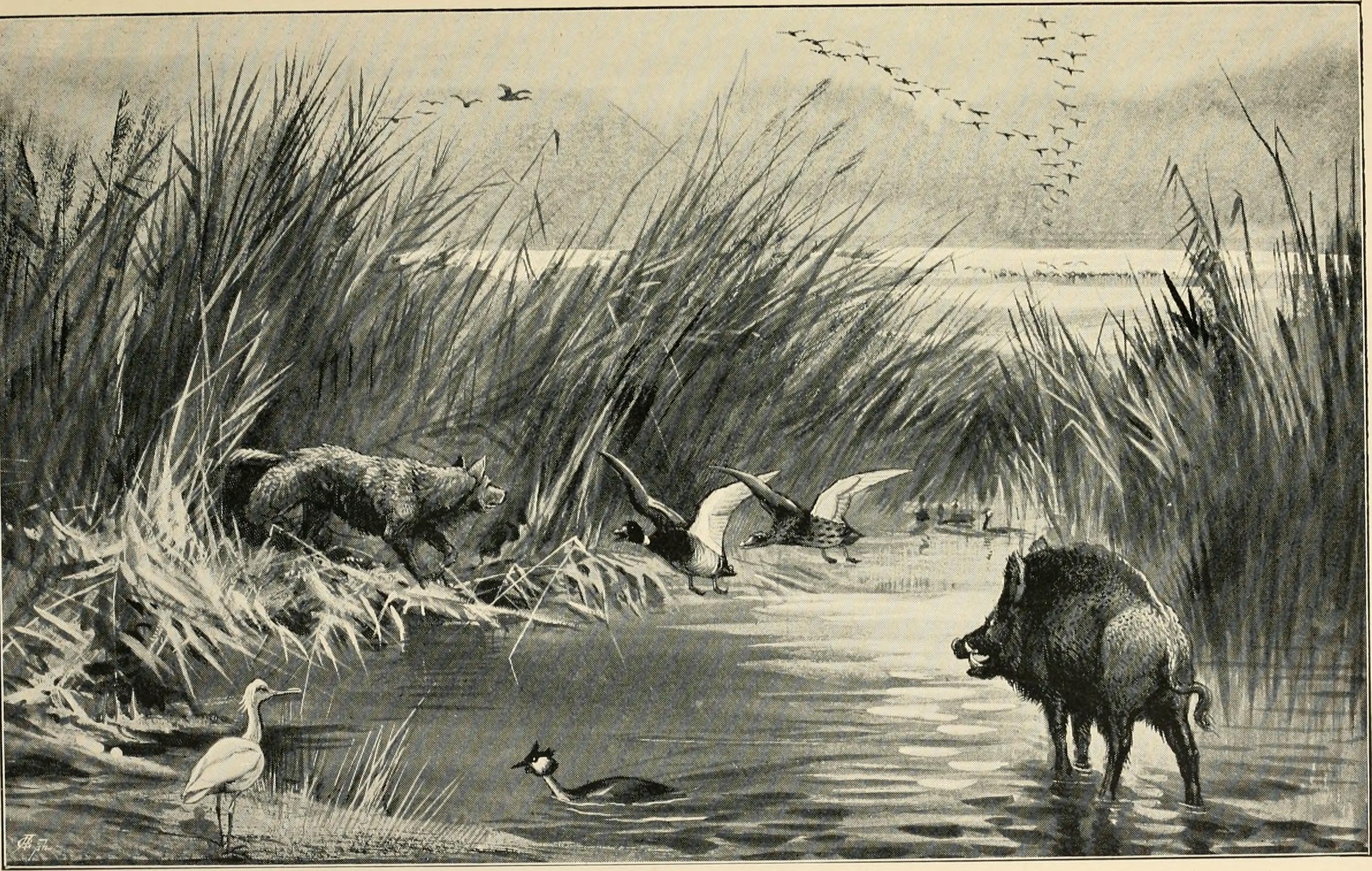
To understand Halszkaraptor, we must picture the world it inhabited 75 million years ago. The Gobi Desert, now a harsh and arid landscape, was once a lush environment dotted with lakes, rivers, and wetlands. This prehistoric paradise provided the perfect setting for a semi-aquatic predator to thrive.
The climate was warm and humid, supporting diverse ecosystems that included both terrestrial and aquatic environments. Seasonal floods would have created temporary wetlands, while permanent water bodies hosted a variety of fish, amphibians, and other aquatic creatures. This rich environment explains why Halszkaraptor evolved such specialized adaptations – it was responding to abundant opportunities in an ecological niche that no other dinosaur had claimed.
The Hunting Strategy of a Prehistoric Predator
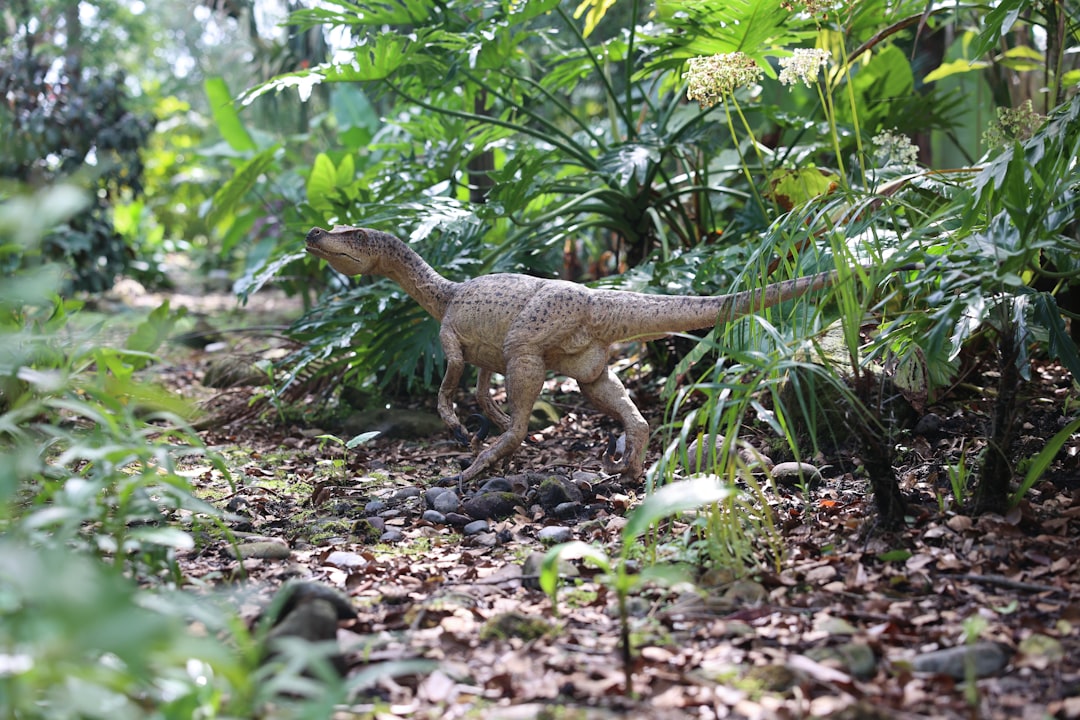
Halszkaraptor’s hunting techniques were as unique as its anatomy. Unlike the pack-hunting strategies of its land-based relatives, this dinosaur was likely a solitary hunter that relied on stealth and surprise. Its dark-colored feathers would have provided excellent camouflage in the shadowy waters of ancient wetlands.
The creature would position itself at the water’s edge, using its keen eyesight to scan for movement below the surface. When prey was detected, its neck would strike with lightning speed, snatching fish, small reptiles, or amphibians before they could escape. On land, Halszkaraptor could use its raptor claws to take down larger prey, making it a formidable predator in both environments.
Feathered and Fabulous
Like many of its dromaeosaurid relatives, Halszkaraptor was covered in feathers, though these weren’t designed for flight. Instead, the feathers served multiple purposes that were perfectly suited to its semi-aquatic lifestyle. The outer layer likely consisted of waterproof feathers that helped keep the creature dry and warm during extended periods in the water.
Underneath, a layer of downy feathers provided insulation, crucial for maintaining body temperature in cooler water. The feathers may have also played a role in display behaviors, with vibrant colors and patterns helping individuals recognize members of their own species. This feathered coat gave Halszkaraptor a distinctly bird-like appearance that would have made it stand out among the scaly reptiles of its time.
Breathing Underwater Like a Living Snorkel
One of the most remarkable adaptations of Halszkaraptor was its ability to hunt underwater while maintaining access to air. The creature’s nostrils were positioned high on its skull, allowing it to breathe while keeping most of its head submerged. This snorkel-like arrangement meant that Halszkaraptor could remain motionless at the water’s surface for extended periods, waiting for the perfect moment to strike.
The positioning of the nostrils also suggests that Halszkaraptor may have been capable of brief diving expeditions. While it couldn’t hold its breath for as long as modern aquatic animals, it could likely submerge completely for short periods when pursuing prey or avoiding danger. This ability would have given it access to food sources that were completely unavailable to other dinosaurs of its era.
The Evolutionary Puzzle
Halszkaraptor’s discovery sent shockwaves through the paleontological community because it didn’t fit neatly into any existing category. This creature was clearly a dromaeosaurid, belonging to the same family as Velociraptor and Deinonychus, yet it had evolved along a completely different evolutionary path. The question that continues to puzzle scientists is how and why this aquatic lifestyle developed.
Some researchers believe that Halszkaraptor represents an early experiment in semi-aquatic living that ultimately didn’t survive the test of time. Others argue that this lifestyle was more successful than previously thought, and that we simply haven’t discovered enough fossils to understand the full picture. The creature’s unique adaptations suggest that dinosaurs were far more diverse and adaptable than we ever imagined.
Modern Analogies in Nature
To better understand Halszkaraptor’s lifestyle, scientists often compare it to modern animals that occupy similar ecological niches. The creature’s hunting style was remarkably similar to that of modern herons, which use their long necks to spear fish from the water’s surface. However, Halszkaraptor’s raptor claws gave it capabilities that no modern bird possesses.
In some ways, Halszkaraptor was like a prehistoric version of a seal, equally comfortable on land and in water. Its streamlined body and powerful limbs allowed it to transition seamlessly between environments, much like modern pinnipeds. This comparison helps us visualize how this remarkable dinosaur might have moved and behaved in its ancient world.
The Technology Behind the Discovery
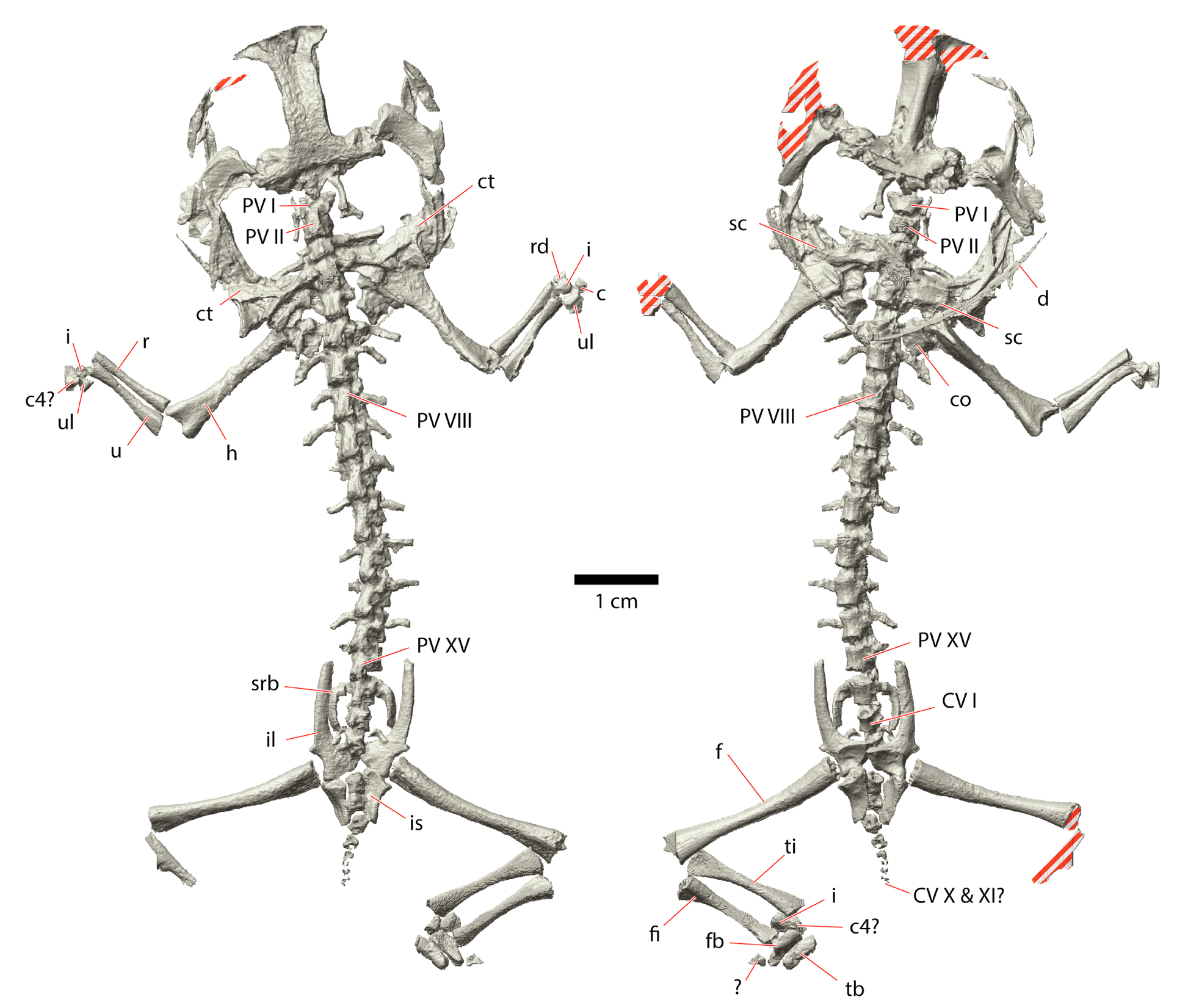
The study of Halszkaraptor represents a triumph of modern paleontological techniques. Researchers used European Synchrotron Radiation Facility technology to create detailed 3D models of the creature’s internal bone structure without damaging the precious fossil. This non-invasive approach revealed details that would have been impossible to detect using traditional methods.
CT scanning technology allowed scientists to examine the creature’s inner ear structure, providing insights into its balance and spatial orientation capabilities. The results showed that Halszkaraptor possessed enhanced sensory systems that would have been crucial for navigating both terrestrial and aquatic environments. These technological advances continue to revolutionize our understanding of prehistoric life.
Implications for Dinosaur Evolution
The discovery of Halszkaraptor has forced scientists to reconsider the entire evolutionary history of dinosaurs. This creature proves that dinosaurs were experimenting with aquatic lifestyles much earlier than previously thought, and that they were capable of far more diverse adaptations than we ever imagined. The implications extend far beyond this single species.
If one group of dinosaurs successfully adapted to semi-aquatic life, it raises questions about what other ecological niches these creatures might have occupied. The discovery suggests that the dinosaur family tree is far more complex and diverse than current fossil evidence indicates. Each new discovery like Halszkaraptor opens up entirely new possibilities for understanding prehistoric life.
The Mystery of Extinction
One of the most intriguing questions surrounding Halszkaraptor is why this successful adaptation ultimately disappeared from the fossil record. The creature seemed perfectly suited to its environment, yet it left no known descendants. This puzzle highlights the unpredictable nature of evolution and extinction.
Some scientists theorize that Halszkaraptor’s specialized lifestyle made it vulnerable to environmental changes. When the climate shifted and Mongolia’s wetlands began to dry up, these highly specialized predators may have been unable to adapt quickly enough to survive. Their story serves as a reminder that even the most successful adaptations can become evolutionary dead ends when circumstances change.
What This Means for Our Future
The story of Halszkaraptor offers profound lessons about adaptation, survival, and the importance of environmental conservation. This remarkable creature thrived for millions of years by finding its own unique niche in the ecosystem, but ultimately succumbed to environmental changes beyond its control. As we face our own environmental challenges, Halszkaraptor’s story reminds us that even the most successful species can be vulnerable to rapid change.
The discovery also underscores the importance of continued paleontological research and the preservation of fossil sites. Each new discovery has the potential to completely reshape our understanding of life on Earth, but only if we protect the locations where these treasures are found. The story of this swan-necked, raptor-footed dinosaur continues to inspire new questions and drive scientific discovery.
Every fossil tells a story, but few are as captivating as that of Halszkaraptor. This remarkable creature challenges our preconceptions about dinosaurs and reveals the incredible diversity of life that once flourished on our planet. Its unique combination of features created a predator unlike anything that came before or since, proving that evolution is capable of producing solutions we never could have imagined. Who knows what other extraordinary creatures are still waiting to be discovered in the ancient rocks beneath our feet?