Hamburg, New York – Nestled in a former cement quarry, Penn Dixie Fossil Park & Nature Reserve offers a rare glimpse into the Middle Devonian Period, roughly 380 million years ago. This 54-acre site preserves layers of shale and limestone from ancient shallow tropical seas that once covered western New York. Visitors today explore these rocks, uncovering fossils of marine creatures that thrived long before dinosaurs roamed the Earth.
From Industrial Quarry to Paleontological Gem
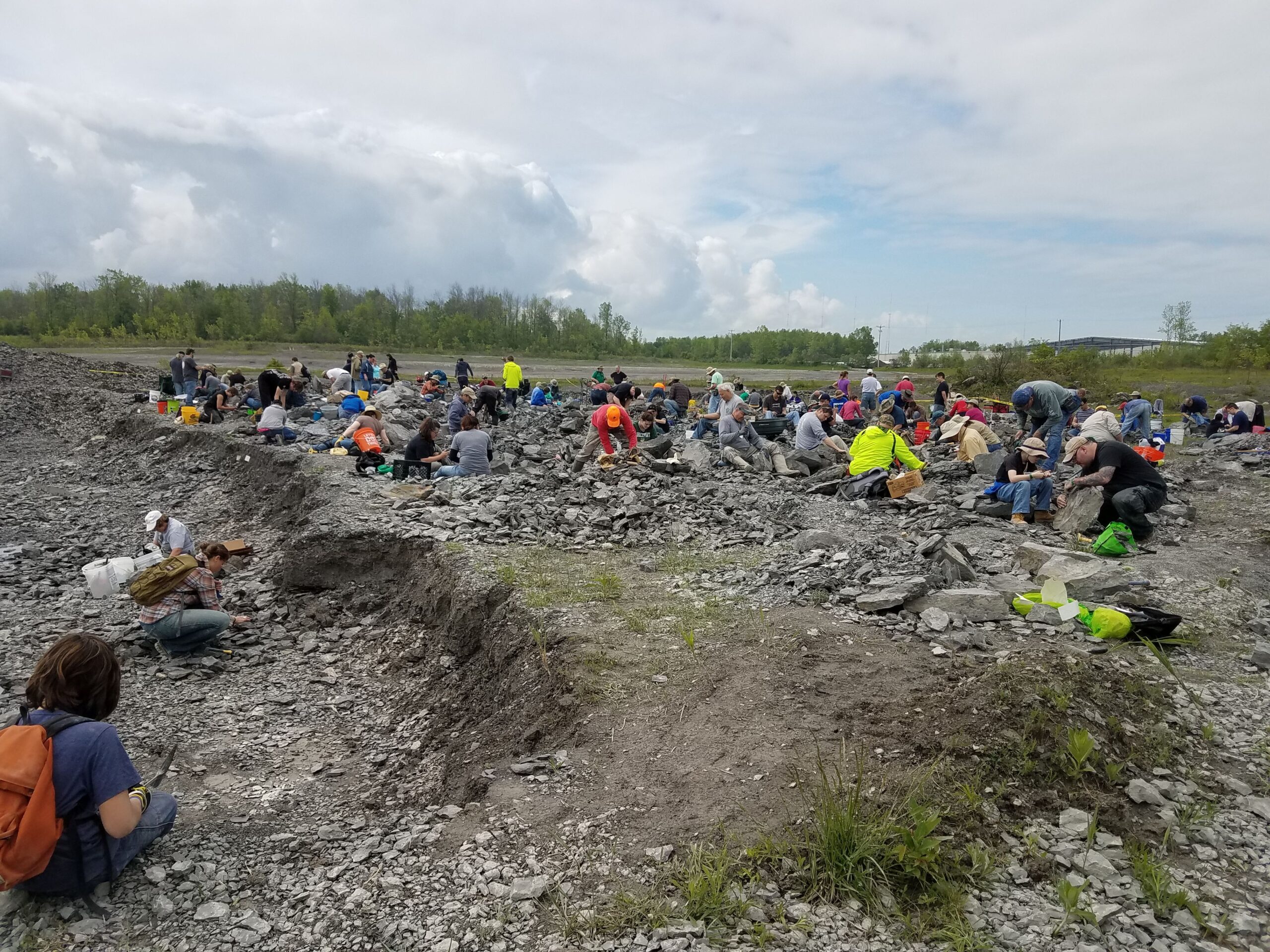
From Industrial Quarry to Paleontological Gem (Image Credits: Upload.wikimedia.org)
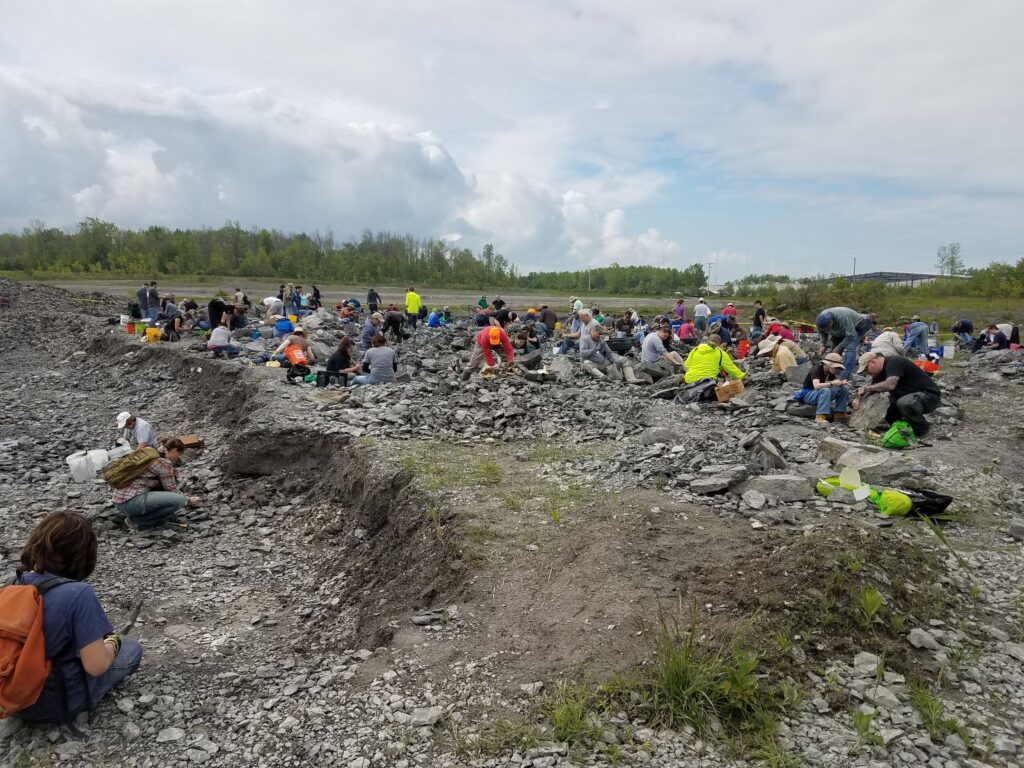
The transformation began when the Penn Dixie Cement Corporation ceased operations, exposing vast sections of Devonian bedrock. The Hamburg Natural History Society took over, turning the pit into a public preserve dedicated to education and conservation. In 2018, the site earned a Guinness World Record for the largest fossil dig, drawing 905 participants.
A 2011 scientific study ranked Penn Dixie as the top fossil park in the United States, attracting 15,000 visitors annually from around the world. Its inclusion in New York State’s geological trail underscores its value as a scientific and cultural resource. The park’s nonprofit status ensures proceeds support ongoing maintenance and programs.
Trilobites Take Center Stage
Eldredgeops rana dominates the trilobite finds, appearing in clusters as if frozen in ancient seafloor gatherings. These extinct arthropods, with their three-lobed bodies and compound eyes, navigated murky bottoms to evade predators. Greenops species turn up less frequently, while rarer prizes include Bellacartwrightia whiteleyi, Pseudodechenella rowi, and the very scarce Dipleura dekayi.
Trilobites ruled Paleozoic seas for over 270 million years before a mass extinction ended their reign. At Penn Dixie, they cluster in the Smoke Creek Trilobite Bed, a dark gray shale layer hinting at stable seafloor conditions. Collectors often find them enrolled or prone, preserved by rapid burial from storms.
Diverse Denizens of the Devonian Depths
Beyond trilobites, brachiopods form the most common fossils, with species like Mediospirifer audaculus and Mucrospirifer mucronatus dominating multiple layers. These filter feeders attached to the seafloor with a pedicle, their bilateral shells distinguishing them from bivalves. Corals built reefs nearby, including horn-shaped rugose types such as Sterolasma rectum and tabulate forms like Favosites hamiltoniae.
Crinoid fragments evoke sea lilies swaying in currents, while bryozoans resemble delicate moss. Cephalopods, early relatives of squid, left coiled or straight shells as top predators. Rarer still are gastropods, ostracods, sponges, and glimpses of fish plates or plant debris from the evolving land.
| Fossil Type | Examples | Common Layers |
|---|---|---|
| Trilobites | Eldredgeops rana, Greenops sp. | Smoke Creek Bed |
| Brachiopods | Ambocoelia umbonata, Spinatrypa spinosa | Wanakah Shale, Ambocoelia Bed |
| Corals | Heliophyllum halli, Pleurodictyum americanum | Tichenor Limestone, Bayview Bed |
| Cephalopods | Ammonoids | Pyrite Beds |
Digging into History Today
Guided tours lead visitors through quarries and shale pits, where staff provide tools and identification aids. Fossils from the Windom Shale and Tichenor Limestone weather out easily, though limestone yields tougher extractions. Keepers take home their discoveries, with requests to photograph exceptional specimens.
The Moscow Formation records shifting sea levels in the Catskill Basin, shaped by the Acadian Orogeny’s tectonic forces. Storms triggered underwater avalanches, rapidly burying communities and enabling preservation. This dynamic environment supported reefs, open seas, and deeper anoxic zones marked by pyrite.
- Bring sturdy shoes and water; tools supplied on-site.
- Focus on shale layers for easiest finds.
- Respect boundaries to protect the ecosystem.
- Check hours seasonally; advance tickets recommended.
- Prepare for hands-on fun suitable for all ages.
Key Takeaways
- Penn Dixie reveals a complete Middle Devonian marine ecosystem, from trilobites to early fish.
- Rapid storm burials preserved diverse death assemblages across stratigraphic layers.
- As the #1 U.S. fossil park, it blends science, adventure, and conservation.[1]
Penn Dixie stands as a testament to Earth’s ancient oceans, inviting explorers to connect with life from 380 million years past. Its accessible digs make paleontology tangible, fostering appreciation for geological time. What fossils have you uncovered there, or which Devonian creature intrigues you most? Share in the comments.