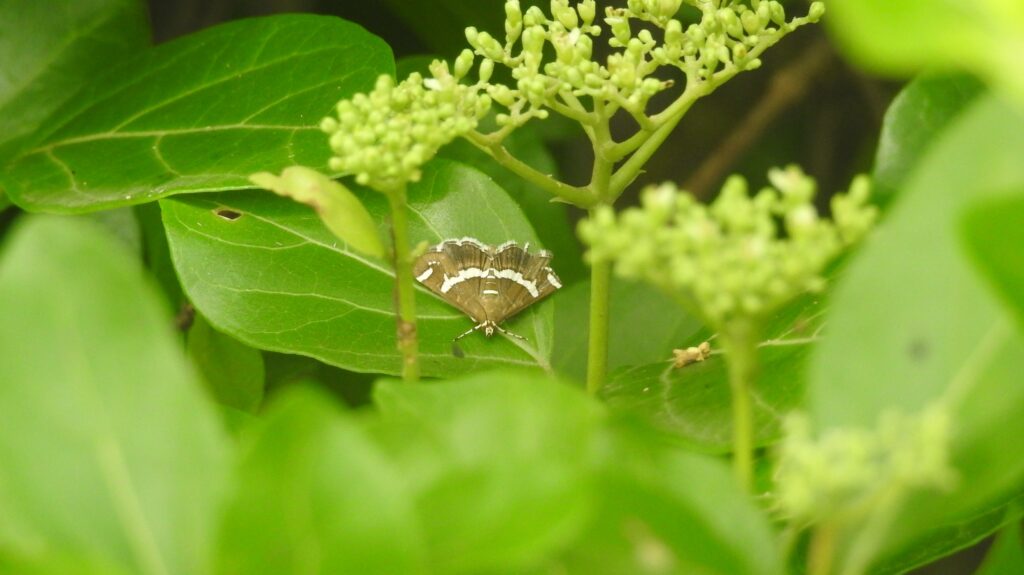
Researchers at the University of Hawaiʻi at Mānoa recently detailed 10 previously unknown moth species and seven new genera among the archipelago’s leaf-roller moths. The findings, drawn from museum specimens and remote field surveys, underscore the islands’ status as a global hub for evolutionary study. These tiny insects, often overlooked, reveal a history of repeated long-distance ocean crossings that reshaped understandings of Hawaiian fauna.
Landmark Taxonomy Milestone Hooks Entomologists
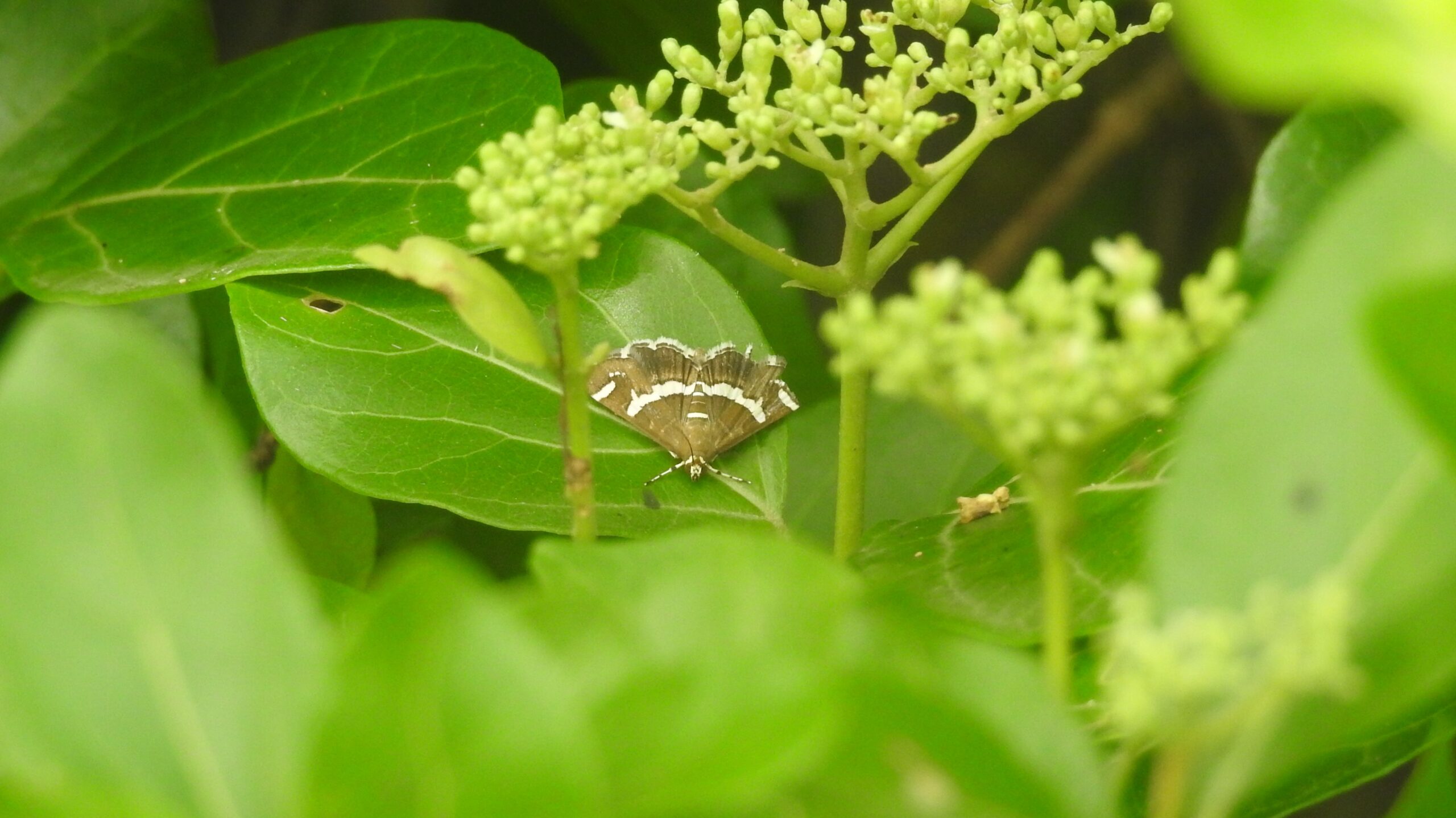
Landmark Taxonomy Milestone Hooks Entomologists (Image Credits: Upload.wikimedia.org)
Describing seven new genera simultaneously stands as an extraordinary achievement in insect classification. Lead author Kyhl Austin, a graduate student in the College of Tropical Agriculture and Human Resources, along with professor Daniel Rubinoff, pored over century-old museum collections and conducted surveys in hard-to-reach habitats. Their work employed genetic analysis, precise anatomical studies, and advanced automontage imaging to produce detailed, three-dimensional-like views of the specimens.
Austin noted that Hawaiʻi serves as a “world-renowned laboratory for evolution,” where these moths concealed their diverse lineages for decades. While new species discoveries occur routinely in the islands, the emergence of entire new genera signals profound gaps in knowledge of native biodiversity. Entomologist Karl Magnacca, not involved in the study, called the contribution vital, as many Hawaiian insect groups had gone unexamined for about 100 years.
Oceanic Voyagers Rewrite Arrival Narratives
Evidence points to these leaf-roller moths undertaking up to 20 independent colonization events across millions of years, surpassing records for any Hawaiian animal group. Such frequent traversals of thousands of miles of open Pacific Ocean challenge prior assumptions about dispersal to the isolated archipelago. The study reorganizes previously misclassified species, offering a clearer framework for ongoing research.
Austin emphasized that the moths “crossed thousands of miles of open ocean to reach Hawaiʻi far more frequently than we ever imagined.” This revelation highlights the insects’ prowess as long-distance travelers despite their diminutive size. The research appeared in the journal Zootaxa.
Striking Features and Hawaiian Cultural Links
Among the highlights, the genus Paalua includes Paalua leleole, where females exhibit a rare flightless form, diverging from typical moth mobility. The genus Iliahia, named for the endangered ʻiliahi sandalwood host plant, encompasses six new species, such as Iliahia lilinoe – honoring the goddess of mists on Maui’s Haleakalā volcano – and Iliahia pahulu, restricted to roughly 30 trees on Lānaʻi island.
- Iliahia pahulu: Critically endangered, solely dependent on a tiny sandalwood grove.
- Paalua leleole: Features non-flying females, an uncommon trait.
- Iliahia lilinoe: Evokes Hawaiian mythology tied to misty volcanic landscapes.
- Unnamed species: Some display iridescent sheen; one from Hawaiʻi Island may rank as the family’s largest worldwide.
Several names draw from Hawaiian culture, weaving ecological and traditional narratives together. Rubinoff observed that new species turn up so often that “nobody turns their head,” yet the genera haul proves Hawaiʻi’s fauna remains “poorly known.”
Conservation Urgency in a Fragile Ecosystem
Many of these moths teeter on extinction’s edge due to vanishing host plants and habitat degradation. Sandalwood populations plummeted in the 19th century amid the Sandalwood Wars, when Hawaiian kings exported vast quantities to China, stripping forests. Rubinoff recounted how kings “forced people to go up into the woods and cut out all the sandalwood.”
Some species qualify as presumed extinct, absent from wild sightings for over a century. The discoveries serve as a stark reminder of biodiversity loss, with Rubinoff stating, “We are naming species just as they are disappearing.” Protecting these endemics demands habitat restoration and invasive species control across the islands.
Key Takeaways
- Seven new genera reflect unprecedented colonization frequency in Hawaiian history.
- Several species face immediate extinction risks from host plant scarcity.
- Advanced imaging aids future field identification and conservation efforts.
These moths embody Hawaiʻi’s evolutionary richness and vulnerability, urging swift action to safeguard what remains. As islands continue to yield surprises, the balance between discovery and preservation grows ever more critical. What steps should prioritize native insect protection? Share your thoughts in the comments.