In the ancient landscapes of what is now Utah, approximately 125 million years ago during the Early Cretaceous period, a remarkable dinosaur roamed the prehistoric forests. Hippodraco, meaning “horse dragon,” represents an important piece in our understanding of iguanodont evolution in North America. This medium-sized herbivore occupied a critical evolutionary position between earlier ornithopods and the more advanced hadrosaurids that would later dominate the Late Cretaceous ecosystems. Discovered relatively recently in the Yellow Cat Member of the Cedar Mountain Formation, Hippodraco has helped paleontologists better understand dinosaur diversity during this transitional time in Earth’s history.
Discovery and Naming of Hippodraco
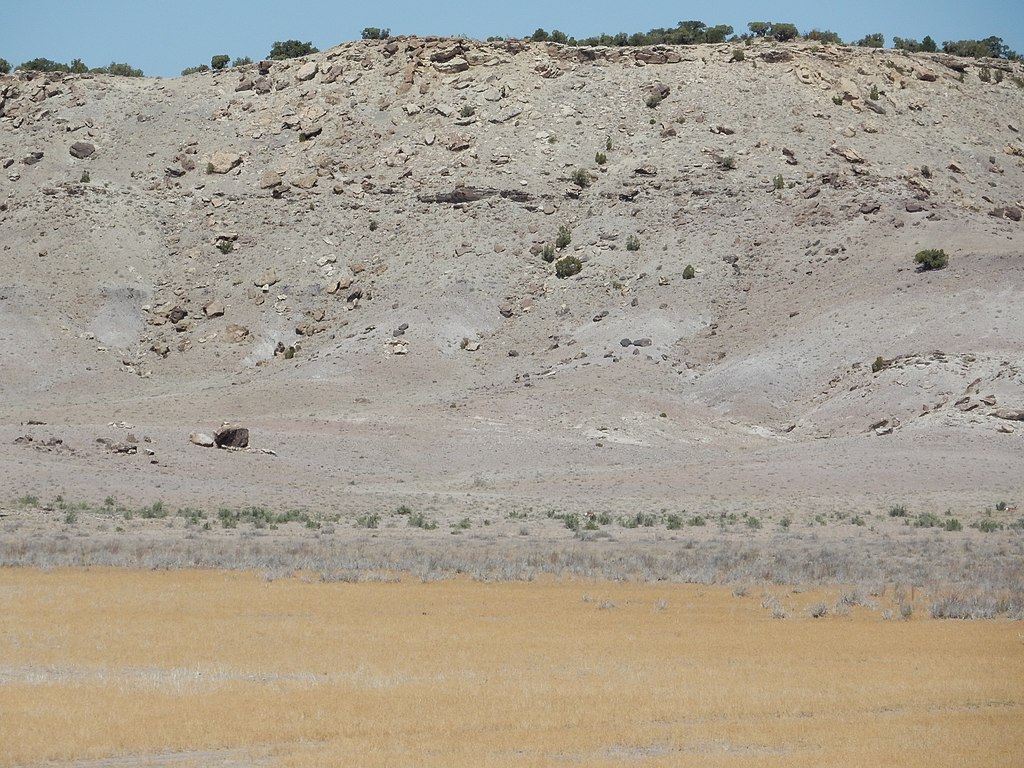
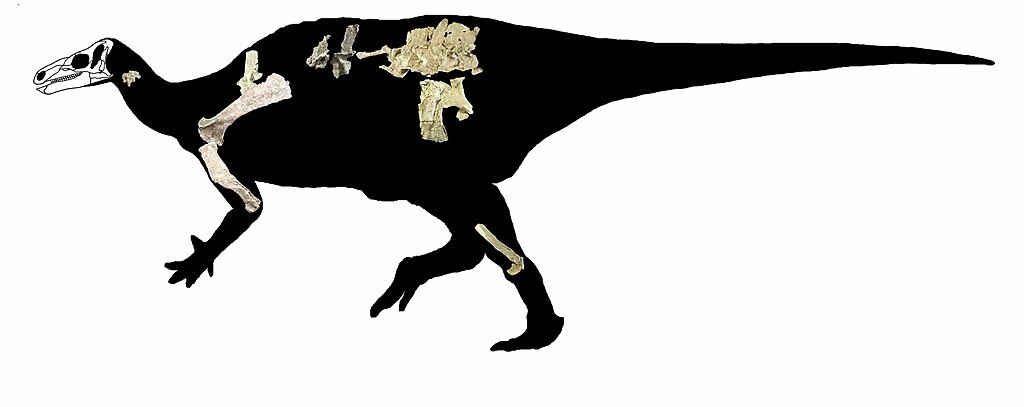
The story of Hippodraco begins in 2004 when paleontologists discovered its remains in the Cedar Mountain Formation of eastern Utah. The fossil specimen, cataloged as UMNH VP 20208, consisted of a partial skeleton including a nearly complete skull, vertebrae, and limb elements. The genus name “Hippodraco” combines the Greek words “hippos” (horse) and “drakon” (dragon), referring to the horse-like appearance of its elongated skull. The species name “scutodens” translates to “shield tooth,” describing the distinctive shield-shaped teeth that characterized this dinosaur. This important specimen was formally described and named in 2010 by Andrew T. McDonald and colleagues, adding a significant new taxon to the Early Cretaceous dinosaur record of North America.
Geological Context: The Cedar Mountain Formation
Hippodraco fossils were excavated from the Yellow Cat Member of the Cedar Mountain Formation, a geological unit that has yielded numerous important dinosaur discoveries. This formation represents an Early Cretaceous ecosystem that existed approximately 125-124 million years ago, during the Barremian-Aptian stages. The Cedar Mountain Formation documents a critical time in Earth’s history when the North American continent was undergoing significant geological and ecological changes. The environment Hippodraco inhabited was likely a seasonal woodland interspersed with rivers and floodplains, creating a mosaic landscape that supported diverse plant and animal communities. Paleoenvironmental evidence suggests this region experienced seasonal rainfall patterns, with periods of drought alternating with wetter conditions that supported the growth of conifers, ferns, and early flowering plants.
Physical Characteristics of Hippodraco
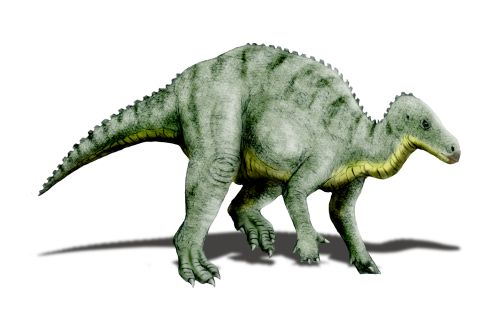
Hippodraco was a medium-sized ornithopod dinosaur, estimated to have reached approximately 4.5 meters (15 feet) in length when fully grown. However, the holotype specimen represents a subadult individual that had not yet reached its maximum size. Its body exhibited the classic ornithopod body plan, with strong hind limbs that were larger than its forelimbs, suggesting it could move on either two or four legs depending on its activity. The skull of Hippodraco was elongated and horse-like, with a relatively flat profile and an expanded nasal region. One of its most distinctive features was its dentition, which consisted of shield-shaped teeth specially adapted for processing tough plant material. The teeth were arranged in dental batteries, allowing for continuous replacement as they wore down from the abrasive plant matter in its diet.
Classification and Evolutionary Significance

Hippodraco occupies an important position in ornithopod evolution as an early iguanodontian dinosaur. Phylogenetic analyses place it near the base of Styracosterna, a clade that includes more derived iguanodontians and hadrosaurids (duck-billed dinosaurs). This positioning makes Hippodraco particularly valuable for understanding the evolutionary transition from earlier, smaller ornithopods to the more specialized, larger hadrosaurids that would dominate herbivorous niches in the Late Cretaceous. The presence of certain anatomical features in Hippodraco, such as its dental morphology and skull structure, represents intermediate evolutionary stages in this important dinosaur lineage. By studying Hippodraco, paleontologists can better understand the step-by-step evolutionary changes that ultimately led to the highly successful hadrosaurid radiation later in the Cretaceous period.
Diet and Feeding Adaptations

As an iguanodontian dinosaur, Hippodraco was a specialized herbivore with anatomical adaptations for processing plant material. Its shield-shaped teeth were arranged in dental batteries that formed effective grinding surfaces for breaking down tough vegetation. Unlike the simple peg-like teeth of more primitive ornithopods, Hippodraco’s teeth showed more complex wear patterns, indicating a more sophisticated chewing mechanism. The shape of its skull and jaw musculature suggests it could generate significant bite force for processing fibrous plant materials. The Early Cretaceous flora available to Hippodraco would have included conifers, cycads, ferns, horsetails, and possibly some early angiosperms (flowering plants) that were beginning to diversify during this time. Based on its dental morphology, Hippodraco likely fed on tougher plant materials that grew in the understory of the prehistoric Utah forests.
Locomotion and Posture
Hippodraco possessed a body structure that allowed for both bipedal and quadrupedal locomotion, a characteristic feature of many basal iguanodontians. The hindlimbs were robust and longer than the forelimbs, providing the capability for bipedal running when necessary, perhaps to escape predators. The forelimbs, while shorter, were well-developed and ended in hands with a modified thumb spike typical of many iguanodontians, though less pronounced than in some related species. When moving at slower speeds or while feeding, Hippodraco likely adopted a quadrupedal stance, distributing its weight across all four limbs. The tail was substantial and muscular, serving as a counterbalance when the animal moved on its hind legs. The preserved vertebrae suggest a relatively stiff tail that would have aided in maintaining balance during bipedal locomotion.
Growth and Development

The holotype specimen of Hippodraco represents a subadult individual, providing paleontologists with valuable information about the growth patterns of early iguanodontians. Analysis of bone histology and growth markers indicates that Hippodraco, like many dinosaurs, experienced rapid growth during its early years before reaching skeletal maturity. The partially fused neurocentral sutures in the vertebrae suggest the specimen was approaching but had not yet reached full adult size when it died. Studies of related ornithopods suggest that these dinosaurs may have reached sexual maturity before attaining their full skeletal size, a pattern common in many dinosaur groups. The growth trajectory of Hippodraco appears intermediate between the rapid growth of later hadrosaurids and the somewhat slower growth rates of more basal ornithopods, reflecting its transitional evolutionary position.
Paleoenvironment and Ecosystem
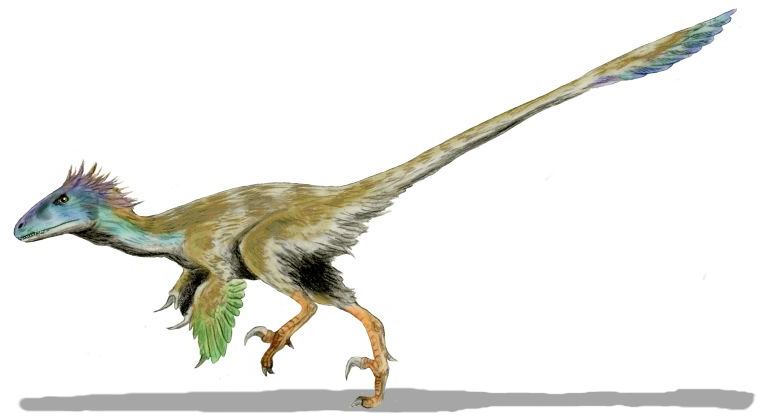
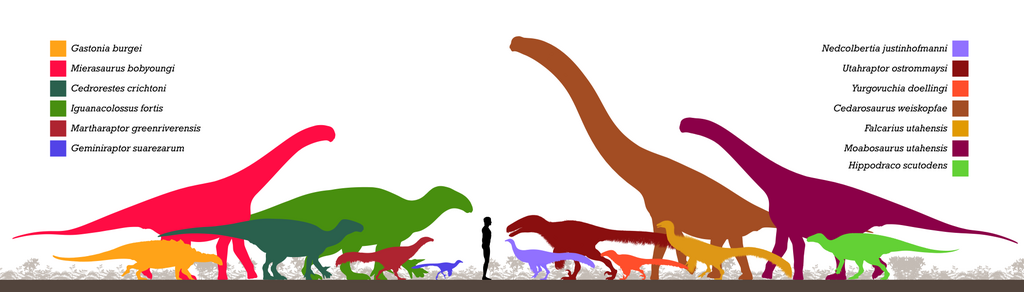
During the Early Cretaceous period when Hippodraco lived, the Utah landscape was dramatically different from today’s arid desert environment. The region experienced a more humid climate with seasonal variations in rainfall, supporting diverse plant communities including conifers, cycads, ferns, and early flowering plants. Rivers and floodplains created a mosaic landscape where various dinosaur species coexisted. Hippodraco shared its ecosystem with other dinosaurs, including the theropod Utahraptor, the iguanodontian Iguanacolossus, and the armored dinosaur Gastonia. Small mammals, crocodilians, turtles, amphibians, and various invertebrates would have completed this complex ecosystem. As a medium-sized herbivore, Hippodraco likely played an important role in shaping plant communities through its feeding habits while also serving as potential prey for large predators like Utahraptor.
Comparison with Other Iguanodontians
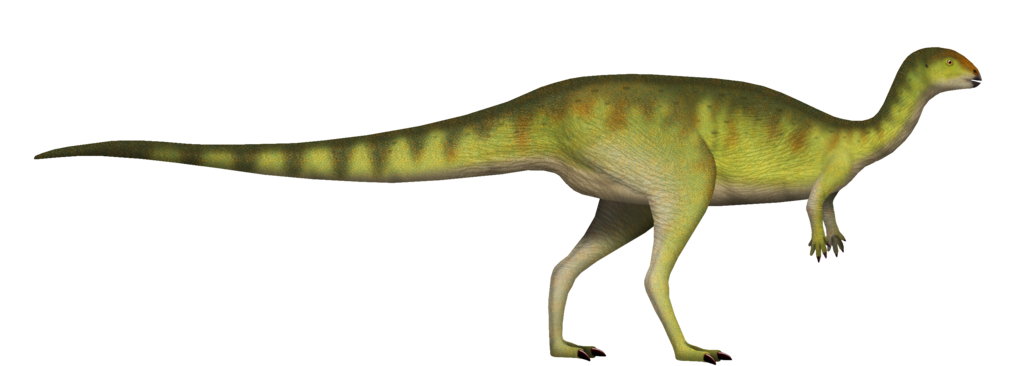
Hippodraco shares similarities with several other Early Cretaceous iguanodontians but also exhibits unique characteristics that distinguish it as a separate genus. Compared to its contemporary and close relative Iguanacolossus, also found in the Cedar Mountain Formation, Hippodraco was smaller and possessed a more elongated skull. When compared to the European Iguanodon, Hippodraco displays a more primitive dental arrangement and skull morphology, reflecting its earlier evolutionary position. Dryosaurus, an earlier and more primitive ornithopod, was considerably smaller than Hippodraco and lacked many of the cranial specializations for efficient herbivory. On the other hand, later hadrosaurids like Parasaurolophus exhibited much more complex dental batteries and elaborate cranial crests that were absent in Hippodraco. These comparisons help paleontologists map the evolutionary trajectory of ornithopod dinosaurs through the Cretaceous period.
Scientific Importance and Research History

Since its formal description in 2010, Hippodraco has become an important reference point for understanding ornithopod evolution during the Early Cretaceous. The well-preserved skull material, in particular, has provided valuable data for comparative studies of iguanodontian cranial anatomy. Several research teams have incorporated Hippodraco into broader phylogenetic analyses that have helped refine our understanding of ornithopod relationships. The discovery of Hippodraco, along with other dinosaurs from the Cedar Mountain Formation, has highlighted the distinct nature of North American dinosaur faunas during the Early Cretaceous, showing differences from contemporaneous European and Asian assemblages. This supports the hypothesis that continental separation was influencing dinosaur evolution and creating distinct regional faunas during this time period.
Preservation and Taphonomy

The Hippodraco holotype specimen provides interesting insights into the processes of fossilization in the Cedar Mountain Formation. The skeleton was found partially articulated, suggesting that after death, the animal was relatively quickly buried before significant disarticulation could occur. Sedimentological evidence indicates burial likely occurred during a flooding event that covered the carcass with sediment, protecting it from scavengers and extensive weathering. The preservation quality varies across different parts of the skeleton, with the skull and some limb elements being better preserved than other portions. Microscopic examination of the bone surfaces has revealed evidence of minor scavenging and some weathering before final burial, suggesting the carcass was exposed for a short period before being covered by sediment. These taphonomic details help paleontologists reconstruct not just the animal itself, but also the events surrounding its death and fossilization.
Hippodraco in Popular Culture

As a relatively recently described dinosaur, Hippodraco has not yet achieved the widespread recognition in popular culture enjoyed by more famous dinosaurs like Tyrannosaurus or Triceratops. However, it has begun to appear in scientific documentaries and educational materials focused on North American dinosaur diversity and evolution. Several museums, particularly those in Utah and surrounding states, have incorporated Hippodraco into their exhibits on Early Cretaceous ecosystems. The Natural History Museum of Utah, where the holotype specimen is housed, features Hippodraco in its displays about the prehistoric ecosystems of the region. Educational websites and books on dinosaurs increasingly include Hippodraco when discussing iguanodontian diversity, helping to introduce this important dinosaur to a wider audience interested in paleontology.
Future Research Directions

The study of Hippodraco continues to evolve as new analytical techniques become available and additional specimens are potentially discovered. One promising area for future research involves using advanced imaging and computational methods to better understand its feeding mechanics and locomotion capabilities. Paleontologists hope to find more complete specimens of Hippodraco, particularly adult individuals, which would provide a more comprehensive understanding of its anatomy and growth patterns. Stable isotope analyses of fossilized tooth and bone material could reveal more details about Hippodraco’s diet and habitat preferences. Additionally, further exploration of the Cedar Mountain Formation may yield new Hippodraco specimens or closely related taxa that could further illuminate iguanodontian evolution during this critical time period. As our understanding of Early Cretaceous ecosystems improves, Hippodraco’s role in these ancient communities will become increasingly clear.
Conclusion

Hippodraco represents a fascinating snapshot of dinosaur evolution during a time of transition in Earth’s history. As an early iguanodontian from the Cedar Mountain Formation, it helps bridge our understanding between primitive ornithopods and the more advanced hadrosaurids that would later dominate the Late Cretaceous landscapes. Despite being discovered relatively recently, this “horse dragon” has already made significant contributions to our knowledge of dinosaur diversity, evolution, and paleoecology. As research continues and new specimens potentially come to light, Hippodraco will undoubtedly continue to enhance our understanding of these magnificent creatures that once roamed the ancient forests of what would one day become Utah.