Floreana Island, Galápagos – Nearly two centuries after vanishing from their ancestral home, giant tortoises once again roam the rugged landscapes of this remote Galápagos outpost. Conservation teams released 158 captive-bred juveniles on February 20, 2026, in a landmark step toward ecological revival. The effort revives a species driven to extinction by 19th-century whalers, whose descendants now carry the island’s genetic legacy. This moment underscores decades of scientific collaboration and community resolve to mend a fractured ecosystem.
From Extinction to Rediscovery
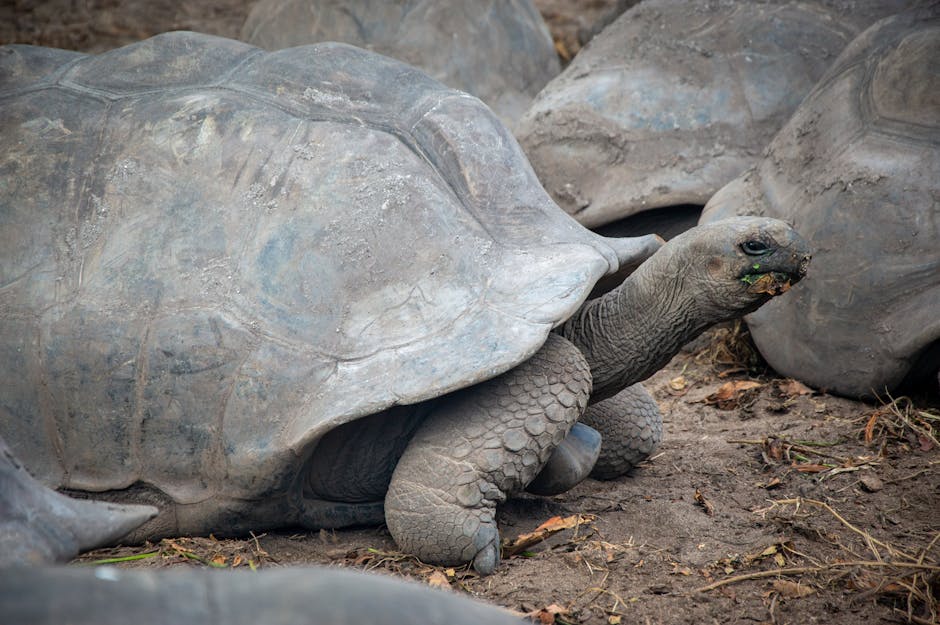
From Extinction to Rediscovery (Image Credits: Pexels)
The Floreana giant tortoise, Chelonoidis niger niger, represented the first Galápagos tortoise species lost to human impact. Sailors and whalers hunted thousands in the early 1800s for food and oil during long voyages, while introduced rats, cats, goats, and pigs devoured eggs and competed for resources. By the 1840s, the population had collapsed, with Charles Darwin noting their scarcity during his 1835 visit.
A breakthrough came in 2000 when researchers found hybrid tortoises on Isabela Island’s Wolf Volcano. Genetic analysis revealed these animals carried Floreana ancestry, likely survivors transported by whaling ships and interbred with local populations. This serendipitous discovery sparked a back-breeding program, offering hope where none had existed.
Decades of Preparation and Partnerships
The Floreana Ecological Restoration Project, led by Ecuador’s Galápagos National Park Directorate, transformed possibility into reality. Teams eradicated invasive mammals, restored native vegetation, and bred over 600 hatchlings from the hybrid lineage at a Santa Cruz Island facility. The 158 released tortoises, aged 12 to 14 years and weighing 10 to 40 pounds, underwent rigorous health checks before transport by ship, truck, and foot.
Partners including the Charles Darwin Foundation, Galápagos Conservancy, Island Conservation, and Fundación Jocotoco coordinated efforts. NASA contributed satellite data from Landsat and other missions to map optimal release sites with ample food, water, and nesting grounds. Each tortoise now wears a lightweight GPS transmitter, powered by solar and Starlink, for real-time tracking. Lorena Sánchez, director of the Galápagos National Park, called it “one of the greatest challenges undertaken by the Galápagos National Park,” reflecting years of science-based work on an inhabited island.
The Moment of Release
On a humid February morning aligned with the rainy season, rangers carried crates to two highland sites. As lids lifted, the juveniles tentatively explored, munching vegetation and seeking shade – behaviors echoing their ancestors. Local residents, numbering about 160, watched with pride, having aided biosecurity and planning.
James Gibbs, vice president of science at Galápagos Conservancy, described the scene: “It’s a huge deal to have these tortoises back on this island. Charles Darwin was one of the last people to see them there.” Early monitoring shows promising dispersal, with the tortoises reshaping dense undergrowth through grazing.
Reviving a Keystone Species
Giant tortoises function as ecosystem engineers, their massive bodies trampling brush, dispersing seeds over miles, and creating wallows that foster biodiversity. Their absence allowed invasives to overrun Floreana, stifling native plants and birds. Now, they promise to open habitats, boost soil health, and link land and sea through enhanced seabird activity.
- Graze invasive plants to favor natives.
- Disperse seeds of endemic flora.
- Improve conditions for birds and insects.
- Enhance marine ecosystems via nutrient cycling.
- Build resilience against climate shifts.
Future Horizons for Floreana
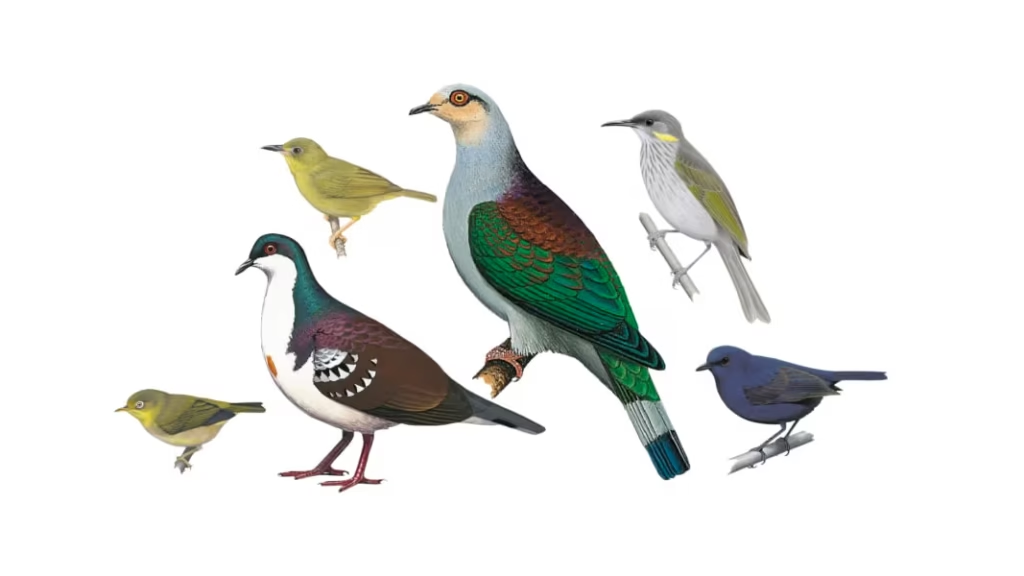
Plans call for annual releases of 25 to 100 tortoises, aiming for thousands within decades. This paves the way for reintroducing 11 more species, including the Floreana mockingbird and racer snake. Success hinges on ongoing monitoring, community stewardship, and adaptive management amid threats like poaching.
Verónica Mora, a Floreana community representative, emphasized unity: “Their return shows what is possible when a community leads and many partners come together with a shared purpose.” The project models global restoration on inhabited lands.
Key Takeaways
- 158 tortoises released mark the first rewilding in Floreana’s restoration.
- Hybrid breeding revived a lineage extinct for 180 years.
- Ecological engineers will reshape the island over decades.
This triumph proves ecosystems can rebound with persistence and collaboration. Floreana’s tortoises signal hope for other degraded habitats worldwide. What do you think about this conservation milestone? Tell us in the comments.