I still remember leaving the theater in the early nineties, absolutely convinced that I now “knew” what dinosaurs really looked and behaved like. If a movie could make a glass of water tremble just right, who was I to question its science? Decades later, that same film still lives rent‑free in our heads, quietly shaping what the public thinks dinosaurs were, even when actual paleontology has sprinted far past it.
That’s the strange power of a blockbuster: one two‑hour spectacle can override years of research for an entire generation. And when the movie becomes a cultural fossil of its own, endlessly replayed, rebooted, and memed, the misconceptions it cemented become harder to shake than dried mud on a fossil bone. Let’s dig into exactly how that 1993 theme park fantasy is still doing more damage to dinosaur science than any meteor ever did.
The Problem With Letting Hollywood Define “Real” Dinosaurs
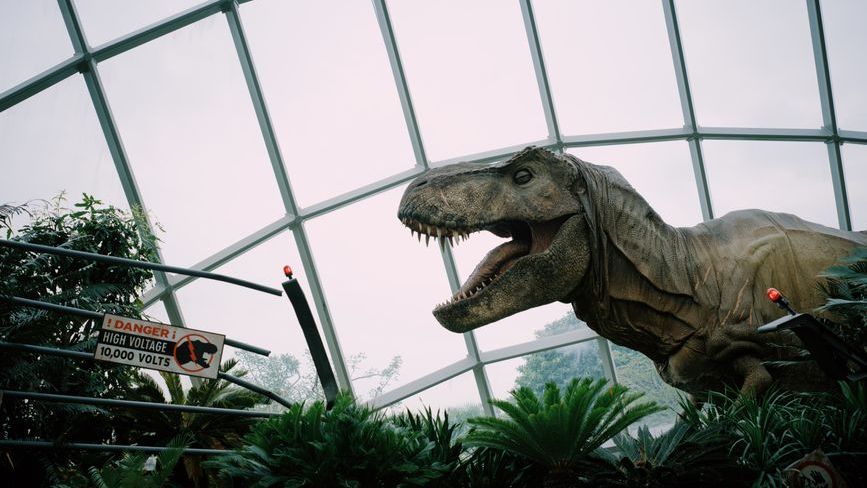
Here’s the uncomfortable truth: for a huge portion of people, that movie is their dinosaur curriculum. Not museum labels, not science documentaries, not research papers – a theme park thriller. When something looks so polished and “real” on screen, our brains treat it almost like a documentary, even when the script is making things up for drama or nostalgia.
The result is that movie dinosaurs became the default mental template: scaly, tail‑dragging in spirit (if not literally), monster‑like, and driven mostly by jump scares. When paleontologists later started saying dinosaurs were often feathered, agile, warm‑blooded, and closer to birds than to movie monsters, many people reacted like science was “rewriting history,” instead of realizing that the film had just been behind the curve from the start.
The Velociraptor That Never Was (And Still Won’t Die)
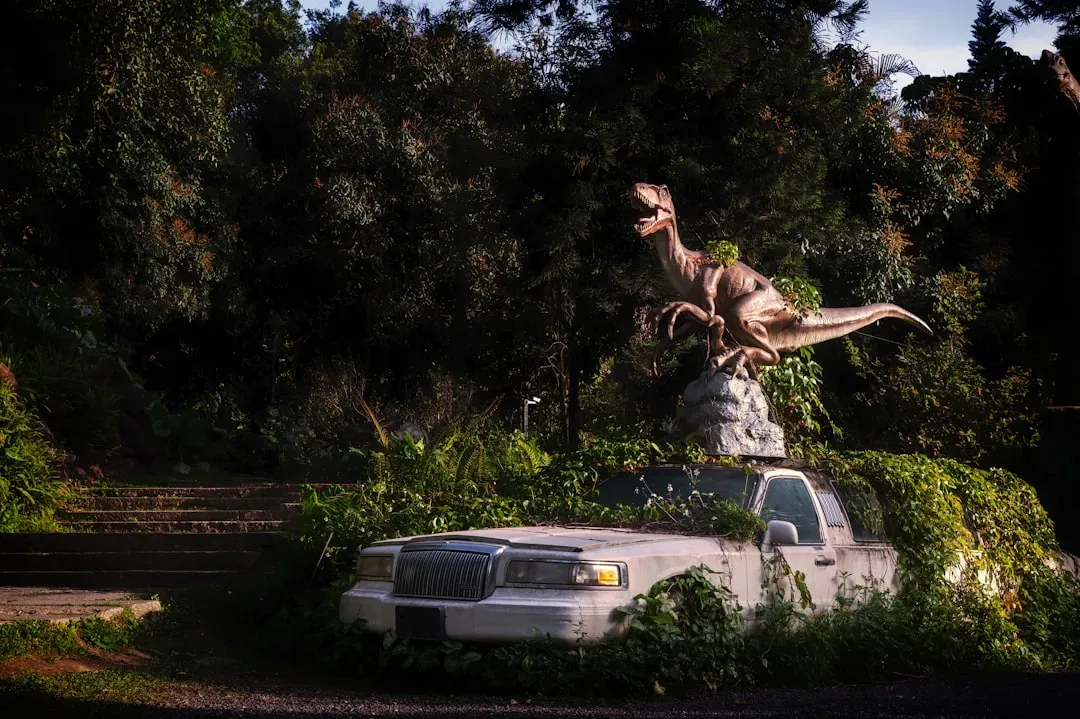
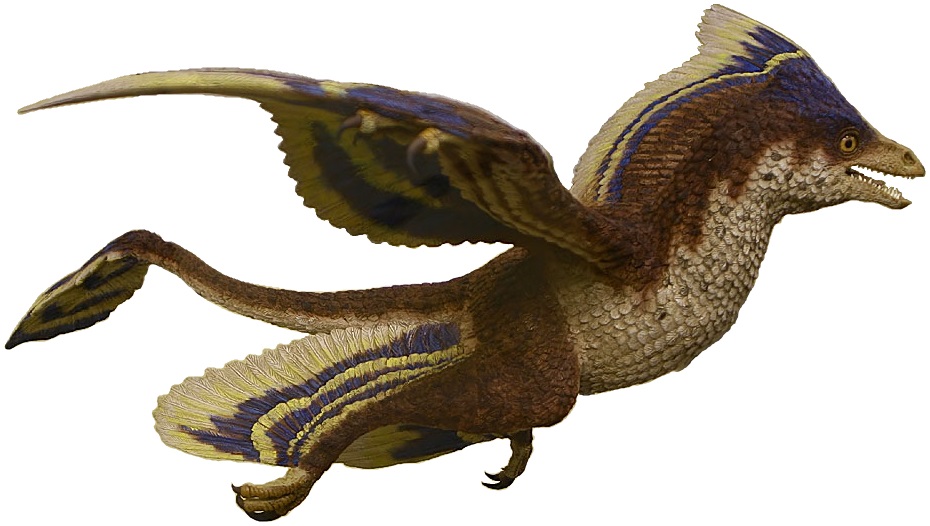
Nothing shows the gap between cinema and science more than the famous “Velociraptor.” The on‑screen animal is big, man‑sized, terrifying, and eerily intelligent. The real Velociraptor was roughly turkey‑sized, with feathers, and likely looked much more like a nasty ground bird than a reptilian nightmare. Movies basically mashed traits from a larger dromaeosaur (more like Deinonychus or Utahraptor) into the smaller name because it sounded cooler.
This would be harmless fun if it stayed on the screen, but it hasn’t. Decades later, people still picture those hollywood raptors as the scientific standard. Teachers have to fight that mental image, and any museum that dares display a fluffy, feathered raptor gets hit with complaints that it looks “wrong.” In reality, it’s the film version that’s wrong, but it has so much cultural momentum that scientific accuracy feels like a retcon to casual fans.
Feathers, Fluff, and the Backlash Against “Weird” Dinosaurs
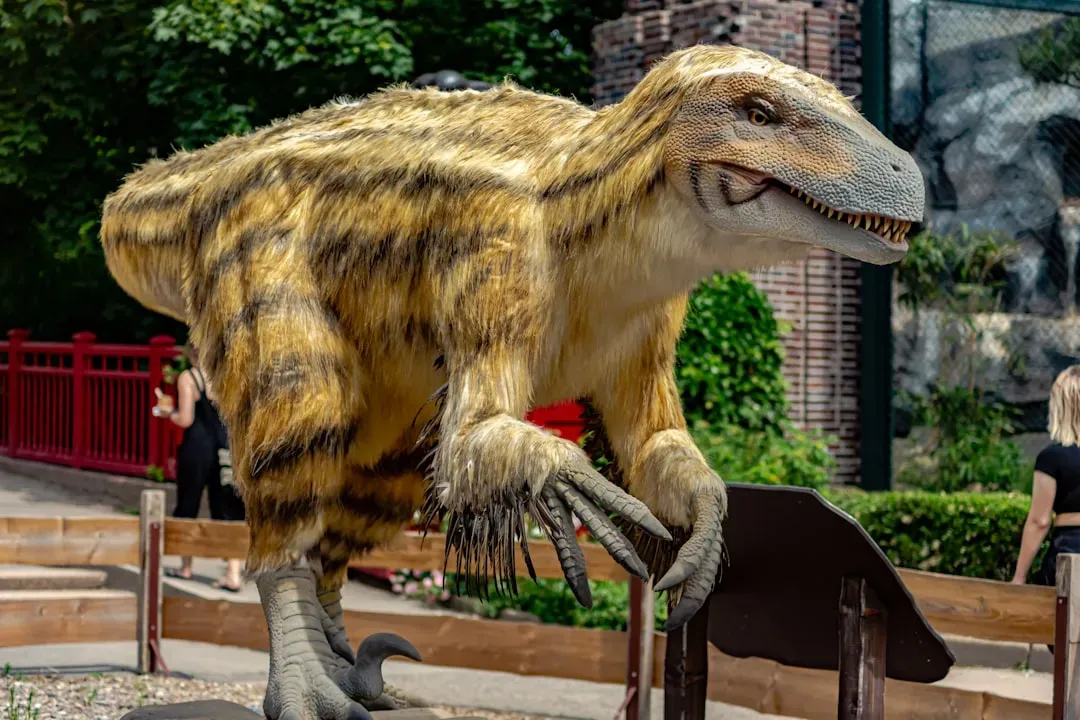
By the late nineties and early two‑thousands, fossil evidence for feathered dinosaurs was piling up so fast it was almost comical. From small raptors to larger species showing complex plumage, the picture was clear: many theropods were feathery, and some probably looked downright spectacular. Science moved on; the public, still in love with leathery Hollywood reptiles, mostly didn’t.
Because the iconic movie kept doubling down on scaly raptors and stripped‑down designs, a lot of people decided feathers were a silly, modern “update” instead of a well‑supported reality. I’ve heard grown adults dismiss feathered reconstructions as childish or “cartoony,” as if nature is obligated to look like their favorite action figure. When a single film trains you to expect dinosaurs to look one way, real discoveries can feel less believable than special effects.
The T. rex Myth: From All‑Seeing Monster to Overgrown Bloodhound
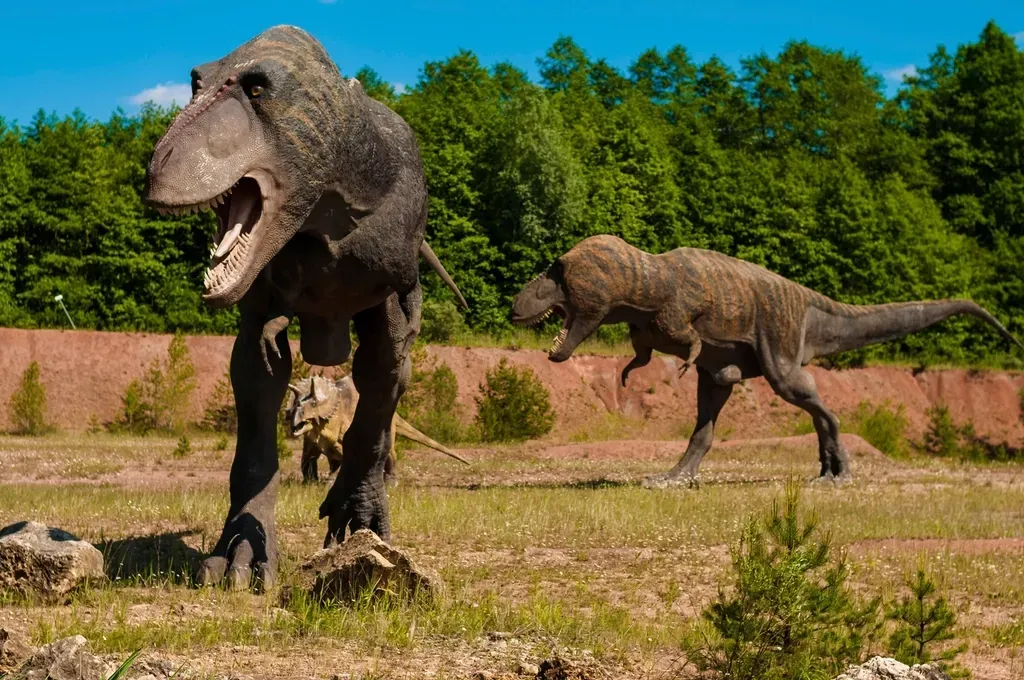
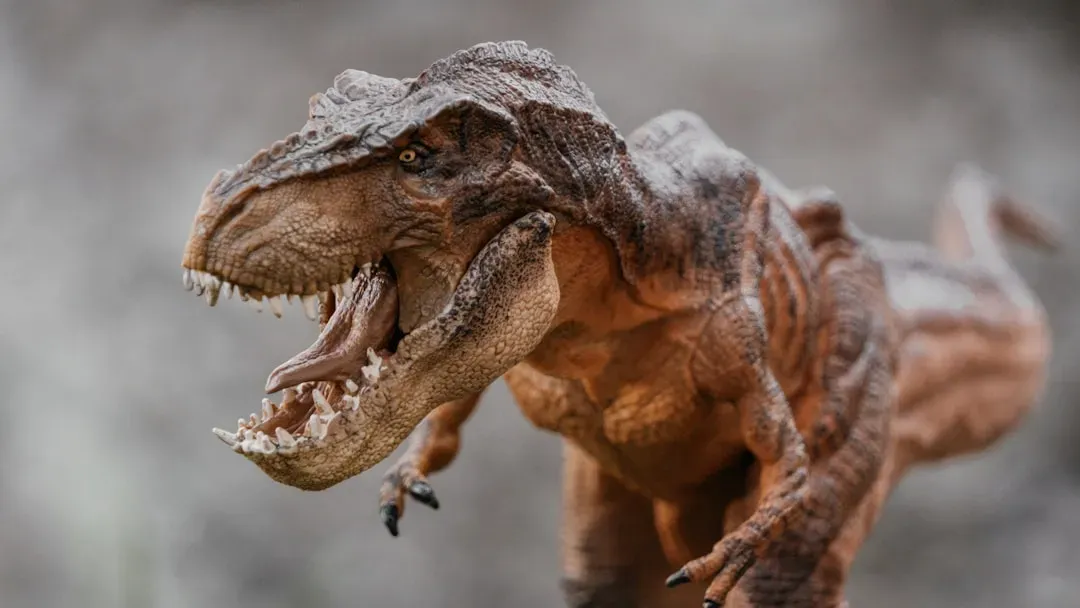
Ask anyone what they know about Tyrannosaurus rex and sooner or later they’ll repeat the myth that it could not see you if you did not move. That little plot device was never based on strong evidence, but the tension it created was unforgettable. Unfortunately, the idea that T. rex had vision issues stuck in the public mind far more firmly than later research suggesting it likely had excellent eyesight and a powerful sense of smell.
Modern studies of T. rex skulls suggest forward‑facing eyes with good depth perception and a brain wired for complex sensory processing, not a half‑blind brute. Yet the crouching, frozen human hoping to become invisible to a predator is now a permanent fixture of our pop‑science imagination. The real animal was probably terrifying enough without handicapping it for narrative convenience, but the myth makes for a better scene, so it lingers.
Turning Dinosaurs Into Movie Monsters Instead of Living Animals
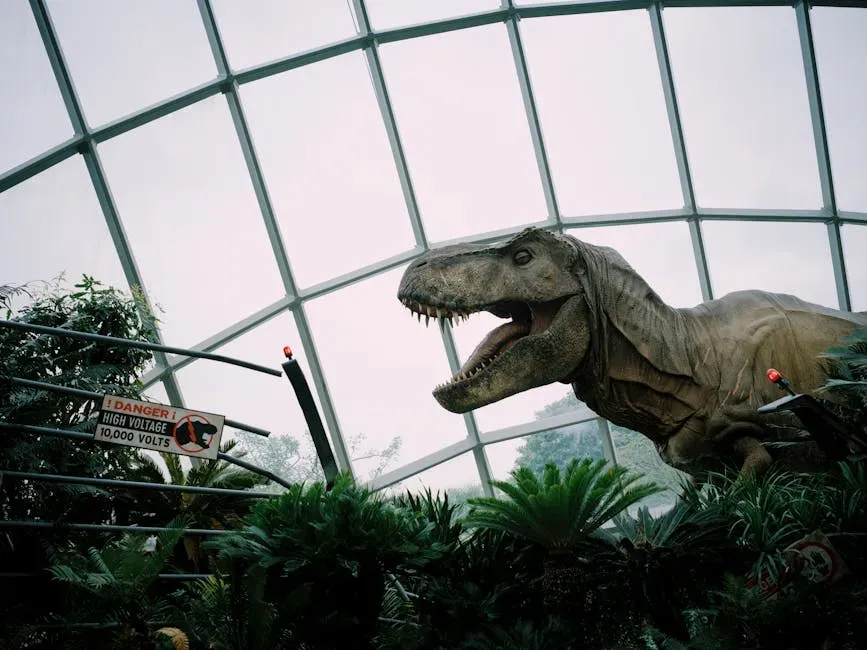
One of the most damaging legacies of that movie is how it framed dinosaurs emotionally: not as animals, but as horror‑monsters. They hissed, stalked, and hunted with theatrical malice, more like slasher villains than complex creatures with their own ecologies and behaviors. The story needed villains, and the script projected that role onto extinct animals that cannot complain about their PR.
This monster lens shapes how many people talk about dinosaurs even today. I’ve heard kids describe them like they are supernatural threats instead of once‑living animals that ate, nested, competed, and adapted. When you start from “movie villain” instead of “animal,” you miss the more interesting questions: How did they care for their young? How did they communicate? What social structures did they have? The drama on screen ends up shrinking, not expanding, our curiosity.
How Pop Culture Fossilizes Outdated Science
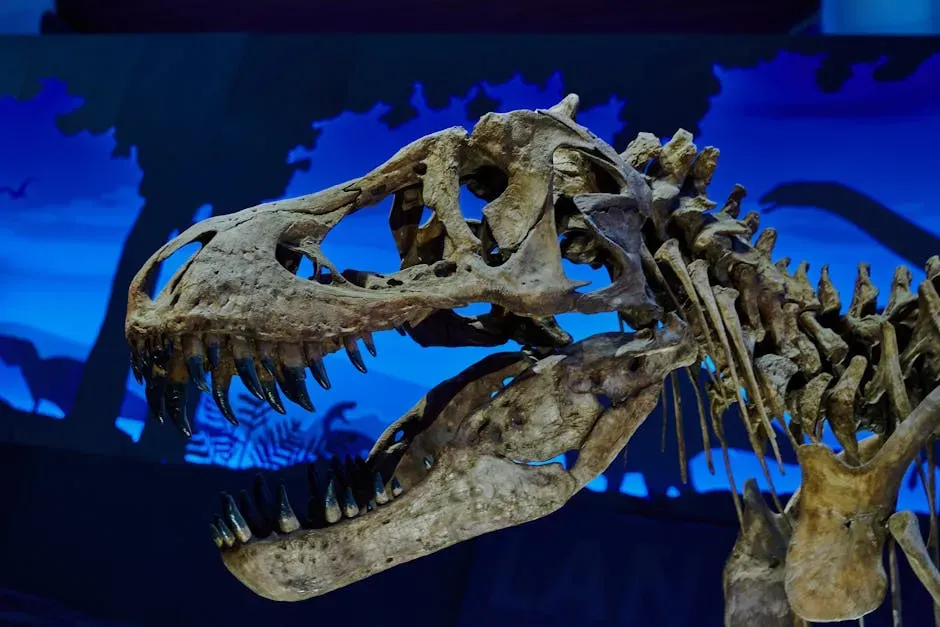
Science evolves constantly, but blockbuster imagery tends to freeze ideas in place like amber. The designs locked in during the early nineties became the “official look” for dinosaurs in toys, video games, theme parks, and even some educational materials. Updating them is risky for brands because it might alienate fans who think they already know what is correct from the movies they grew up with.
So while researchers quietly rewrite dinosaur family trees, revise body shapes, and debate metabolism and growth rates, pop culture churns out the same scaly archetypes year after year. It creates a time lag where the average person is mentally living with dinosaur science from decades ago. A meteor ended the age of dinosaurs in a single catastrophic moment; pop culture can keep outdated dinosaur science undead for generations.
The Classroom vs. The Blockbuster: A Losing Battle

Teachers and science communicators are stuck in an odd fight they never asked for: arguing with a movie. When a student insists that the Hollywood version must be right because it “looks more realistic,” that is not just cute, it is a real obstacle to scientific literacy. Visual memory is powerful, and a dramatic scene from childhood is hard to dislodge with a quiet explanation and a slideshow.
I’ve talked to educators who feel like they spend half their dinosaur units just cleaning up after that film’s legacy: correcting raptor size, adding feathers, explaining sensory abilities, and reframing dinosaurs as diverse, dynamic animals instead of theme park monsters. Every minute spent fighting old movie myths is a minute not spent diving into newer, fascinating discoveries. In that sense, the film does not just misinform; it crowds out better stories.
Why We Still Love It – And Why That Love Needs Boundaries
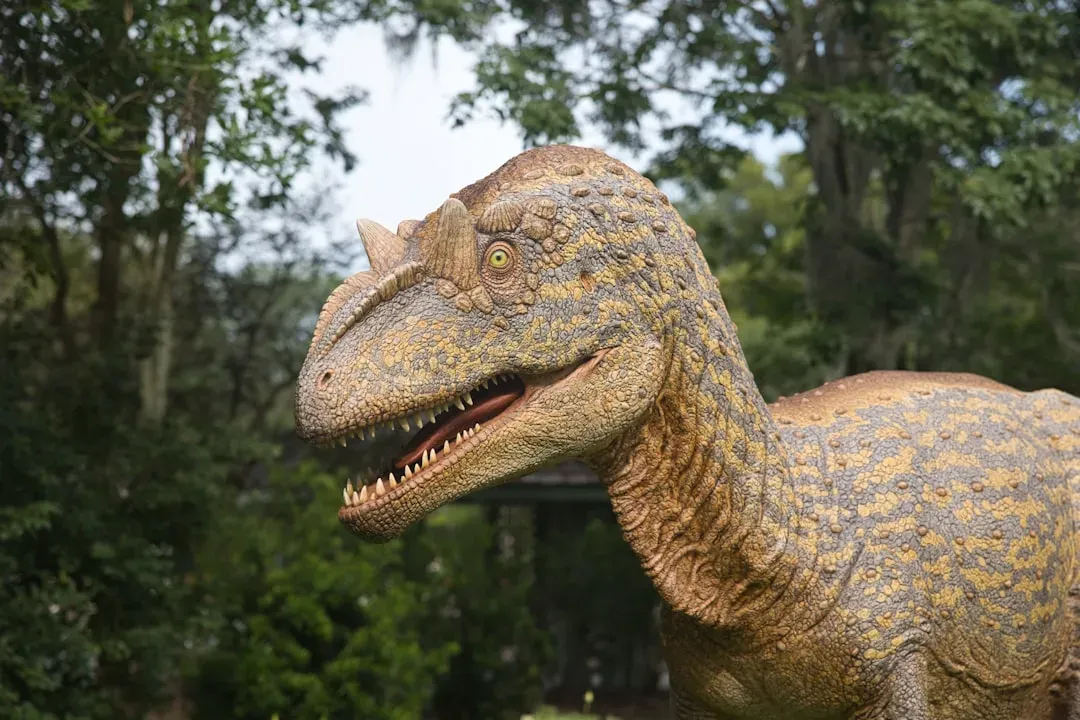
Here’s the twist: I still love that movie. The animatronics, the sense of awe, the way it made dinosaurs feel alive again – all of that mattered. It inspired countless kids, some of whom actually became paleontologists. The problem is not that it exists; the problem is acting like it is a scientific authority instead of what it is: a brilliantly crafted, deeply outdated fantasy.
We can hold two thoughts at once. We can appreciate the film as a landmark of cinema and a gateway drug into loving prehistoric life, while also being honest about how badly it has warped public understanding. The grown‑up move is to enjoy the nostalgia but refuse to let it override the fossil evidence. Dinosaurs do not owe us cinematic consistency; our pop culture owes them at least a shot at accuracy.
Conclusion: Let the Dinosaurs Evolve in Our Minds
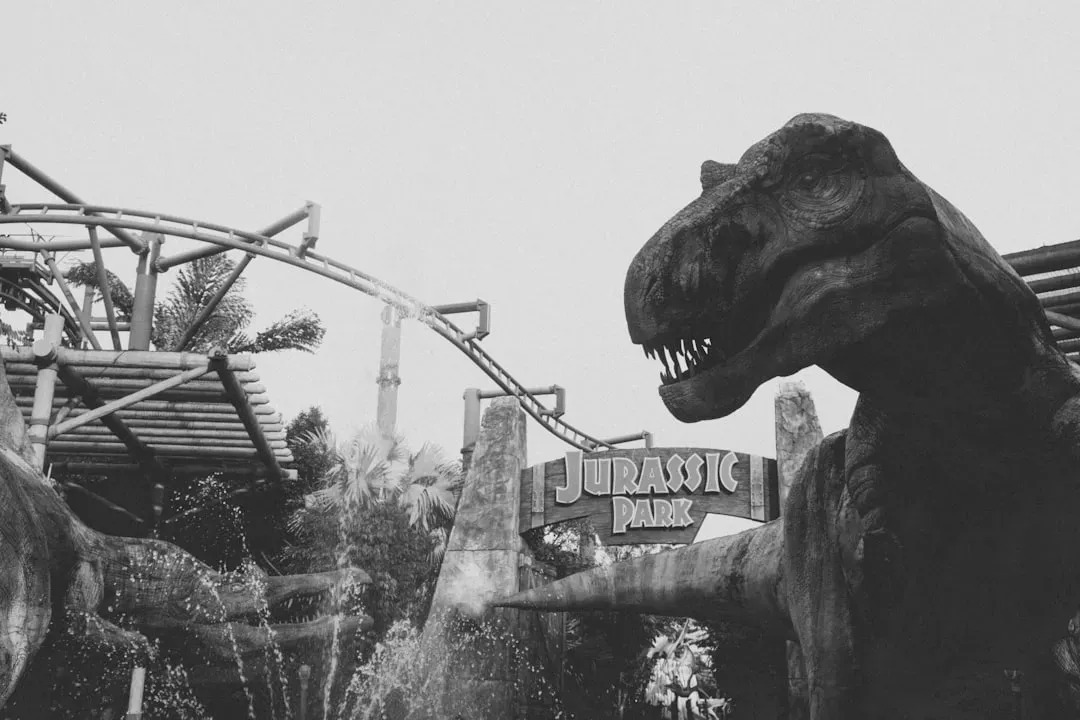
If a space rock wiped out the dinosaurs in one apocalyptic day, that old theme park blockbuster has been quietly chipping away at dinosaur science for more than thirty years. Its creatures are frozen in a version of the early nineties that just does not fit what we now know. In my view, the real damage is not the specific mistakes – the scaly raptors, the half‑blind T. rex, the monster vibes – but the way the film taught us to trust a story more than the fossils themselves.
We owe it to both science and our own curiosity to let dinosaurs evolve in our heads as new evidence comes in, even if that means letting go of the creatures we grew up with on screen. The next time you see a feathered raptor or a more bird‑like tyrannosaur in a museum, try this: instead of thinking it looks wrong, ask whether your inner movie is just out of date. In the long run, which is more exciting – clinging to a nostalgic illusion, or watching our picture of ancient life keep changing under our feet?