Imagine closing your eyes and listening to what you think a dinosaur sounds like. Chances are, you’re picturing something bone-rattling, deep, monstrous. A roar that shakes the ground. You can thank Hollywood for that. The truth, however, is far more fascinating and quite a bit stranger than what you’ve seen on the silver screen.
Science has been quietly dismantling the iconic roar for decades now, using fossil evidence, CT scanning, comparative anatomy, and acoustic modeling to chip away at our collective misconception. What researchers are uncovering instead is a prehistoric soundscape that’s more haunting, more eerie, and honestly more awe-inspiring than any movie sound design team ever imagined. Buckle up, because what you’re about to discover might change how you think about dinosaurs forever.
Why the Hollywood Roar Was Never Scientifically Accurate
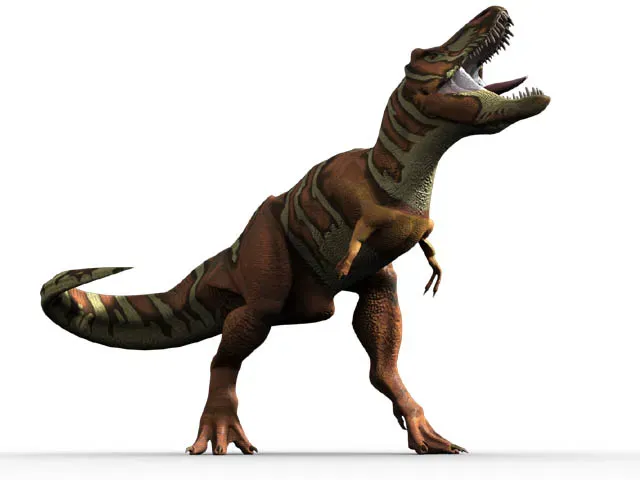
Let’s start with the uncomfortable truth. For thirty years, the sound of a dinosaur has been the sound of a baby elephant mixed with an alligator and a tiger. The roar that shook theaters in 1993 became the default setting for an entire prehistoric world, repeated across documentaries, theme parks, and children’s toys until it settled into collective memory as fact. Honestly, that’s remarkable when you think about it. One film franchise essentially redefined what millions of people believe a real animal sounded like.
The Tyrannosaurus rex’s fearsome roar in Jurassic Park was actually a clever audio illusion. Sound designers combined recordings from various modern animals to create the iconic vocalization, and this creative mix resulted in a sound that was both terrifying and memorable, but ultimately inaccurate from a scientific standpoint. The problem, as paleontologists would point out, is that dinosaurs weren’t mammals. Using lions and elephants as a vocal template for a creature that had more in common with a crocodile or a bird was, scientifically speaking, completely the wrong approach.
The Core Challenge: Soft Tissue Simply Doesn’t Fossilize
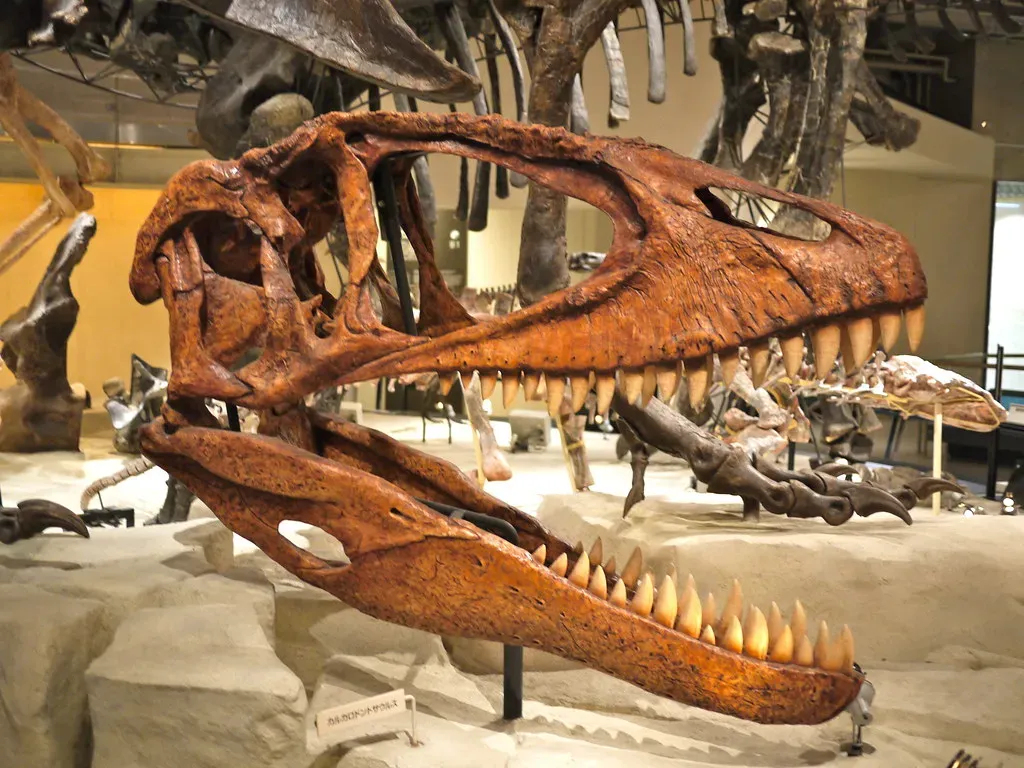
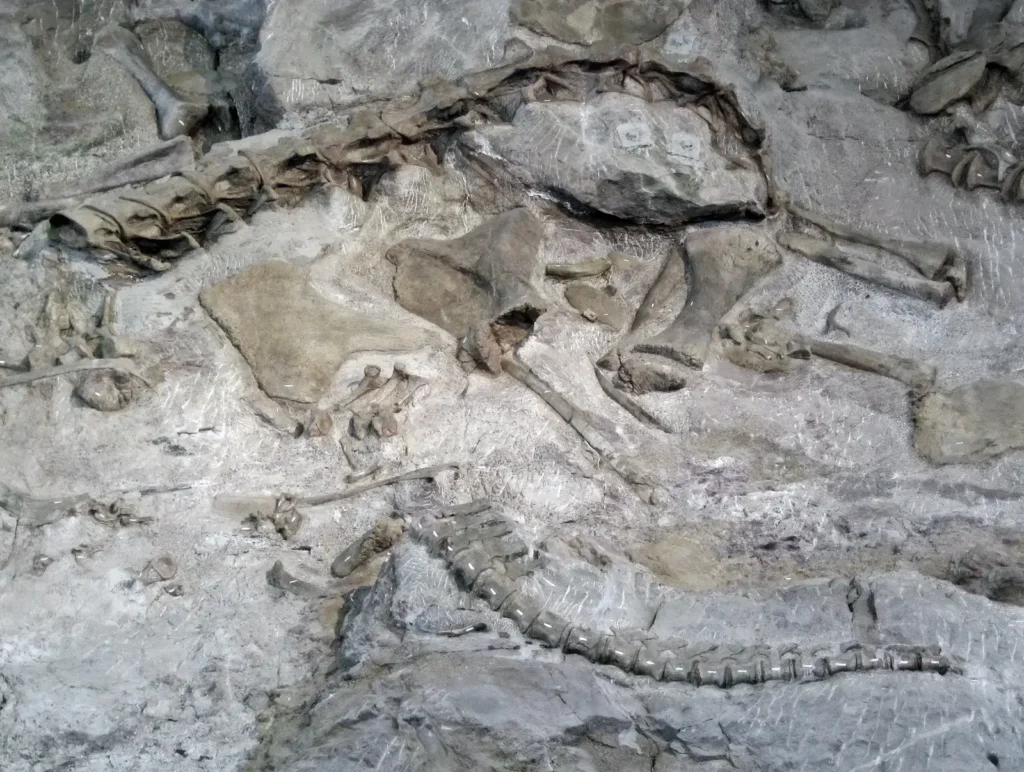
As a basic premise, there are no audio recordings of dinosaur voices. The organs responsible for producing sound, such as vocal cords, lungs, and the syrinx in birds, are all made of soft tissues like muscle and cartilage. Unlike hard bones and teeth, these decompose quickly after death, making it extremely rare for them to remain as fossils. This is the fundamental wall that paleoacoustics, the science of ancient sound, keeps running into.
The problem was always the evidence. Vocal cords, larynxes, and soft tissues decompose, leaving only bones and teeth for scientists to interpret. Without direct fossil evidence, the debate over dinosaur sounds remained speculative, a battle between anatomical inference and Hollywood’s persuasive power. Think of it like trying to reconstruct an entire symphony from just the sheet music cover. You have clues, yes. But filling in the rest requires educated guesswork, and that’s where things get really interesting.
Breakthrough Fossils That Changed Everything
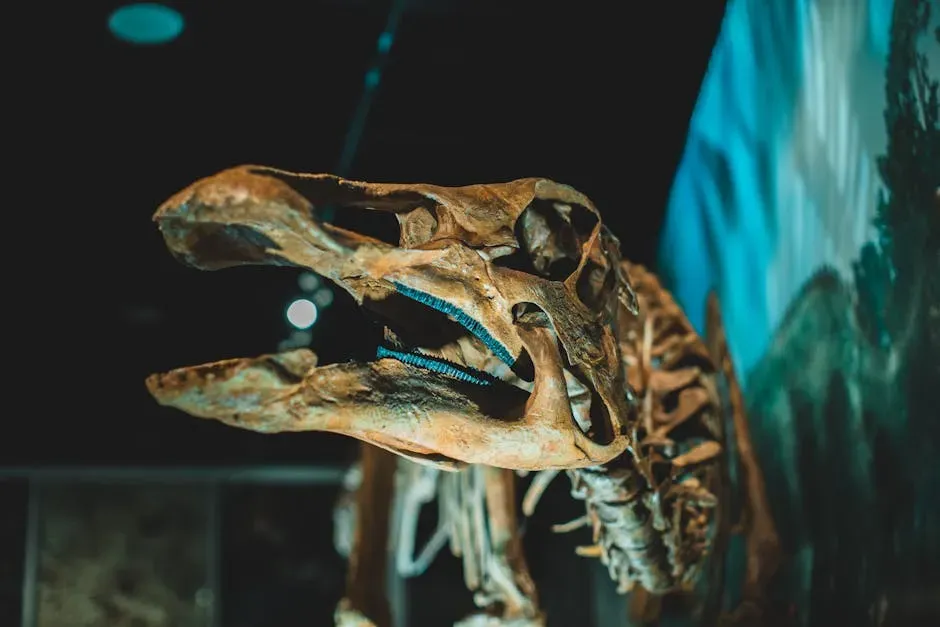
That changed in 2023. Researchers published the first description of a fossilized voice box from a non-avian dinosaur, and a second discovery followed in early 2025. These two finds, separated by thousands of kilometers and millions of years, sent shockwaves through the paleontology community. For decades, scientists had been guessing based on living relatives. Suddenly, they had actual direct evidence.
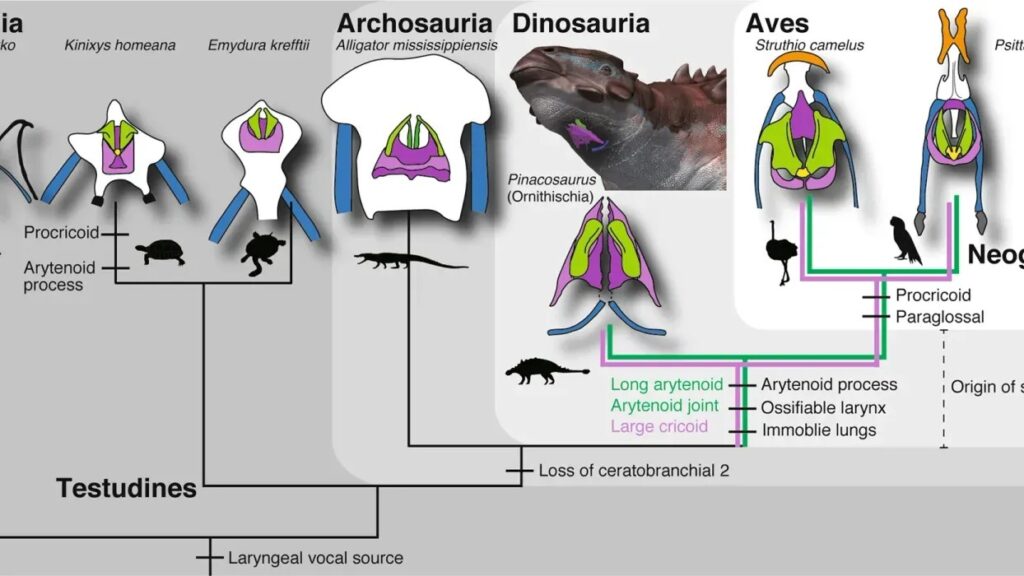
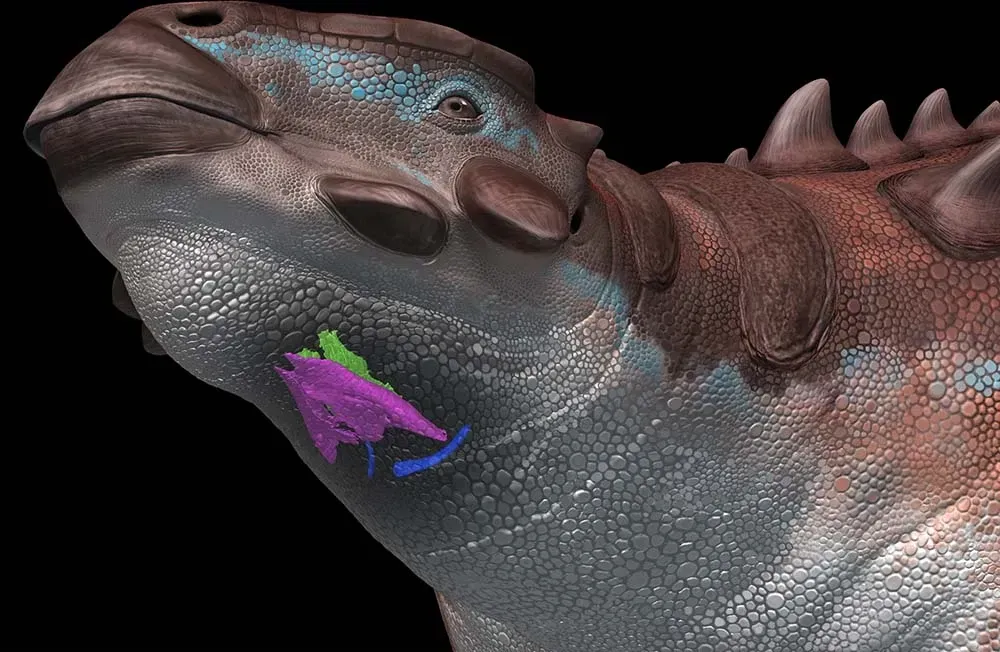
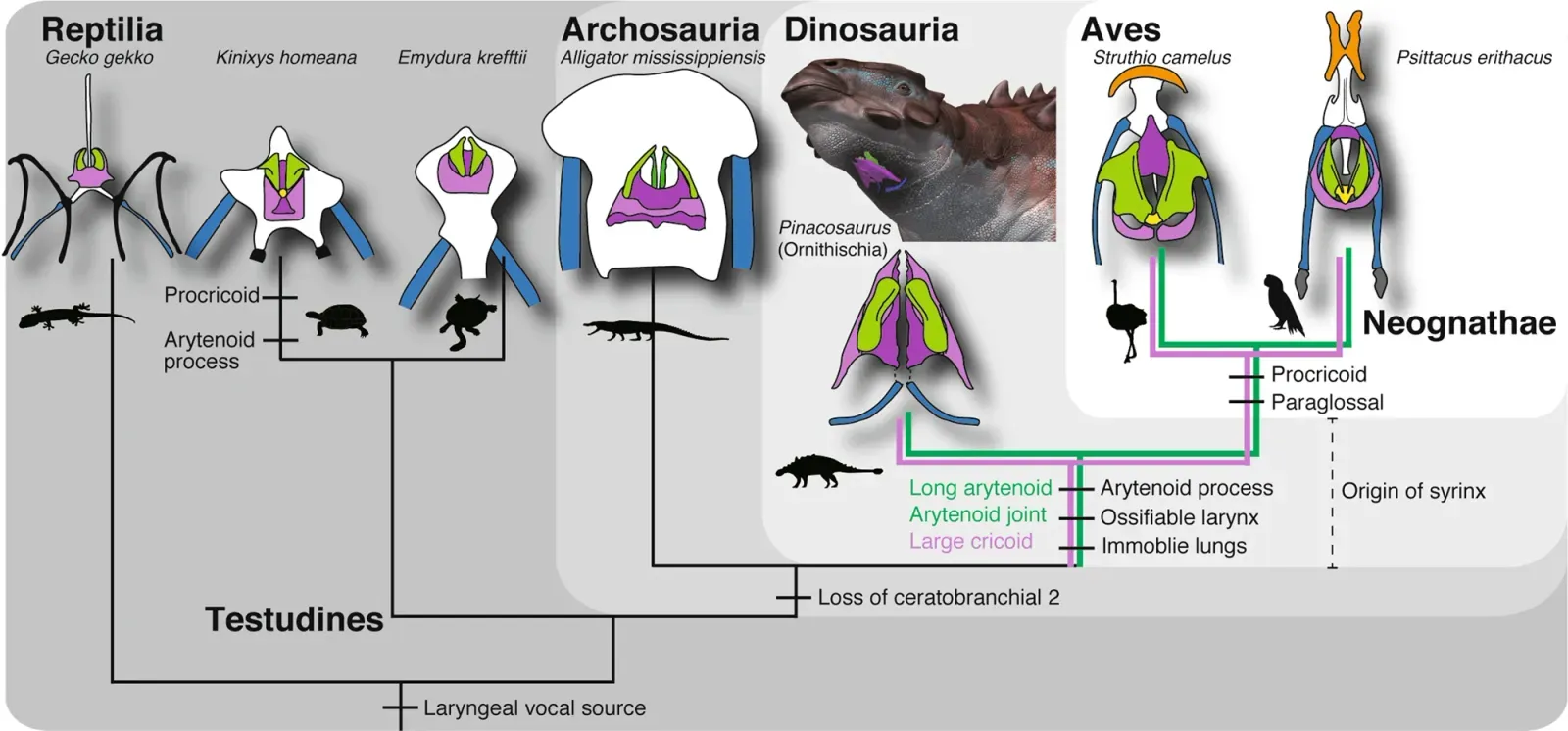
A second specimen emerged from northern China’s Liaoning province in early 2025. Paleontologists described Pulaosaurus qinglong in the journal PeerJ, identifying it as only the second non-avian dinosaur preserved with a bony voice box. The fossil showed vocal structures similar to those of modern birds. Researchers have also found preserved parts of the Pinacosaurus larynx, where sounds are produced in the throat. They compared this ancient dinosaur larynx with those of modern birds and crocodiles, and concluded that the Pinacosaurus larynx was likely capable of producing a wide range of sounds: rumbling, grunting, roaring, and even chirping.
The Parasaurolophus: Our Best Window Into Dinosaur Sound
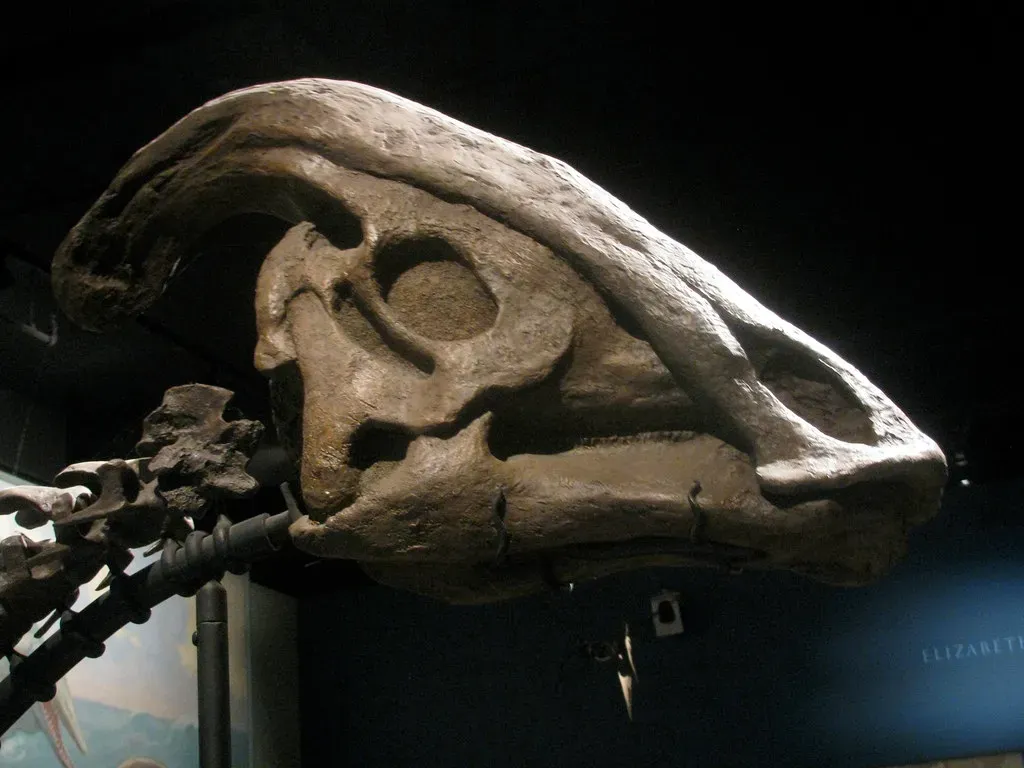
The study of dinosaur vocalization gained significant momentum after the discovery of a rare Parasaurolophus skull fossil. The dinosaur had a bony tubular crest that extended back from the top of its head, and many scientists have believed the crest, containing a labyrinth of air cavities and shaped something like a trombone, might have been used to produce distinctive sounds. This is a species you could genuinely call the rock star of prehistoric acoustics. No other dinosaur comes close in terms of how much hard evidence we have about its vocal anatomy.
Scientists at Sandia National Laboratories and the New Mexico Museum of Natural History and Science collaborated to recreate the sound a dinosaur made 75 million years ago. The low-frequency sound was produced by computer scientists and paleontologists using computed tomography (CT scans) and powerful computers. Instead of fearsome roars, these dinosaurs produced haunting, musical calls that sound like a cross between a trumpet and a whale song. Different species had different “notes,” suggesting that prehistoric landscapes were filled with complex symphonies of dinosaur music. That image is something special. Mesmerizing, honestly.
The Science of Closed-Mouth Vocalizations
Scientists theorize that many dinosaurs may have produced closed-mouth vocalizations. Animals produce closed-mouth vocalizations by inflating their esophagus or tracheal pouches while keeping their mouth closed, producing something comparable to a low-pitched swooshing, growling, or cooing sound. You can get a rough idea of what this feels like by humming with your lips sealed tight. Now picture a creature weighing several tons doing the same thing.
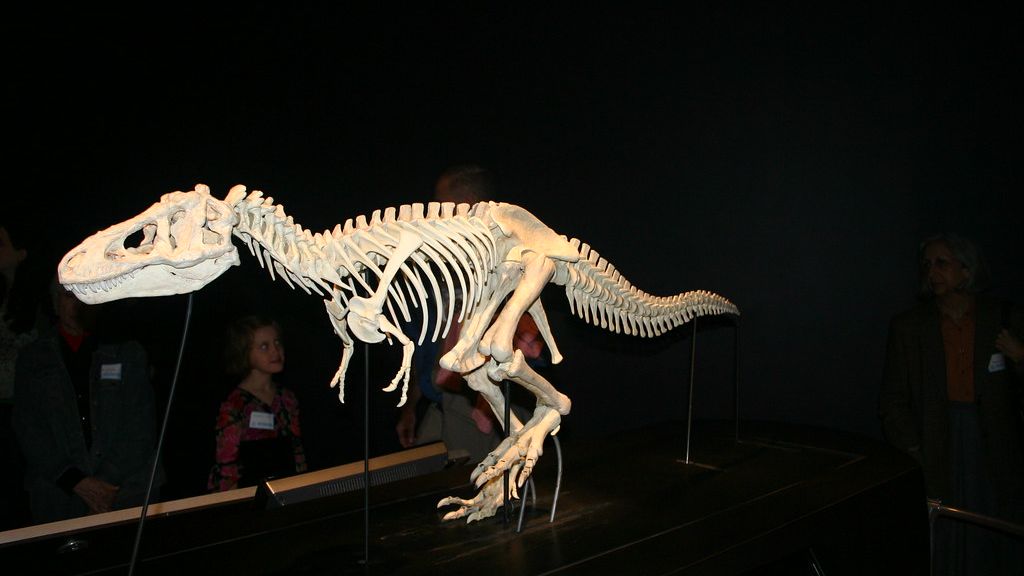
The exciting, blood-curdling roars in the Jurassic Park franchise are not scientifically accurate. Current evidence supports that Tyrannosaurus rex made closed-mouth vocalizations, but in the films, the Tyrannosaurus opens its mouth every time it roars. Rather than the iconic roar from films, T. rex may have produced closed-mouth vocalizations resulting in low-frequency booms, growls, or even infrasonic rumbles that humans would barely perceive. These sounds would still be impressive and potentially intimidating but fundamentally different from Hollywood depictions.
Infrasound: The Invisible, Gut-Shaking Language of Giants
As a result of analyzing the inner ear of Tyrannosaurus, it was found that they were remarkably adept at hearing very low-frequency sounds, or infrasound, rather than high-pitched ranges. This supports the hypothesis that they emitted ultra-low-frequency growls through closed-mouth vocalization and communicated by sensing them as vibrations in the air or ground. Here’s where things get genuinely eerie. We’re talking about sounds you wouldn’t hear at all, but you would absolutely feel in your chest, your gut, and your bones.
Modern elephants use infrasound to communicate over distances of several kilometers, and whales use similar low-frequency sounds for oceanic communication. If Tyrannosaurus rex had part of its vocalizations in the low-frequency or infrasound range, not only would we hear that menacing gurgle, but the vocalization would likely trigger an anxiety reaction during the encounter. I think that’s one of the most astonishing scientific details in this entire field. Forget the roar. A T. rex might have been able to make you feel physiologically afraid before you even consciously processed the sound.
Modern Technology Pushing the Boundaries of What’s Possible
Today’s scientists are using incredible technology to recreate dinosaur sounds with increasing accuracy. Computer modeling, 3D printing, and acoustic analysis allow researchers to build virtual models of dinosaur vocal systems and test how they would have sounded. A breakthrough that arrived in late 2024 showed just how creative researchers are getting. Researchers from New York University created a unique pipe-like instrument inspired by the dinosaur’s distinctive crest, essentially building a playable acoustic model of a 75-million-year-old animal’s head.
Dubbed Dinosaur Choir, the craniums in question use fossil evidence to recreate the vocalizations of species that haven’t been heard in millions of years. You don’t need to be a musician to play the unique instrument. All you have to do is stand before a camera and blow into a microphone. Doing so activates a vocal-organ-like structure, which forces the sound vibrations through the 3D model’s nasal passage and skull. Depending on the player’s mouth shape and the power of their blow, the sounds will change, but regardless, they sound much closer to a mournful cry than the ferocious roars made famous on film. The gap between science and cinema has rarely been illustrated so beautifully.
Conclusion: A Prehistoric Soundscape Far Stranger Than We Imagined
Here’s the thing. Science has given us something far more fascinating than a simple roar. The prehistoric world was likely filled with deep booming vibrations, haunting trumpet-like calls, eerie closed-mouth rumbles, and the strange, birdlike chirps of smaller feathered theropods. Synthesizing the latest research, the Cretaceous forests were likely not a world where giant monsters roared wildly like in the movies. Communication likely included sharp bird-like chirps or duck-like sounds, resonating crests calling out to herds with sounds like trumpeting foghorns, and mouths kept closed while emitting intimidating, ultra-low-frequency rumbling growls that reverberate in the pit of the stomach.
It’s hard to say for sure how perfectly accurate our modern recreations really are, because the honest answer is: only partially. Every reconstruction still carries a margin of uncertainty due to the limits of fossilization. What’s certain, though, is that each passing year, each new fossil, each new CT scan brings us a little closer to the truth. The science is alive, evolving, and getting louder. The more important question might be this: now that you know a T. rex may have made you feel its presence before you ever heard it, does the idea of a simple roar still impress you? Tell us what you think in the comments below.