When Steven Spielberg’s Jurassic Park roared onto screens in 1993, it didn’t just revolutionize cinema—it shaped how an entire generation imagined dinosaurs. The film’s groundbreaking special effects and Michael Crichton’s meticulously researched source material created prehistoric creatures that felt startlingly real. But how much of what we saw was actual science, and how much was Hollywood magic? The answer might surprise you more than a velociraptor lurking in the kitchen.
The DNA Extraction Fantasy
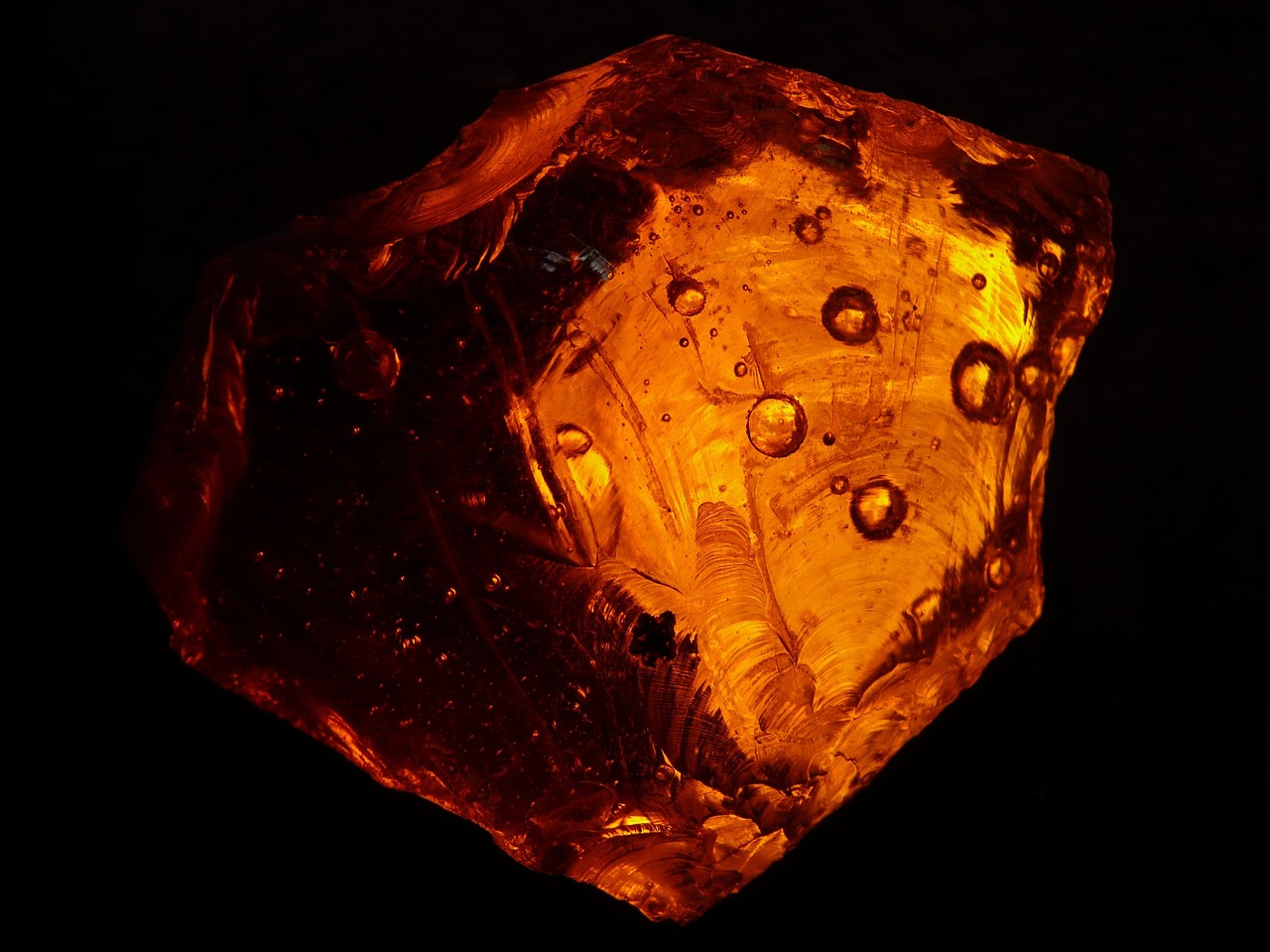
The film’s central premise revolves around extracting dinosaur DNA from mosquitoes preserved in amber for 100 million years. This concept captured imaginations worldwide, but science tells a different story. DNA degrades rapidly over time, and even under perfect conditions, genetic material becomes virtually unreadable after just a few thousand years.
The oldest DNA successfully recovered dates back only about 700,000 years, making the film’s 100-million-year timeline laughably impossible. Even if dinosaur DNA somehow survived, it would be so fragmented and damaged that reconstruction would be like trying to assemble a jigsaw puzzle with 99% of the pieces missing. The “frog DNA” solution presented in the movie would be equally useless for filling massive genetic gaps.
Velociraptors: Hollywood’s Biggest Dinosaur Lie
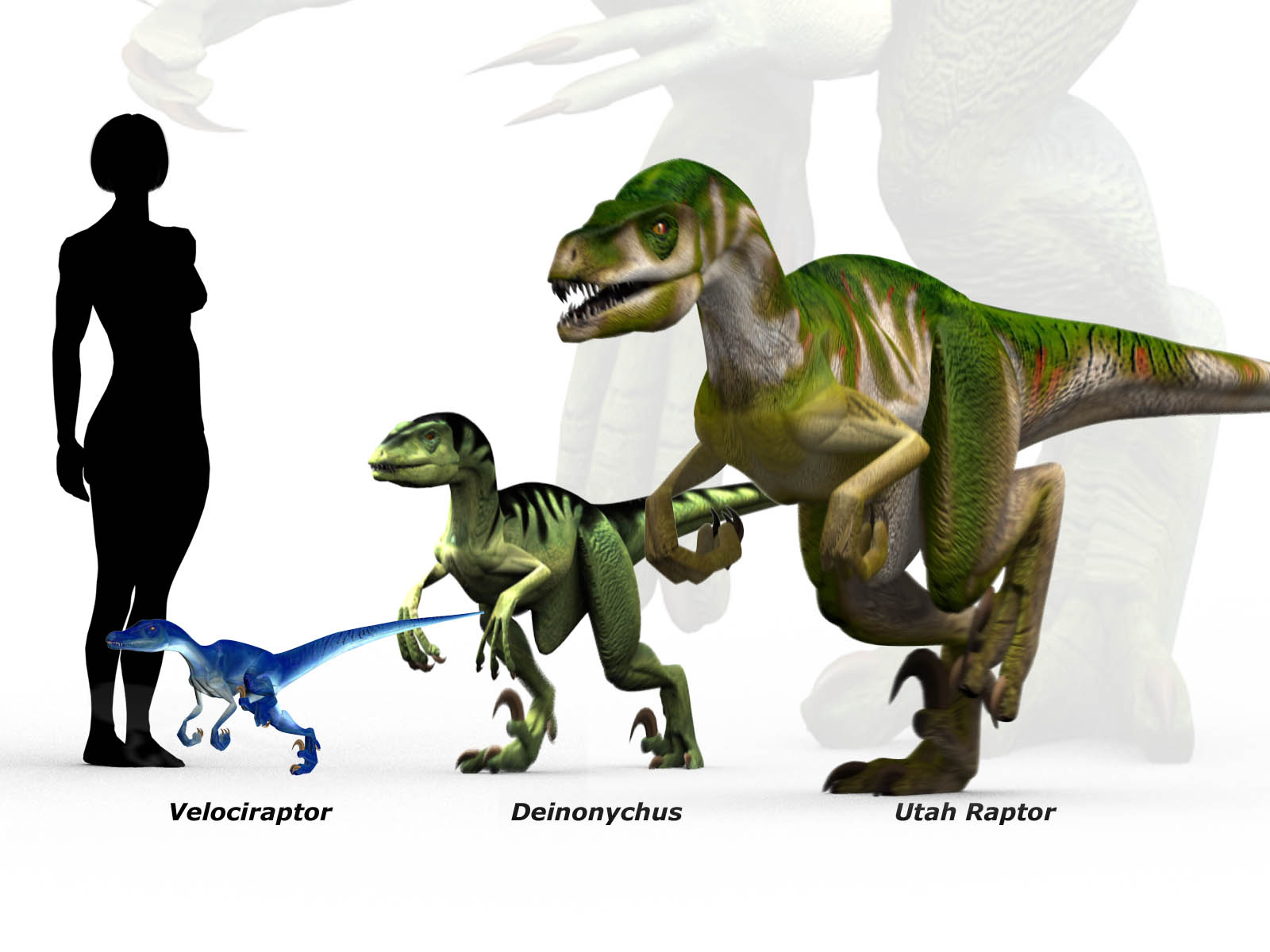
Perhaps no dinosaur in Jurassic Park strays further from reality than the velociraptors. The film’s six-foot-tall, door-opening terrors bear almost no resemblance to actual Velociraptor mongoliensis. Real velociraptors were roughly the size of large turkeys, standing about two feet tall and weighing around 30 pounds.
The movie’s “velociraptors” were actually based on Deinonychus, a larger cousin discovered in Montana. However, even Deinonychus wasn’t quite as large as the film portrayed. The intelligent pack-hunting behavior shown in the movie remains speculative, though recent fossil evidence suggests some dromaeosaurids may have exhibited coordinated hunting strategies.
What the film did get right was the sickle-shaped killing claw, though its primary function was likely for climbing and pinning prey rather than slashing. The feathered appearance we now know these dinosaurs possessed was completely absent from the film’s reptilian monsters.
The Tyrannosaurus Rex: Size Versus Reality
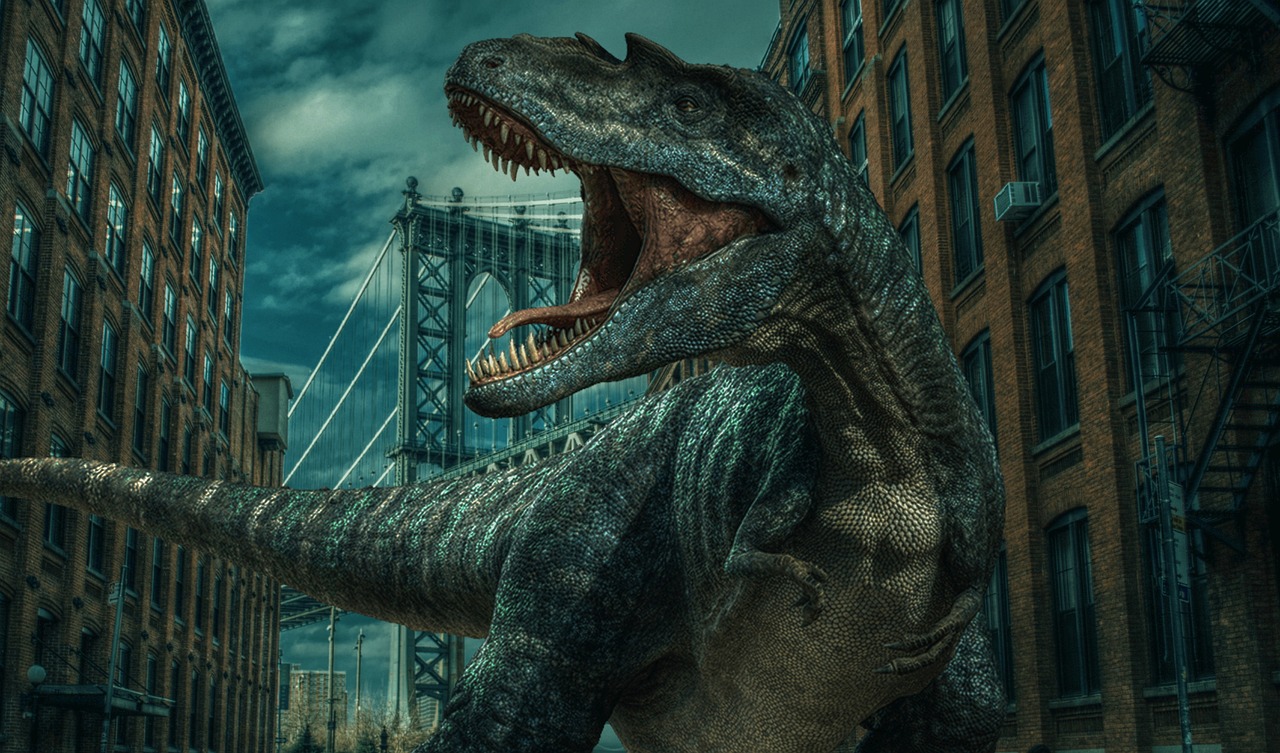
The film’s Tyrannosaurus rex, while impressive, presents a mixed bag of accuracy. The size depicted is reasonably close to scientific estimates, with real T. rex specimens reaching lengths of 40 feet and weights of 6-9 tons. The powerful bite force was accurately portrayed—recent studies suggest T. rex had a bite force of up to 12,800 pounds per square inch.
However, the film’s portrayal of T. rex vision based on movement is completely wrong. This myth, borrowed from older dinosaur films, suggests the predator couldn’t see stationary objects. In reality, T. rex had excellent vision, possibly better than modern eagles, and could easily spot motionless prey.
The film’s T. rex also moves far too quickly. While not the slow, lumbering giant once imagined, a real T. rex likely had a top speed of around 15-20 mph—fast enough to catch most prey, but not the highway-speed monster shown chasing the jeep. The animal’s massive size would have made such high-speed pursuits physically impossible without catastrophic injury.
Dilophosaurus: The Frill-Necked Fiction
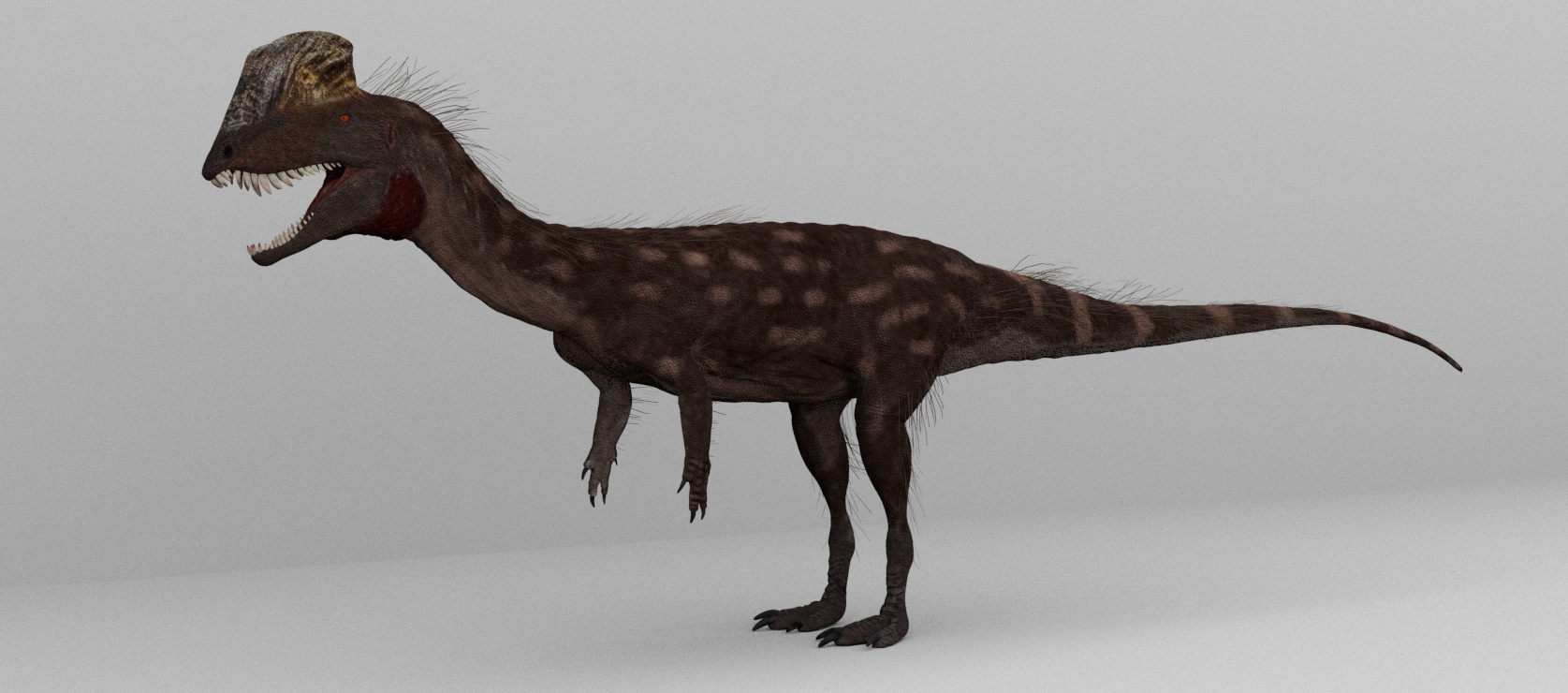
The film’s Dilophosaurus ranks among its most inaccurate dinosaur portrayals. The real Dilophosaurus was a 20-foot-long predator, not the small, dog-sized creature shown in the movie. This dinosaur lived during the Early Jurassic period and was actually one of the largest predators of its time.
The iconic neck frill and poison-spitting abilities are pure Hollywood invention. No evidence exists for either feature in any dinosaur species. The film’s creators acknowledged taking creative liberties with this dinosaur, essentially creating a fictional creature that shared only a name with its real counterpart.
The real Dilophosaurus was characterized by its distinctive twin head crests, which were likely used for display purposes rather than combat. These crests were fragile and would have been easily damaged, suggesting they served a social or sexual selection function rather than any practical hunting purpose.
Brachiosaurus: The Gentle Giant’s Accuracy
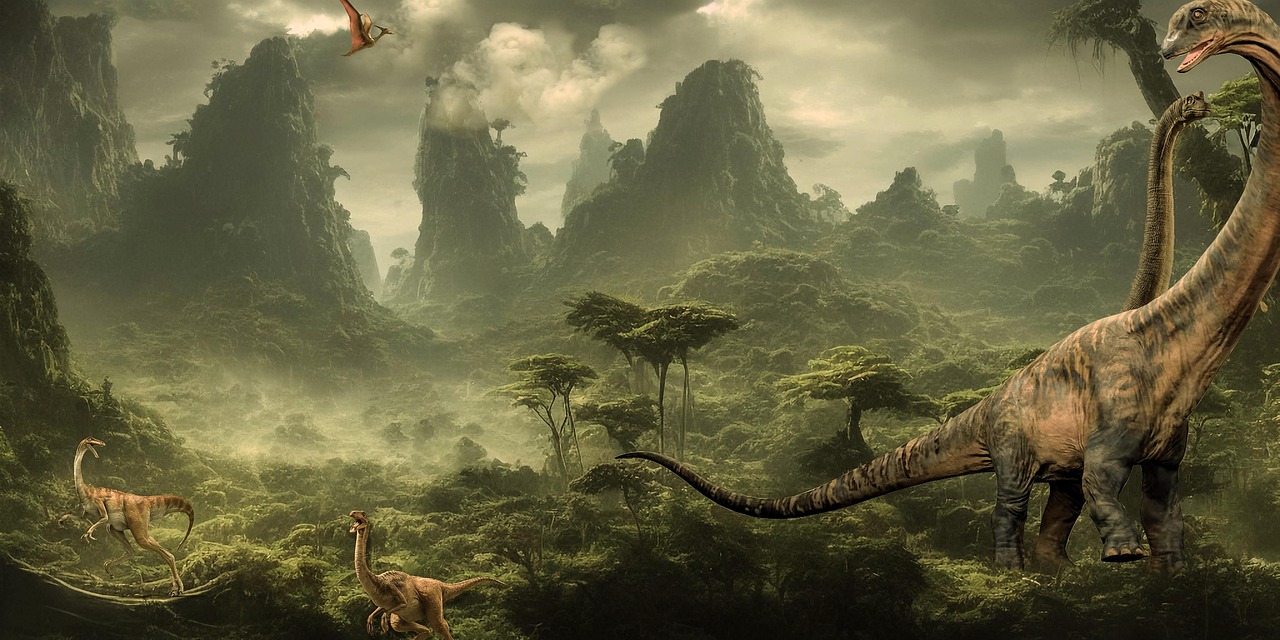
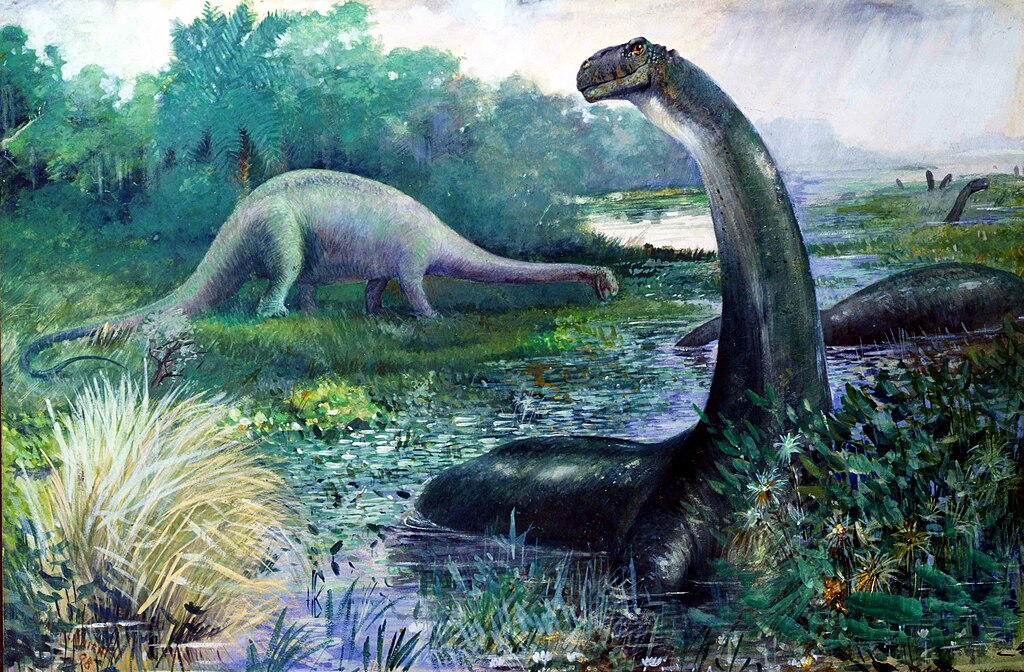
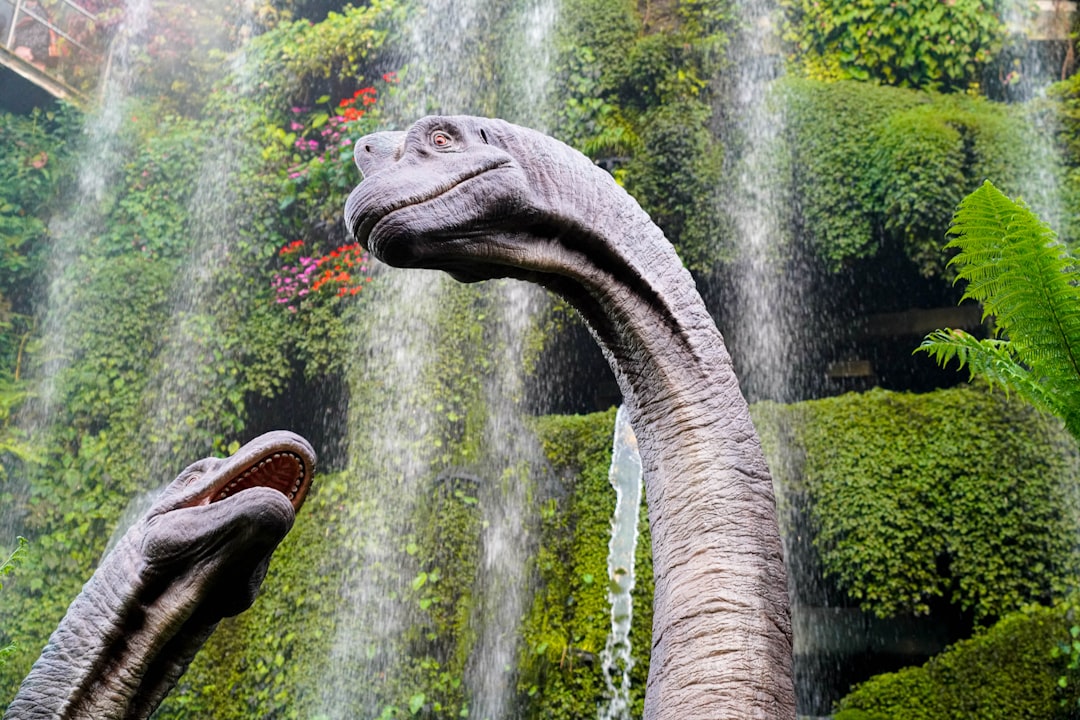
The film’s opening scene featuring Brachiosaurus represents one of its more accurate dinosaur portrayals. The massive size and long-necked appearance closely match scientific understanding of these sauropods. The 80-foot length and 56-ton weight depicted align well with fossil evidence.
However, the film shows Brachiosaurus rearing up on its hind legs to reach high vegetation, a behavior that would have been impossible for such massive animals. The blood pressure changes alone would have caused the dinosaur to lose consciousness. Modern research suggests these giants kept all four feet firmly planted and used their long necks like construction cranes.
The social behavior shown, with multiple individuals feeding together, is supported by fossil trackways that indicate sauropods traveled in groups. The film’s portrayal of their gentle nature also aligns with current understanding of these herbivorous giants.
The Triceratops Sickness Scene
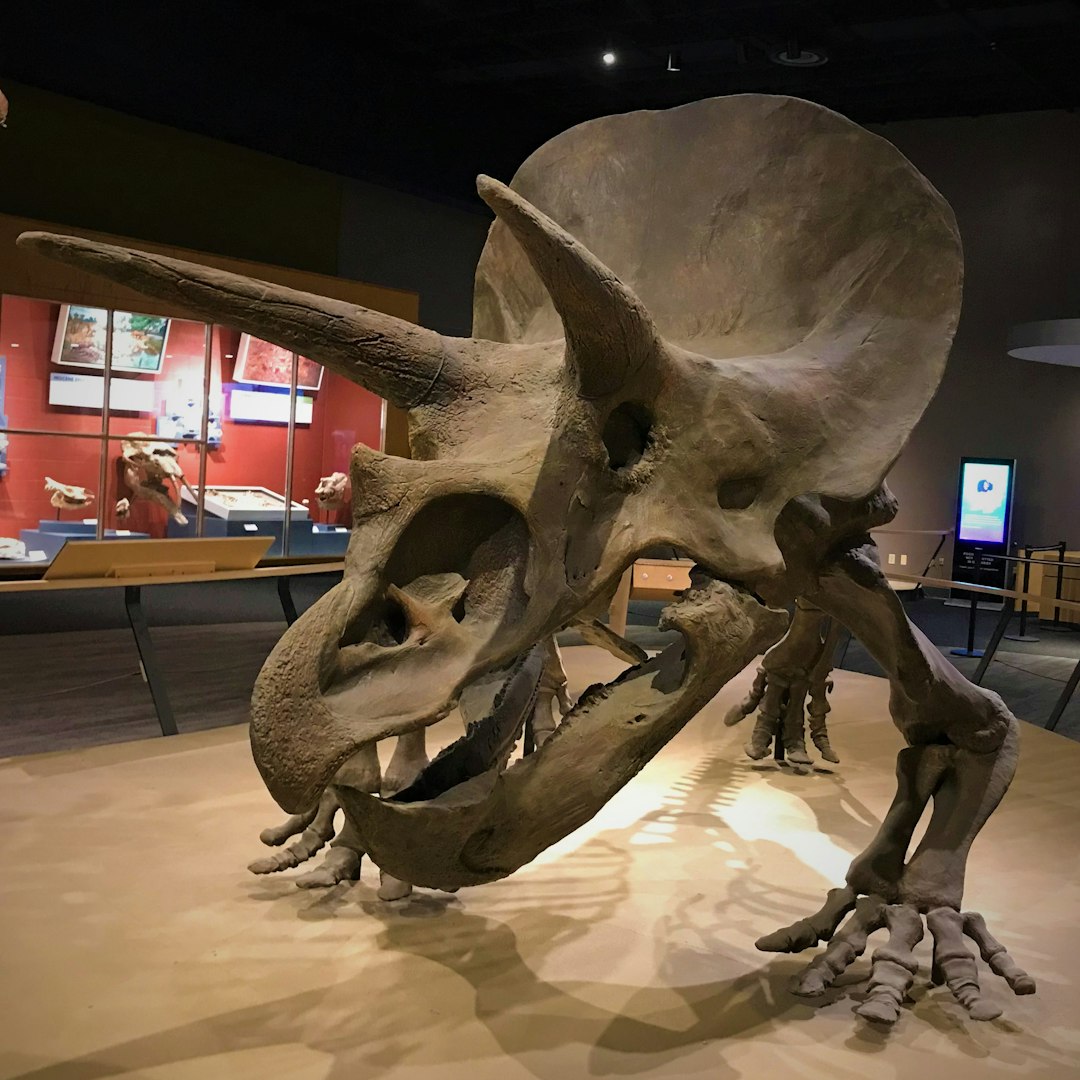
The encounter with the sick Triceratops provides one of the film’s most touching moments, but the medical diagnosis falls flat scientifically. The suggestion that the dinosaur was poisoned by West Indian lilac berries ignores basic herbivore physiology. Large herbivores typically have sophisticated digestive systems that can process or avoid toxic plants.
The film’s Triceratops design, however, is remarkably accurate. The three-horned face, bony frill, and massive size all match fossil evidence. Recent discoveries have even confirmed that Triceratops had a parrot-like beak for stripping vegetation, exactly as shown in the movie.
The emotional connection between the characters and the dinosaur, while scientifically irrelevant, highlights an important point about paleontology. These weren’t just monsters—they were living animals with complex behaviors and needs, much like modern wildlife.
Gallimimus: The Stampede Scenario
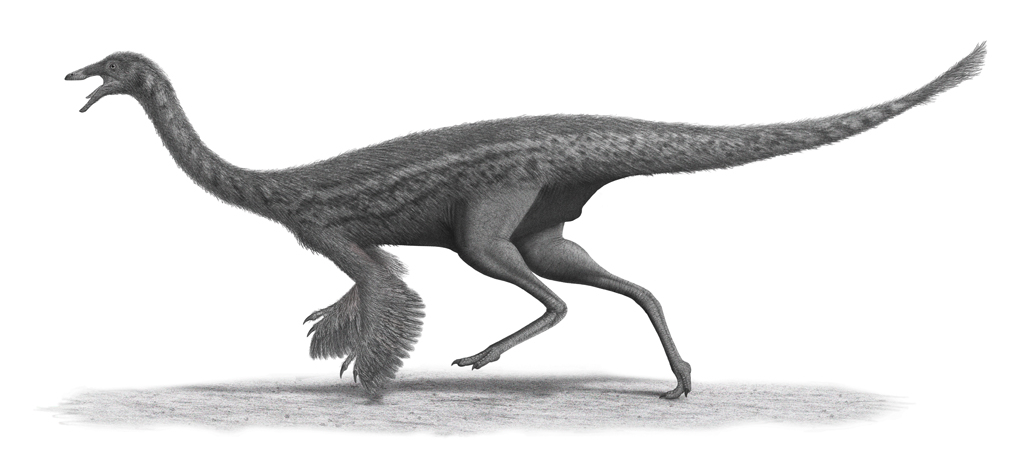
The Gallimimus stampede scene showcases these ostrich-like dinosaurs in a relatively accurate light. The film correctly portrays their size, proportions, and general appearance. These ornithomimids were indeed fast runners, potentially reaching speeds of 40 mph, making them some of the quickest dinosaurs.
The herding behavior shown is plausible, as modern flightless birds like ostriches exhibit similar group dynamics when threatened. The panic response to the approaching T. rex demonstrates realistic prey behavior that would have been common in Cretaceous ecosystems.
However, the film’s Gallimimus lack the feathered covering that paleontologists now believe these dinosaurs possessed. Like many dinosaurs in the movie, they appear more reptilian than the bird-like creatures they actually were.
The Raptor Kitchen Scene: Behavioral Impossibilities
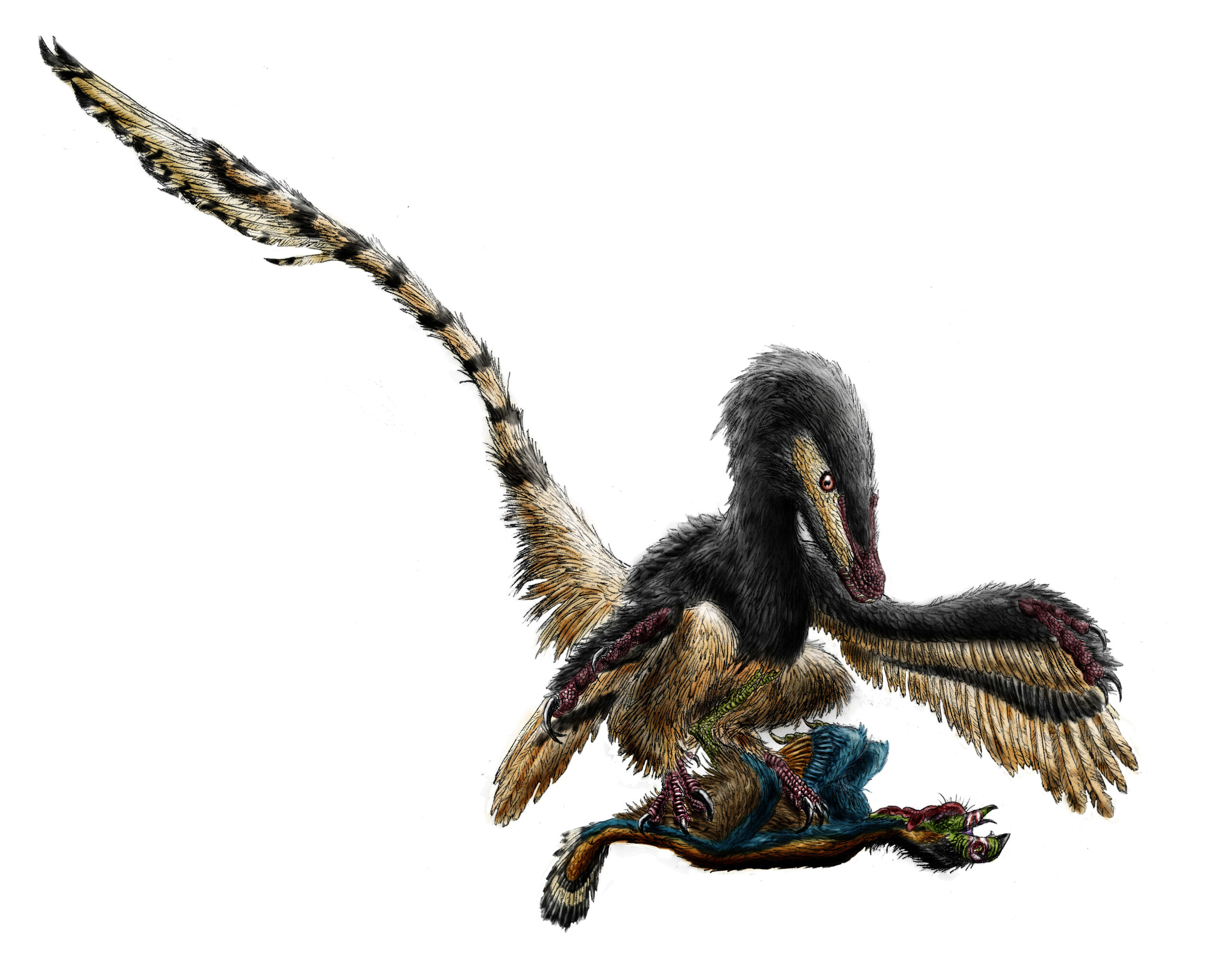
The kitchen scene featuring velociraptors represents peak Hollywood tension but terrible paleontology. The door-opening sequence, while thrilling, requires a level of manual dexterity and problem-solving ability that these dinosaurs simply didn’t possess. Their claws were designed for killing, not manipulating complex mechanisms.
The coordinated hunting strategy shown—with one raptor serving as a distraction while another flanks the prey—is speculative at best. While some evidence suggests pack hunting among dromaeosaurids, the sophisticated tactical planning depicted exceeds what we know about dinosaur intelligence.
The film’s raptors also move with an agility that would have been impossible for real dinosaurs. Their arm positioning and range of motion are more mammalian than reptilian, ignoring the anatomical constraints that would have limited their movement.
Parasaurolophus: The Sound of the Past
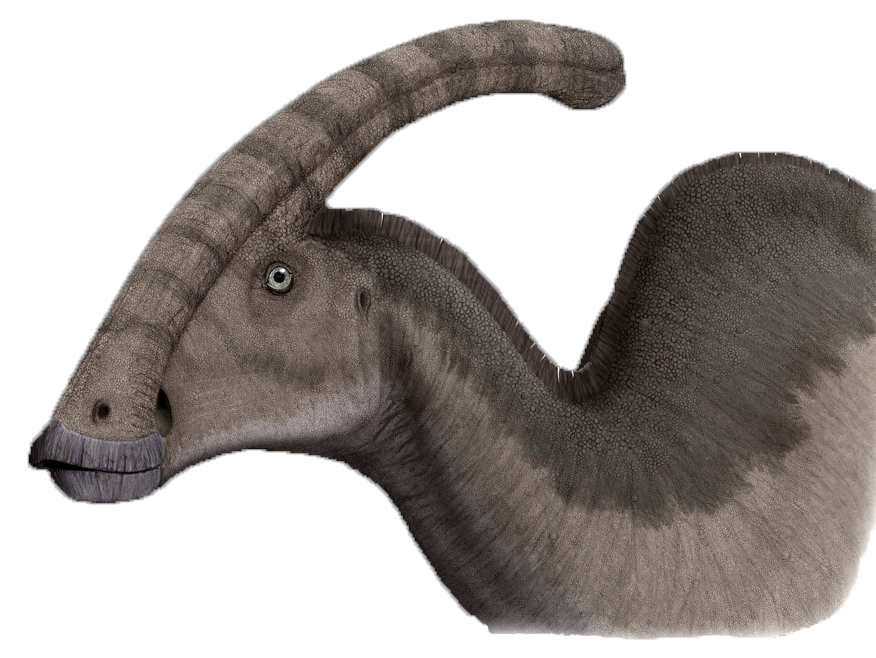
derivative work: Crisco 1492 (talk), CC BY 2.5, https://commons.wikimedia.org/w/index.php?curid=15793550)
The film briefly features Parasaurolophus, the duck-billed dinosaur with the distinctive head crest. This portrayal is surprisingly accurate in terms of anatomy and behavior. The crest contained complex internal passages that could produce trumpeting sounds, exactly as suggested in the movie.
Recent research has actually reconstructed the sounds these dinosaurs made by creating CT scans of fossilized crests and modeling airflow. The resulting calls sound remarkably similar to what the film portrayed, making this one of Jurassic Park’s most scientifically prescient moments.
The social behavior shown, with multiple individuals calling to each other, is supported by fossil evidence of large herds. These dinosaurs lived in complex social groups and likely used their calls for communication across long distances.
The Compys: Small but Deadly?
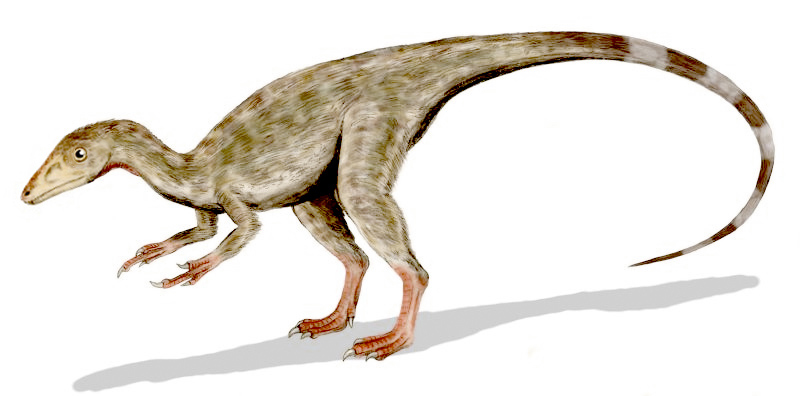
Compsognathus, the small dinosaurs that attack Dieter Stark, are portrayed with reasonable anatomical accuracy but questionable behavior. These chicken-sized dinosaurs were indeed real, and their size and proportions match fossil evidence. They were likely quick, agile predators that fed on small prey.
However, the pack-hunting behavior and aggressive nature toward humans is purely fictional. Real Compsognathus were solitary hunters that focused on insects, small reptiles, and possibly fish. They would have been more likely to flee from large mammals than attack them.
The film’s suggestion that these small dinosaurs could pose a serious threat to adult humans is laughable from a biomechanical standpoint. Their tiny teeth and claws would have been incapable of inflicting serious wounds on large mammals.
Fossil Accuracy: The Amber Inclusions
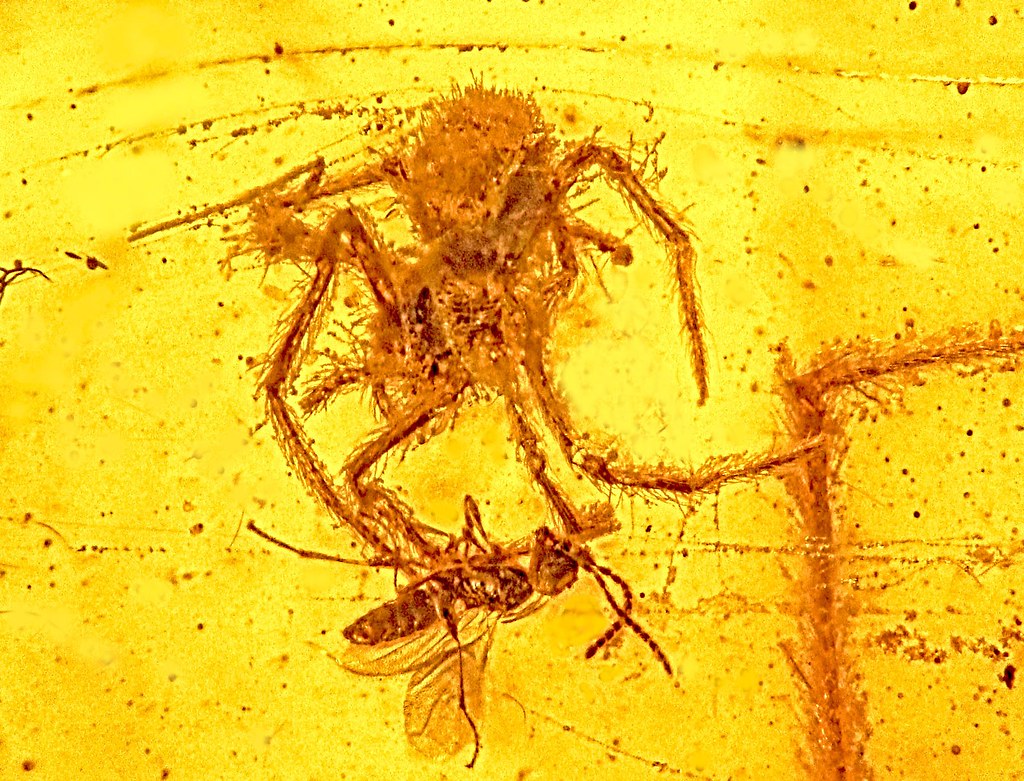
The film’s amber specimens, containing prehistoric insects, represent surprisingly accurate paleontology. Amber does preserve ancient organisms with remarkable detail, and insects from the Cretaceous period have been found in fossilized tree resin. The visual portrayal of these specimens closely matches real amber inclusions.
However, the film glosses over the rarity of such finds. Blood-engorged mosquitoes in amber are extremely rare, and even when found, the blood cells are typically too degraded to contain usable DNA. The movie treats these specimens as common when they would actually be priceless scientific treasures.
The amber mining operation shown also lacks the careful excavation methods real paleontologists would use. These specimens would require precise extraction techniques to avoid damaging the delicate inclusions inside.
The Park’s Ecosystem: Ecological Nightmares
Jurassic Park’s ecosystem represents a biological impossibility that goes beyond just the dinosaurs. The film shows herbivores and carnivores coexisting in an artificially maintained environment without addressing the massive logistical challenges this would require. Real ecosystems develop complex relationships over millions of years.
The dietary requirements alone would be staggering. A single T. rex would need hundreds of pounds of meat daily, while the massive sauropods would require tons of vegetation. The film’s small island couldn’t possibly support such large populations of megafauna without constant external food sources.
The mixing of dinosaurs from different time periods and continents creates an anachronistic nightmare. These animals never coexisted in nature and would have no evolved strategies for dealing with each other. The result would likely be ecological collapse rather than the balanced ecosystem portrayed.
Modern Dinosaur Science: What We Know Now
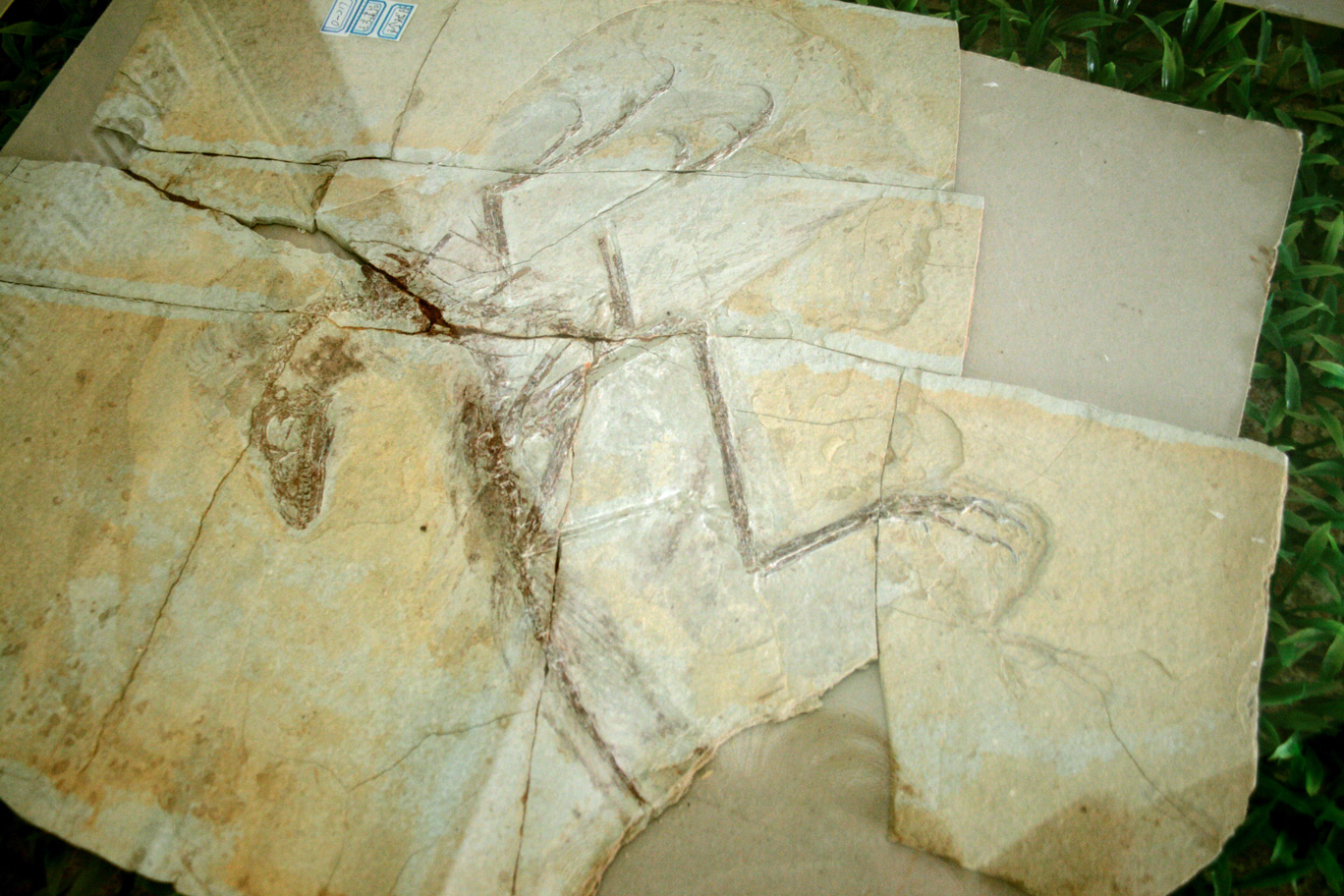
Since Jurassic Park’s release, paleontology has undergone a revolution in understanding dinosaur biology. The discovery of feathered dinosaurs in China has fundamentally changed how we visualize these ancient creatures. Many dinosaurs, including the film’s velociraptors, would have been covered in colorful plumage.
Advances in CT scanning and computer modeling have revealed new insights into dinosaur behavior, metabolism, and intelligence. We now know that many dinosaurs were likely warm-blooded, had complex social structures, and cared for their young in ways similar to modern birds.
The film’s cold-blooded, reptilian monsters have been replaced by a more nuanced understanding of dinosaurs as active, intelligent animals. This shift has made dinosaurs more fascinating than ever, even if it makes them less terrifying than Hollywood’s interpretation.
The Lasting Impact: Science Meets Entertainment
Despite its scientific inaccuracies, Jurassic Park sparked unprecedented public interest in paleontology. Museum attendance soared, and a new generation of scientists was inspired to pursue careers in dinosaur research. The film’s impact on popular culture cannot be overstated, even if its scientific legacy is mixed.
The movie’s greatest achievement was making dinosaurs feel like real animals rather than movie monsters. This emotional connection helped people understand that these creatures were part of Earth’s biological heritage, not just fantasy beasts. However, separating fact from fiction remains challenging for many viewers.
The film’s influence on subsequent dinosaur movies and documentaries has been enormous, often perpetuating its inaccuracies. The “Jurassic Park effect” continues to shape public perception of dinosaurs, sometimes hindering acceptance of new scientific discoveries that contradict the movie’s portrayals.
Jurassic Park remains a masterpiece of cinema that successfully brought dinosaurs to life in ways never before possible. While its scientific accuracy varies wildly from scene to scene, the film’s core message about the power and danger of genetic manipulation feels more relevant than ever. The movie’s greatest truth isn’t in its dinosaur biology, but in its warning about the unforeseen consequences of playing god with nature. Did you expect the science to be this far off the mark?