Have you ever looked up at the night sky and wondered if the stars hold secrets about your life? You’re not alone. Long before we had smartphones telling us what the day might bring, ancient peoples gazed upward with similar questions, seeking answers written in the heavens. Thousands of years ago, civilizations across the globe developed sophisticated systems to read celestial patterns, believing the cosmos could reveal everything from personal destiny to the fate of entire empires.
What’s fascinating is how these ancient sky watchers transformed simple observations into complex prediction systems that guided daily decisions, shaped religious beliefs, and influenced political power. Let’s explore how different cultures interpreted the language of the stars to glimpse what tomorrow might hold.
The Mesopotamian Foundation: Where Personal Astrology Began
In Babylon and Assyria, astrology emerged as the first known organized system in the second millennium BC, where priests used it as one of two chief methods for determining divine will. Think about standing atop a ziggurat in ancient Mesopotamia, watching celestial movements night after night. The Babylonians created the first astrological system over four thousand years ago, mapping celestial bodies and observing their movements to predict future events and understand human behavior.
Here’s the thing though. Early Babylonian astrology didn’t focus on individual horoscopes but centered on public welfare and the king, because his well-being determined the country’s fortunes. During the first millennium BCE, Babylonians developed new forms including personal astrology, making predictions about an individual’s life based on heavenly positions at birth. Personal horoscopes appeared around 400 BC, with the most famous Babylonian horoscope describing the night sky on April 29, 410 BC.
Celestial Omens as Divine Messages From the Gods
By the 16th century BC, omen-based astrology became extensive, with a comprehensive reference work called Enuma Anu Enlil containing 70 cuneiform tablets comprising 7,000 celestial omens. Picture priests frantically recording every unusual sky event, believing each held meaning. Babylonians observed seasonal movements and celestial events like lunar eclipses, connecting their beliefs of divine intervention to social, political, and environmental problems, viewing these as communication about upcoming good or bad events.
The fascinating part? Events in the sky were seen as messages from gods meant to warn humans of potential future events, and predictions weren’t inevitable because prayers, rites and sacrifices could prevent them from becoming true. Unlike later Greek astrology where fate was inescapable, Mesopotamians believed you could negotiate with destiny.
Egyptian Astrology: Linking the Heavens to the Nile
Egyptians believed that positions of stars and planets at a person’s birth could influence their personality, behaviors, and destiny. The Egyptian Zodiac was closely tied to cycles of the Nile River and agricultural seasons, enabling prediction of floods and famines. Imagine your entire livelihood depending on correctly reading when the river would rise.
Egyptian priests frequently used astrology for diagnosing ailments, with parts of the human body linked to certain astrological signs, believing planets affected both fate and physical health in early holistic healing. Important aspects included reading constellations to determine when activities should take place according to beliefs about fate and destiny, predicting dates for rituals and festivals, and using horoscopes to read individual destinies. The stars weren’t just about fortune telling; they were integrated into medicine, architecture, and religion.
Greek and Roman Adoption: Democratizing Destiny
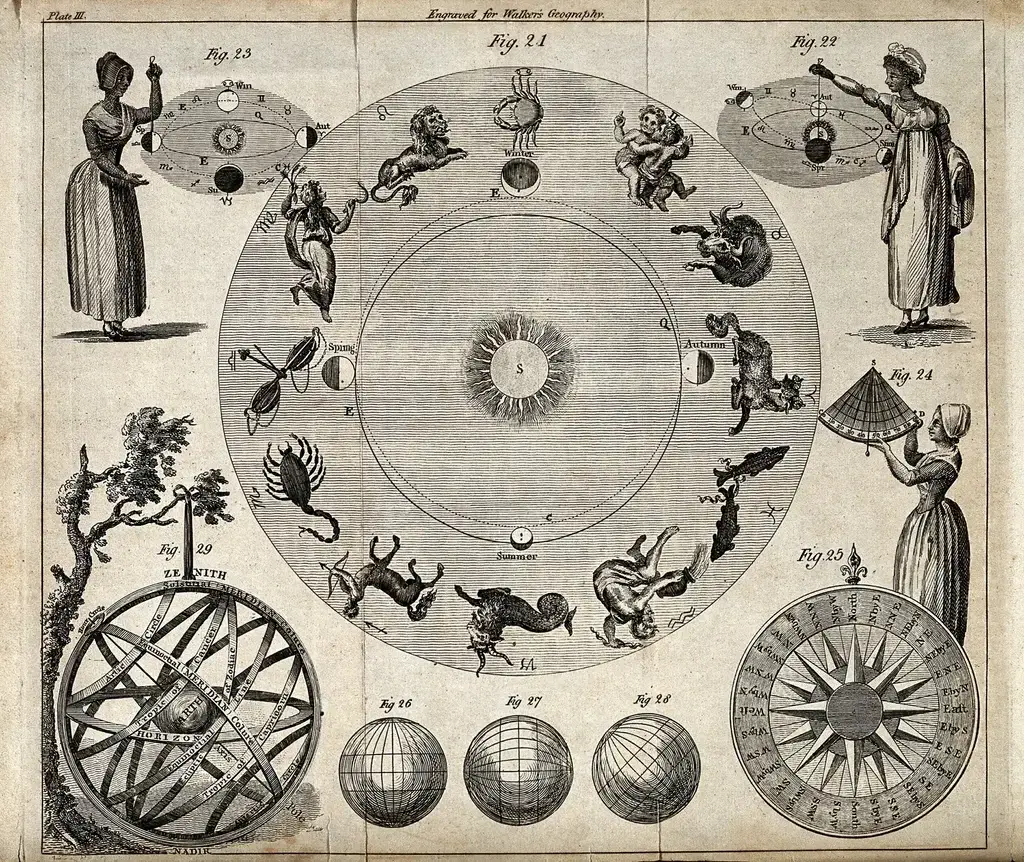
By the 1st century CE, belief in the close link between humanity and stars had become democratized across Greek and Roman culture, used to predict individual destiny, avert undesirable events, arrange auspicious moments, and advise on financial fortunes or the soul’s condition. Everyone from emperors to street vendors consulted astrologers.
Astrologers constructed zodiac charts using a person’s birth date, time, and location, serving as a map of planetary positions at birth, which revealed fundamental information about character, strengths, weaknesses, and destiny to make predictions about the future. Roman astrologers were consulted to predict war outcomes, with generals seeking advice before military campaigns, considering celestial body alignment to influence battle fate. Let’s be real: no one wanted to start a war when Mars was in a bad position.
Chinese Fortune-Telling Methods: Decoding the Cosmic Calendar
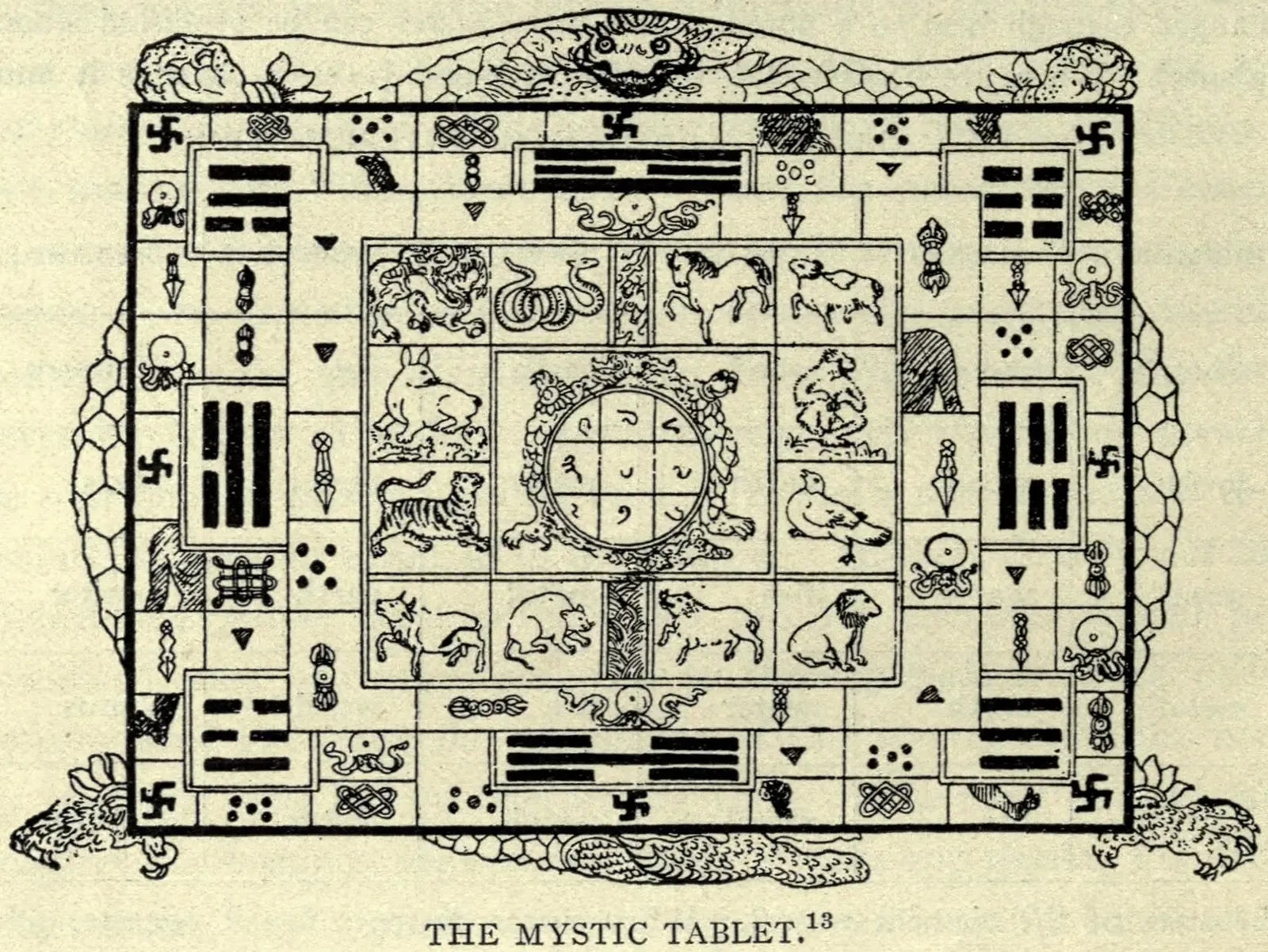
The most popular Chinese fortune-telling method is Bazi, or eight characters, based on the calendrical system of Heavenly Stems and Earthly Branches, where each year, month, date and hour is assigned characters, allowing a person’s birth date to be denoted with eight characters, and fate calculated by examining their interplay with associated elements. It’s mind-blowingly complex when you first encounter it.
Chinese astrologers assisted people in placing their homes, businesses, and environment to match favorable cosmic energies bringing prosperity, health, and good fortune through analyzing individual astrological charts. By reading one’s Bazi, fortune tellers claim fate and fortune aren’t dead set but alter according to choices made. This suggests personal agency mattered despite cosmic influence, which differs from more deterministic Western approaches.
Hellenistic Transformation: The Birth of Personal Horoscopes

Hellenistic astrology was practiced in the Mediterranean from approximately the first century BCE until the seventh century CE, becoming the source of many modern astrological traditions. During the Hellenistic period, Mesopotamian astrological methods combined with Egyptian notions and Greek mathematical astronomy. This cultural blending created something entirely new.
The oldest sources for natal astrology from ancient Egypt recorded nativities between 48 BC and AD 1, giving planetary positions in zodiac signs in degrees of longitude, correlated to the term system, with astrologers calculating the position of lots such as the Lot of Daimon and Lot of Fortune. Astrology had a radical view where the future already existed in potential, with astrologers’ task being to intercede in time, altering the future to human advantage in a form of participation mystique.
Mayan Sky Watchers: Calendar Keepers and Fate Predictors

On the fifth day after a boy’s birth, Mayan astrologer-priests would cast his horoscope to see what his profession would be: soldier, priest, civil servant or sacrificial victim, with Venus seen as generally inauspicious and Mayan rulers planning warfare to coincide with when Venus rose. That’s a heavy burden for a five-day-old infant to carry.
The Maya used their own names for 20 astrology signs comprising the Tzolkin calendar, and when a child was born, parents knew the child’s personality and nature from the astrology sign and accompanying number. Developed by Mayan civilization based on a 260-day Tzolk’in calendar, each person was assigned a day sign influencing their personality and life path. The entire social structure was organized around these celestial rhythms.
The Zodiac System: Dividing Heaven Into Meaningful Sections
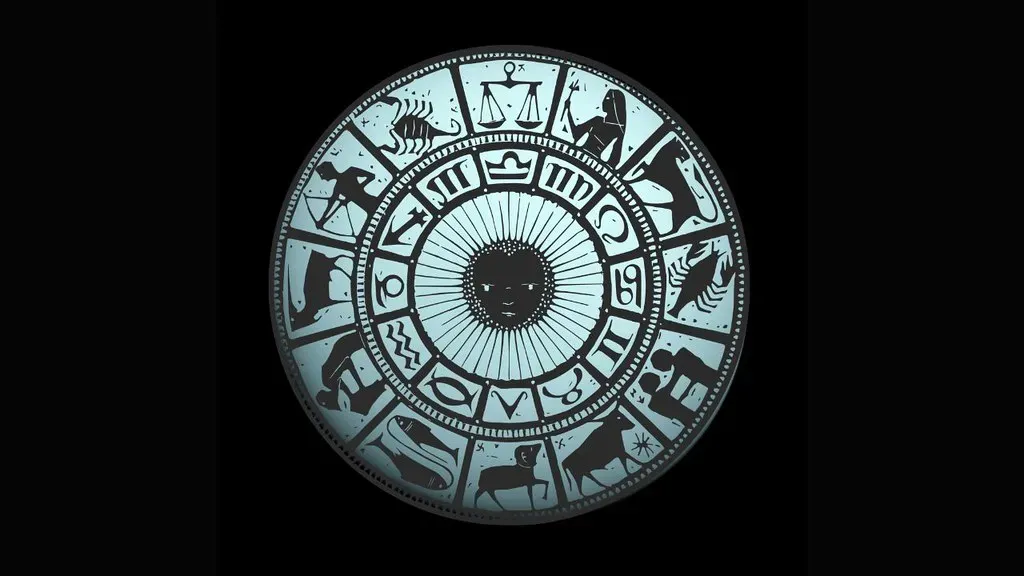
By around 600 BCE, Babylonians developed the first horoscope system using stars to predict the future of kings and empires, with their greatest contribution being division of the sky into twelve equal parts forming the zodiac signs. The zodiac sign an individual was born under was believed to influence their personality traits, behavior, and destiny.
The Zodiac consisting of 12 equal signs of 30 degrees each was only invented in the 5th century BCE, with Babylonians earlier having roughly 17 constellations of different sizes along the ecliptic. Honestly, it’s remarkable how this twelve-part division has endured for millennia. Greek philosophers connected celestial movements with human characteristics and fate, leading to personal horoscopes, with Ptolemy establishing the zodiac system and planetary influences still used today.
The Role of Priests and Astrologer-Scholars in Society
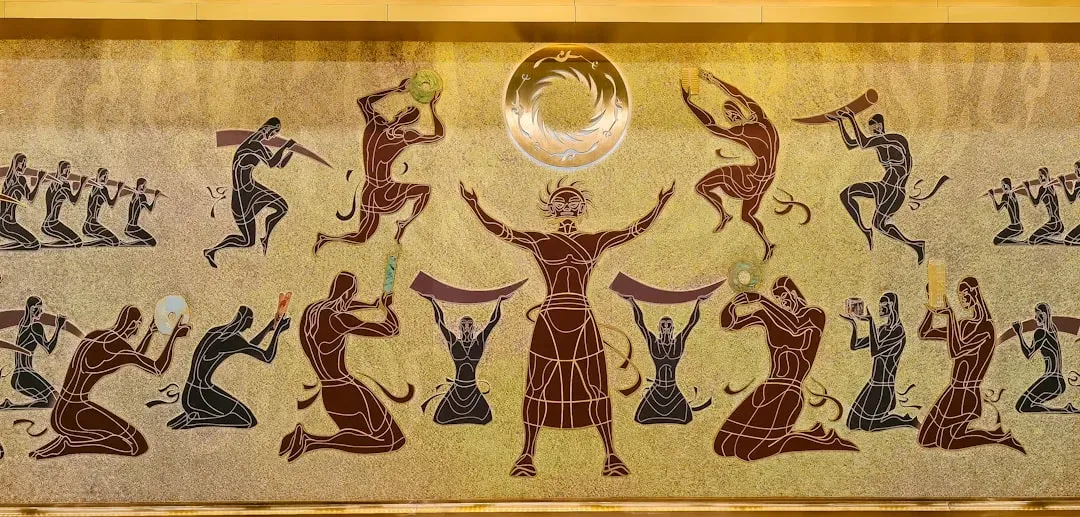
Babylonian ummanu recorded celestial phenomena on clay tablets delivered to the king with interpretation drawn from previous instances or via association, creating an early form of the astrologer-client relationship. The ability to read stars was highly valued in Roman society, with expertise sought by rulers, high-ranking officials, and common people alike. These weren’t charlatans; they were educated specialists.
Egyptian priests, particularly those serving temples dedicated to celestial deities like Amun-Ra and Thoth, were primary keepers of astronomical wisdom, observing the night sky from specialized structures demonstrating remarkable astronomical alignments today. Ancient Egyptians used zodiac signs to make decisions, predict events, and understand personality traits, with astrologers interpreting positions of stars and planets to offer guidance on agriculture, politics, and personal matters. They were advisors, scientists, and spiritual guides rolled into one.
Personal Fate Versus State Predictions: The Shift in Focus
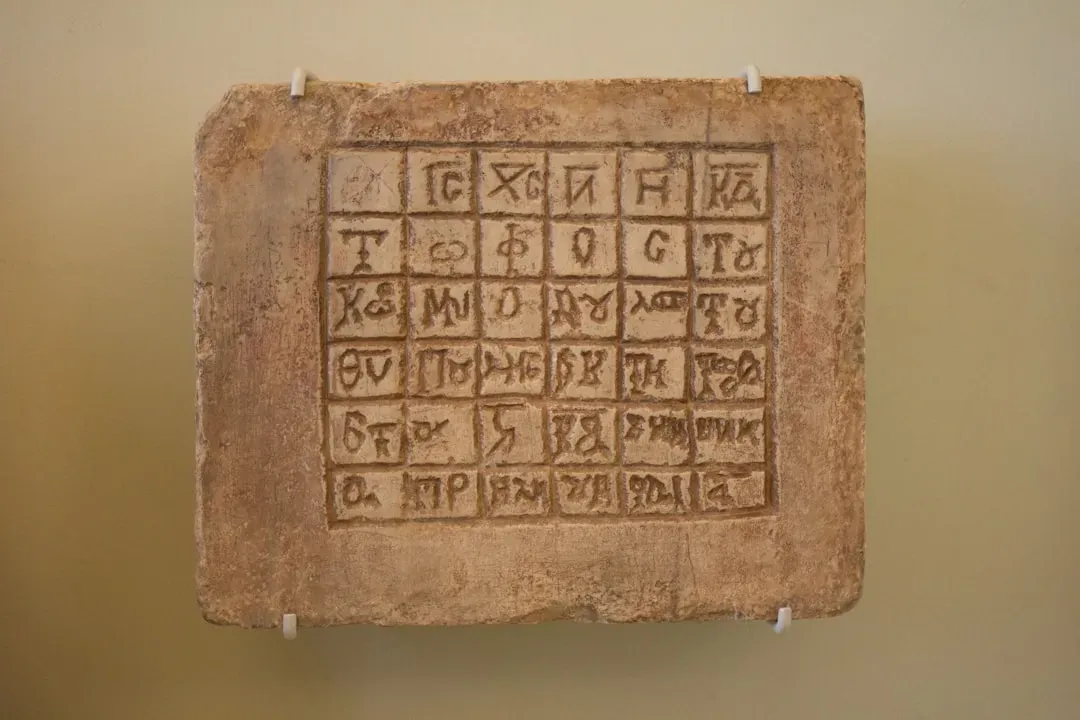
Babylonian horoscopes computed for private persons, not only the king, could be called a democratization of celestial predictions, representing a use of astronomy by society at large. This marked a profound social shift. Personal predictions from celestial phenomena at birth were markedly different from the Babylonian tradition of omens concerning the king or society as a whole, not single persons.
Horoscopic practice changed greatly since Hellenistic Babylonian times, though the idea of calculating planetary positions along the zodiac at birth and deriving predictions remained, with Egyptians, Greeks, and Romans introducing concepts like the ascendant and astrological houses still used today. What started as tools for rulers eventually became accessible to everyday people seeking guidance about love, health, and prosperity.
How Ancient Predictions Shape Modern Understanding
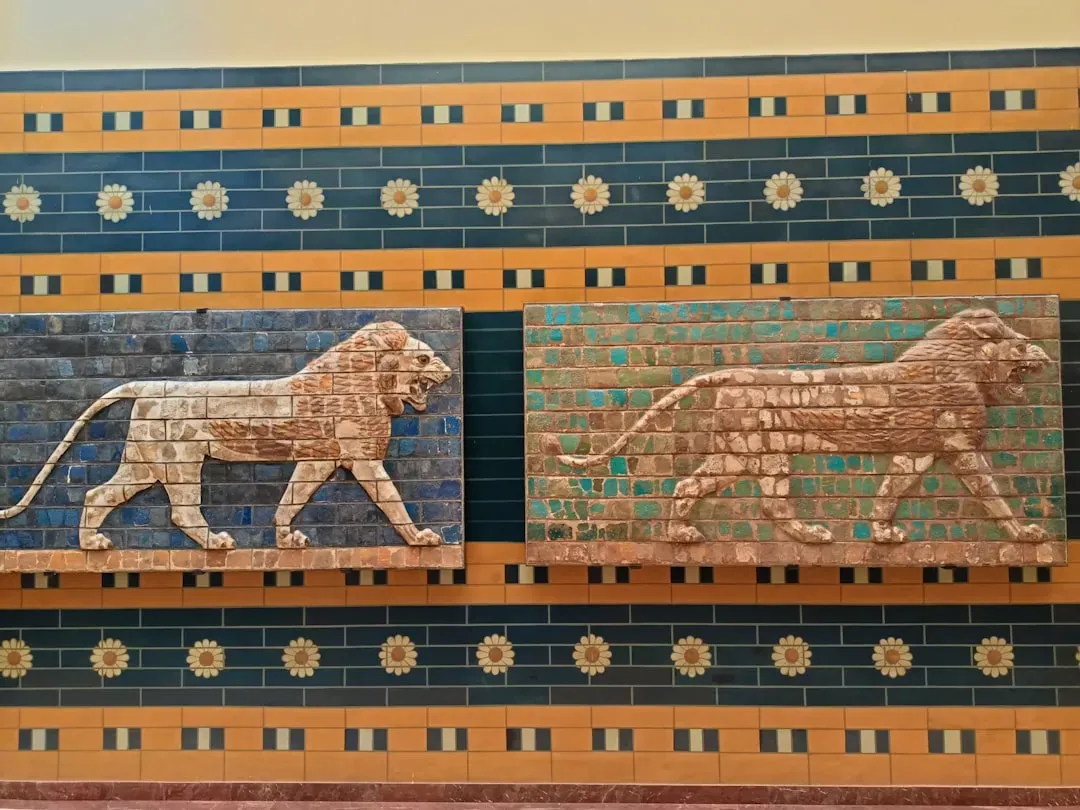
The methods developed thousands of years ago still echo through contemporary culture. Modern astrology still does it the Babylonian way, with the place of birth on earth as the point of reference, and the Sun, Moon and planets located along the zodiac divided into twelve equal parts. That’s quite a legacy.
There was no one single version of astrology, with disputes about what it was and what it could do, including whether it could make precise predictions about individual affairs or merely general statements. Even in ancient times, skeptics questioned the practice. Early astrology provided a coherent worldview reconciling astronomical science with myth and religion, providing social stability, with astrological interpretations giving a sense of divine control and immutable fate to human affairs. Whether scientifically valid or not, astrology offered psychological comfort and a framework for understanding an unpredictable world.
Conclusion
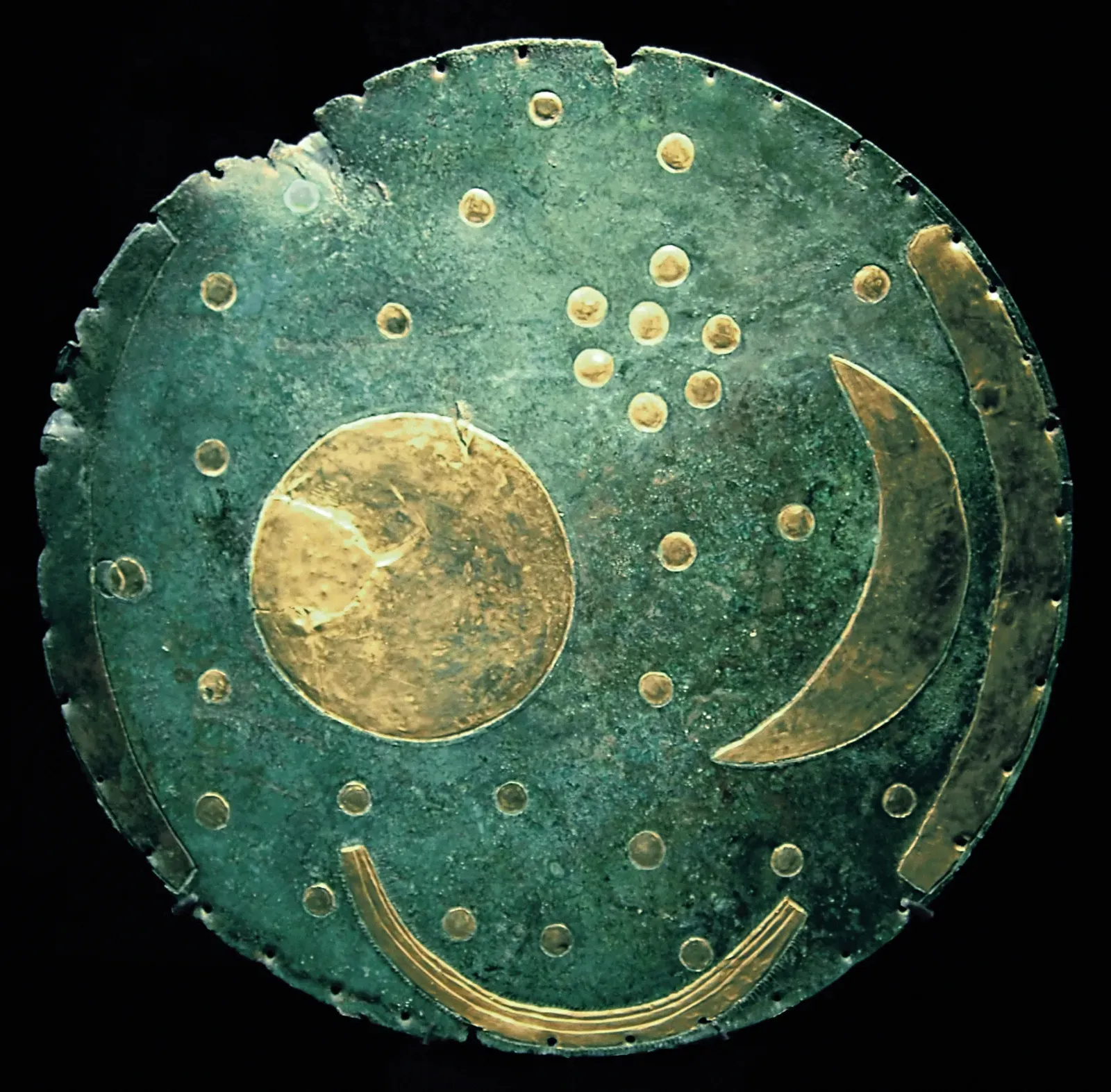
Looking back at how ancient civilizations gazed upward seeking answers, we see a universal human impulse: the need to find meaning and prepare for what’s coming. From Babylonian priests on ziggurats to Egyptian astronomers tracking Sirius, from Chinese Bazi masters to Mayan calendar keepers, cultures worldwide independently developed ways to read cosmic patterns and predict personal fortunes. These weren’t primitive superstitions but sophisticated systems reflecting deep astronomical knowledge and philosophical thinking about fate, free will, and humanity’s place in the universe.
The endurance of astrological thinking across millennia tells us something important about the human experience. Whether you consult your horoscope daily or dismiss it entirely, there’s something profound in knowing that your ancestors, thousands of years ago, looked at the same stars wondering the same questions about destiny, love, success, and meaning. What would your ancient counterpart have predicted for you?