When a dinosaur walked across the landscape millions of years ago, it left behind more than just bones. Footprints, preserved in stone, offer paleontologists a remarkable window into the past, capturing moments of prehistoric life in action. These trace fossils reveal information about dinosaur behavior, movement patterns, and physiology that skeletal remains alone cannot tell us. Unlike bones, which accumulate after death, footprints represent living animals going about their daily activities. The science of studying such traces, known as ichnology, has evolved dramatically in recent decades, employing cutting-edge technologies alongside traditional fieldwork to unlock the secrets preserved in ancient sediments. From muddy shorelines transformed to stone over millions of years to the 3D scanning techniques that help scientists analyze them today, dinosaur footprints connect us directly to the dynamic lives of creatures that roamed Earth long before humans existed.
The Formation of Dinosaur Tracks
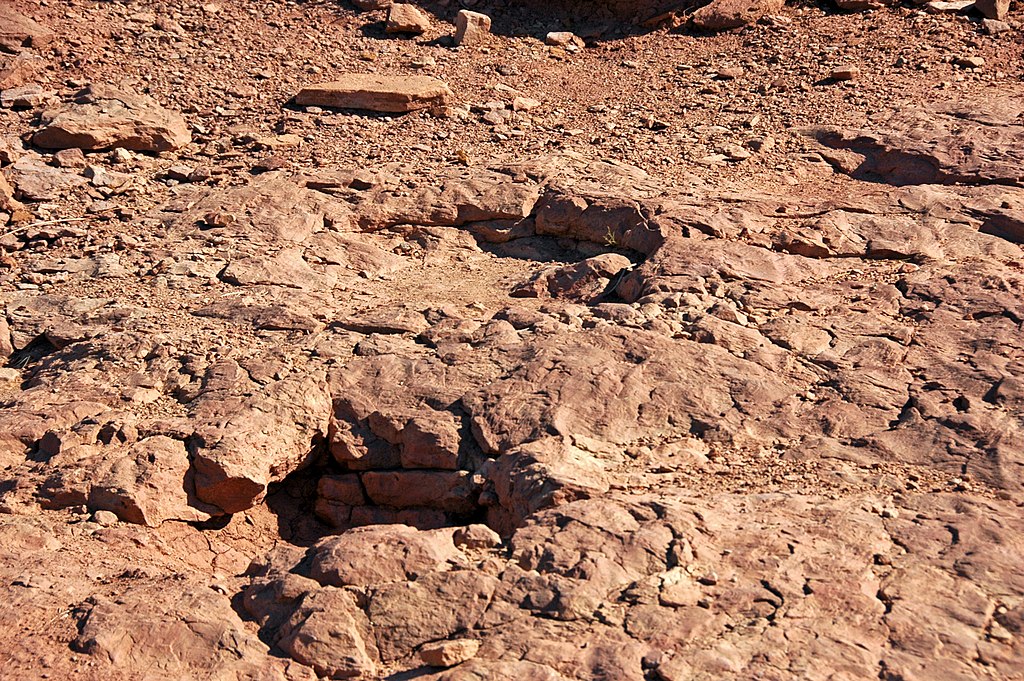
Dinosaur footprints begin their journey to fossilization when an animal steps onto a suitable substrate, typically moist sediment with the perfect consistency to hold an impression. Too dry, and the sediment crumbles; too wet, and the impression quickly disappears. The ideal conditions occur when a dinosaur walks across damp mud or sand along ancient shorelines, riverbeds, or lakeshores. After the impression is made, it must be rapidly covered by another layer of sediment before erosion or other activity destroys it. This protective covering shields the footprint from disturbance while the slow process of lithification—the transformation of sediment into stone—takes place. Over millions of years, minerals in groundwater fill the spaces between sediment particles, cementing them together and gradually turning the once-soft mud into hardened rock. The footprint’s preservation quality depends on factors like sediment type, burial speed, and subsequent geological processes, which explains why perfect dinosaur tracks are relatively rare discoveries.
Types of Preservation in Dinosaur Tracks
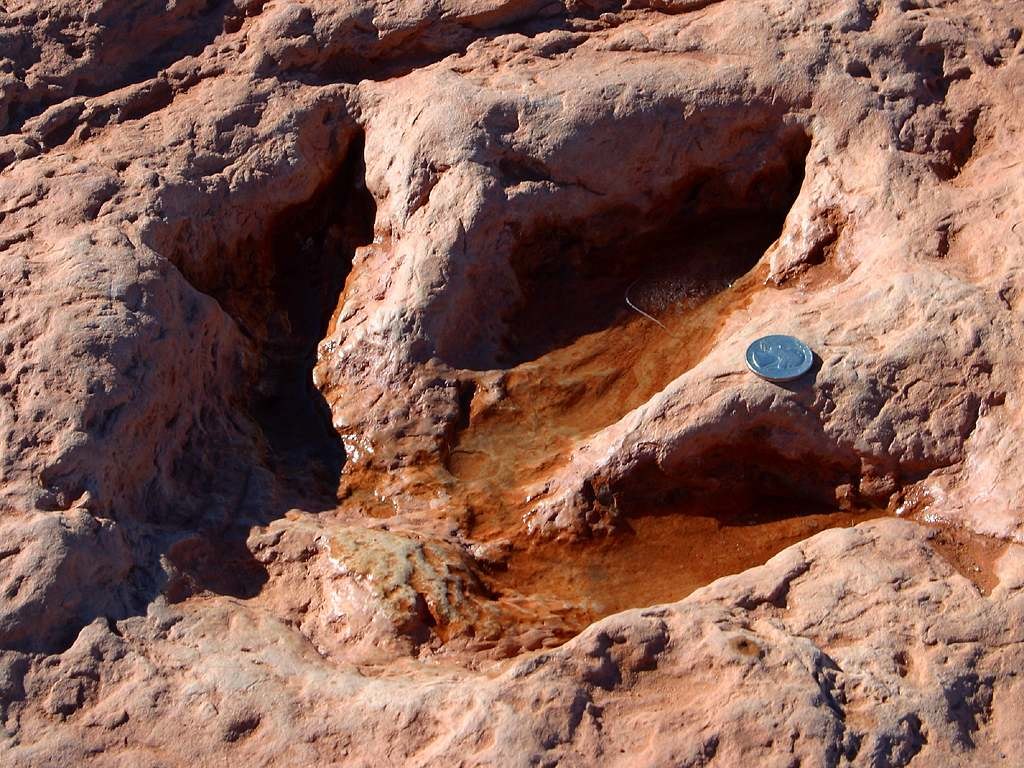
Paleontologists recognize several distinct types of footprint preservation, each offering different insights into prehistoric life. True tracks are the original impressions made directly by dinosaur feet pressing into the substrate, preserving details of foot anatomy and sometimes even skin texture. Undertracks form when the pressure from a dinosaur’s step penetrates deeper than the surface layer, creating fainter impressions in lower sediment layers that may still be visible when the rock splits apart. Natural casts occur when the original footprint fills with different sediment that hardens, creating a raised relief of the footprint rather than a depression. Ghost tracks represent temporary impressions that become visible only under specific environmental conditions, such as particular lighting or moisture levels, and may disappear again when those conditions change. Finally, transmitted prints happen when a dinosaur walks on a thin layer of sediment that sits atop another layer, transferring the pressure downward and creating a distorted version of the print in the lower layer. Each preservation type requires different interpretative approaches and can reveal distinct aspects of dinosaur biology and behavior.
Geological Conditions Favorable for Footprint Preservation

Not all ancient environments were equally conducive to preserving dinosaur footprints, which explains why tracks cluster in specific geological settings. Coastal environments, with their alternating wet and dry conditions, created ideal preservation scenarios as footprints made in tidal flats could be quickly covered by new sediment during the next tide or storm event. Lake margins similarly provided soft mud that could capture detailed impressions and subsequently be buried by flood events or gradual sedimentation. River floodplains, with seasonal flooding depositing fresh layers of silt and mud, also preserved dinosaur activity along their shores. Certain sediment types proved particularly effective at recording and maintaining footprint integrity, with fine-grained materials like mudstone and siltstone preserving finer details than coarser materials. Locations that experienced minimal geological disturbance after deposition—avoiding extreme heat, pressure, or tectonic activity—maintained clearer impressions over millions of years. These specific requirements for preservation help explain why dinosaur trackways often appear concentrated in particular rock formations around the world rather than being evenly distributed throughout the fossil record.
Discovery Techniques in the Field
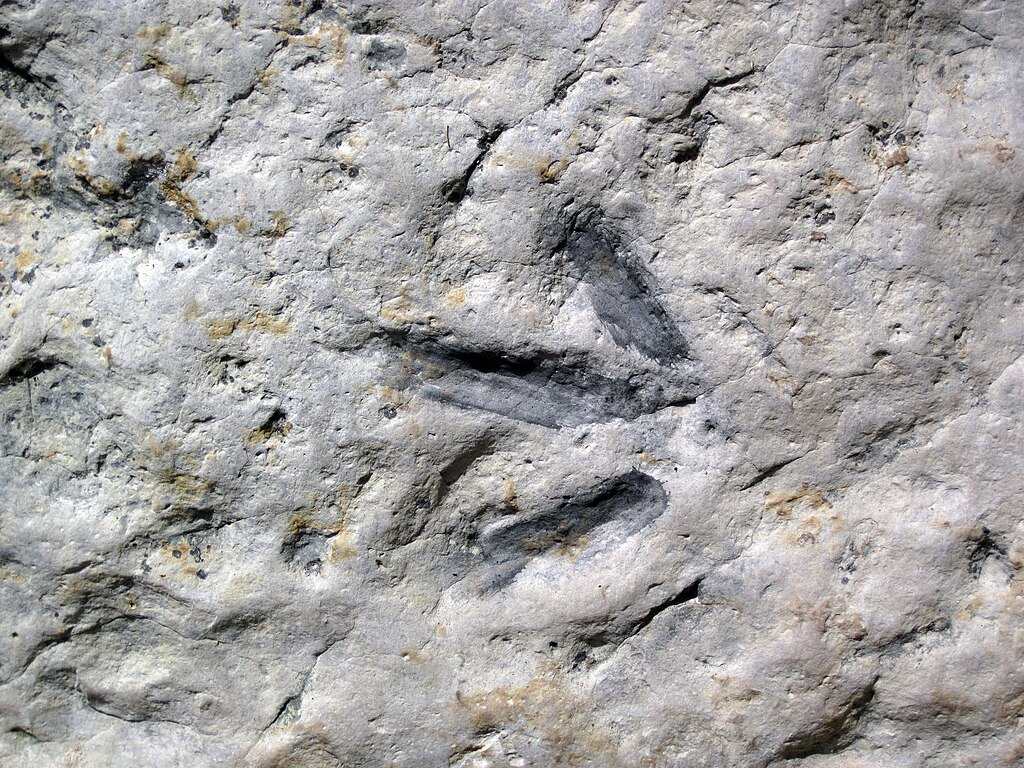
Finding dinosaur tracks requires both systematic methodology and a trained eye for recognizing subtle patterns in rock surfaces. Paleontologists conduct geological surveys to identify rock formations of appropriate age and depositional environment where tracks might be preserved. Surface prospecting involves carefully examining exposed bedding planes, often at low angles of sunlight when shadows make shallow impressions more visible. Some tracks only become apparent when rock surfaces are wetted, as moisture enhances color differences and reveals depressions that might otherwise blend into the surrounding stone. In areas of known track potential, researchers may remove overlying rock layers to expose new track-bearing surfaces in a carefully documented excavation process. Increasingly, drone surveys help scientists identify promising locations from above, spotting patterns that might not be obvious from ground level. Chance discoveries by amateur fossil enthusiasts and construction workers continue to play an important role in bringing new trackways to scientific attention, highlighting the value of public education about fossil recognition. Once identified, track sites are carefully mapped and documented before any specimens are collected or molded to preserve their scientific context.
Identifying the Trackmaker Species
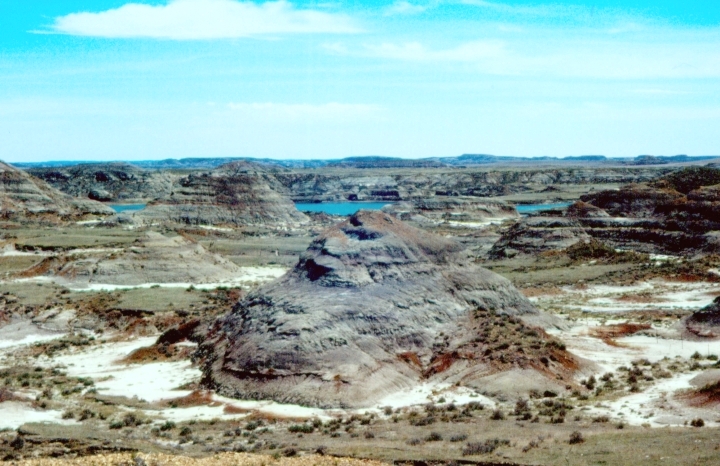
Determining which dinosaur species made a particular track presents one of the most challenging aspects of ichnological research. Unlike skeletal fossils, footprints rarely preserve the fine anatomical details that distinguish closely related species. Instead, scientists classify tracks using an ichnotaxonomic system—scientific names given to the footprints themselves rather than the animals that made them. These classifications are based on measurable characteristics like the number of toes, foot shape, claw impressions, and the overall proportions of the print. By comparing these features to known skeletal anatomy, researchers can often identify tracks to broader taxonomic levels, such as distinguishing between theropod (typically three-toed) and sauropod (elephant-like, round) footprints. Trackway patterns, including stride length and width, provide additional clues about the trackmaker’s identity. Occasionally, researchers get lucky when tracks are found in formations containing skeletal remains of only one dinosaur species that matches the foot morphology of the prints, allowing for more confident attribution. However, paleontologists must often content themselves with referring tracks to general groups rather than specific species, acknowledging the inherent limitations of footprint identification.
What Footprints Reveal About Dinosaur Behavior
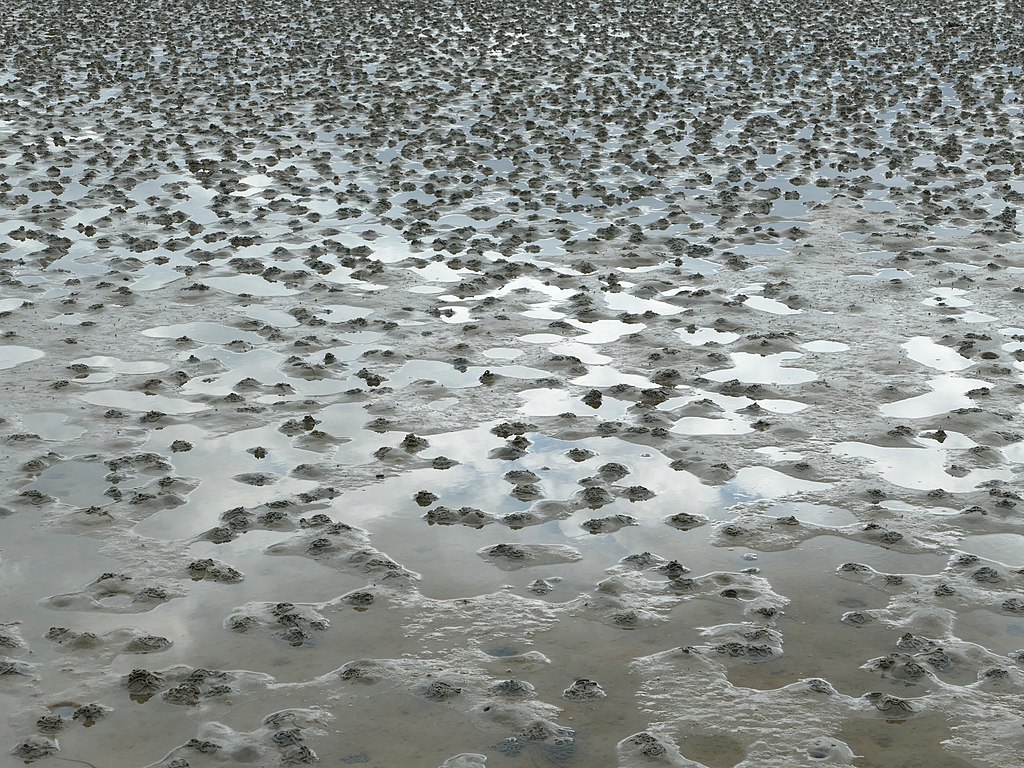
Dinosaur trackways offer unique insights into behavior that fossil bones alone cannot provide, serving as fossilized snapshots of prehistoric activity. Parallel trackways of the same species with consistent spacing suggest herd behavior, allowing scientists to identify which dinosaur groups lived in social assemblages and which were more solitary. The consistent direction of multiple trackways can indicate migration patterns or responses to ancient geographic features not preserved in the rock record. Tracks showing different-sized individuals of the same species walking together may represent family groups with adults protecting juveniles. Speed calculations derived from stride length relative to foot size help determine whether dinosaurs were strolling leisurely or moving at a run when they left their prints, addressing questions about dinosaur athletic capabilities. Interactions between different species can sometimes be captured when predator and prey tracks intersect, occasionally even preserving dramatic chase sequences. Rare tracks showing dinosaurs swimming, as evidenced by toe-only impressions or tail drag marks, provide evidence of aquatic behavior that would otherwise remain speculative. By studying these preserved moments of dinosaur life, scientists continually refine our understanding of how these animals actually lived and interacted with their environments.
Measuring and Analyzing Dinosaur Gaits
Trackways serve as natural laboratories for understanding dinosaur locomotion, allowing scientists to calculate numerous aspects of movement from the preserved patterns. Stride length—the distance between successive prints of the same foot—provides the foundation for many biomechanical analyses. Scientists measure the pace angle (the angle between successive footfalls) to determine whether a dinosaur was moving with a narrow or wide stance. The depth and pressure distribution within footprints offer clues about weight distribution and the center of mass. By applying established formulas relating stride length to hip height and foot size, researchers can estimate how fast a dinosaur was moving when it created a particular trackway, with some theropod trackways suggesting running speeds of over 25 miles per hour. Unusual gaits, such as tracks showing an animal shifting from walking to running or changing direction, provide rare glimpses into dinosaur agility and responsiveness. Computer modeling now allows scientists to recreate the muscular movements required to produce observed trackway patterns, helping visualize dinosaur locomotion with increasing accuracy. These analyses collectively transform static footprints into dynamic reconstructions of prehistoric movement, bringing ancient behaviors to life through the scientific study of preserved tracks.
Documenting and Preserving Track Sites
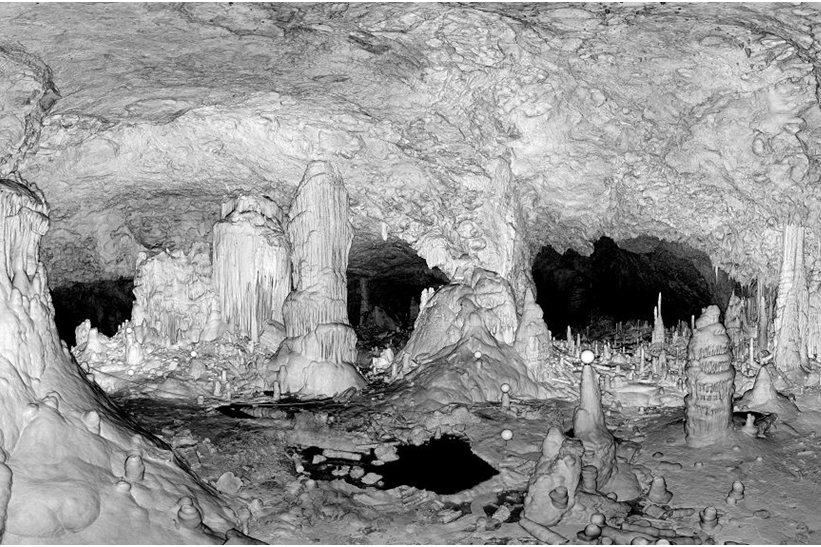
The documentation of dinosaur trackways has evolved from simple sketches and photographs to sophisticated digital preservation techniques. Before any physical intervention, researchers create detailed site maps recording the position of every footprint and its relationship to surrounding geological features. Traditional documentation methods still include taking measurements by hand, creating plaster casts that capture three-dimensional details, and photographing tracks under different lighting conditions to highlight various features. Increasingly, photogrammetry—a technique using multiple overlapping photographs to create accurate 3D models—has become standard practice at track sites, allowing virtual preservation even if the physical site becomes damaged or inaccessible. Laser scanning technology provides even more precise surface maps, capturing details down to sub-millimeter accuracy. Silicone molds create flexible, high-fidelity negative impressions that can produce exact replicas for museum display and research. Some particularly significant track sites receive protection through special construction, including buildings constructed over the tracks or careful reburial with protective materials to shield them from weathering. These comprehensive documentation approaches ensure that scientific information remains accessible even when the original tracks cannot be preserved in situ.
Technology and Modern Track Research
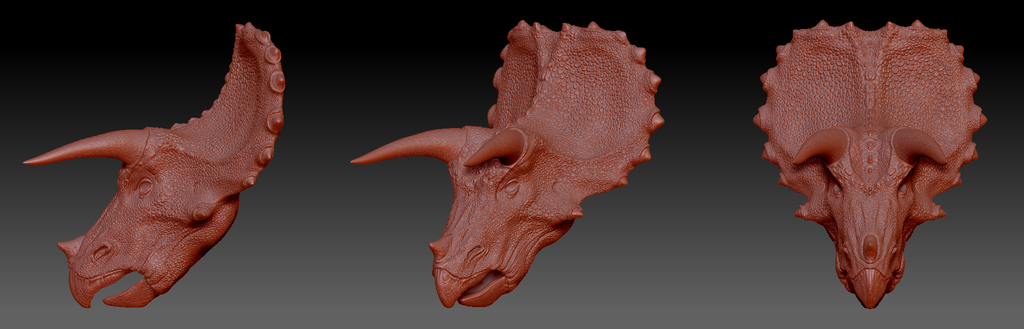
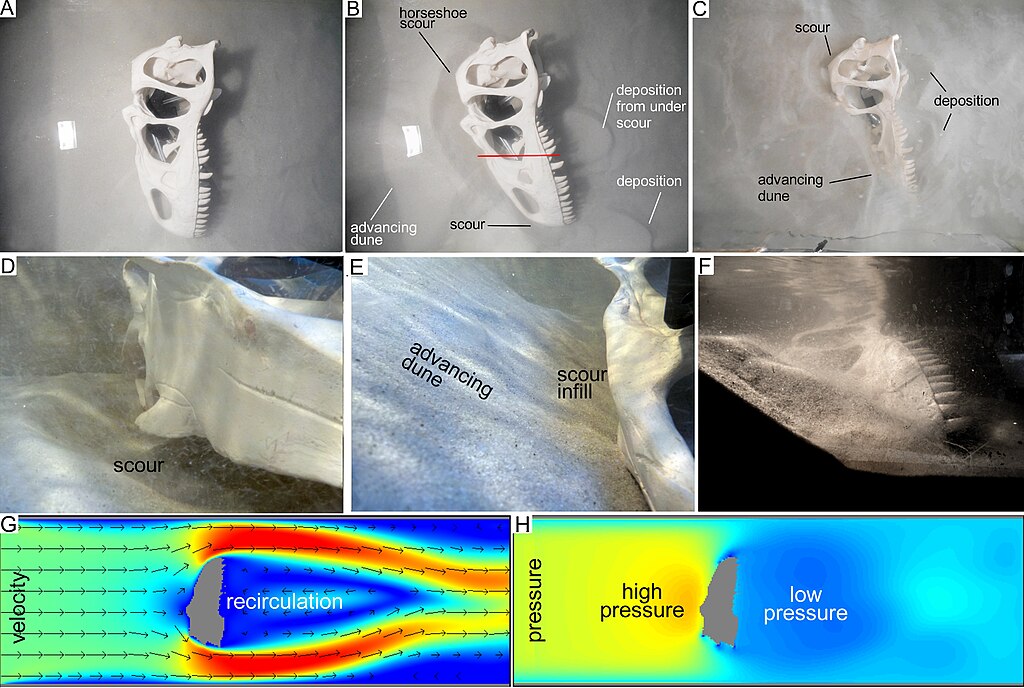
Technological advances have revolutionized dinosaur track research, enabling analyses that would have been impossible for earlier generations of paleontologists. Digital modeling software transforms raw data from photogrammetry and laser scans into manipulable 3D models that can be examined from any angle and shared instantaneously with researchers worldwide. These digital models allow for precise measurements and the application of color-coded depth maps that visualize subtle contours invisible to the naked eye. Computational fluid dynamics software helps scientists understand how substrate conditions affected track formation by simulating the interaction between dinosaur feet and different sediment types. Machine learning algorithms assist in identifying patterns across large track datasets, potentially recognizing subtle features that distinguish closely related species. Geographic Information Systems (GIS) integrate track locations with ancient environmental data, revealing patterns in dinosaur distribution across prehistoric landscapes. Augmented reality applications are making it possible for researchers to visualize reconstructed dinosaurs walking along their actual preserved trackways. Even social media has impacted the field, with platforms facilitating the rapid sharing of new discoveries and collaborative problem-solving among specialists from different institutions. As technology continues advancing, researchers find new ways to extract previously inaccessible information from these ancient impressions.
Famous Dinosaur Track Sites Worldwide

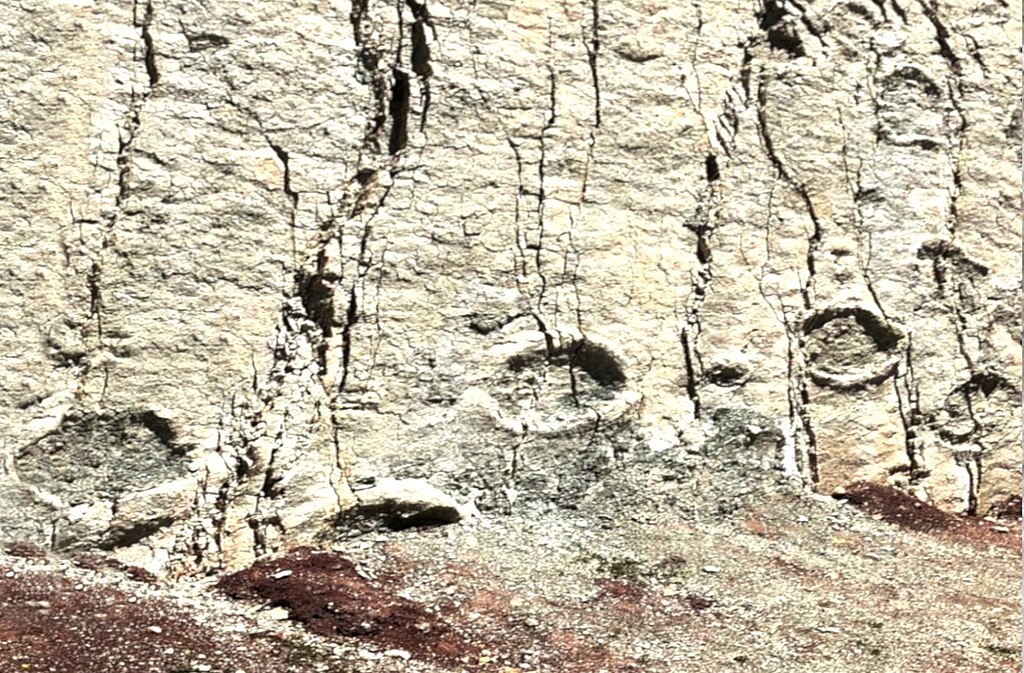
Certain dinosaur trackway locations have achieved fame for their exceptional preservation quality or scientific significance. The Paluxy River site in Dinosaur Valley State Park, Texas, gained renown for its early discovery of sauropod tracks and controversial claims about human-dinosaur coexistence that were later debunked. Portugal’s Cabo Espichel preserves hundreds of trackways along coastal cliffs, including remarkable sauropod tracks that helped establish evidence for herding behavior. The “Dinosaur Stampede” at Lark Quarry in Australia documents what appears to be a mass movement of small dinosaurs, possibly fleeing a larger predator, although this interpretation remains debated. In Bolivia, the Cal Orck’o site features over 5,000 dinosaur footprints on a near-vertical wall—originally a mudflat tilted by geological forces—creating the world’s largest concentration of dinosaur tracks. The Red Gulch Dinosaur Tracksite in Wyoming changed scientific understanding of the region’s paleogeography, revealing coastal environments where only desert conditions were previously thought to exist. Korea’s Cretaceous Dinosaur Coast contains such well-preserved tracks that skin impressions and foot pad details remain visible after 100 million years. These iconic sites continue attracting both scientific research and public fascination, serving as natural laboratories for advancing track research while connecting visitors directly to prehistoric landscapes.
Challenges in Footprint Interpretation

Despite technological advances, numerous challenges complicate the interpretation of dinosaur tracks and limit the conclusions scientists can confidently draw. Substrate consistency significantly affects footprint appearance, with the same dinosaur potentially leaving dramatically different impressions in mud versus sand or when walking on firm versus soft surfaces. This variation can lead to misidentifications or the creation of multiple ichnotaxa for what was actually a single dinosaur species. Behavioral factors further complicate interpretation, as a running dinosaur leaves markedly different tracks than when walking, potentially appearing to be a different species. Environmental alterations, such as water currents distorting fresh footprints before preservation, can obscure or modify original features. Post-depositional geological processes, including rock deformation, weathering, and erosion, may distort tracks over millions of years. The problem of equifinality—different causes producing similar-looking results—presents particular difficulties, as features resembling footprints can form through purely geological processes unrelated to animal activity. Confirmation bias poses a methodological challenge, with researchers potentially seeing what they expect to see in ambiguous impressions. Acknowledging these interpretive limitations represents an important aspect of scientific rigor in track research, pushing scientists to develop multiple working hypotheses for unusual track features rather than jumping to singular conclusions.
Integrating Tracks with Body Fossils
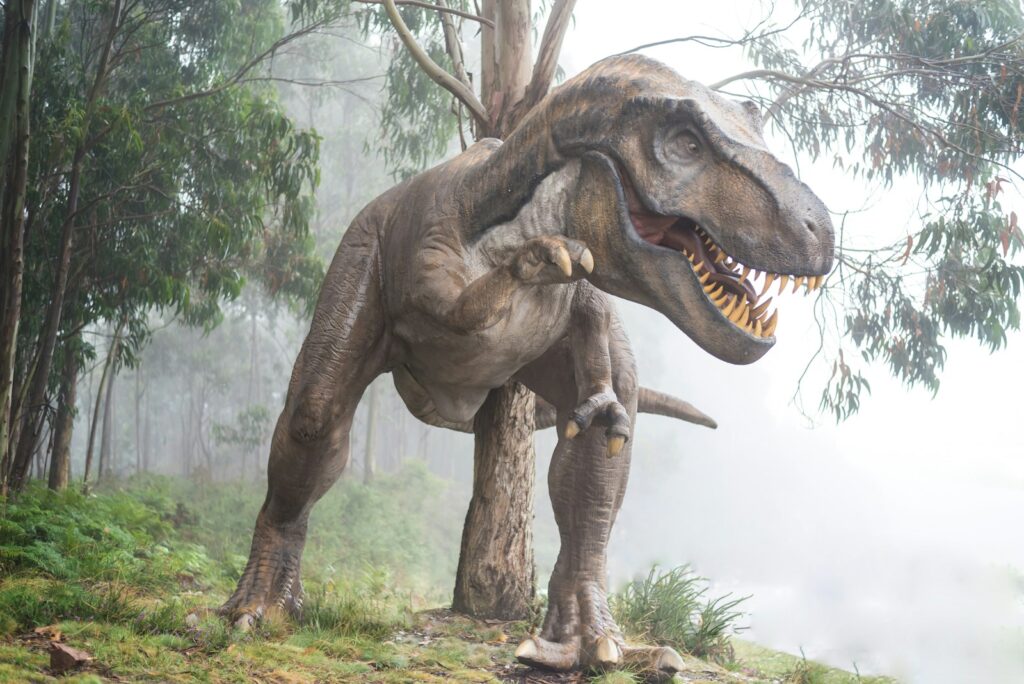
The most powerful paleontological insights often emerge when scientists combine evidence from both tracks (trace fossils) and body fossils (skeletal remains). This integrated approach allows researchers to cross-reference anatomical features observed in bones with functional information preserved in trackways. For instance, the discovery of Tyrannosaurus rex footprints helped resolve debates about whether these massive predators moved quickly or slowly, with tracks suggesting moderate running capabilities that aligned with biomechanical predictions from skeletal studies. In some fortunate cases, tracks and bones from the same species occur in the same geological formation, allowing particularly robust reconstructions of that dinosaur’s biology and behavior. Footprints occasionally preserve soft tissue impressions, revealing skin textures and foot pad arrangements that would never fossilize in skeletal remains. The distribution of tracks across ancient landscapes complements body fossil evidence about habitat preferences and geographic range, sometimes extending known territories beyond what skeletal discoveries alone would suggest. Discrepancies between the track record and body fossil record can highlight preservation biases in both, revealing which environments favored preservation of bones versus tracks and potentially identifying “ghost ranges” where dinosaurs lived but left limited skeletal evidence. By weaving together these complementary lines of evidence, paleontologists develop more comprehensive and nuanced pictures of dinosaur lives than either tracks or bones could provide in isolation.
Citizen Science and Public Engagement

Dinosaur tracks hold special appeal for public engagement with paleontology, offering accessible fossil experiences that connect people directly to prehistoric events. Unlike delicate bones requiring careful excavation, many trackways remain in their original locations where visitors can literally walk alongside the footsteps of dinosaurs, creating powerful experiential connections to deep time. This accessibility has fostered numerous citizen science initiatives where amateur enthusiasts contribute meaningfully to research by reporting new track discoveries, participating in mapping projects, or helping monitor site conditions for signs of erosion or vandalism. Educational programs at major track sites train visitors to recognize features paleontologists look for, creating informed observers who occasionally make scientifically significant discoveries. Digital platforms now allow citizens to contribute photographs of potential track sites for expert evaluation, extending scientific reach into remote areas. Some museums and parks organize public participation days where visitors help clean or document newly exposed trackways under professional guidance. School programs incorporate track studies into STEM education, using the inherent fascination with dinosaurs to teach principles of geology, biology, and physics. Through these varied engagement approaches, track research bridges professional science and public participation, creating stakeholders invested in preserving these irreplaceable windows into prehistoric life.
Future Directions in Track Research
The study of dinosaur tracks continues evolving, with several promising research directions emerging in recent years. Interdisciplinary approaches combining traditional paleontology with engineering principles are allowing more sophisticated biomechanical analyses, including finite element modeling that simulates how dinosaur feet interacted with different substrates. New chemical and mineralogical analysis techniques can now determine the precise composition of track-bearing rocks, providing detailed information about ancient environmental conditions when the tracks formed. Machine learning algorithms being developed may eventually allow automated identification of dinosaur ichnotaxa from 3D scan data, potentially recognizing subtle patterns invisible to human observers. Expanded excavations at known track sites continue revealing new information, as large-scale exposure of bedding planes allows observation of population-level patterns rather than