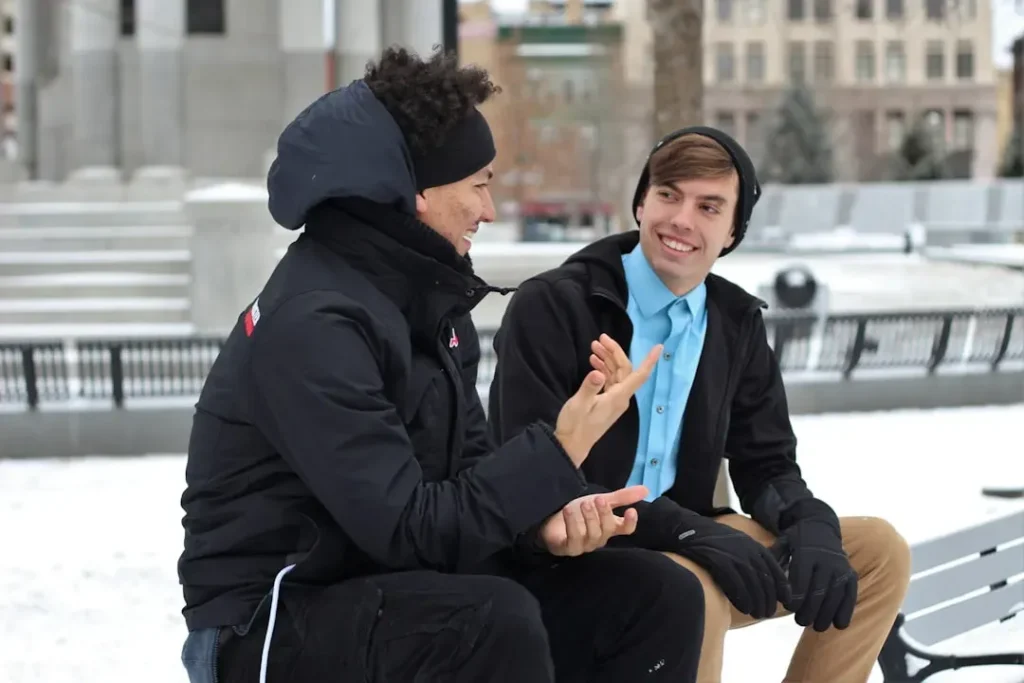
You’ve probably felt it before—that quiet moment when someone says all the right words, yet something about them doesn’t sit right. Maybe their smile fades too fast, their shoulders stiffen when a topic changes, or their eyes briefly dart away before they answer. Long before a single word is spoken, the body is already telling its story. Body language is a silent language we all speak fluently but rarely learn to interpret. It shapes first impressions, exposes hidden emotions, and often reveals what people are unwilling—or unable—to say out loud. Once you start paying attention to these signals, everyday conversations begin to feel less like guesswork and more like a pattern waiting to be understood.
Decoding body language isn’t about turning yourself into a human lie detector or manipulating others—it’s about awareness, empathy, and perception. When you understand subtle cues like micro-expressions, posture shifts, or changes in personal space, you gain insight into what someone is truly feeling beneath their surface behavior. This skill can transform how you navigate relationships, negotiations, interviews, and even casual encounters, helping you respond with greater emotional intelligence and confidence. In a world where words are often filtered and curated, the body remains refreshingly honest—if you know how to listen.
Why Your Brain Is Already Reading Body Language Without You Knowing It

You might not realize this, but body language happens below the level of conscious awareness. Your brain has been picking up on these signals your entire life. When you walk into a room and instantly sense tension, that’s your unconscious mind reading dozens of nonverbal cues simultaneously. People naturally pick up information about others’ thoughts and feelings through body posture, mannerisms, and gestures. The fascinating part? You’ve been doing this since you were a baby, long before you understood words. Your nervous system is wired to detect these subtle shifts in other people. Now it’s about bringing that natural ability into your conscious awareness so you can use it deliberately.
The Eyes Reveal What Words Try to Hide
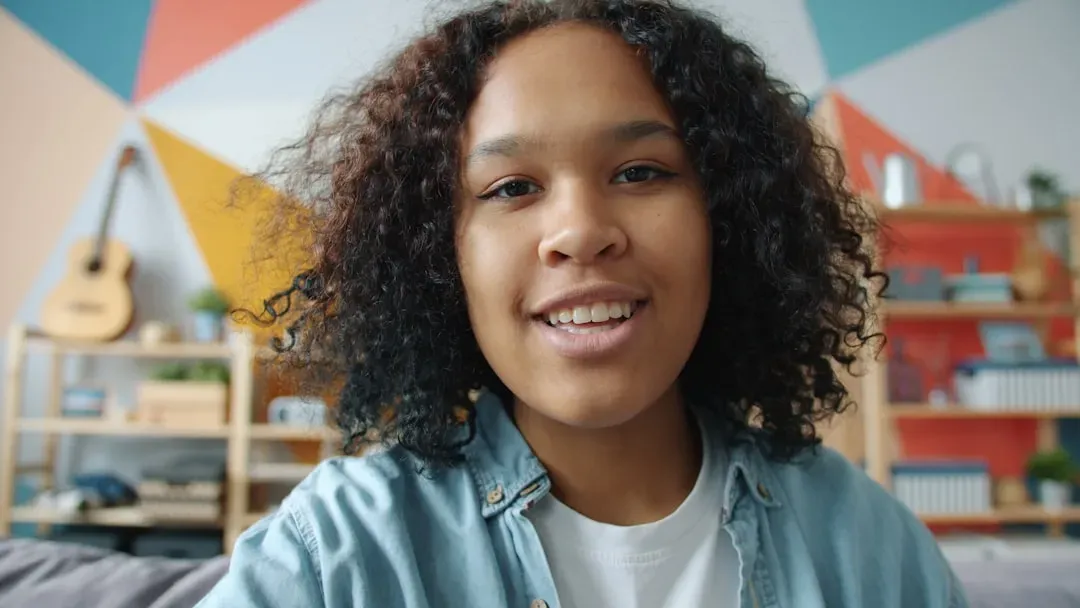
Taking note of eye movements during conversations is a natural and important part of communication. When someone looks directly into your eyes during a conversation, they’re showing genuine interest and attention. It’s honest and it’s engaged. Yet when you notice someone constantly breaking eye contact or looking away, something else is happening beneath the surface. A person who frequently looks away and breaks eye contact during conversation indicates that he or she is distracted, uncomfortable, or trying to conceal true feelings or intentions. There’s a difference, though, between nervous glances and deliberate avoidance. People blink more rapidly when they feel uncomfortable or distressed. Watch for these patterns instead of fixating on one single moment.
Facial Expressions Flash Truths in Fractions of Seconds

Microexpressions are very brief, involuntary facial expressions humans make when experiencing an emotion, usually lasting between half a second to four seconds and cannot be faked. These lightning-fast flashes of emotion reveal what someone is truly feeling, even when they’re trying their hardest to hide it. The face displays seven universal emotions: happiness, sadness, fear, disgust, anger, contempt, and surprise, with micro-expressions lasting just one twenty-fifth of a second. The tricky part is catching them. They happen so fast that most people miss them entirely. When it comes to smiling, the mouth can lie but the eyes can’t, as genuine smiles reach the eyes, crinkling the skin to create crow’s feet around them. If you see someone smiling with just their mouth, you’re probably looking at a polite mask rather than genuine happiness.
Arms and Legs Tell You If Someone’s Mentally Checking Out

Let’s be real: crossed arms might be the most misunderstood body language signal out there. Everyone assumes it means the person is angry or defensive. Sometimes that’s true. Crossed arms and legs signal resistance to your ideas and are physical barriers that suggest the other person is not open to what you’re saying. There’s actually research backing this up. Researchers videotaped more than two thousand negotiations, and not a single one ended in an agreement when one of the parties had their legs crossed while negotiating. That’s a startling statistic. Psychologically, crossed legs or arms signal that a person is mentally, emotionally, and physically blocked off from what’s in front of them, and it’s not intentional, which is why it’s so revealing. Pay attention when someone who’s been open suddenly crosses their arms mid-conversation.
Posture Speaks Volumes About Confidence and Comfort

A posture that is curled inward may suggest anxiety or fear. When you see someone making themselves smaller, pulling their shoulders in, or hunching forward, they’re likely feeling vulnerable or uncomfortable. Conversely, people who stand tall with their shoulders back are projecting confidence and openness. An open posture means being relaxed without slouching, sitting or standing upright with hands placed by your sides. This kind of body positioning invites connection and signals that you’re approachable. If you want to improve your own body language, start with your posture. It influences not just how others perceive you, but actually how you feel about yourself.
Mirroring Reveals Connection and Rapport

If you find yourself in a situation where someone is copying your gestures and expressions, the conversation is heading the right way and the other party is open to your ideas, as mirroring body language is an unconscious way of communicating with someone you feel a bond with. This isn’t about deliberate mimicry. It’s a natural, subconscious response that happens when two people are genuinely connecting. Watch for it in your next conversation. When someone leans forward right after you do, or shifts their posture to match yours, rapport is building. It’s honestly one of the most beautiful aspects of human connection. You can also use this deliberately by subtly matching someone’s energy level, pace of speech, or general posture to build trust more quickly.
Context Matters More Than Individual Signals
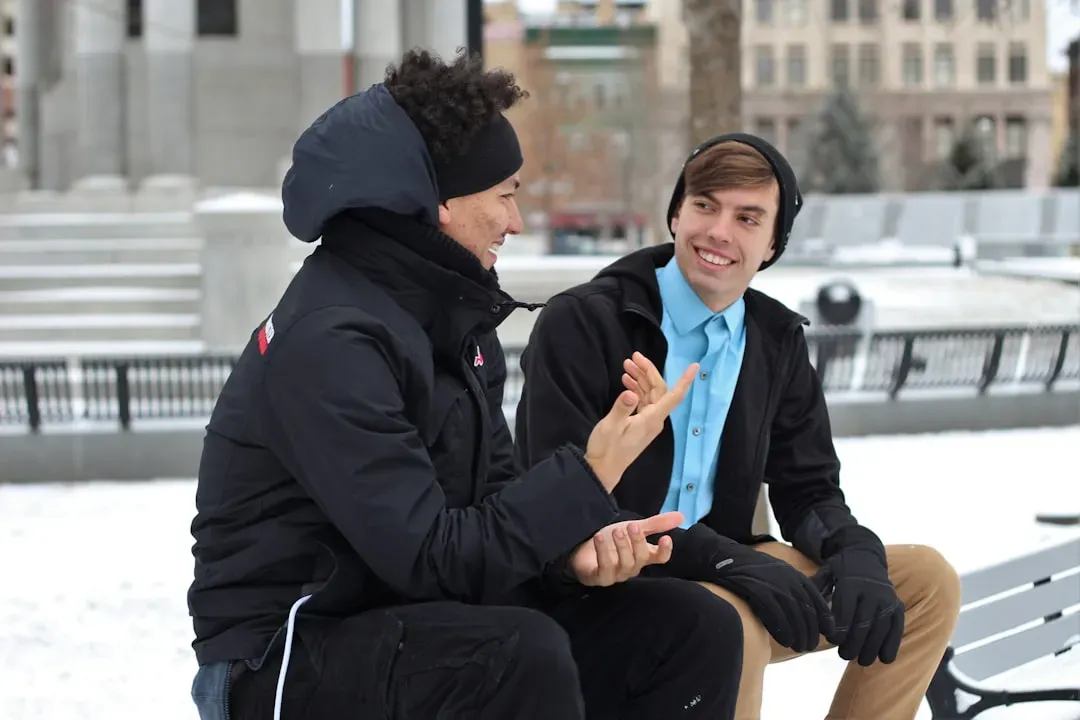
Reading nonverbal communication is about noticing subtle clues, staying observant, considering the context, and looking for patterns rather than relying on a single signal. This is crucial. You can’t just see someone touch their face once and conclude they’re lying. Nonverbal communication is interpreted differently across varying cultures and settings, as a kiss on the cheek could be romantic in America but merely a platonic greeting in parts of Europe, and sustained eye contact could signal polite attention at work but seem rude at a public park. Cultural background, personal habits, and neurodiversity all influence how people express themselves nonverbally. Someone might avoid eye contact not because they’re dishonest, but because their cultural norms consider direct eye contact disrespectful. Always look for clusters of signals that reinforce each other, and consider the entire situation before drawing conclusions.
Trust Your Gut When Words and Body Language Don’t Match

When nonverbal signals match up with the words being said, they increase trust, clarity, and rapport, but when they don’t, they can generate tension, mistrust, and confusion. Have you ever felt that weird disconnect when someone says everything is great, but their body screams the opposite? That’s your unconscious mind detecting the mismatch. If you get the sense that someone isn’t being honest or that something isn’t adding up, you may be picking up on a mismatch between verbal and nonverbal cues, so trust your instincts and don’t dismiss your gut feelings. Your body is an incredibly sophisticated lie detector, picking up on inconsistencies faster than your conscious mind can process them. When you notice this dissonance, ask gentle clarifying questions rather than making accusations.
Conclusion: The Silent Conversations Happening All Around You
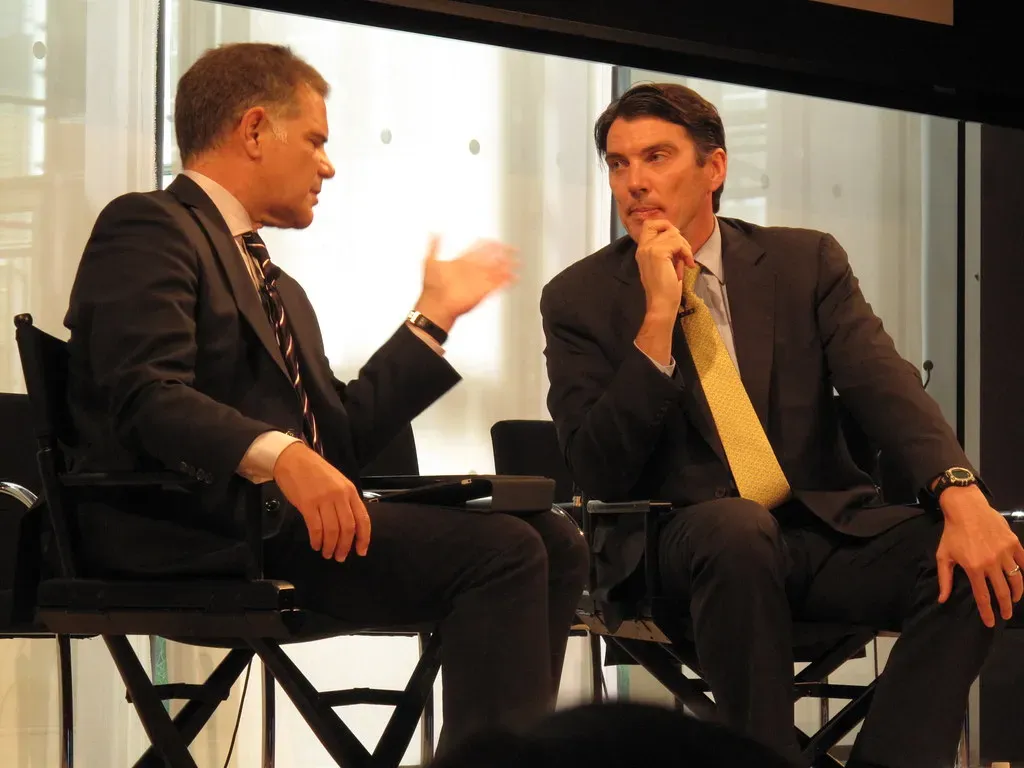
Understanding body language is a powerful tool for improving communication and fostering stronger relationships, as learning to recognize subtle cues through posture, gestures, and facial expressions helps you better gauge emotions and intentions, leading to more empathetic and effective conversations. It really does change everything once you start noticing these patterns. Suddenly, you’re having two conversations at once: the one with words and the deeper, more honest one happening beneath the surface. To truly master body language, practice is key, as making a conscious effort to observe how others communicate nonverbally and reflecting on your own body language will make reading and responding to nonverbal signals more intuitive over time. Start small. Pick one person today and just observe. Notice their posture, their facial expressions, how their energy shifts throughout your conversation. You’ll be amazed at what you discover when you tune into the silent language everyone is already speaking. What signals have you been missing in your daily interactions?