
You’ve probably met someone who left you with an unsettling feeling afterward. Something just didn’t quite add up. Their words seemed polished, their laugh a bit too loud, yet underneath it all, you sensed a disconnect. It’s honestly one of the most confusing experiences in relationships, when you can’t tell whether someone is being real with you or putting on a performance. Trust is hard to build when you’re constantly questioning someone’s motives.
Here’s the thing: we’re living in a world where relationships shift constantly, and people often put on a show to hide what they’re really feeling. The pressure to appear perfect, successful, or likable has never been greater. Yet deep down, what we all truly crave is genuine connection. So let’s dive in and explore the subtle signs that reveal when someone’s being real versus when they’re simply playing a part.
Watch for Inconsistencies in Their Stories

You ever notice how someone tells you one version of an event on Monday, then a completely different version by Friday? That’s not just forgetfulness. Inauthentic individuals might come up with entirely different versions of the same event told to different people, tailoring their narrative to suit their current audience. When someone’s being genuine, their story stays consistent because it actually happened the way they described it.
Paying attention to the details they share over time becomes crucial here. You don’t need to interrogate them, just keep mental notes when something feels off. When people tell the truth, it always comes out the same because it really happened, while those bending the truth find it harder to keep their story straight. Sometimes you’ll catch a mismatch between what they’re saying and tiny head movements or facial expressions that betray the words coming out of their mouth.
Their Actions Don’t Match Their Words

Words are cheap, honestly. Anyone can text you something sweet or make grand promises when it costs them nothing. The real test comes when you need them to follow through. People showing fake affection practically have split personalities, saying one thing but meaning another, with their words rarely living up to their actions.
Think about the friend who constantly says they’ll meet up for coffee but cancels every single time with flimsy excuses. Fake people are quick to make promises they don’t intend to keep, enthusiastically agreeing to plans but later canceling without explanation, revealing lack of respect for your time. Over time, this pattern becomes impossible to ignore. You’ll start feeling like their words are just noise, empty sounds that mean absolutely nothing. Genuine people might occasionally let you down, sure, but there’s a consistency to their efforts that inauthentic people simply can’t maintain.
Look at Their Eyes When They Smile

There’s something magical about a real smile. It lights up someone’s whole face in a way that can’t be faked, at least not completely. In a genuine smile, tiny wrinkles appear at the corners of the eyes, and some of the muscles used in a real smile can’t be contracted at will. Next time someone smiles at you, check whether their eyes are smiling too or if it’s just their mouth doing the work.
I know it sounds a bit analytical, checking someone’s facial muscles like you’re a human lie detector. Still, your subconscious already picks up on these details whether you realize it or not. That’s why certain smiles make you feel warm inside while others leave you cold. Those with empathy can often tell a true smile from one that’s just on the surface, while those with less empathy tend to struggle with truly connecting. Trust what you’re seeing, even if you can’t immediately explain why something feels off.
Notice Their Lack of Genuine Emotion

Some individuals put on misleading emotional displays as a tactic to get what they want, and in high-stakes emotional situations, a mismatch between what’s shown versus what’s real can give them away. You’ll see it when you share something deeply personal and they respond with what feels like a scripted reaction rather than authentic empathy. Their concern seems rehearsed, like they’re following a playbook for how normal people should respond.
Real emotions are messy and unpredictable. Genuine people might stumble over their words when trying to comfort you, or they might just sit in silence because they don’t know what to say. Conversations with fake individuals feel superficial, lacking deep meaningful exchanges, and one partner may avoid discussing important topics or be evasive about their feelings. They keep everything at surface level because going deeper would require them to actually feel something, and that’s work they’re not willing to do.
Pay Attention to When They Reach Out
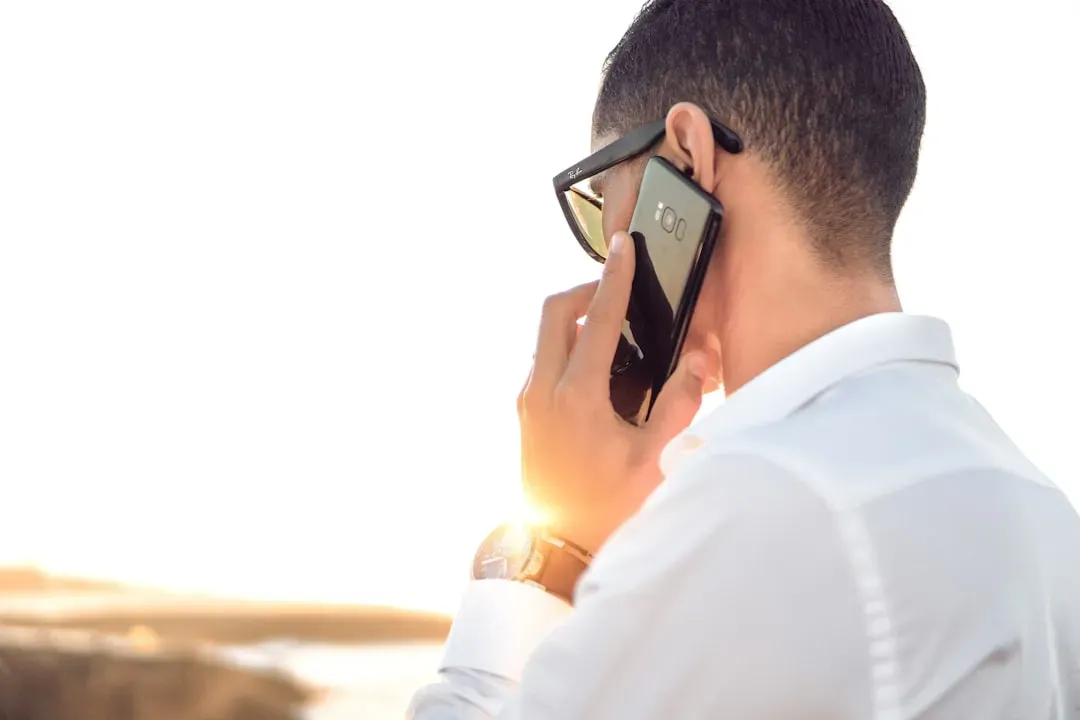
Authentic friends check in on you randomly, not because they need something but because they genuinely care how you’re doing. A fake friend rarely reaches out, doesn’t call or invite you anywhere, rarely texts to see how you are, and is always hanging out with other people while neglecting to engage you in the friendship. You’ll notice you’re always the one initiating contact, always the one trying to keep the relationship alive.
Even more telling is when they suddenly become super friendly right when they need a favor. Fake people don’t maintain regular meaningful interactions unless it benefits them, texting or calling only when they need something like borrowing money or getting advice, lacking balance because they rarely check in to ask how you’re doing. Once they’ve gotten what they wanted, they disappear again until the next time they need something. It’s exhausting being in a one-sided relationship like that.
Their Body Language Tells the Real Story

Sometimes your gut tells you something’s wrong before your brain catches up. That’s because you’re subconsciously reading their body language. Body language can be a huge red flag of insincerity, including turning their body away while speaking, fidgeting, blinking rapidly, and shrugging shoulders at times, which can be signs of dishonesty.
You might notice they avoid eye contact or create physical barriers between you by placing objects like their phone or a coffee cup in the space between you both. These aren’t always conscious choices; they’re natural defensive mechanisms that leak through when someone isn’t being genuine. Their body knows they’re performing, even if they’ve convinced themselves otherwise. Learning to read these signals takes practice, but once you start noticing them, they become impossible to ignore. Your instincts are usually sharper than you give them credit for.
They Show Different Faces to Different People

Fake people act like social chameleons, altering their behavior, opinions, and personality based on who they’re interacting with, agreeing with everything you say in private but suddenly adopting a different stance in front of others to gain approval. It’s disorienting to watch someone completely change their personality depending on who walks into the room. You start wondering which version, if any, is actually real.
Fake people are often two-faced, showing friends one side of themselves and then talking about them behind their backs, preferring to maintain the appearance of being nice to everyone rather than saying truths to a friend’s face. You might hear through the grapevine that they said something completely contradictory to what they told you directly. This kind of duplicity erodes trust faster than almost anything else. Authentic people have a core self that remains relatively consistent regardless of their audience. They might adjust their tone or topics based on context, sure, but their fundamental values and personality stay intact.
Trust Your Gut Instinct Above All

The simplest answer may be to trust your instincts, as research shows our initial impressions of a person’s motives tend to be more accurate than what we come up with when we think about it too much. That uneasy feeling you get sometimes? That’s not paranoia; it’s your subconscious picking up on dozens of micro-signals that your conscious mind hasn’t processed yet.
We often talk ourselves out of our intuition because we want to believe the best in people. There’s nothing wrong with giving someone the benefit of the doubt, but not at the expense of repeatedly ignoring warning signs. When someone isn’t being themselves, you can never fully trust them with your information or problems, and someone constantly pretending to care can make you feel worthless and frustrated. You deserve relationships where you don’t have to constantly second-guess whether someone’s being real with you. Life’s too short to spend it decoding people who refuse to just be themselves.
Conclusion

Learning to spot inauthenticity isn’t about becoming cynical or suspicious of everyone you meet. It’s about protecting your energy and investing it in relationships that actually nourish you rather than drain you. Fake people will always exist, shaped by their own insecurities, fears, and desire for external validation. That’s their journey to work through, not your responsibility to fix.
The beautiful part about recognizing inauthentic behavior is that it sharpens your appreciation for the genuine people already in your life. Those who show up consistently, whose words match their actions, who smile with their whole face. These are the relationships worth nurturing and protecting. What’s your experience been with spotting fake versus genuine people? Have you ever ignored the warning signs only to regret it later? Share your thoughts in the comments below.