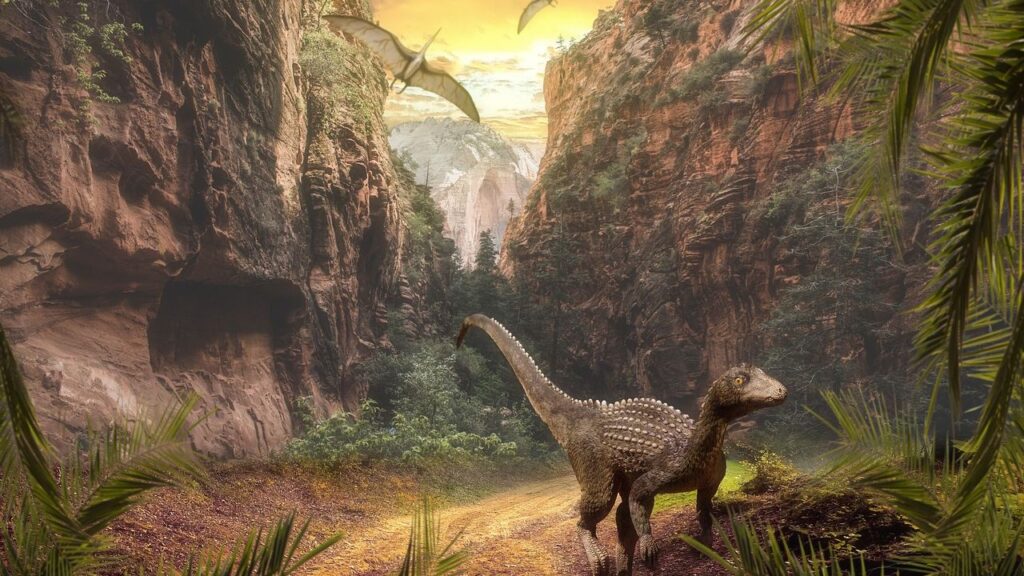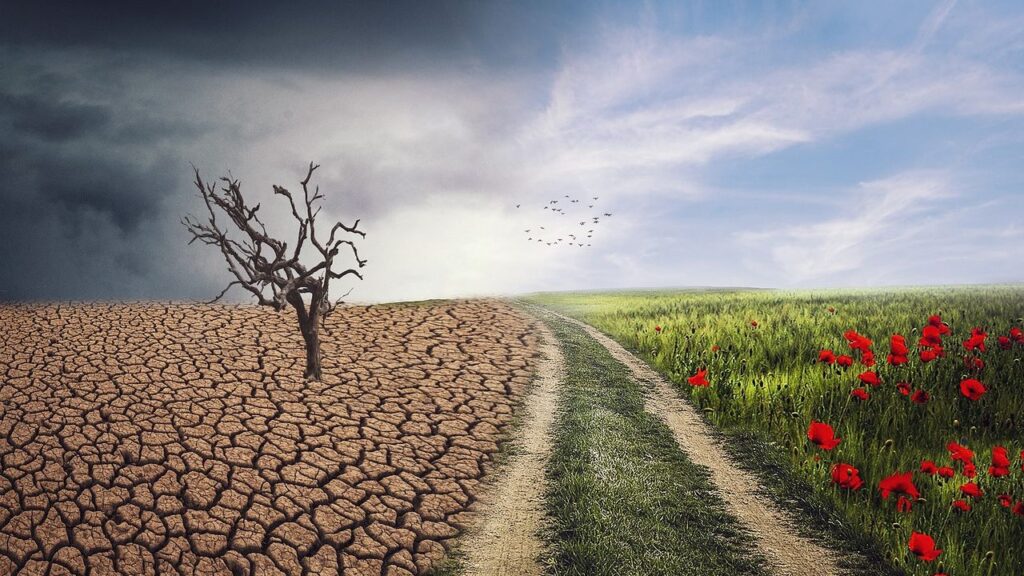
Imagine standing on the edge of an African savanna three million years ago, watching storms roll in over a landscape that never seemed to stay the same for long. Grasslands expand, forests retreat, lakes appear and vanish within a few thousand years. For our distant ancestors, this was not background scenery; it was the main character shaping their bodies, brains, and behavior. Climate change was not a distant worry or a political debate. It was an everyday force that decided who survived, who migrated, and who vanished.
We often talk about climate change only in the context of the last few decades, but humans are, in a very real sense, the children of shifting climates. From upright walking to big brains, from social cooperation to the spread of our species around the world, many of our defining traits carry fingerprints of past environmental upheavals. The story is not simple or linear, and scientists still argue over the details, but a clear pattern has emerged: when the climate changed, humans changed with it. The twist is that, for the first time, our species is now the one pushing the climate to change – and that flips the ancient script in unsettling ways.
Ancient African Climate Swings: Evolution’s Unstable Stage
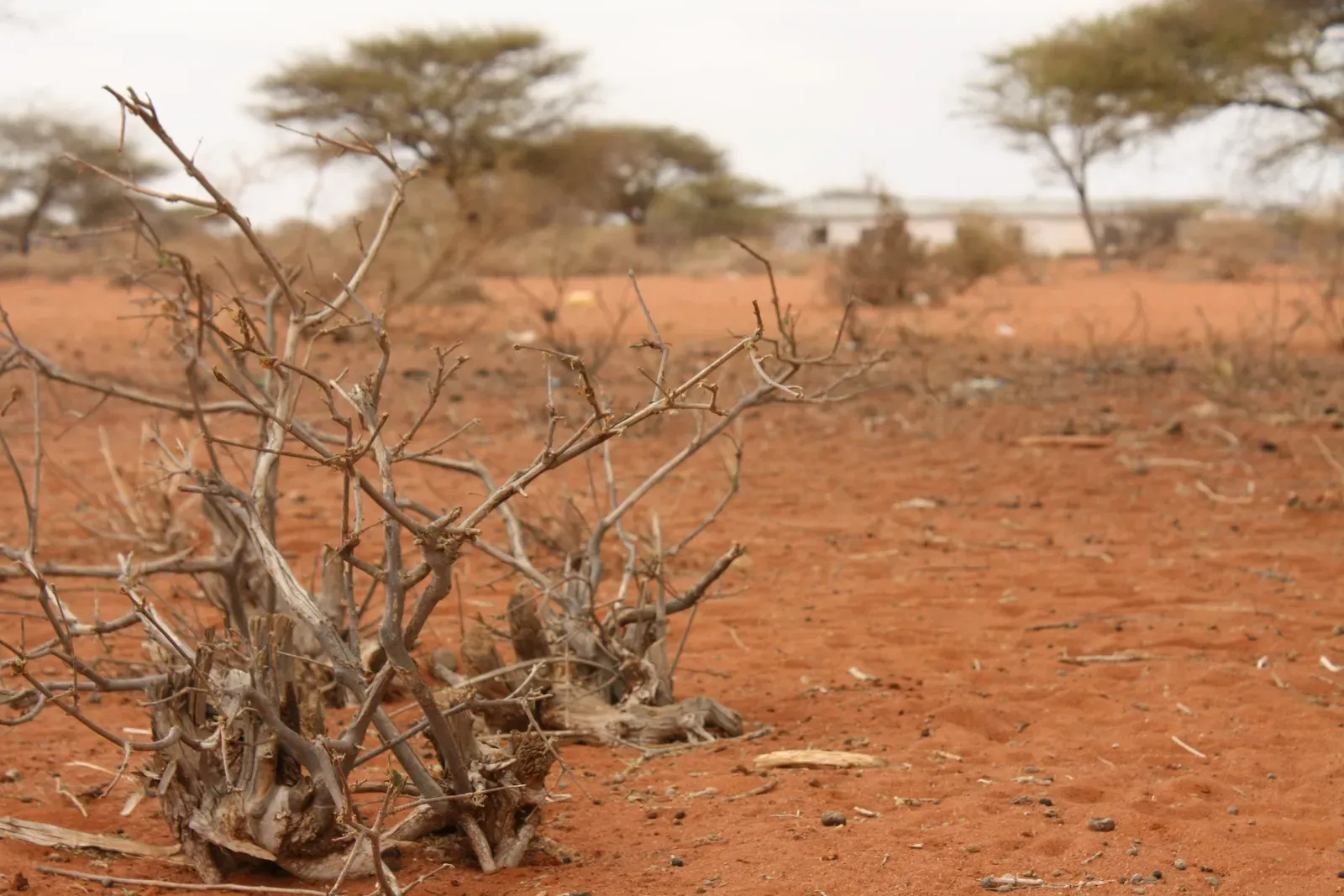
One of the most surprising lessons from geology and paleoclimate research is that East Africa, the cradle of humanity, has been anything but stable over the past several million years. Sediment cores from old lake beds, isotopes in ancient soils, and microscopic fossils all tell a similar story: the region repeatedly flipped between wetter, greener conditions and drier, more open landscapes. These swings sometimes happened over tens of thousands of years, but at other times the environment shifted more rapidly, on the scale of just a few thousand years – fast, in evolutionary terms.
Our early hominin ancestors did not evolve in a gentle, predictable Eden; they evolved in a place that kept changing the rules. Forests would expand, supporting species adapted to climbing and foraging in trees, and then shrink, giving an advantage to those better at traversing open grasslands. This kind of environmental whiplash likely filtered which traits got passed on and which faded out. When I first learned that many key fossil sites line up with evidence for big climate swings, it felt less like a coincidence and more like reading stage directions in a play: new conditions arrive, old cast exits, new characters evolve.
From Trees to Two Feet: Walking Upright in a Shifting World
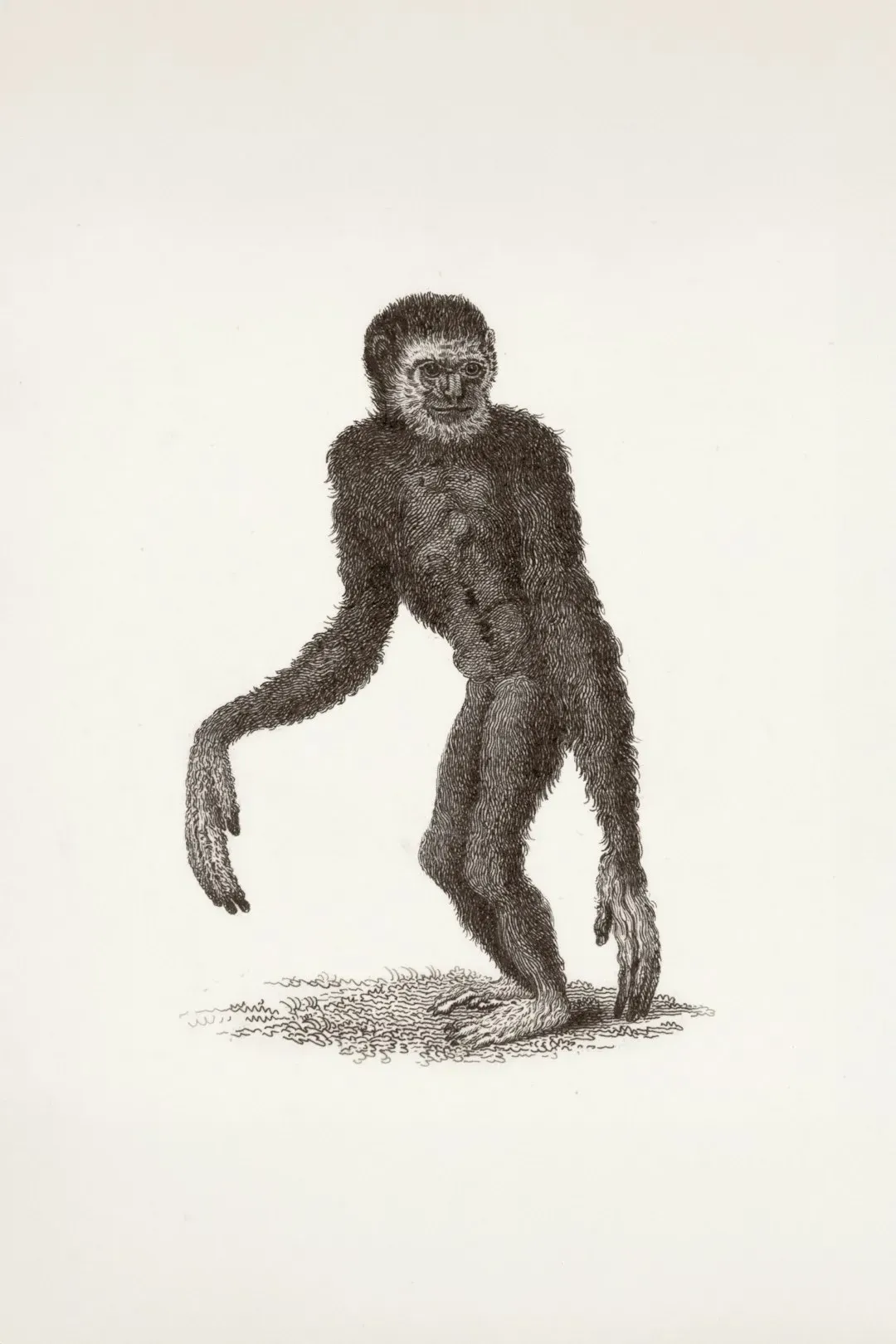
One of the most iconic changes in human evolution is bipedalism – walking on two legs. There is no single, simple explanation for why our ancestors straightened up, but climate-driven habitat change is almost certainly part of the picture. As cooler, drier conditions reduced dense tropical forests in some areas and expanded mosaic landscapes of woodland and grassland, hominins that could move efficiently across open ground had a practical advantage. Standing upright freed the hands, potentially making it easier to carry food, infants, or simple tools, and it also changed how our ancestors could scan the horizon for predators or distant resources.
Fossils like those of Australopithecus show hips, knees, and feet adapted for regular upright walking, yet their upper bodies still hint at climbing abilities, suggesting they lived in a mixed environment of trees and open patches. This fits a climate picture where forest and savanna conditions see-sawed rather than shifting once and staying that way. In a world that refused to pick a lane, a body that could handle both environments – some climbing, lots of walking – would be more likely to persist. In that sense, our two-legged gait is less a response to a single new habitat and more a flexible solution to a landscape that kept rewriting itself.
Brains, Flexibility, and the “Variability Selection” Idea
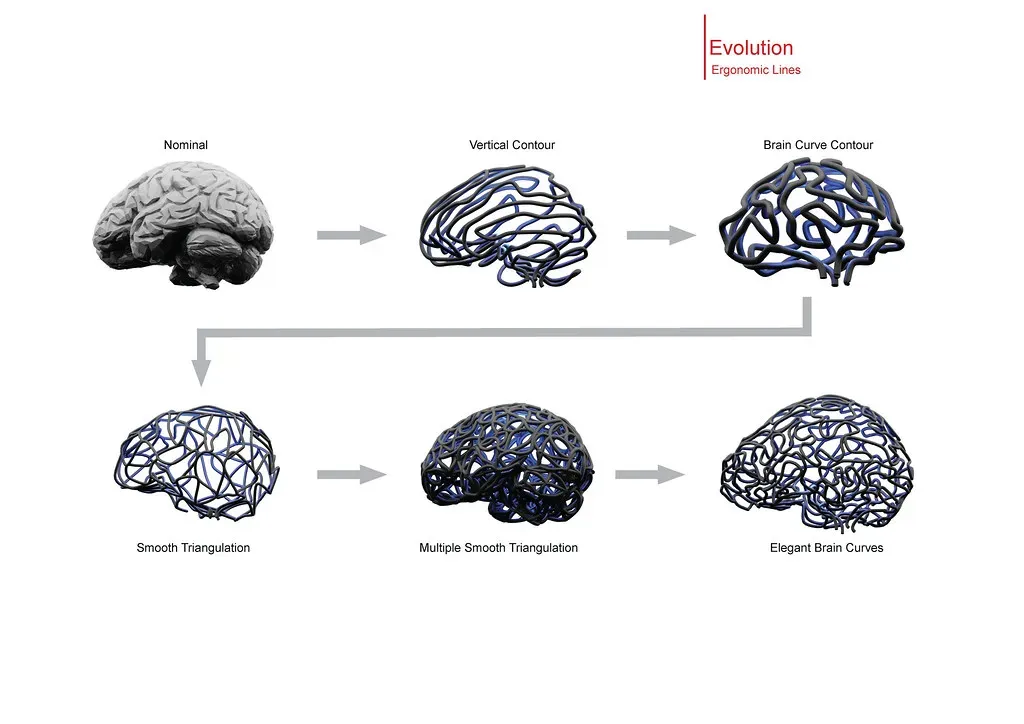
As the climate grew more unstable, another hallmark of our lineage began to stand out: larger, more complex brains. Scientists once liked neat stories, such as the idea that savannas alone drove brain growth, or that one specific invention, like hunting, did the trick. The evidence now points toward a more dynamic explanation. The “variability selection” hypothesis suggests that it was not one particular habitat that favored big brains, but the challenge of coping with rapid and repeated environmental change itself. In a world that keeps throwing new problems at you, flexibility becomes a superpower.
Bigger brains are expensive organs; they demand a lot of energy and prolonged childhoods. They only make sense if they pay off in survival and reproduction. When resources, rainfall, and vegetation patterns keep changing, individuals who can experiment, remember, learn from others, and plan ahead are more likely to get through the lean times. Instead of being perfectly adapted to one unchanging niche, our lineage drifted toward being decently adapted to many. To me, this feels less like evolution building a specialist and more like it investing in a generalist – one whose main adaptation is the ability to adapt.
Tools, Fire, and Ice Age Roller Coasters
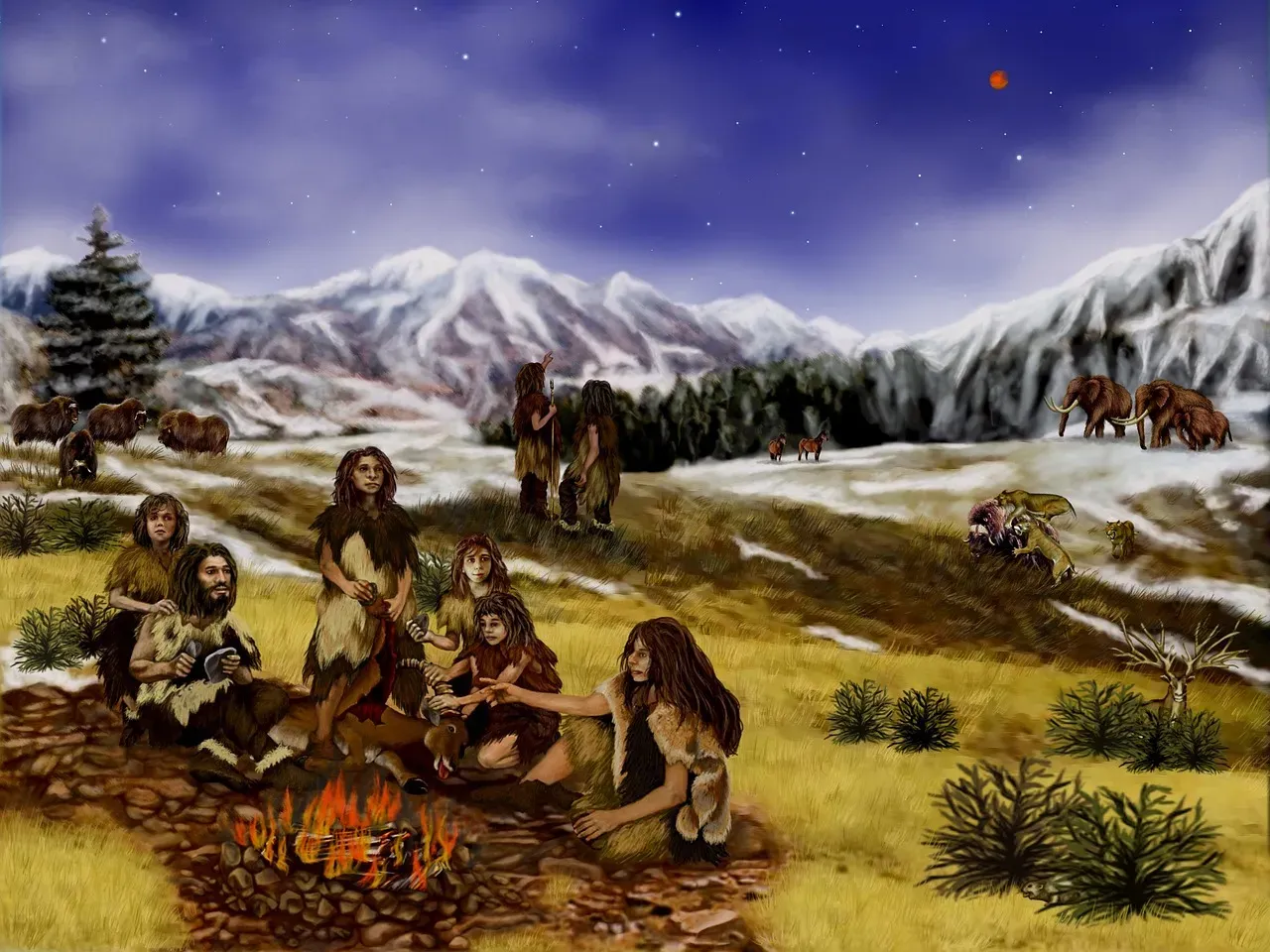
Over the past two and a half million years, the Earth has ridden a dramatic roller coaster of ice ages and warmer intervals. Massive ice sheets advanced and retreated, sea levels rose and fell, and rainfall belts shifted across continents. Against that backdrop, our ancestors began crafting stone tools, processing carcasses, and eventually controlling fire. It is hard not to see a relationship between these technological steps and the fluctuating climates they lived through. When natural resources are predictable, you can get away with simple behaviors. When they are not, manipulating your environment starts to look like a better bet.
During colder, drier glacial phases, many regions became harsher and less forgiving. Being able to cut meat from bones, process fibrous plants, or later use fire for warmth and cooking opened up new types of food and extended the range where humans could live. Some of the key jumps in tool complexity appear roughly around periods of pronounced climatic stress, where old strategies might not have been enough. It is not that climate change automatically produced smarter toolmakers, but it likely favored groups who could innovate and share new techniques, because those were the groups that did not starve when the animals moved or the familiar plants failed.
Migrations and Bottlenecks: Climate as a Gatekeeper
Our species, Homo sapiens, arose in Africa and then spread around the globe, but that journey was anything but smooth. Genetic data and fossil finds suggest that small populations repeatedly left Africa, and some lineages faded away while others flourished. Climate played the role of a rough gatekeeper in this saga. Shifts in rainfall and temperature periodically opened “green corridors” across North Africa and the Arabian Peninsula, turning deserts into more passable grasslands and wetlands that early humans could follow. When climates swung back, those paths could close, isolating groups and forcing new adaptations or mixing events elsewhere.
There is also evidence that past climate crises squeezed our ancestors’ numbers, leading to population bottlenecks where only a fraction of genetic diversity survived. These periods might have been terrifying on the ground: prolonged droughts, repeated crop failures for early farmers, or the disappearance of key prey species for hunter-gatherers. Yet bottlenecks also reshaped the genetic landscape, amplifying some variants and erasing others. In a way, climate pulses acted like a hand repeatedly shuffling and cutting the deck of human diversity, influencing which groups met, which innovations spread, and which traits became common across continents.
Agriculture, Civilizations, and Climate Dependence
Fast forward to the last ten thousand years, and climate change is still calling many of the shots, just in more subtle ways. The end of the last major ice age brought a relatively stable period compared with the wild swings before. This climatic calm, with its more predictable seasons and rainfall patterns in some regions, set the stage for agriculture. Once people could grow surplus food rather than just gather what appeared, villages swelled into towns and cities, and complex societies emerged. It is hard to imagine large-scale civilization without that climatic window of relative stability.
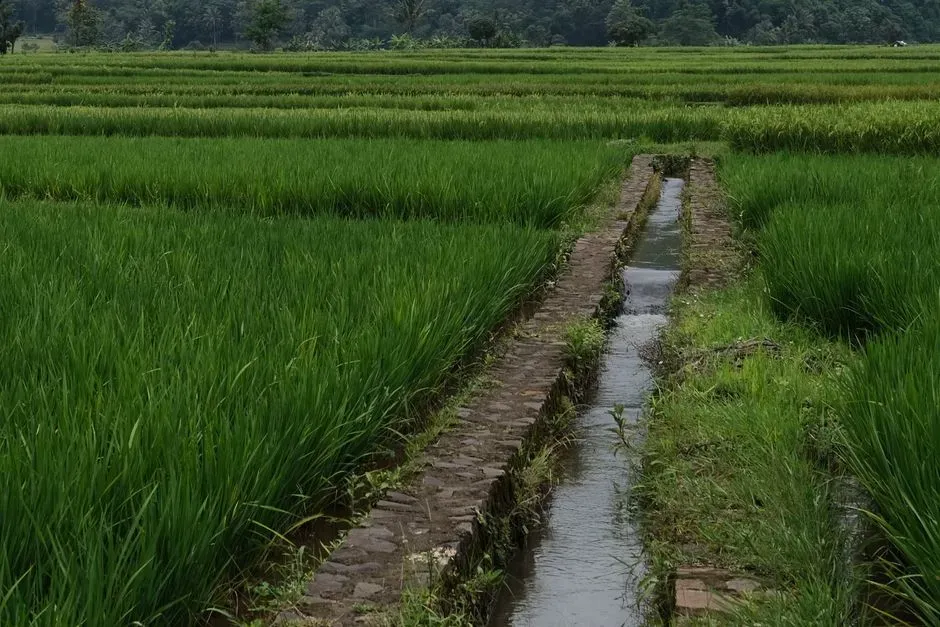
But “relative” does not mean perfectly steady. Even within this quieter era, regional climate shifts have coincided with the rise and fall of societies, from droughts linked to political collapse in parts of the ancient Near East to changes in monsoon patterns challenging early Asian farming cultures. The pattern is uncomfortably consistent: when climate remains within the ranges people have designed their systems for, things look prosperous; when it drifts outside those bounds, stress cracks appear. I sometimes think of ancient irrigation systems and granaries as humanity’s first serious attempts to buffer against climate variability – early technological armor wrapped around a still very vulnerable species.
Modern Climate Change: Turning the Evolutionary Script Back on Us
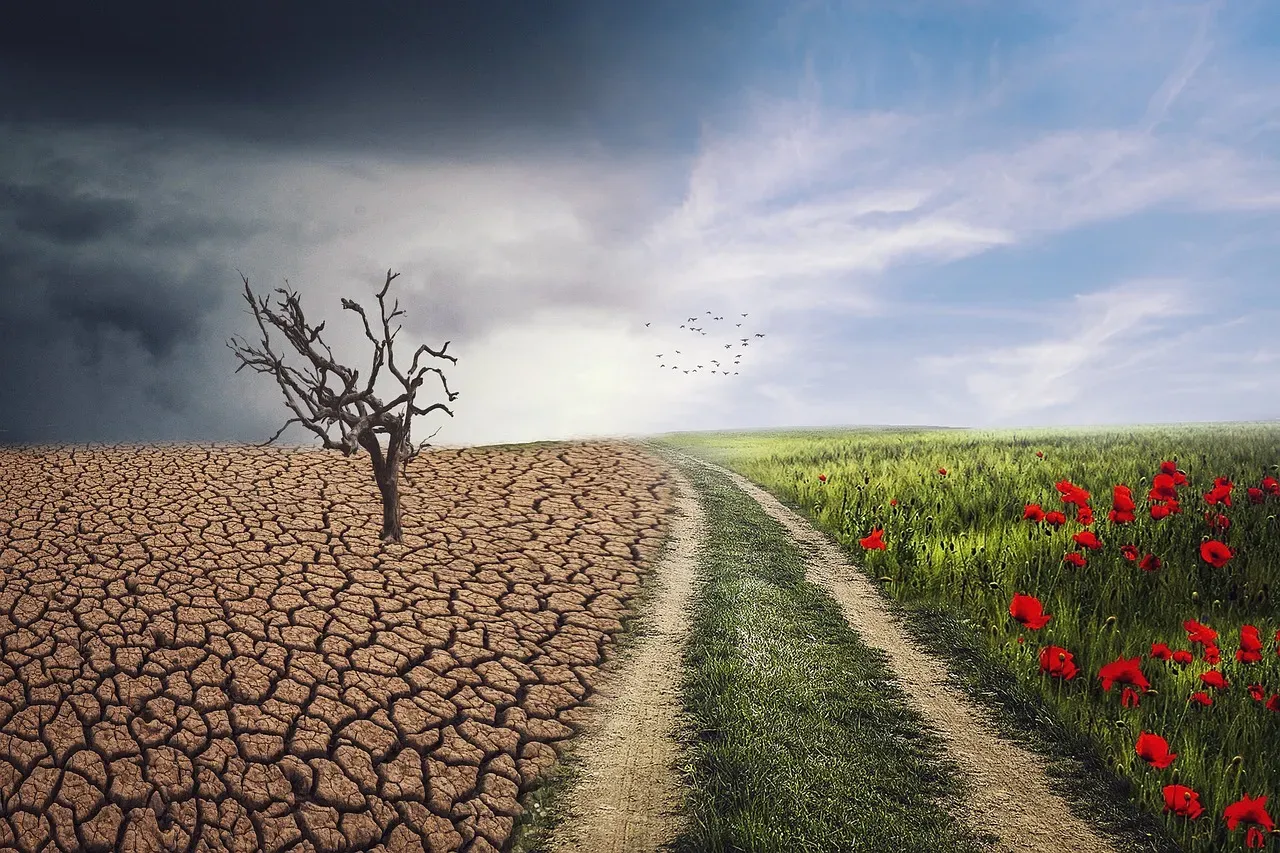
For millions of years, climate was the relentless external force and humans were the ones adapting, migrating, or dying out in response. In the last couple of centuries, that relationship flipped. By burning fossil fuels, clearing forests, and reshaping the land, we have become a major driver of planetary climate change ourselves. Evolution, of course, still operates on us, but on timescales far longer than the furious pace of current warming. Instead of gradual shifts over tens of thousands of years, we are compressing big climatic changes into a few human lifetimes. Our main tools now are not new bones or instincts, but technology, policy, and culture.
Looking at the deep past, it is tempting to shrug and say that humans have always lived with climate change, so we will manage this one too. I think that is dangerously comforting. Yes, our lineage owes many of its strengths to surviving previous environmental turbulence, but those changes were mostly slower and not of our own making. Today’s rapid warming tests our social and political adaptability more than our biology. The uncomfortable truth is that we are running a high-speed experiment on the very climate that once sculpted us, without the guarantee that cultural evolution can always outrun the physical changes we have set in motion.
Conclusion: Climate Made Us – Now We Decide What That Means
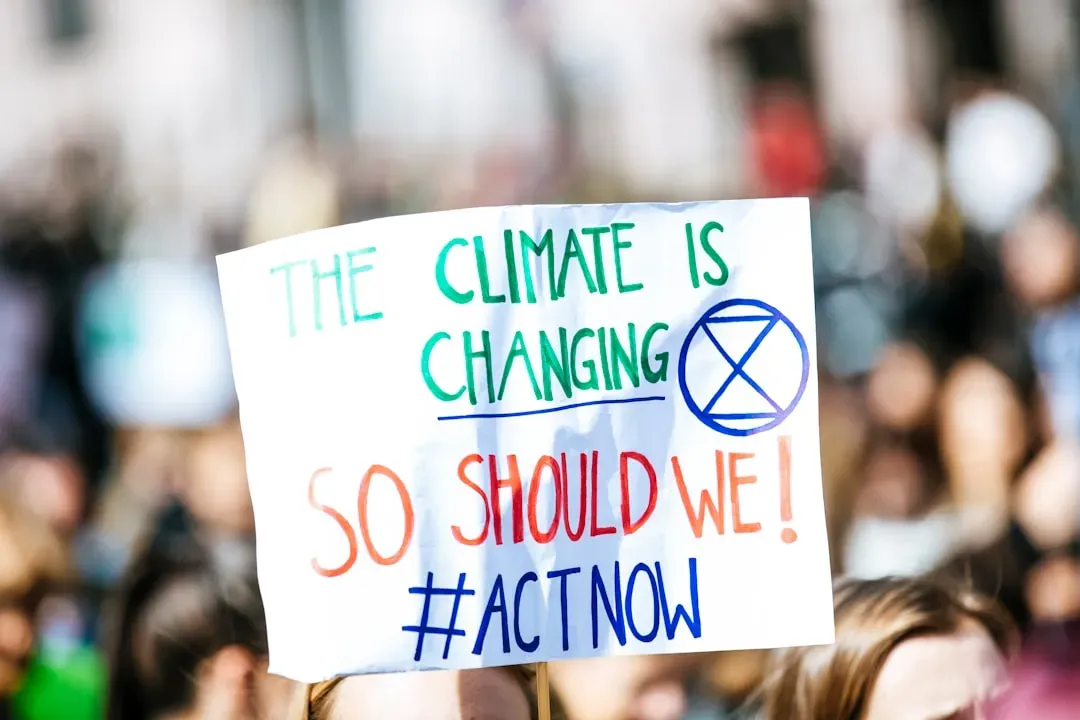
When you zoom out far enough, human evolution reads like a long negotiation with a fickle climate. Shifting rain belts and wandering forests pushed our ancestors onto two legs, rewarded bigger brains, favored cooperation, and nudged small bands to wander into new lands. Climate did not single-handedly script every twist and turn, but it was the backdrop that never stopped editing the story. To pretend that we are separate from that backdrop now is, in my view, a kind of amnesia about what made us human in the first place.
At the same time, this history undercuts the fatalistic idea that we are helpless in the face of today’s warming. If anything, our entire past shows that flexibility, creativity, and social learning are our core advantages. The uncomfortable, opinionated take I keep coming back to is this: blaming “climate change” as if it were some external fate misses the point; we are the ones turning the old evolutionary sculptor into a fast, unpredictable wrecking ball. The real question is whether we choose to act like the adaptable species our history says we are, or whether we let our own creation reshape us in ways we no longer control. Which version of that story would you rather future humans tell about us?