When most people picture dinosaurs, they imagine giant reptiles sluggishly wandering sun-baked tropical jungles, soaking in warmth like oversized lizards. It’s a seductive image, but science has been quietly dismantling it for decades. The truth is far more dramatic, and honestly, a lot more impressive.
Dinosaurs ruled the Earth for over 160 million years, adapting to a staggering variety of environmental changes, with climate playing a significant role in shaping their size, behavior, and habitat distribution. From freezing polar nights to scorching lowland deserts, these creatures didn’t just survive extreme conditions – they thrived in them. So how exactly did they pull it off? Let’s dive in.
They Were Built for the Cold From the Very Beginning
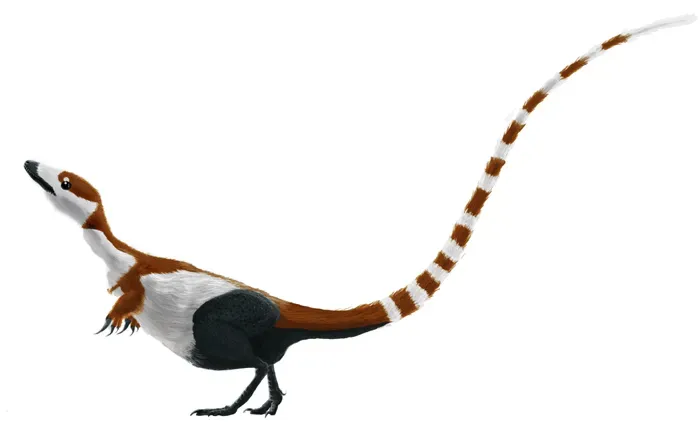
Here’s the thing that surprises most people: dinosaurs didn’t learn to handle cold climates over millions of years of suffering. They appear to have started out that way. Research conducted at the Junggar Basin in northwest China revealed that dinosaurs were not originally adapted for warm, tropical environments as previously thought – rather, they were primarily adapted for the cold, being insulated like birds with feather-like structures called protofeathers. That’s a complete reversal of the classic narrative.
Abundant lake ice-rafted debris in Late Triassic and earliest Jurassic strata of the Junggar Basin indicates that freezing winter temperatures typified the forested Arctic, and phylogenetic bracket analysis shows that non-avian dinosaurs were primitively insulated, enabling them to access rich deciduous and evergreen Arctic vegetation even under these freezing winter conditions. Think about that for a second. These animals were equipped for Arctic-style winters long before the Ice Age ever became a concept.
The Triassic-Jurassic Extinction Event Was Their Big Break
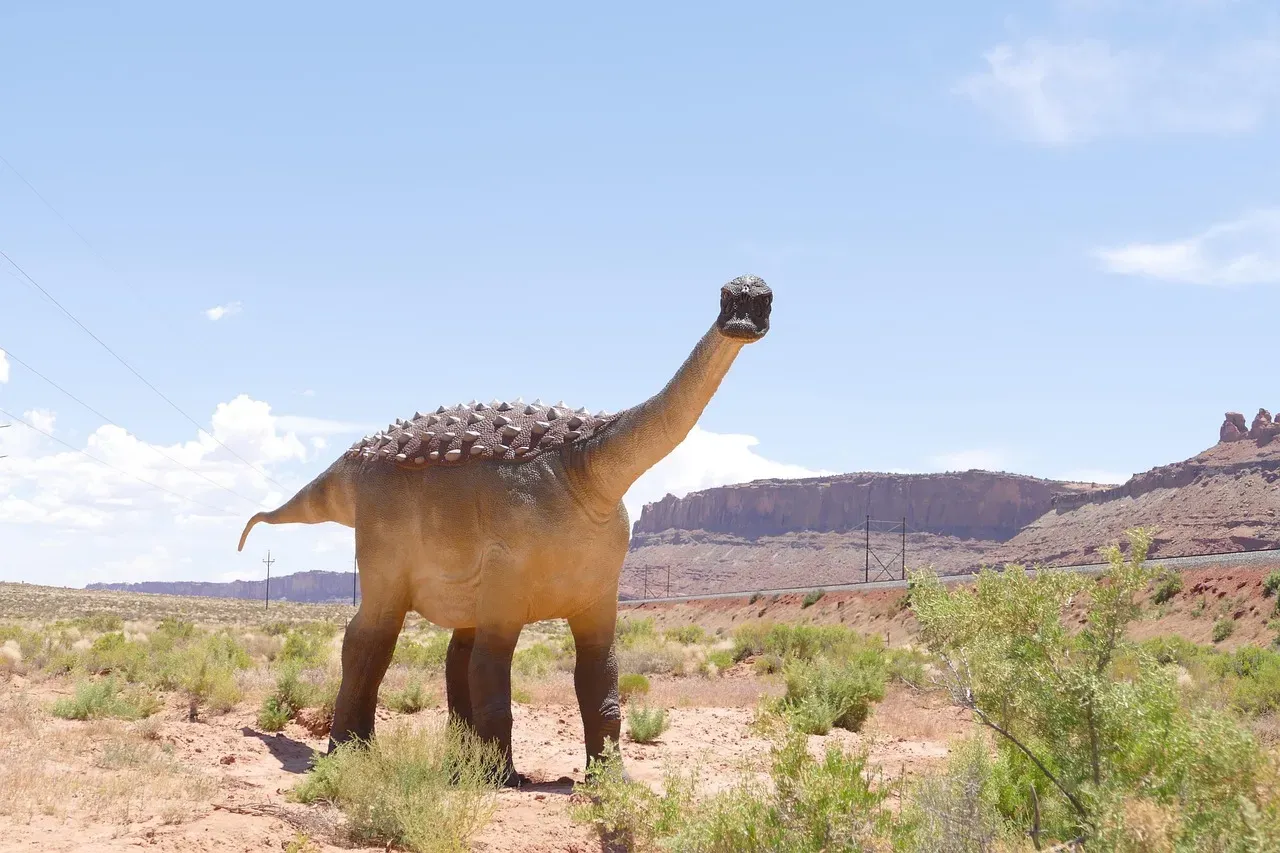
About 202 million years ago, in an episode called the Triassic-Jurassic extinction event, a chain of massive volcanic eruptions cooled the planet dramatically, killing more than roughly three quarters of species on land and in the oceans, and paving the way for the cold-adapted dinosaurs to emerge from the Triassic period and dominate the Jurassic. It’s a brutal story, but fascinating in its logic: the worst climate catastrophe imaginable turned out to be dinosaurs’ greatest opportunity.
Transient but intense volcanic winters associated with massive eruptions and lowered light levels led to the end-Triassic mass extinction on land, decimating all medium to large-sized non-dinosaurian, uninsulated continental reptiles – while insulated dinosaurs were already well adapted to cold temperatures and not only survived but underwent a rapid adaptive radiation and ecological expansion in the Jurassic. It’s almost poetic, isn’t it? While everyone else was freezing, dinosaurs were already wearing the coat.
Warm-Bloodedness: The Game-Changing Internal Upgrade
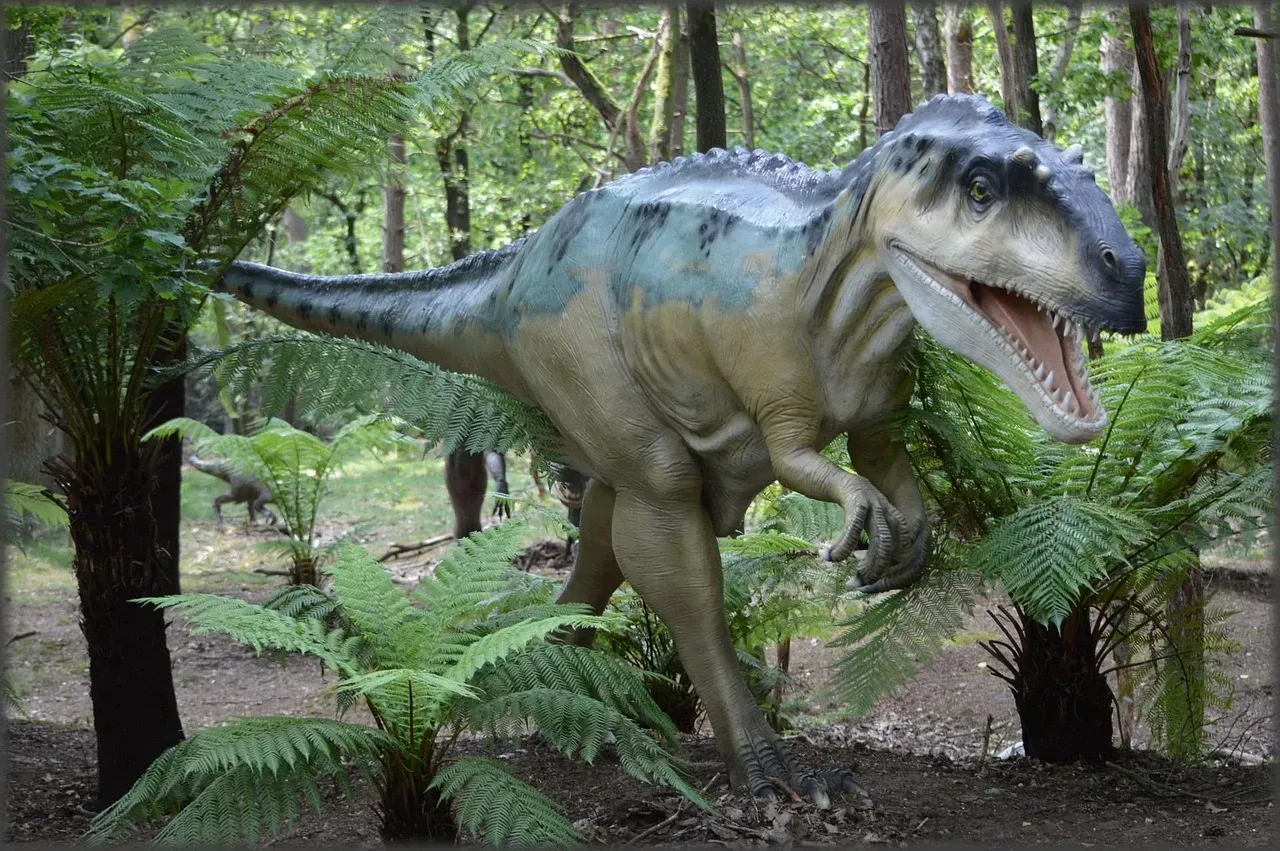
The ability to regulate body temperature, a trait all mammals and birds share today, may have evolved among some dinosaurs early in the Jurassic period about 180 million years ago, according to a study led by UCL and University of Vigo researchers. This shift from passive heat-gathering to internal heat generation was, I think, one of the most pivotal biological transitions in the history of life on Earth. It’s the difference between being at the mercy of your environment and actually commanding it.
Endothermy allowed certain dinosaurs to thrive in changing climates, enabling them to maintain high activity levels and survive in colder environments – marking a significant turning point in dinosaur physiology. Theropods, the group that includes the iconic T. rex and Velociraptor, and ornithischians, which include relatives of the plant-eating Stegosaurus and Triceratops, were among the first to embrace this ability to regulate body temperature, which allowed them to venture into colder climates, remain active for longer periods, grow faster, and produce more offspring. More activity, more offspring, more dominance. Simple math, extraordinary results.
Feathers, Protofeathers, and Insulation Strategies
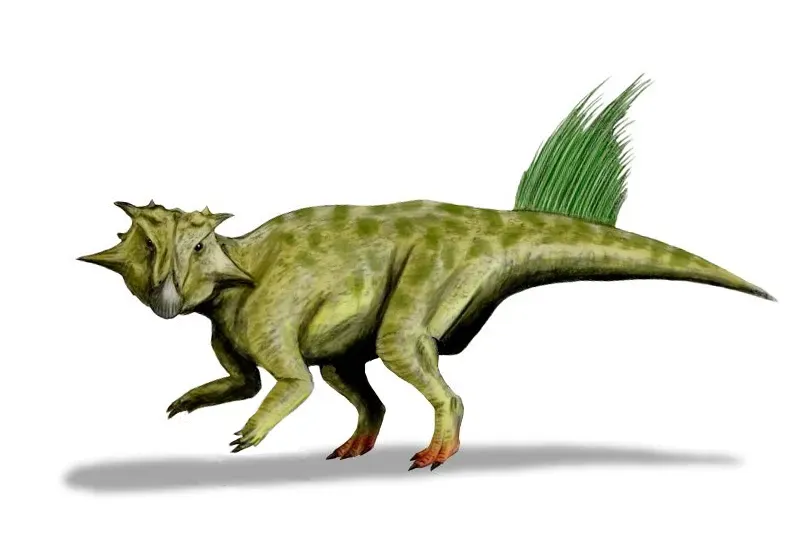
When changing climates left the planet colder, some dinosaurs evolved to grow feathers to help them regulate their body temperature and insulate warmth. You might already know that birds are modern dinosaurs, but what’s less appreciated is that feathery insulation wasn’t a bird invention – it was a dinosaur invention, refined over millions of cold winters. The birds you see today are essentially carrying ancient thermal engineering forward into the modern world.
Ornithischians and theropods, in which protofeathered integument structures or other skeletal adaptations potentially linked to homeothermy and higher energetic needs have been found, demonstrate remarkable adaptability across varied climatic zones. Meanwhile, sauropods, for whom there’s no evidence of protofeathers, appear to have adapted to survive in warmer climates – and their long necks were not only an adaptation for reaching high foliage, but also provided a greater surface area to help regulate body temperature. Different body types, different solutions. Nature rarely does one-size-fits-all.
Migration and Dietary Flexibility as Climate Tools
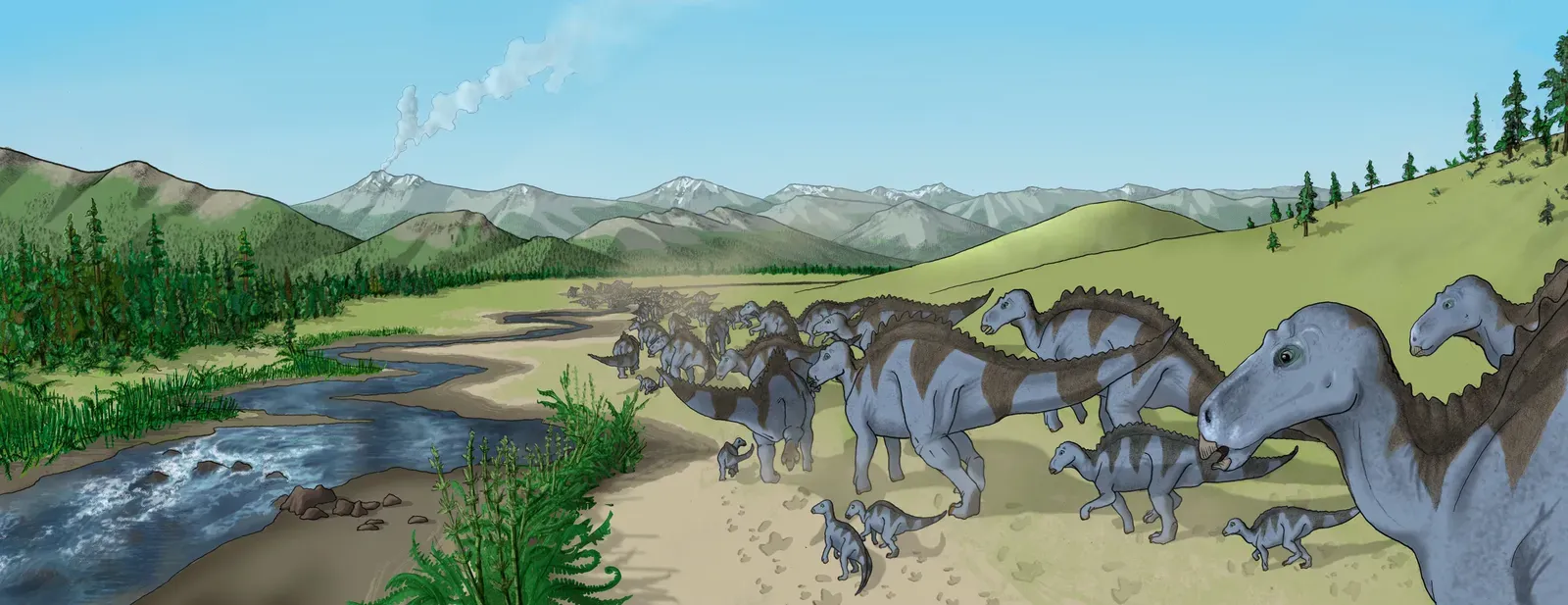
By migrating according to climate shifts, dinosaur species also increased their chances of survival since they had better access to food, and migration eased other survival essentials such as finding a mate – and we know dinosaurs migrated at some point because of massive dinosaur track sites. Locations such as Dinosaur Ridge Trail near Morrison, Colorado, have over 300 dinosaur tracks preserved in rock, and what’s most interesting is that this track site has footprints from numerous species that date to a similar geological age, indicating various species may have traveled together. That’s early carpooling, dinosaur-style.
The food dinosaurs ate was directly linked to what was available, and when herbivores struggled to find food, options became scarcer for their predators since there were fewer dinosaurs to hunt. Many sauropods feasted on moss during the late Jurassic period when much of Earth was rainforest-like, but as Earth warmed up approaching the Cretaceous period, moss became less common. Dietary adaptability wasn’t a luxury for these animals – it was a survival prerequisite.
Body Size Shifts: Bigger or Smaller Depending on the Cold
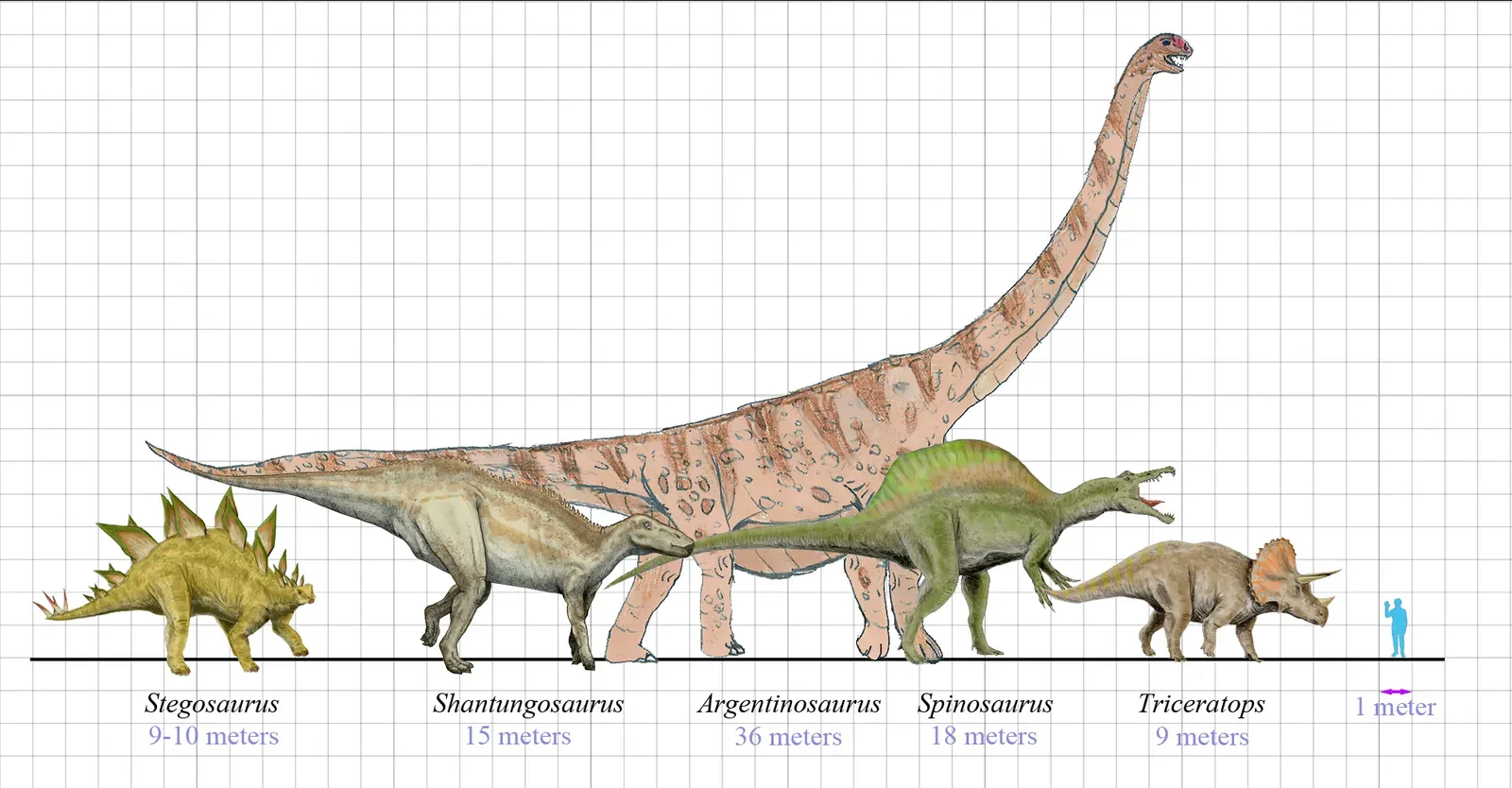
The local tyrannosaur in Alaska’s Prince Creek Formation was not a familiar species seen elsewhere, but a unique and smaller predator roughly the size of a polar bear that researchers dubbed Nanuqsaurus, and the comparatively small stature of this dinosaur, as well as a downsized species of horned dinosaur called Pachyrhinosaurus in the area, hints that types of dinosaurs that grew big elsewhere adapted to become smaller and thereby get by on less food in the cool of ancient Alaska. It’s a fascinating contrast – shrinking to survive, rather than the usual image of dinosaurs just growing ever more enormous.
As the Earth warmed during the Jurassic period, sauropods got larger, due to a combination of high availability of food, efficient feeding strategies, and a high basal metabolic rate which supported rapid growth. Another remarkable adaptation was that dinosaurs could temporarily stop growing in harsh winters, conserving energy when food was scarce, and fossilized bones found at the Junggar Basin showed bone rings that indicate exactly this growth pattern. Pause. Conserve. Resume. It’s a strategy as elegant as any modern survival mechanism.
Bone Structure and Physiology: The Hidden Biological Evidence
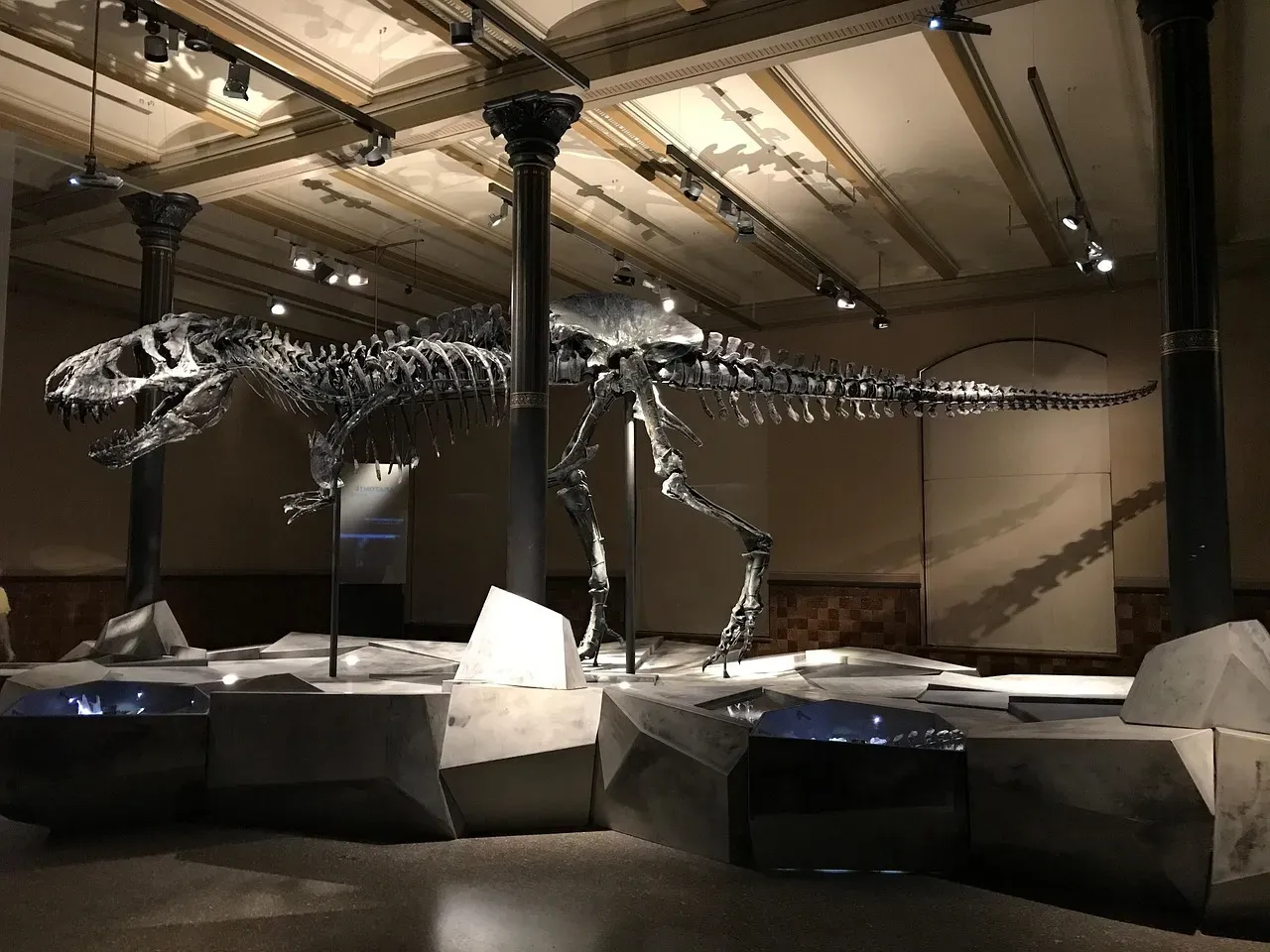
Probably the most direct evidence of dinosaurian physiology comes from bones themselves, particularly in how they grew – the long bones of most dinosaurs are composed almost exclusively of a well-vascularized type of bone matrix also found in most mammals and large birds, a type of bone tissue that always indicates rapid growth, very different from the more compact, poorly vascularized bone found in crocodiles and other reptiles. You’re essentially reading a dinosaur’s entire life strategy in its skeleton. It’s like finding a diary written in calcium.
It is generally thought that well-vascularized, rapidly growing bone can be sustained only by high metabolic rates that bring a continual source of nutrients and minerals to the growing tissues. Other evidence for endothermy includes limb length, since many dinosaurs possessed comparatively long limbs, and bipedalism – and many bipedal dinosaurs possessed gracile leg bones with a short thigh relative to calf length, which is generally an adaptation to frequent sustained running, characteristic of endotherms capable of producing sufficient energy to stave off anaerobic metabolism in muscle. In other words, their bones tell a story of warmth, speed, and extraordinary metabolic power.
Conclusion
The story of dinosaur climate adaptation isn’t just ancient history – it’s a masterclass in biological resilience. You might have expected creatures that ruled the planet for over 160 million years to have had some secret weapon, and honestly, they had several: internal heat generation, insulating feathers, strategic migration, flexible diets, and bones built for high performance. Their ability to adapt to diverse environments showcases their evolutionary ingenuity, and each new discovery adds layers to our understanding of their biology and behavior.
What’s truly humbling is that the very traits that helped dinosaurs conquer extreme climates – endothermy, feathers, metabolic flexibility – are the same traits you can observe in the birds singing outside your window right now. Through their adaptation to cold temperatures, dinosaurs were able to survive catastrophic volcanic winters and thereby expand to dominate terrestrial communities for 135 million years, and as birds, remain two to three times more species-rich than mammals to this day. The dinosaurs never truly went away. They just got smaller, grew wings, and kept adapting. What does that say about the power of resilience? Quite a lot, don’t you think?