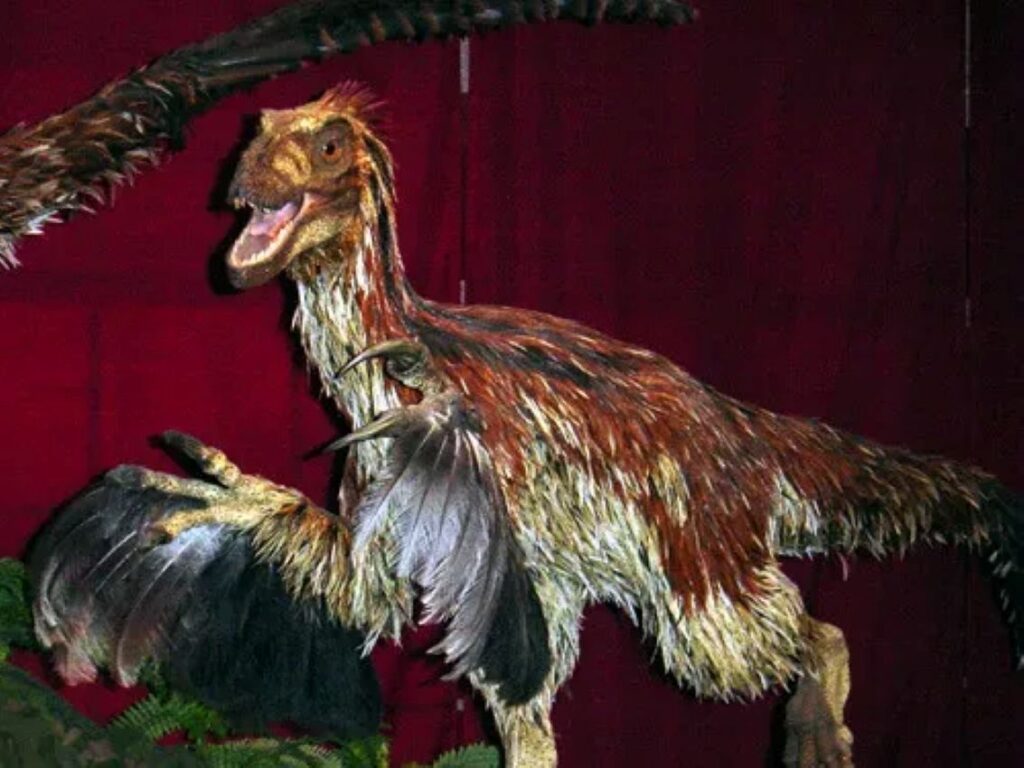
Imagine standing face to face with what you thought was a terrifying scaly monster, only to realize it was more like an enormous, feathered bird. That mental shift – from scaly reptile to feathered creature – is exactly what scientists have been grappling with for decades. Feathers, it turns out, didn’t just magically appear the day the first bird flapped its wings.
The story of how feathers evolved in dinosaurs is one of the most gripping detective stories in all of science. It weaves together fossil beds in China, genetics labs in Switzerland, ancient reptiles from France, and tools like UV light and electron microscopes. The answers emerging right now, in 2026, are stranger and more exciting than anyone could have predicted. Let’s dive in.
Before Feathers: The World of Proto-Feathers
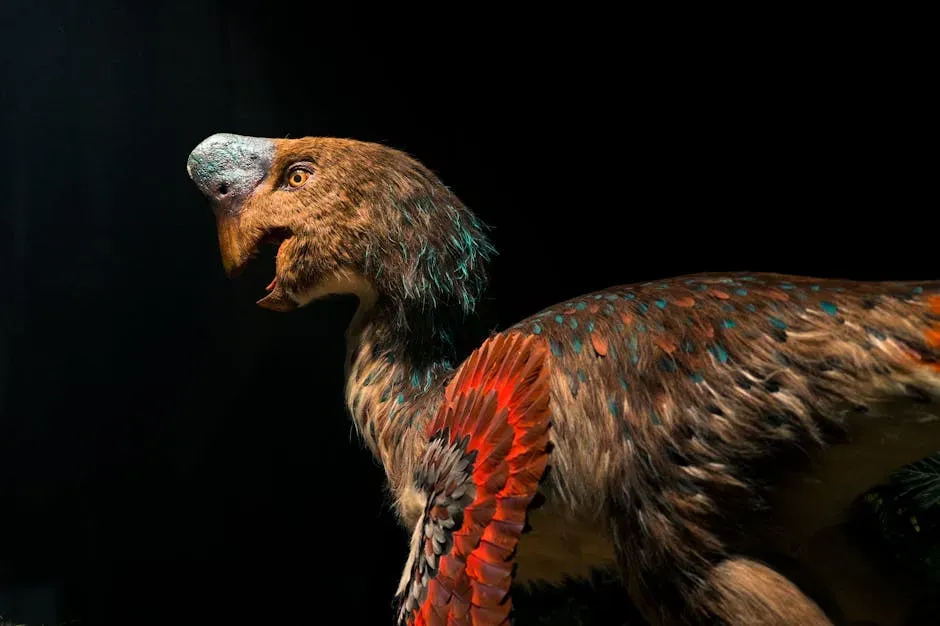
While the evolutionary origin of feathers has been widely debated, paleontological discoveries and developmental biology studies suggest that feathers evolved from simple structures known as proto-feathers – primitive tubular filaments that emerged around 200 million years ago in certain dinosaurs. Think of them as nature’s rough draft. Not sophisticated, not aerodynamic, not exactly glamorous. Just tiny, hollow tubes poking out of skin.
The emergence of proto-feathers likely marked the first key step in feather evolution, initially providing thermal insulation and ornamentation before being progressively modified under natural selection to give rise to the more complex structures that eventually enabled flight. It’s a bit like how the wheel didn’t start as a Ferrari tire – it started as a rough stone disc. Evolution rarely leaps. It shuffles, one small change at a time.
The Fossil Record That Changed Everything
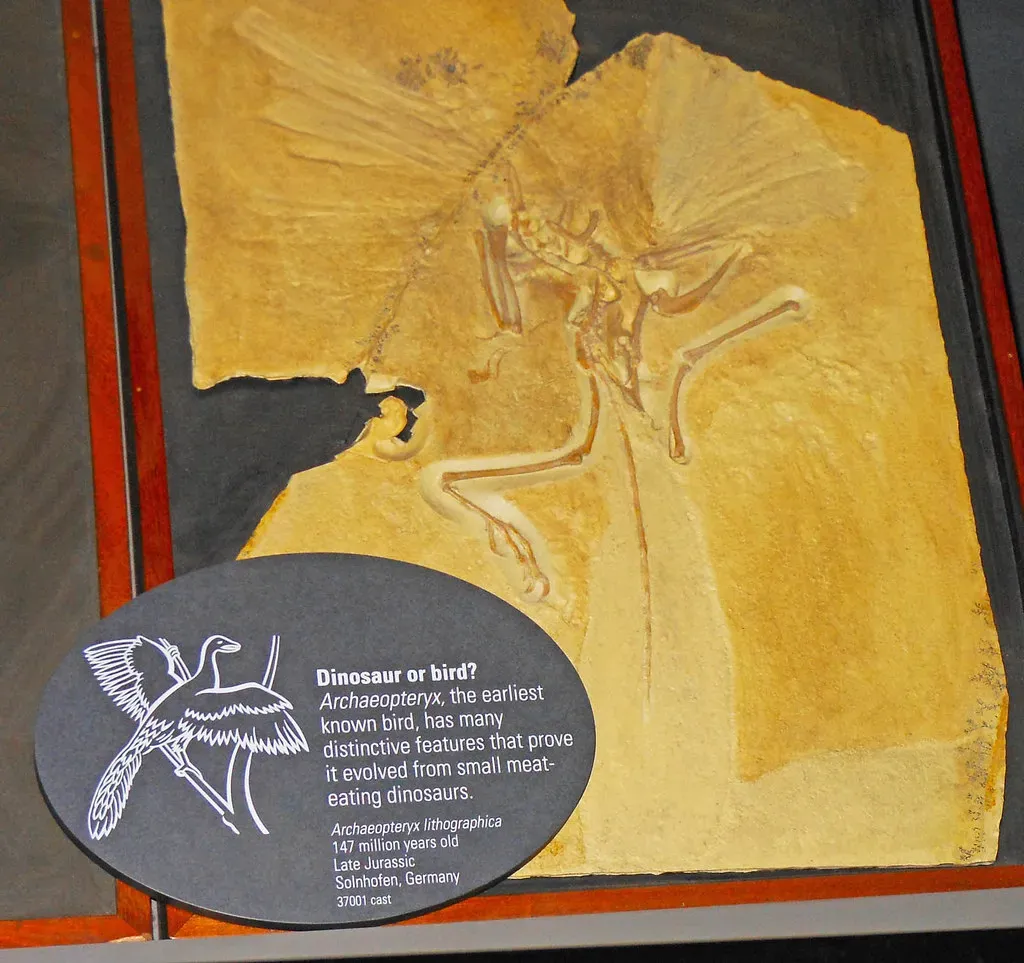
Until recently, feathers were regarded as uniquely avian. This idea was so strongly held that the mere presence of feather impressions around the skeleton of Archaeopteryx was enough to cement its status as the earliest-known bird. However, a series of spectacularly preserved fossil discoveries, primarily from the Early Cretaceous of China, revealed the presence of feathers in a variety of non-flying theropod dinosaurs, demonstrating conclusively that earlier models of bird evolution were wrong.
In the 1990s, the first fossilized feathers were found in extinct dinosaurs, but almost 30 years later, many questions remain about these distinctive features. Since the first report of proto-feathers from the theropod dinosaur Sinosauropteryx, diverse types of feathers in dinosaurs, including theropods and ornithischians, have been reported mainly from the Early Cretaceous deposits in northeastern China, tremendously improving our understanding of the evolutionary transition from dinosaur to bird. Honestly, that region of China has become the holy grail of dinosaur paleontology.
Scales to Feathers: A Hidden Transition
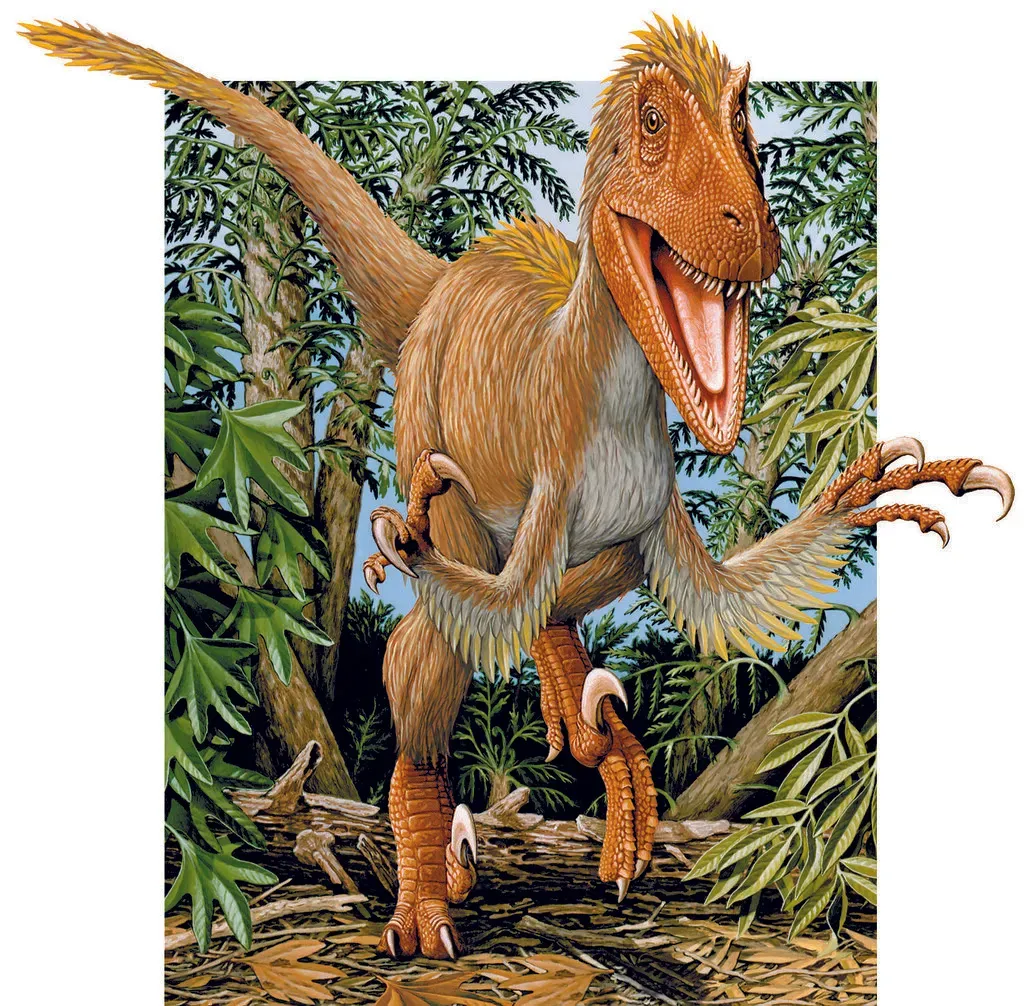
Paleontologists at University College Cork in Ireland have discovered that some feathered dinosaurs had scaly skin like reptiles today, shedding new light on the evolutionary transition from scales to feathers. This is a huge deal. It means the switch from scales to feathers wasn’t a clean swap – it was messy, zone by zone, patch by patch, like nature was test-driving a new design without committing to it.
Researchers studied a new specimen of the feathered dinosaur Psittacosaurus from the early Cretaceous, roughly 135 to 120 million years ago, a time when dinosaurs were evolving into birds. The study shows, for the first time, that Psittacosaurus had reptile-like skin in areas where it didn’t have feathers. This discovery suggests that soft, bird-like skin initially developed only in feathered regions of the body, while the rest of the skin was still scaly, like in modern reptiles – a zoned development that would have maintained essential skin functions such as protection against abrasion, dehydration, and parasites.
The Sonic Hedgehog Gene: A Surprisingly Whimsical Key to Feathers
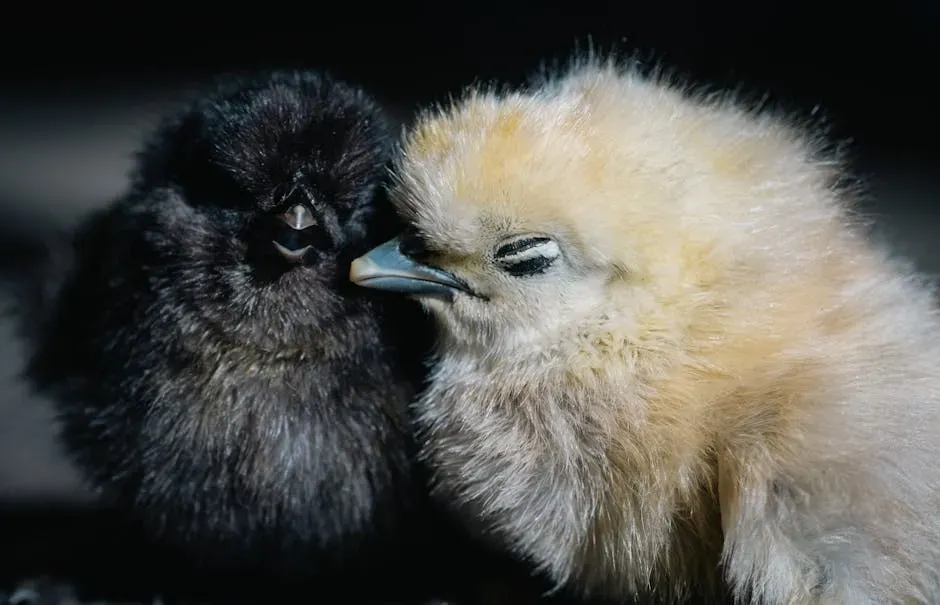
By studying the embryonic development of the chicken, researchers from the University of Geneva uncovered a key role of a molecular signalling pathway, the Shh pathway, in feather formation, providing new insights into the morphogenetic mechanisms that led to feather diversification throughout evolution. Yes, you read that right. A gene literally called “Sonic Hedgehog” is helping scientists understand how dinosaurs grew feathers. Science sometimes has a brilliant sense of humor.
Alteration of the expression of this gene can transform feet scales and wing feathers. While a transient over-expression of the gene can permanently turn feet scales into feathers, it is much harder to disrupt feather development itself. The network of interacting genes determining feathers is very robust, ensuring their proper development even under substantial genetic or environmental perturbations. In other words, once feathers got their genetic footing, they became almost unshakeable – like a feature that nature decided it really, really wanted to keep.
Feathers Were Not Originally for Flying
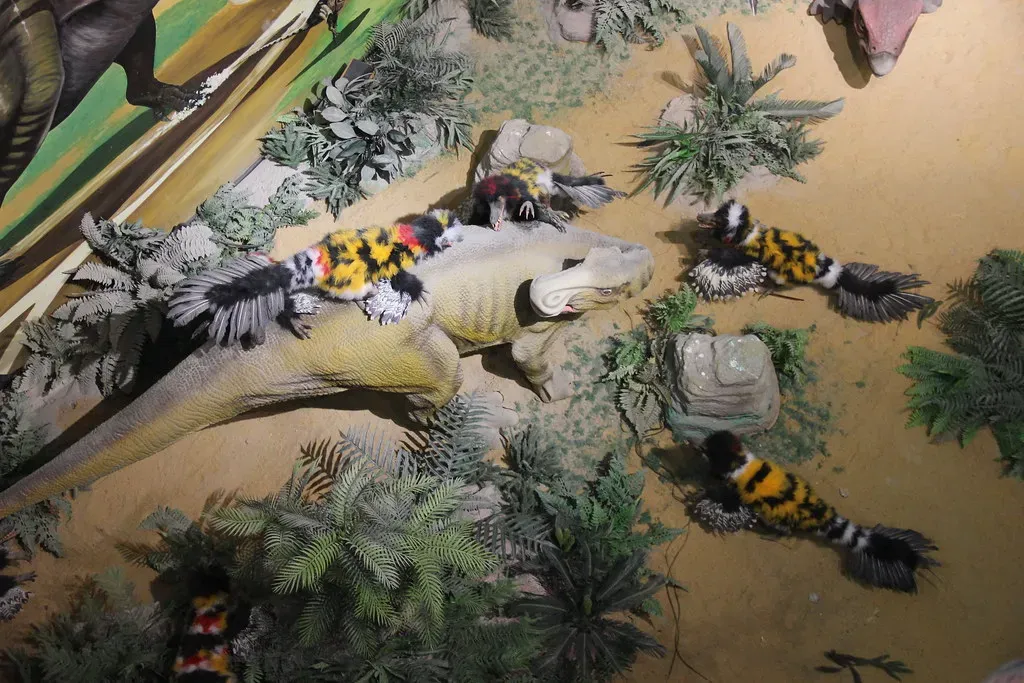
Many traditional views on the origin and early evolution of bird feathers have since been revolutionized. You now know that feathers are not restricted to birds but are also found in some non-avian dinosaurs, and they probably did not originally evolve for flight, but rather in some other functional context such as insulation, display, or camouflage. This completely flips the old story. For generations, scientists assumed feathers were about getting airborne. The truth is far more interesting.
You now know that feathers came before wings, so feathers did not originate as flight structures. Research suggests that feathers first arose as agents for color display and only later in their evolutionary history did they become useful for flight and insulation. Think about what that means. The very thing that lets a bird soar thousands of feet above the earth first evolved, essentially, to look good. It’s vanity with extraordinary consequences.
The Color of Dinosaur Feathers: Reading Ancient Pigments
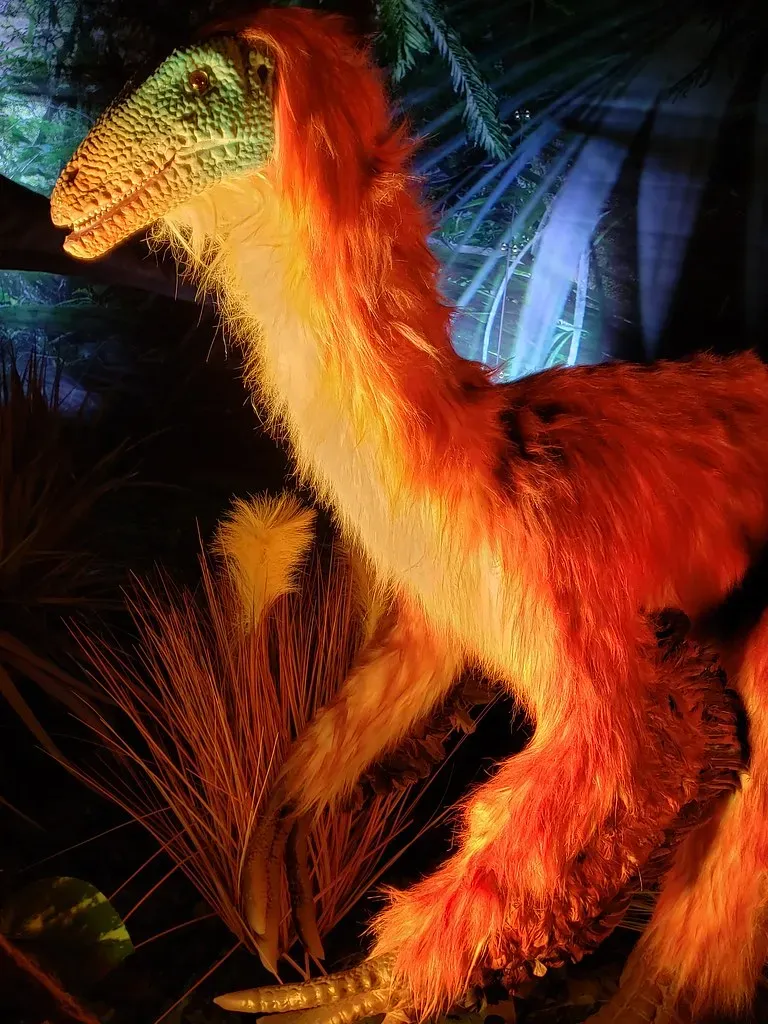
Using the imaging power of scanning electron microscopes, paleontologists recently started analyzing the shape of melanosomes in well-preserved fossilized feather imprints. By comparing these patterns to those in living birds, scientists can infer the color of dinosaurs that lived many millions of years ago. Iridescence arises when the melanosomes are organized in stacked layers. You can now look at a 130-million-year-old fossil and reconstruct what colors were shimmering across a dinosaur’s back. That’s genuinely mind-bending.
Research found that the theropod dinosaur Sinosauropteryx had simple bristles – precursors of feathers – in alternate orange and white rings down its tail, and that the early bird Confuciusornis had patches of white, black, and orange-brown colouring. Instead of serving only as primitive insulation or early flight aids, many feathers now appear to have played a prominent role in visual display, communication, and social signaling – a view that brings dinosaurs closer to modern birds in both appearance and behavior, suggesting an ancient world that was more colorful and expressive than once imagined.
A Shocking 2025 Discovery That Rewrites Feather Origins
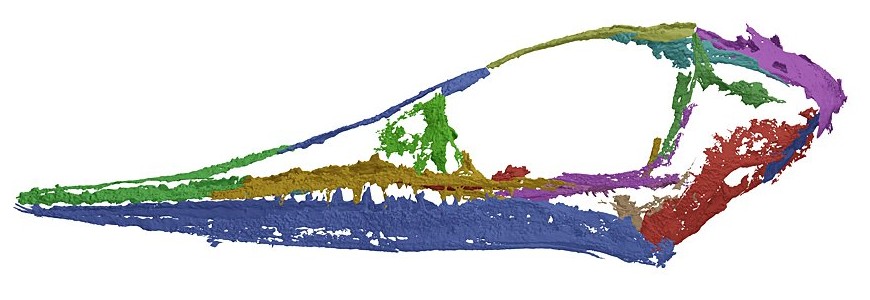
The newly described Mirasaura grauvogeli from the Middle Triassic had a striking feather-like crest, hinting that complex skin appendages arose far earlier than previously believed. An international team led by paleontologists from the State Museum of Natural History Stuttgart described a previously unknown tree-dwelling reptile from the early Middle Triassic. This 247-million-year-old reptile had a dorsal crest with previously unknown, structurally complex appendages growing from its skin with some similarities to feathers.
Each segment of the crest resembled a feather and even contained pigment-producing structures called melanosomes that help give birds their colorful plumage. However, the structures lining Mirasaura’s back are not actually feathers because they lack barbs and other key features. Developmental biology studies show that the genetic basis for the growth of complex skin appendages such as feathers probably originated in the Carboniferous Period more than 300 million years ago. Mirasaura provides the first direct evidence that such structures formed early on in reptile evolution in groups not closely related to birds and extinct dinosaurs. If that doesn’t make your head spin, honestly, nothing will.
Conclusion: A Story That Is Still Being Written
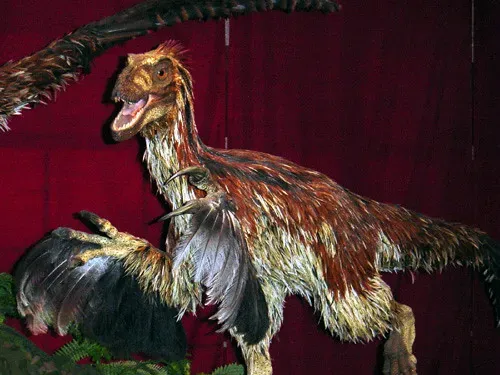
The central questions remain alive: did all dinosaurs inherit feathers from a common ancestor, or did feathers evolve multiple times in the group? Are they exclusive to birds and their closest relatives, or are they more widespread across the reptile family tree? At the moment, the jury is still out.
What you are witnessing, right now in 2026, is science actively dismantling old certainties and replacing them with something far richer. As more fossils are studied and analytical methods improve, new details about feather structure, color, and distribution continue to emerge. Each discovery refines the picture of a world where plumage was not a minor accessory but a major evolutionary asset. By tracing this story from early filaments to the wings and displays of modern birds, research on feather evolution offers a richer understanding of the living legacy preserved in today’s avian species. The next time you see a bird perched on your windowsill, take a second look. What you’re really seeing is the descendant of a lineage that spent over 200 million years perfecting something extraordinary. What part of that story surprises you most? Drop your thoughts in the comments below – this is one conversation worth having.