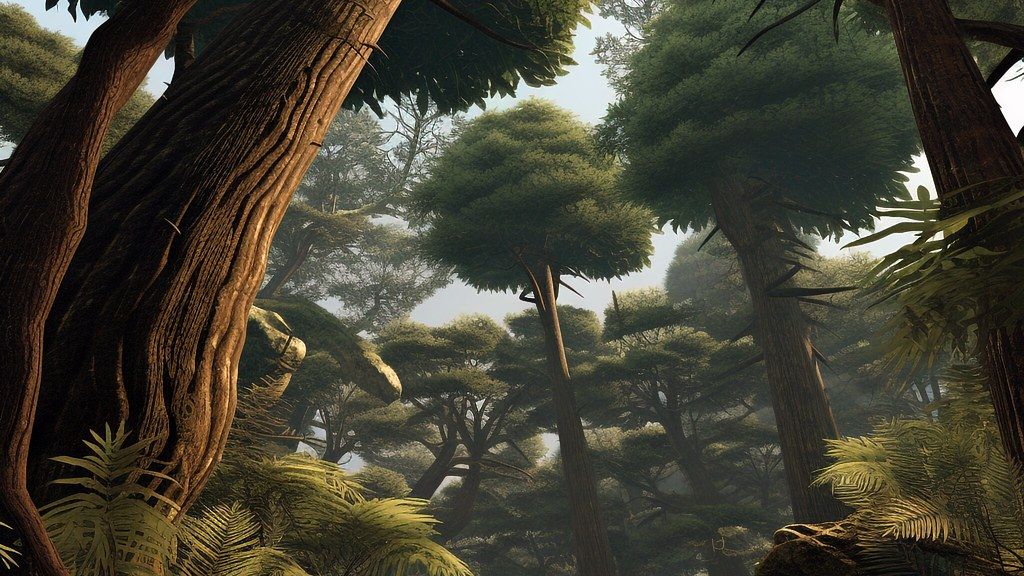
Imagine standing in a prehistoric forest roughly 200 million years ago. No grass beneath your feet. No flowers catching the sunlight. No fruit dangling from the trees. Just towering ferns, spiky cycads, and enormous conifers stretching endlessly in every direction. Now picture the creatures moving through this landscape, not just the carnivorous giants everyone obsesses over, but the slow, plodding, remarkably successful plant-eaters whose entire biology was shaped by what the land decided to grow.
The story of dinosaur diet is, in many ways, the story of prehistoric plants. The two evolved in a kind of ancient conversation spanning hundreds of millions of years, with each side constantly responding to the other. What dinosaurs ate, how they chewed, how their bodies grew, and even how their teeth changed over time were all deeply tied to the shifting green world around them. You might be surprised just how detailed and dramatic that story turns out to be. Let’s dive in.
The Triassic Table: A Harsh Menu for the First Herbivores
The Triassic climate was intensely hot and dry, much like a modern-day desert, and plant life consisted mainly of flora adapted to survive in those extreme conditions. This set the stage for a tough dietary existence right from the very beginning. If you think eating your vegetables is difficult now, imagine trying to survive on a landscape this unforgiving.
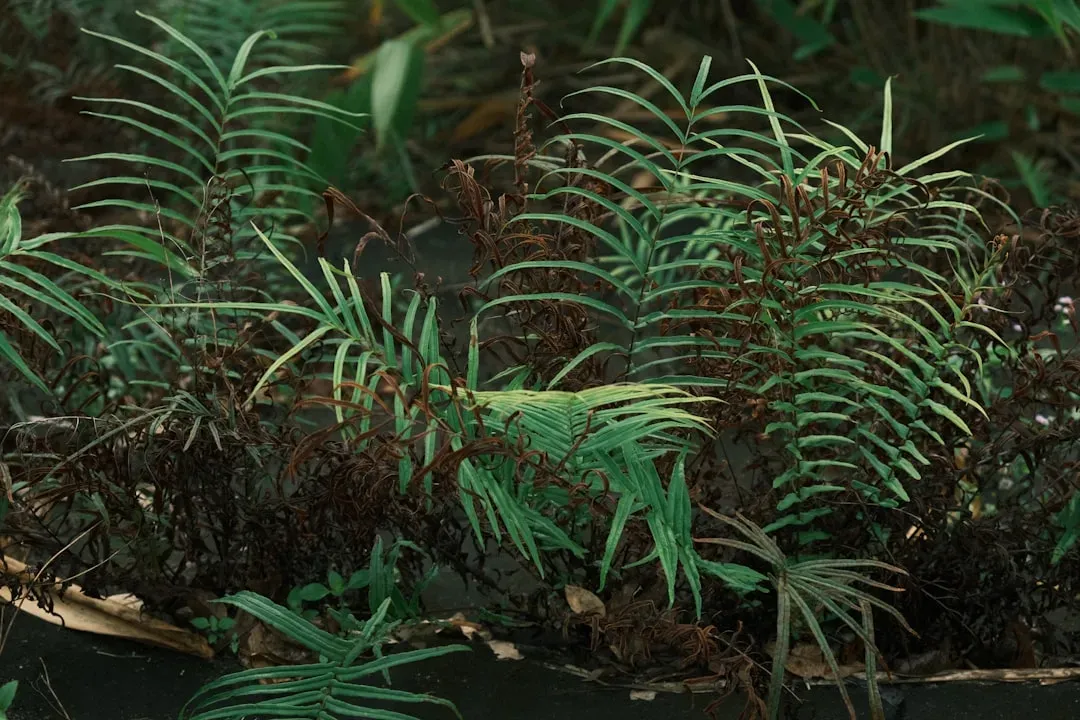
Herbivores that lived during the Triassic period likely chomped on cycads, ferns, ginkgo-like trees, and seed plants. These were fibrous, often chemically defended plants offering limited nutrition to early dinosaur species. For over 100 million years, herbivorous dinosaurs, which were the predominant terrestrial herbivores, fed on a flora consisting primarily of gymnosperms such as conifers, seed ferns, cycads, and ginkgophytes.
Gymnosperms as the Backbone of Dinosaur Diets
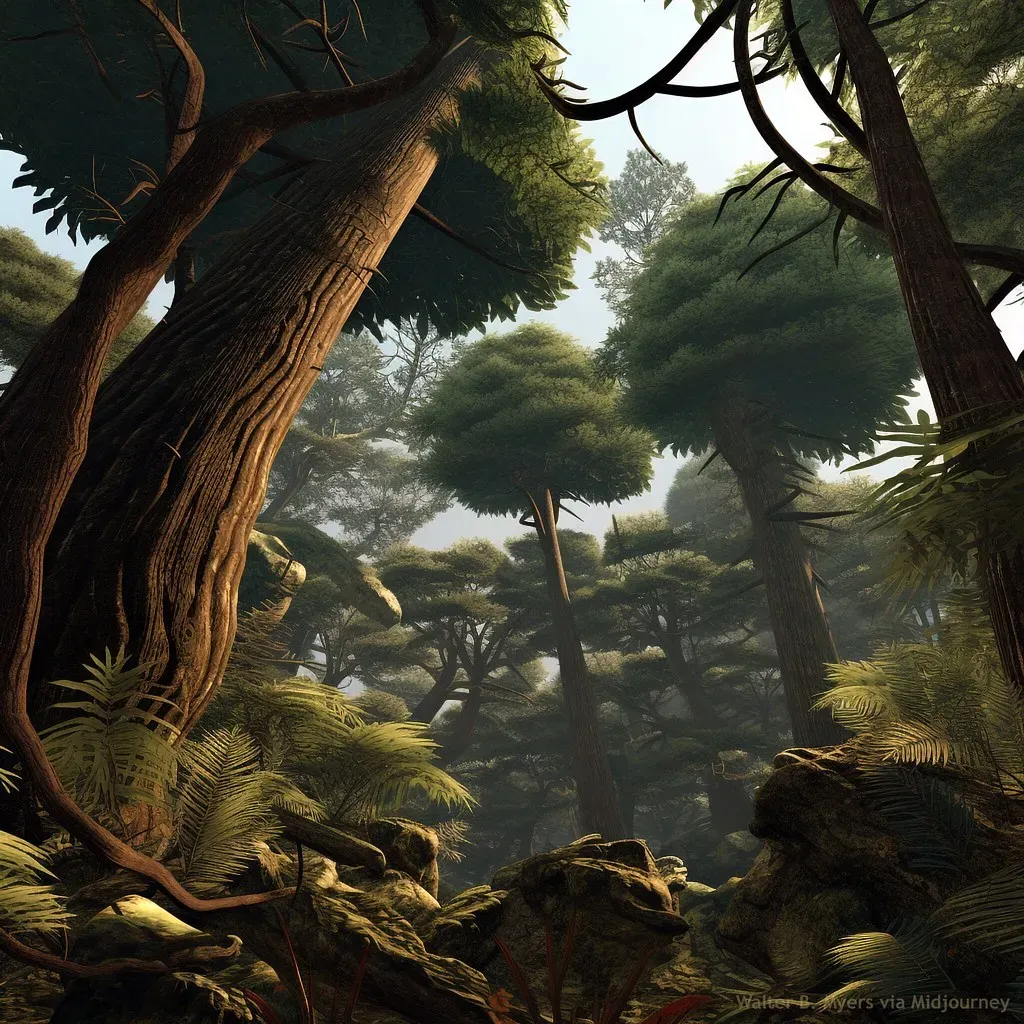
Here is the thing most people don’t fully appreciate: for the vast majority of the dinosaur era, flowering plants simply did not exist. Plants at the dawn of the age of dinosaurs were very different from those of the modern world, because there was no grass, no grain, no fruit, and no flowers. Dinosaurs had to build entire metabolic and physical systems around this reality.
Ferns, horsetails, club-mosses, conifers, cycads, and ginkgoes dominated Triassic and Jurassic menus. These plants were tough, often woody, and not particularly rich in easily accessible nutrients. Although the living relatives of the Mesozoic flora were once assumed to constitute a nutritionally poor diet for dinosaur herbivores, laboratory fermentation testing of their foliage has shown that gymnosperms, ferns, and fern relatives can be as highly digestible as angiosperm grasses and dicots. Honestly, that finding changes everything about how we picture those ancient giants surviving.
The Horsetail Superfood and What It Meant for Giant Sauropods
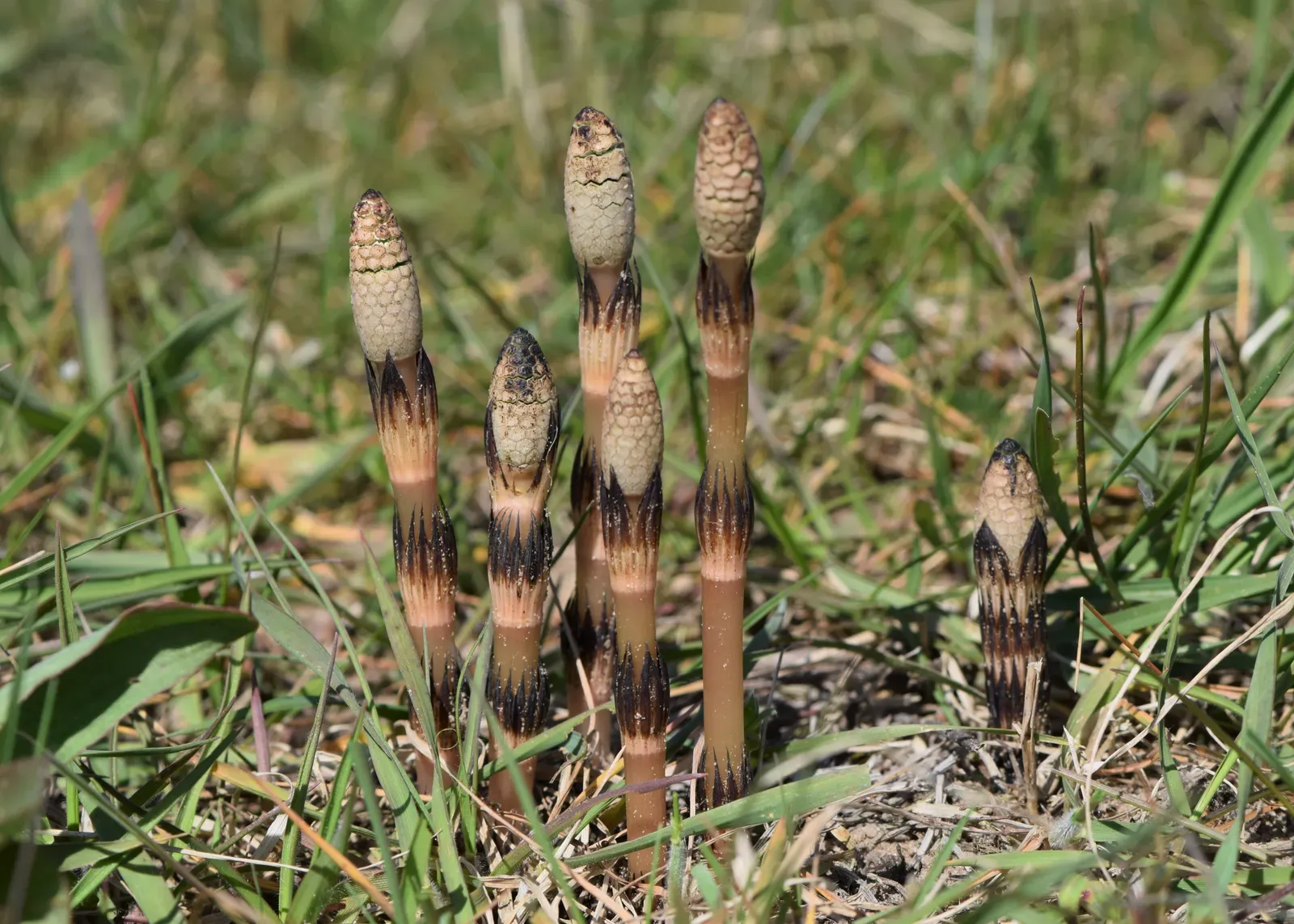
The long-necked, big-bodied sauropod dinosaurs comprise some of the largest terrestrial vertebrates to walk the earth, and these behemoths were herbivores that survived solely on plant material. Exactly how plant life supported such enormous creatures has puzzled scientists for a long time. The answer, it turns out, might be hiding in something you could find growing beside a modern-day stream.
Research data confirms earlier studies suggesting that Equisetum, the horsetail plant, was an important, highly digestible, nutritious, and therefore preferred food source for herbivorous dinosaurs in Mesozoic times. In particular, the Equisetaceae and the Araucariaceae consistently yield high quantities of available energy, indicating a high potential for these families to have been targeted food sources of herbivorous dinosaurs, if the nutritional qualities of the ancient plants were similar to those of their living descendants. Think of it like the prehistoric equivalent of a protein shake, dense, effective, and everywhere.
Teeth Tell the Tale: How Plant Toughness Drove Physical Evolution
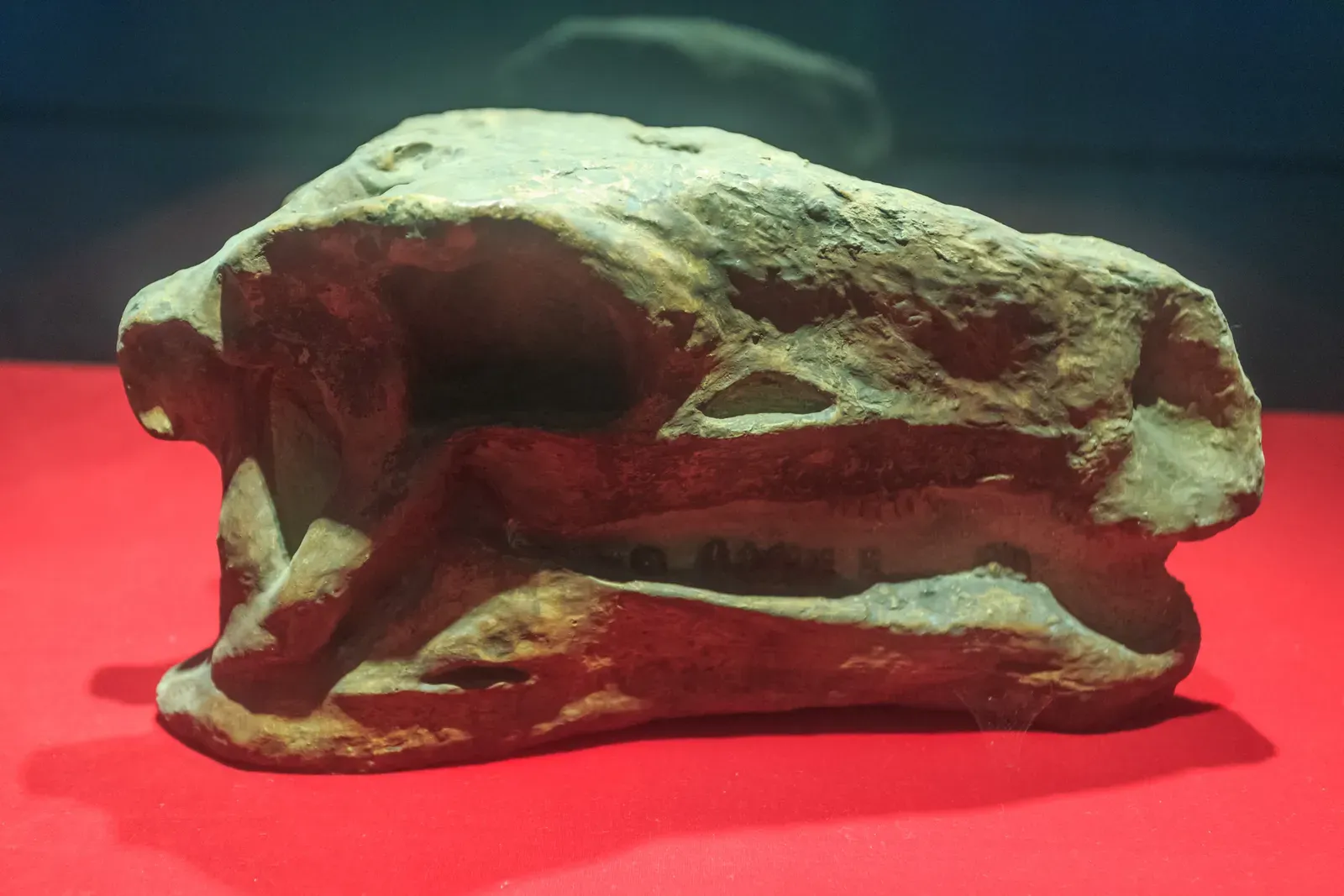
You can learn an astonishing amount about what an animal ate just by looking at its teeth. With dinosaurs, the connection between plant life and jaw mechanics is almost shockingly direct. Unlike meat, which is easily broken down in the gut, plants are generally made up of tough fibres and complex carbohydrates which are hard to digest. Teeth are on the front line of this dietary battle, breaking open plants and cutting them into smaller pieces so that gut bacteria can break them down more efficiently.
Research led by Dr. Attila Ősi from Eötvös Loránd University shows that dinosaurs evolved vast numbers of replacement teeth, which allowed them to eat even the toughest of plants in large quantities. At the start, early ornithopods had single rows of fairly simple teeth with limited wear, probably because these dinosaurs focused on fruits and softer plants. By the time hadrosaurs evolved, they had vastly more teeth which developed a large blade-like edge on one side and a series of ridges behind it, a structure unique to these dinosaurs, which kept the upper and lower teeth sharp as they ground against each other. That is a direct biological response to increasingly tough vegetation, written right into the fossil record.
Different Plants, Different Diets: How Dinosaurs Carved Up the Ecosystem
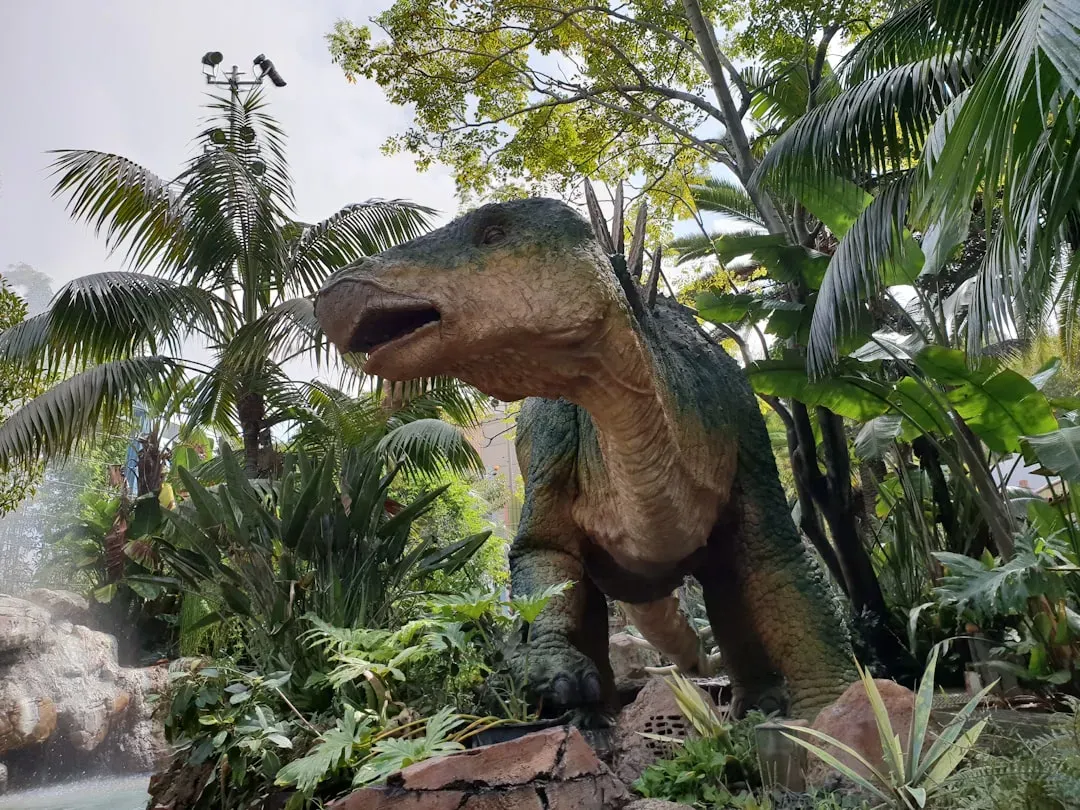
Let’s be real: the Mesozoic was not just one single prehistoric salad bar where every dinosaur lined up for the same meal. Research on tooth chemistry is now revealing something genuinely fascinating about how different species divided plant resources among themselves. Researchers at the University of Texas at Austin discovered that some dinosaurs were discerning eaters, with different species preferring different plant parts.
Previously, scientists believed that large herbivorous dinosaurs coexisted by munching on different levels of the tree canopy according to height. However, more recent research shows that plant height was not the only factor driving the differentiation of their diets, as it was actually specific plant parts that mattered. The Camptosaurus, for instance, preferred softer, more nutritious plant parts such as leaves and buds. The Camarasaurus ate mostly conifers with a preference for woody plant tissues. The Diplodocus ate a more mixed diet that included soft ferns and horsetail plants lower to the ground, as well as tougher plant parts. It is like three different restaurants operating in the same forest at the same time.
The Arrival of Flowering Plants and a Debated Revolution
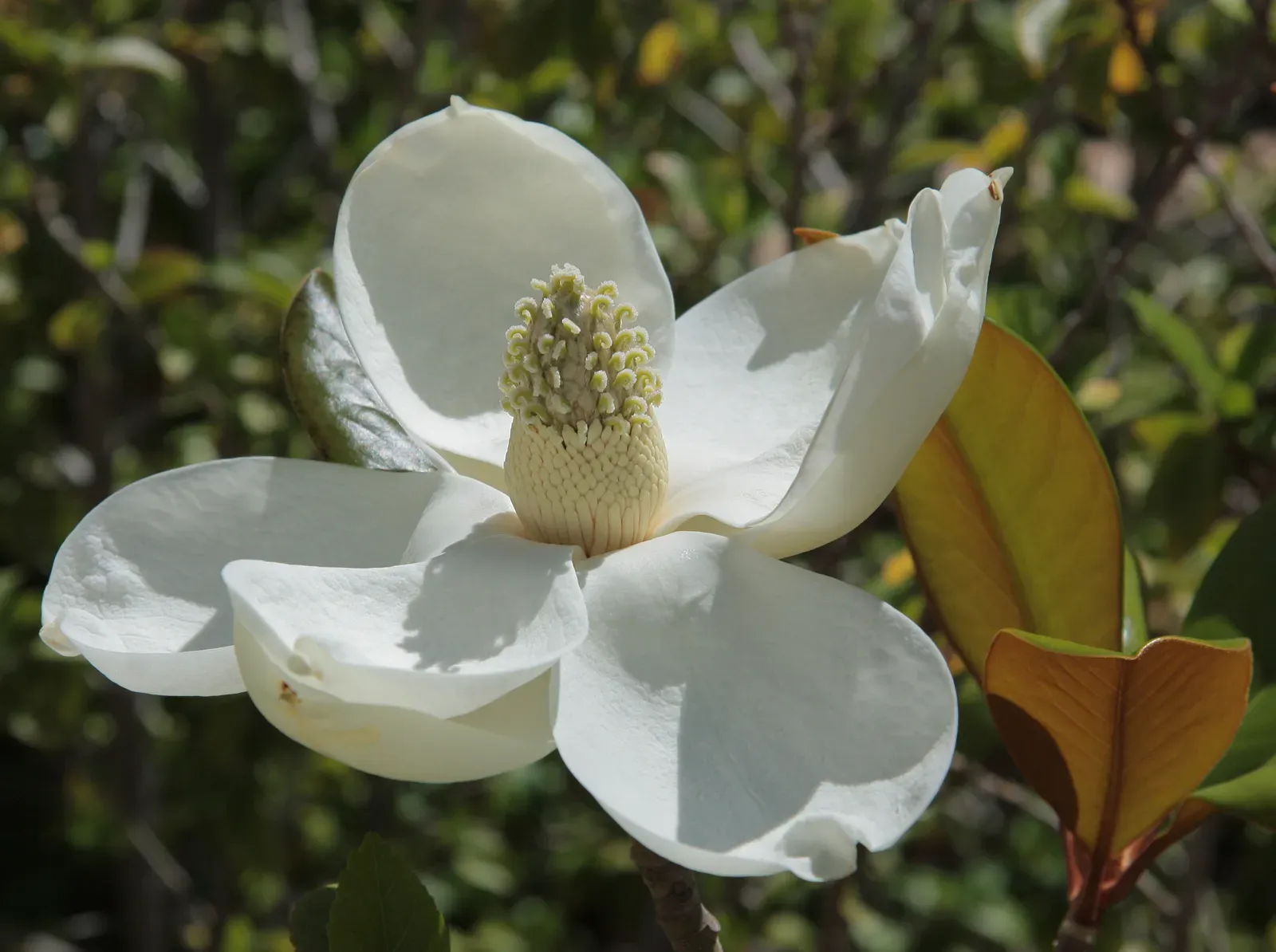
When flowering plants finally appeared and spread during the Cretaceous period, you might expect the entire dinosaur world to have leaped at them immediately. The actual story is considerably more interesting and more contested. Flowering plants ruled the Cretaceous period, and these angiosperms included magnolias, sycamores, figs, beech, poplar, and palms, which consequently added quite a bit of diversity to a dinosaur’s diet. The Cretaceous climate was tropical and subtropical, perfect for these nutrient-rich flowering plants.
Yet here is the surprising twist: some research suggests that many dinosaurs largely ignored angiosperms in the Cretaceous, maintaining a diet focused on ferns and conifers. Dinosaurs effectively cleared away competition and allowed flowering plants to proliferate, and in turn, the changes in plant communities influenced the evolution of dinosaurs with heavy batteries of chewing power, such as the hadrosaurs and horned dinosaurs. The relationship was never simple and probably never entirely one-directional either.
Plants That Fought Back: How Vegetation Drove Defensive Adaptations
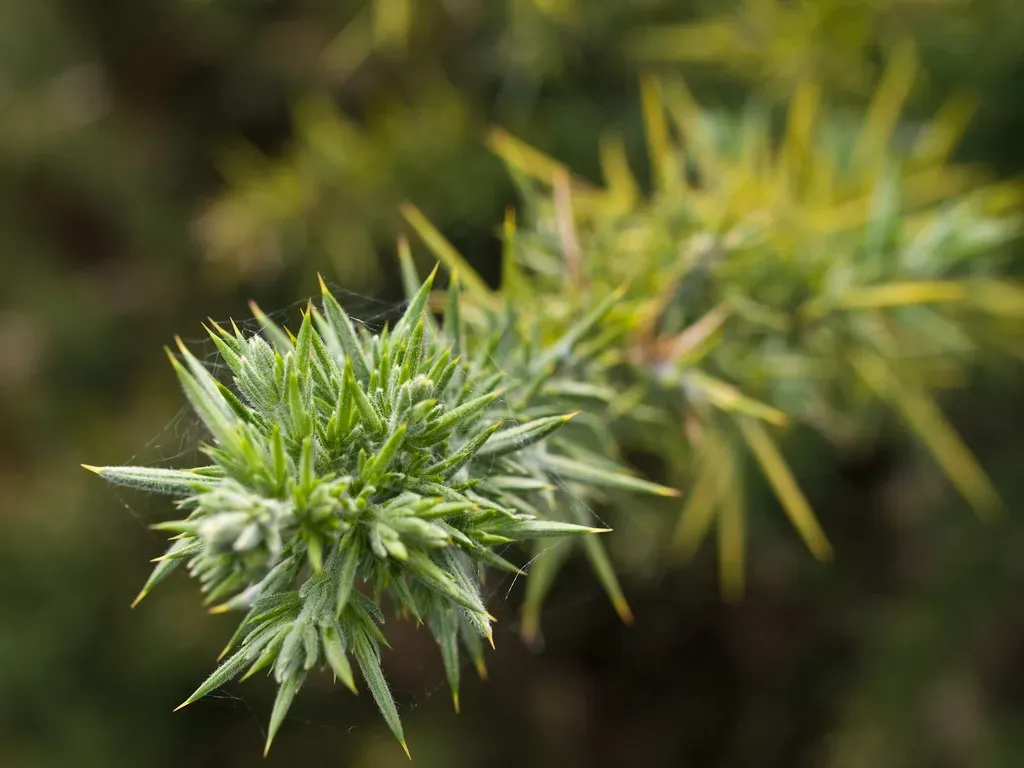
Plants are not passive. They never were. Unlike animals, plants cannot run away or otherwise evade attackers, and so many plants evolved defenses to discourage animals from eating them. These included burning oils, toxic chemicals, thorns, and microscopic spicules of silica. This is an ancient arms race, and dinosaurs were right in the middle of it.
As a response, many herbivorous dinosaurs had to evolve various ways of circumventing plant defenses, such as specialized teeth and broader guts. The evolution of herbivore dinosaurs had a direct impact on the evolution of plant life. As herbivores evolved new methods of consuming vegetation, such as grinding teeth or specialized digestive systems, plants had to adapt to avoid being eaten. This led to the evolution of new plant species with tougher leaves or spines, which, in turn, influenced the evolution of herbivore dinosaurs. It is the ultimate back-and-forth, a slow-motion battle playing out over millions of years that shaped the entire land-based ecosystem.
Conclusion: A 150-Million-Year Conversation Between Plants and Giants
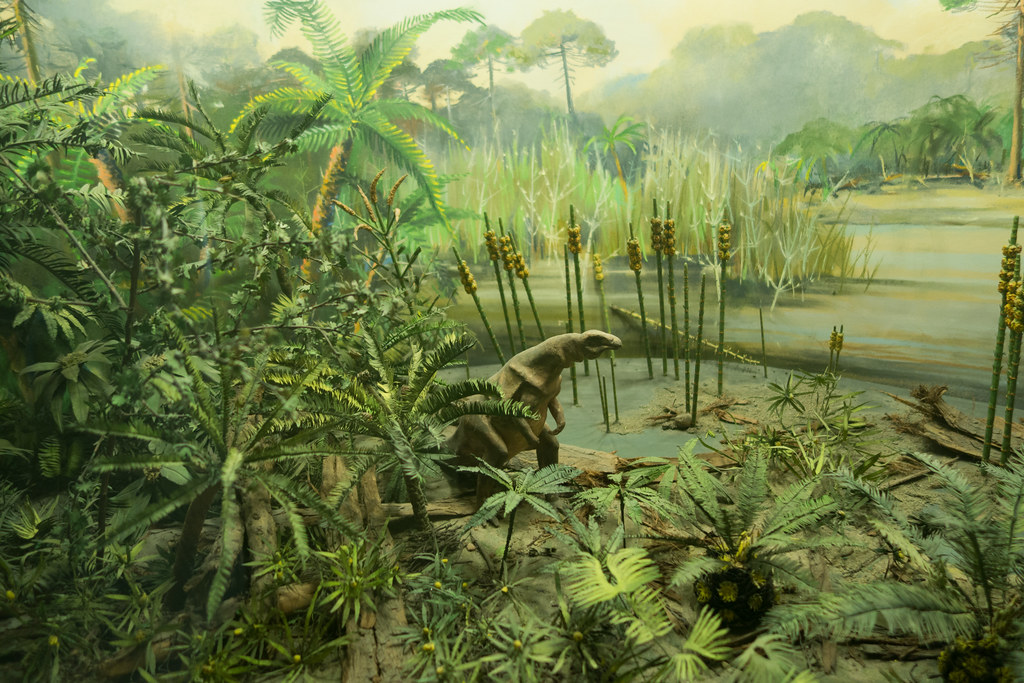
What you have just explored is really a story about connection. The plants set the table, and the dinosaurs had to figure out how to eat what was served. Every specialized tooth, every elongated neck, every extra stomach chamber, and every bank of replacement molars tells you something about the prehistoric vegetation that demanded those changes.
Herbivore dinosaurs played an important role in the evolution of modern-day plants. As they ate different types of vegetation, they spread the seeds of those plants across the landscape, which allowed the plants to spread and diversify, leading to the wide variety of plants we see today. The influence ran in both directions, which is perhaps the most humbling part of the whole story. The plants shaped the dinosaurs. The dinosaurs shaped the plants. Neither story makes complete sense without the other.
It is hard not to feel a little awe at just how tightly the natural world knits itself together across such vast timescales. Next time you walk past a fern or a ginkgo tree, consider that you might be looking at a direct descendant of something a 20-tonne sauropod was munching on 160 million years ago. What do you think, does that change how you look at your garden?