From the mighty Tyrannosaurus rex to the towering Brachiosaurus, dinosaurs dominated Earth for over 165 million years. Their success wasn’t just due to their size or ferocity—their remarkable respiratory systems played a crucial role in fueling their active lifestyles and enormous bodies. Unlike the simple in-and-out breathing we humans experience, dinosaurs evolved sophisticated lung structures that helped power their reign as Earth’s dominant land animals. Recent fossil discoveries and comparative studies with birds—the living descendants of dinosaurs—have revolutionized our understanding of how these magnificent creatures breathed. Let’s explore the fascinating world of dinosaur respiration and the evolutionary adaptations that helped them thrive in ancient ecosystems.
The Evolution of Dinosaur Respiratory Systems
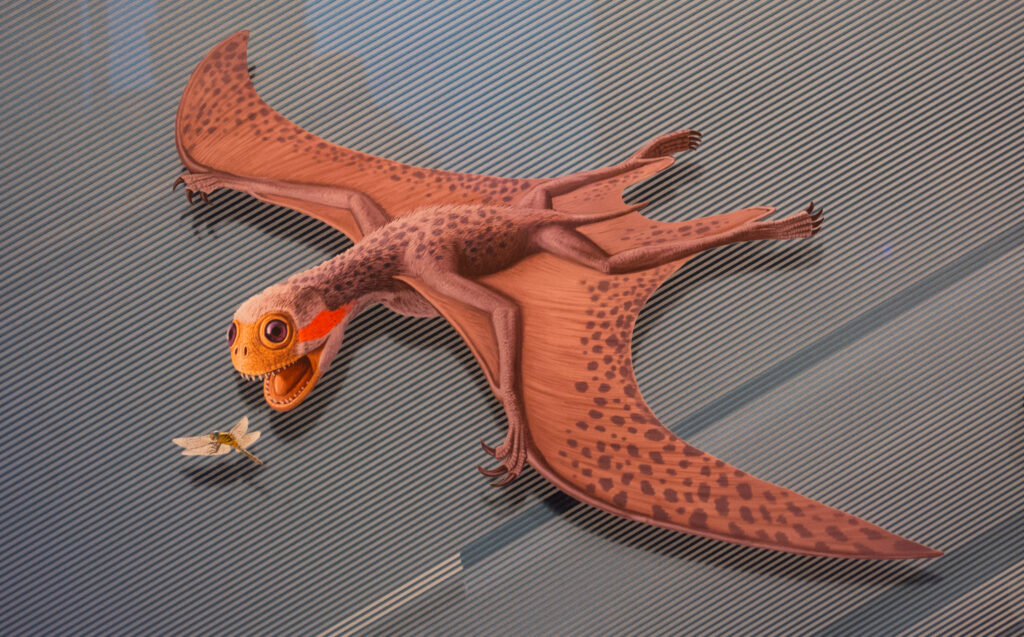
The respiratory systems of dinosaurs didn’t appear suddenly but evolved gradually from their reptilian ancestors. Early archosaurs, the group that includes dinosaurs, crocodilians, and pterosaurs, began developing modifications to their breathing apparatus around 250 million years ago. This evolutionary process was likely driven by increasing oxygen demands as these animals became more active and warm-blooded. Fossil evidence suggests that by the time dinosaurs emerged in the Late Triassic period (about 230 million years ago), many had already developed specialized respiratory features that set them apart from other reptiles. These adaptations ultimately provided dinosaurs with more efficient oxygen extraction, allowing them to sustain higher metabolic rates and greater activity levels than their cold-blooded relatives. The gradual refinement of these respiratory innovations played a significant role in dinosaurs’ eventual dominance of terrestrial ecosystems worldwide.
Bird Lungs vs. Mammal Lungs: Understanding the Difference

To comprehend dinosaur respiration, we must first understand how bird lungs differ from those of mammals like ourselves. Mammalian lungs are relatively simple: air flows in and out through the same passages, creating what scientists call a “tidal” breathing pattern. With each breath, fresh air mixes with stale air already in the lungs, limiting oxygen extraction efficiency. Birds, however, possess a unidirectional airflow system where air moves through their lungs in one direction only, facilitated by air sacs that act as bellows. This system allows birds to extract oxygen both during inhalation and exhalation, essentially breathing continuously. The avian lung tissue itself doesn’t expand and contract but remains rigid, with small tubes called parabronchi where gas exchange occurs. This configuration is dramatically more efficient than mammalian lungs, enabling birds to extract oxygen at high altitudes where the air is thin—a capability that helps power their metabolically demanding flight.
The Bird-Dinosaur Connection: Evidence from Modern Relatives

Modern birds are the direct descendants of theropod dinosaurs, the group that includes Velociraptor and T. rex, providing us with living models for understanding dinosaur physiology. The remarkable respiratory systems of today’s birds didn’t evolve after dinosaurs; rather, they represent an inheritance from their dinosaur ancestors. When scientists examine the skeletal features associated with bird respiration—such as air sacs that leave distinctive marks on bones—they find strikingly similar structures in numerous dinosaur fossils. Pneumatic fossae, hollow chambers within bones where air sacs once extended, appear in fossils ranging from early theropods to massive sauropods. Advanced imaging techniques have revealed these pneumatic features in ever-finer detail, strengthening the case that bird-like breathing was widespread among diverse dinosaur groups. This evolutionary connection provides paleontologists with a reliable model for reconstructing how extinct dinosaurs may have breathed, using their living descendants as crucial reference points.
Air Sacs: The Bellows of Dinosaur Breathing
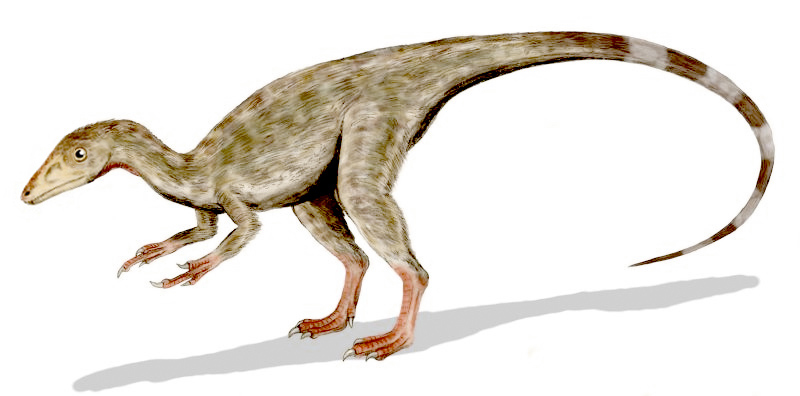
Air sacs were perhaps the most distinctive feature of dinosaur respiration, serving as the driving force behind their efficient breathing mechanism. Unlike the lungs themselves, these thin-walled, balloon-like structures didn’t directly participate in gas exchange but instead functioned as sophisticated bellows that kept air flowing through the lungs. Most dinosaurs likely possessed multiple pairs of air sacs strategically positioned in the neck, chest, and abdominal regions, creating a complex network that encompassed much of their body cavity. When a dinosaur inhaled, some air sacs expanded while others contracted, establishing a continuous, one-way flow of oxygen-rich air through the lungs. This arrangement ensured that fresh air constantly bathed the respiratory surfaces, maximizing oxygen uptake regardless of whether the animal was inhaling or exhaling. The extensive air sac system also significantly reduced body weight by replacing dense tissue with air-filled cavities—a crucial adaptation for the largest dinosaurs, whose massive size would otherwise have made movement prohibitively energy-intensive.
Pneumatic Bones: Lightweight Engineering in Dinosaur Skeletons

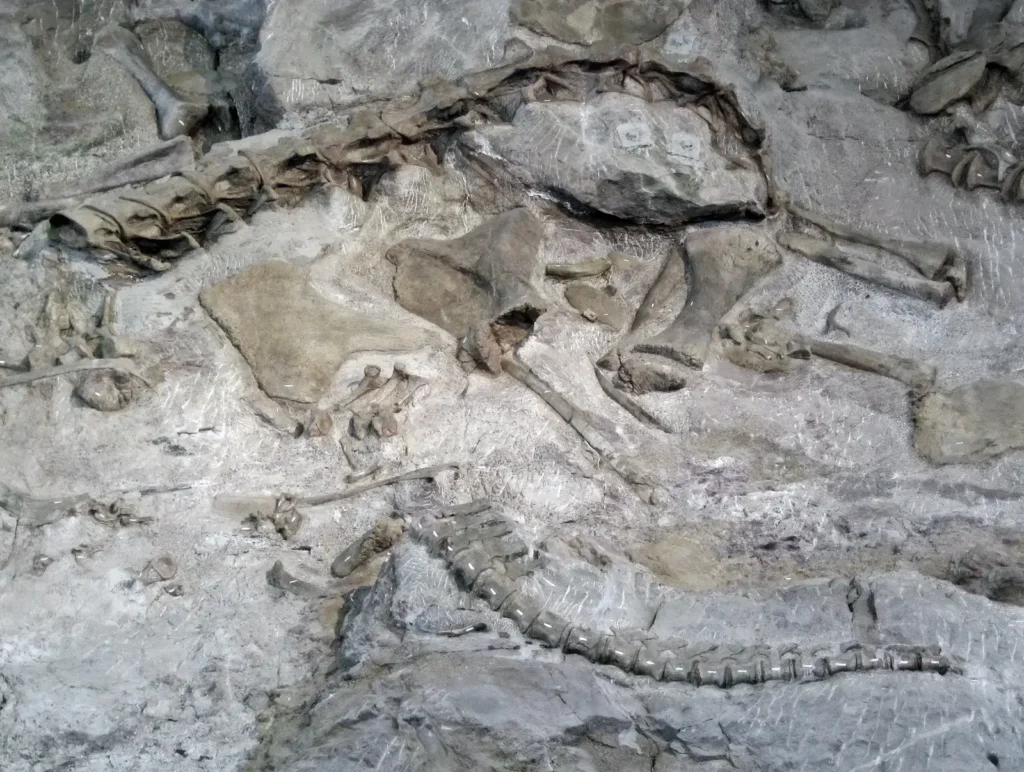
One of the most distinctive features of dinosaur respiration was the extensive pneumatization of their skeletons—air-filled cavities within bones that connected to the respiratory system. Unlike the solid bones of mammals, many dinosaur vertebrae, ribs, and even limb bones were honeycombed with air spaces penetrated by extensions of their air sacs. These pneumatic bones created a weight-saving architecture that maintained structural strength while dramatically reducing mass, similar to the principle behind modern aircraft design. In sauropods like Diplodocus and Brachiosaurus, pneumaticity was particularly extreme, with some vertebrae containing more air than bone by volume. Paleontologists can identify these features in fossils by locating the small openings, called pneumatic foramina, where air sac diverticula once entered the bones. The degree of pneumaticity varies significantly between dinosaur groups, with flying and large-bodied species typically showing the most extensive bone hollowing—evidence that this adaptation served dual respiratory and weight-reduction functions crucial for their unique lifestyles.
Uncinate Processes: The Breathing Levers

Among the skeletal features that supported dinosaur respiration, uncinate processes stand out as particularly important mechanical elements. These hook-shaped bone projections extended backward from the ribs of many dinosaur species, serving as attachment points for specialized breathing muscles. In modern birds, uncinate processes function as levers that enhance the efficiency of chest movements during respiration, and fossil evidence suggests they performed a similar role in their dinosaur ancestors. Notably, paleontologists have discovered well-preserved uncinate processes in various theropod dinosaurs, including oviraptorosaurs and dromaeosaurs (the group containing Velociraptor). These structures were not uniform across all dinosaurs—their size and shape varied between species, likely reflecting differences in breathing mechanics and metabolic demands. The presence of these specialized breathing adaptations provides compelling evidence that many dinosaurs breathed more like modern birds than like crocodiles or other reptiles, suggesting higher metabolic rates and more active lifestyles than traditionally portrayed in older scientific reconstructions.
The Unique Challenge of Sauropod Respiration
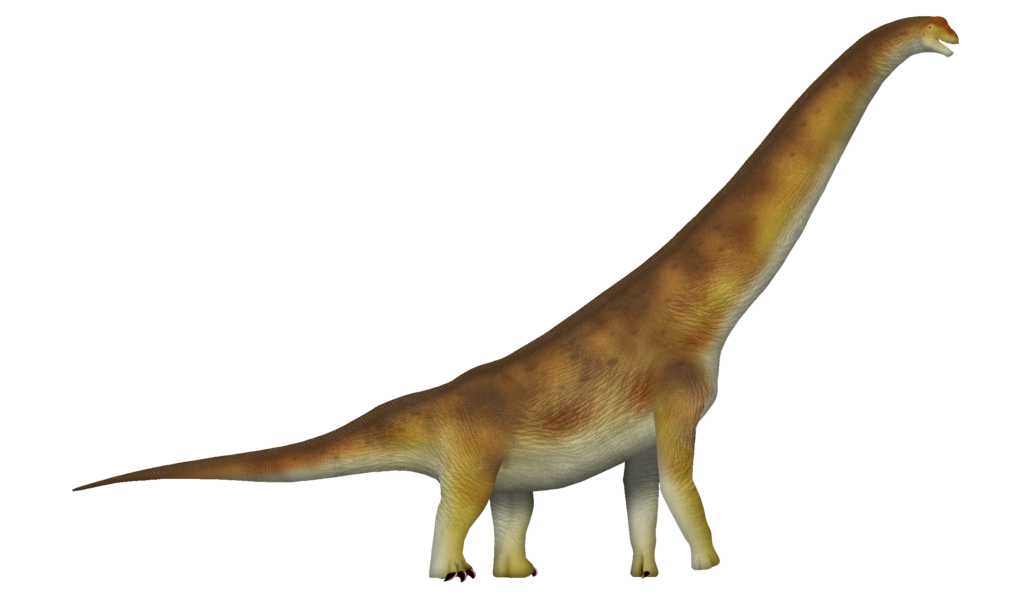
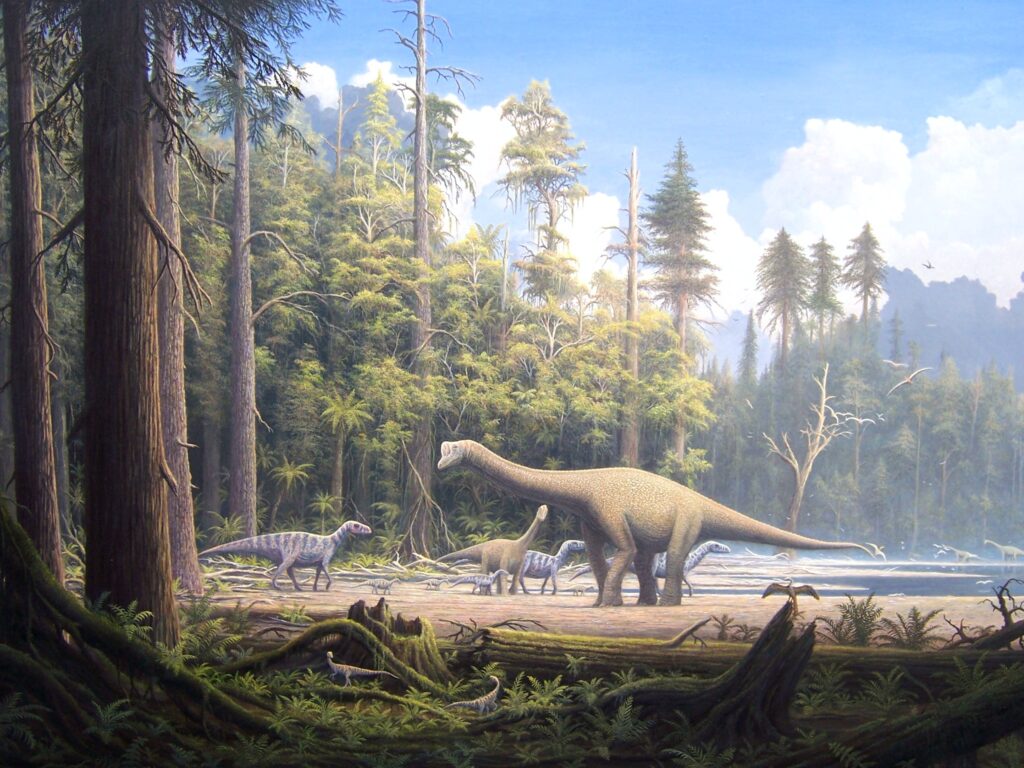
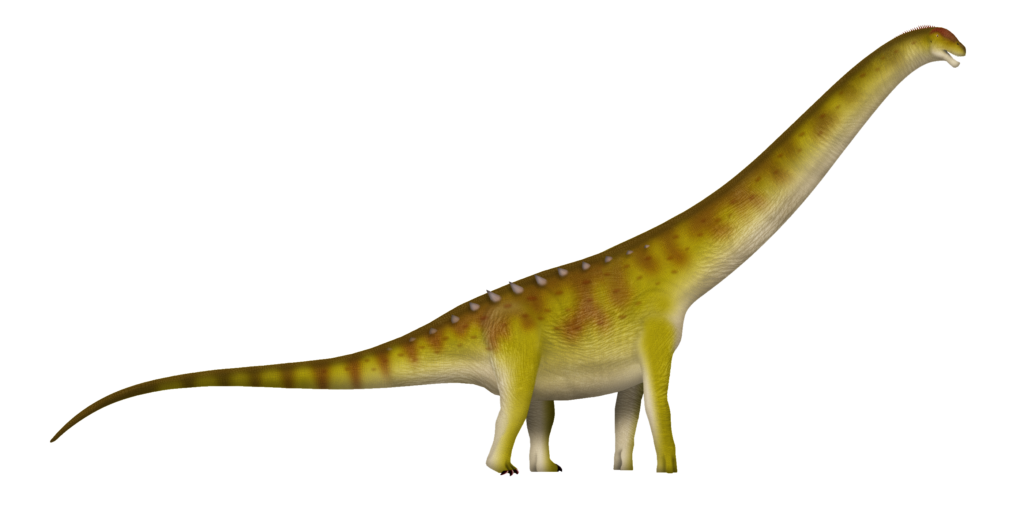
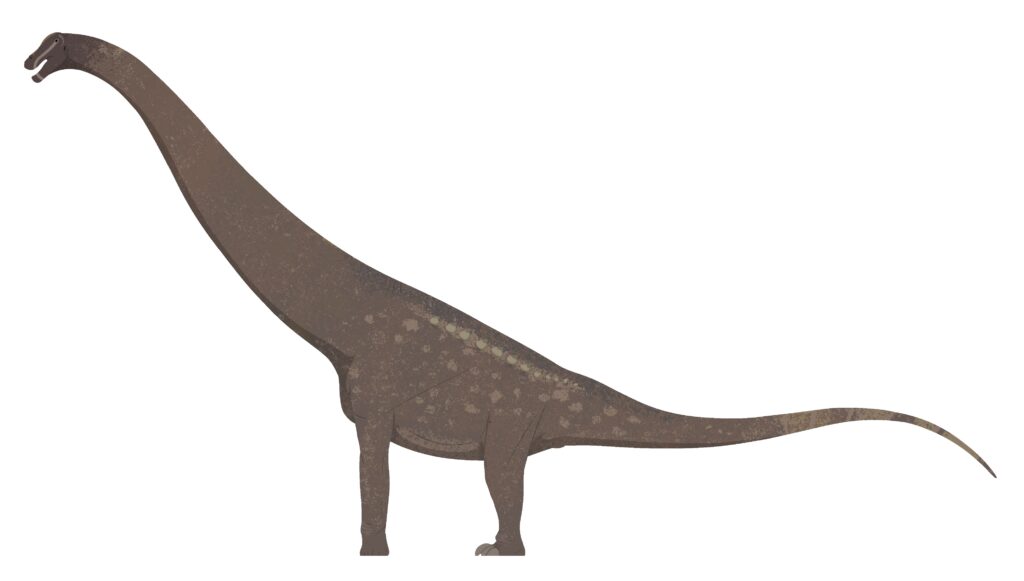
Long-necked sauropods like Brachiosaurus and Diplodocus presented extraordinary respiratory challenges that required special adaptations. With necks spanning up to 50 feet in some species, these dinosaurs faced significant dead space—the volume of air in the trachea that doesn’t participate in gas exchange. To overcome this obstacle, sauropods likely possessed highly specialized airways and an extensive system of cervical air sacs distributed along their necks. Fossil evidence reveals that sauropod vertebrae contained complex networks of air spaces, indicating that air sacs extended throughout their enormously long necks. This arrangement would have minimized the metabolic cost of breathing through such extended airways by reducing the weight of the neck and potentially allowing for local gas exchange closer to the head. Additionally, the tremendous volume of their chest cavities suggests massive lung capacity, possibly with multiple subdivisions to maintain efficient respiration despite their enormous body size. These respiratory adaptations were crucial evolutionary innovations that enabled sauropods to evolve their characteristic body plan with necks that remain unparalleled in length among all known animals.
Theropod Dinosaurs and Their Bird-Like Breathing
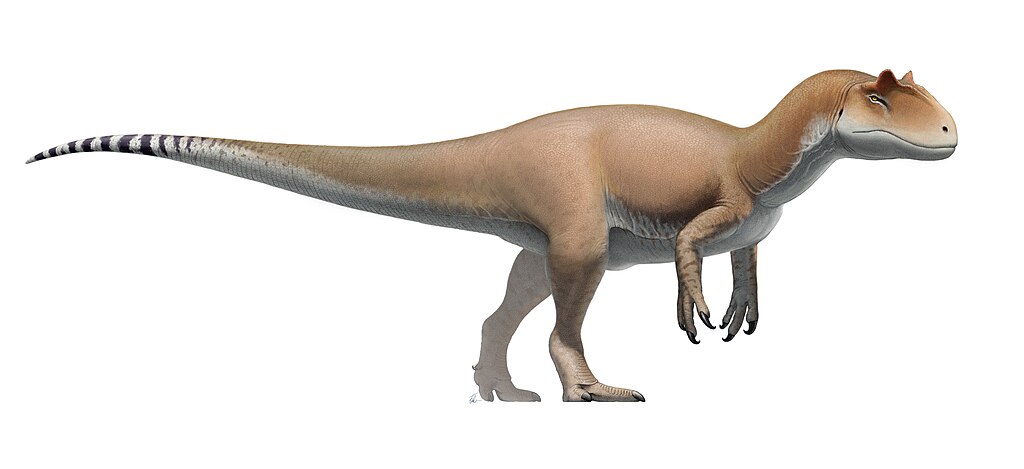
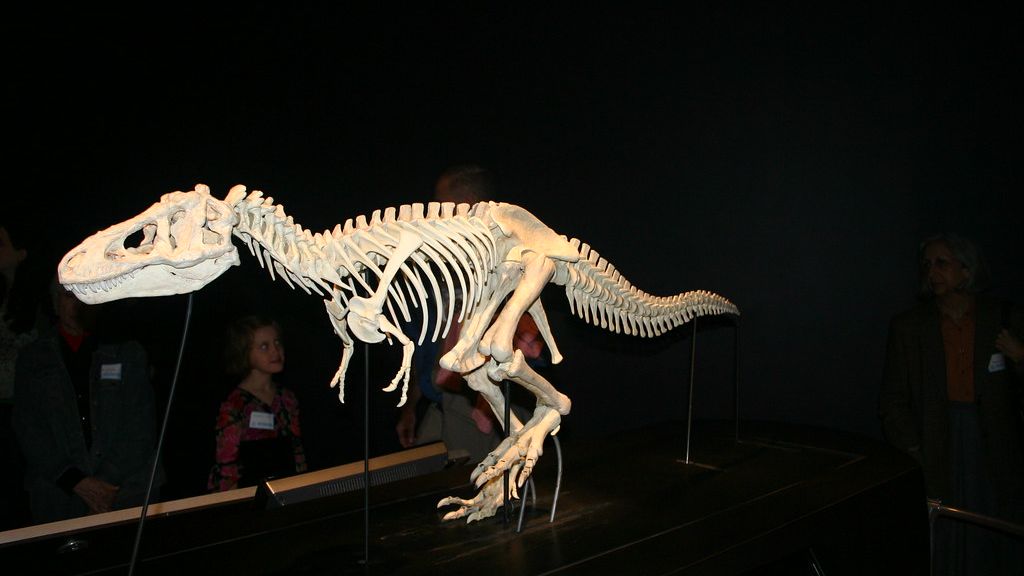
Theropod dinosaurs—the lineage that includes Velociraptor, Allosaurus, and the ancestors of modern birds—show some of the clearest evidence of advanced respiratory systems. Their fossils reveal extensive pneumatic features throughout the vertebral column and ribcage, indicating a complex network of air sacs similar to those found in living birds. CT scans of well-preserved theropod specimens have revealed hollow chambers within the vertebrae that once housed extensions of the respiratory system, confirming the presence of air sacs in these predatory dinosaurs. Particularly striking is the evidence from smaller theropods like Microraptor and Archaeopteryx, which show intermediate stages in the evolution of the avian respiratory system. These dinosaurs possessed not only pneumatic bones but also rigid ribcages with specialized articulations that would have facilitated the expansion and contraction of air sacs with each breath. The extensive similarities between theropod respiratory anatomy and that of modern birds strongly suggest that these dinosaurs breathed using a flow-through lung system that provided the high metabolic capacity needed for their active, predatory lifestyles.
Ornithischian Breathing: Different Dinosaurs, Different Solutions

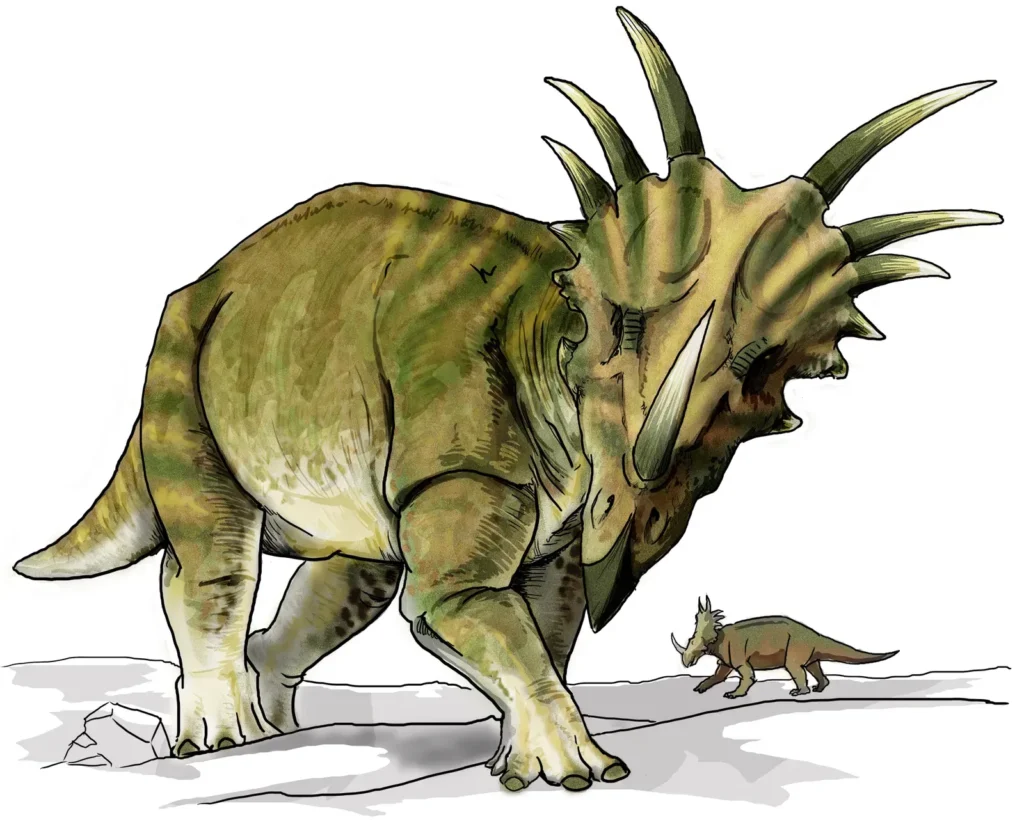
Ornithischian dinosaurs—which include Triceratops, Stegosaurus, and hadrosaurs—show somewhat different respiratory adaptations from their saurischian relatives. While they generally lacked the extensive pneumatization seen in theropods and sauropods, ornithischians evolved their officient breathing mechanisms. Many possessed expanded ribcages with specialized gastralia (belly ribs) that likely assisted in ventilation by helping to expand and contract the abdominal cavity during breathing. Particularly interesting are the hadrosaurs, or duck-billed dinosaurs, whose complex nasal passages formed elaborate resonating chambers that may have enhanced breathing efficiency while also serving communication functions. Some ornithischian species show evidence of uncinate processes on their ribs, similar to those found in birds and theropod dinosaurs, suggesting convergent evolution of enhanced breathing mechanics. While ornithischians may not have possessed the full bird-like respiratory system of theropods, their specialized adaptations indicate that efficient breathing was crucial across diverse dinosaur lineages, reflecting the generally high metabolic demands of these remarkable animals.
How Dinosaur Breathing Supported Their Metabolism
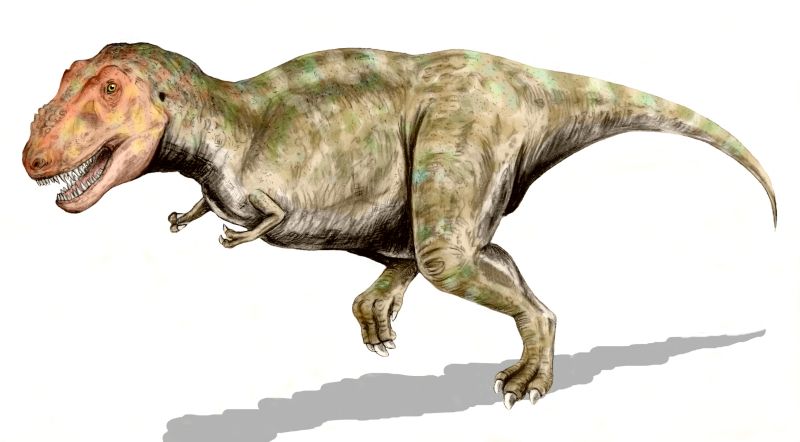
The sophisticated respiratory systems of dinosaurs were intimately linked to their metabolic requirements and activity levels. Unlike typical reptiles that rely on inefficient tidal breathing, dinosaurs’ flow-through lung systems would have provided continuous oxygen delivery to support higher metabolic rates. This enhanced respiratory efficiency likely allowed many dinosaurs to maintain internal temperatures higher than ambient conditions—a form of endothermy or “warm-bloodedness” similar to modern birds and mammals. Oxygen isotope studies of dinosaur bone microstructure suggest body temperatures significantly above those of their environments, requiring respiratory systems capable of supporting increased metabolic demands. The correlation between pneumatic features and growth rates in dinosaur fossils further supports this connection—species with more extensive air sac systems typically show faster growth, indicating higher metabolism. By maximizing oxygen extraction through their specialized lungs, dinosaurs could fuel rapid growth, sustained activity, and potentially thermal regulation strategies that weren’t possible for other reptiles of their era, giving them significant ecological advantages that contributed to their 165-million-year dominance of terrestrial ecosystems.
Reconstructing Dinosaur Breathing: Methods and Challenges

Determining exactly how extinct dinosaurs breathed presents significant scientific challenges, requiring multiple lines of evidence and sophisticated research methods. Paleontologists primarily rely on skeletal indicators—pneumatic foramina, uncinate processes, and rib articulations—that preserve evidence of respiratory structures long after soft tissues have decomposed. Advanced imaging technologies like computed tomography (CT) scanning allow researchers to peer inside fossils non-destructively, revealing internal air spaces and subtle anatomical features that might otherwise remain hidden. Comparative studies with living birds and crocodilians provide crucial reference points, helping scientists understand how skeletal features correlate with soft-tissue respiratory structures. Modern engineering principles, including computational fluid dynamics, allow researchers to model airflow through reconstructed dinosaur airways, testing hypotheses about breathing efficiency. Despite these powerful methods, significant uncertainties remain about the precise functioning of dinosaur lungs, particularly in groups without close modern relatives. Each new fossil discovery, especially those preserving soft-tissue impressions or exceptionally complete skeletons, continues to refine our understanding of these remarkable respiratory systems.
Breathing in Different Environments: Dinosaur Adaptations

Dinosaurs thrived across diverse environments worldwide, from arid deserts to lush coastal swamps, with their respiratory systems adapting to these varied conditions. The highly efficient oxygen extraction capabilities of their flow-through lungs would have been particularly advantageous in oxygen-poor environments like high-altitude regions or the low-oxygen atmospheres of certain periods in Earth’s history. During the Early Jurassic period, for instance, atmospheric oxygen levels were lower than today, yet dinosaurs flourished while many other terrestrial animals struggled. Some dinosaurs living in semi-aquatic environments may have evolved specialized respiratory adaptations for prolonged swimming or diving, though these remain speculative based on current fossil evidence. Particularly interesting are polar dinosaurs, which survived in high-latitude regions with extended periods of darkness and cool temperatures. Their efficient respiratory systems would have supported the high metabolic rates needed to maintain activity in these challenging environments, potentially allowing some species to remain year-round residents rather than seasonal migrants. These environmental adaptations highlight the versatility of dinosaur respiration, which contributed significantly to their global distribution across diverse habitats.
The Legacy of Dinosaur Breathing in Modern Birds
The sophisticated respiratory system that once powered dinosaurs continues to function today in their surviving descendants—modern birds. The avian respiratory system, with its unidirectional airflow, rigid lungs, and extensive air sacs, represents the culmination of respiratory adaptations that began evolving over 200 million years ago in dinosaur ancestors. This respiratory efficiency enables birds to perform extraordinary feats, from bar-headed geese flying over Mount Everest to swifts remaining continuously airborne for months. The stages of this evolutionary refinement can be traced through the fossil record, from early theropod dinosaurs with the first pneumatic vertebrae to increasingly bird-like forms showing more complex respiratory specializations. Remarkably, even flightless birds retain this highly efficient breathing apparatus, highlighting how this dinosaurian innovation provides metabolic advantages beyond just powering flight. Understanding this evolutionary continuity has transformed our view of birds from being merely related to dinosaurs to being recognized as living dinosaurs themselves—the last survivors of a respiratory revolution that began in the Mesozoic Era and continues to function today in the approximately 10,000 bird species worldwide.
Conclusion
The respiratory systems of dinosaurs represent one of evolution’s most remarkable innovations—a sophisticated breathing apparatus that helped power the most successful group of land animals in Earth’s history. From the massive air sac systems of long-necked sauropods to the bird-like flow-through lungs of theropods, dinosaurs evolved respiratory solutions that far surpassed the simpler breathing mechanisms of their reptilian contemporaries. These adaptations provided the oxygen-delivery efficiency needed to sustain active lifestyles and, in many cases, high metabolic rates that blurred the traditional boundaries between “cold-blooded” and “warm-blooded” animals. As paleontological techniques continue to advance, we gain ever more detailed insights into how these magnificent creatures breathed. The dinosaurian respiratory system—surviving today in birds—stands as a testament to the power of natural selection to craft complex solutions to biological challenges, ultimately contributing to the spectacular 165-million-year reign of dinosaurs on Earth.