You might find it hard to imagine when you’re watching a robin hop around your backyard or hearing a crow caw from a telephone wire, but the creatures you’re looking at are, in fact, living dinosaurs. It’s one of the most extraordinary transformations in the history of life on Earth. From massive, fearsome predators stalking prehistoric landscapes to tiny, feathered creatures soaring through modern skies, the story of how dinosaurs became is nothing short of mind blowing.
Decades of major new discoveries and studies have convinced researchers that there’s a direct link between modern bird species and theropod dinosaurs. This isn’t just some fringe theory anymore. The evidence has piled up so high that scientists now consider to be avian dinosaurs, the only dinosaur lineage to survive the mass extinction that wiped out their relatives roughly sixty-six million years ago. But this incredible journey didn’t happen overnight. What you’ll discover next might completely change how you look at the outside your window.
The Theropod Connection You Never Knew About
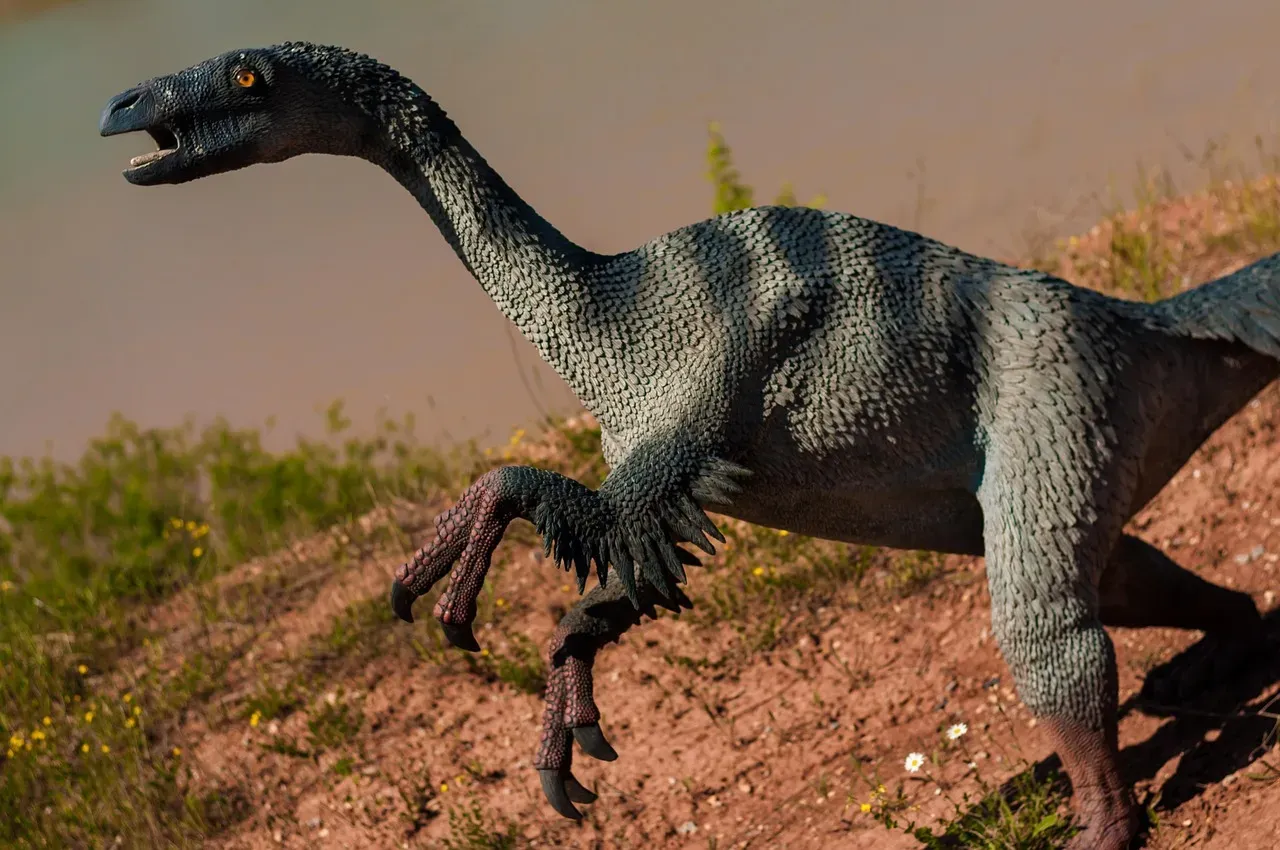
The gradual evolutionary change – from fast-running, ground-dwelling, bipedal theropods to small, winged, flying birds – probably started about 160 million years ago. Theropods were a group of carnivorous, two-legged dinosaurs that included some of the most iconic creatures ever to walk the planet, like Tyrannosaurus rex and Velociraptor. Yet hidden among these apex predators was a lineage that would eventually take to the skies.
Modern birds can trace their origins to theropods, a branch of mostly meat-eaters on the dinosaur family tree. Think about that for a second. The pigeon you see pecking at breadcrumbs shares a common ancestor with creatures that once terrorized the ancient world. What makes this connection even more fascinating is that theropods already possessed many traits we associate with birds today, long before actual birds existed.
Feathers Came First, Flight Came Later
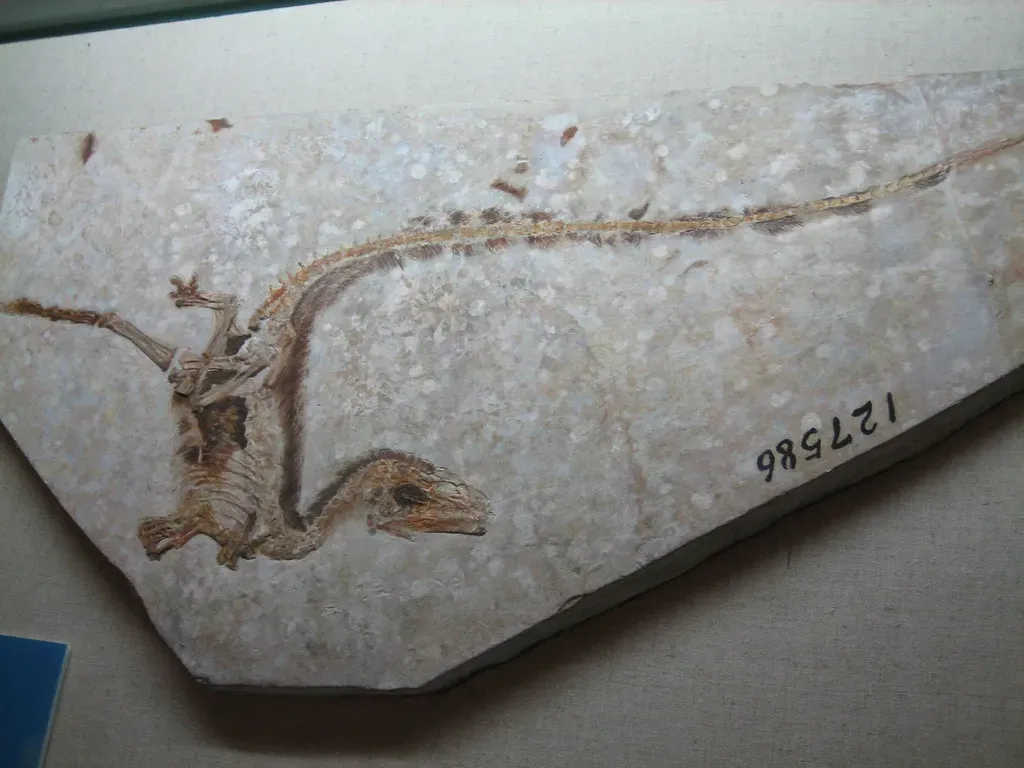
Here’s where things get really interesting. Feathers did not suddenly spring forth with the first birds but originally debuted far earlier, in their distant dinosaurian ancestors. The common ancestor of all dinosaurs may have even been a feathered species. Many people assume feathers evolved for flight, but that’s putting the cart before the horse.
The plumage of Sinosauropteryx, along with many other dinosaurs, looked more like fluff, made up of thousands of hairlike filaments. No way could these dinosaurs fly – their feathers were too simple to catch the wind, and they did not even have wings. The first feathers must have therefore evolved for something else, probably to keep these small dinosaurs warm. In other words, feathers initially served as insulation, much like your winter coat keeps you cozy. Flight was a secondary benefit that came much, much later. Some dinosaurs may have also used their colorful plumage for display during mating rituals or to intimidate rivals, just like peacocks do today.
The Shrinking Act That Made Flight Possible
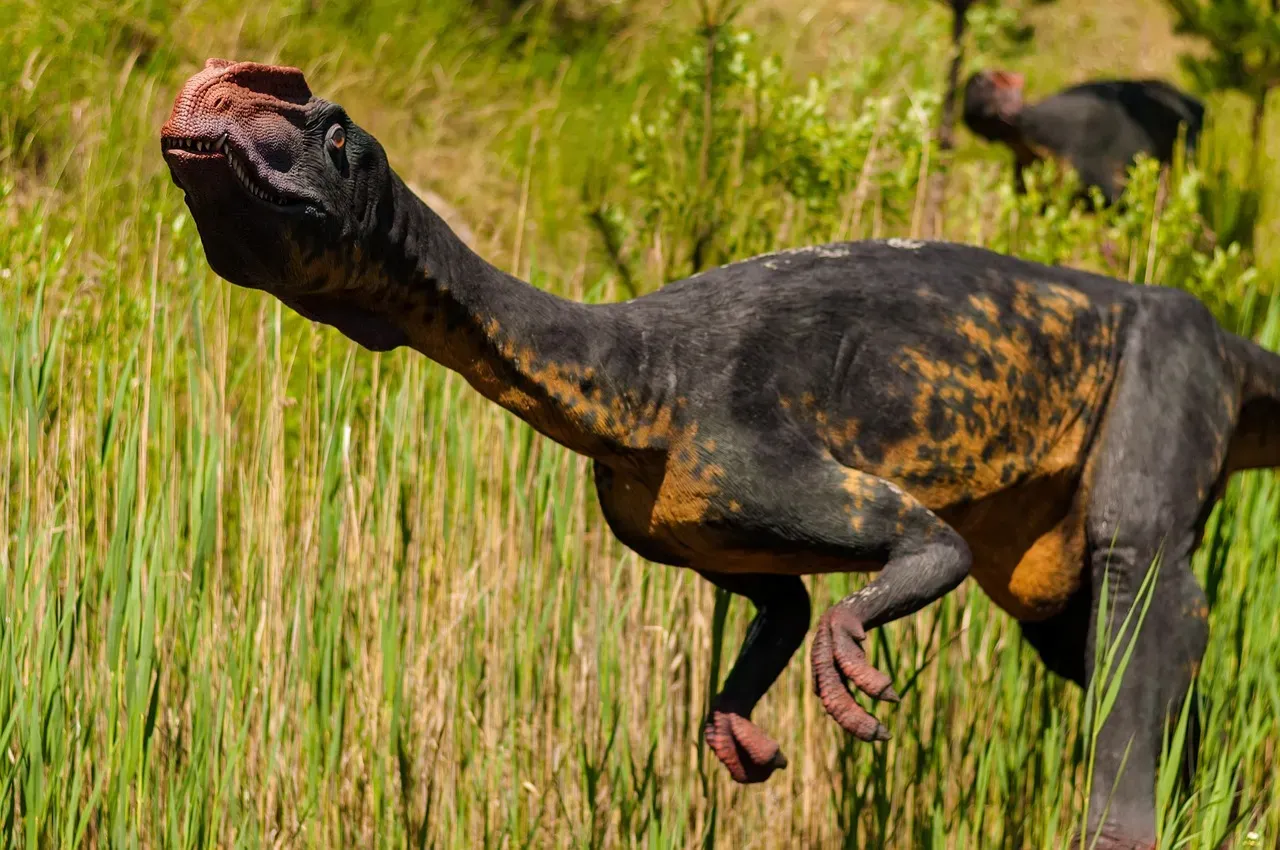
During the course of their evolutionary history, the body size of some theropod groups gradually decreased. This trend, together with many other changes to the skeleton, ultimately led to the appearance of birds. Imagine going from a creature weighing several hundred pounds to something you could hold in your hand. That’s a dramatic transformation by any measure.
Small body size evolved through a gradual trend of reduction that began with maniraptorans and lasted more than 50 million years. Exactly what drove this trend is unclear, but one possibility is that the ever shrinking physiques of these feathery dinosaurs gave them entry to new ecological niches – trees, brush, perhaps even underground caves or burrows that were inaccessible to giants such as Brachiosaurus and Stegosaurus. Being small had its advantages. You could climb trees, escape predators more easily, and access food sources that larger animals couldn’t reach. Evolution doesn’t plan ahead, yet somehow this gradual miniaturization set the stage for one of nature’s greatest innovations.
Hollow Bones: Nature’s Engineering Marvel
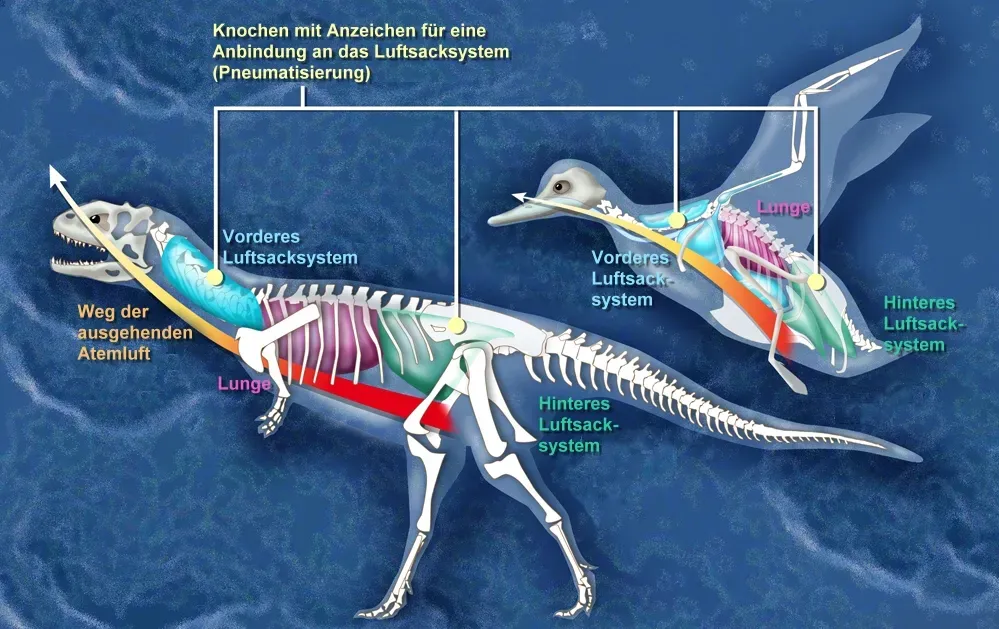
The development of hollow bones with air-filled cavities came early in the history of dinosaurs. Hollow bones might have first appeared as early as the Middle Triassic, around 245 million years ago in the last common ancestor of dinosaurs and pterosaurs. Hollow bones evolved independently in multiple groups of extinct ornithodirans, a group of reptiles more closely related to birds than crocodiles. This is one of those features that makes you appreciate just how clever evolution can be without even trying.
Like present-day birds, dinosaurs had hollow bones with inner structures known as air sacs, which made their skeletons lighter and less dense. These structures were apparently so advantageous that they emerged at least three times during the evolution of dinosaurs and pterosaurs. Less dense bones containing more air gave the dinosaurs and pterosaurs more oxygen circulating in their blood, as well as more agility to hunt, flee and fight, or even to fly. Hollow bones weren’t just about weight reduction. They also played a crucial role in respiration, creating a super-efficient breathing system that would eventually allow birds to fly at altitudes that would leave most mammals gasping for air.
Archaeopteryx: The Famous Transitional Fossil
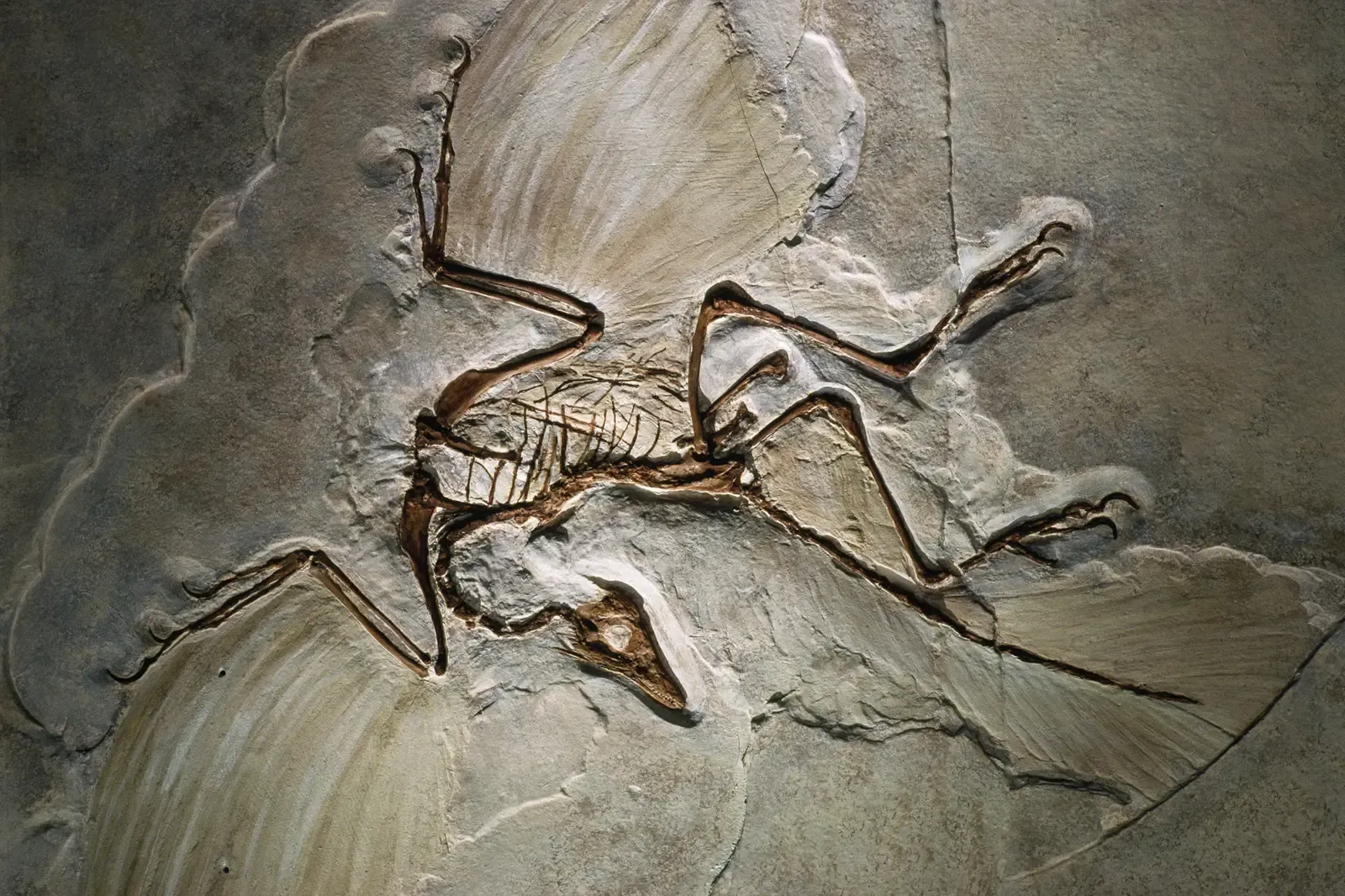
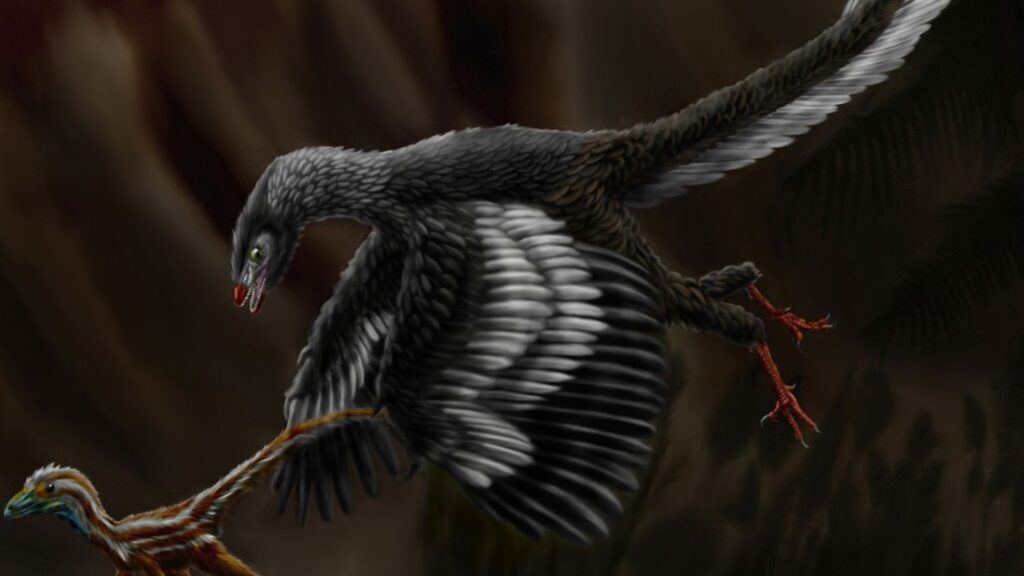
Because it displays features common to both birds and non-avian dinosaurs, Archaeopteryx has often been considered a link between them. These features make Archaeopteryx a clear candidate for a transitional fossil between non-avian dinosaurs and avian dinosaurs (birds). Discovered in Germany back in the 1860s, this crow-sized creature caused quite a stir in scientific circles.
Archaeopteryx was a primitive bird with feathers, but its fossilised skeleton looks more like that of a small dinosaur. Unlike modern birds it had a full set of teeth, a long bony tail and three claws on its wing which may have been used for grasping branches. However, Archaeopteryx did have a wishbone, wings and asymmetrical ‘flight’ feathers, like a bird. It is likely that Archaeopteryx could fly, although perhaps not strongly. Picture a creature caught between two worlds, not quite a dinosaur anymore but not exactly a modern bird either. That’s Archaeopteryx in a nutshell. Though it could probably fly or at least glide, it wasn’t the graceful flier you’d see today. More like a clumsy experiment that nature was still perfecting.
Wings and Wrists: The Biomechanics of Transformation
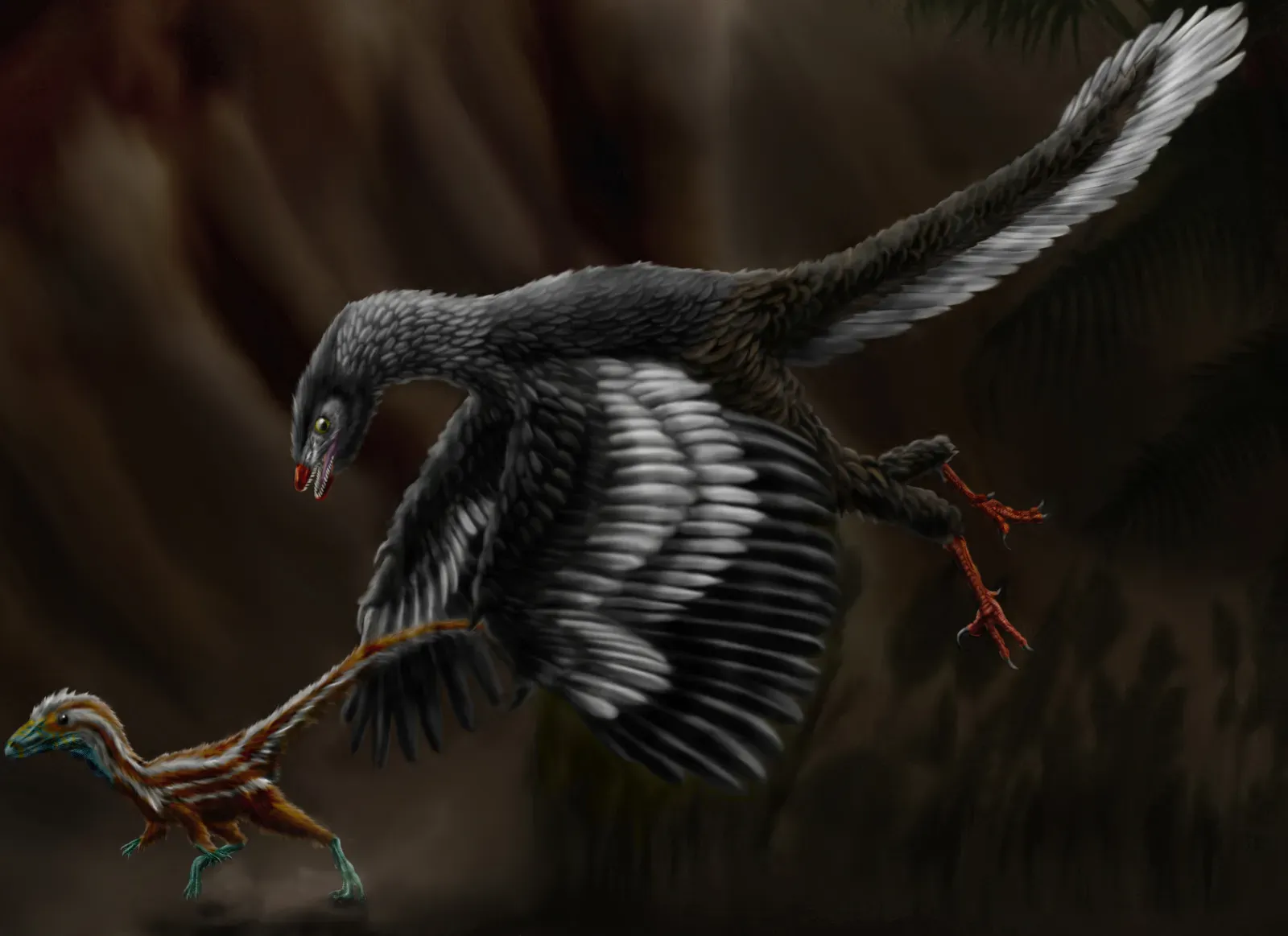
The wishbone, which was present in non-bird dinosaurs, became stronger and more elaborate, and the bones of the shoulder girdle evolved to connect to the breastbone, anchoring the flight apparatus of the forelimb. The breastbone itself became larger, and evolved a central keel along the midline of the breast which served to anchor the flight muscles. The arms evolved to be longer than the legs, as the main form of locomotion switched from running to flight, and teeth were lost repeatedly in various lineages of early birds.
The wrist bones underlying the first and second digits consolidated and took on a semicircular form that allowed the hand to rotate sideways against the forearm. This eventually allowed birds’ wing joints to move in a way that creates thrust for flight. These modifications didn’t happen all at once. Each small change provided some advantage, and over millions of years, these tweaks accumulated until you had a fully functional flying machine. The arms that once grabbed prey became wings that caught the wind.
Beaks Over Teeth: A Game Changing Adaptation
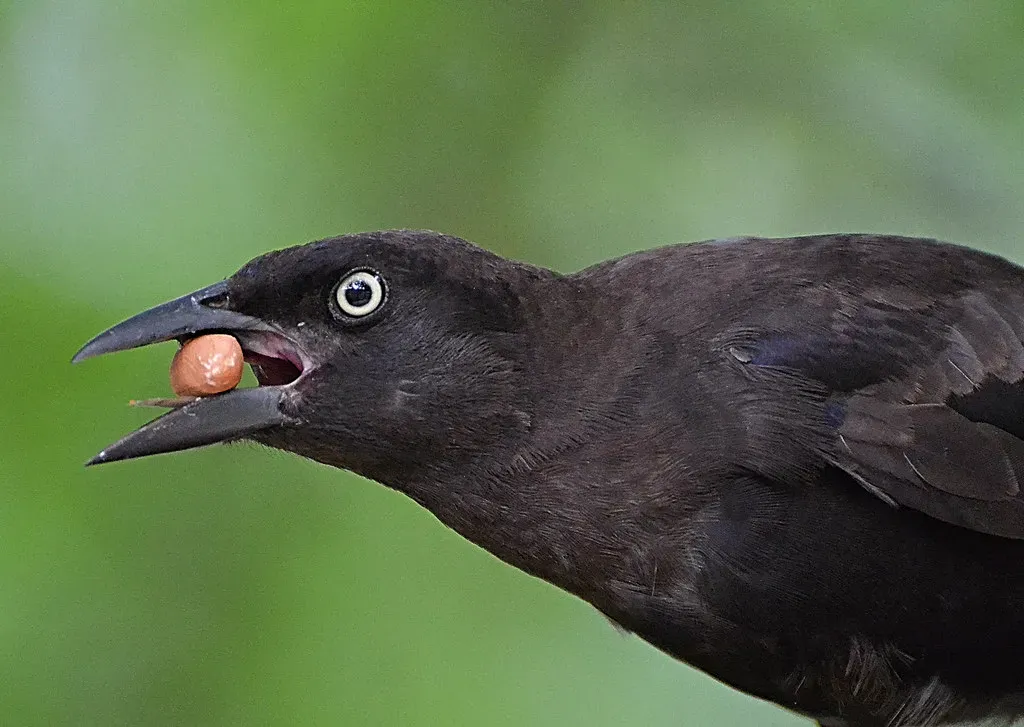
Instead of a jawbone and teeth, they have a beak made of keratin, which is lighter than bone. All these things reduce the bird’s weight. Losing your teeth might sound like a disadvantage, but for birds, it was actually a brilliant move. Teeth are heavy, and when you’re trying to fly, every ounce matters.
In new research, published last month in Evolution, the researchers show that just a few small genetic tweaks can morph a bird face into one that resembles a dinosaur. In modern birds, two bones known as the premaxillary bones fuse to become the beak. That structure is quite distinct from that of dinosaurs, alligators, ancient birds and most other vertebrates, in which these two bones remain separate, shaping the snout. The beak became one of the most versatile tools in the animal kingdom. Birds use it for everything from cracking seeds to catching fish, building nests, grooming feathers, and even fighting. It’s nature’s Swiss Army knife, and it all came from losing those heavy dinosaur teeth.
The Brain Boost That Made Birds Smarter
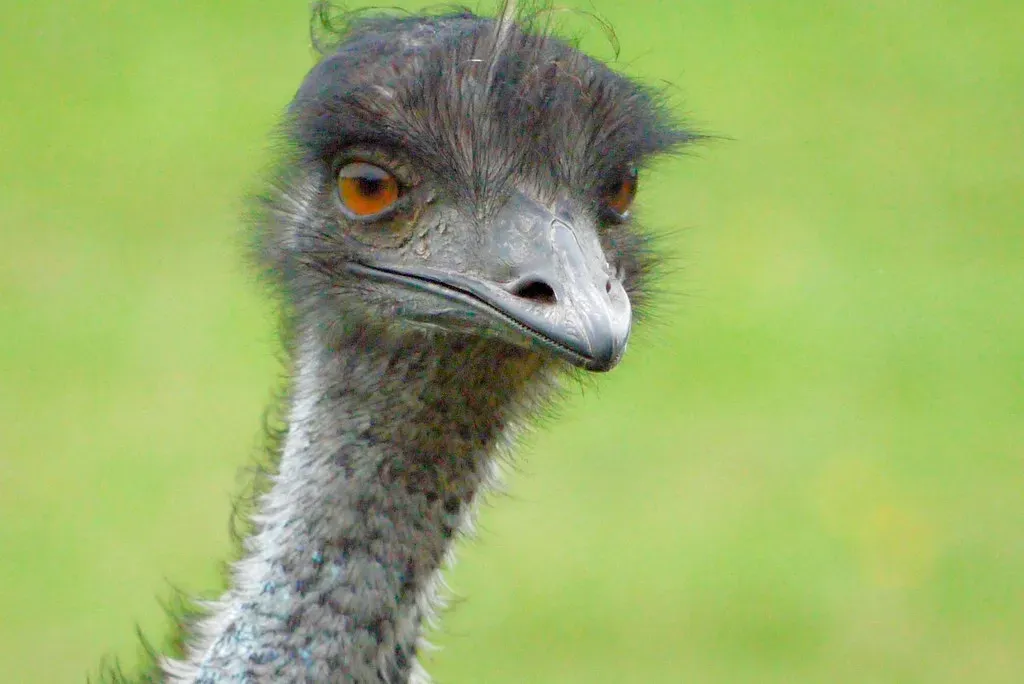
A babylike skull in adults might also help explain birds’ increased brain size, since baby animals generally have larger heads relative to their bodies than adults do. A great way to improve brain size is to retain child size into adulthood. Birds aren’t just flying dinosaurs; they’re also remarkably intelligent creatures, and this wasn’t an accident.
Significant changes to brain size and skull flexibility played a pivotal role in shaping how birds interact with their environment. At the heart of their findings is the concept of cranial kinesis, the capacity of certain animals, including birds, to move different parts of their skull independently. This flexibility enables them to exploit a variety of feeding strategies that would be impossible for less versatile creatures. As brain size increased, the positioning of muscles within the skull changed, allowing for greater mobility of the palate. This flexibility, coupled with enhanced muscle force, facilitated the development of cranial kinesis, providing birds with an adaptive edge that allowed them to diversify into the vast array of species we recognize today. Crows can solve puzzles, parrots can mimic human speech, and ravens can plan for the future. These cognitive abilities have deep roots in the evolutionary changes that transformed dinosaurs .
Survival Through Catastrophe
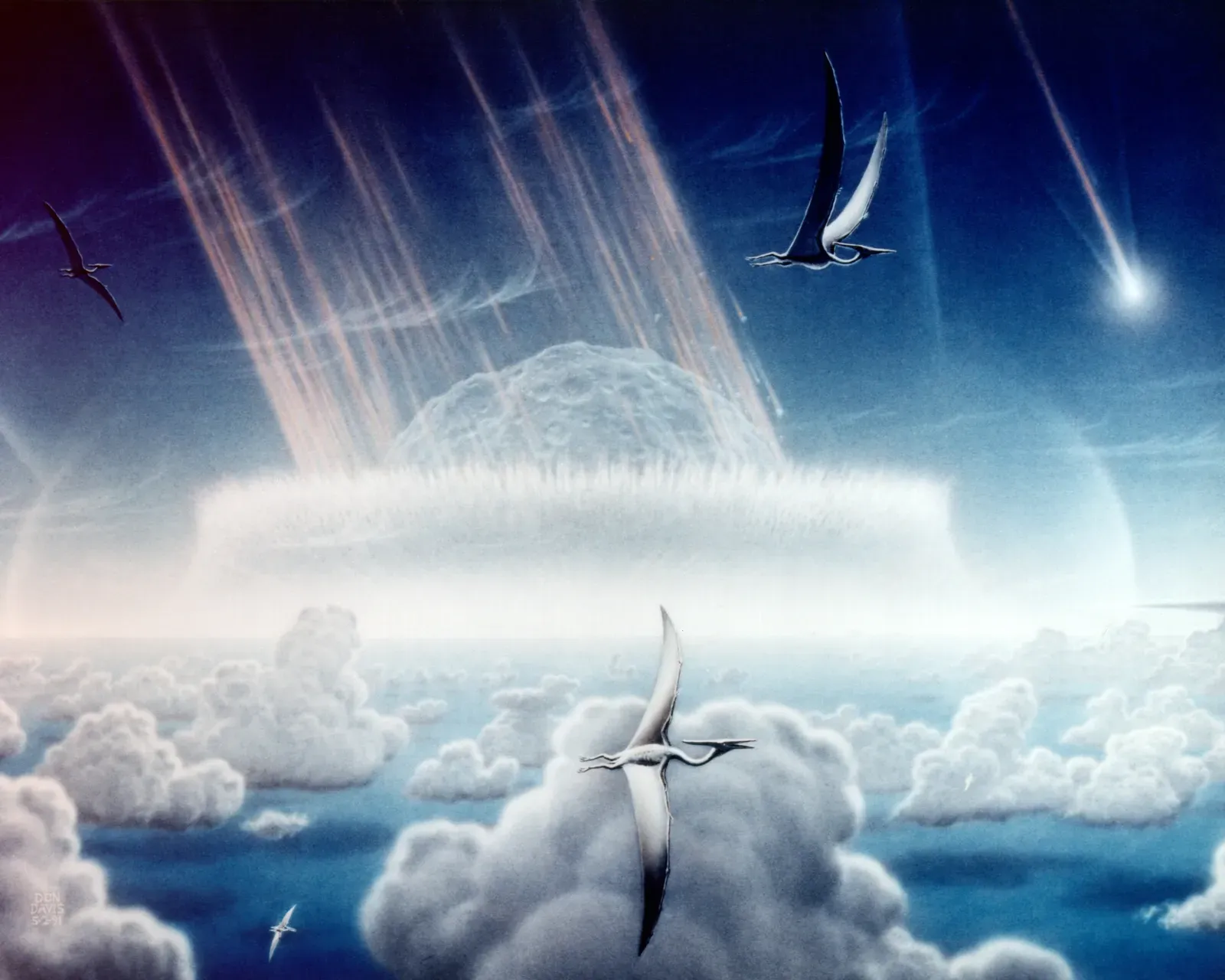
Dinosaurs (both non-avian and avian dinosaurs) and birds coexisted for millions of years before non-avian dinosaurs became extinct about 66 million years ago. Avian dinosaurs, however, had already begun evolving a variety of adaptations – including bipedal mobility and feathers – that allowed them to exploit (and survive in) other habitats that were not accessible to non-avian dinosaurs. When that asteroid slammed into Earth, creating a global catastrophe, most dinosaurs perished. Yet some survived.
Unlocking fight as an evolutionary niche in a new way may also have been what allowed birds to escape the extinction of other dinosaurs some 66 million years ago. Small dinosaurs that flew had a lot of advantages over other ones. Being small, being able to fly, and having diverse diets probably gave early birds the edge they needed to survive when their larger cousins couldn’t. They could escape danger, find food in different places, and adapt to rapidly changing environments. In the aftermath of the extinction, these survivors radiated into the incredible diversity of bird species we see today, from hummingbirds to ostriches, penguins to eagles.
Conclusion
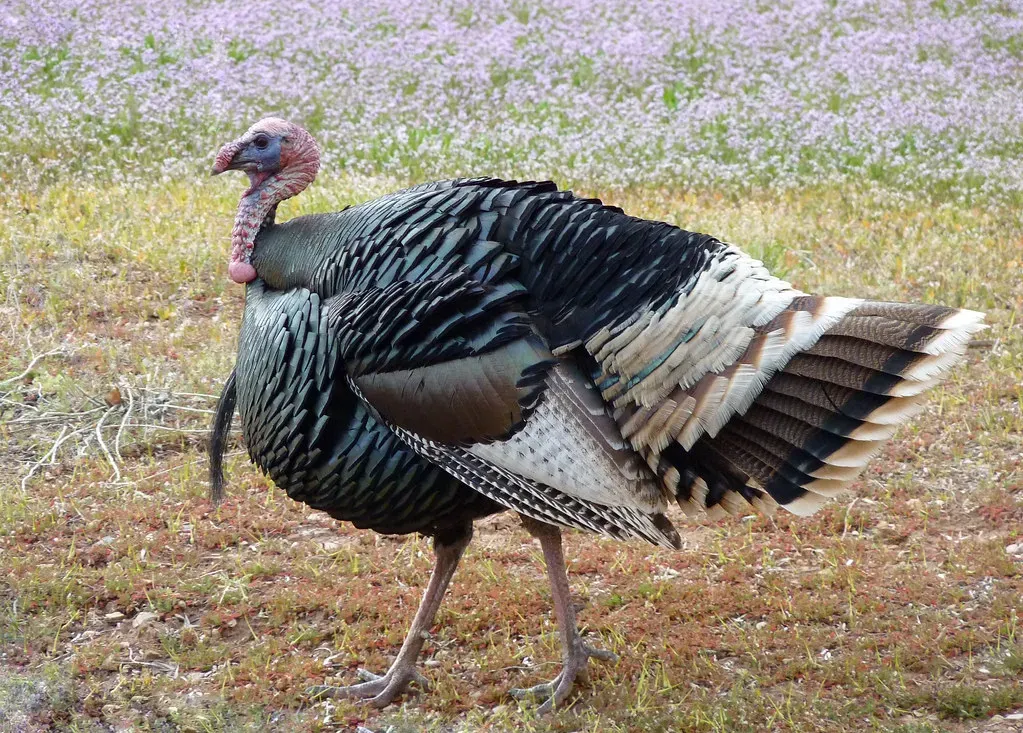
The transformation from dinosaurs to birds stands as one of evolution’s most spectacular success stories. The work demonstrates how huge evolutionary changes can result from a series of small evolutionary steps. There was no single magic moment when a dinosaur suddenly became a bird. Instead, over tens of millions of years, countless tiny modifications accumulated: feathers for warmth that later enabled flight, shrinking bodies that opened new ecological niches, hollow bones that lightened the load, and brains that grew larger and more capable.
Among the most revolutionary insights emerging from 200 years of research on dinosaurs is that the clade Dinosauria is represented by approximately 11 000 living species of birds. Every bird you see today carries within it the legacy of ancient dinosaurs. The next time you watch a sparrow take flight or hear a cardinal singing at dawn, remember: you’re witnessing the continuation of a lineage that has survived for over 150 million years, adapting, evolving, and thriving against all odds. What do you think when you realize the dinosaurs never really went extinct? Share your thoughts in the comments.