The transformation of dinosaurs into birds represents one of the most fascinating evolutionary stories in Earth’s history. Once considered separate branches on the tree of life, modern scientific consensus now firmly places birds as the living descendants of theropod dinosaurs. This remarkable transition, occurring over millions of years during the Mesozoic Era, has been illuminated through decades of fossil discoveries, anatomical studies, and genetic research. The evidence supporting this evolutionary link continues to grow stronger, painting an increasingly clear picture of how fearsome reptiles gave rise to the feathered creatures that now fill our skies.
The Dinosaur-Bird Connection: A Brief History

The idea that birds might be related to dinosaurs dates back to the 19th century, when Thomas Henry Huxley first noted similarities between the skeletons of small theropod dinosaurs and Archaeopteryx, the earliest known bird. Despite this early observation, the dinosaur-bird connection remained controversial for over a century as scientists debated whether birds evolved from dinosaurs or from another reptilian lineage. The “Dinosaur Renaissance” of the 1960s and 1970s, spearheaded by paleontologist John Ostrom, revived interest in the dinosaurian origin of birds. Ostrom’s detailed studies of Deinonychus, a predatory dinosaur with bird-like features, provided compelling evidence that birds evolved from small, carnivorous theropod dinosaurs. Since then, an explosion of fossil discoveries and new analytical techniques has transformed this hypothesis into one of the most well-supported evolutionary transitions in the fossil record.
Archaeopteryx: The Iconic Missing Link
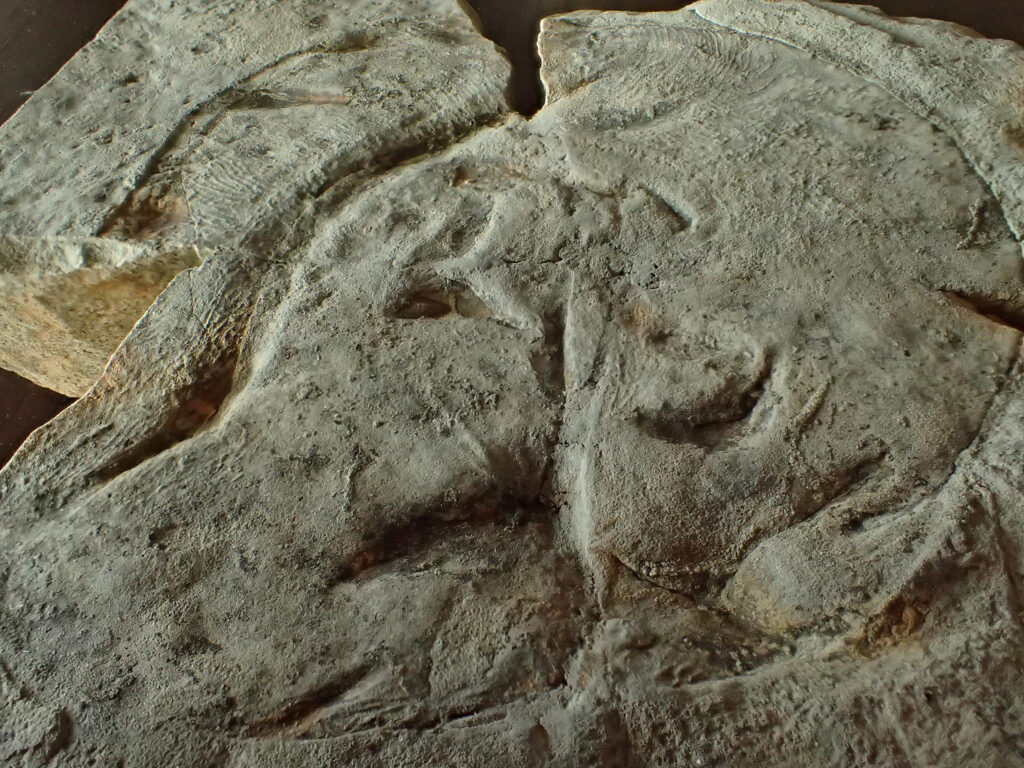
Discovered in 1861 in the Solnhofen limestone of southern Germany, Archaeopteryx lithographica remains one of paleontology’s most significant fossils. Dating to the Late Jurassic period approximately 150 million years ago, this crow-sized creature exhibits a remarkable combination of dinosaurian and avian features. Its skeleton is fundamentally reptilian, with a long bony tail, teeth, and three clawed fingers, yet it possessed well-developed feathers nearly identical to those of modern birds. The exquisite preservation of these feathers in limestone impressions provided the first strong evidence of the evolutionary link between dinosaurs and birds. While once considered the first true bird, modern analyses place Archaeopteryx as a transitional species—more derived than most dinosaurs but more primitive than modern birds. Its mosaic of features perfectly illustrates the gradual nature of evolutionary change, showing how dinosaurian traits were slowly modified into avian ones over millions of years.
The Feathered Dinosaurs of China
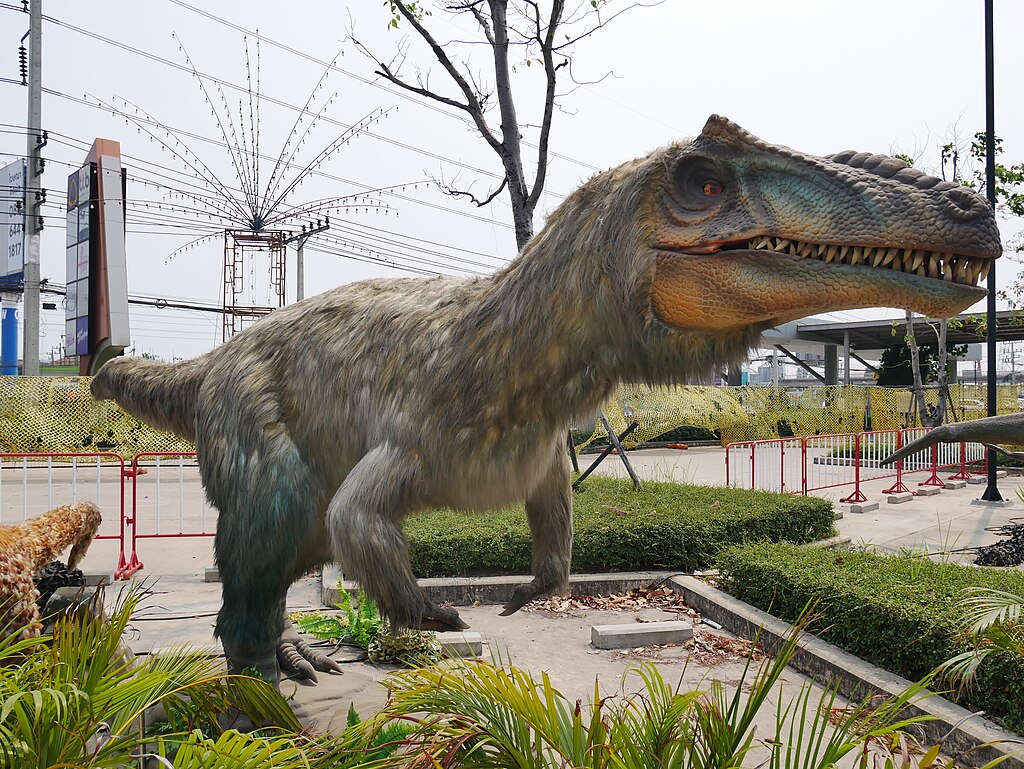
The discovery of numerous feathered dinosaur fossils from the Yixian and Jiufotang formations of northeastern China revolutionized our understanding of dinosaur-bird evolution. Beginning in the 1990s, these remarkable fossil beds have yielded dozens of species of non-avian dinosaurs preserved with clear evidence of feathers and feather-like structures. Dinosaurs such as Sinosauropteryx, the first dinosaur confirmed to have feather-like structures, and Microraptor, a small dromaeosaurid with four wings, demonstrated conclusively that feathers evolved in dinosaurs long before the appearance of birds. The exceptional preservation of these fossils, often including soft tissues and color-producing cell structures, has provided unprecedented insight into dinosaur appearance and physiology. These Chinese fossil beds effectively closed many of the morphological gaps in the dinosaur-to-bird transition, revealing a diverse array of feathered dinosaurs that progressively displayed more bird-like characteristics over time. The sheer number and diversity of these feathered dinosaurs make it clear that feathers were a widespread feature among theropod dinosaurs, not just a specialized adaptation of birds.
Feather Evolution: From Insulation to Flight

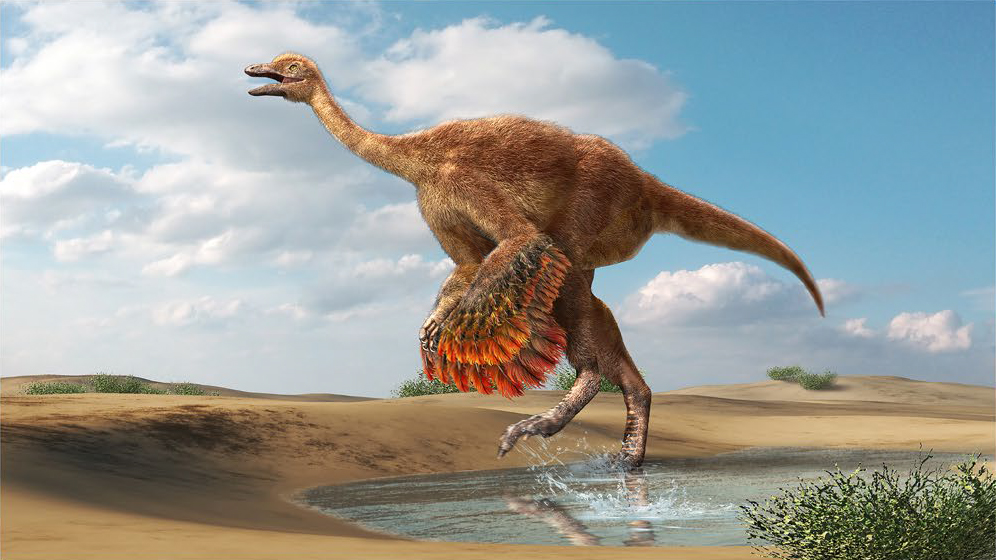
Feathers, once considered the defining characteristic of birds, have undergone a fascinating evolutionary journey from simple filaments to complex flight structures. The earliest feather-like structures appeared in dinosaurs as simple, hollow filaments resembling fur or down, likely serving primarily as insulation. Fossils reveal a clear progression from these basic filaments to increasingly complex structures with central shafts and barbs, eventually developing into the asymmetrical flight feathers seen in modern birds. This evolutionary sequence is preserved not only in the fossil record but also reflected in the development of feathers in modern bird embryos. Remarkably, the discovery of dinosaurs with pennaceous feathers (those with a central shaft and branching barbs) that couldn’t fly demonstrates that complex feathers evolved before flight. Species like Anchiornis and Microraptor possessed flight-capable feathers on their arms, legs, and tails, suggesting these structures initially evolved for purposes such as display, temperature regulation, or possibly gliding before being co-opted for powered flight. The wide distribution of feathers among theropod dinosaurs indicates they were a fundamental theropod characteristic, not something that appeared suddenly with the first birds.
Skeletal Adaptations for Flight
The transition from ground-dwelling dinosaurs to flying birds required extensive skeletal modifications, many of which appeared gradually in theropod dinosaurs millions of years before the first birds took wing. One of the most significant changes was the development of a wishbone or furcula—the fused clavicles that provide structural support during flight. Contrary to earlier beliefs, furculae have been discovered in numerous non-avian theropods, including dromaeosaurids and oviraptorosaurs. Another critical adaptation was the evolution of hollow, air-filled bones (pneumaticity) that reduced weight while maintaining strength, a feature first developed in theropod dinosaurs and elaborated in birds. The wrist joint also underwent substantial modifications, with the development of a semi-lunate carpal that allowed the hand to fold against the arm—essential for the wing-folding mechanism in birds. Perhaps most tellingly, many non-avian theropods possessed elongated forelimbs with three-fingered hands that foreshadowed the wing structure of modern birds. These skeletal features appeared incrementally in theropod dinosaurs, demonstrating a gradual evolutionary progression toward the flight-adapted skeleton of birds.
Breathing Like Birds: The Respiratory Revolution

Birds possess a highly efficient respiratory system unlike that of any other living vertebrate, featuring air sacs that connect to hollow bones and allow for continuous, one-way airflow through the lungs. This system enables birds to extract oxygen efficiently at high altitudes where the air is thin—a crucial adaptation for powered flight. Remarkably, evidence suggests this distinctive respiratory system began evolving in non-avian theropod dinosaurs. Studies of dinosaur vertebrae have revealed pneumatic fossae—depressions and openings where air sacs would have connected to the bones—in many theropod species. Advanced theropods like Aerosteon and Majungasaurus show extensive skeletal pneumaticity similar to that seen in modern birds, indicating they possessed air sacs and a bird-like breathing system. This respiratory innovation likely provided dinosaurs with high metabolic rates and efficient oxygen processing long before the evolution of flight. The gradual appearance of these respiratory adaptations in increasingly bird-like theropods represents another compelling line of evidence for the dinosaurian ancestry of birds, demonstrating how a key avian physiological system evolved incrementally within dinosaur lineages.
Miniaturization: The Shrinking Path to Flight
One of the most striking trends in the evolution of birds from dinosaurs was the dramatic reduction in body size that occurred along the lineage leading to the first avians. While many theropod dinosaurs were medium to large predators weighing hundreds of kilograms, the dinosaurs most closely related to birds underwent substantial miniaturization. Paleontological studies have documented a sustained trend of body size reduction in the maniraptoran theropods most closely related to birds, with species becoming progressively smaller over millions of years. This miniaturization had profound implications for flight evolution, as smaller body size reduced wing loading and made powered flight physically possible. Species like Microraptor and Anchiornis, weighing just a few kilograms, represent this miniaturization trend and show how small, lightly built dinosaurs with feathered limbs could have experimented with gliding and eventually powered flight. Research suggests this decrease in size was accompanied by shorter development times and accelerated growth, traits that characterize modern birds. The evolution of small body size thus represents a crucial adaptation in the dinosaur-to-bird transition, physically enabling the aerial lifestyle that would come to define birds.
Nesting Behavior and Parental Care

The distinctive reproductive behaviors of birds, including nest-building and extended parental care, have deep roots in their dinosaurian ancestors. Fossil discoveries have revealed that many theropod dinosaurs exhibited bird-like nesting behaviors millions of years before the first true birds appeared. Oviraptor, initially misinterpreted as an egg thief, was later discovered in a brooding position atop its nest, suggesting it was actually protecting its own eggs. Similar nesting postures have been documented in Citipati and other theropods, indicating that the brooding behavior characteristic of modern birds evolved in non-avian dinosaurs. Microscopic studies of dinosaur eggshells have revealed porosity patterns similar to those of bird eggs, suggesting dinosaurs may have incubated their eggs through direct body contact like modern birds. Perhaps most remarkably, studies of dinosaur nests show that many theropods laid their eggs in sequential pairs rather than all at once—a reproductive strategy identical to that of modern birds. These discoveries demonstrate that many aspects of avian reproduction evolved gradually within theropod dinosaurs, providing yet another connection between these seemingly disparate groups.
Neurological Developments: Brain Evolution
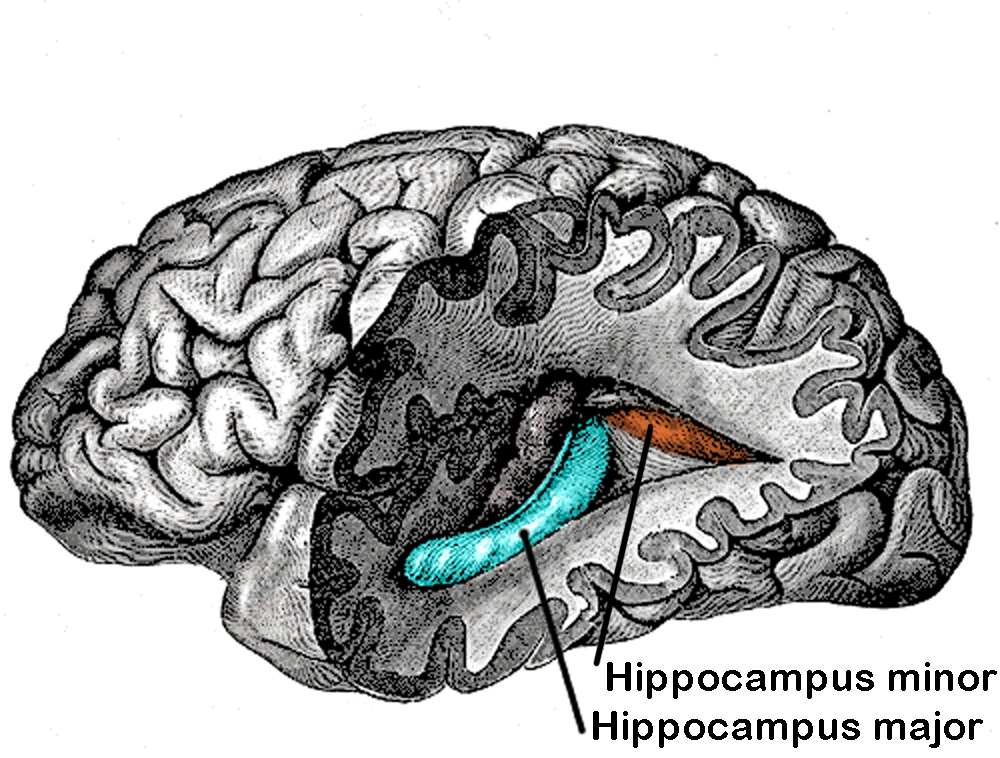
The transition from dinosaur to bird involved significant changes in brain structure and cognitive capacity, with fossil evidence documenting the gradual evolution of the avian brain. Studies using CT scanning technology to create digital endocasts of fossil skulls have revealed that theropod dinosaurs most closely related to birds had proportionally larger brains than other dinosaurs, with expanded cerebral hemispheres and visual processing centers. Maniraptoran theropods like Zanabazar and Troodon possessed brain-to-body size ratios approaching those of primitive birds, suggesting enhanced sensory processing and cognitive abilities. Particularly significant was the expansion of the cerebellum, a brain region involved in motor control and coordination that would have been crucial for the complex movements required for flight. The orientation of the brain within the skull also changed progressively, with the brain becoming more flexed and compact—a configuration seen in modern birds. These neurological adaptations would have provided the enhanced sensory acuity, spatial awareness, and motor coordination necessary for aerial locomotion. The gradual nature of these changes, documented across increasingly bird-like theropods, provides compelling evidence for the step-by-step evolution of the avian brain from dinosaurian precursors.
Growth Patterns and Metabolism
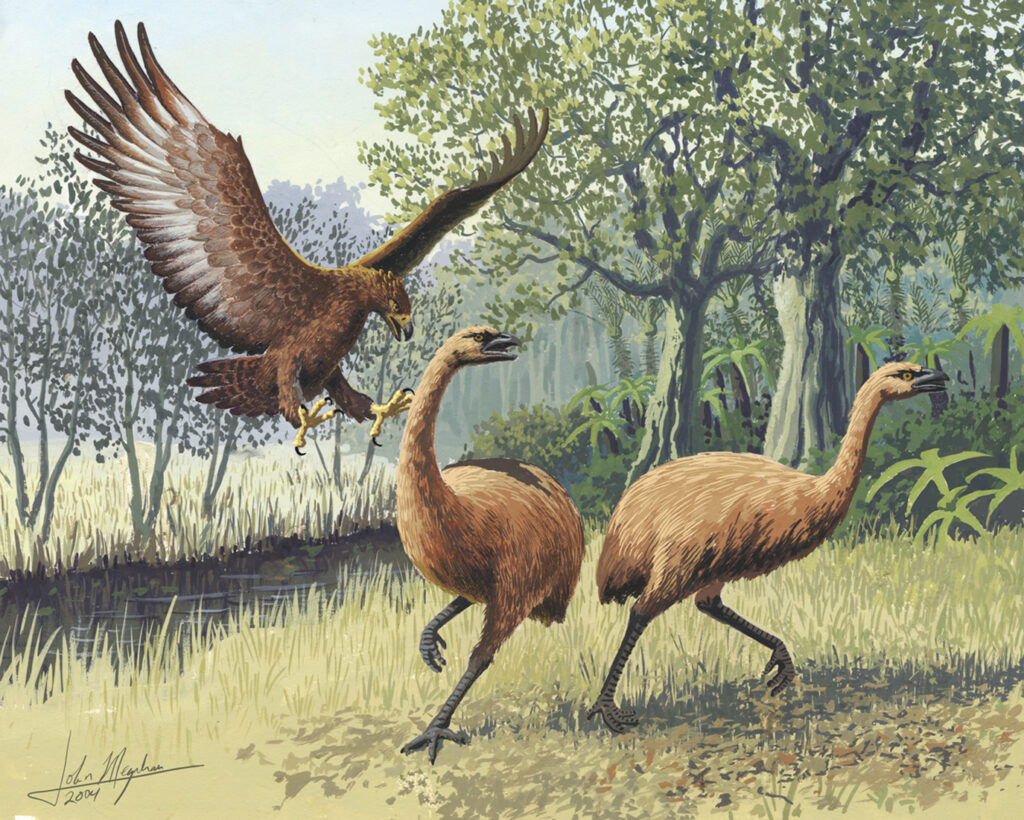
Modern birds are characterized by rapid growth rates and high metabolic activity, physiological traits that differ markedly from most reptiles but show surprising similarities to their dinosaurian ancestors. Histological studies of dinosaur bones have revealed growth rings (similar to tree rings) that can indicate how quickly an animal grew. These studies demonstrate that many theropod dinosaurs, particularly those most closely related to birds, had rapid growth rates more similar to birds than to typical reptiles. Small dromaeosaurids and troodontids—the dinosaurs most closely related to birds—show particularly bird-like growth patterns, reaching adult size in just a few years. This accelerated development is likely connected to their increasingly high metabolic rates, another bird-like characteristic. Evidence for dinosaurian endothermy (warm-bloodedness) has mounted in recent decades, with studies of bone microstructure, respiratory systems, and predator-prey ratios all suggesting that theropod dinosaurs maintained elevated body temperatures through internal heat production. The evolution of insulating feathers in these dinosaurs further supports the hypothesis that they were endothermic, as such structures would help retain metabolically generated heat. These physiological adaptations, developing gradually in increasingly bird-like theropods, laid the groundwork for the high-energy lifestyle that would come to characterize birds.
Modern Genetic Evidence
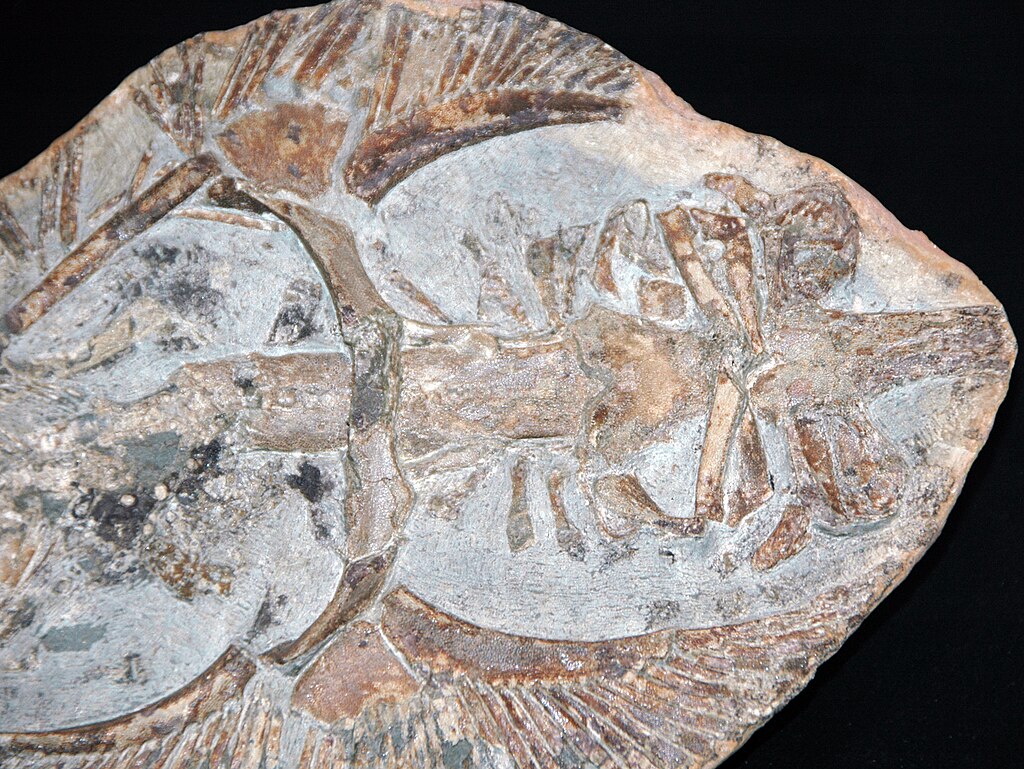
While fossils provide the physical evidence of the dinosaur-bird transition, modern molecular techniques have added a powerful new dimension to our understanding of this evolutionary relationship. Although ancient DNA cannot be recovered from dinosaur fossils, comparative studies of bird genomes have revealed genetic signatures of their dinosaurian heritage. Research comparing the genomes of diverse bird species has identified conserved genetic elements that date back to their common ancestry with non-avian dinosaurs. Studies of gene regulation have been particularly informative, showing how modifications to developmental genes could transform dinosaurian features into avian ones. For example, research on the developmental genetics of bird beaks has demonstrated how relatively minor genetic changes could have transformed toothed dinosaur jaws into toothless bird beaks. Similarly, studies of digit development have helped resolve how the three-fingered hand of theropod dinosaurs evolved into the bird wing. The molecular clock technique, which uses the rate of genetic mutations to estimate when species diverged, has provided timing estimates for the dinosaur-bird transition that align well with the fossil record. Modern birds’ genetic blueprint thus contains encrypted information about their dinosaurian ancestry, complementing and confirming the story told by fossils.
Dinosaurs Living Among Us: Birds as Living Dinosaurs
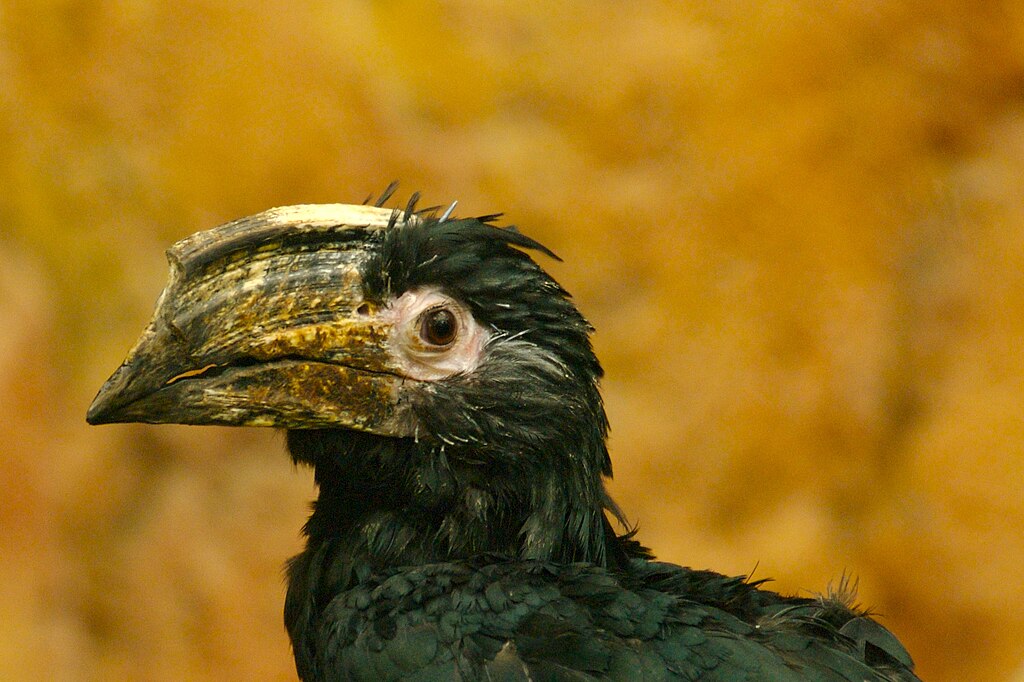
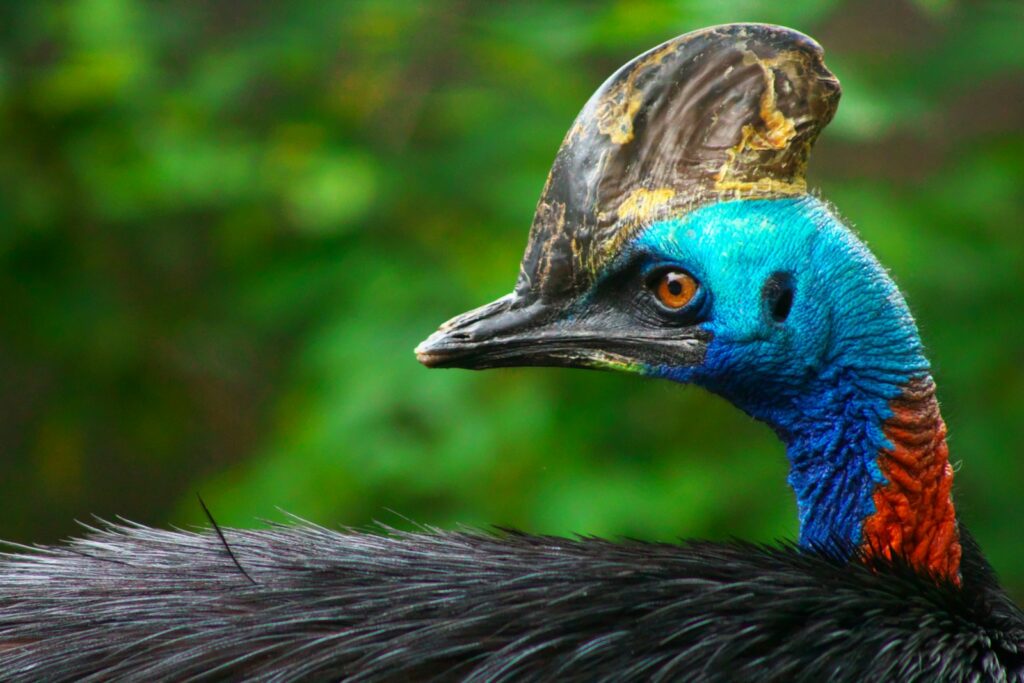
The evolutionary relationship between dinosaurs and birds is so close that, from a cladistic perspective, birds are not merely descended from dinosaurs—they are dinosaurs. Specifically, birds are avian dinosaurs, while all other dinosaurs are non-avian dinosaurs. This classification reflects the fact that birds retained numerous dinosaurian characteristics even as they evolved their distinctive avian features. Modern birds still possess scales on their legs—modified reptilian features inherited from their dinosaur ancestors. Their wishbones, three-fingered wings, and unique pulmonary systems all evolved initially in non-avian dinosaurs. Even bird behavior shows dinosaurian heritage, from nest-building to territorial displays. The approximately 10,500 species of living birds thus represent the sole surviving lineage of dinosaurs, having weathered the extinction event that eliminated all other dinosaur groups 66 million years ago. This perspective fundamentally changes how we view birds—not as animals that evolved after dinosaurs disappeared, but as dinosaurs that adapted so successfully that they continue to thrive today. The chicken on your dinner plate, the robin in your garden, and the eagle soaring overhead are all living dinosaurs, modern manifestations of an evolutionary lineage stretching back over 230 million years.
The Remaining Mysteries and Ongoing Research

Despite the overwhelming evidence supporting the dinosaur-bird transition, several aspects of this evolutionary story remain active areas of research and occasional controversy. The precise timing and sequence of the origin of powered flight continue to generate debate, with competing theories suggesting flight evolved from ground-up running movements (cursorial theory) or from tree-dwelling ancestors gliding downward (arboreal theory). The possible presence of feathers or feather-like structures in dinosaur groups outside of theropods also remains contentious, with some researchers interpreting filamentous structures in ornithischian dinosaurs as proto-feathers. The exact placement of certain pivotal fossils on the dinosaur-bird family tree continues to be refined as new specimens are discovered and analytical techniques improve. Questions also persist about the functional evolution of certain avian features, such as the precise selective pressures that drove the evolution of flight feathers before they were used for aerial locomotion. These remaining uncertainties don’t challenge the fundamental dinosaurian origin of birds but rather highlight the complex, non-linear nature of evolutionary transitions. As new fossils are unearthed and emerging technologies allow researchers to extract more information from existing specimens, our understanding of this remarkable evolutionary story continues to grow more nuanced and complete.
Conclusion
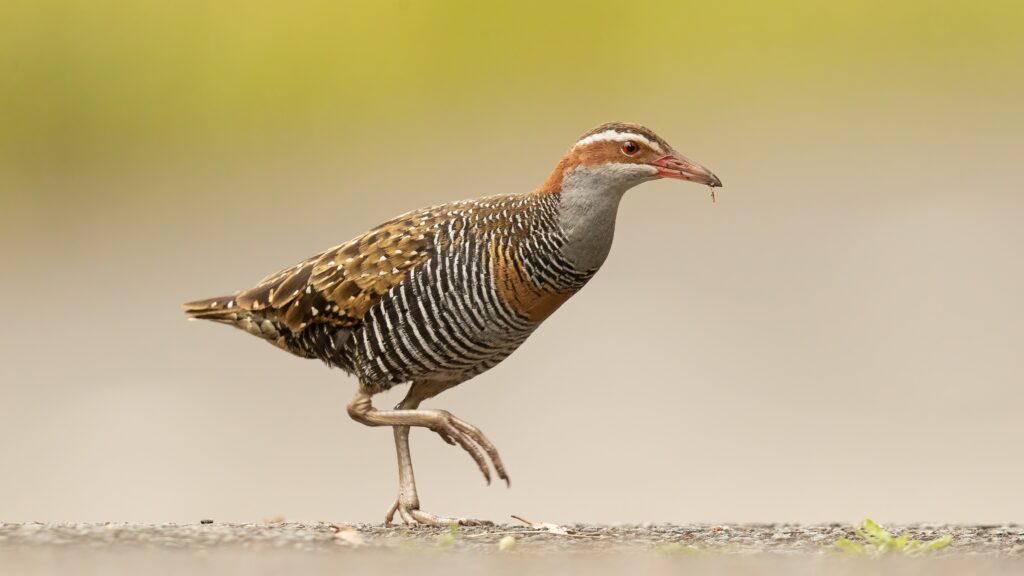
The transformation of dinosaurs into birds represents one of evolution’s most remarkable success stories. What began with small, feathered theropod dinosaurs experimenting with gliding eventually produced the diverse array of avian species that fill Earth’s skies today. The evidence supporting this transition has grown from tentative connections to an overwhelming consensus, built upon thousands of fossils, comparative anatomical studies, and molecular research. This evolutionary story teaches us that seemingly dramatic transitions often occur through a series of incremental changes over millions of years, with features evolving initially for one purpose before being repurposed for another. As we watch birds at our feeders or soaring overhead, we’re witnessing the living legacy of the dinosaur era—a reminder that evolution’s most profound transformations can produce unexpected and extraordinary results.