The image of dinosaurs often brings to mind scaly behemoths thundering across prehistoric landscapes. While we’ve made remarkable strides in understanding these magnificent creatures’ appearance, locomotion, and behavior, some aspects of their biology remain less explored in popular science. Among these fascinating but understudied aspects is how dinosaurs maintained their skin through shedding processes. Recent paleontological discoveries and comparative studies with modern reptiles have illuminated this intriguing aspect of dinosaur biology, giving us unprecedented insights into how these ancient creatures renewed their outer coverings and what this tells us about their physiology and lifestyle.
The Paleontological Evidence for Dinosaur Skin Shedding
Fossilized skin impressions represent our most direct evidence of dinosaur skin shedding. Unlike bones, skin rarely fossilizes, making these discoveries particularly valuable. Several exceptional fossils display what appears to be partially shed skin layers, with the most famous examples coming from hadrosaurid specimens discovered in North America. These specimens show distinctive patterns of separation between skin layers that closely resemble the shedding process observed in modern reptiles. Paleontologists have identified microscopic structures in these skin impressions that indicate active separation of old skin from new growth beneath—a clear signature of the ecdysis (shedding) process that would have been essential for dinosaur growth and skin maintenance.
Modern Reptiles as Living Models

The study of extant reptiles provides our strongest framework for understanding dinosaur skin shedding. Modern reptiles—particularly crocodilians, which share a common ancestor with dinosaurs—shed their skin in patterns that likely resembled the processes used by their distant dinosaur relatives. Crocodiles and alligators typically shed their skin in patches rather than all at once like some snakes. This patchy shedding pattern leaves the animal less vulnerable during the renewal process. Notably, skin samples from mummified dinosaurs show cellular structures remarkably similar to those in modern reptilian skin, suggesting comparable physiological processes. By studying the hormonal triggers, environmental factors, and physiological changes that prompt shedding in modern reptiles, scientists can make informed inferences about similar processes in dinosaurs.
The Evolutionary Purpose of Skin Shedding
Skin shedding served multiple crucial functions for dinosaurs beyond simple growth accommodation. As in modern reptiles, regular shedding would have helped dinosaurs remove parasites and potentially harmful microorganisms that could penetrate damaged skin. This process would have been particularly important for species living in humid or aquatic environments where bacterial and fungal infections pose greater threats. Additionally, shedding allowed for repair of damaged skin sections, providing a natural healing mechanism for injuries sustained during territorial disputes, predator encounters, or environmental hazards. Perhaps most importantly, shedding facilitated the continuous growth that characterized many dinosaur species, allowing their skin to expand with their skeletal development throughout their lives—a process particularly critical for species that underwent dramatic size changes from hatchling to adult.
Dinosaur Skin Types and Their Shedding Patterns
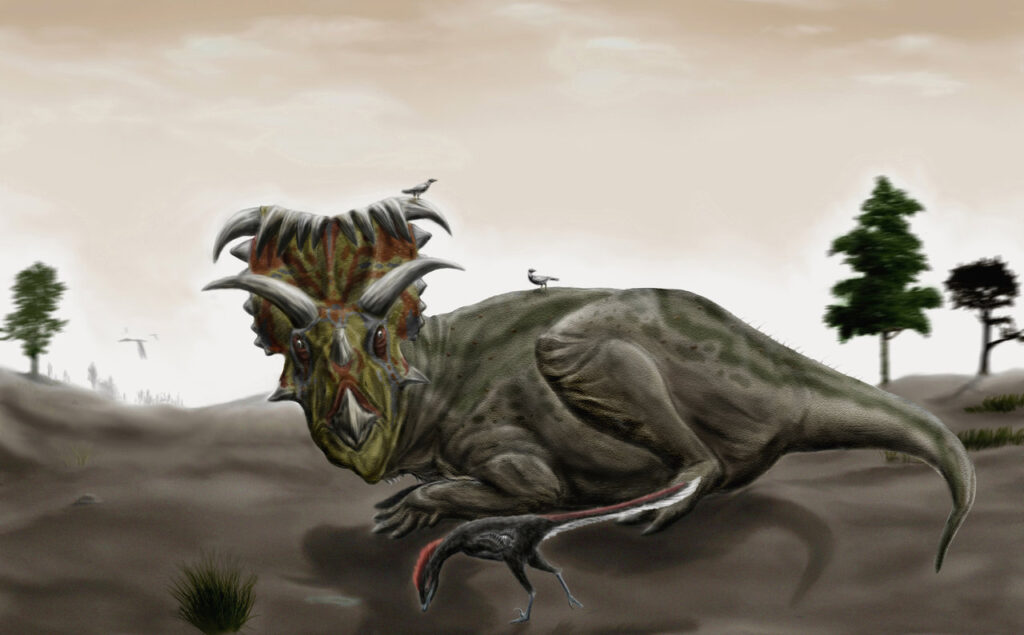
Different dinosaur clades likely exhibited varying skin structures and corresponding shedding patterns. Theropods, including the ancestors of modern birds, probably possessed scales similar to those seen in modern reptiles, though some species also had feather-like structures that would have been shed through different mechanisms. Ornithischians, particularly ceratopsians and hadrosaurs, had distinctive tuberculated skin with raised scales arranged in complex patterns that would have influenced how their skin was shed. Sauropods, with their massive bodies, likely had thicker skin with unique shedding adaptations to accommodate their enormous size. Fossilized skin impressions from various species reveal that some dinosaurs had surprisingly thin skin relative to their body size, while others had thick, armor-like integuments that would have required specialized shedding processes. These variations suggest that dinosaurs evolved diverse shedding strategies adapted to their specific ecological niches and lifestyles.
The Chemistry Behind Dinosaur Skin Renewal

The biochemical processes driving dinosaur skin shedding likely mirrored those observed in their modern relatives. In contemporary reptiles, thyroid hormones play a pivotal role in triggering the cellular processes that initiate shedding. These hormones stimulate the production of new skin cells beneath the old layer, eventually causing separation. Analysis of fossilized skin samples using advanced techniques like scanning electron microscopy and mass spectrometry has revealed trace chemical signatures consistent with the presence of keratins similar to those in modern reptiles. These specialized proteins form the structural foundation of reptilian scales and influence their shedding characteristics. Research into the microstructure of preserved dinosaur skin also indicates the presence of specialized cells similar to those involved in modern reptilian shedding, suggesting comparable biochemical pathways were at work in these ancient animals.
Environmental Influences on Dinosaur Shedding

Climate and habitat likely played significant roles in shaping dinosaur shedding patterns and frequency. Modern reptiles typically increase their shedding frequency in warmer, more humid conditions, and decrease it during colder or drier periods. Given the generally warmer Mesozoic climate, many dinosaurs probably maintained relatively consistent shedding cycles throughout the year, with possible seasonal variations in species living in more temperate zones. Evidence from growth rings in dinosaur bones suggests many species experienced seasonal growth patterns, which would almost certainly have corresponded with changes in skin shedding frequency. Fossil evidence from different paleoenvironments indicates that dinosaurs adapted their skin structures and likely their shedding processes to suit diverse habitats ranging from arid deserts to lush forests and coastal wetlands. These adaptations would have influenced not only how often they shed but also the specific mechanism of skin renewal.
Shedding and Dinosaur Growth Stages
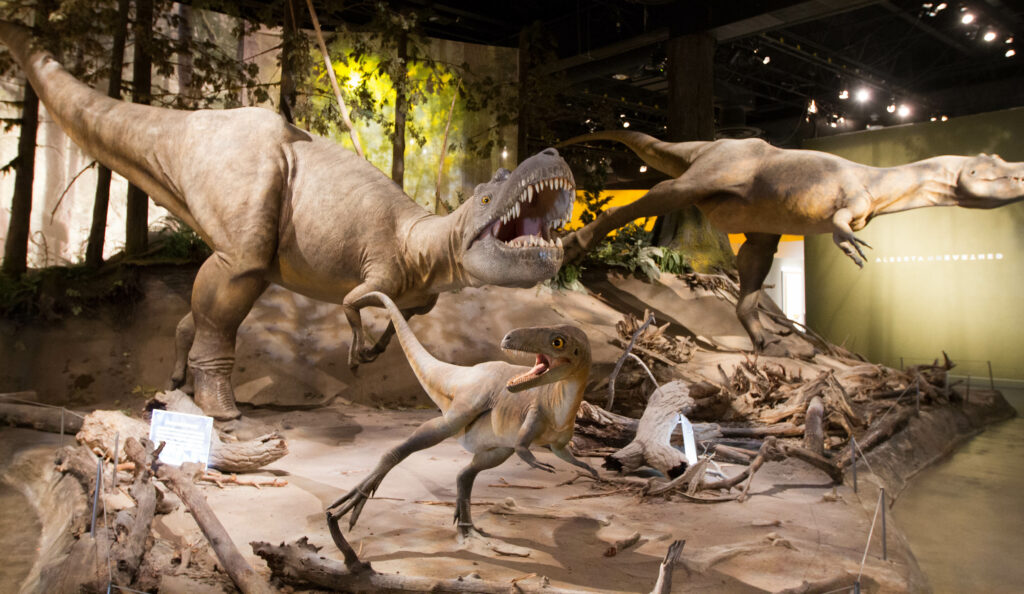
The frequency and nature of skin shedding likely varied dramatically across a dinosaur’s lifespan. Juvenile dinosaurs, experiencing rapid growth, would have shed their skin more frequently than adults—potentially several times annually during growth spurts. This pattern is observed in modern reptiles, where young individuals may shed every few weeks during peak growth phases. Fossil evidence from dinosaur “growth series” (collections of the same species at different life stages) shows dramatic changes in body proportions and likely skin characteristics. Hatchling skin would have been more delicate and prone to more frequent renewal than the tougher integuments of adults. As dinosaurs reached maturity, their shedding frequency would have decreased, though seasonal or environmental triggers would still have prompted regular renewal. For the largest dinosaurs, this gradual slowing of the shedding process may have been crucial to maintaining their enormous body size without excessive energy expenditure.
Feathered Dinosaurs: A Special Case
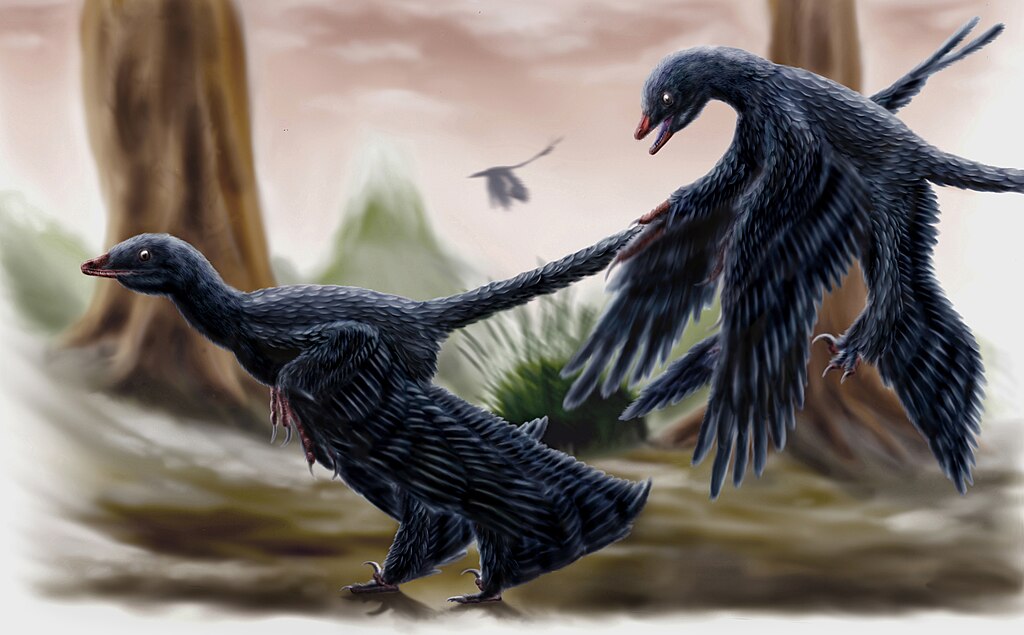
Feathered dinosaurs present a fascinating exception to typical reptilian shedding patterns. Unlike the wholesale shedding of skin seen in scaled reptiles, feathered dinosaurs likely replaced their feathers individually or in small groups, similar to modern birds. This continuous, gradual replacement would have allowed them to maintain flight capability or insulation without compromising survival. Remarkably preserved fossils from China’s Liaoning Province show evidence of both scales and feathers on certain theropod dinosaurs, suggesting a complex integumentary system that would have required different shedding mechanisms for different body regions. Microscopic examination of fossilized feather impressions reveals structures consistent with follicular growth patterns seen in modern birds, indicating that feathered dinosaurs likely employed similar replacement strategies. This evolutionary innovation represents a significant departure from the ancestral reptilian shedding process and highlights the diversity of skin maintenance strategies across the dinosaur family tree.
Detecting Shedding in the Fossil Record
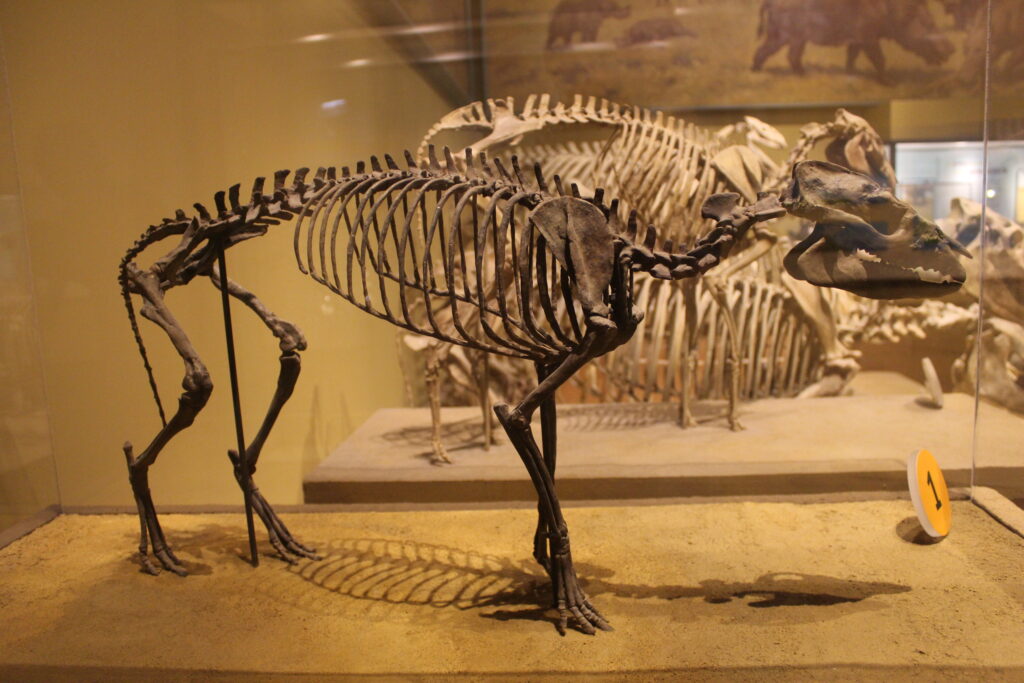
Identifying evidence of shedding in fossilized remains requires sophisticated analytical techniques. Paleontologists use scanning electron microscopy to examine the microscopic structure of preserved skin impressions, looking for telltale signs of separation between old and new skin layers. Histological analysis of exceptionally preserved skin samples can reveal cellular patterns consistent with active shedding processes. In some remarkable cases, fossils have been discovered with partially shed skin still attached, providing direct evidence of this biological process. Chemical analysis using techniques like energy-dispersive X-ray spectroscopy can detect mineral differences between skin layers that indicate separation during fossilization. Trace element analysis may also reveal seasonal patterns in skin composition that could correspond to shedding cycles, giving scientists insights into the timing and frequency of skin renewal in different dinosaur species.
Shedding Behaviors and Dinosaur Lifestyle
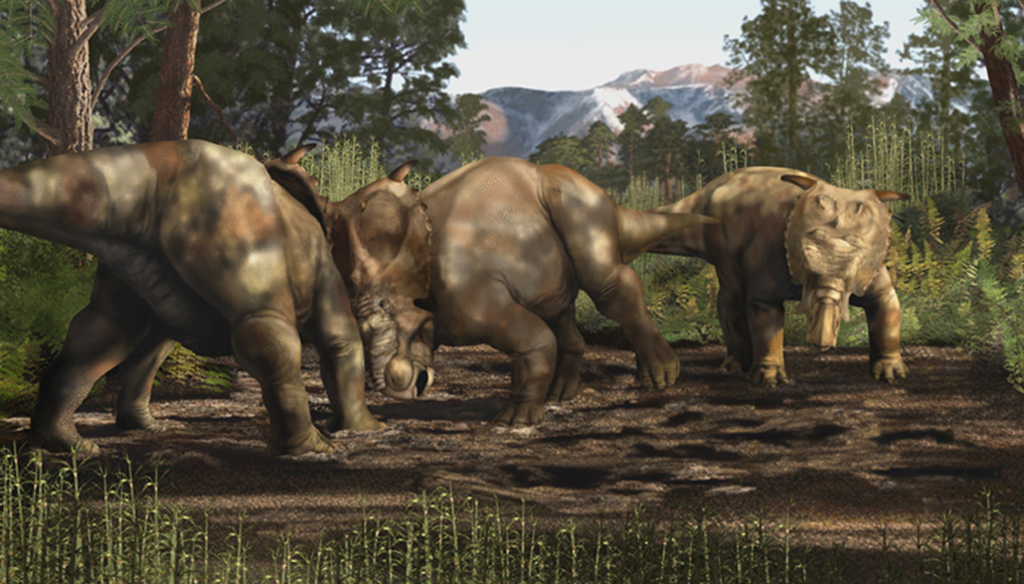
The shedding process likely influenced dinosaur behavior in ways similar to modern reptiles. During active shedding periods, dinosaurs may have altered their activities to facilitate the process. Modern reptiles often seek rough surfaces to rub against, helping to remove loosened skin patches. Large dinosaurs might have engaged in similar behaviors, potentially using environmental features like trees, rocks, or specialized scratching posts to assist in removing old skin. Some species might have developed social behaviors around shedding, possibly including mutual assistance in removing difficult-to-reach skin patches. Fossil evidence suggests that certain dinosaur species frequented specific locations that could have served as communal shedding grounds, similar to the dust bathing sites used by modern birds and mammals. The energetic demands of producing new skin layers might also have influenced feeding patterns, with increased nutritional needs during active shedding periods.
Comparing Dinosaur Shedding to Mammals and Birds

Dinosaur skin renewal differed significantly from the continuous cell-by-cell replacement seen in mammals. While mammals (including humans) constantly replace individual skin cells throughout their lives, reptiles and likely dinosaurs replaced entire skin sections periodically. This fundamental difference reflects divergent evolutionary strategies for maintaining the integumentary system. Birds, which evolved from theropod dinosaurs, demonstrate an intermediate strategy, continuously replacing individual feathers while also undergoing seasonal molts that replace larger percentages of their plumage simultaneously. The evolution from dinosaurian whole-section shedding to the more continuous renewal seen in birds represents a fascinating example of how biological processes can transform across evolutionary time. Examining these differences helps scientists understand the selective pressures that shaped these diverse strategies and provides context for interpreting the fossil evidence of dinosaur skin maintenance.
Recent Discoveries Changing Our Understanding

Paleontological findings in the past decade have revolutionized our understanding of dinosaur skin shedding. The discovery of exceptionally preserved “dinosaur mummies” with extensive skin impressions has provided unprecedented insights into skin structure and maintenance. Advanced imaging techniques like synchrotron rapid scanning X-ray fluorescence has revealed chemical signatures in fossilized skin that indicate active shedding processes at the time of death. Particularly significant was the 2018 discovery of a hadrosaur specimen in Montana with multiple preserved skin layers showing clear separation patterns consistent with active shedding. Another groundbreaking find from the Gobi Desert revealed a small theropod with both shed skin impressions and feather structures, providing direct evidence of how these different integumentary elements were maintained. These discoveries continue to refine our understanding of how dinosaurs maintained their external coverings and adapt to their environments through specialized shedding processes.
Implications for Dinosaur Coloration and Appearance

The shedding process has important implications for our understanding of dinosaur coloration and appearance. Fresh, newly exposed skin after shedding likely displayed more vibrant coloration than older, weathered skin—potentially playing a role in social signaling and mate selection. Studies of melanosomes (pigment-bearing organelles) preserved in fossilized skin and feathers suggest that many dinosaurs possessed striking color patterns that would have been refreshed through regular shedding. The process of shedding might have temporarily altered a dinosaur’s appearance, possibly affecting social interactions or predator-prey relationships during these vulnerable periods. Some researchers propose that certain dinosaurs may have developed specialized coloration patterns specifically visible during the shedding process, serving as indicators of health or reproductive status to potential mates. The cyclical renewal of skin through shedding would have ensured that dinosaurs maintained their species-specific coloration patterns throughout their lives, preserving important visual communication systems within their social groups.
Conclusion
The study of how dinosaurs shed their skin offers a fascinating window into the daily lives and biological processes of these magnificent prehistoric creatures. By combining fossil evidence with comparative studies of modern animals and cutting-edge analytical techniques, paleontologists continue to refine our understanding of dinosaur biology. This research not only illuminates the specific mechanisms of skin renewal in extinct species but also provides broader insights into dinosaur physiology, behavior, and evolution. As technology advances and new specimens are discovered, we can look forward to even more detailed revelations about how dinosaurs maintained their remarkable external coverings through specialized shedding processes—further bringing these ancient animals to life in our scientific understanding and popular imagination.