
Have you ever stopped to wonder if what you think today might actually be shaping what happens to you tomorrow? It sounds like something from a science fiction novel, right? Well, here’s the thing: countless people around the world swear by this idea, and they’re not all making it up. The concept that your thoughts somehow craft the reality you live in has been around for ages, whispered about in spiritual circles and debated by skeptics.
But lately, something interesting has happened. Scientists have started paying attention. They’ve been peeking into our brains with fancy imaging equipment and discovering things that might just make you reconsider everything you thought you knew about the power of your own mind. So let’s dive into this fascinating territory where ancient wisdom collides head-on with modern neuroscience, where wishful thinking meets actual brain chemistry, and where the question isn’t whether manifestation works, but how it actually does what it does.
Your Brain: The Ultimate Prediction Machine
Your brain operates as a prediction machine, constantly simulating future outcomes based on past experiences by asking what’s likely to happen next. Think of it like this: every single moment, your brain is making educated guesses about the world around you, trying to stay one step ahead of reality. This isn’t some mystical process, honestly. This process is handled by a network called the default mode network, which is active when you’re daydreaming, visualizing, or thinking about the future.
What does this mean for manifestation? When you consistently visualize a specific goal or outcome, you’re literally training this prediction system to expect that reality. It’s not that the universe is listening to your thoughts and rearranging itself accordingly. Your brain is just getting really, really good at spotting opportunities and pathways that lead to what you’ve been imagining.
The Reticular Activating System: Your Brain’s Selective Spotlight
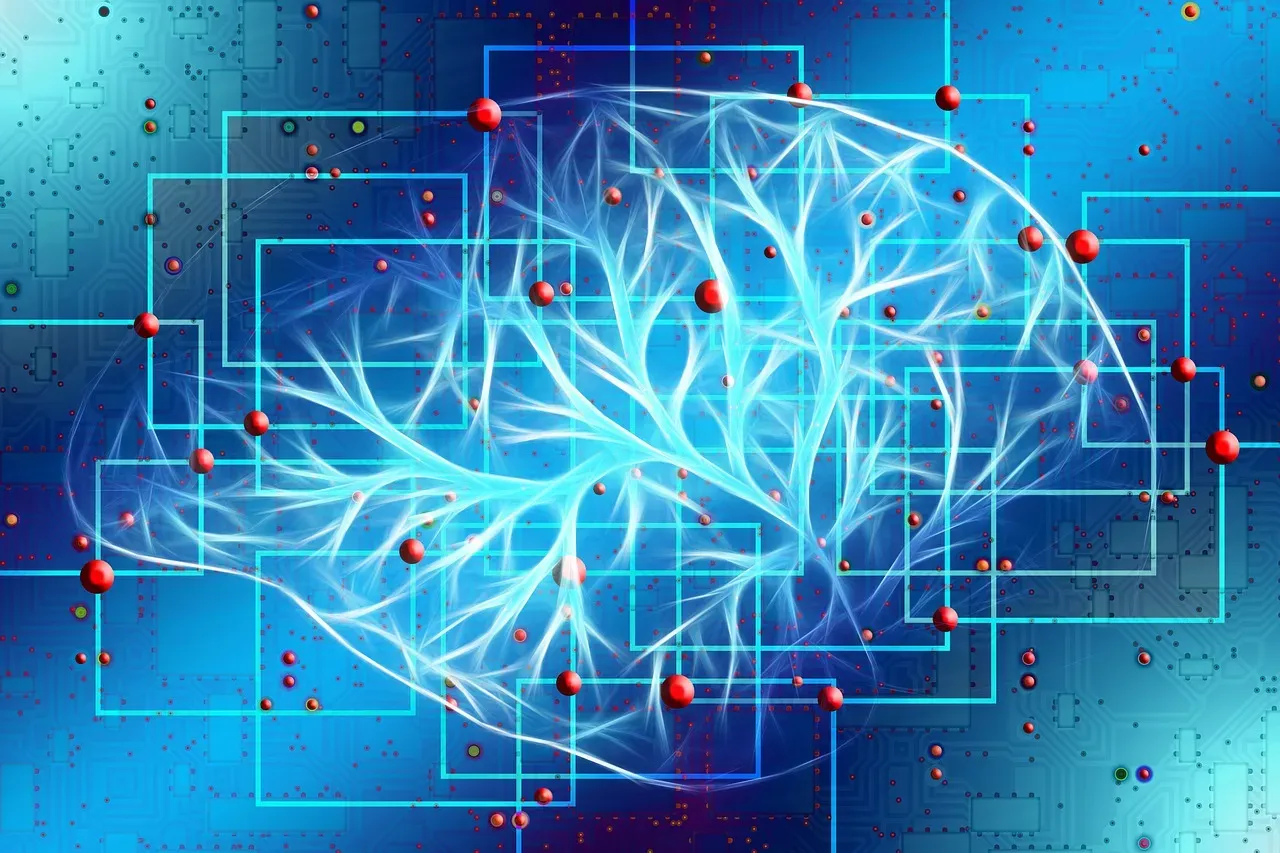
The reticular activating system, a network of neurons in the brain, helps filter information and determines what we notice in the overwhelming sea of stimuli around us. Let’s be real here: if you tried to consciously process every single piece of information hitting your senses right now, you’d probably short-circuit. So your brain has this incredible bouncer system that decides what gets your attention and what gets ignored.
When you focus on something, like seeing a butterfly, your brain might become more attuned to anything that resembles or relates to that idea. Ever notice how when you buy a new car, suddenly you see that exact model everywhere? That’s your RAS doing its job. After buying a new car or phone, you suddenly start seeing the same model everywhere because your RAS is now actively paying attention to them since they’ve become relevant to you. The cars were always there, but your brain simply wasn’t flagging them as important until now.
Neuroplasticity: Rewiring Your Mental Circuits
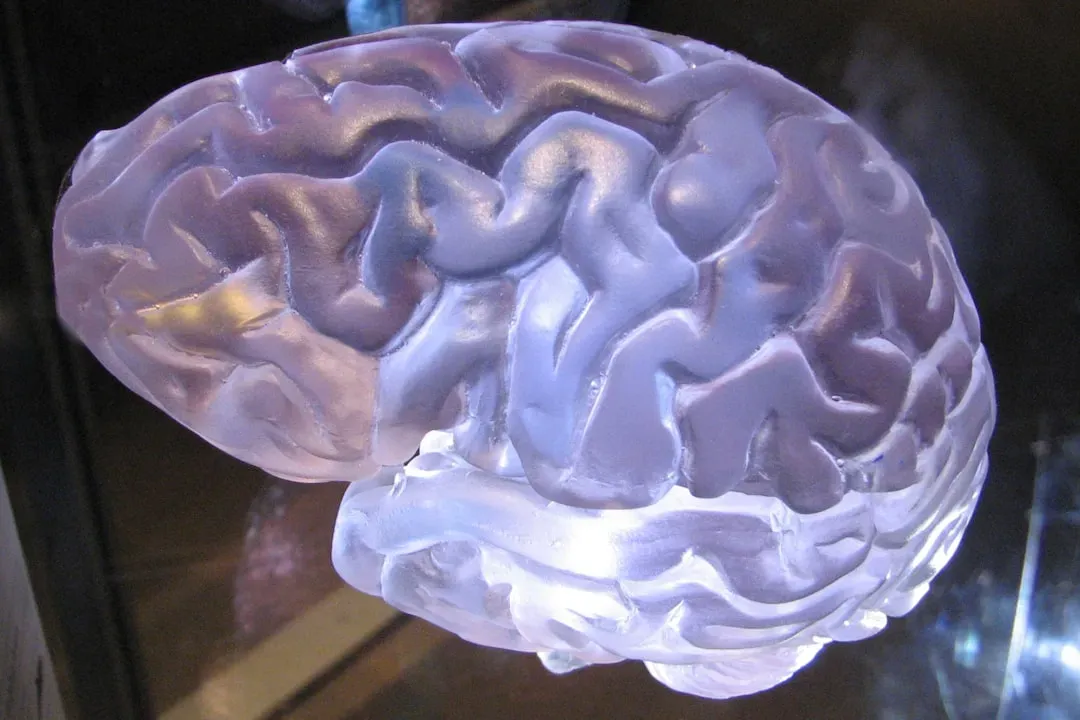
Here’s where things get truly fascinating. Neuroplasticity is the brain’s ability to change itself based on experience. For decades, scientists believed your brain was pretty much set in stone after childhood. Turns out, they were completely wrong.
Neuroplasticity is the brain’s capacity to continue growing and evolving in response to life experiences, with the ability for the brain to adapt or change over time by creating new neurons and building new networks. Your brain physically responds by reinforcing neural connections that coincide with your predominant, habitual thinking, and your recurrent thinking patterns physically shape your brain’s form and function which then reinforces more of the same kind of thinking. It’s like carving a path through a forest: the more you walk it, the clearer and easier it becomes to follow.
The Psychology Behind Manifestation: More Than Wishful Thinking

Let me tell you something important: manifestation isn’t just about thinking happy thoughts and waiting for magic to happen. Confirmation bias plays a significant role in manifestation, dictating that we seek out and give more attention to evidence that supports our pre-existing beliefs and expectations, thus reinforcing them.
Priming refers to the way exposure to certain stimuli can subtly shape our subsequent thoughts or behaviors, and if you spend time visualizing your goals, you prime your brain to be more alert to opportunities related to those goals. This doesn’t mean the universe is magically aligning with your desires. Rather, your attention is being directed in ways that make you more likely to notice and actually seize opportunities that were probably there all along.
The Action Component: Where Thoughts Meet Reality
Manifestation isn’t magic; it’s neuroscience, and your brain is literally designed to turn internal representations into external reality. Here’s the catch though: you can’t just sit on your couch visualizing success while eating chips and expect your life to transform. Manifestation does not simply involve positive thinking and waiting for results, as it requires specificity, action, and strategy.
Your brain functions as a prediction machine, requiring deliberate input and concrete action to produce results. Think of manifestation as setting your internal GPS. You can program in the destination all you want, but you still need to put the car in drive and start moving. The visualization helps you spot the right exits and avoid wrong turns, but you’re still the one doing the driving.
Beliefs Shaping Biology: The Placebo Effect Extended

This might sound impossible, but bear with me. The placebo effect shows that patients who believe they’re receiving treatment often show improvement even when given a sugar pill, suggesting that when we genuinely believe something is possible, we unconsciously align our actions and focus in ways that make it happen.
Stanford psychologist Carol Dweck’s research on mindset shows that the view you adopt for yourself profoundly affects the way you lead your life and can determine whether you become the person you want to be. Your beliefs aren’t just mental constructs floating around in your head. They have measurable, physical effects on your body and behavior. That’s genuinely powerful stuff when you really stop to think about it.
The Modern Manifestation Movement: Beyond Vision Boards

The true strength of manifestation in 2026 arises from one element that many individuals neglect: a relaxed nervous system, because you cannot manifest from chaos. Listen, I know vision boards became a huge thing, and they’re not useless. They’re just incomplete.
Micro decisions lead to micro alignment which further leads to macro reality. 2026 isn’t about urgency but about slow manifestation, as forcing outcomes produces anxiety, which reduces clarity. The new understanding of manifestation involves nervous system regulation, emotional intelligence, and consistent small actions that compound over time. It’s less sexy than the instant-magic promise of older approaches, but it’s far more effective.
The Neuroscience of Intention: How Focused Thought Drives Behavior
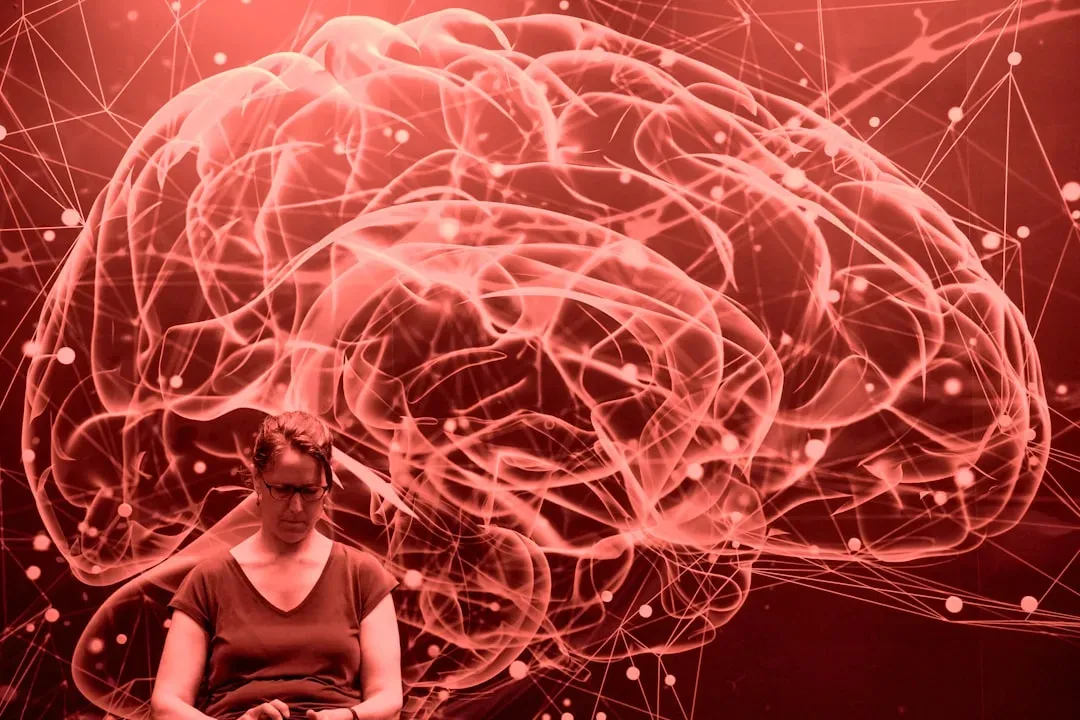
Manifestation is the ability to embed your intention to actually make that intention manifest or make your goal occur, and essentially every one of us every day is trying to manifest our goals. Dr. James Doty from Stanford has been researching this extensively, and what he’s found is pretty compelling.
Our inner power may seem limited by external circumstances or past conditioning, but in reality it starts in our own minds. Deep breathing and replacing negative thoughts with positive ones can help calm down our stressed-out nervous systems, and when we switch from the sympathetic nervous system to the parasympathetic nervous system, we can begin to think more clearly and compassionately. When your nervous system is calm, your prefrontal cortex can actually do its job properly, making better decisions and spotting opportunities you’d miss when stressed.
The Limitations and Realities: What Manifestation Cannot Do

Let’s have an honest conversation here. One problem with the law of attraction is that if it didn’t happen, it’s blamed on you for not putting positive energy out there, but what we’re really talking about is how the brain works, not some magic in the universe that’s going to fix lives.
Magical beliefs like manifestation can boost optimism when striving toward an objective, however aiming for unrealistic aspirations or pushing on despite clear evidence of imprudence can be detrimental. You cannot manifest things that are physically impossible or completely outside your sphere of influence. You can’t think your way into making someone else fall in love with you or winning the lottery without buying a ticket. What you can do is optimize your brain’s ability to guide you toward achievable goals and help you take the actions necessary to get there. That’s still pretty remarkable, just not magical.
Conclusion: The Meeting Point of Mind and Matter
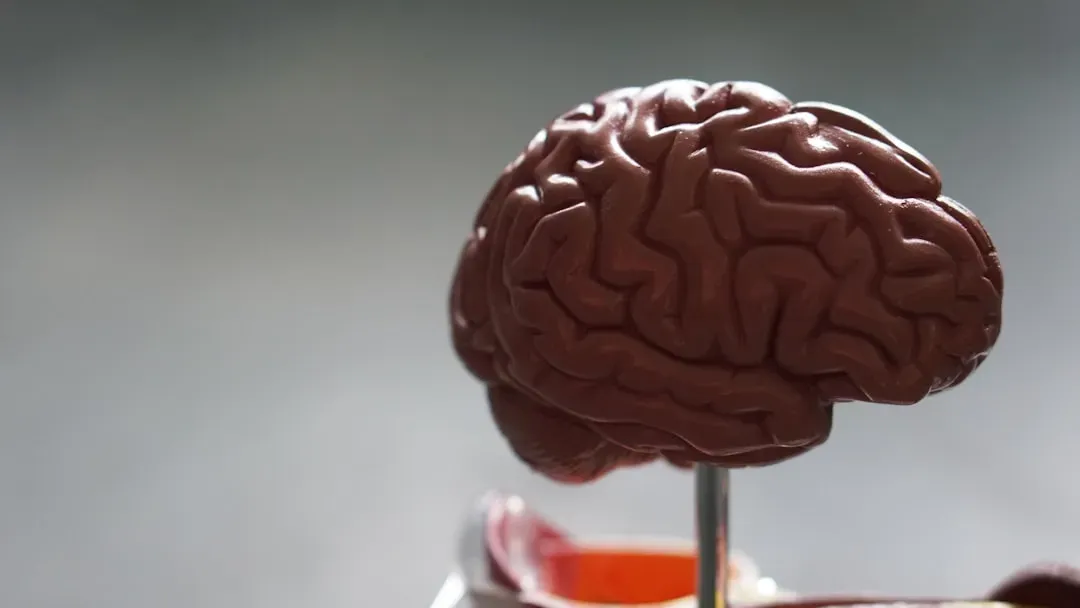
So what’s the real story here? Thoughts don’t create reality in some mystical, universe-bending way. They do something arguably even more interesting: they reshape your brain, redirect your attention, prime your perception, and motivate your actions in ways that genuinely change what you experience and achieve in life.
The act of manifestation is not merely pseudoscience as it actually has a body of research in neuroscience to back it up. The power isn’t in cosmic ordering or vibrational frequencies. The power lives in your brain’s remarkable ability to adapt, focus, and drive behavior toward anticipated outcomes. When you combine clear intentions with consistent action, emotional regulation, and realistic expectations, you’re not manifesting through magic. You’re harnessing one of the most sophisticated prediction and adaptation systems in the known universe: your own nervous system.
What reality are you currently creating with your habitual thoughts? The neuroscience suggests you have more influence over that answer than you might have imagined. What will you choose to focus on next?