Imagine standing in front of a towering T. rex skeleton at a natural history museum, jaw slightly dropped, totally convinced you’re staring at a complete, untouched creature from 65 million years ago. Here’s the thing though – you’re almost certainly not. What you’re actually looking at is a masterpiece of scientific detective work, a painstaking reconstruction built from fragments, guesswork, comparative biology, and cutting-edge technology.
The reality of dinosaur fossil recovery is far messier, far more incomplete, and honestly far more fascinating than most people realize. The story of how a handful of scattered bones becomes the lifelike creature in that museum hall is one of the most remarkable journeys in all of science. Buckle up, because what follows might genuinely surprise you.
The Chaotic Reality of Fossil Discovery in the Field
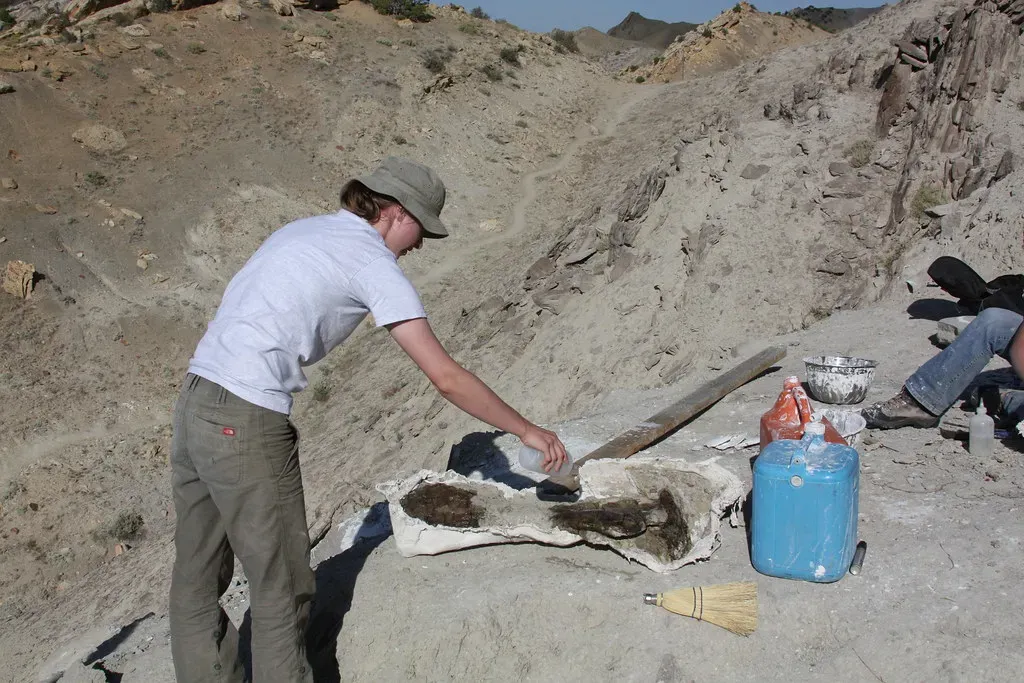
You might picture paleontologists dramatically uncovering perfect, fully articulated skeletons from the earth. The reality? Far from it. Paleontologists occasionally uncover a dinosaur from volcanic ash and other sediments with every bone preserved perfectly in place, but most fossil animals are unearthed incomplete or damaged. The conditions required for exceptional preservation are extraordinarily rare, and millions of years of geological upheaval rarely leave things tidy.
To find fossils, paleontologists first carry out an operation called prospecting, which involves slowly hiking across ridges and through ravines, while keeping one’s eyes focused on the ground in hopes of finding fragments of fossils weathering out on the surface. Think of it less like an epic movie dig and more like an incredibly slow, intensely focused treasure hunt across barren desert terrain. Every single bone, fragment, and even the surrounding rock is meticulously mapped, photographed, and cataloged, providing critical data about the dinosaur’s orientation, the environment it died in, and its relationship to other fossils.
Excavation and Preservation: Protecting the Evidence
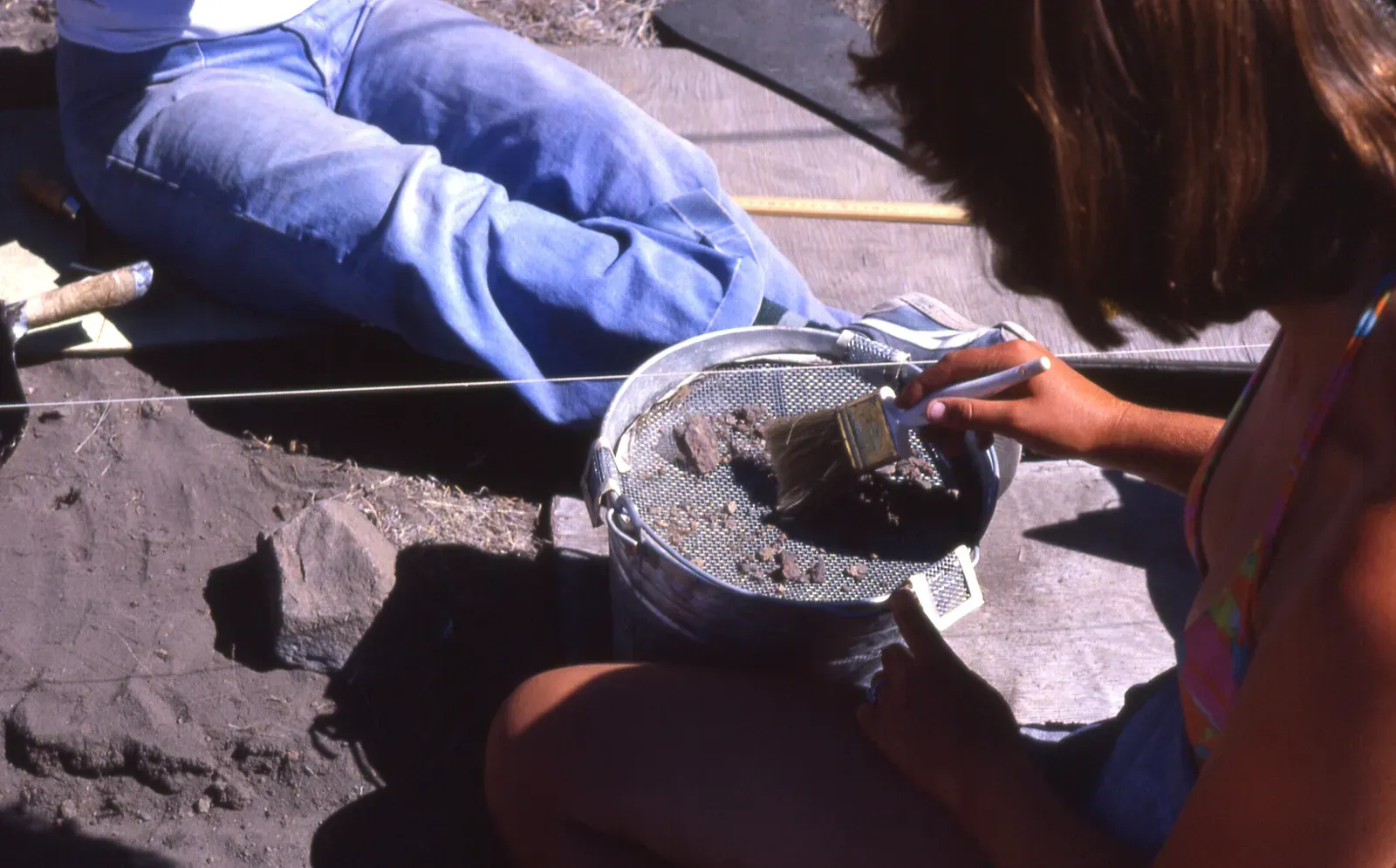
Once a fossil site is located, the real physical labor begins. Paleontologists and their teams carefully remove the overburden, which includes the layers of rock and soil covering the fossils, and this can involve anything from heavy machinery for large sections to delicate hand tools like picks, brushes, and dental instruments for working around the bone itself. It’s a process that demands equal parts brute force and surgical precision, sometimes taking years to complete a single excavation site.
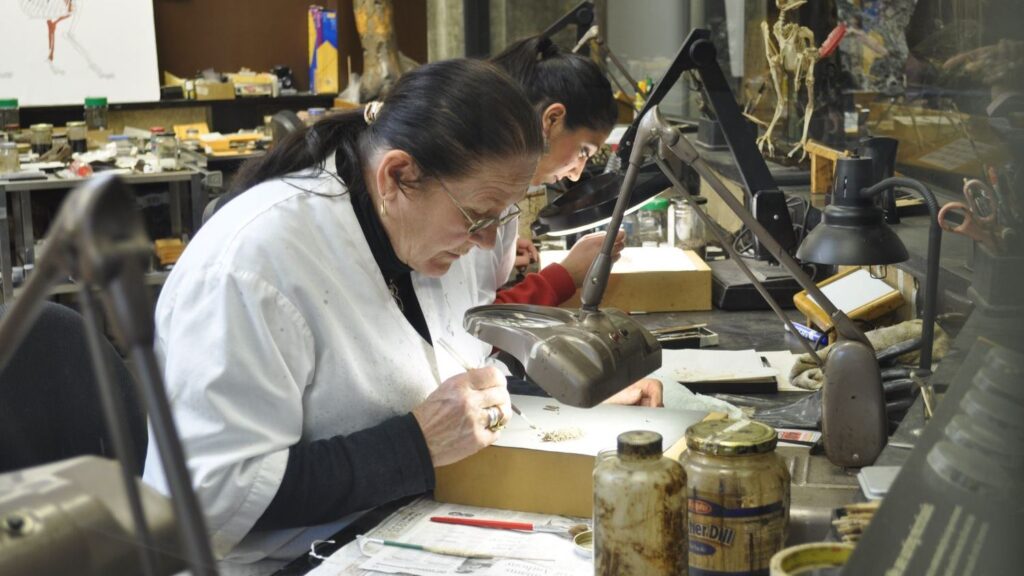
Dental tools are used to carefully pick away sediment near the bone, along with custom-made needles composed of carbide steel. Formerly, chisels and hammers were used to remove blocks of matrix farther away from the bone, but recently, smaller mechanical tools have taken their place. These include small grinding wheels, miniature jackhammers called air scribes, and tiny sand-blasters powered by compressed air. Preparators often use these tools while examining the fossil through a precision microscope under high-quality lighting to make sure delicate features on the fossils are not damaged. Once exposed, the bones are stabilized, usually by saturating them with a hardening agent and then wrapping the entire block in plaster-soaked burlap strips, creating a protective “jacket” similar to a cast on a broken limb.
Reading the Bones: What Fossils Actually Tell You
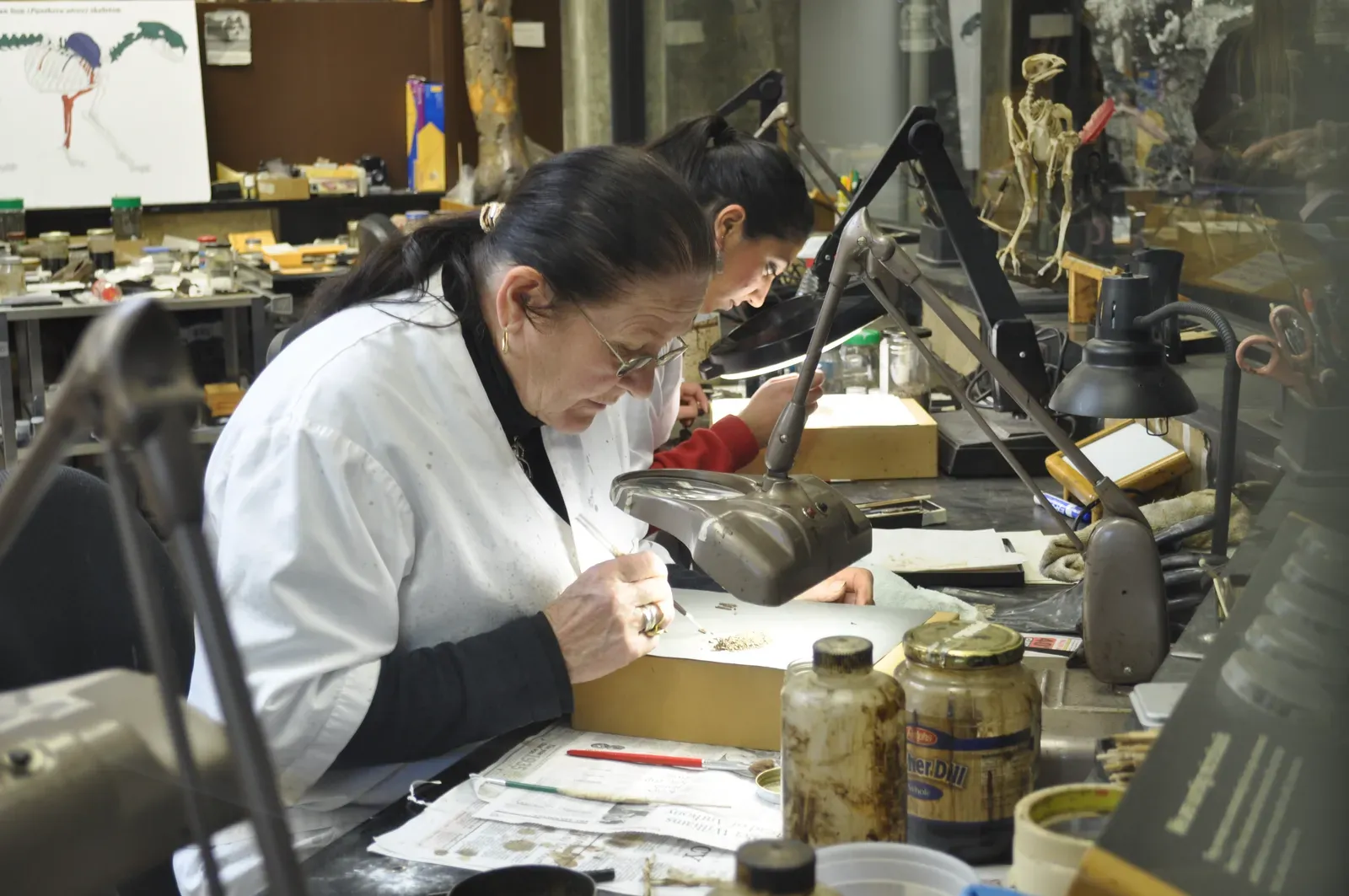
Here’s where the science truly begins to shine. Once the fossils reach the laboratory, researchers extract an astonishing amount of information from them. Researchers examine the bones for clues about the dinosaur’s species, age, growth, injuries, and even behaviors, as muscle attachment scars can indicate how strong certain muscles were, wear patterns on teeth reveal diet, and bone pathologies can tell tales of ancient illnesses or battles. A single fossilized tooth can essentially tell you what an animal ate for a living.
Rough patches and flanges on bone can be used to reconstruct the positions of muscles, cartilage and ligaments. Studying the scratches and wear patterns on teeth reveals vital information on diet and feeding. Honestly, it’s almost like reading a biography written in calcium and mineral. By carefully cutting thin sections through dinosaur bones and putting them under the microscope, scientists can age dinosaurs and work out how fast they grew to adulthood, done by counting the growth lines in the bone walls which, much like tree rings, were laid down each year.
Filling the Gaps: Comparative Anatomy and Living Relatives
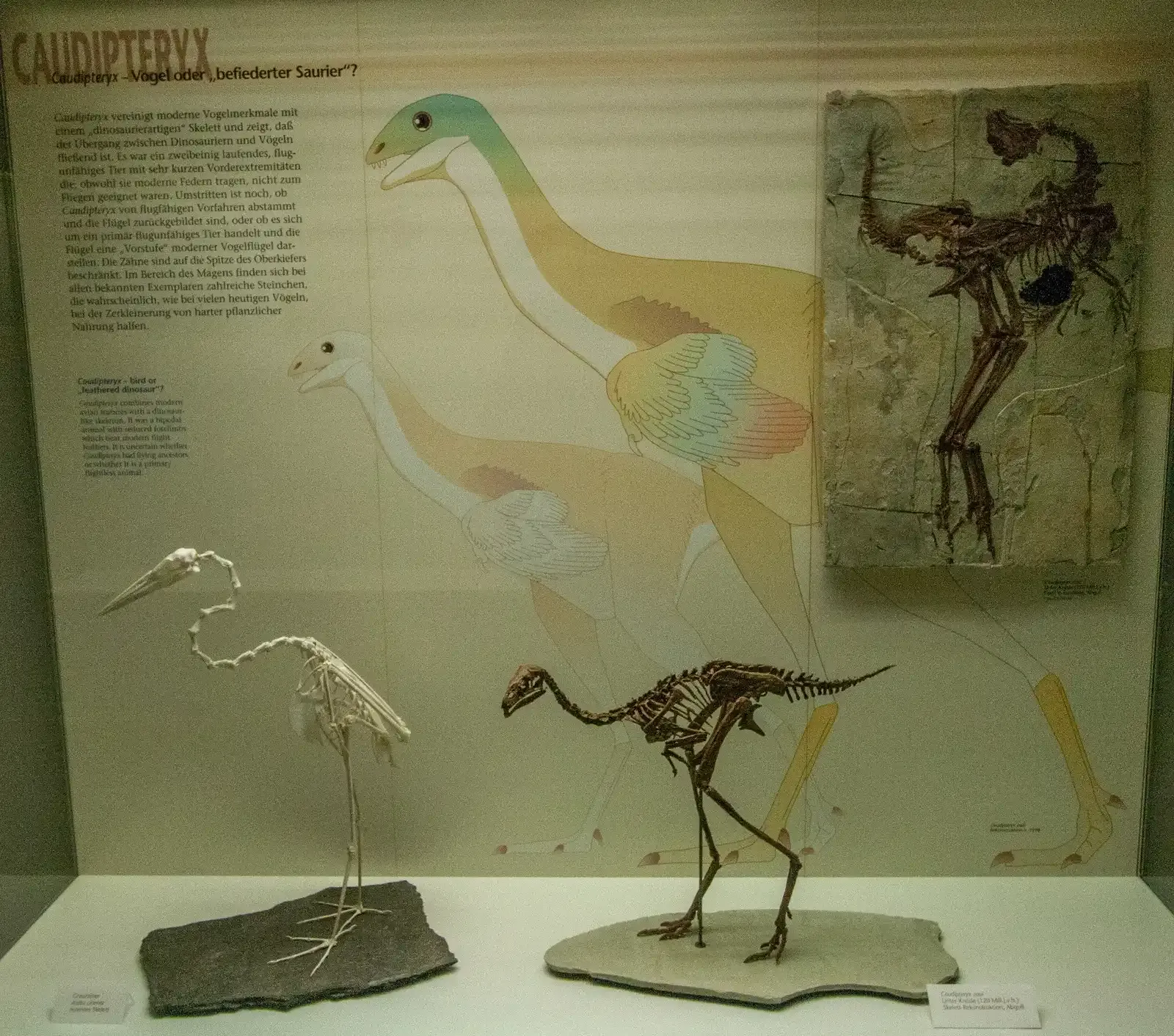
Behind the impressive museum displays lies an astonishing scientific process – most dinosaurs are reconstructed from remarkably incomplete remains. Paleontologists often work with just fragments, sometimes only a handful of bones, to piece together not just the skeleton but the appearance, behavior, and ecology of animals that vanished millions of years ago. So how do you fill those gaps without simply making things up? The answer lies in the living world around us.
If an excavation reveals dinosaur fossil bones that aren’t arranged as they were when the animal was alive, palaeontologists use knowledge of anatomy and comparisons with other animals to piece together the skeleton. If we can identify similar features in living animals, whose biology we can study in real time, we can infer similar functions for those same features in extinct animals. Birds, in particular, are invaluable reference points. As living dinosaurs, birds can be used to test some of the ideas that palaeontologists have proposed based on bones alone. They also carry a direct genetic legacy of their dinosaurian ancestry, which means that bird genes are dinosaur genes, even though birds represent only one specialised branch of the dinosaur family tree.
Muscles, Skin, and the Soft Tissue Challenge
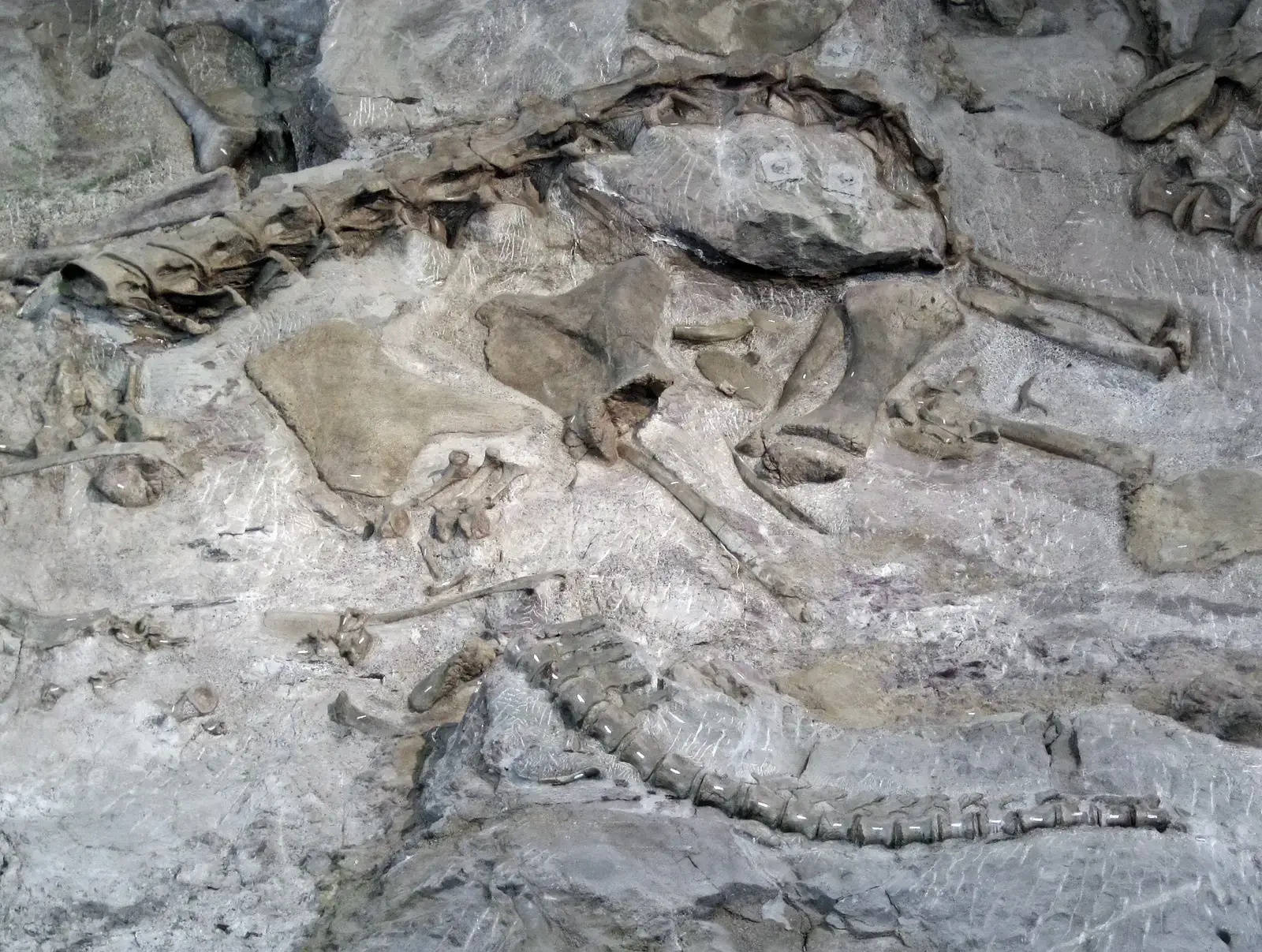
Reconstructing hard bones is one thing. Building flesh onto those bones is an entirely different and far more speculative challenge. Let’s be real – soft tissue almost never fossilizes. There are a few bits of preserved muscle tissue for certain extinct dinosaurs, but perhaps more importantly, scholars can use fossilized bones with scars of where muscles were attached to fill in the gaps. Plus, since muscle layout is actually quite conservative across the animal kingdom, from humans to crocodiles, experts can look at living animals and get a pretty good idea of what the muscle layout of an extinct vertebrate might be.
Skin reconstruction follows a similarly careful path. Experts can use depressions, creases and impressions of blood vessels from the surface of bones to help them deduce the type of skin that appeared on top, and skin and bone interact when they’re very close, particularly when the skin is tough or scaly. Even feathers have entered the conversation. In 1996, paleontologists in China discovered some of the first fossilized, feathered dinosaurs. Since then, nearly 50 more well-preserved, feathered dinosaur species have been discovered. These first findings cemented that some dinosaurs were indeed feathered, which allowed experts to learn more about their colors in general. A discovery that genuinely rewrote the visual story of prehistoric life.
Digital Technology and the Rise of Virtual Paleontology
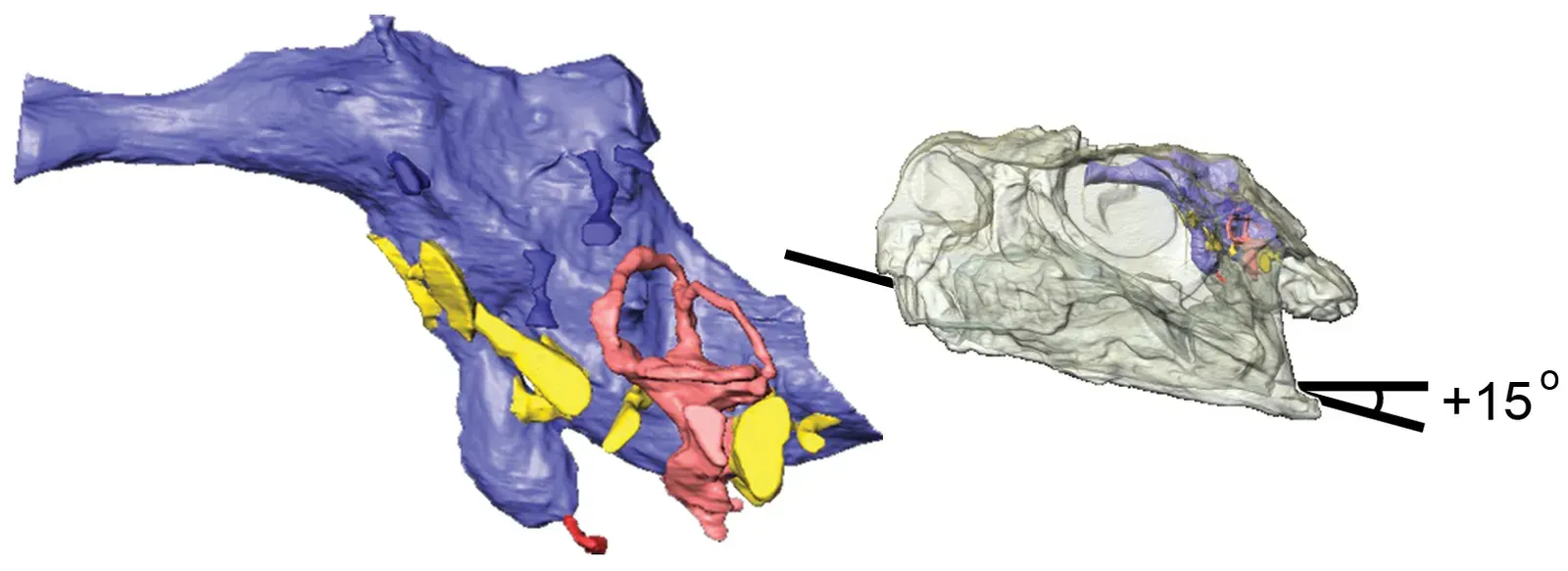
If you think dinosaur reconstruction is still a matter of plaster molds and hand-painted replicas, you’re decades behind. Paleontology has experienced a transformative shift with the advent of digital technologies. Traditional methods such as manual reconstruction, molding, and casting, though foundational, are often time-consuming and risk damaging valuable specimens. In response, the field has embraced “virtual paleontology,” which employs three-dimensional digital tools to reconstruct, visualize, and study fossils. It’s genuinely a new era for the science.
CT scanning can be used to peer inside dinosaur bones and reveal features of the skeleton that were previously difficult to access, including the shape of the brain and the presence of air-filled sacs that ran through many dinosaur bones. Museum dinosaur researchers used a CT scan of a Stegosaurus skull to produce a 3D digital model. They used biomechanical tests on the model to show how Stegosaurus chewed and found that it had a particularly powerful bite for a herbivore. The CT scans produce perfect virtual models of the bones, which can then be subjected to testing in ways that would be impossible with a fragile or cumbersome fossil. After scanning, digital models can replace the need to frequently handle the original fossils. Printed replicas can be used for research or exhibitions, while the originals are preserved in safer environments, reducing the risks to the original specimens during display while increasing the reach of public science education.
Reconstructing How Dinosaurs Actually Moved
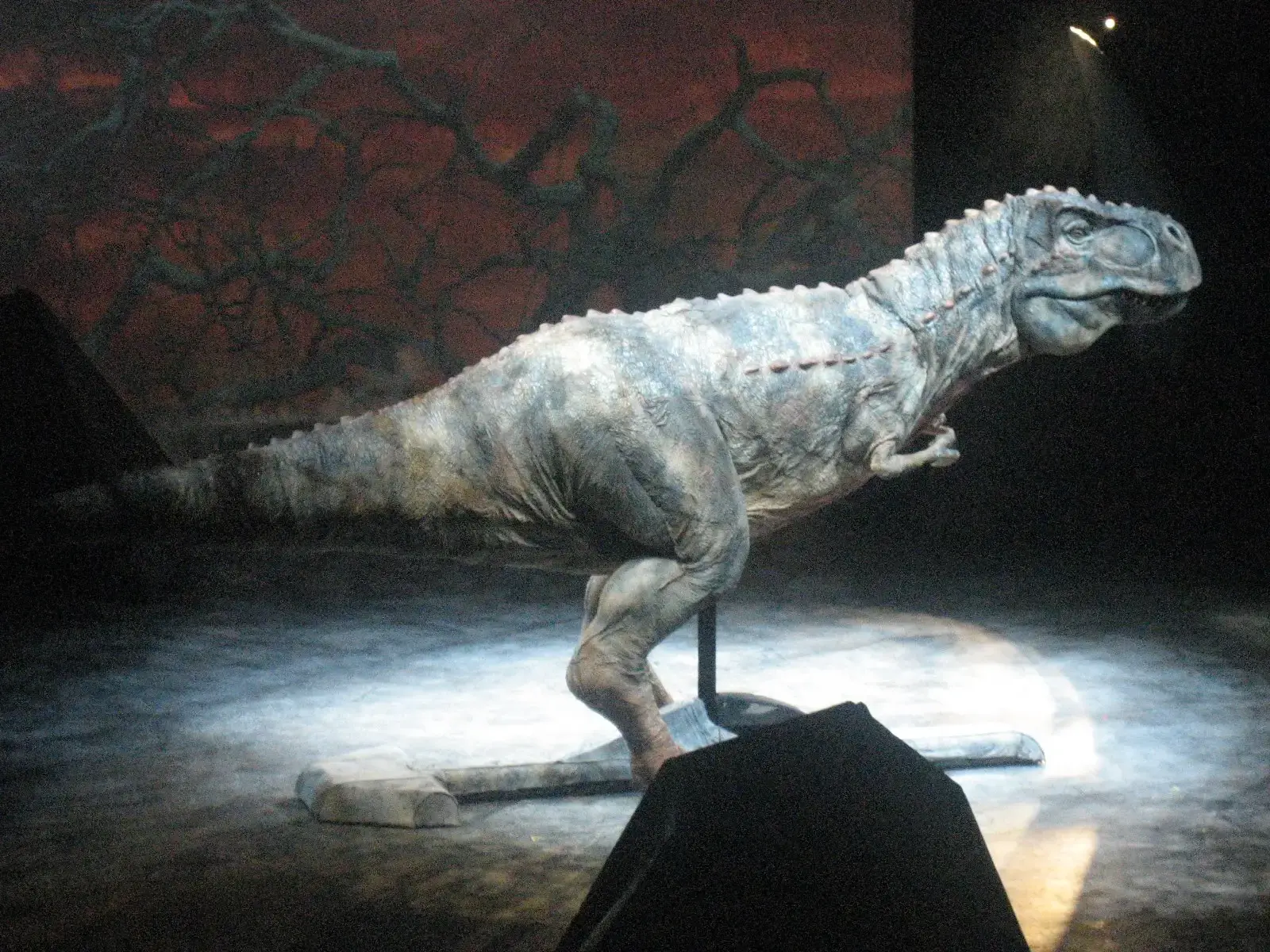
Knowing what a dinosaur looked like is one thing. Understanding how it actually moved is an entirely different puzzle, and I think this is where paleontology gets most thrilling. Locomotion of an animal affects many, if not most, aspects of life reconstruction, including behaviour, performance, ecology and appearance. Yet locomotion is one aspect of non-avian dinosaurs that we cannot directly observe. To shed light on how dinosaurs moved, we must draw from multiple sources of evidence.
Fossilized footprints are our only direct record of motion and can provide important snapshots of extinct animals, shedding light on speed, gait and posture. Recent research has pushed this even further. A dinosaur’s 40-second journey more than 120 million years ago has been brought back to life by a University of Queensland-led research team using advanced digital modeling techniques. Dr. Anthony Romilio from UQ’s Dinosaur Lab and Prof. Lida Xing from China University of Geosciences analyzed and reconstructed the Phoenix Trackway, the longest documented set of footprints made by a predator walking on two legs in East Asia. The center of mass must be balanced over the limbs in any functional reconstruction, creating physical constraints that limit plausible postures. This approach has dramatically transformed our understanding of dinosaur posture over time, from the tail-dragging, upright postures depicted in early reconstructions to the more dynamic, horizontally-balanced postures supported by modern evidence.
Conclusion: A Science Built on Brilliant Informed Guesswork
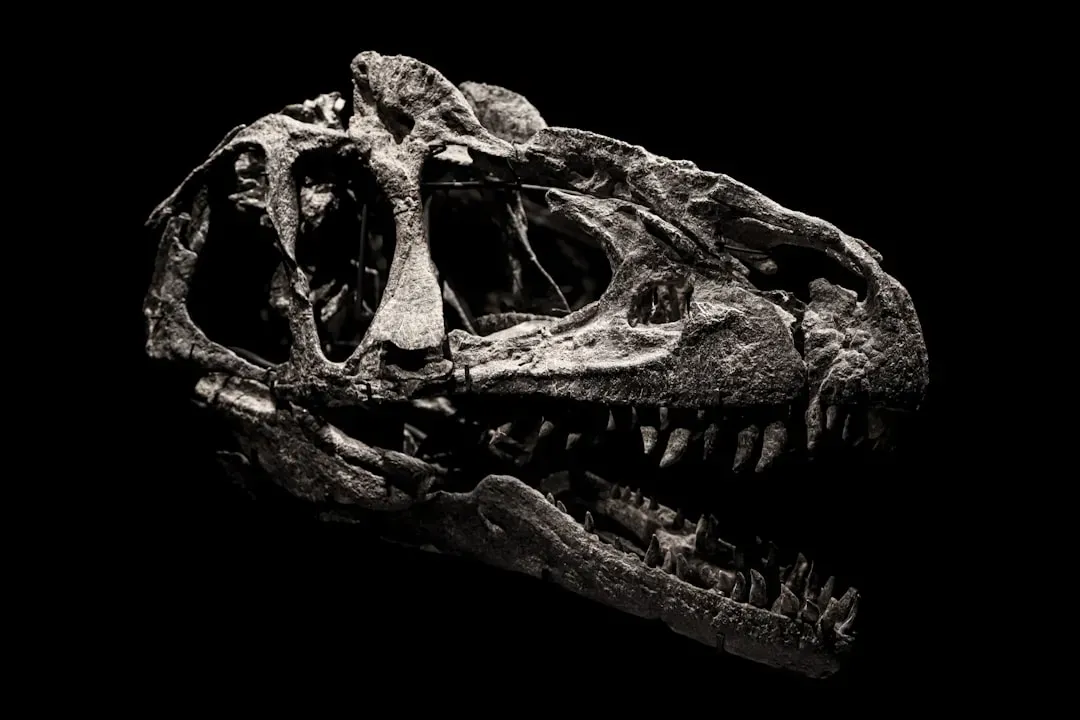
Reconstructing a dinosaur from fragmented bones is, at its heart, one of the most extraordinary intellectual exercises that exists in science. You’re working with incomplete evidence, bridging millions of years of time, and relying on everything from bird anatomy to CT scanners to make confident claims about creatures no human has ever seen alive. Paleontologists often work with just fragments, sometimes only a handful of bones, and this scientific detective work combines rigorous methodology with informed speculation, creating a fascinating intersection of hard evidence and educated inference.
The picture is always getting sharper, too. A 125-million-year-old dinosaur just rewrote what we thought we knew about prehistoric life. Scientists in China uncovered an exceptionally preserved juvenile iguanodontian with fossilized skin so detailed that individual cells are still visible. Even more astonishing, the plant-eating dinosaur was covered in hollow, porcupine-like spikes – structures never before documented in any dinosaur. Every new find reminds us that the story isn’t finished. The next bone fragment sitting in a remote hillside somewhere might completely change everything we thought we knew. Pretty humbling, isn’t it?
What’s the most surprising thing you learned about how dinosaurs are reconstructed? Drop your thoughts in the comments below.