
You’ve probably felt it. That nagging urge to scroll through your phone for hours, the instant stress when you see an email notification at dinner, or the strange satisfaction you get from buying something you don’t really need just because it was on sale. Here’s the thing: your brain is still operating on software that was programmed thousands of years ago, and it’s struggling to keep up with the digital world you’ve created around it.
Your brain was molded millions of years ago in small hunter-gatherer groups, yet here you are, navigating an anonymous, densely populated world filled with screens, notifications, and endless information. The collision between these two realities creates what scientists call an evolutionary mismatch, and understanding it might just change how you live your daily life. So let’s dive in.
Your Stone Age Brain in a Digital World

Let’s be real about what you’re dealing with here. Your brain hasn’t changed much since the Stone Age, yet you’re asking it to handle a constant barrage of digital stimuli that would have been unimaginable to your ancestors. Think about it: your predecessors worried about finding food and avoiding predators, not managing seventeen different apps or deciding which streaming service to watch tonight.
Your body and mind are tuned to physical and social situations your ancestors faced between 2.5 million to 10,000 years ago, when they had to survive famine, predators, violence, and high infant mortality. The problem is that evolution is almost imperceptibly slow, so your brain is still well-suited for that ancient environment. Meanwhile, you’re sitting in a coffee shop with unlimited WiFi trying to concentrate while notifications explode across your screen. It’s honestly no wonder you feel overwhelmed sometimes.
The Mismatch Between What You’re Wired For and Where You Live
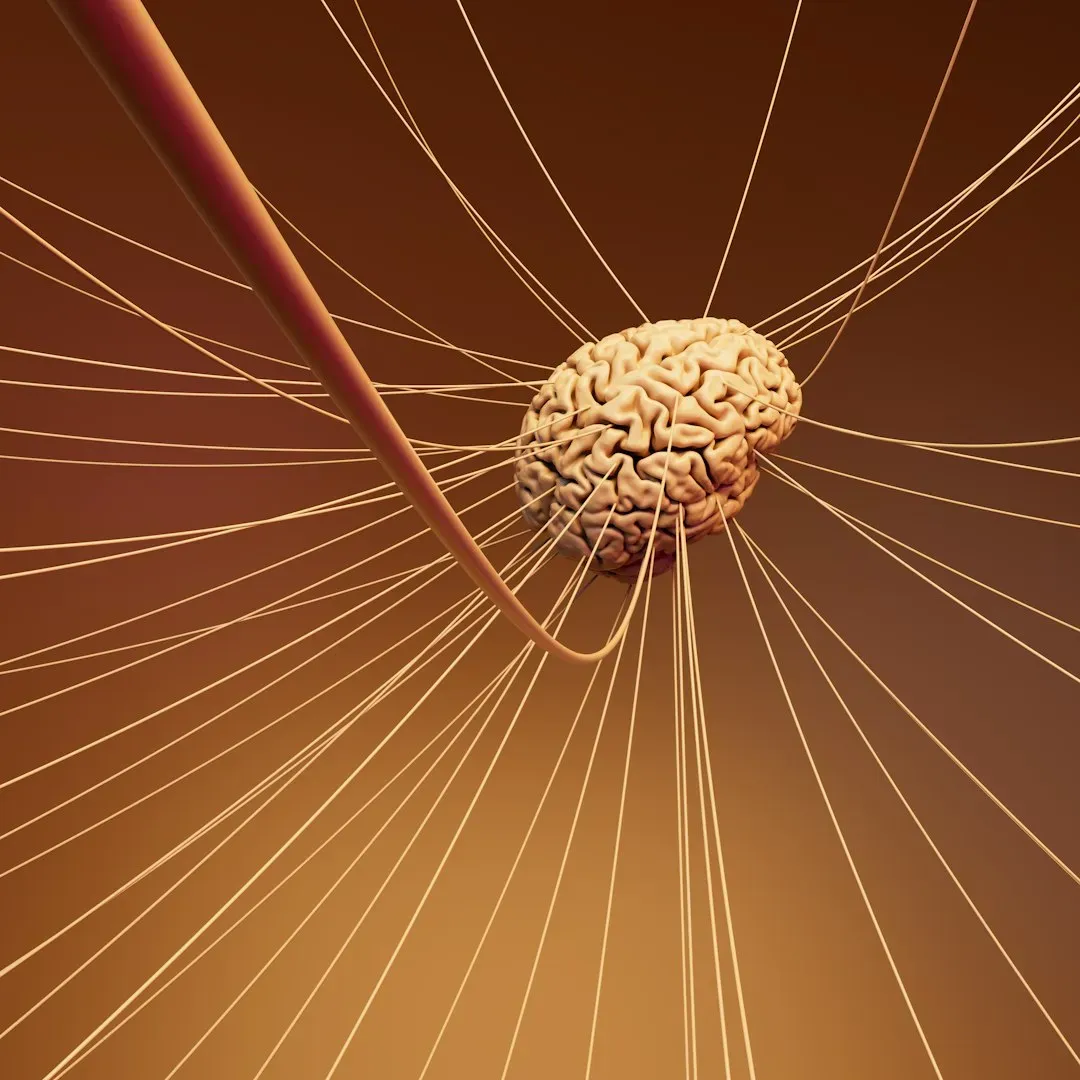
There’s a mismatch between your evolved fear-learning psychology and the modern environment, which shows up in supernormal stimuli that elicit responses more strongly than the stimulus for which the response evolved. What does that actually mean for you? Well, junk food is an exaggerated stimulus to cravings for salt, sugar, and fats, while double cheeseburgers pull instincts intended for an environment where fat was a rare and vital nutrient.
Your ancient brain keeps treating modern problems like survival threats. Your brain treats workplace deadlines, traffic jams, and social conflicts as life-or-death threats, triggering stress hormones and urgent reactions even when no real danger exists. That’s why you feel your heart racing when your boss sends a vaguely worded email, or why sitting in traffic can ruin your entire evening. Your body is preparing you to fight a saber-toothed tiger, except the tiger is actually just an irritating commute.
Why Social Media Hijacks Your Emotional System

Ever wonder why getting ignored on social media feels so painful? It’s not just you being dramatic. Being excluded from the tribe once meant death, and today your brain still interprets social rejection, criticism, or being ignored as a threat to survival, causing intense emotional pain. Your ancestors lived in groups of maybe 150 people, where social bonds literally determined whether you survived the winter or not.
Now you’re scrolling through feeds with thousands of connections, comparing your life to carefully curated highlight reels, and your poor brain is frantically trying to maintain all these “relationships” that it thinks are critical to your survival. Scarcity triggers your hoarding instincts, making limited-time offers and “only 2 left” messages activate ancient resource-gathering behaviors, causing you to buy things you don’t actually need. Marketers have basically figured out how to weaponize your evolutionary psychology, and your credit card is paying the price.
The Attention Span Crisis You’re Living Through

Here’s a sobering reality check. In 2004, people averaged 150 seconds before switching from one screen to another, but by 2012 that time had fallen to 47 seconds. That’s roughly a minute and a half less focus in just eight years. Think about what’s happened since then.
Smartphone and streaming technology has significantly reduced attention spans, with studies suggesting an average of just eight seconds. Eight seconds. That’s supposedly less than a goldfish, though honestly, I think the goldfish comparison is more memorable than accurate. Still, the point stands: you still have the same physical brain as your Stone Age ancestors, and your biology cannot possibly keep up with the breathtaking speed at which modern technology, culture, and society are changing.
Why You Can’t Stop Checking Your Phone

Let me ask you something: how many times have you picked up your phone today without really knowing why? Neurotransmitters like dopamine fuel basic survival instincts such as desire and reward, and the orienting reflex is one of the unconscious circuits that automatically focus, shift, and sustain attention. Basically, your brain is hardwired to notice anything new or different in your environment because, historically, that could be either dinner or danger.
Smartphones are designed to exploit this evolutionary quirk, making them irresistible to Stone Age brains. Every notification, every ping, every little red dot is triggering that ancient “what’s that?” response that kept your ancestors alive. Tech companies have essentially built a device that turns your survival instincts against you, and they’re making billions doing it. The irony is that you know this is happening, but knowing doesn’t make it any easier to resist.
The Workplace Wasn’t Built for Human Nature

If you’ve ever felt miserable in a corporate job despite decent pay and benefits, there might be an evolutionary reason for that. Modern organizational leadership is a mismatch because humans are not adapted to work in large, anonymous bureaucratic structures with formal hierarchies; the human mind still responds to personalized, charismatic leadership primarily in the context of informal, egalitarian settings.
You were designed to work in small groups where everyone knew each other, where leadership was earned through demonstrated competence, and where social bonds mattered more than org charts. This causes dissatisfaction and alienation that many employees experience, while salaries and bonuses exploit instincts for relative status, which particularly attract males to senior executive positions. Your cubicle farm or open-plan office is about as natural to human psychology as living underwater would be, yet you’re somehow expected to thrive there forty hours a week.
Making Peace Between Your Instincts and Your Reality

So what do you actually do with all this information? The good news is that awareness is half the battle. You have conscious awareness, which means you don’t have to react; you can reflect. Understanding that your stress response to an email isn’t proportional to the actual threat can help you take a breath before responding in anger.
Implementation of screen time limits facilitates a healthy balance between online and offline activities, enabling you to concentrate on physical and daily responsibilities. Practical strategies matter here: set boundaries for when you check email, create phone-free zones during meals, and schedule specific technology-free times such as during meals, one hour before bed, or every Sunday morning. Small changes can reshape your relationship with technology without requiring you to move to a cabin in the woods.
Reconnecting with What Makes You Human

You’re designed to be social, meant to exist in family units and live in groups while interacting with each other; when you seek connection with other humans, you’re healthier and happier. This isn’t some feel-good platitude. It’s biology. People who isolate from other humans have more mental and physical health problems and, on average, die much younger.
The key is to use technology as a supplement to, not a replacement for, real-life interactions, since strong relationships are key to long-term happiness and health. Video calls are great for staying in touch with distant family, but they’re not a substitute for sitting across from someone, reading their body language, and feeling that genuine human warmth. Your ancient instincts know the difference, even if your conscious mind tries to pretend otherwise.
Building a Life Your Brain Can Actually Handle

Here’s where it gets practical. You don’t need to abandon modern life or reject technology entirely. Technology can elevate the human experience by augmenting natural abilities and helping solve problems more efficiently; the key is striking a balance where machines handle repetitive or analytical tasks, freeing humans to focus on what we do best: care, create, and connect.
Think about how you can redesign your environment to work with your instincts instead of against them. Spend time in nature, even if it’s just a park. Replace online time with meaningful offline activities like reading, exercising, and spending time in nature. Move your body regularly because sitting all day is as unnatural as staring at screens for hours. Create rituals that signal transitions between work and personal time. Your brain loves patterns and routines; give it some that actually serve your wellbeing.
The tension between your ancient wiring and modern world isn’t going away anytime soon. Evolution moves at a glacial pace while technology sprints ahead at breakneck speed. What you can control is how you respond to this mismatch. You can create boundaries, build awareness, and make intentional choices about how you spend your time and attention. Your Stone Age brain got you this far; maybe it’s time to start working with it instead of constantly fighting against it.
What do you think? Are you ready to make peace with your evolutionary baggage, or will you keep pretending you’re perfectly adapted to modern life? Tell us in the comments.