The fossil record provides our most tangible connection to life’s ancient past, offering critical evidence for evolution and Earth’s history. However, the world of paleontology is occasionally rocked by cases of fossil forgery and misidentification that manage to evade scientific scrutiny. From commercially motivated fakery to innocent misinterpretations, these incidents reveal both the challenges inherent in authenticating ancient remains and the occasional blind spots in the scientific process. This article explores how fraudulent fossils sometimes infiltrate respected institutions and scientific literature, the methods used to create these deceptions, and the evolving techniques that help researchers separate authentic prehistoric treasures from clever counterfeits.
The Lucrative World of Fossil Trading

The commercial fossil market has exploded in recent decades, creating powerful financial incentives for fraud. When complete dinosaur skeletons can fetch millions at auction, the temptation to “enhance” or completely fabricate specimens becomes nearly irresistible for some unscrupulous dealers. Private collectors often lack the scientific expertise to detect sophisticated fakes, while the enormous sums changing hands can occasionally cloud judgment even among institutional buyers. This commercialization has created a shadow industry where fossils are sometimes altered, combined from different specimens, or entirely manufactured to increase their market value. The most problematic cases occur when these specimens later make their way into scientific collections through donations or purchases, contaminating the scientific record with fraudulent data that may go undetected for years.
Infamous Historical Hoaxes

The history of paleontology is punctuated by notable fossil frauds that managed to deceive experts, sometimes for decades. The Piltdown Man, discovered in 1912 and not definitively exposed as a hoax until 1953, combined a medieval human skull with an orangutan jawbone and filed-down teeth. This forgery misdirected human evolution research for nearly half a century. Archaeoraptor, famously featured on the cover of National Geographic in 1999, was later revealed to be a composite of multiple fossils cleverly assembled to appear as a missing link between dinosaurs and birds. The “Lying Stones” of Johann Beringer in the 1720s featured fabricated fossils that colleagues planted to humiliate the German professor. These historical cases demonstrate that even experienced scientists can be deceived when specimens align with prevailing theories or personal biases, providing cautionary tales for modern researchers.
Methods of Fossil Fabrication

Modern fossil forgers employ increasingly sophisticated techniques that can challenge even experienced paleontologists. Some fabricators create molds from authentic specimen parts and cast convincing replicas using mixtures of crushed stone, resin, and bone material that closely mimic the weight, texture, and appearance of genuine fossils. Others practice “fossil compositing,” where fragments from different specimens or even species are assembled into a single, more valuable “complete” specimen. Digital manipulation of images in scientific publications allows subtle alterations that can exaggerate or completely fabricate features of interest. The most problematic fakes often incorporate some percentage of authentic material, making traditional dating methods less useful for detection. In regions with less stringent export regulations, local excavators sometimes “improve” partially complete specimens to increase their value, adding carved details or missing elements that can fool initial examinations.
Pressures Within Scientific Publishing
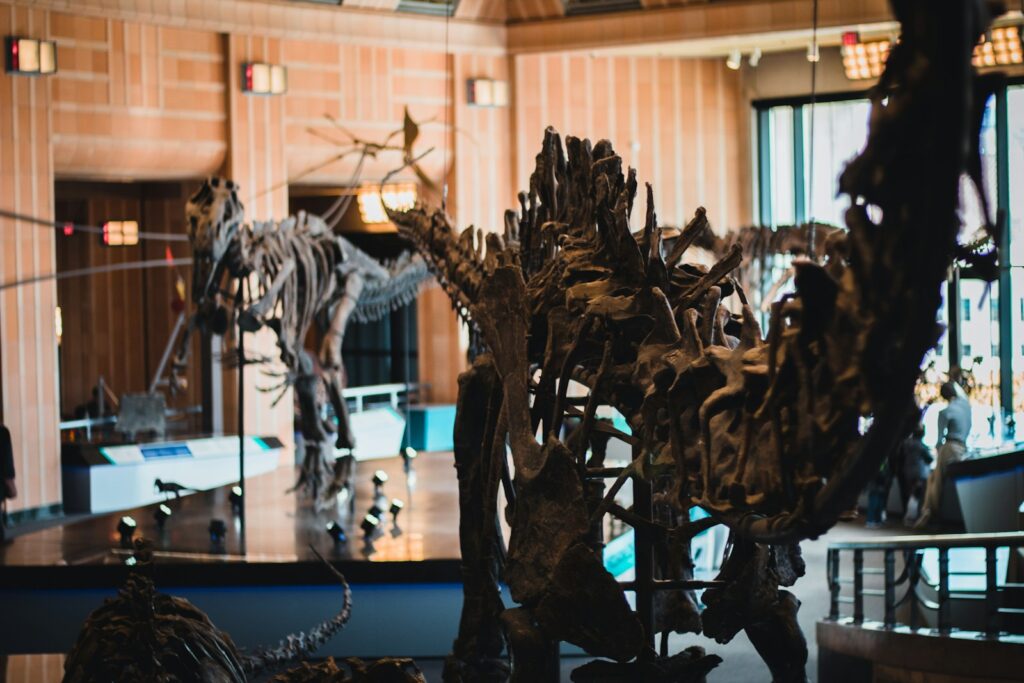
The academic environment itself sometimes creates conditions that allow questionable fossils to enter the scientific literature. The intense pressure to publish novel findings in high-impact journals can lead researchers to overlook potential red flags in particularly exciting specimens. Journals often lack specific protocols for authenticating fossil specimens beyond standard peer review, which typically focuses more on the interpretation than the provenance of materials. The competitive nature of paleontological discovery, where career advancement can hinge on describing new species or evolutionary breakthroughs, occasionally compromises the thoroughness of specimen verification. Additionally, the specialized knowledge required to detect sophisticated fakes may not overlap with a reviewer’s particular expertise, creating blind spots in the evaluation process. These systemic pressures can inadvertently create opportunities for fraudulent fossils to gain scientific legitimacy before receiving proper scrutiny.
Challenges in Authentication
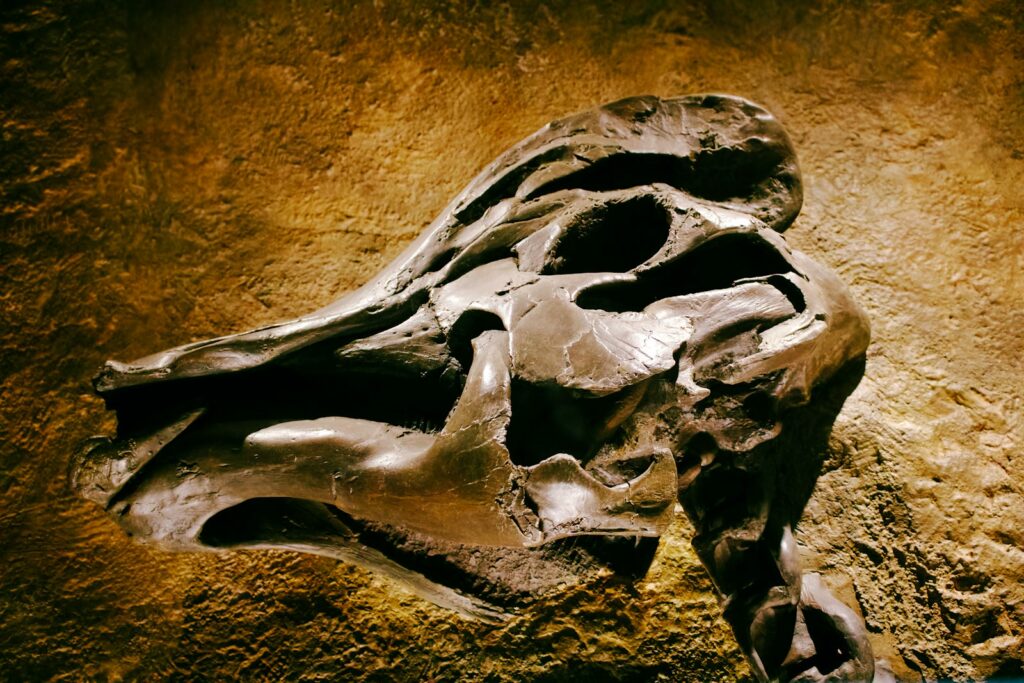
Authentication of fossil specimens presents unique challenges that differentiate it from other scientific fields. Unlike experimental results that can be readily replicated in different laboratories, fossils are unique, irreplaceable objects. Many important specimens reside in private collections or remote institutions where access is limited, preventing thorough independent examination. Destructive testing techniques that might conclusively authenticate specimens are often avoided to preserve rare materials. The geological context of a fossil provides crucial information for authentication, but this context is frequently lost when specimens are commercially collected or illegally excavated. Even among legitimate specimens, natural preservation processes create tremendous variation in fossil appearance and composition, making standardized authentication criteria difficult to establish. These inherent challenges create inevitable gaps in verification procedures that forgers can exploit.
The Problem of Incomplete Provenance

A fossil’s provenance—its documented history of discovery, ownership, and handling—serves as a critical factor in establishing authenticity. Unfortunately, many specimens enter scientific collections with incomplete or questionable provenance records. Commercial fossil hunters rarely document excavation sites with the same precision as academic expeditions, sometimes intentionally obscuring collection locations to protect future discoveries or hide illegal excavation activities. Fossils may change hands multiple times before reaching researchers, creating gaps in the chain of custody where alterations could occur undetected. Even well-intentioned private collectors might inadvertently mix specimens or misremember critical details about acquisition circumstances. When specimens with questionable provenance offer particularly exciting scientific insights, researchers sometimes face difficult ethical choices between rejecting potentially valuable data and accepting specimens that cannot be fully authenticated.
Cultural and Legal Complexities
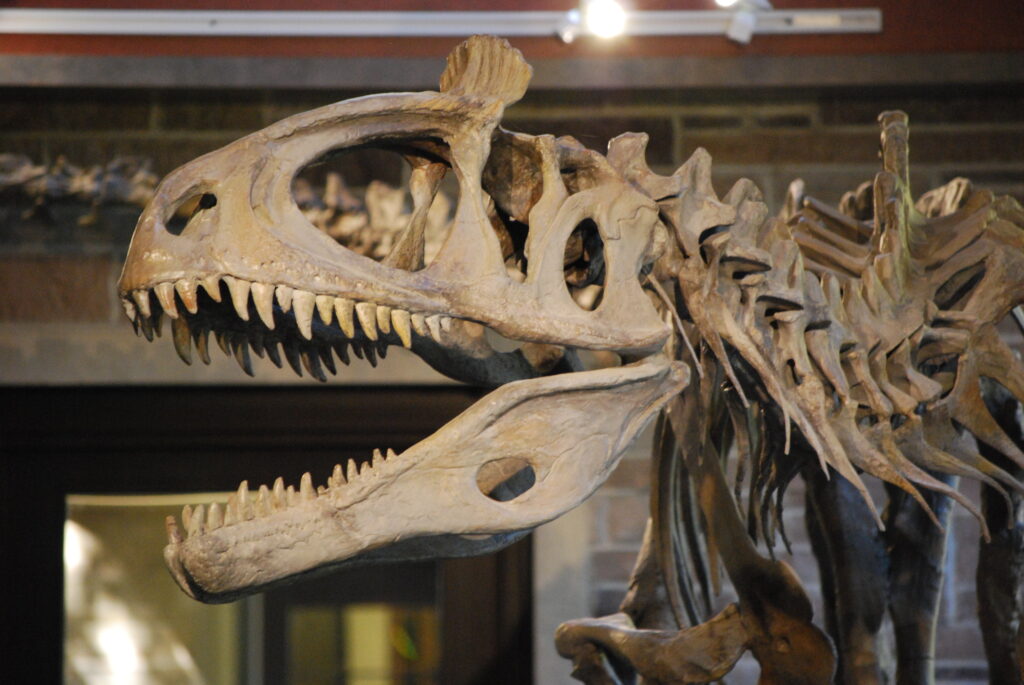
The international nature of the fossil trade introduces additional complications that can facilitate the circulation of fraudulent specimens. Different countries maintain vastly different legal frameworks regarding fossil excavation, ownership, and export, creating a patchwork of regulations that can be difficult to navigate. Some regions with rich fossil deposits lack resources for effective enforcement of protection laws, leading to widespread illegal excavation. Cultural attitudes toward fossil collection vary dramatically between countries, with some viewing paleontological heritage as a commercial resource rather than scientific patrimony. Language barriers and international jurisdictional issues can complicate verification efforts when questions arise about a specimen’s authenticity or legal status. These cultural and legal complexities create environments where questionable fossils can more easily enter legitimate scientific channels without proper vetting.
Modern Detection Technologies

Advances in analytical technologies have significantly improved researchers’ ability to identify fraudulent fossils. Micro-CT scanning reveals internal structures and composition differences invisible to the naked eye, exposing artificial additions or composite constructions. X-ray fluorescence spectroscopy can identify elemental inconsistencies in specimens that might indicate modern materials or treatments. Advanced microscopy techniques reveal tool marks or artificial wear patterns inconsistent with natural fossilization processes. DNA and protein analysis, while limited to relatively recent specimens, can identify inconsistencies in purportedly related fragments. Machine learning algorithms can now detect patterns of anatomical inconsistency across large fossil databases, flagging specimens that deviate from expected morphological patterns. These technological advances have transformed authentication from a primarily experience-based art to a more quantifiable science, though access to these expensive technologies remains unevenly distributed across institutions.
The Ongoing Archaeoraptor Aftermath
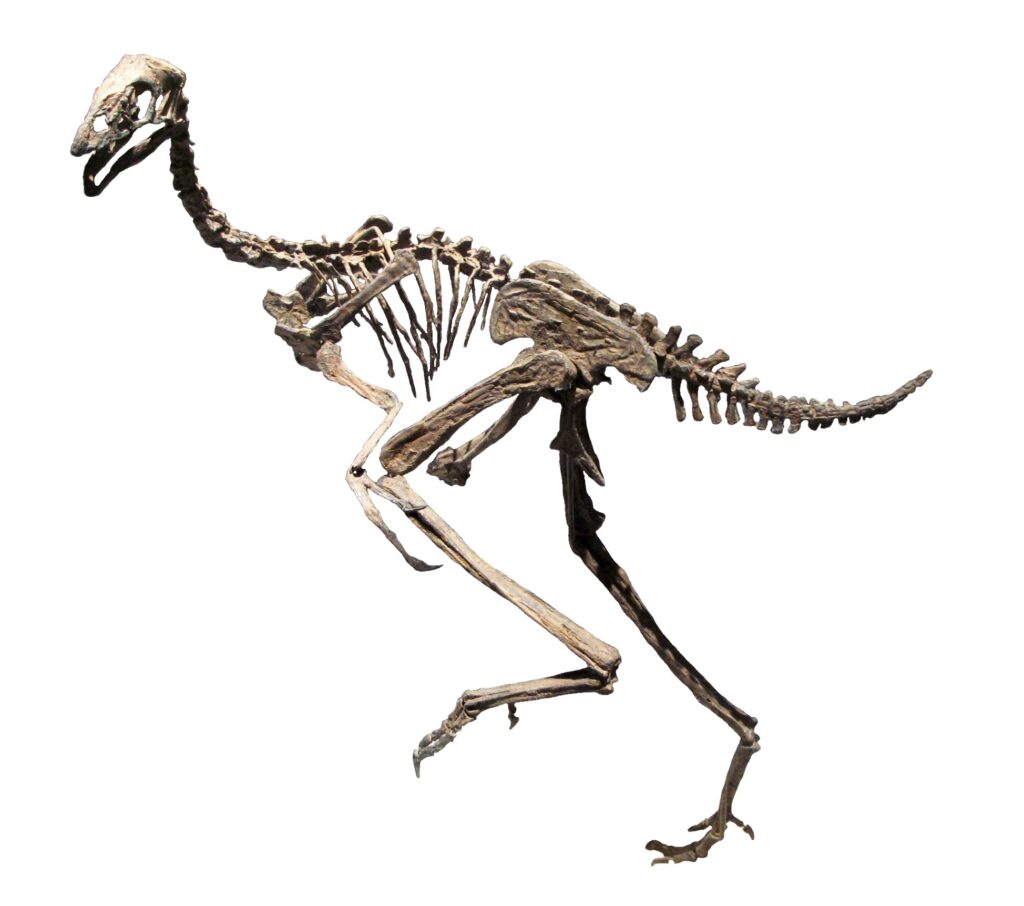
The infamous Archaeoraptor scandal of 1999 fundamentally changed how the scientific community approaches fossil verification. This composite fossil, purportedly showing transitional features between dinosaurs and birds, received significant media attention before being exposed as a fraudulent assemblage of unrelated specimens. In the aftermath, many journals implemented stricter requirements for specimen provenance documentation and physical access. Major museums developed more rigorous acquisition policies, particularly for commercially sourced specimens. The National Geographic Society, which had prominently featured the fossil, established a new scientific review process for its publications. Despite these improvements, the Archaeoraptor case continues to be cited by evolution skeptics as evidence undermining paleontological credibility, demonstrating how fossil frauds can have lasting impacts beyond their scientific invalidation. The incident serves as a persistent reminder of the damage that can occur when verification procedures fail to catch sophisticated forgeries.
Self-Correction in Scientific Practice
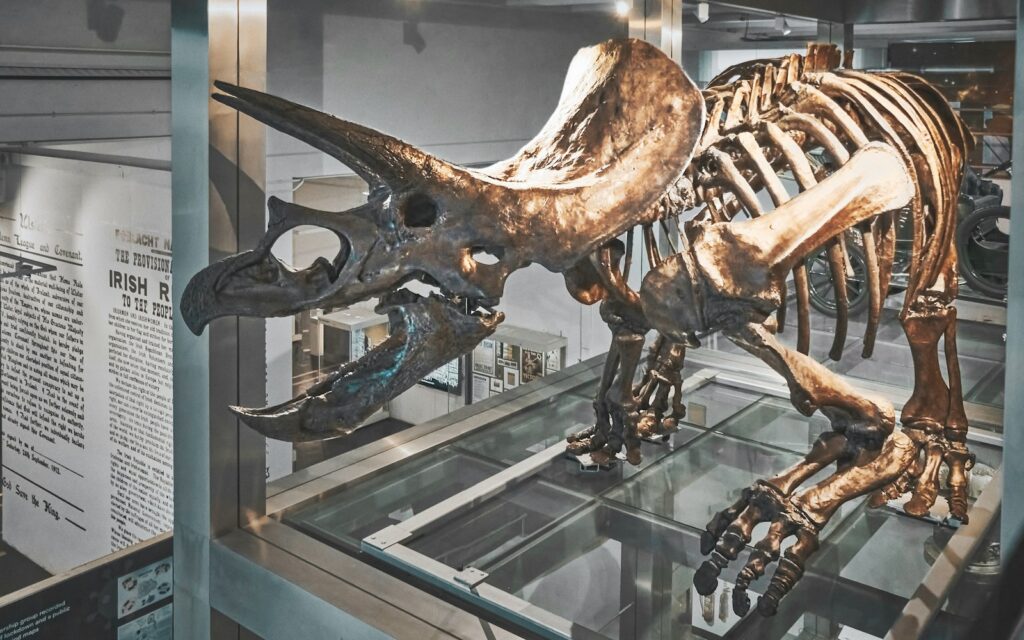
Despite occasional failures to detect fraudulent fossils initially, the scientific process ultimately exhibits remarkable self-correcting properties in paleontology. Suspicious specimens eventually attract critical examination as new researchers bring fresh perspectives to published materials. The scientific community has developed increasing skepticism toward extraordinary claims based on privately held or commercially sourced specimens. When fraud is discovered, journals now more readily publish corrections and retractions, though these rarely receive the same publicity as the original sensational discoveries. Scientific careers built on fraudulent specimens have collapsed once deception was uncovered, creating powerful professional deterrents against knowingly promoting questionable materials. This self-correcting nature means that while fake fossils may temporarily enter scientific literature, they rarely maintain their status indefinitely when subject to ongoing scrutiny from the broader scientific community.
The Problem with “Fossil Laundering”
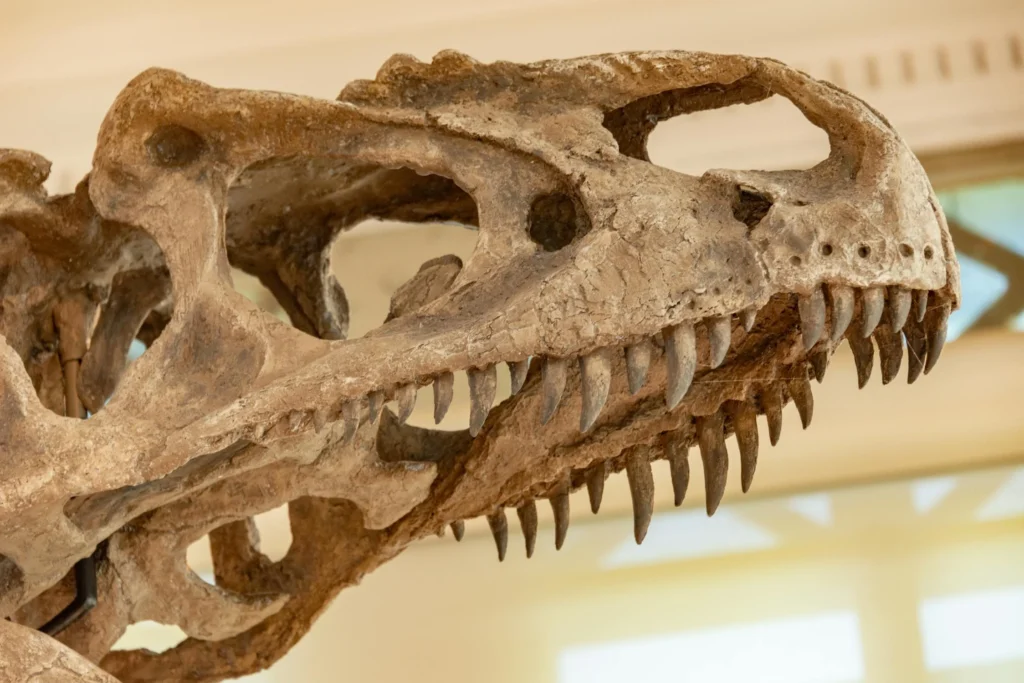
A particularly challenging form of deception involves what experts call “fossil laundering,” where illegally obtained specimens are gradually legitimized through a series of transactions or institutional transfers. This process typically begins with fossils collected illegally from protected sites or exported without proper permits. These specimens may then enter private collections before being donated to smaller museums or educational institutions with limited resources for authentication or provenance verification. After gaining institutional legitimacy, these specimens might later transfer to larger research collections or be included in scientific publications, effectively erasing their problematic origins. Each transfer creates additional documentation that obscures the specimen’s initial illegal extraction. Unlike obvious forgeries, these fossils may be entirely genuine scientifically while being fundamentally tainted by their illegal collection circumstances. This form of deception particularly damages paleontological science in developing nations with rich fossil resources but limited protection capabilities.
Ethical Considerations for Scientists

The persistent problem of fossil fraud raises significant ethical questions for practicing paleontologists. Researchers must balance legitimate scientific interest in potentially important specimens against the risks of unwittingly legitimizing fraudulent materials or incentivizing destructive commercial collection practices. Many professional organizations have developed ethical guidelines rejecting the study of specimens without clear legal provenance, yet historically significant collections often include materials that wouldn’t meet modern collection standards. Individual scientists sometimes find themselves in ethical dilemmas when potentially groundbreaking specimens with questionable backgrounds become available for study. The scientific imperative to build knowledge conflicts with the responsibility to maintain rigorous authentication standards. These ethical tensions remain largely unresolved in the field, with different institutions and researchers adopting varying stances on working with commercially sourced or privately held specimens.
Building More Robust Verification Systems
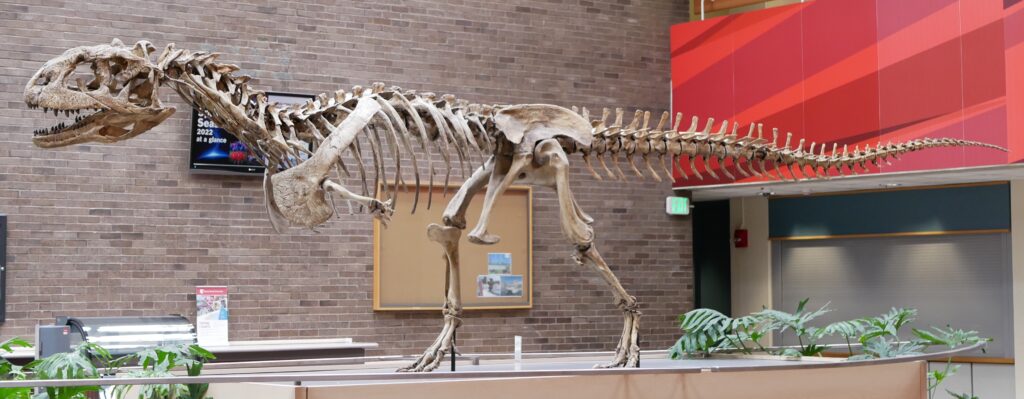
The paleontological community continues developing more comprehensive approaches to prevent fossil fraud from contaminating the scientific record. Many leading journals now require extensive photographic documentation, precise locality information, and institutional accession numbers before publishing new fossil descriptions. Some have implemented specialist authentication reviewers focused specifically on evaluating specimen legitimacy rather than just the scientific interpretation. International databases of known fossil specimens help researchers identify unusual or suspicious morphological features that deviate from established patterns. Collaborative authentication efforts between different institutions allow multiple experts to examine controversial specimens. Educational initiatives targeting early-career paleontologists specifically address fossil authentication techniques and fraud recognition. These systematic improvements, while not eliminating the problem, have significantly raised barriers against fraudulent fossils entering scientific literature and institutional collections in recent years.
Balancing Skepticism and Scientific Progress

The paleontological community faces an ongoing challenge in balancing necessary skepticism against the potential to miss genuine scientific breakthroughs. Overly rigid authentication requirements might exclude legitimate but unusually preserved specimens that could provide valuable insights. Conversely, insufficient scrutiny continues to allow occasional fraudulent materials into the scientific record. This tension is particularly acute with potentially transformative discoveries that challenge existing paradigms, as these naturally invite both greater interest and heightened skepticism. The most productive approach appears to be proportional verification, where authentication efforts scale with a specimen’s potential scientific impact and deviation from established patterns. Extraordinary claims genuinely do require extraordinary evidence in paleontology, but verification procedures must remain flexible enough to accommodate the legitimate variability and occasional surprises that the fossil record continues to reveal. This balanced approach best serves both scientific integrity and continued discovery in this fascinating field.
Conclusion

While the scientific process remains humanity’s most reliable path to understanding our planet’s ancient history, the occasional infiltration of fraudulent fossils reminds us that science is a human endeavor vulnerable to deception. The combination of commercial pressures, academic incentives, and inherent authentication challenges creates inevitable openings for fake fossils to temporarily gain scientific legitimacy. However, the same self-correcting mechanisms that define good science ultimately expose these frauds, even if the process sometimes takes decades. Modern technologies and improved verification protocols continue to narrow these cracks in scientific scrutiny, though complete elimination of fossil fraud remains unlikely given the substantial financial incentives and inherent authentication challenges. The ongoing tension between accessibility and verification reminds us that paleontology exists at the fascinating intersection of physical evidence and human interpretation—a science forever balancing skepticism against wonder in its quest to reconstruct Earth’s remarkable past.