
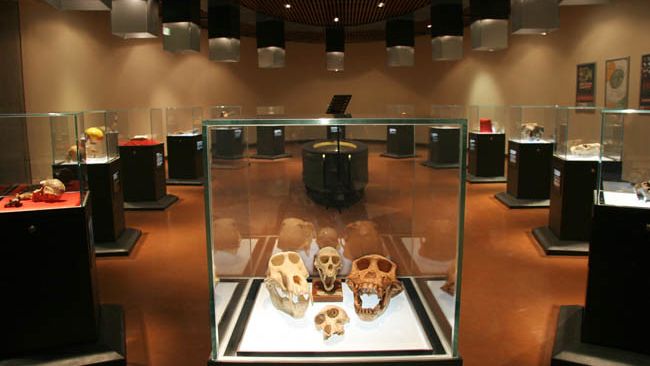
Somewhere right now, a spectacular dinosaur skeleton is being pulled out of the ground in total secrecy. No permits, no records, no scientists in sight. By the time anyone hears about it, it might already be crated up, flown across borders, and hanging in a private lobby where researchers will never be allowed to study it. That sounds like a movie plot, but it is happening often enough that paleontologists around the world are genuinely alarmed.
Fossil poaching and black market trading are not just “technical crimes” or paperwork problems. They quietly erase scientific information, distort what we think we know about ancient life, and funnel money away from the communities where fossils are found. When people talk about spectacular “million‑dollar dinosaurs,” what you don’t see is the wake of broken context, faked specimens, and lost opportunities for discovery. Once that damage is done, no amount of money, fame, or retroactive science can truly fix it.
The Hidden Casualty: Scientific Context Destroyed at the Dig Site
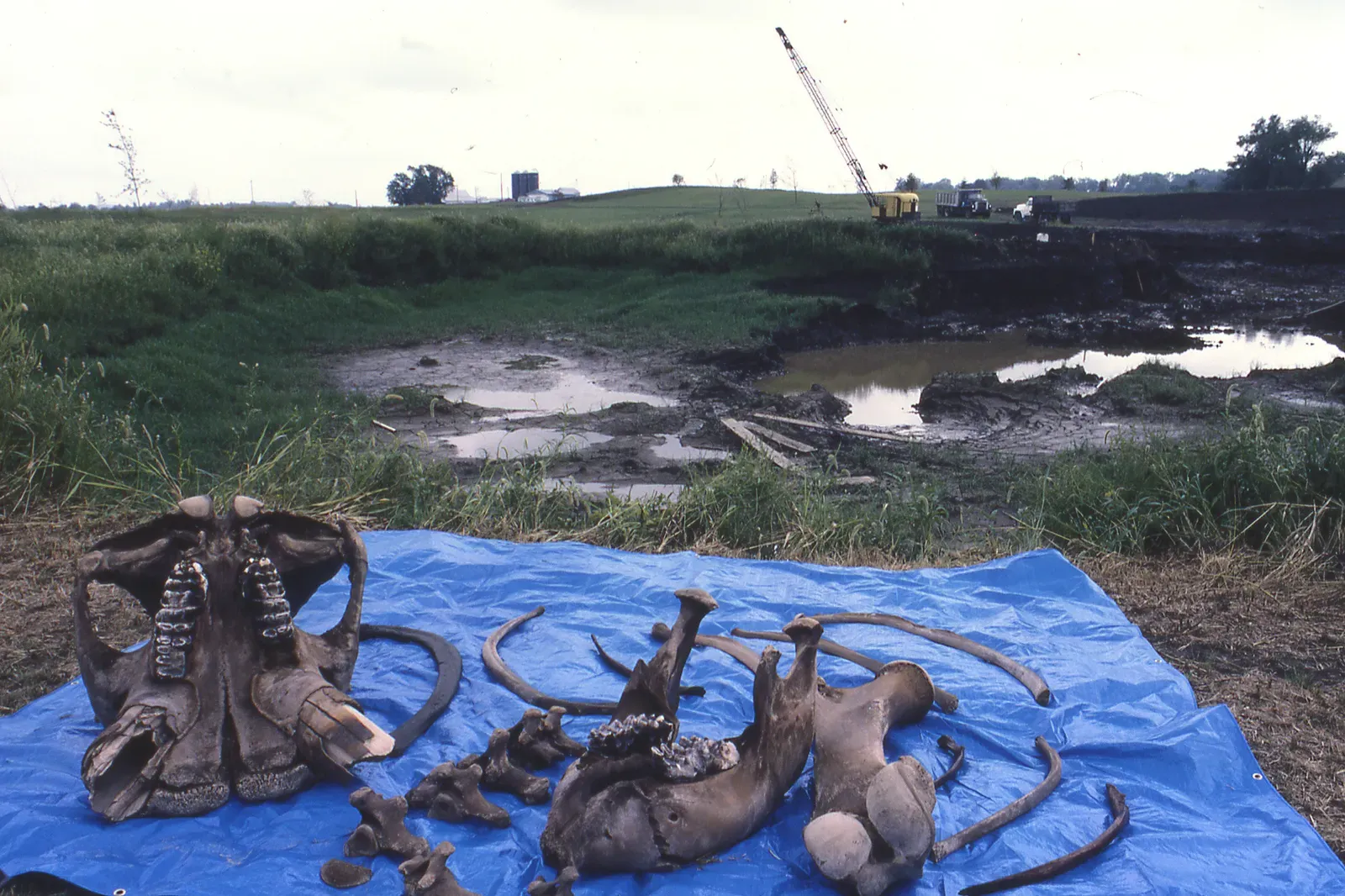
The most shocking thing about illegal fossil collecting is not that bones are stolen – it is that their stories are ripped away with them. When a trained team excavates a fossil, they document every layer of rock, the exact position of each bone, the surrounding sediments, and even microscopic traces that can reveal ancient climates or diseases. This “context” is the real treasure, because it turns a cool-looking bone into a data-rich window on the past.
Poachers, by contrast, are usually paid for speed and saleable pieces, not careful records. They might hack bones out with shovels or power tools, toss aside small fragments, and walk away without a single note or photograph that scientists could use later. Even if that fossil eventually ends up in a museum, it arrives as a scientific orphan: no precise location, no clear age, no connection to other fossils at the same site. From the outside it might look like a success – the public sees a dinosaur skeleton on display – but academically, a huge amount of potential knowledge has vanished forever.
How Black Market Fossils Distort Our Picture of Ancient Life
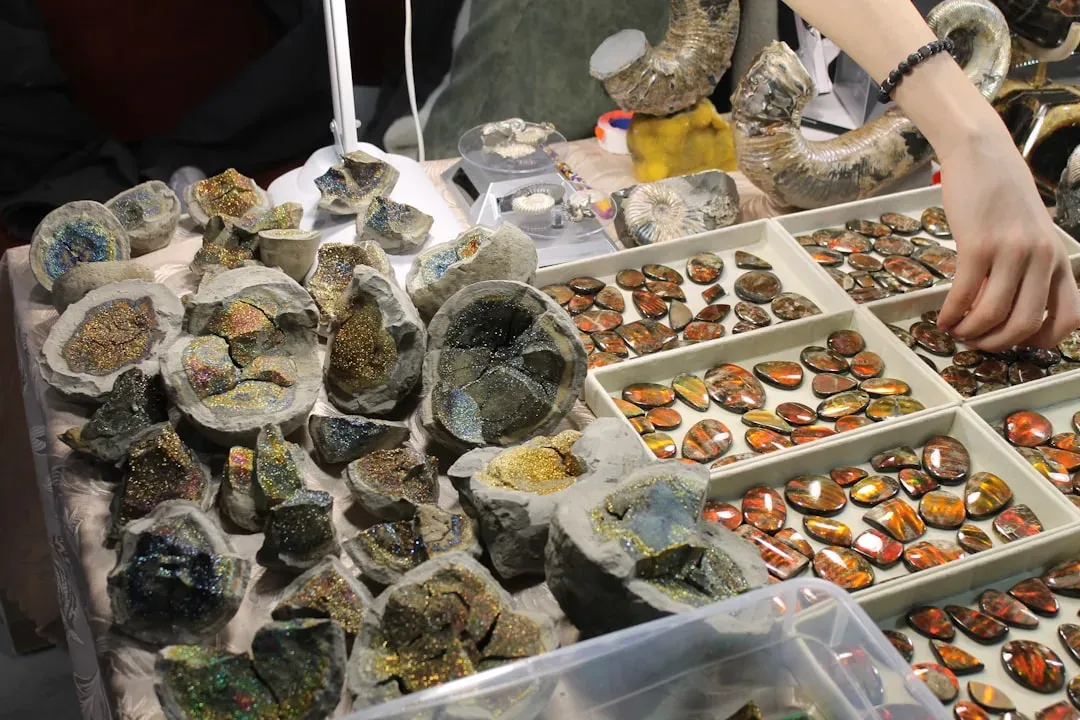
When fossils appear through illegal or murky channels, they do more than just frustrate researchers – they actively skew the scientific record. Paleontology relies heavily on knowing where fossils come from and how representative they are of a region or time period. If the only fossils that surface are the biggest, flashiest specimens that can fetch high prices, scientists may end up with an overemphasis on dramatic predators and spectacular skulls, and far less information about the more common but less “marketable” creatures that actually dominated ecosystems.
Imagine trying to understand a modern forest if collectors only brought you lions and peacocks, but never rabbits, frogs, or leaves. That is essentially what the black market encourages: a fossil record filtered through commercial desirability instead of scientific importance. Over time, this can bias our interpretations of diversity, behavior, and evolution. Researchers might think a certain dinosaur was rare or widespread, or that certain habitats were empty, simply because the fossils that would correct that picture were taken and sold in private rather than studied and published.
Fake, “Improved,” and Composite Fossils: When Money Outruns the Truth
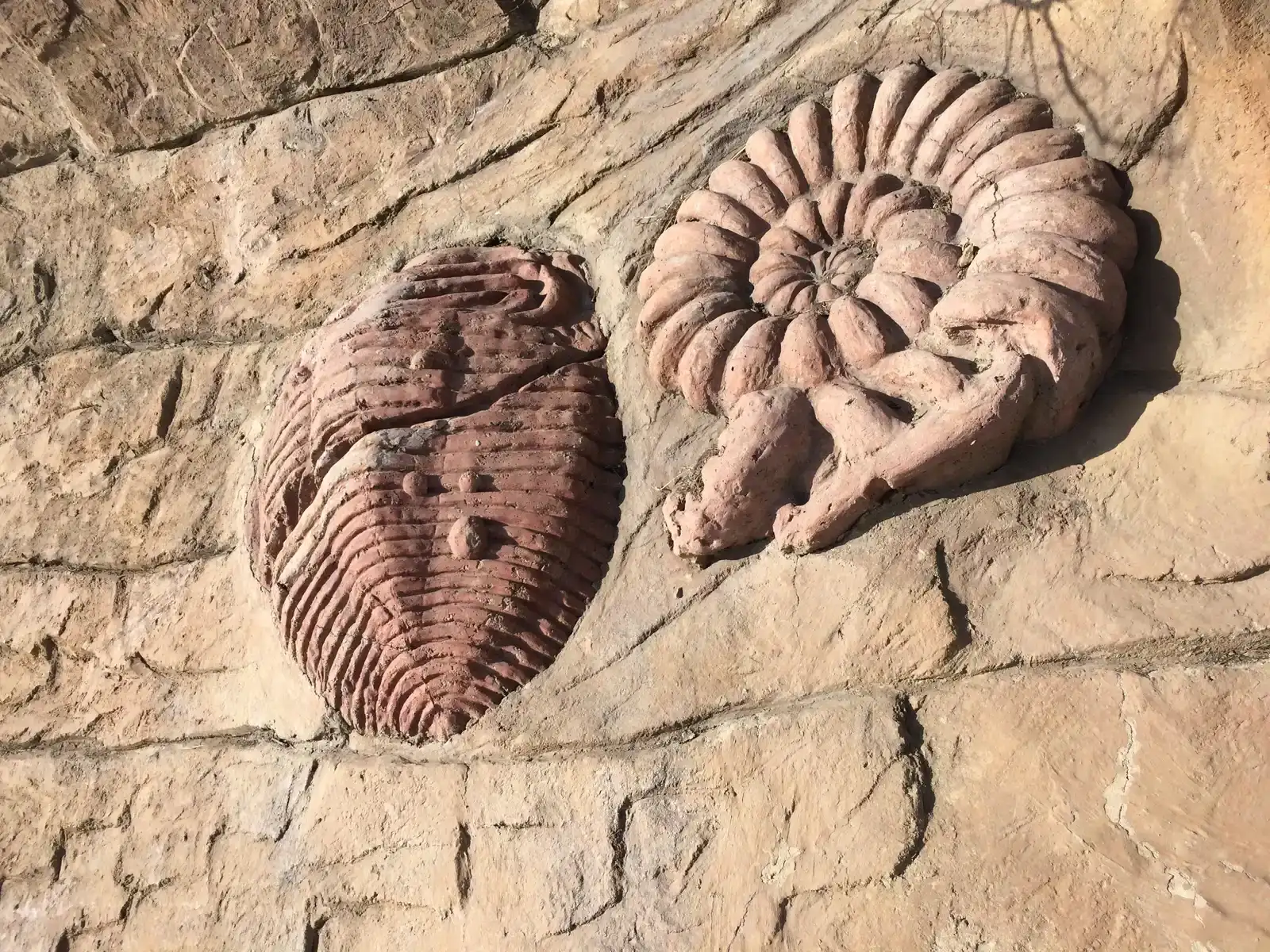
Big money always attracts fakes, and fossils are no exception. As demand from collectors and galleries has grown, so has the incentive to alter or even fabricate specimens: a tail added here, an extra claw there, two different animals fused together and passed off as one more impressive “discovery.” To the untrained eye, these can look astonishing; to science, they are landmines. When a forged or heavily “restored” fossil slips into the scientific literature, it can trigger years of confusion until someone finally unravels what went wrong.
Even when fossils are not outright fake, they are often “improved” in ways that strip away accuracy. Preparators working for the market may sand down surfaces, fill gaps with plaster, or rearrange bones to make a skeleton look more complete and showroom-ready. That polishing might help the fossil sell for a higher price, but it can destroy tiny traces like bite marks, growth lines, or subtle fractures that tell scientists about how the animal lived and died. Once cosmetic changes are made, it can be nearly impossible to distinguish what is original anatomy from what is artistic reconstruction.
Undermining Local Communities and Source Countries
There is another side to this story that is less glamorous but just as important: the impact on the people and places where fossils are found. Many fossil-rich regions are in rural or economically struggling areas, where a single valuable skeleton can be worth far more than a year’s wages. That reality makes fossil poaching tempting, but in the long run it deprives communities of sustainable benefits like museum tourism, educational programs, and partnerships with scientific institutions that could build local expertise and pride.
When fossils leave a country illegally, they often bypass taxes, oversight, and any chance of being returned for public display. Instead of contributing to local infrastructure or scholarships, profits flow through opaque networks of middlemen and dealers. The result is a bitter irony: the land that produced world-class fossils may remain poor and under-resourced, while collectors thousands of kilometers away boast about owning “museum-quality” pieces. For people who live on fossil-rich land, it sends a clear message that their natural heritage is negotiable and their role in its care is optional.
Why “At Least It’s Preserved” Is a Dangerous Myth
A common defense of private collecting and black market fossil sales goes something like this: at least the fossils are being saved from erosion or construction, even if the paperwork is messy. On the surface, that sounds reasonable – better on a shelf than destroyed by weather, right? But this argument quietly assumes that fossils only matter as physical objects, like art or antiques, and ignores the deeper scientific stakes. For paleontology, a fossil ripped from its context is not simply “rescued”; it is partly ruined.
Think of it like tearing pages out of a rare ancient book and saving only the illustrations. The images might still be beautiful, but the story is gone. In the same way, a dinosaur skull displayed in a private collection with no reliable data attached is mostly a scientific dead end. It might inspire curiosity, but researchers cannot confidently study its growth patterns, environment, or relationships. The idea that any kind of preservation is good enough lets the black market feel less harmful than it really is, and that complacency is exactly what keeps the trade alive.
The Emotional Toll on Scientists and the Public’s Trust
There is a deeply human side to all of this that often gets overlooked: the emotional whiplash scientists feel when a major fossil turns up for sale instead of in a lab. Paleontologists spend years training, fundraising, and negotiating permits, only to see specimens from the same formations appear at auctions or in catalogs with vague labels and inflated price tags. It can feel like watching chapters of Earth’s history being broken up and sold off to the highest bidder, piece by untraceable piece.
This constant tension also affects public trust. When people hear that a “groundbreaking fossil” is locked away in a private collection or embroiled in legal disputes, they start to wonder who actually owns scientific knowledge. If museum exhibits begin to compete with millionaire showrooms, and if headlines focus more on sale prices than discoveries, the whole message of paleontology drifts from shared curiosity toward exclusivity. Over time, that risks turning what should be a collective human story – how life on Earth evolved – into a luxury commodity for the few.
What Real Solutions Look Like: Law, Culture, and Personal Choices
The good news is that this problem is not hopeless. Many countries have strengthened their fossil protection laws, tightened export rules, and worked with international agreements aimed at curbing illegal trade in cultural and natural heritage. When governments take fossil crime seriously – treating it more like art smuggling than like a trivial hobby violation – it sends a strong signal that these remains matter for science and society, not just for decoration. Enforcement alone is not enough, but it is a crucial backbone.
Equally important is changing culture and personal behavior. Museums can commit to clearer ethical guidelines, refusing to acquire fossils without solid, documented provenance. Collectors can shift their focus toward legally obtained pieces, or better yet, support research by donating significant specimens to public institutions. Even curious laypeople can make a difference by refusing to buy suspicious fossils online and by asking hard questions when a deal looks too good to be true. Every time someone chooses scientific integrity over instant ownership, they tug the fossil market a little further away from the shadows.
Conclusion: Fossils Are Not Just Objects, They Are Evidence
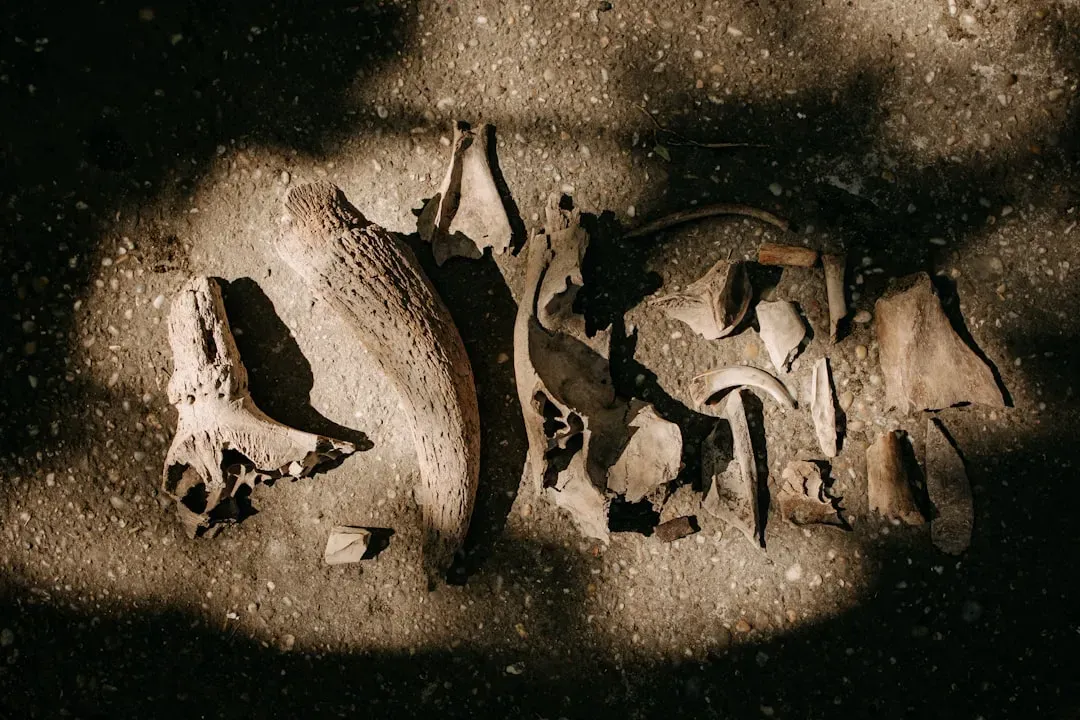
If there is one blunt truth at the heart of this issue, it is that fossils are not just pretty bones; they are evidence. When poachers rip them from the ground and traders pass them along in secret, they are not merely stealing objects from a country or a landowner – they are stealing data from everyone who will ever ask questions about Earth’s history. As someone who has loved dinosaurs since childhood, I find it genuinely infuriating that some of the most important clues about ancient life might end up locked behind private doors, stripped of the details that make them scientifically powerful.
In my view, the line is simple: if a fossil cannot be studied, shared, and scrutinized, then whatever “value” it has is hollow. The thrill of owning something rare does not outweigh the long-term loss to science, education, and culture. Paleontology works best when fossils move from rock to lab to museum, not from quarry to auction to secrecy. The next time you see a headline about a record-breaking fossil sale, it is worth asking a harder question: did the world gain knowledge that day, or did we quietly lose another page of our planet’s story?