You might imagine that volcanic lava would destroy everything in its path, turning life into ash and memory. Yet deep beneath those molten rivers of rock lies one of paleontology’s most captivating mysteries. While most organic material does indeed perish in the intense heat, some incredibly rare circumstances create nature’s own time capsules, preserving ancient life in ways that continue to amaze scientists today.
The story of how fossils survive within volcanic environments challenges everything we thought we knew about preservation. These rare geological treasures offer windows into prehistoric worlds that existed during some of Earth’s most violent volcanic periods.
The Science Behind Volcanic Fossil Formation
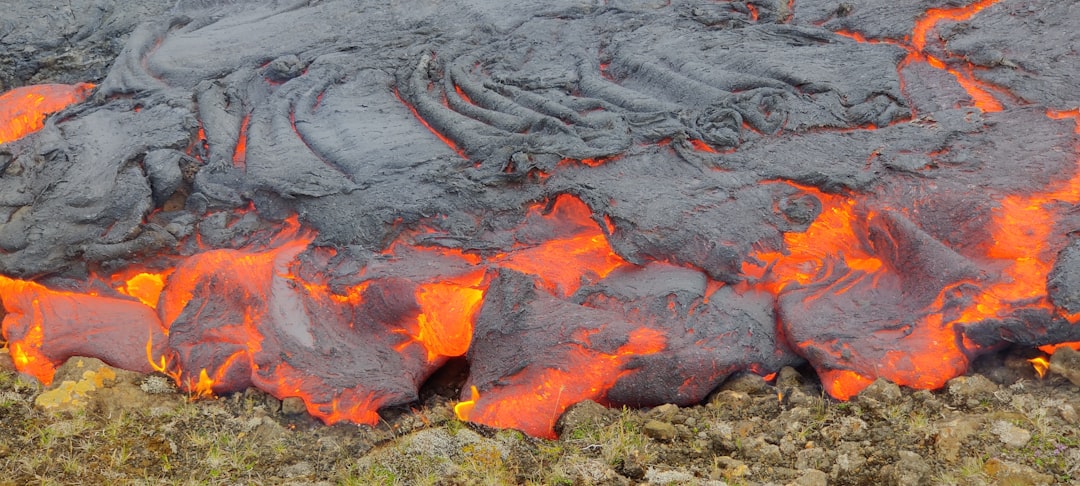
Due to their high temperatures, typically rapidly incinerate organic material. Therefore, fossils are rarely present in . Very few fossils are found in volcanic rock, because the heat usually incinerates organic matter.
However, when specific conditions align perfectly, volcanic environments can actually facilitate exceptional preservation. The key lies in understanding that not all volcanic deposits are created equal. Depending on how explosive an eruption is and the composition of the magma, volcanic eruptions may produce either or fragmented volcanic material known as tephra.
The temperature and timing of volcanic events determine survival chances for organic material. Volcanic deposits likely to embed vertebrate fossils have been subdivided into two groups with differing temperature ranges: (1) distal ash falls, where there is no heating apparent on the fossils, and (2) relatively cool (by comparison to basaltic flows) pyroclastic density currents (250–600 °C), where remains either exist only as casts, or more rarely as ‘baked’ pyrotized skeletons displaying clear thermal alteration.
Tree Molds: Nature’s Most Common Volcanic Fossils
Fossils in are quite rare and generally restricted to molds of trees that were enveloped by advancing lava. They form when trees engulfed by molten lava are not immediately consumed by the heat. These upright tree molds formed when fast moving lava flowed around the trees. The cool and moist trunk causes the lava to crust around the tree.
The formation process happens remarkably quickly. Upon surrounding the trunk of a tree, the lava surface is chilled and can sometimes make a clear mold of the tree’s bark. After forming a mold, the tree then burns away leaving a hollow cylinder where the original tree stood.
These tree molds provide valuable scientific information beyond their impressive preservation. Tree molds can indicate the type of vegetation growing prior to eruption, which is useful in defining the habitat and climate at the time of the lava flow. Direction, speed, and thickness of a flow can even be established by looking at the structure of lava in and around these tree molds.
Volcanic Ash: The Gentle Preserver
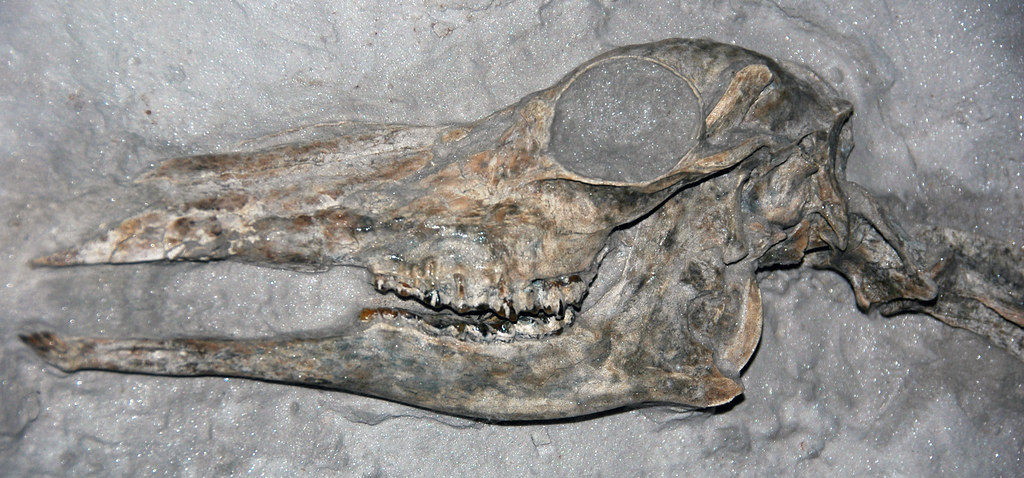
Fossils are more likely to be present within tephra deposits. Unlike the devastating heat of direct , volcanic ash creates entirely different preservation conditions. Ash deposits are somewhat akin to sedimentary rocks in the ways that they accumulate, so can preserve the remains of plants and animals in their deposits. Ash deposits represent an instant of geologic time and contain minerals from which geologists can obtain their numeric ages, and by extension the date the fossils within them.
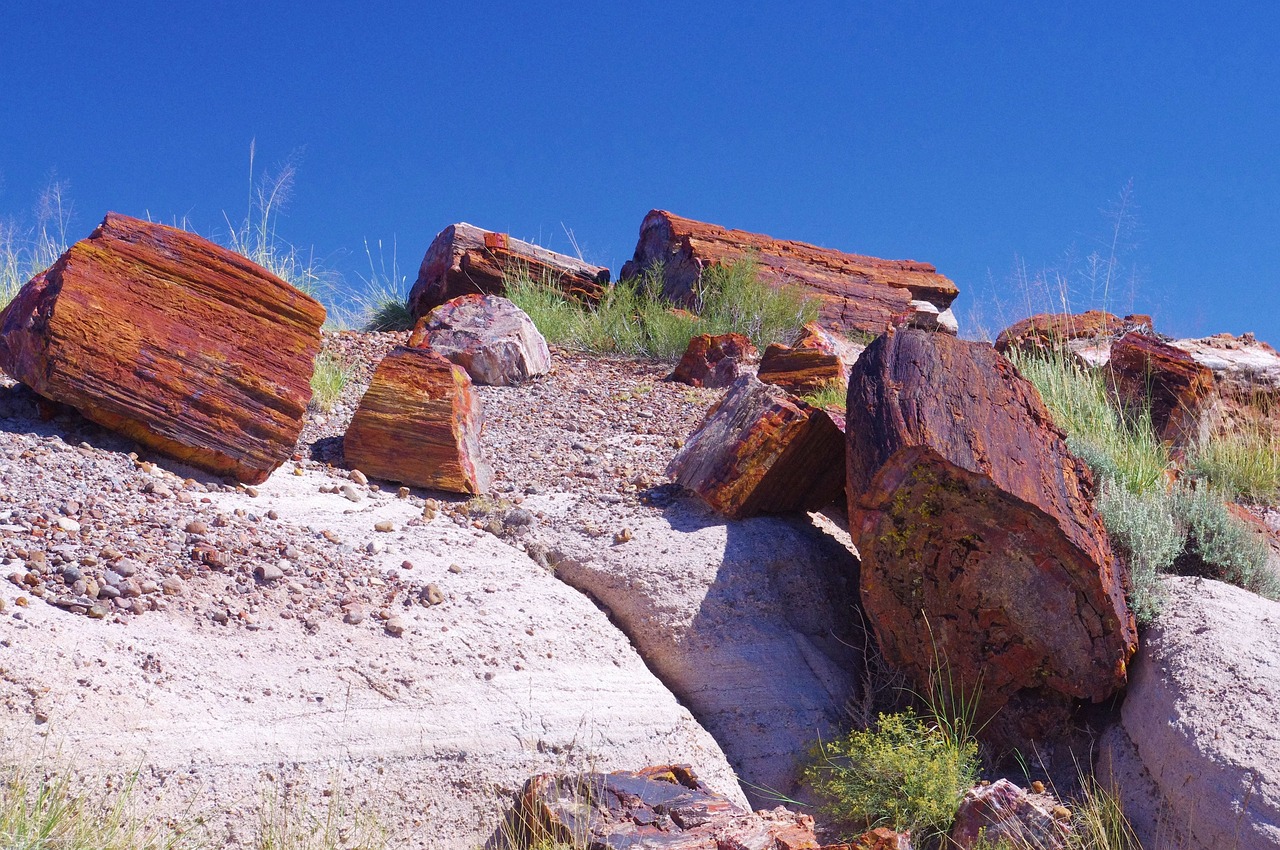
The chemistry of volcanic ash plays a crucial role in fossilization processes. The silica in volcanic glass can easily be transported by groundwaters that flow through buried sediments because it is not trapped within a mineral’s crystal structure, like that in quartz and feldspar. During fossilization, this silica can either replace organic minerals or infill small pores in bone or wood in animal and plant remains that may be in the buried sediment.
This silica-rich environment creates ideal conditions for long-term preservation. Excess silica dissolved in the water often replaces soft bone materials molecule by molecule, creating an almost indestructible fossil (like petrified wood) that lasts for millions of years.
Pyroclastic Flows: Prehistoric Pompeii Events
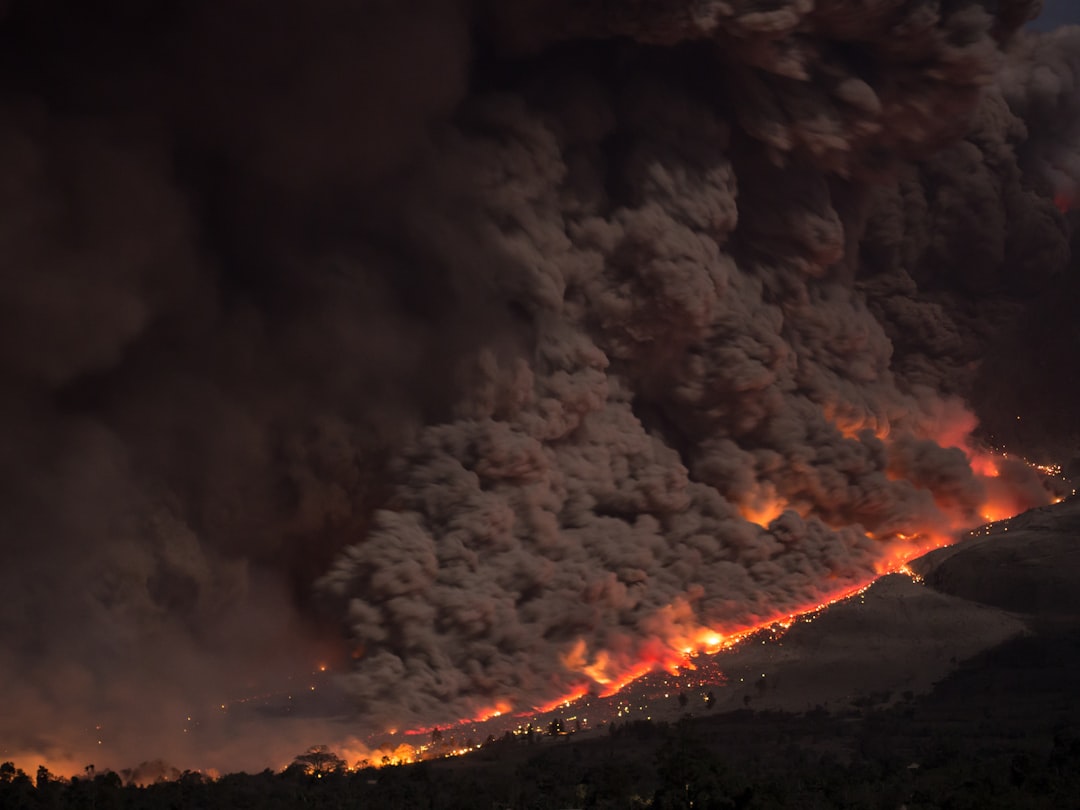
The gases and tephra can reach temperatures of about 1,000 °C (1,800 °F). The hot gases and high speed make them particularly lethal, as they will quickly incinerate living organisms or turn them into carbonized fossils. Despite their destructive power, pyroclastic flows have created some of paleontology’s most spectacular fossil sites.
The skeletons were embedded in fast-moving flows of hot ash and gas, known as pyroclastic flows. Just like the people of Pompeii, the animals were cemented in their death poses by this ash. These violent volcanic events create mass mortality sites where entire ecosystems become fossilized simultaneously.
The preservation quality can be extraordinary under the right circumstances. All the studied fossils are directly embedded within pyroclastic flows. And the preserved animals are characterised by entombment poses and showed evidence of charring, similar to those associated with victims at Pompeii.
Chemical Fossils in Ancient Lava

Recent discoveries have revealed that lava can preserve more than just physical remains. Peckmann and his students are investigating chemical fossils from the interior of seafloor basalts – solidified lava – from the Devonian. These chemical signatures represent an entirely new category of volcanic fossil preservation.
Scientists have looked for evidence of life in rocks before but only on the surface of basalt rocks or in sedimentary layers. Igneous rocks, which form under high temperature, are not considered ideal homes. Peckmann is trying to prove otherwise.
This groundbreaking research suggests that microbial life might have thrived within cooling lava environments. “Thus, the study suggests a new style of preservation for microbial fossils” that could potentially be applied to older rocks, thereby “providing scientists with new tools to search for signs of life very early in Earth’s history.”
Exceptional Soft Tissue Preservation
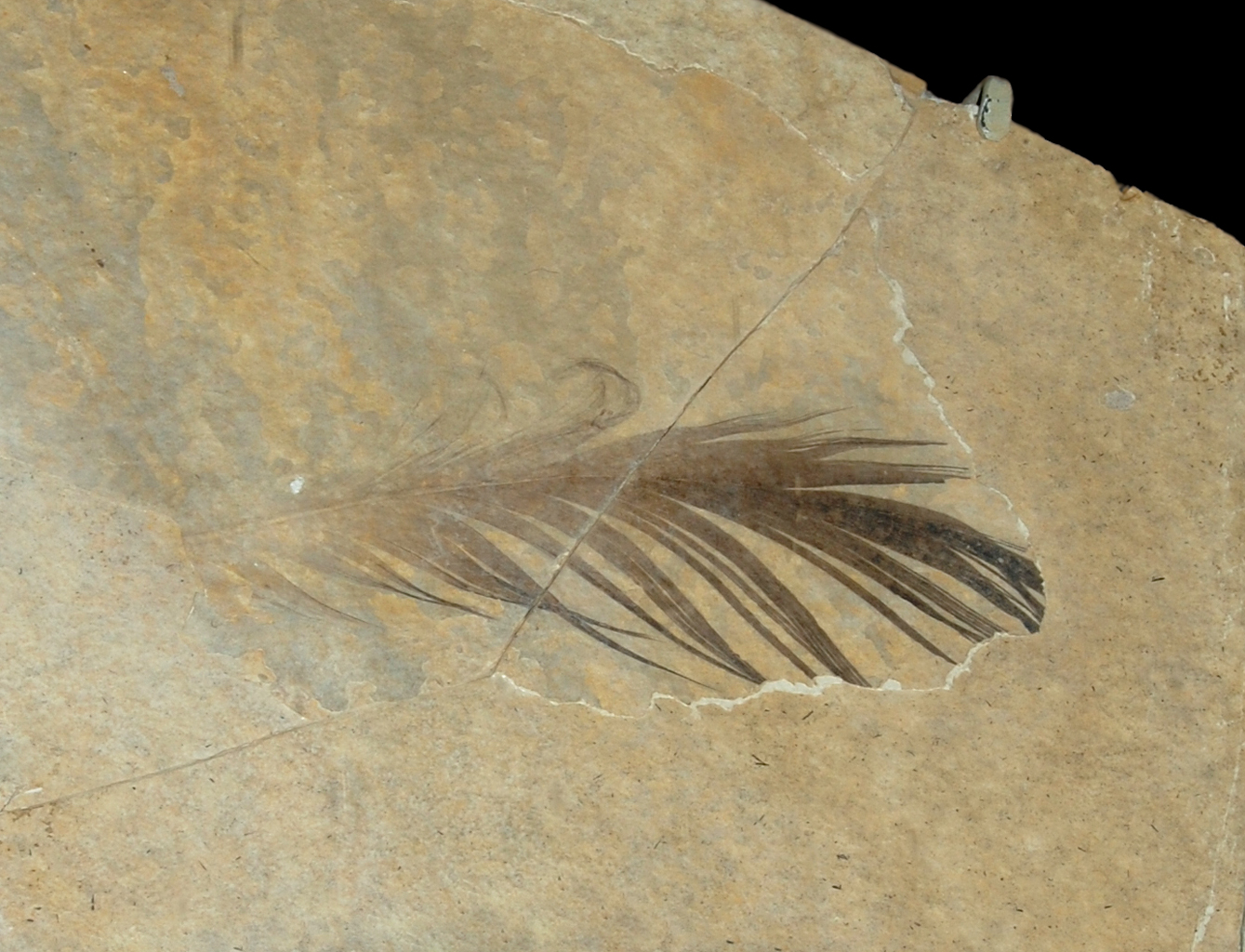
Perhaps most surprising of all is the preservation of soft tissues in volcanic environments. Paleontologists have unveiled a 30,000-year-old vulture fossil in Italy, preserved in volcanic ash, showcasing microscopic feather details through the formation of zeolite minerals. This remarkable discovery challenges our understanding of fossil preservation, suggesting that even delicate soft tissues can survive in harsh volcanic environments.
Dr. Rossi said: “Fossil feathers are usually preserved in ancient mudrocks laid down in lakes or lagoons. The fossil vulture is preserved in ash deposits, which is extremely unusual. These feathers are nothing like what we usually see in other fossils”.
The mechanism behind this preservation involves unique mineral formation. Zeolites are minerals rich in silicon and aluminum and are common in volcanic and hydrothermal geological settings. The alteration of the ash due to passage of water induced the precipitation of zeolites nanocrystals that, in turn, replicated the feathers to the tiniest cellular detail.
Temperature Thresholds for Fossil Survival
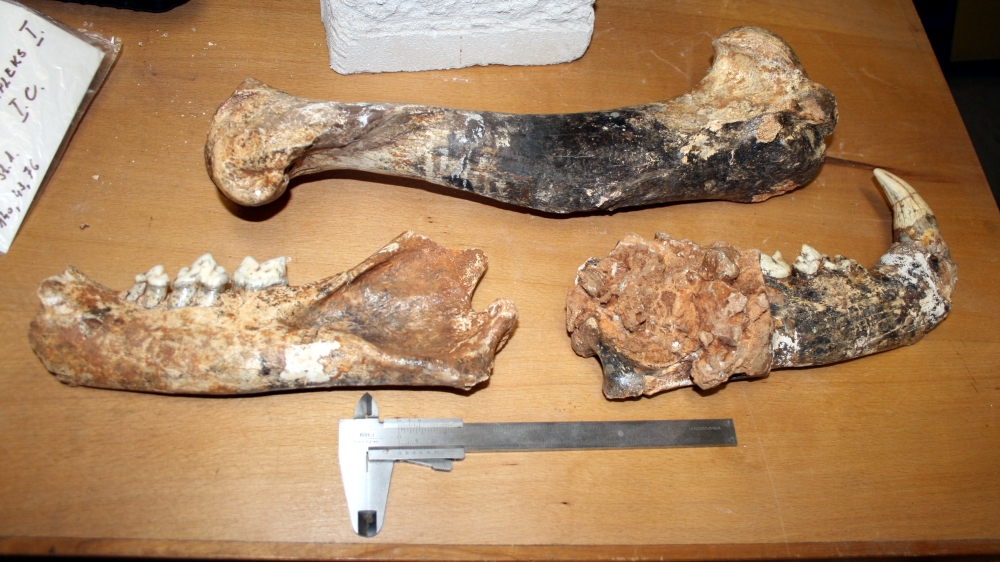
Understanding the thermal limits of fossil preservation helps explain why certain volcanic fossils exist while others don’t. This fossilization reveals no evidence of burning and requires re-evaluation of the thermal constraints in operation for the preservation of organic materials within pyroclastic sediments. The analysis of the external morphological features has provided key information regarding the taphonomic processes in operation, the emplacement temperatures of distal pyroclastic flow deposits.
Recent research has revealed that temperature variations within single volcanic events can create different preservation conditions. These later flows were characterized by lower temperatures as testified by the presence of multiple modes within the same charcoal sample from which we inferred at least two carbonization events at temperatures ranging from 390 to 465 °C and from 315 to 350 °C, respectively. The lower temperatures of these later events can be explained by the progressive involvement of ground water during the course of the eruption.
Mass Mortality Events and Fossil Assemblages
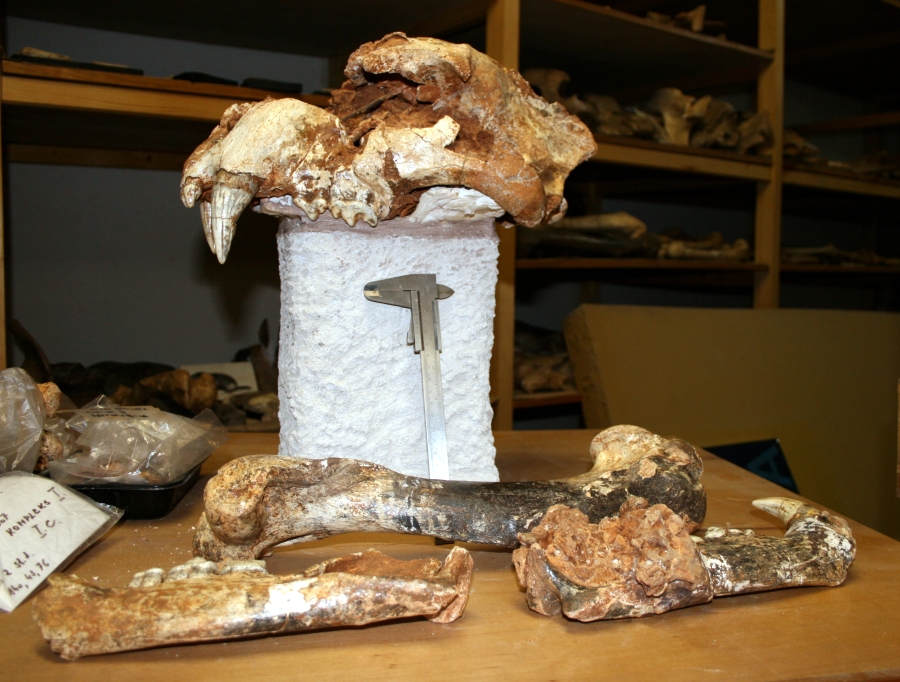
Volcanic eruptions often create unique fossil assemblages by causing mass mortality events across entire ecosystems. The combination of quick burial, minerals leached from groundwater, and protection from disruptive forces produced some of the best-preserved fossils ever found. Instead of one or two examples scattered across the countryside, Ashfall Fossils Beds yielded entire herds of specimens from a remarkable array of species, left in place, in order, and preserved in three-dimensional skeletons.
These catastrophic events preserve natural communities in extraordinary detail. The lower Cretaceous Yixian and Jiufotang formations contain numerous exceptionally well-preserved invertebrate, vertebrate and plant fossils that comprise the Jehol Biota. Freshwater and terrestrial fossils of the biota usually occur together within some horizons and have been interpreted as deposits of mass mortality events.
The sequence of deaths often reveals the progression of volcanic disasters. It appears birds such as cranes, hawks, and vultures died quickly, possibly within hours of when ash dust started falling. Their skeletons are found at the lowest levels of the ash beds, suggesting they were among the first to fall. Pond turtles were also among the early casualties.
Modern Technology Revealing Ancient Secrets
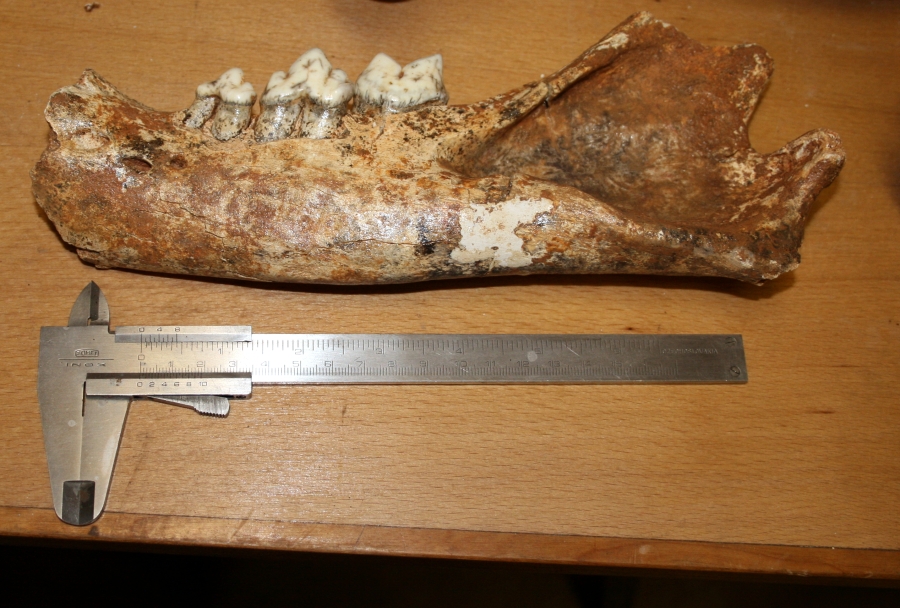
Modern technology has significantly changed how researchers study fossils preserved in . Two key advancements play a crucial role: 3D imaging and geochemical analysis. These sophisticated tools allow scientists to examine volcanic fossils without damaging them, revealing details invisible to previous generations of researchers.
Techniques such as mass spectrometry and X-ray fluorescence (XRF) allow researchers to analyze the chemical composition of fossilized materials. By examining elemental and isotopic compositions, they can gather data on the environmental conditions at the time of fossil formation. This information helps scientists determine how interacted with biological materials, offering clues about ancient ecosystems.
Advanced imaging techniques have revolutionized our understanding of volcanic preservation processes. Even spines and other structures just a few microns across were preserved in this way. Thanks to the early hardening of these Silurian time capsules in this way, the fossils were not squashed as the ash layer slowly compacted.
Future Implications for Astrobiology
The study of volcanic fossils extends far beyond Earth’s geological history. The work could also contribute to investigations of possible fossils in Martian basalt. Understanding how life can be preserved in volcanic environments provides valuable insights for searching for evidence of past life on other planets.
Mars, with its extensive basaltic formations and volcanic history, presents similar conditions to those that preserved fossils on Earth. The techniques developed for studying terrestrial volcanic fossils are now being adapted for potential use in analyzing Martian samples. This connection between earthly volcanic fossils and astrobiology represents one of the most exciting frontiers in paleontological research.
The implications extend to understanding early life on Earth as well. Since our planet’s early history was dominated by volcanic activity, volcanic fossil preservation might hold keys to understanding the earliest forms of life and how they survived in hostile environments.
Conclusion
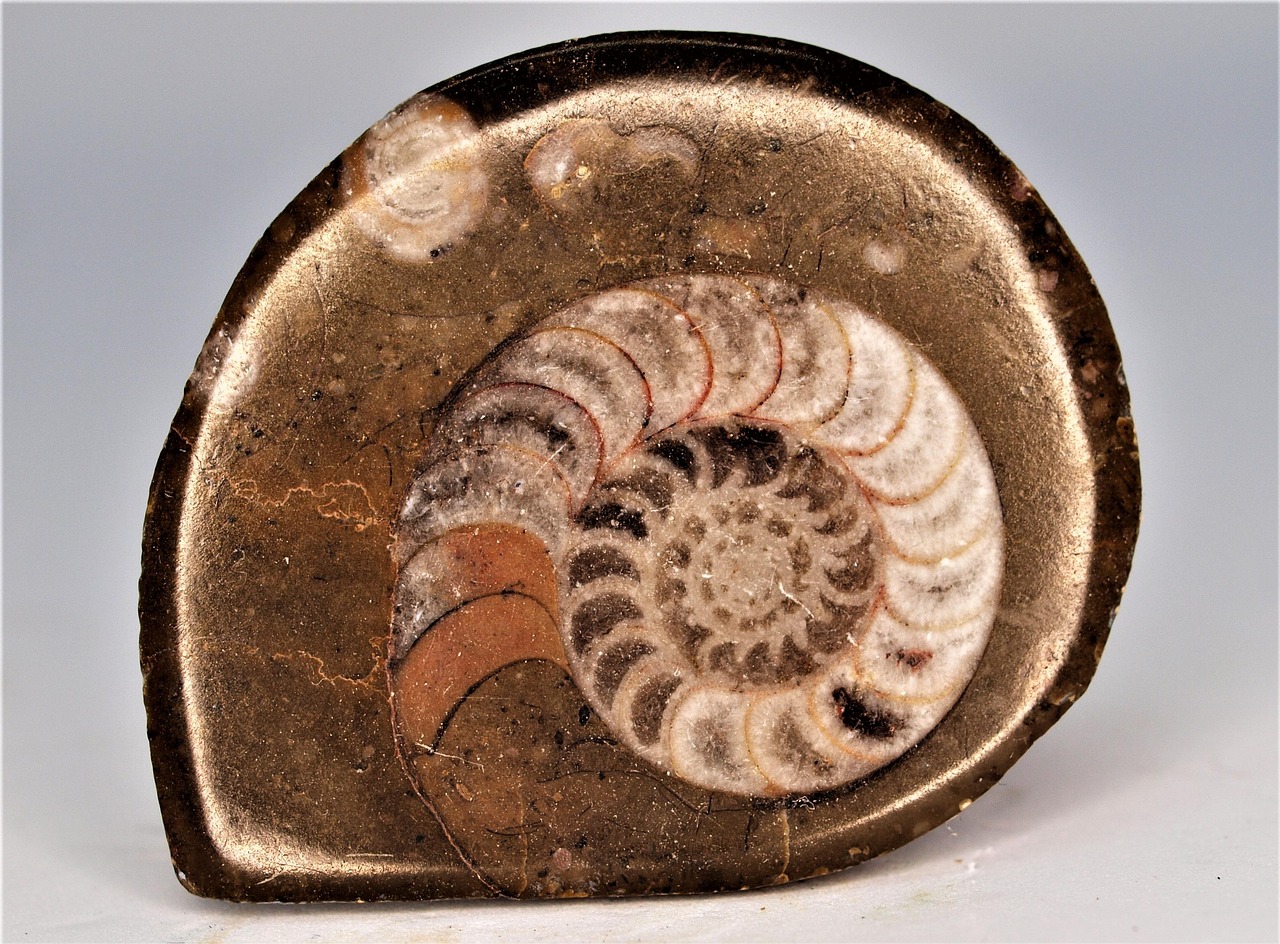
The formation of fossils within represents one of nature’s most unlikely preservation stories. These rare geological treasures challenge our understanding of what survives Earth’s most violent volcanic events and provide unique windows into prehistoric worlds. From tree molds in Hawaiian to exquisitely preserved feathers in Italian volcanic ash, these fossils demonstrate that life finds ways to persist even in the most extreme circumstances.
While volcanic environments destroy the vast majority of organic material they encounter, the precise conditions that allow fossil formation remind us that exceptional preservation often occurs in the most unexpected places. As we continue developing new technologies to study these remarkable specimens, volcanic fossils will undoubtedly continue revealing secrets about ancient ecosystems, early life, and perhaps even life beyond Earth. What other incredible discoveries might be waiting within those seemingly lifeless volcanic rocks?