The 1990s sitcom “Friends” left an indelible mark on popular culture in countless ways, from iconic hairstyles to catchphrases that entered everyday speech. Perhaps one of its most surprising cultural contributions was introducing millions of viewers worldwide to the field of paleontology through the character of Ross Geller. Before “Friends,” paleontology rarely appeared in mainstream entertainment, but through Ross’s passionate (and often ridiculed) career choice, the scientific discipline found itself unexpectedly thrust into living rooms across the globe. This article explores how a sitcom about six friends in New York City managed to transform paleontology from an obscure scientific field into a recognizable profession and topic of interest for the general public.
The Introduction of Ross Geller: TV’s Most Famous Paleontologist

When “Friends” premiered in 1994, few viewers were likely familiar with what paleontology actually entailed as a profession. The character of Ross Geller, portrayed by David Schwimmer, was introduced as a paleontologist working at the New York Museum of Natural History (later transferring to a teaching position at New York University). The writers made a bold choice in giving Ross this specific scientific career rather than a more commonly portrayed profession like doctor or lawyer. Throughout the show’s ten-season run, Ross’s occupation became a defining characteristic, frequently referenced in storylines and jokes. His enthusiasm for dinosaurs and fossils, often met with blank stares or teasing from his friends, created a humorous yet sympathetic portrayal of a passionate scientist that audiences grew to love. This consistent characterization established the first widely recognized pop culture representation of a paleontologist in television history.
Bringing Scientific Terminology into Everyday Conversation

One of the most significant ways “Friends” mainstreamed paleontology was by incorporating scientific terminology into the casual dialogue of a primetime sitcom. Terms like “Mesozoic era,” “Jurassic,” and various dinosaur species became recurring vocabulary in episodes. In one memorable scene, Ross corrects another character who mislabels a dinosaur, providing viewers with accurate taxonomic information while maintaining the show’s comedic tone. The writers skillfully balanced scientific accuracy with accessibility, ensuring terms were either contextually explained or used in ways that general audiences could understand. This subtle educational element allowed viewers to absorb paleontological concepts without feeling like they were being lectured. The natural integration of these terms into the show’s humor made scientific language less intimidating and more part of everyday vernacular for millions of viewers who might otherwise never encounter such terminology.
The Museum Setting as a Narrative Device
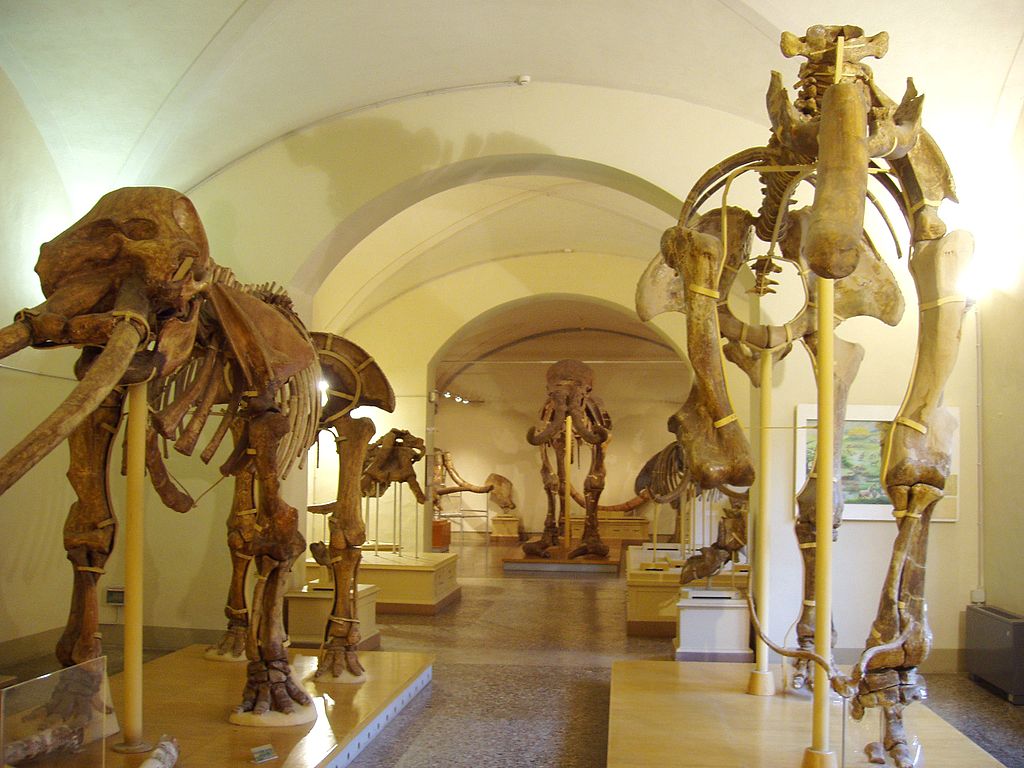
During the early seasons of “Friends,” Ross’s workplace at the fictional New York Museum of Natural History served as a recurring setting that brought paleontology visually into viewers’ homes. The museum scenes featured realistic displays of dinosaur fossils, dioramas, and laboratories that accurately represented actual paleontological work environments. These settings provided a glimpse into the professional world of paleontology that most viewers had never seen before. The museum backdrop allowed for storylines centered around fossil discoveries, research projects, and academic conferences that normalized paleontology as a legitimate career field. In one notable episode, the entire friend group attends a black-tie museum fundraiser, bringing the normally separate world of academic paleontology into the social sphere of the show. These visual representations helped demystify paleontological institutions and made museums seem more approachable and interesting to the general public.
Humanizing the Academic Profession
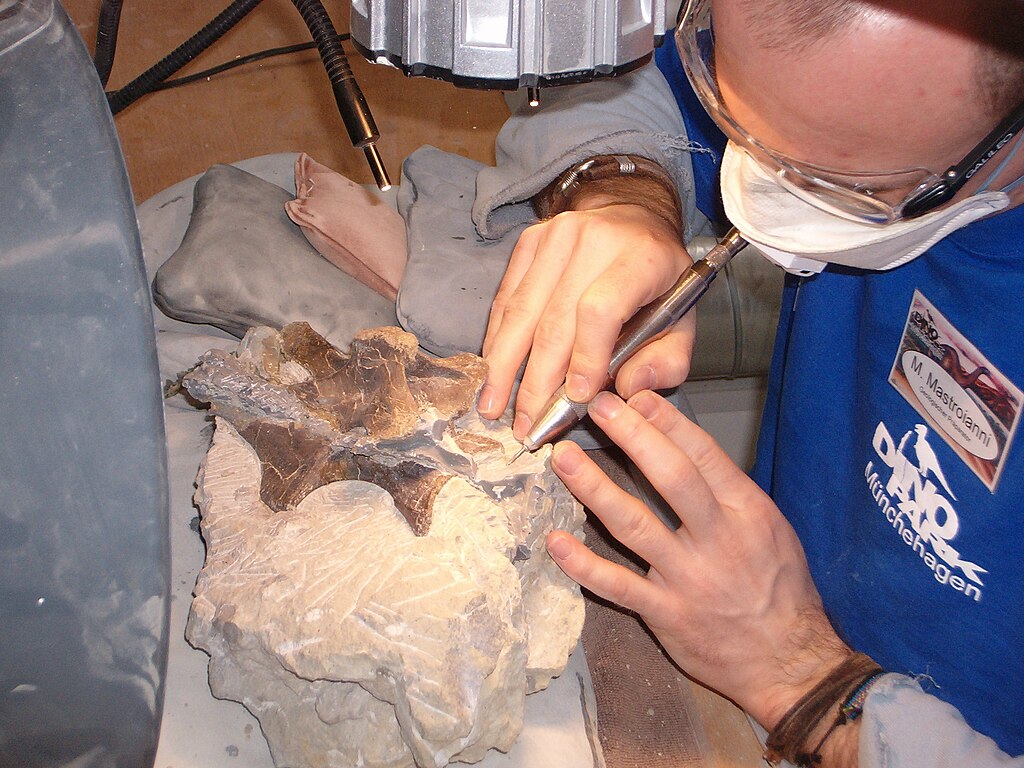
Prior to “Friends,” when scientists appeared in television or film, they were often portrayed as socially awkward stereotypes or one-dimensional characters focused solely on their work. Ross Geller broke this mold by presenting a fully realized character who happened to be a scientist rather than being defined solely by his profession. Viewers watched Ross navigate relationships, family dynamics, and everyday problems while maintaining his passion for paleontology. This humanization of a scientific profession showed that paleontologists could be relatable, funny, and deal with the same life challenges as everyone else. The show demonstrated that having an intellectual pursuit didn’t make someone boring or disconnected from normal life. By portraying Ross as both a dedicated scientist and a fully developed person with flaws and desires, “Friends” helped break down stereotypes about academic professionals and made the field of paleontology seem more accessible as a career choice.
The “Pivot!” Episode: When Paleontology Became Plot-Central

In the iconic episode “The One with the Cop” (Season 5, Episode 16), Ross’s paleontological career becomes central to one of the show’s most famous comedic sequences. After purchasing a new couch, Ross refuses to pay the delivery fee and attempts to move it up the narrow staircase to his apartment with the help of Rachel and Chandler. During this struggle, he repeatedly yells “Pivot!” in increasing frustration, creating a scene that has become one of the most remembered and quoted moments in the entire series. What many casual viewers might miss is that this entire situation stems directly from Ross’s paleontologist salary constraints – a realistic portrayal of the financial limitations faced by many in academic scientific fields. The episode subtly educated viewers about the economic realities of careers in paleontology while creating an unforgettable comedy moment. This balance of humor with authentic representation helped normalize the profession while keeping audiences entertained.
The Impact on Museum Attendance and Public Interest
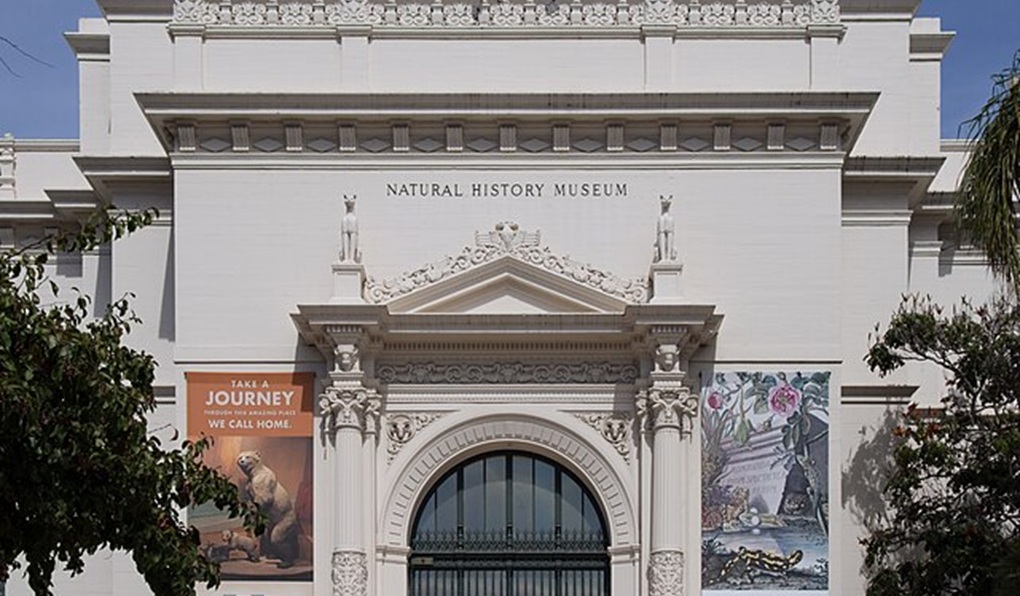
Following the rise of “Friends” as a cultural phenomenon, natural history museums across the United States reported noticeable increases in visitor interest in paleontology exhibits. Several museums even created “Ross Geller tours” or special programming that referenced the character to capitalize on this newfound public interest. The American Museum of Natural History in New York, which served as inspiration for Ross’s workplace, saw particular benefits from this association. According to visitor surveys conducted in the late 1990s, a significant percentage of young adult visitors cited “Friends” as sparking their initial interest in visiting dinosaur exhibits. Museum gift shops began selling more paleontology-related merchandise, and dinosaur exhibits became more prominently featured in marketing materials. This tangible increase in public engagement with paleontological institutions demonstrated the real-world impact the show had on bringing new audiences to the science.
Paleontology as a Career Choice: The “Ross Effect”
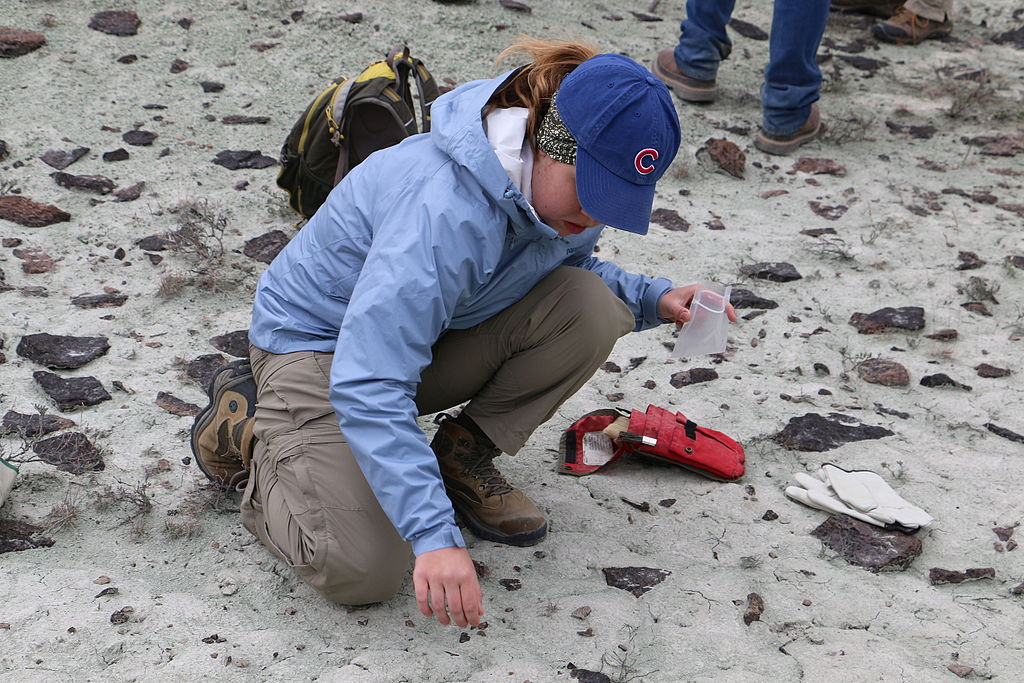
Perhaps the most concrete evidence of the show’s impact on paleontology came from university admissions offices, which documented what some called the “Ross Effect” – a measurable increase in undergraduate applications to paleontology and related earth science programs during the height of the show’s popularity. Several prominent paleontologists working today have cited Ross Geller as an early influence on their career choices, having been introduced to the field through watching “Friends” during their formative years. While comprehensive statistical studies are limited, anecdotal evidence from university department chairs suggests that the character helped diversify the field by making it appealing to students who might otherwise never have considered paleontology. One university reported that applications to their paleontology specialization doubled between 1995 and 2000, coinciding with the peak years of the show’s popularity. This lasting impact on recruitment demonstrates how powerful media representation can be in shaping career aspirations.
Scientific Accuracy and Inaccuracies in the Portrayal
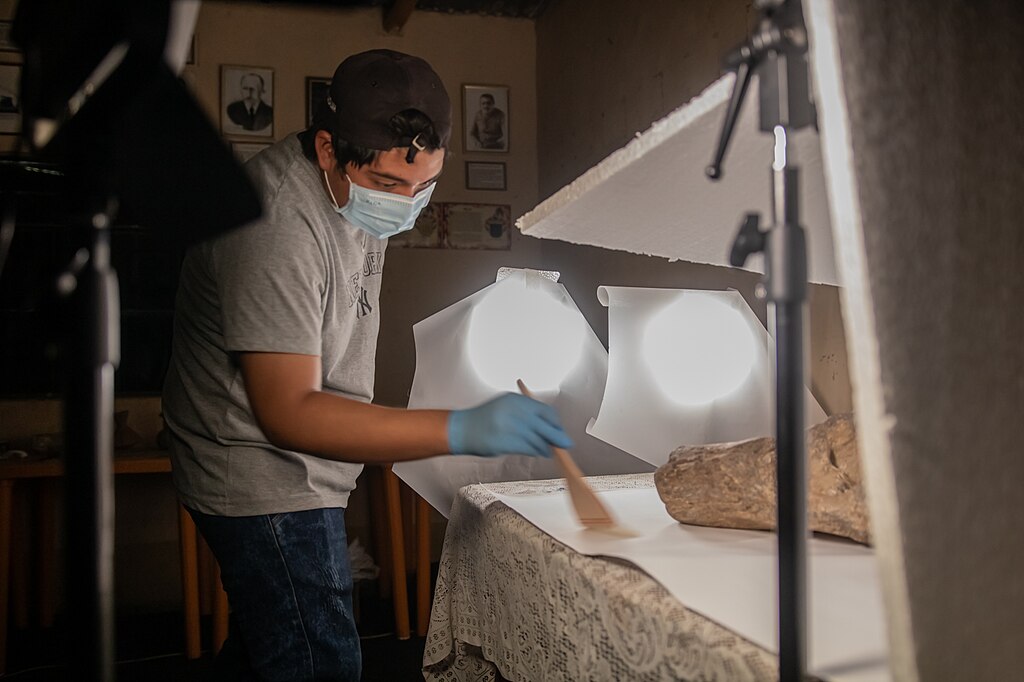
While “Friends” deserves credit for bringing paleontology into the mainstream, the show’s portrayal wasn’t without scientific inaccuracies that occasionally frustrated real paleontologists. The writers consulted with scientific advisors for major paleontological content, but sometimes sacrificed accuracy for comedic effect. For instance, Ross’s rapid career advancement from museum researcher to tenured professor happened much faster than would be realistic in actual academic settings. Similarly, his ability to single-handedly make major discoveries stretched credibility within the field. However, the show did get many details right, including realistic references to academic publishing pressures, grant funding challenges, and conference presentations. The character correctly used scientific terminology and demonstrated proper fossil handling techniques in museum scenes. Most paleontologists agree that despite some exaggerations, the overall portrayal was positive for the field, presenting it as intellectually stimulating and worthy of respect, even when it served as the punchline to jokes.
The Contrast with Other Scientific Portrayals on Television

When comparing Ross Geller to other scientists portrayed on television during the same era, the uniqueness of “Friends'” approach becomes even more apparent. Most 1990s television scientists fell into either the “mad scientist” trope or the hyper-specialized genius who couldn’t relate to normal people. Ross represented a significant departure from these stereotypes, showing a working scientist who functioned normally in society despite his occasional social awkwardness. Unlike characters in science-focused shows like “The X-Files” or later programs like “CSI,” Ross wasn’t defined primarily by his scientific abilities or using them to solve crimes or mysteries. Instead, his scientific knowledge was presented as one aspect of his complete personality, integrating naturally into everyday situations. This normalized approach to portraying a scientist helped make paleontology seem like a viable and relatable career rather than something exotic or inaccessible. The contrast with other media representations highlighted how revolutionary “Friends” was in its casual integration of science into mainstream entertainment.
The Legacy of “Unagi”: How Paleontological Jokes Entered Pop Culture

Throughout the series, Ross’s paleontological knowledge became the foundation for numerous jokes and references that subsequently entered popular culture. Perhaps most famously, in the episode “The One With Unagi,” Ross attempts to teach his friends about the concept of “unagi” – which he incorrectly defines as a state of total awareness in karate (it’s actually a type of sushi). While not directly related to paleontology, this scene exemplifies how the show used Ross’s academic personality to create memorable comedic moments that audiences still reference decades later. More directly related to his field, Ross’s enthusiastic attempts to share dinosaur facts at inappropriate times became a recurring humor pattern that audiences recognized and anticipated. His lecture about how the sound of dinosaurs is purely speculative in “The One Where No One’s Ready” has been referenced in actual paleontological discussions. These cultural touchpoints kept paleontology in the public consciousness long after specific episodes aired, creating lasting associations between the field and humorous, relatable moments.
Educational Value Beyond Entertainment
While “Friends” was primarily created as entertainment rather than educational content, the show inadvertently provided substantial educational value about paleontology. Throughout its run, viewers were exposed to accurate information about dinosaur species, evolutionary concepts, fossil dating techniques, and museum conservation practices. For many viewers, especially young ones, these references served as their first introduction to these scientific concepts. Teachers reported students referencing “that thing Ross mentioned on Friends” in classroom discussions about paleontology and earth sciences. The show’s writers included enough substantive content about the field that viewers gained genuine knowledge despite the comedic context. Educational researchers have noted that information presented in entertaining contexts often has better retention rates than formal instruction, suggesting that the paleontological facts presented in “Friends” may have been particularly well-remembered by audiences. This educational component, while secondary to the show’s entertainment purpose, represented a significant contribution to public science literacy.
Lasting Impact on How Paleontology is Portrayed in Media

The success of Ross Geller as a character opened doors for more nuanced portrayals of paleontologists and other scientists in subsequent media. Following “Friends,” other television shows and films began incorporating paleontologists as characters, often referencing or building upon the template established by Ross. The field began appearing more frequently in children’s educational programming, with shows like “Dinosaur Train” making explicit educational connections that built on the public awareness “Friends” had established. Documentary series about paleontology saw increased viewership, with producers often citing the “Friends effect” as having created a pre-existing audience interest. Even in non-scientific media, references to paleontology became more common and accurate, reflecting greater public familiarity with the field. Current media portrayals of paleontologists still occasionally reference Ross Geller as a touchpoint, demonstrating the character’s lasting impact on how the profession is represented. This evolution in media portrayal has helped sustain public interest in paleontology long after “Friends” concluded its original run.
The Ongoing Cultural Relevance Through Streaming Services
The introduction of streaming services has given “Friends” a second life, introducing Ross’s paleontological career to new generations of viewers who weren’t born or were too young during the show’s original broadcast. This continued exposure has sustained the show’s influence on public perceptions of paleontology well beyond what might have been expected from a 1990s sitcom. Streaming platforms have made the show accessible to global audiences who may not have been exposed to it during its initial run, further expanding its cultural impact. Social media discussions and memes frequently reference Ross’s dinosaur obsession, keeping these references in contemporary popular culture. Young viewers discovering the show today still report increased interest in natural history museums and dinosaur exhibits after watching, demonstrating the enduring nature of the show’s influence. This ongoing relevance has solidified “Friends” as perhaps the most significant pop culture influence on public perceptions of paleontology in recent decades, with an impact that continues to evolve through new viewing platforms and social media discussions.
Conclusion

The integration of paleontology into “Friends” through the character of Ross Geller represents a unique case study in how entertainment media can influence public perception of scientific fields. What began as simply a character trait for one member of the ensemble cast evolved into a significant cultural touchpoint that introduced millions to a previously obscure scientific discipline. Through a combination of humor, relatable characterization, and surprisingly accurate scientific content, “Friends” managed to make paleontology accessible and interesting to mainstream audiences. The show’s impact extended beyond mere entertainment, influencing museum attendance, career choices, and subsequent media portrayals of scientists. As new generations continue to discover the show through streaming services, Ross Geller’s passion for dinosaurs continues to serve as many people’s first introduction to the fascinating world of paleontology, demonstrating the powerful and lasting influence television can have on public engagement with science.