Picture a dragonfly with a wingspan wider than a hawk’s. Imagine millipedes as long as a car scuttling through ancient forests. This wasn’t science fiction or Hollywood fantasy. It really happened, millions of years before dinosaurs ever walked the Earth.
You might wonder how creatures that seem so fragile today once ruled an entire world in monstrous proportions. The truth is more fascinating than any movie could capture. These giants thrived during the Carboniferous period, roughly 304 to 299 million years ago, in an environment that would feel suffocating to you if you stepped into it. Let’s dive into their world, where the air was different, the landscape was strange, and insects grew to sizes that would make modern entomologists’ jaws drop.
The Carboniferous Period: A World Primed for Giants
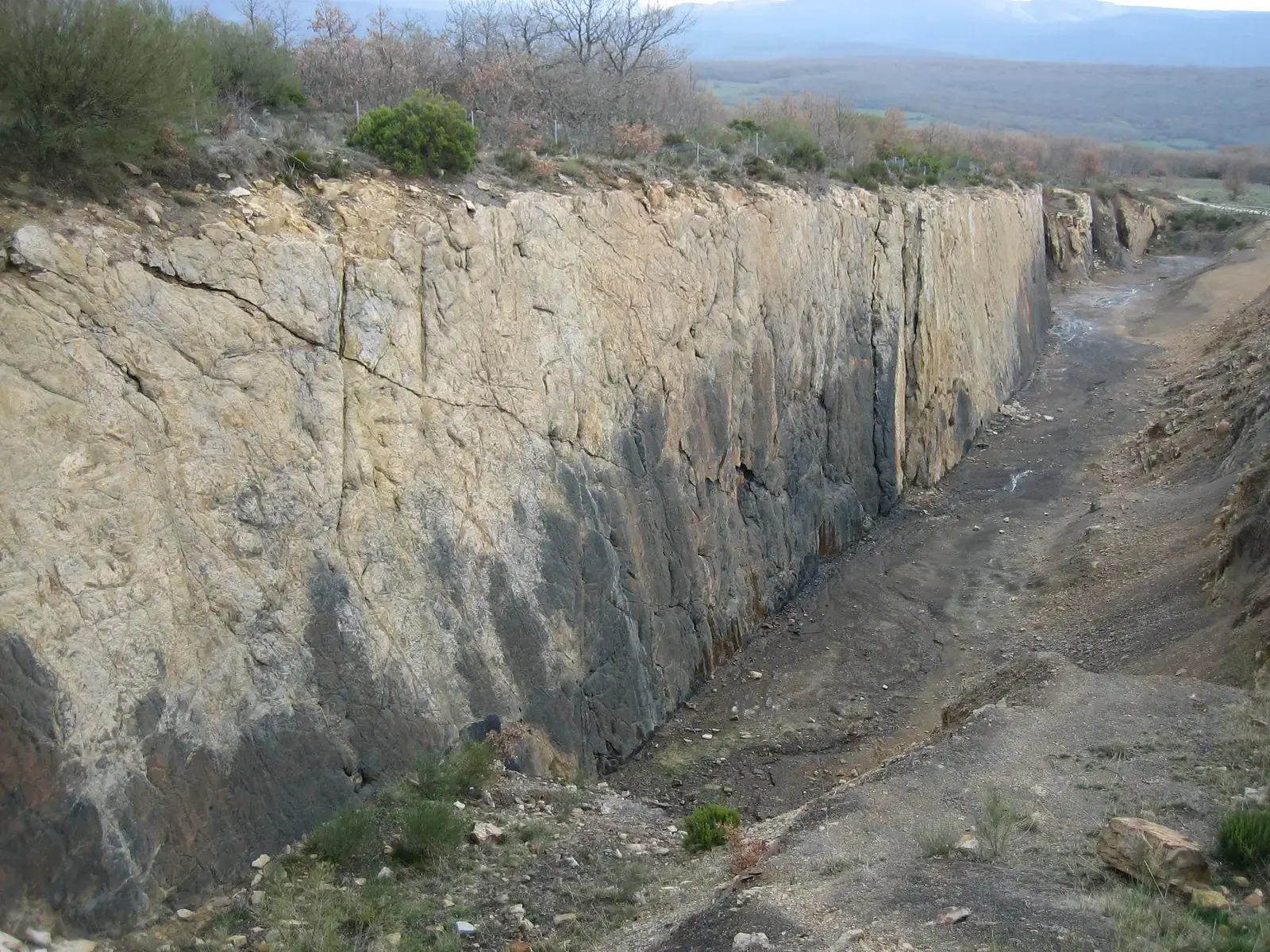
The Carboniferous Period lasted roughly 359 to 299 million years ago, and it was unlike anything you could recognize today. Vast swamp forests covered the landscape, teeming with plant life that had never existed before. The world was warm, humid, and absolutely drenched in oxygen.
During the Carboniferous and Permian periods, Earth’s air contained 31-35% oxygen. Compare that to the measly twenty-one percent you breathe right now. The rise of vast lowland swamp forests led to atmospheric oxygen levels of around 30 percent – close to 50 percent higher than current levels. Trees and plants were pumping out oxygen like mad, but here’s the thing: the fungi and microbes that normally break down dead wood hadn’t evolved yet. Wood was a novel material on the planet, and when these trees fell over and died, they stayed in place. Carbon got locked away in layers that would eventually become coal, and oxygen just kept building up.
This was a world waiting for something extraordinary to happen. The stage was set for creatures to grow to proportions never seen before or since.
Meet Meganeura: The Hawk-Sized Dragonfly
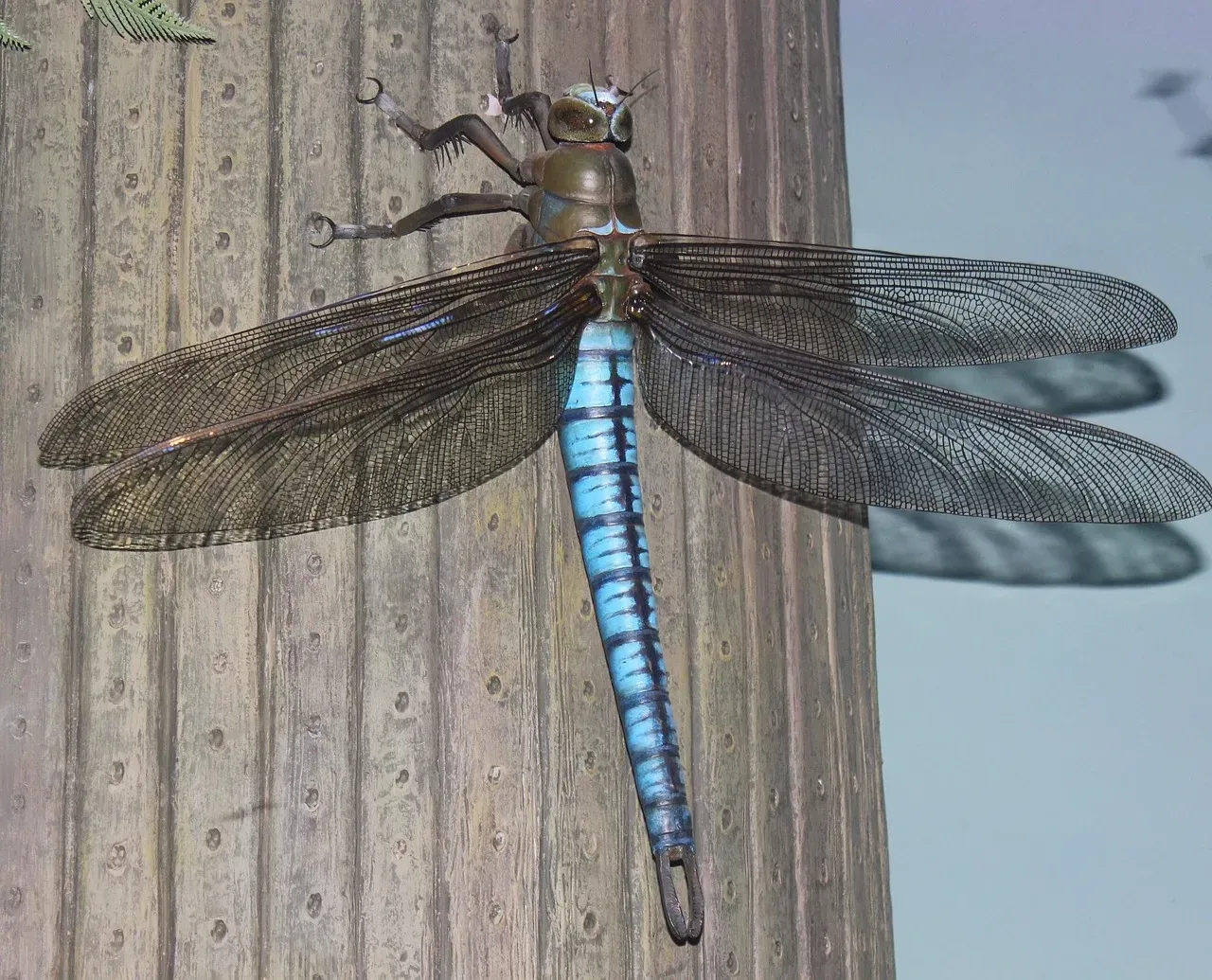
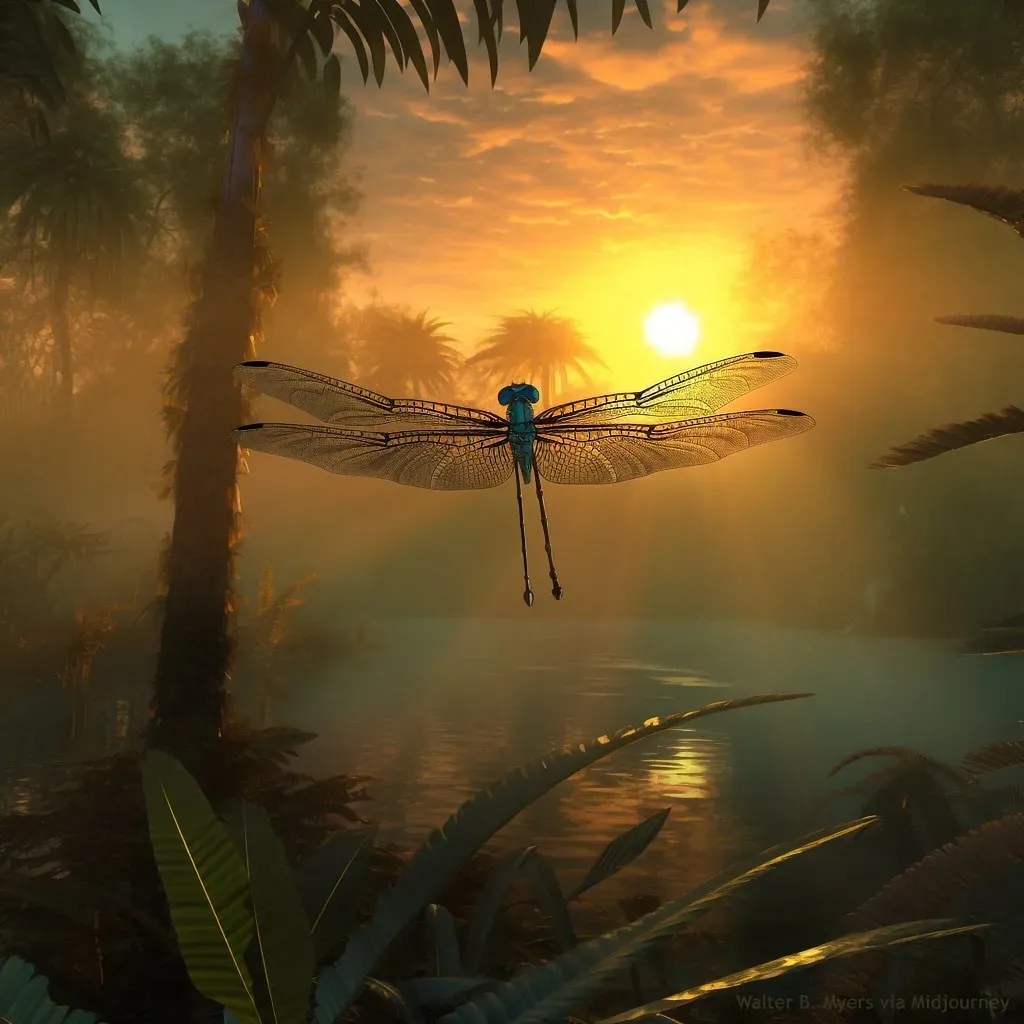
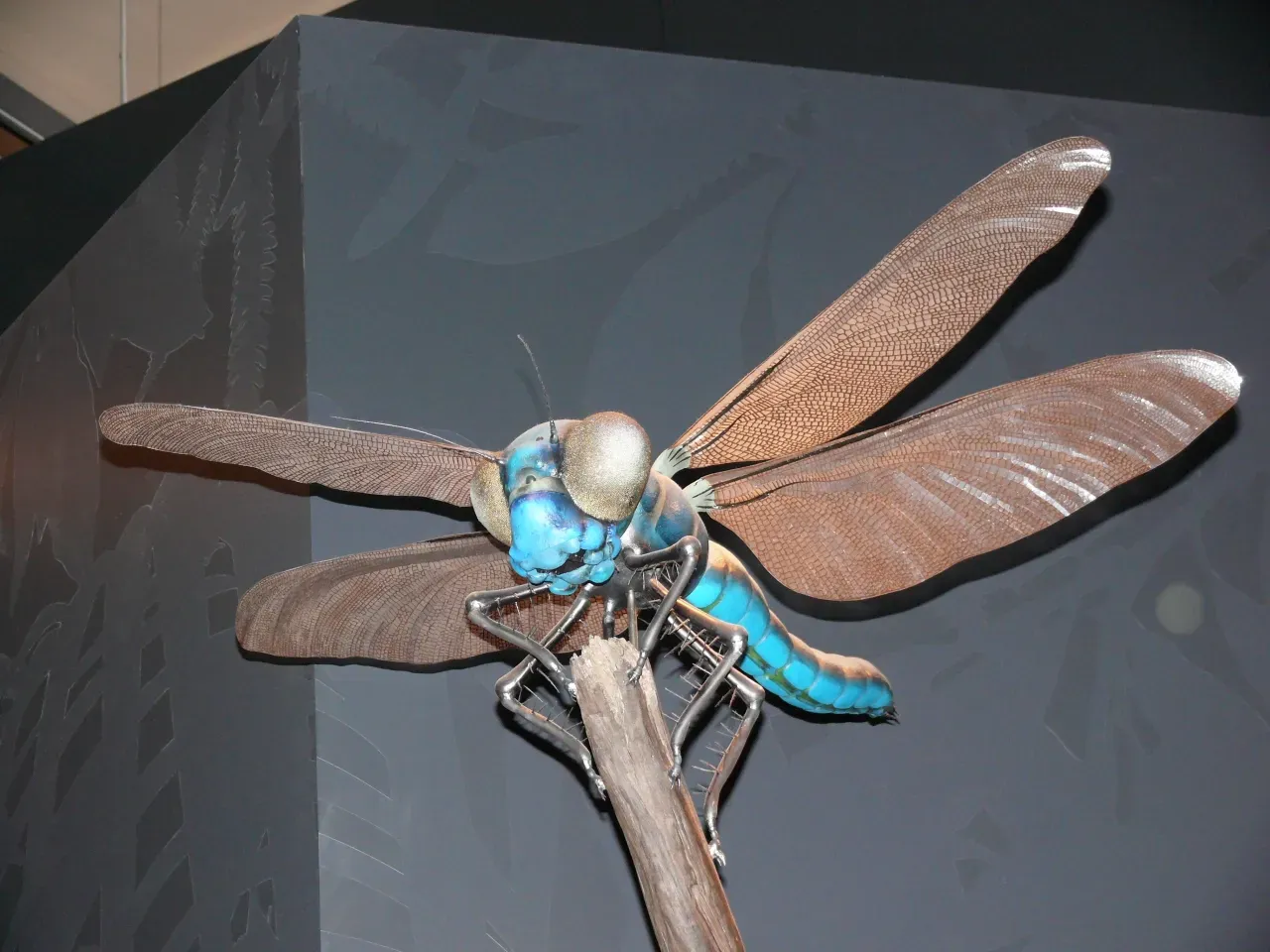
Let’s talk about the star of the show. Meganeura lived approximately 300 million years ago, with single wing lengths reaching 32 centimeters and a wingspan about 65 to 75 centimeters. That’s around two and a half feet across. Think about that for a second. You’ve probably swatted regular dragonflies away from your face on summer evenings. Now imagine one with wings spread as wide as a red-tailed hawk.
Like other odonatopterans, they were predatory, with their diet mainly consisting of other insects. These weren’t gentle giants either. Meganeura had spines on the tibia and tarsi sections of the legs, which would have functioned as a “flying trap” to capture prey. They’d cruise through the sky, spot a target with their enlarged eyes, and snatch it mid-flight with those spiny legs. Honestly, it’s kind of terrifying when you think about what it must have been like to be a smaller insect back then.
Fossils of Meganeura were first discovered in Late Carboniferous Coal Measures of Commentry, France, in 1880, and in 1885, French paleontologist Charles Brongniart described and named the fossil. The name itself means “large vein,” referring to the prominent network of veins that crisscrossed its wings like a natural skeleton.
The Oxygen Supercharge Theory
So why did these insects grow so absurdly large? The most widely accepted explanation comes down to oxygen. Oxygen levels are especially important for insects because they don’t have lungs, instead relying on air flowing through openings on their bodies called spiracles, which connect via tiny tubes to tissues that need oxygen. In modern insects, this system works fine for small bodies, but it hits a wall when you try to scale up.
The way oxygen is diffused through the insect’s body via its tracheal breathing system puts an upper limit on body size, but prehistoric insects seem to have well exceeded this, possibly because the atmosphere of Earth at that time contained more oxygen than the present 20 percent. With more oxygen available in the air, these tiny tubes could support much larger bodies without the insect suffocating. It’s like upgrading from a garden hose to a fire hose.
Here’s where it gets interesting though. Larvae of many ancient insects passively absorbed oxygen from water and were not able to regulate their oxygen intake very well – a big danger when oxygen levels were so high, and one way to decrease the risk of oxygen toxicity would have been to grow bigger. Growing larger actually protected juvenile insects from oxygen poisoning. Who would have guessed that getting bigger was a survival strategy against too much oxygen?
Other Monstrous Creatures Sharing the Skies and Ground
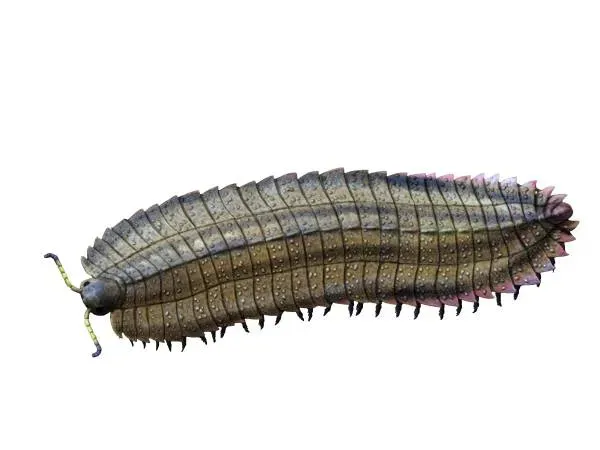
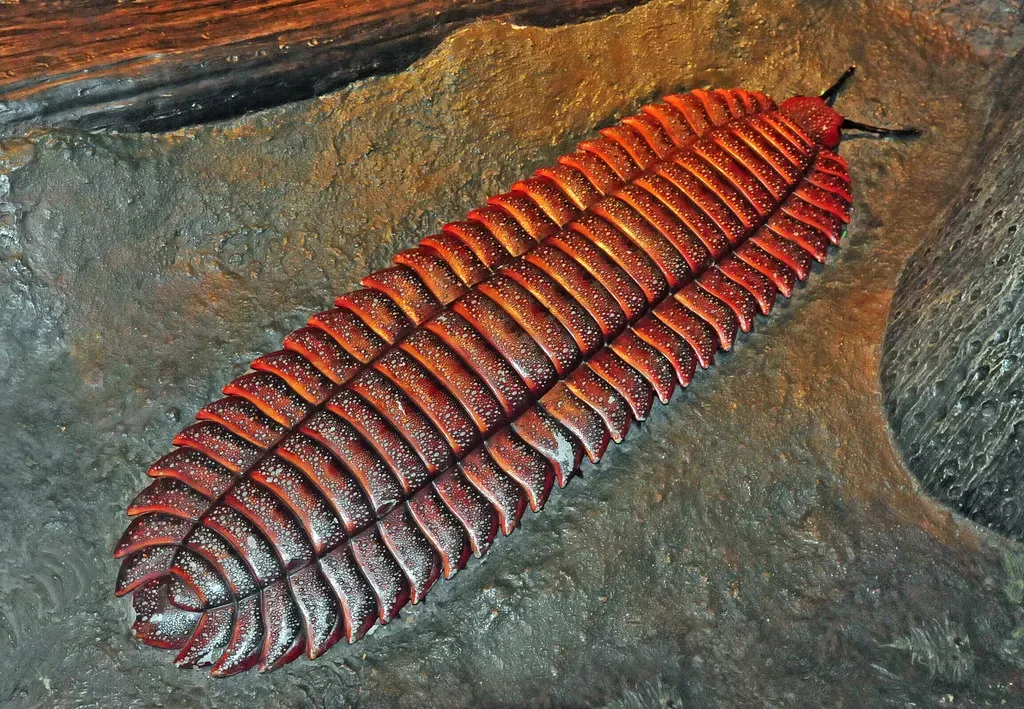
Meganeura wasn’t the only giant out there. The Carboniferous landscape was crawling with creatures that would give you nightmares. The giant millipede Arthropleura armata lived in what’s now Scotland and North America and grew up to two and a half metres long, making it the largest arthropod to have ever lived on Earth. Picture a millipede the length of a car. Now try not to picture it.
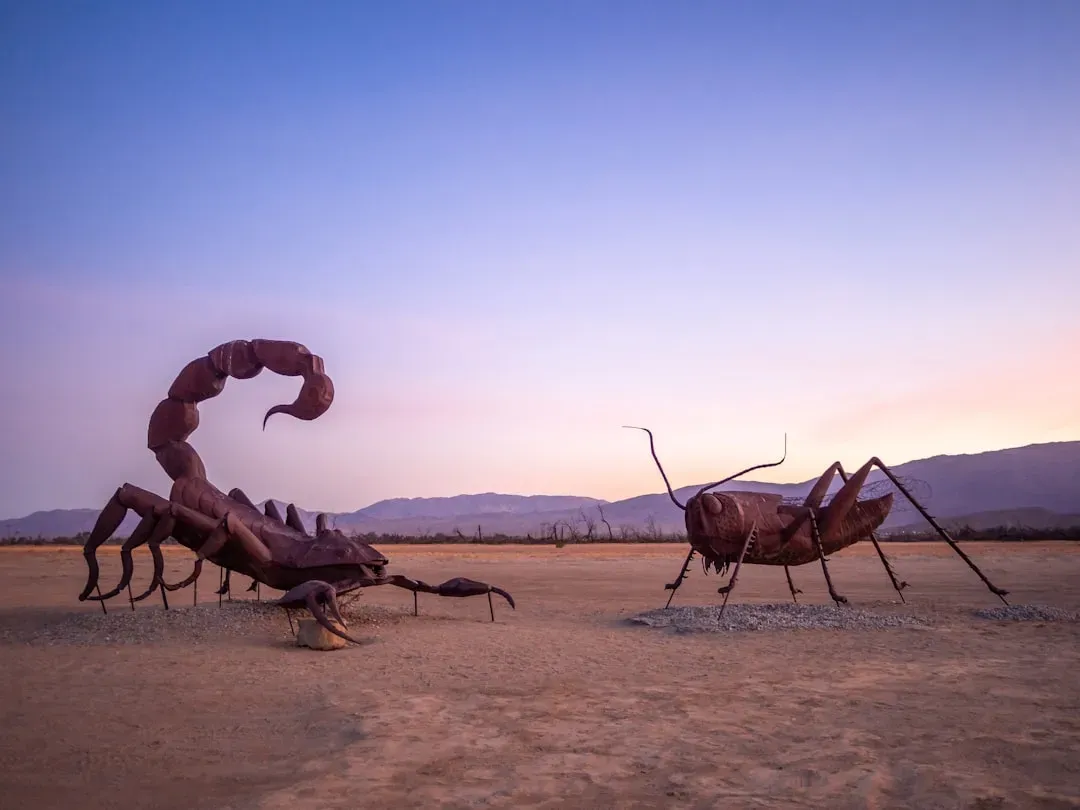
Pulmonoscorpius kirktonensis was an early predatory arachnid which hunted the forest floor for smaller arthropods, with most complete specimens measuring 13 to 280 millimeters in length, while a large fragmentary specimen is estimated to have been 70 centimeters long when alive. That’s a scorpion roughly the size of a house cat, complete with all the terrifying features you’d expect: grasping claws, spindly legs, and a stinging tail. It wasn’t something you’d want to stumble upon while hiking through a Carboniferous forest.
Even cockroaches and mayflies reached massive sizes during this period. The skies buzzed with oversized wings, and the ground trembled under the weight of arthropods that would dwarf anything alive today. It was a bug’s world, and everything else was just living in it.
The Absence of Predators: A Free Reign
There’s another piece to this puzzle that goes beyond oxygen levels. The lack of aerial vertebrate predators allowed pterygote insects to evolve to maximum sizes during the Carboniferous and Permian periods. Think about it. Today, birds, bats, and other flying creatures keep insect populations in check. Back then, none of those existed yet. The skies belonged entirely to insects.
There were no aerial predators around to eat them until birds evolved from dinosaurs and started to prey upon them, at which point these dragonfly-like insects had to become smaller and faster to escape being eaten. Without anything to hunt them from above, insects had the freedom to grow as large as their biology allowed. It was an evolutionary playground with no rules.
Some researchers think they grew so large in response to their prey, plant-eating palaeodictyopterans, also increasing in size. It might have been an arms race of sorts, with predators and prey both escalating in size to gain an advantage. Bigger prey needed bigger predators, and vice versa. Nature has a way of pushing boundaries when nothing’s there to stop it.
Why the Giants Disappeared
All good things must come to an end, even for giant insects. As the Carboniferous Period started to fade, so did the high oxygen levels, bringing with it a lowering of global temperatures, and the change in climate started the decline of the superbugs. The lush swamp forests began to collapse, oxygen levels dropped, and the world became a harsher place for creatures that had evolved to depend on those unique conditions.
After the evolution of birds about 150 million years ago, insects got smaller despite rising oxygen levels, and about 150 million years ago, all of a sudden oxygen goes up but insect size goes down, coinciding strikingly with the evolution of birds. Birds turned out to be faster, more agile, and far better at hunting than anything that had come before. With predatory birds on the wing, the need for maneuverability became a driving force in the evolution of flying insects, favoring smaller body size. Being giant suddenly became a liability rather than an advantage.
Meganeuropsis died out at the end of the Permian, victim of a mass extinction that wiped out more than 90 percent of all life on Earth, and with this extinction, the high oxygen levels were gone, and no insect would ever reach their size. It was the end of an era that would never return.
What This Tells You About Evolution and Survival
The story of giant insects isn’t just about big bugs. It’s about how life adapts to whatever environment it finds itself in. It’s always a combination of ecological and environmental factors that determines body size, and there are plenty of ecological reasons why insects are small. When conditions were right, insects exploded in size. When those conditions changed, they shrank back down.
Looking at these ancient creatures gives you a glimpse into how profoundly our planet has changed. The air you breathe, the predators that exist, the climate itself – all of it shapes what survives and what doesn’t. Giant insects thrived for millions of years in a world that no longer exists. Their fossils remind you that Earth has been home to countless bizarre, incredible forms of life, and what seems normal now was once unimaginable.
It’s humbling, really. These creatures ruled a world for longer than humans have even existed. They adapted, thrived, and eventually vanished when their time was up. Makes you wonder what future creatures might think when they dig up fossils of the animals we know today.
So next time you see a dragonfly zipping past, take a moment to appreciate how small it is. Its ancestors were kings of the sky, massive predators that dominated an alien world. They’re a testament to how extraordinary life can become when the conditions are just right. Did you expect insects to have once been the apex predators of the entire planet? What do you think Earth would look like if those oxygen levels spiked again?