If you could step out of a time machine into the age of dinosaurs, the first thing you’d probably notice isn’t a roaring T. rex. It’s the air. Heavy, humid, and almost shockingly warm, like walking into a greenhouse turned up just a little too high. The world that felt so “normal” to the dinosaurs would feel borderline alien to us.
Yet the story is not as simple as “it was just hotter back then.” Temperatures swung, poles thawed, forests grew near the Arctic Circle, and the planet went through weird climate twists that even scientists are still arguing about. The truth is, the age of dinosaurs was a long, climate‑chaotic experiment – and what we’re learning from it is uncomfortably relevant to what we’re doing to the planet now.
A Greenhouse World: Why the Age of Dinosaurs Was So Warm
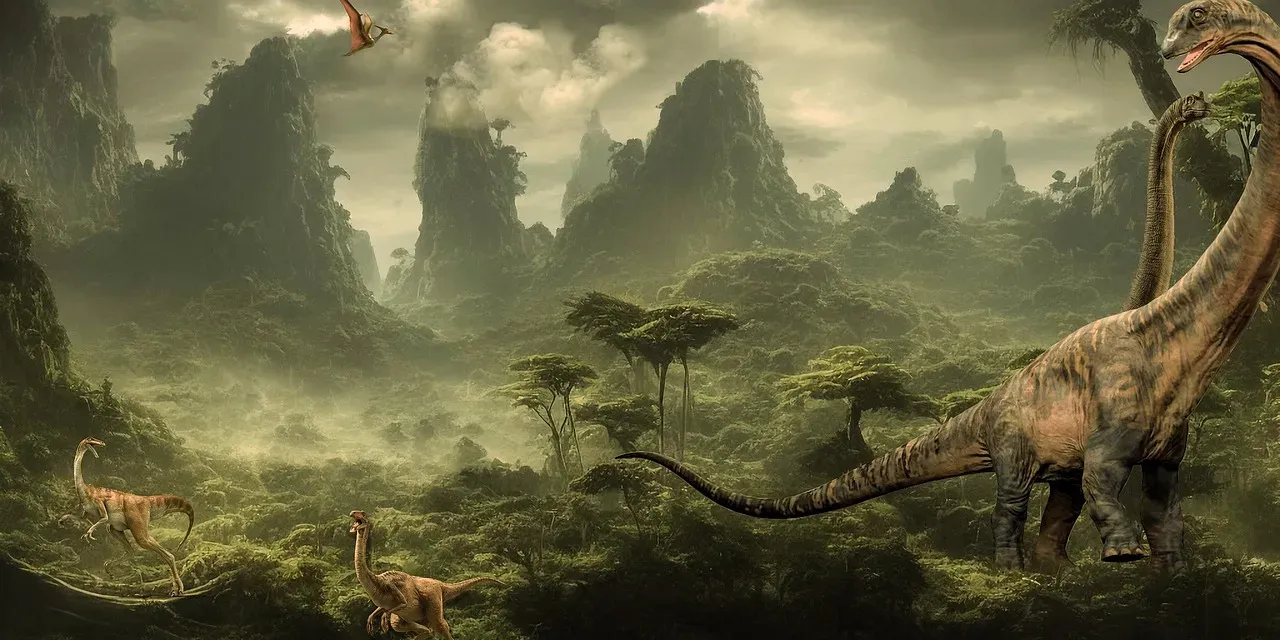
Here’s the first surprising twist: for most of the dinosaur era, there were no big ice sheets at the poles at all. Earth was in what scientists call a greenhouse state, with higher carbon dioxide levels in the atmosphere and sea levels hundreds of feet higher than today. That meant more trapped heat, more humidity, and a climate that, on average, felt like a planet permanently on “summer mode.”
We do not have thermometers from the Jurassic, of course, so researchers have to get clever. They look at chemical fingerprints in ancient shells, minerals, and even dinosaur-age soils to estimate past temperatures. The big takeaway from all those lines of evidence is that global average temperatures were significantly warmer than today – often by several degrees Celsius, which might not sound like much on paper but translates into a completely different kind of world.
No Real Winter: The Tropics Turned Up To Eleven
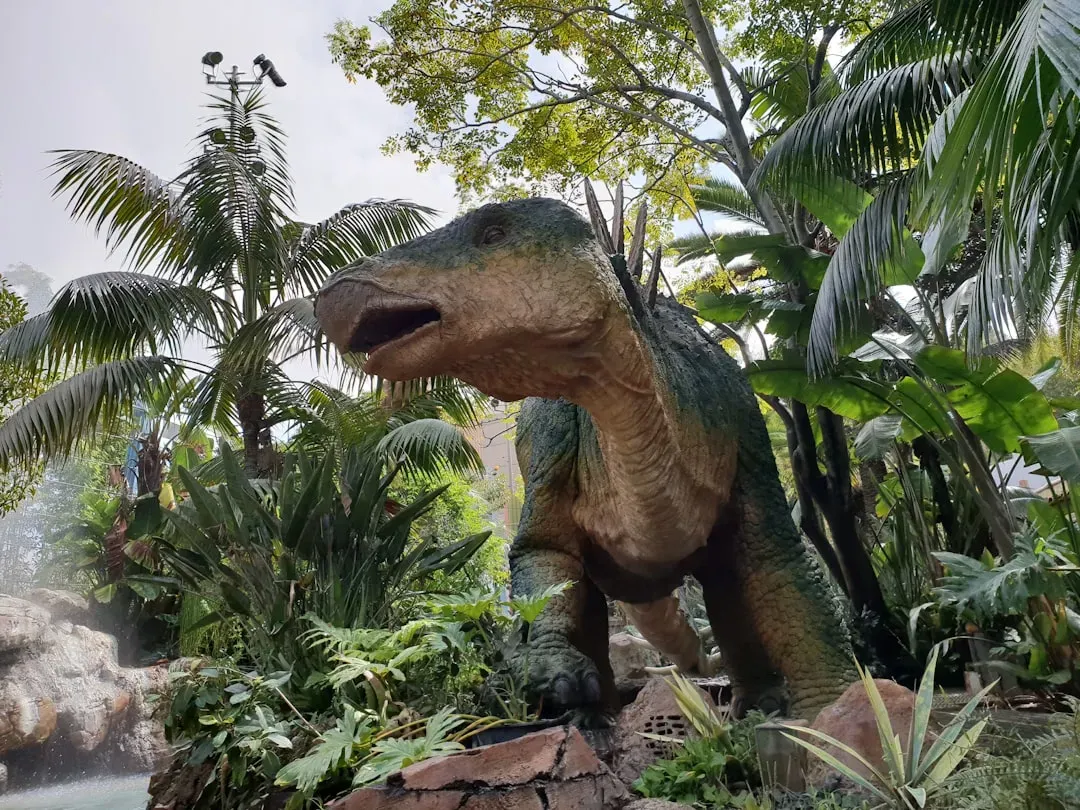
Think about the hottest, stickiest summer day you have ever felt, the one where the air barely moves and you feel like you are walking through soup. Now imagine a version of that that stretches across entire continents and lasts all year, with no real winter break. That is the kind of climate many dinosaurs in the tropics and subtropics probably called normal. Day after day of warm, humid conditions fueled lush plant growth and powered huge food webs of herbivores and predators.
Some studies suggest that in certain dinosaur‑era tropical regions, average temperatures could have climbed into ranges that would be dangerous for many modern animals if they had to endure them for long. Yet dinosaurs and the ecosystems around them adapted in ways we are still trying to understand. I remember reading one paper and thinking it sounded more like a description of a sauna than a forest, and yet this overheated, sweaty world was exactly where many of the most iconic dinosaurs thrived.
Warm Poles, Crocodiles in the High Latitudes, and Forests in the “Wrong” Places
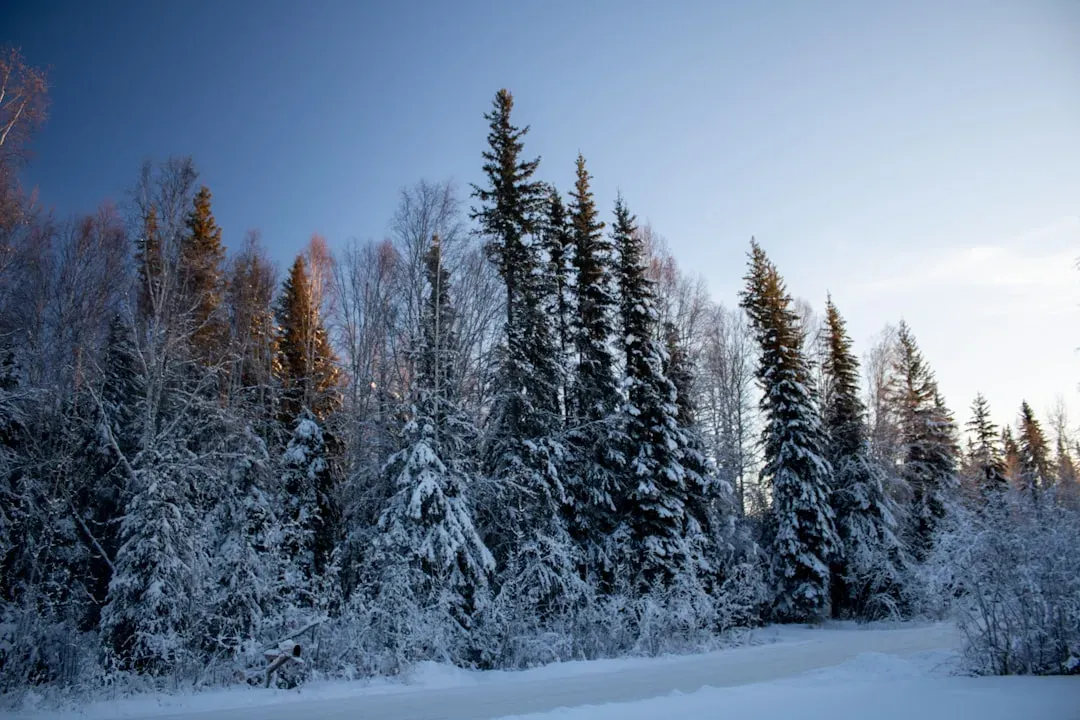
Maybe the strangest part of this story is not how hot the tropics were – it is how mild the poles seem to have been. Fossils of warm‑loving plants and animals, including creatures related to crocodiles and turtles, have been found at high latitudes where we expect snow and ice today. This tells us that even near the poles, winters were much milder and frost was rare or seasonal at most. Imagine standing in what is now Alaska and seeing dense, conifer‑rich forests instead of frozen tundra.
There is even evidence that some dinosaurs lived year‑round in these polar regions rather than just visiting seasonally. That means they experienced long periods of winter darkness – but in a world that was relatively warm and wet rather than freezing. The idea of a dim, months‑long twilight in a mild forest full of dinosaurs feels like something from a fantasy novel, but it is built on very real fossil sites that show trees, soils, and animals completely out of place by modern standards.
Not Just “One” Climate: Swings, Extremes, and Sudden Shifts
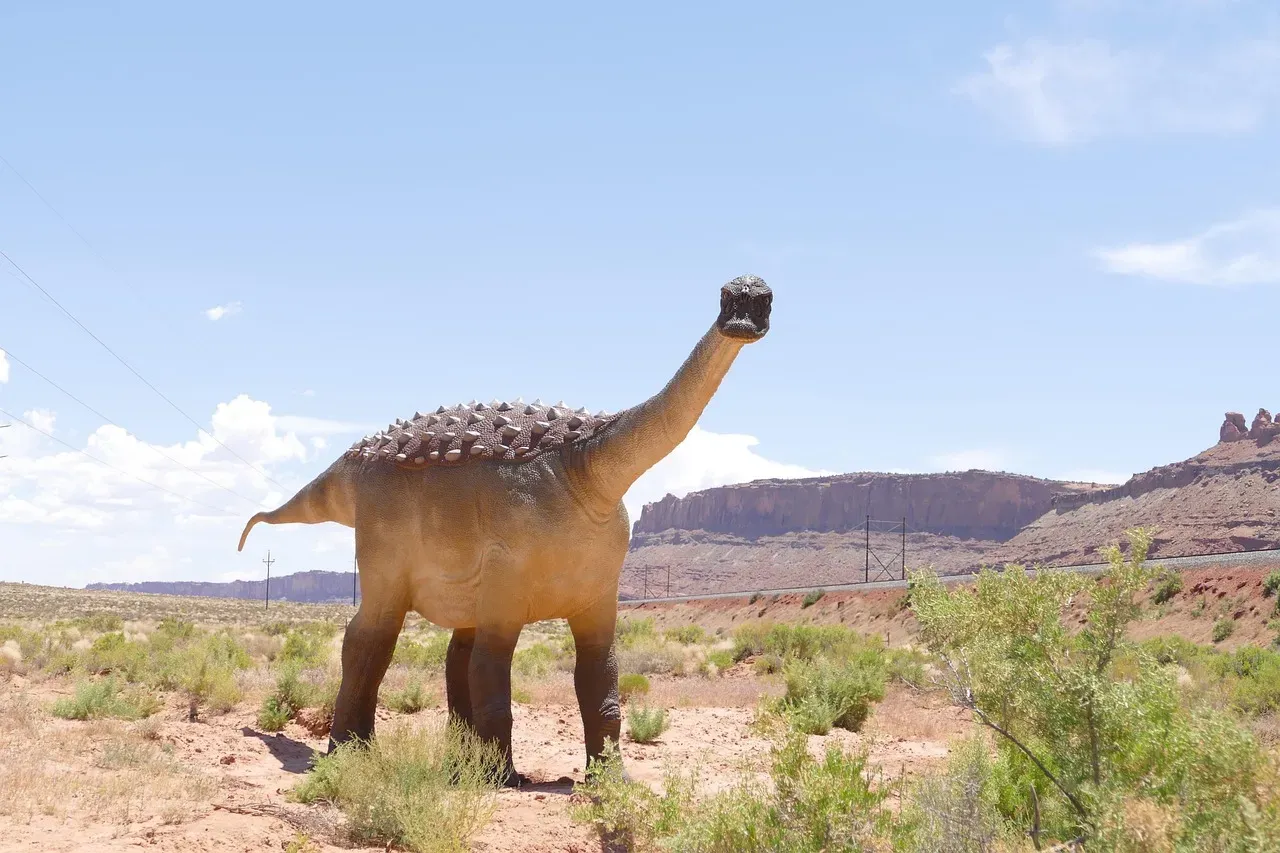
It is tempting to lump the whole dinosaur era together as one uniform “hot house,” but that flattens out a lot of drama. The dinosaur timeline stretches over more than 160 million years, and Earth’s climate did not sit still during that time. There were phases that were extremely hot, intervals that cooled, and moments of intense volcanic activity that pumped out greenhouse gases and shook things up. At times, important ocean currents may have stalled or changed, adding even more chaos to the system.
Some intervals, especially in the later part of the dinosaur age, seem to have been marked by climate stress – periods when ecosystems strained under shifting temperatures, changing sea levels, and altered rainfall patterns. When I first started digging into this research, I had assumed the climate graph would look like a smooth, gently warm line. Instead, it looks more like a jagged heartbeat monitor, with spikes and drops that would have reshaped landscapes and forced dinosaurs and plants to either adapt, move, or vanish.
How On Earth Do We Know Any Of This? The Science Behind the Heat
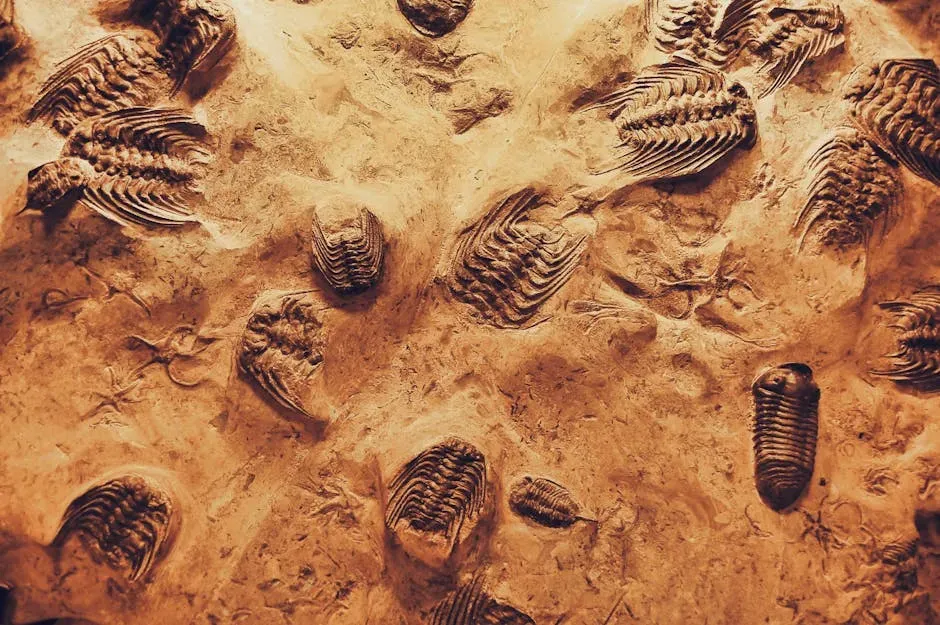
Since no one was around to record the forecast, scientists rely on what are called proxies: physical and chemical clues that respond to climate and get locked into rocks, fossils, and sediments. Tiny changes in the ratios of certain oxygen isotopes in shells, the types of minerals that form under particular temperature ranges, and the shapes of fossil leaves all help reconstruct how warm or humid it was. It sounds abstract at first, but it is basically forensic science on a planetary scale, with labs replacing crime scenes.
On top of that, researchers run sophisticated climate models on powerful computers, plugging in estimates of ancient continents, greenhouse gas levels, and sunlight to see what kinds of temperatures those conditions would produce. When the models line up with what the rocks and fossils are telling us, confidence grows that we are seeing a reasonably accurate picture. I find it oddly comforting that our view of dinosaur‑age temperatures is not a wild guess anymore – it is a constantly tested puzzle, where every new fossil leaf or shell can subtly nudge the picture into sharper focus.
What Dinosaur Heat Tells Us About Our Future: An Uncomfortable Mirror
Standing in our air‑conditioned present, it is tempting to treat dinosaur‑era warmth as just a piece of exotic trivia. But the uncomfortable part is this: the greenhouse conditions that made their world so warm were driven by thick blankets of greenhouse gases, especially carbon dioxide, lingering in the atmosphere for long stretches of time. We are now pushing CO₂ levels upward at a speed that rivals some of the most dramatic episodes in Earth’s history, and the physics of how that traps heat has not changed. What took nature many thousands of years to do, we are compressing into centuries.
My own opinion, after following this research for years, is that dinosaur climate is less a fun fossil story and more of a warning label. Yes, life survived those warm ages, and in some places it exploded into incredible diversity – but the planet looked and behaved very differently, and the transitions between states were often rough. We are not about to recreate the dinosaur world exactly, but we are clearly nudging the thermostat in the same direction. That raises a blunt question for us: if a hotter Earth was so strange that even dinosaurs had to constantly adapt to it, why are we so confident that our own societies can sail through a fast‑forward version of that experiment without serious upheaval?