The extinction of the dinosaurs marks one of the most significant turning points in Earth’s biological history. Approximately 66 million years ago, a catastrophic asteroid impact near Mexico’s Yucatán Peninsula triggered the Cretaceous-Paleogene (K-Pg) extinction event, wiping out roughly 75% of all species on Earth, including non-avian dinosaurs. While this moment dramatically altered life’s trajectory on our planet, the recovery that followed tells an equally fascinating story of resilience and adaptation. The process wasn’t instantaneous—it unfolded across millions of years, with different ecosystems and species groups recovering at varying rates. This article explores how life rebounded after this planetary catastrophe, highlighting the timescales, patterns, and evolutionary innovations that emerged from the ashes of extinction.
The Immediate Aftermath: A Barren Landscape

In the immediate aftermath of the asteroid impact, Earth experienced what scientists call an “impact winter.” The collision launched massive amounts of debris, soot, and aerosols into the atmosphere, blocking sunlight and causing global temperatures to plummet dramatically. Photosynthesis largely ceased worldwide, collapsing food chains from their foundation. Fossil evidence indicates that in the first few thousand years after the impact, vegetation was severely reduced to primarily ferns and other hardy pioneer species that could reproduce via spores. This “fern spike” in the fossil record demonstrates how these resilient plants were among the first to recolonize the devastated landscapes. Marine ecosystems were similarly devastated, with plankton populations crashing and triggering cascading effects throughout ocean food webs. This initial phase represents a true biological reset, where only the most adaptable organisms survived to seed Earth’s recovery.
The First Million Years: Mammals Begin Their Rise

The first million years following the extinction event saw small mammals beginning to capitalize on ecological opportunities left by the dinosaurs’ absence. These early Paleocene mammals were generally small—most weighing less than 10 kilograms—but they were rapidly diversifying into newly available niches. Fossil evidence from sites like the Denver Basin shows that mammalian diversity began recovering within just 100,000 years, though these animals remained relatively small compared to what would evolve later. Insectivores and small omnivores were particularly successful during this early recovery period. The mammals that survived the extinction were predominantly generalists with flexible diets and behaviors, making them well-suited to the unpredictable post-extinction environment. Meanwhile, some birds—the only surviving dinosaur lineage—were also beginning their adaptive radiation, exploring new ecological roles in a world suddenly devoid of their larger relatives.
Plant Recovery: The Foundation of Ecosystem Rebuilding

The recovery of plant communities formed the essential foundation for the restoration of complex ecosystems after the extinction. Paleobotanical evidence indicates that it took approximately 1-2 million years for diverse forest ecosystems to re-establish following the initial fern dominance phase. The North American fossil record shows that flowering plants (angiosperms) became increasingly diverse during the early Paleocene, gradually forming new forest communities that would support evolving animal populations. Particularly interesting is the sudden evolutionary radiation of certain plant families that would become ecological dominants in the new world, including walnuts, palms, and early relatives of modern legumes. Leaf fossil evidence from the western United States suggests that plant diversity reached pre-extinction levels within about 2 million years in some regions, though the specific composition was dramatically different. This rapid plant recovery provided the energy base that would fuel the subsequent radiation of animal life through the Paleocene and Eocene epochs.
Marine Ecosystem Recovery: A Slower Rebound
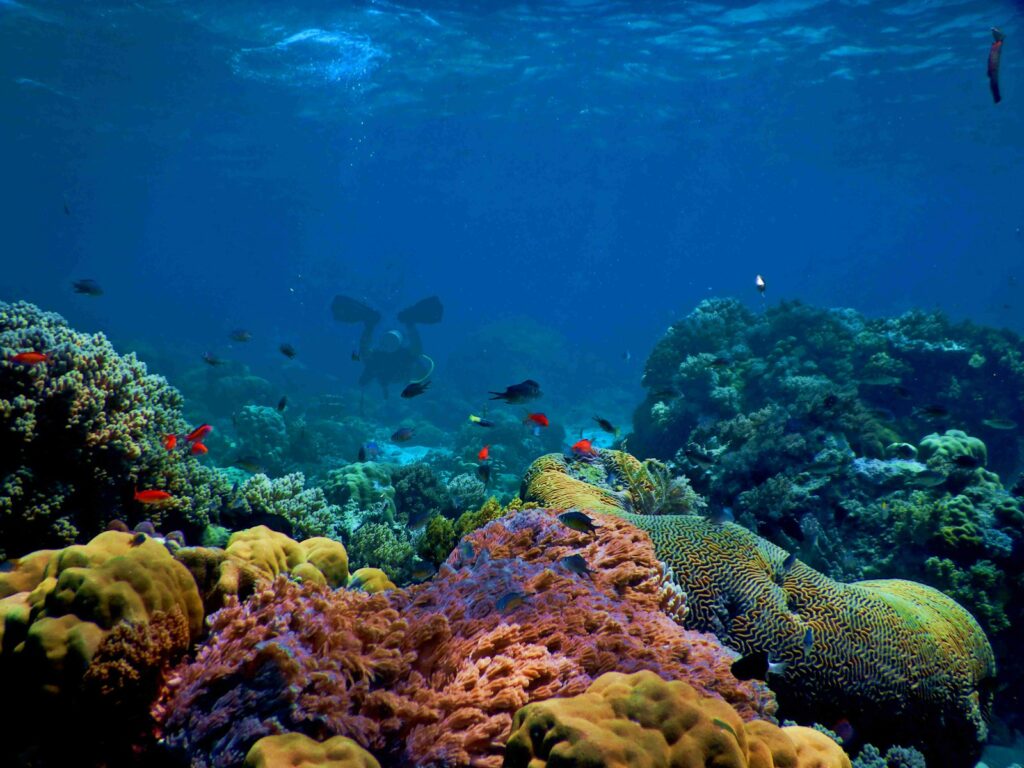
Marine ecosystems experienced some of the most profound and lasting impacts from the extinction event, with recovery timelines varying significantly across different marine groups. Microscopic plankton, the foundation of marine food webs, showed remarkable but selective recovery patterns, with some groups rebounding within a few hundred thousand years while others took millions of years to diversify. Ammonites, once dominant mollusks of the Mesozoic seas, disappeared entirely, allowing their distant relatives, nautiluses, along with octopuses and squids, to expand into new ecological niches. Coral reef ecosystems were particularly slow to recover, with modern-style reef systems not fully re-establishing until approximately 10 million years after the extinction. The restructuring of marine food webs involved the gradual rise of modern fish groups, particularly teleosts, which would eventually dominate ocean ecosystems. This delayed recovery in marine environments compared to terrestrial ones highlights how extinction impacts can vary dramatically across different ecological contexts.
The Paleocene Explosion: New Ecological Opportunities
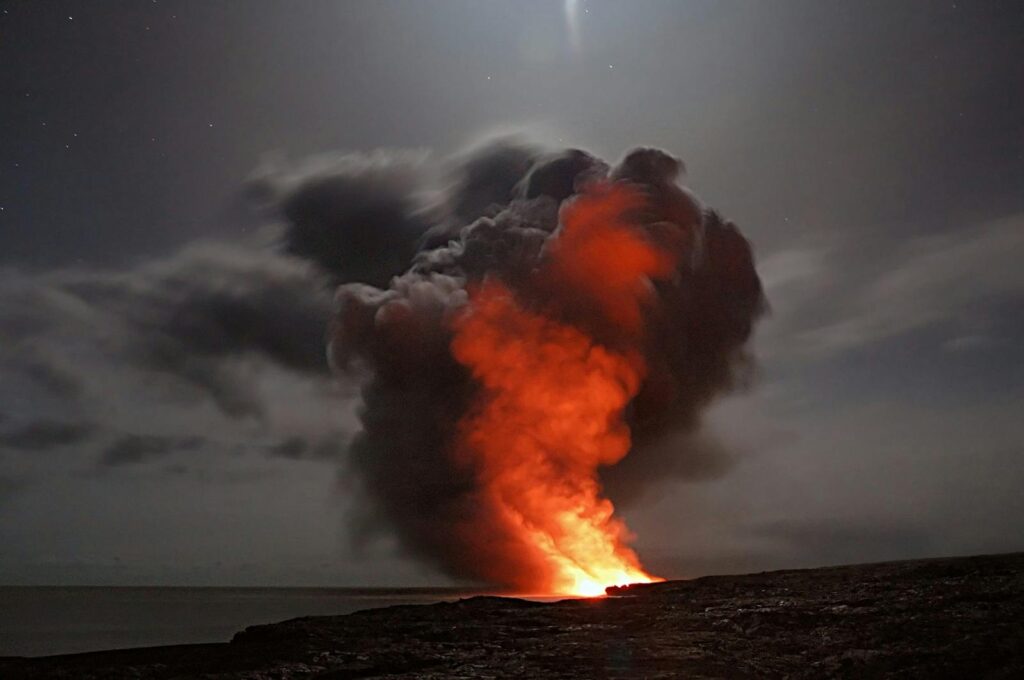
The Paleocene epoch (66-56 million years ago) represents a critical period of ecological experimentation and innovation following the dinosaur extinction. As environmental conditions stabilized, surviving lineages began exploring new evolutionary possibilities in a world devoid of large dinosaurian competitors. This period saw the first appearance of many mammal groups that would later become dominant, including early primates, rodents, and ungulates (hoofed mammals). Fossil evidence from the Paleocene shows a gradual increase in both body size and specialization among mammals as they began to occupy ecological roles previously unavailable to them. Particularly notable was the appearance of the first large herbivorous mammals, which began to influence landscapes through grazing and browsing in ways reminiscent of, but distinct from, their dinosaurian predecessors. By the late Paleocene, roughly 10 million years after the extinction, most of the major modern mammal orders had appeared or begun to differentiate, setting the stage for the even more dramatic radiation that would follow in the Eocene.
Birds: The Dinosaurs That Survived

Birds, as the sole surviving dinosaur lineage, represent a fascinating case study in post-extinction recovery and radiation. Fossil evidence suggests that the K-Pg extinction was highly selective among bird groups, with ground-dwelling birds suffering far higher extinction rates than their tree-dwelling counterparts. The birds that survived were mostly small, seed-eating forest species that could endure the temporary collapse of insect populations. Within 5-7 million years after the extinction, most modern bird orders had appeared, including the ancestors of today’s songbirds, waterfowl, and birds of prey. Particularly remarkable was the evolution of large flightless birds like Gastornis in Europe and North America and the phorusrhacids (“terror birds”) in South America, which evolved to occupy apex predator niches in some ecosystems by the early Eocene. The rapid diversification of birds following the extinction event demonstrates how evolutionary rates can accelerate dramatically when ecological opportunities arise, allowing surviving lineages to explore new adaptive zones.
The PETM: A Recovery Interruption

Approximately 10 million years after the dinosaur extinction, Earth experienced another significant environmental disruption—the Paleocene-Eocene Thermal Maximum (PETM). This event, characterized by a rapid release of carbon into the atmosphere and subsequent global warming of 5-8°C, significantly impacted recovery patterns. While not an extinction event on the scale of the K-Pg boundary, the PETM caused a notable turnover in many animal groups, particularly affecting marine organisms through ocean acidification and changing currents. Interestingly, the PETM also accelerated certain aspects of recovery by enabling tropical ecosystems to expand and creating new opportunities for heat-adapted species. The mammal fossil record shows major evolutionary innovations coinciding with the PETM, including the appearance of several modern mammal orders like primates, artiodactyls (even-toed ungulates), and perissodactyls (odd-toed ungulates). This climate event demonstrates how recovery from mass extinction isn’t always linear but can be punctuated by additional environmental changes that further reshape evolutionary trajectories.
Ecosystem Complexity: When Did Food Webs Fully Recover?

While individual species or groups may show relatively rapid recovery, the rebuilding of complex ecological relationships and food web interactions typically requires much more time. Paleontological evidence suggests that it took approximately 10-15 million years after the dinosaur extinction for terrestrial ecosystems to achieve ecological complexity comparable to late Cretaceous systems, though with dramatically different component species. This recovery of ecosystem complexity can be measured through various proxy indicators, including predator-prey ratios, herbivore diversity, and niche specialization patterns. Fossil sites from Wyoming’s Bighorn Basin show that by the early Eocene (about 15 million years post-extinction), terrestrial ecosystems had developed intricate food webs with multiple trophic levels, specialized insectivores, diverse herbivores, and apex predators. Marine ecosystem complexity followed a similar timeline, with fully functional coral reef ecosystems with diverse fish communities not appearing until the middle Eocene. This long timeline for ecological complexity recovery illustrates that while individual species may rebound relatively quickly, the nuanced relationships between organisms take far longer to develop.
Geographic Variations in Recovery Rates

The pace and pattern of post-extinction recovery weren’t uniform across the globe but varied substantially between different regions and continents. South America, isolated as an island continent during much of the recovery period, developed unique fauna dominated by native marsupials and unusual hoofed mammals found nowhere else on Earth. Fossil evidence from Patagonia indicates that South American ecosystems developed along distinctive evolutionary trajectories with limited faunal exchange with other continents until much later. In contrast, the connected landmasses of North America and Eurasia show more similar recovery patterns, with frequent species exchanges across northern land bridges. The southern continents of Africa, Australia, and India each display their unique recovery signatures in the fossil record, with Australia’s isolation leading to the development of its distinctive marsupial-dominated fauna. These geographic variations in recovery highlight how continental position, isolation, and local environmental conditions significantly influenced evolutionary opportunities and directions after the mass extinction.
The Eocene Optimum: Full Recovery Achieved?

The Early Eocene Climatic Optimum, occurring approximately 20 million years after the dinosaur extinction, represents a period when global biodiversity and ecological complexity appear to have fully recovered from the K-Pg extinction event. This warm period saw tropical and subtropical conditions extending to much higher latitudes than today, enabling the expansion of diverse forest ecosystems across much of the planet. Mammal diversity reached unprecedented levels during this period, with many modern families appearing or diversifying significantly. Primate fossils from this time show remarkable diversity across North America, Europe, and Asia, including early relatives of lemurs, tarsiers, and anthropoid primates. Large browsing mammals, sophisticated carnivores, and specialized insectivores had established complex ecological relationships similar in complexity (though different in composition) to the lost Cretaceous ecosystems. By this point, Earth’s biosphere could be considered fully “recovered” in the sense that biodiversity and ecological complexity had reached or exceeded pre-extinction levels, though the players were entirely different.
Permanent Changes to Earth’s Biosphere

Despite the eventual recovery of biodiversity and ecosystem complexity, the dinosaur extinction permanently altered the evolutionary trajectory of life on Earth. The most obvious change was the shift from dinosaur-dominated terrestrial ecosystems to mammal-dominated ones, a transformation that would never have occurred without the extinction event. Certain ecological niches that existed in the Cretaceous never reappeared in quite the same form, such as the massive long-necked sauropod dinosaurs whose size and ecological impact have no true modern analogs. The extinction also created opportunities for evolutionary innovations that might otherwise never have emerged, like the explosive radiation of songbirds and the development of large-brained primates. Marine ecosystems underwent equally profound permanent changes, with modern teleost fishes achieving dominance they might never have gained had certain Mesozoic marine reptile and fish groups survived. These permanent alterations remind us that recovery from mass extinction doesn’t mean a return to previous conditions but rather the development of novel ecosystems with different evolutionary potentials and limitations.
Lessons for the Modern Biodiversity Crisis
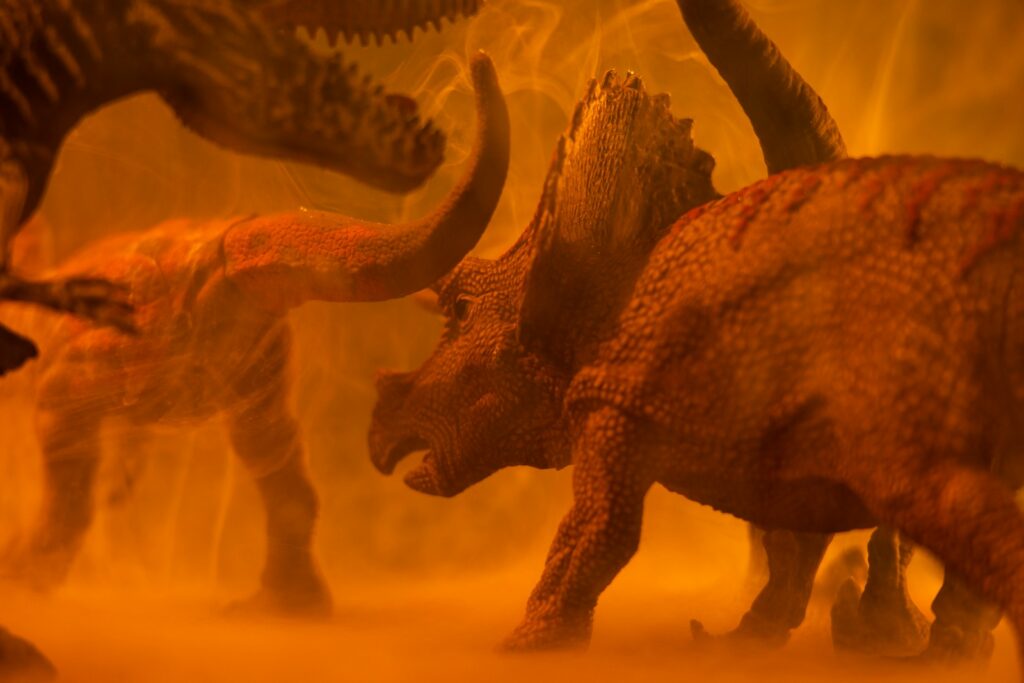
The recovery patterns following the dinosaur extinction offer important insights into our current biodiversity crisis and the potential long-term impacts of human-caused extinctions. Perhaps most sobering is the timescale involved—even the fastest aspects of recovery required hundreds of thousands to millions of years, timeframes far beyond human planning horizons. The fossil record demonstrates that while life as a whole proves remarkably resilient over geological timescales, individual species and ecosystems remain vulnerable to rapid environmental changes. The K-Pg recovery also shows that the species that survive mass extinctions aren’t necessarily the largest, strongest, or most complex, but often those with generalist habits and adaptability to changing conditions. Marine ecosystem recovery patterns are particularly relevant today, showing how ocean systems can experience prolonged recovery periods following acidification events similar to what’s occurring now due to carbon dioxide emissions. By studying the long and complex recovery that followed the dinosaur extinction, scientists gain valuable context for understanding and potentially mitigating the long-term consequences of today’s accelerating extinction rates.
Conclusion

The story of life’s recovery after the dinosaur extinction offers a profound testament to biological resilience while also revealing the extensive timeframes required for ecological healing. From the barren fern landscapes immediately following the impact to the vibrant, mammal-dominated ecosystems of the Eocene some 20 million years later, the recovery process unfolded as a complex, non-linear journey shaped by opportunity, adaptation, and occasional environmental setbacks. Different organisms and ecosystems recovered at different rates, with some groups rebounding within a million years while others required tens of millions of years to reach comparable complexity. Perhaps most importantly, this recovery didn’t restore the world to its pre-extinction state but instead created something entirely new—a mammal-dominated planet that would eventually give rise to human beings. As we face our human-caused extinction crisis, the K-Pg recovery reminds us that while life itself may prove remarkably persistent, the particular species, ecosystems, and evolutionary possibilities lost in an extinction event represent true and permanent transformations to Earth’s biological story.