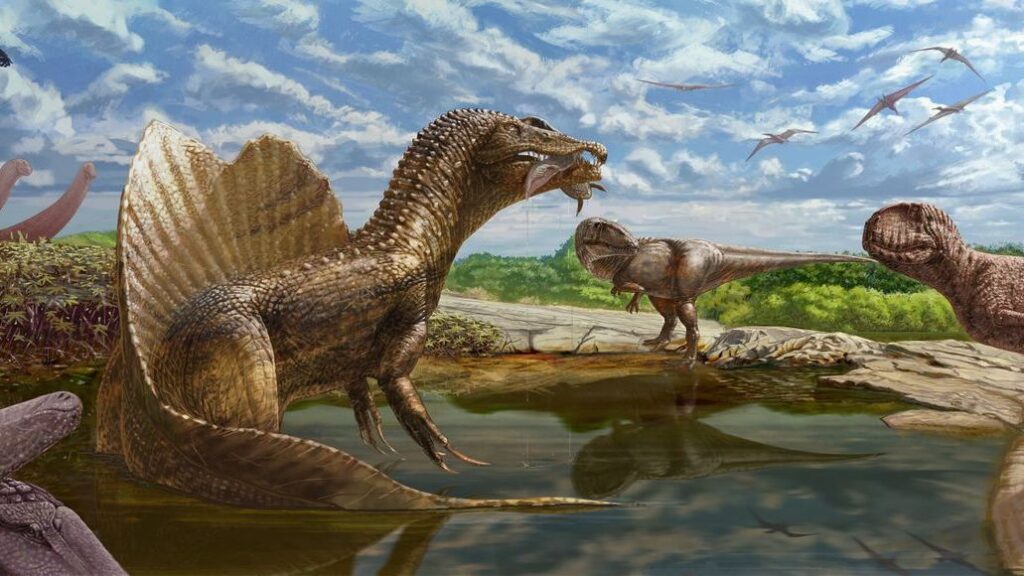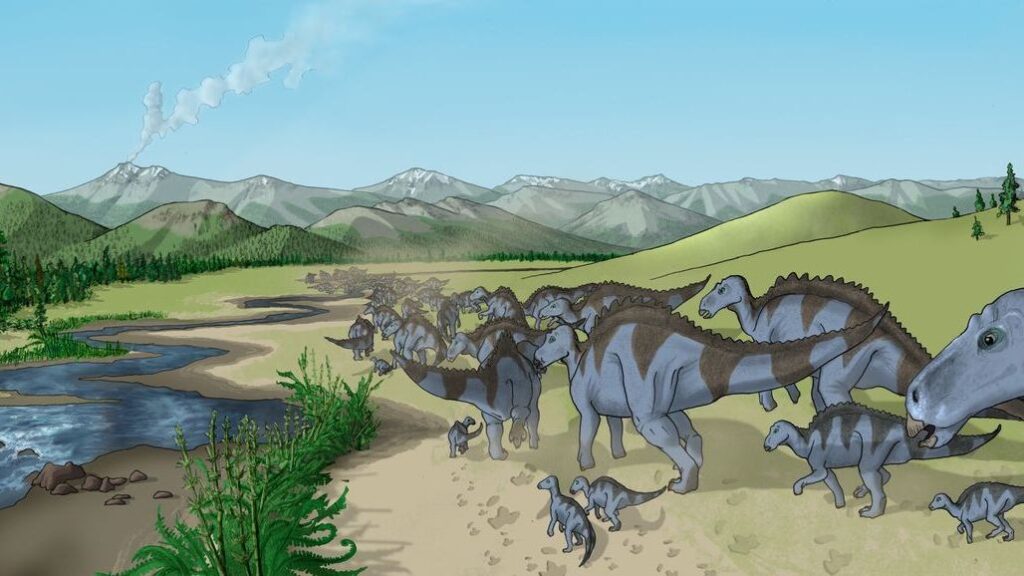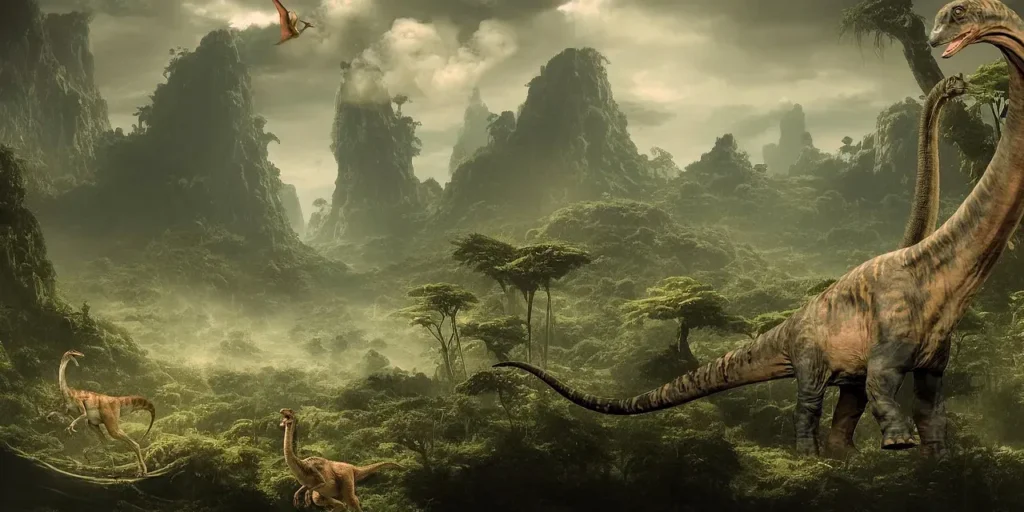
Imagine standing on a vast open plain 80 million years ago. The ground shakes faintly with each footstep of a creature so large it makes the tallest giraffe look like a housecat. The air smells of ferns and wet earth, and somewhere in the distance, something screams. Dinosaurs ruled this planet in a way nothing else ever has, before or since. Yet for all our fascination with them, one surprisingly basic question still puzzles scientists today.
How many of these creatures actually existed? How many species? How many individuals? The answers, it turns out, are far more astonishing, and far more humbling, than you might expect. Let’s dive in.
The Number You Think You Know Is Wrong
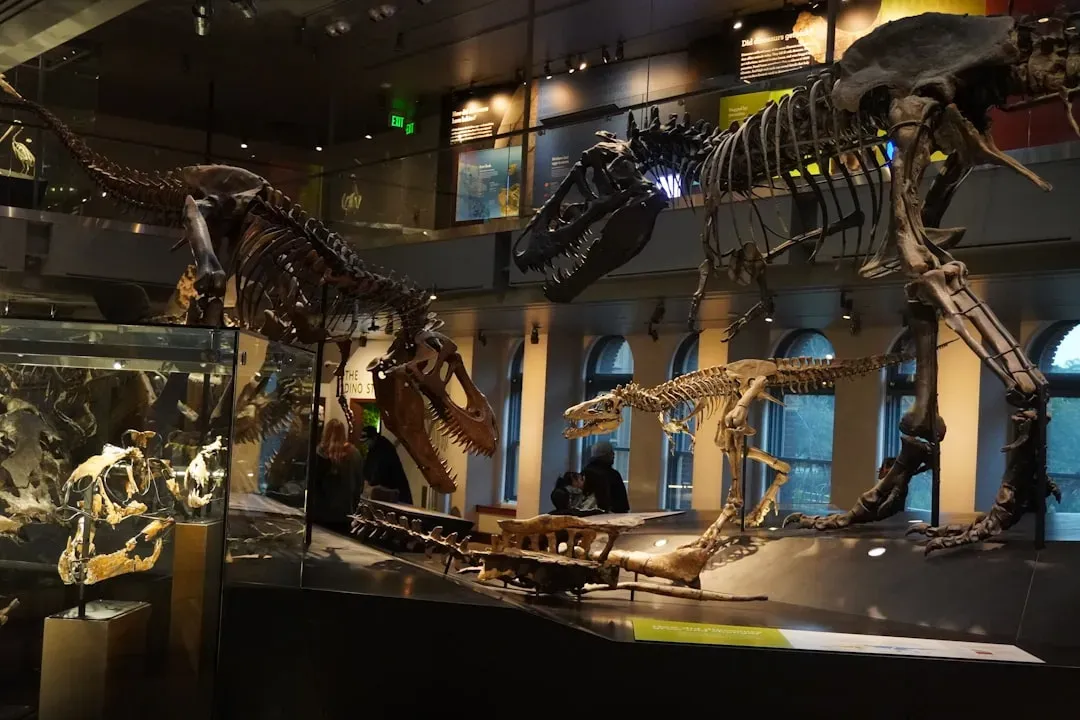
Most people, if you ask them, will guess a few hundred dinosaur species. Maybe a thousand if they’re feeling bold. Here’s the thing though: even scientists have been consistently surprised by just how much they don’t know. Over 900 non-avian dinosaur genera have been confidently identified, with more than 1,100 species formally described. That already sounds impressive, right?
The real kicker comes when you look at what we’re still missing. Estimates put the total number of dinosaur genera preserved in the fossil record at 1,850, with nearly three quarters still undiscovered, and the number that ever existed in or out of the fossil record at around 3,400. So the dinosaurs you’ve seen in museums and encyclopedias? They represent only a thin slice of prehistoric reality.
What “Valid” Actually Means in Dinosaur Science

You might have noticed that scientists talk about “valid” species rather than just species. This isn’t just academic hair-splitting. Scientists know of about 900 valid dinosaur species, and “valid” means they know the dinosaur from enough skeletal bones to feel confident that it genuinely differs from all other known species. Think of it like a police lineup where you can only make an identification if there’s enough evidence. A single tooth or a fragment of hip bone often just won’t cut it.
The situation gets messy fast. A critical evaluation shows that of around 540 genera and 800 species proposed since 1824, only about 285 genera and 336 species are considered probably valid. Nearly half of all genera are based on a single specimen, and complete skulls and skeletons are known for only about one in five dinosaurs. It’s a little like trying to understand all of human civilization from a single sandal and half a jawbone. Honestly, paleontologists are doing remarkable work with very little.
The Mesozoic Era: A Staggeringly Long Reign

To really grasp the scale of dinosaur life, you need to appreciate the sheer length of time these animals dominated the planet. The Mesozoic Era lasted from about 252 to 66 million years ago, comprising the Triassic, Jurassic, and Cretaceous periods. That’s nearly 186 million years of dinosaur history. For comparison, modern humans have existed for perhaps 300,000 years. We are, cosmically speaking, barely getting started.
During this unimaginable stretch of time, ecosystems rose and collapsed, continents drifted apart, and entire families of dinosaurs evolved, thrived, and vanished. Dinosaurs first appeared in the mid-Triassic and became the dominant terrestrial vertebrates in the Late Triassic or Early Jurassic, occupying that position for roughly 150 million years until their demise at the end of the Cretaceous. The diversity that emerged across such a timeline was staggering. I think we often fail to really sit with that number. 150 million years. Extraordinary.
How Many Dinosaurs Were Alive at Any One Time?
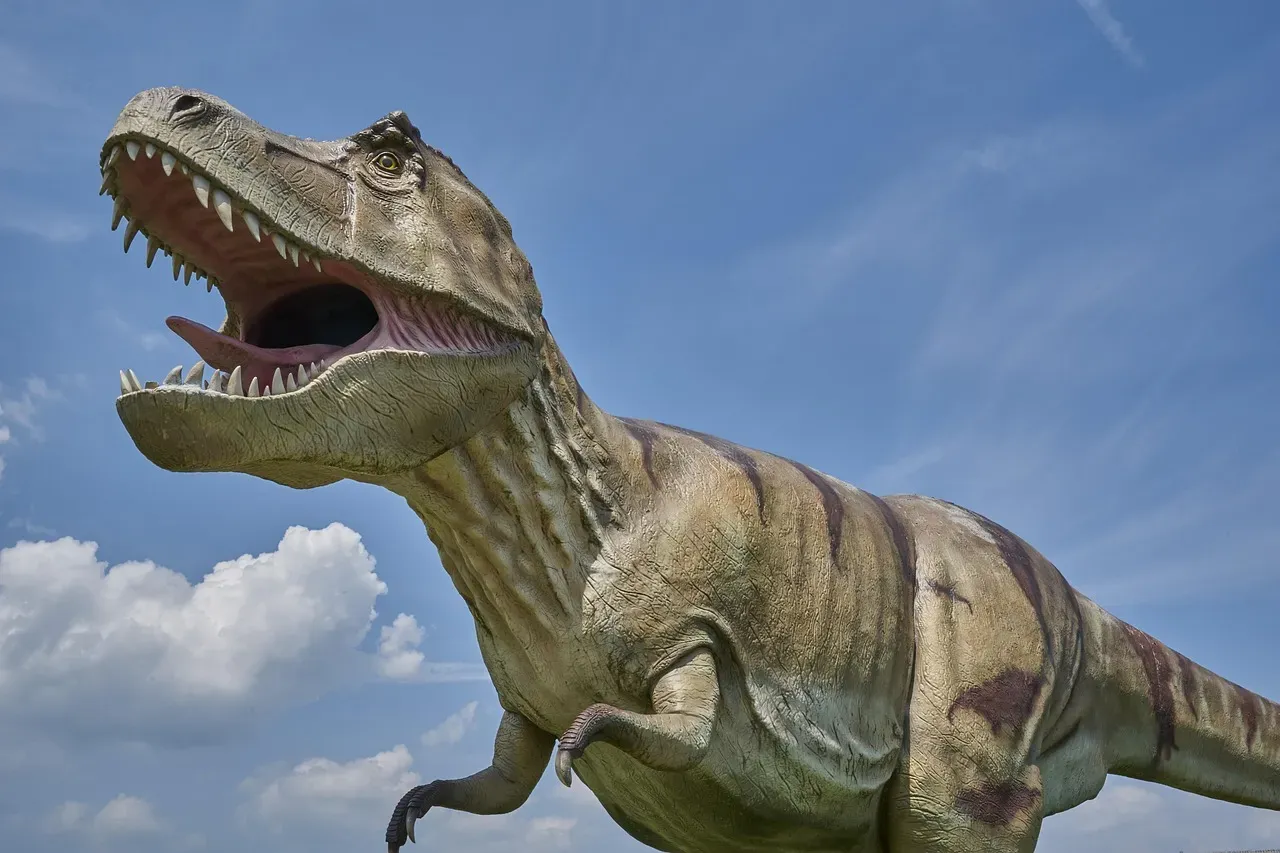
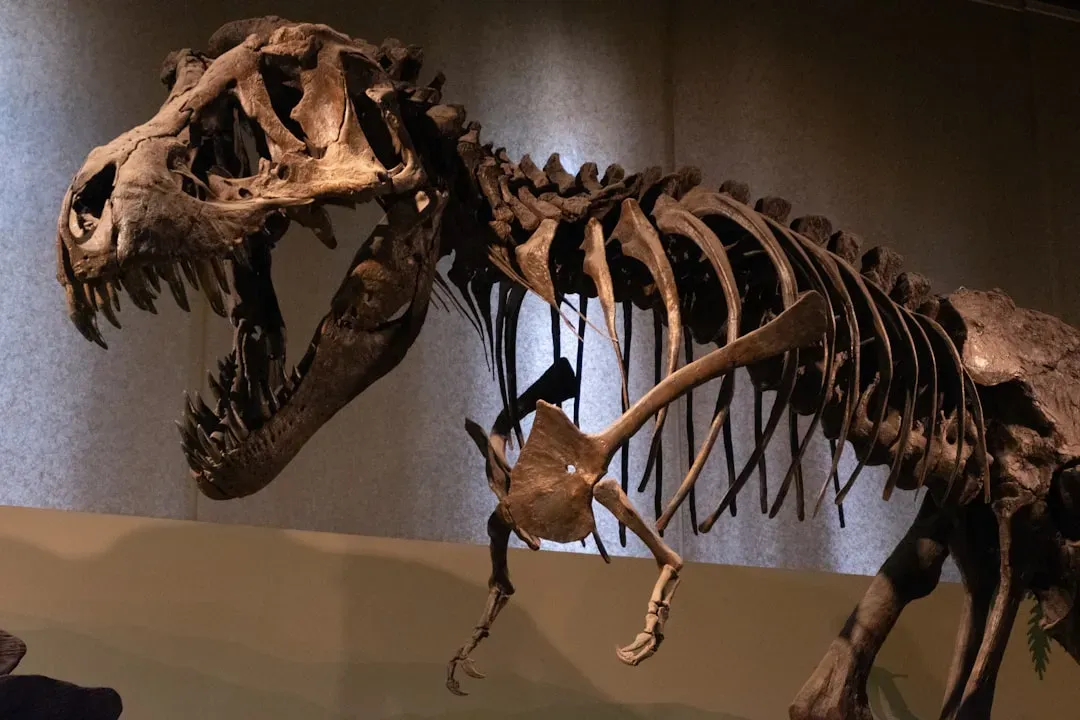
Figuring out the total number of species is one puzzle. Working out how many individual animals were actually alive at any given moment is a completely different, and frankly mind-bending, challenge. Scientists decided to focus on the most famous dinosaur of all as a test case. Paleontologists from the University of California, Berkeley set out to estimate how many T. rex were alive at any one time. Using the fossil record, density data, and climate models, they calculated that there would have been around 20,000 adult T. rex living across North America at any given time.
Twenty thousand sounds almost modest. Until you multiply it out. Over a total of about 127,000 generations that the species lived, that translates to roughly 2.5 billion individuals overall. Two and a half billion T. rex. That number is almost impossible to hold in your mind. The authors of the research estimate that only around one in 80 million T. rex are preserved as fossils, which gives you a sense of just how little evidence survives from even the most famous creature that ever lived.
Why the Fossil Record Is So Painfully Incomplete
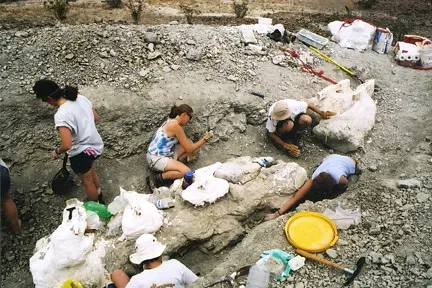
You might be wondering: if billions of these animals lived and died, why don’t we have more fossils? The answer involves a brutal and largely random process. One of the major problems in calculating dinosaur diversity is that the fossil record is a poor representation of the biological reality of ecosystems. Animals are preserved differently due to differences in their anatomy, and not all animals have the same chance of becoming fossils, based on where they happen to die. Think of fossilization as winning an incredibly unlikely lottery. You need to die in exactly the right place, in the right sediment, and then survive millions of years of erosion and geological upheaval.
The problem is even more layered than that. One reason for the incompleteness of the fossil record is that rocks from some geological time periods simply aren’t commonly found on the Earth’s surface. For example, far more kinds of Late Cretaceous dinosaurs are known than Middle Jurassic ones, because outcrops of Late Cretaceous age are more numerous and geographically widespread. It’s a bit like judging the richness of an entire library by the handful of books that survived a flood. You’re not getting the full story, not even close.
The Global Hotspots Where Dinosaurs Keep Turning Up
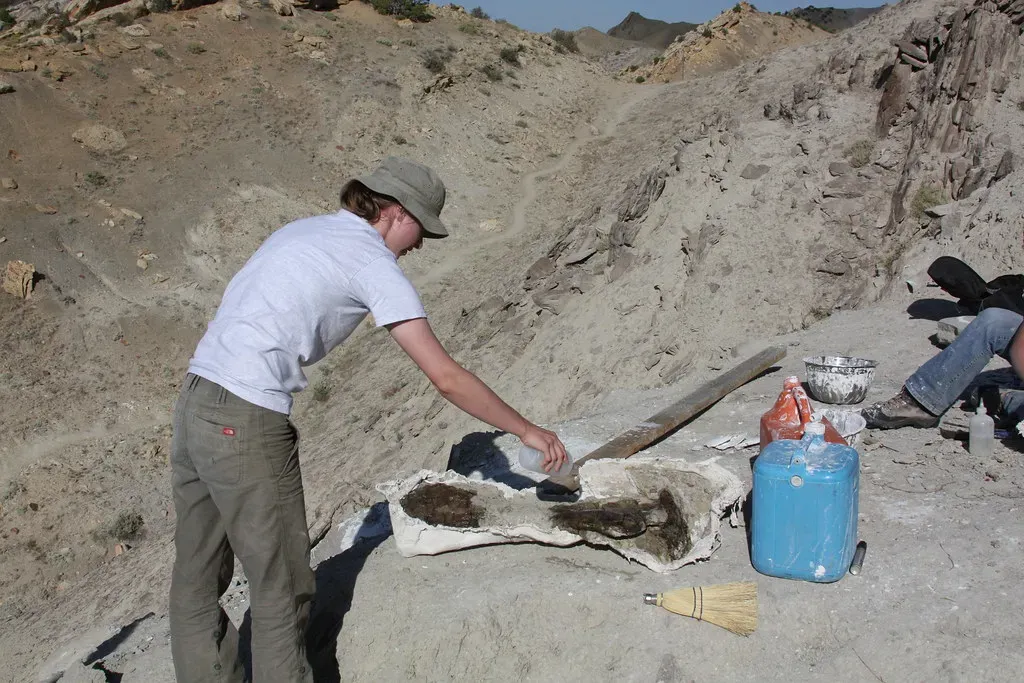
Here’s some genuinely exciting news: we are currently living through what many researchers call a golden age of dinosaur discovery. Around 1,400 dinosaur species are now known from more than 90 countries, with the rate of discovery accelerating in the last two decades. The year 2025 alone saw the discovery of 44 new dinosaur species, nearly one a week. That pace is stunning, and it shows no signs of slowing down anytime soon.
The discoveries aren’t coming from everywhere equally. Many new discoveries come from paleontological hotspots such as Argentina, China, Mongolia, and the United States, but dinosaur fossils are also being found in many other places, from a Serbian village to the rainswept coast of northwest Scotland. China has emerged as a particularly electrifying source. China surpassed the United States in the number of dinosaur genera in 2007, and by 2023, tallied 279 genera against the United States at 174, with Argentina closing fast at 155 genera. The science is truly global now, in a way it never was before.
Are the Dinosaurs Really Gone? The Bird Revelation
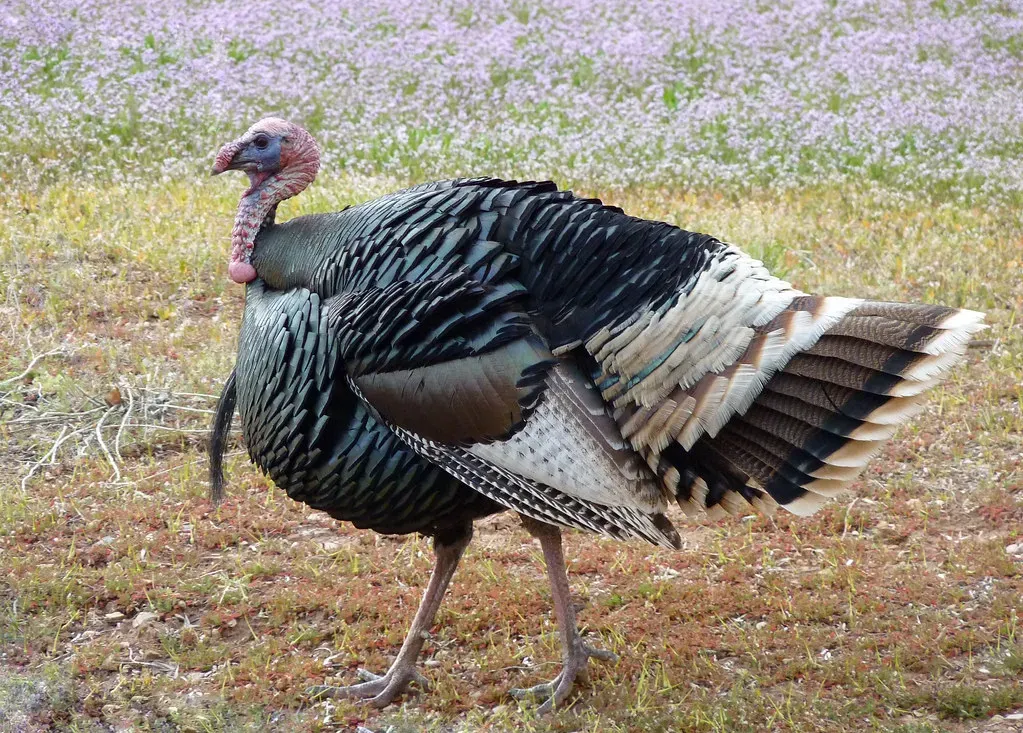
Here’s a perspective that genuinely rewires how you think about the word “extinction.” You’ve almost certainly looked out a window today and seen a dinosaur. The fossil record shows that birds are feathered dinosaurs, having evolved from earlier theropods during the Late Jurassic epoch, and they are the only dinosaur lineage known to have survived the Cretaceous-Paleogene extinction event approximately 66 million years ago. Every sparrow on your fence, every pigeon strutting on a sidewalk, every eagle wheeling overhead. All of them are living dinosaurs.
The numbers that follow from this are genuinely astonishing. There are more than 11,000 species of birds living on Earth today. If you recognize that birds are living dinosaurs, which overwhelming evidence indicates they are, then this makes them more diverse than their living mammalian counterparts. So in terms of species count, we are still in the reign of the dinosaurs. Non-avian dinosaurs may be gone, but the dinosaur lineage itself never actually ended. It just got smaller, feathered up, and learned to fly. That’s not extinction. That’s a comeback story for the ages.
Conclusion: A Question Without a Final Answer
The honest truth is that nobody knows exactly how many dinosaur species walked this planet. Using advanced statistical modeling applied to the whole known dinosaur record across the entire Mesozoic, researchers estimated that between 1,543 and 2,468 species existed altogether around the globe. Yet even those figures are likely conservative. Estimates suggest that only about 29% of discoverable dinosaur genera are currently known, meaning the vast majority of the story remains buried in rock somewhere, waiting to be found.
What this all adds up to is a picture of prehistoric life on a scale that genuinely defies imagination. Billions of individual animals, across hundreds of millions of years, in thousands of species we may never fully catalogue. Every new fossil dug out of the Gobi Desert or the Patagonian plains chips away a little more of our ignorance. It’s a reminder that Earth’s history is deeper, stranger, and more spectacular than any movie or textbook has managed to capture. So the next time you see a bird perched on a branch, really look at it. You’re staring at the last survivor of one of the most extraordinary dynasties our planet has ever produced. Doesn’t that make you want to know what else is still out there?