Have you ever wondered just how many times life on Earth has nearly disappeared? Our planet has experienced several dramatic moments when the vast majority of species simply vanished from existence. These weren’t gradual declines over millions of years. They were catastrophic upheavals that wiped out entire groups of organisms in what we call the geological blink of an eye.
Scientists have identified five major mass extinctions throughout Earth’s history, each triggered by different environmental catastrophes. From sudden climate shifts to massive volcanic eruptions, these events reshaped the course of evolution itself. Let’s dive into these five remarkable moments when our planet came dangerously close to losing most of its life.
The Ordovician-Silurian Extinction: When Ice Claimed the Oceans

Picture this: roughly 445 million years ago, Earth experienced its first major biological crisis. The Ordovician-Silurian mass extinction wiped out approximately 85% of all species, making it one of the deadliest events in our planet’s long history. Here’s the thing, most of these losses occurred in the oceans since life on land was still pretty sparse back then.
Scientists think it was caused by temperatures plummeting and huge glaciers forming, which caused sea levels to drop dramatically, followed by a period of rapid warming. The extinction actually happened in two distinct pulses, which makes it particularly interesting. It’s hard to say for sure, but newer research from 2020 suggests something unexpected: volcanism, warming, and anoxia might have played bigger roles than previously thought, challenging the long-held cooling theory.
Small marine creatures bore the brunt of this catastrophe. Trilobites, brachiopods, and graptolites were hit especially hard during this event. The whole thing unfolded when the massive southern continent Gondwana drifted over the South Pole, triggering widespread glaciation that locked up water in ice sheets and drastically lowered sea levels worldwide.
The Late Devonian Extinction: Death by a Thousand Cuts
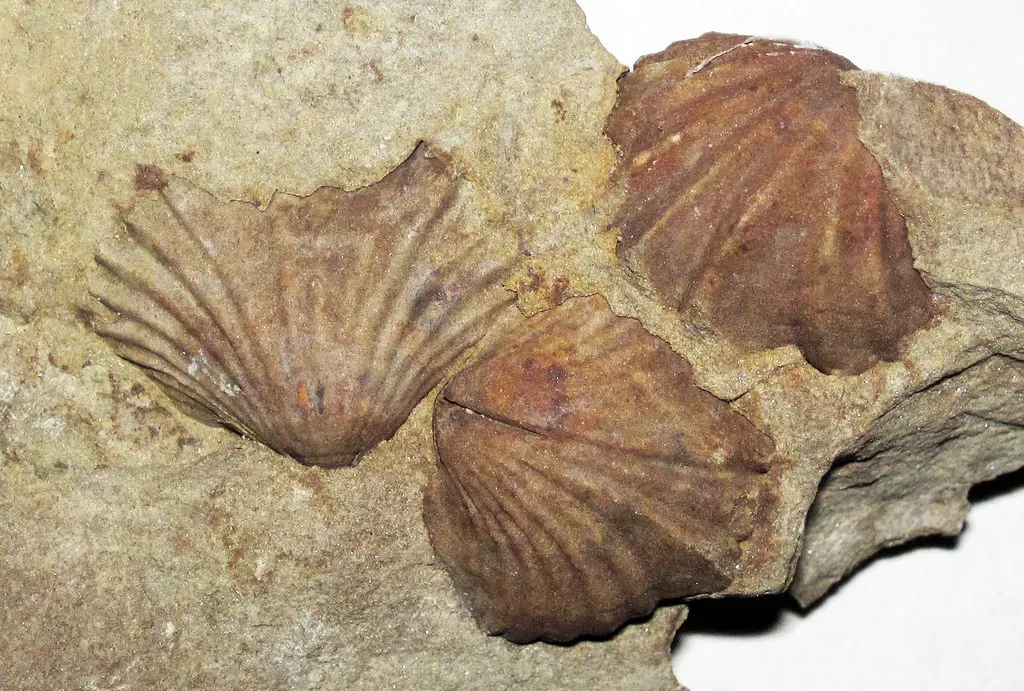
The Late Devonian mass extinction, roughly 372 million years ago, was one of five mass extinctions in Earth’s history, with roughly 75% of all species disappearing over its course, happening in two pulses spaced about 800,000 years apart. Unlike the other big extinction events, this one was more like a slow-motion catastrophe that unfolded over millions of years.
The extinction seems to have only affected marine life, which is pretty unusual when you think about it. Brachiopods, trilobites, and those spectacular armored fish called placoderms all met their end. The famous reef-building corals? Nearly completely disappeared.
What caused this protracted dying? Leading hypotheses include changes in sea level and ocean anoxia, possibly triggered by global cooling or oceanic volcanism. Let’s be real, there’s something fascinating about how the expansion of early forests on land might have contributed to marine extinctions. Large trees evolved and formed the first forests, and as plant life expanded, they used up more carbon dioxide in photosynthesis, potentially cooling the planet and disrupting ocean chemistry. Recent studies even point to a possible supernova as a culprit for one phase of the extinction, though that theory remains pretty controversial.
The Permian-Triassic Extinction: The Great Dying
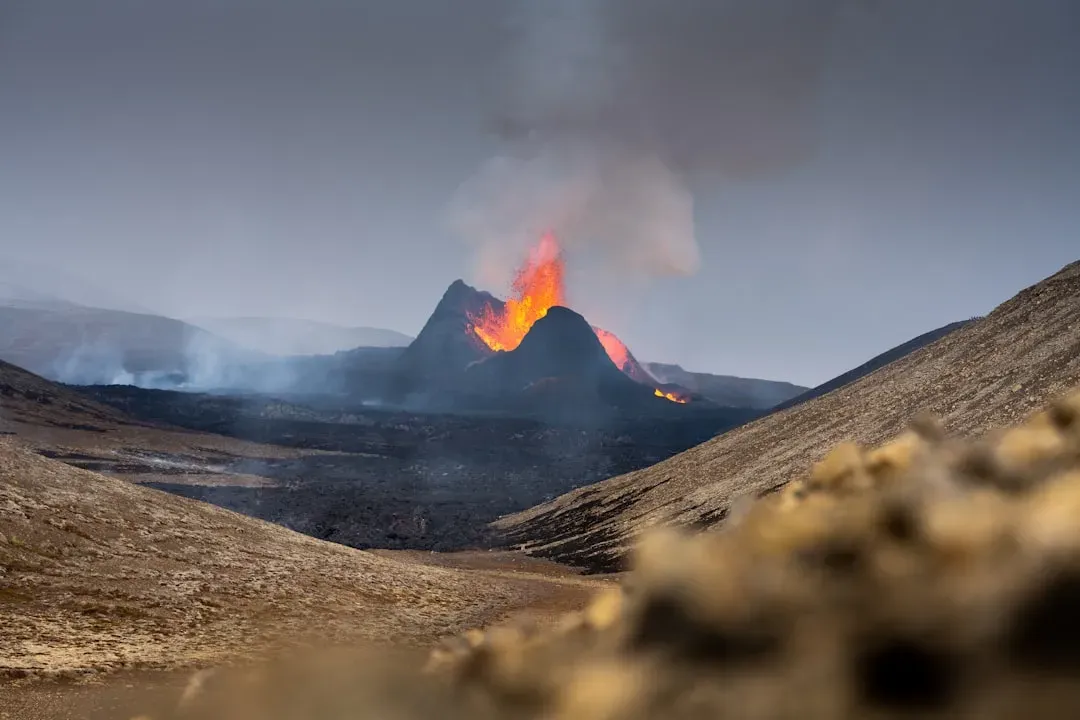
Now we’re talking about the big one. The Permian-Triassic extinction event, colloquially known as the Great Dying, occurred approximately 251.9 million years ago and is Earth’s most severe known extinction event, with the extinction of 57% of biological families, 62% of genera, 81% of marine species, and 70% of terrestrial vertebrate species. Honestly, life on Earth came closer to complete annihilation during this event than at any other time.
The devastation was absolutely staggering. It is also the greatest known mass extinction of insects, which is remarkable considering how resilient bugs usually are. Think about it: if insects couldn’t survive, you know conditions must have been absolutely hellish.
The scientific consensus is that the main cause of the extinction was the flood basalt volcanic eruptions that created the Siberian Traps, which released sulfur dioxide and carbon dioxide, resulting in euxinia, elevated global temperatures, and acidified oceans. These weren’t your typical volcanic eruptions. Imagine volcanic activity so intense it covered an area larger than Europe with lava, pumping greenhouse gases into the atmosphere for hundreds of thousands of years. Huge volcanoes erupted, releasing 100,000 billion metric tons of carbon dioxide into the atmosphere. The oceans became oxygen-starved, temperatures soared, and life struggled to breathe in both water and on land. Recovery took millions upon millions of years.
The Triassic-Jurassic Extinction: Clearing the Stage for Dinosaurs
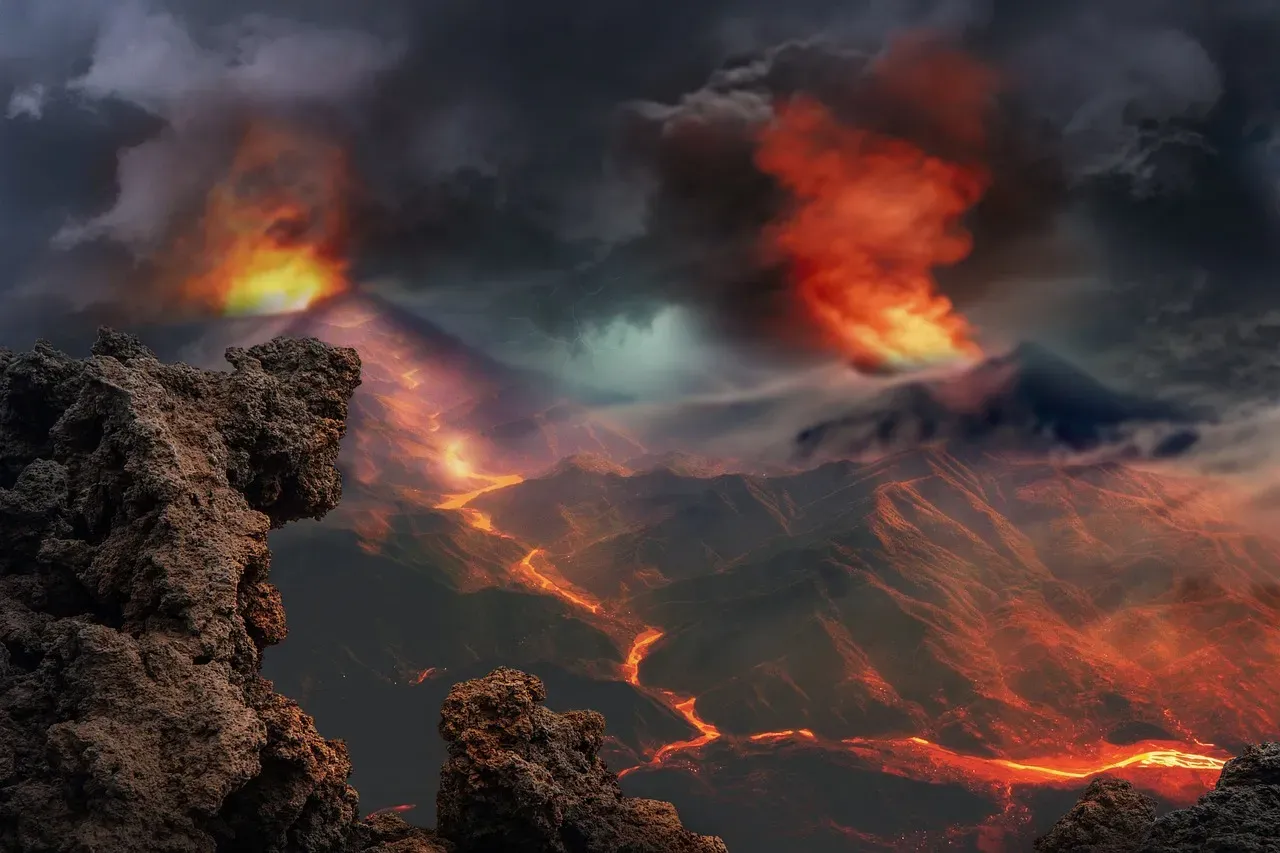
The end-Triassic extinction resulted in the demise of some 76 percent of all marine and terrestrial species and about 20 percent of all taxonomic families, occurring around 201 million years ago. This event was smaller than the Permian catastrophe, yet it fundamentally changed which animals would dominate Earth for the next 135 million years.
A massive extinction decimated 76 percent of marine and terrestrial species, marking the end of the Triassic period and the onset of the Jurassic, clearing the way for dinosaurs to dominate Earth for the next 135 million years. Before this extinction, dinosaurs were just one group among many competing archosaurs. Afterward? They became the undisputed champions of the Mesozoic Era.
This event was caused by climate change and rising sea levels resulting from the sudden release of large amounts of carbon dioxide, as the rifting of the supercontinent Pangea may have released up to 100,000 gigatons of carbon dioxide. The Central Atlantic Magmatic Province eruptions were likely responsible, releasing massive amounts of volcanic gases as the Atlantic Ocean began to form. Global temperatures rose sharply by 3 to 4 degrees Celsius, with the temperature rise as great as 10 degrees Celsius in some regions. Marine invertebrates like brachiopods, corals, and conodonts suffered devastating losses, while on land, large crocodile-like reptiles called phytosaurs went extinct entirely.
The Cretaceous-Paleogene Extinction: The Dinosaurs’ Final Chapter
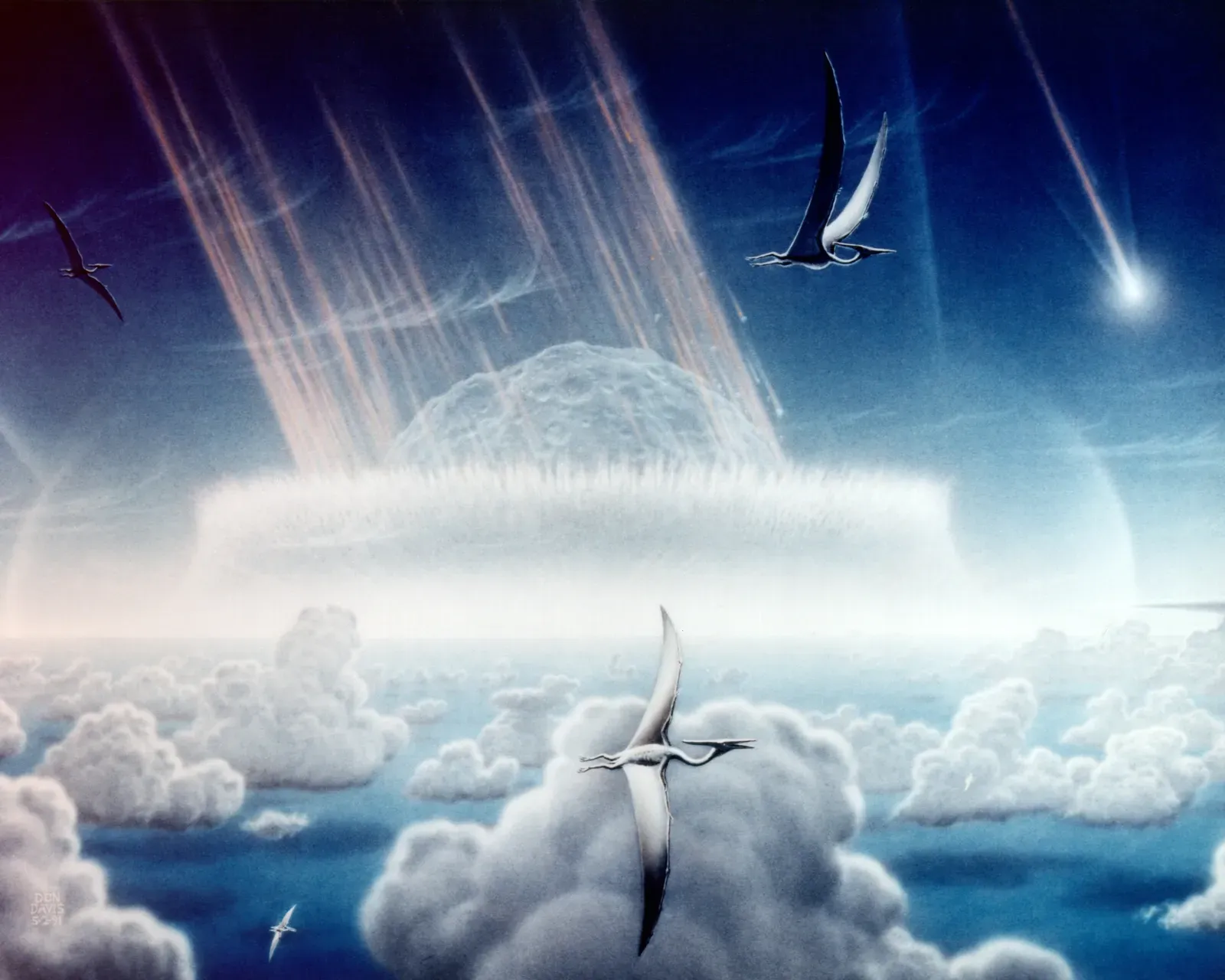
This is the extinction everyone knows about. The Cretaceous-Paleogene extinction occurred some 66 million years ago and marked the end of about 67 percent of all species living immediately beforehand, including the non-avian dinosaurs. It’s the most famous extinction event, immortalized in countless films, books, and documentaries.
The overwhelming scientific consensus holds that the impact of a giant extraterrestrial object was the primary cause of the extinction, as an asteroid fragment with an estimated diameter of 10 kilometers struck Earth, sending huge waves of heat, dust, and soot around the planet. The evidence is pretty compelling: there’s a massive impact crater near the Yucatan Peninsula, and rocks from this time period contain elevated levels of iridium, an element rare on Earth’s surface but common in asteroids.
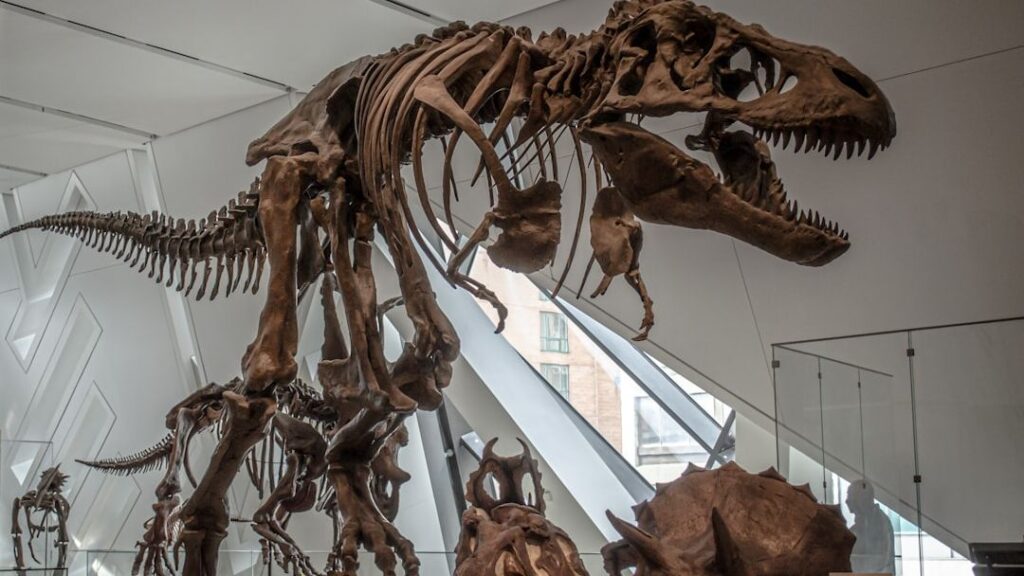
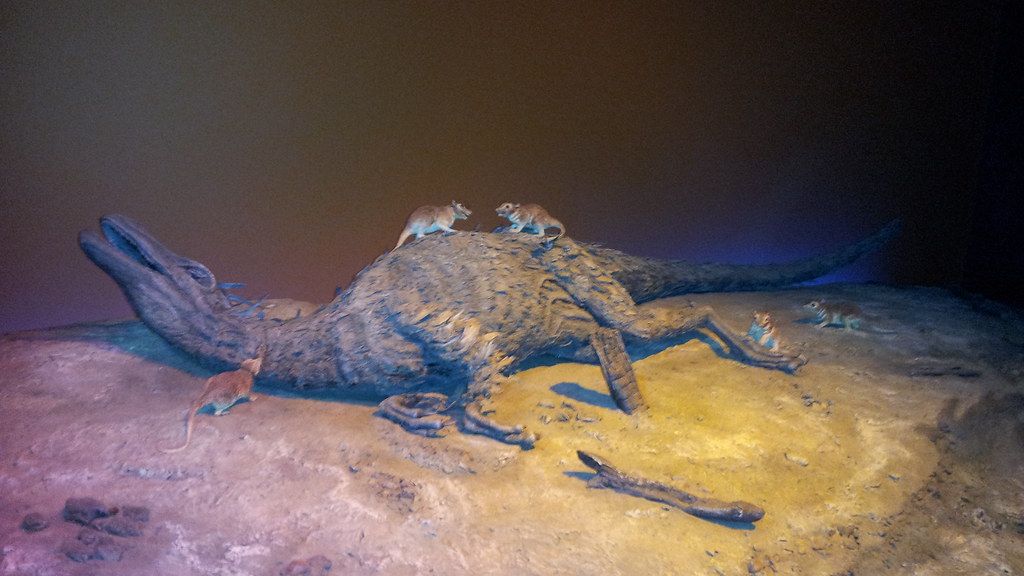
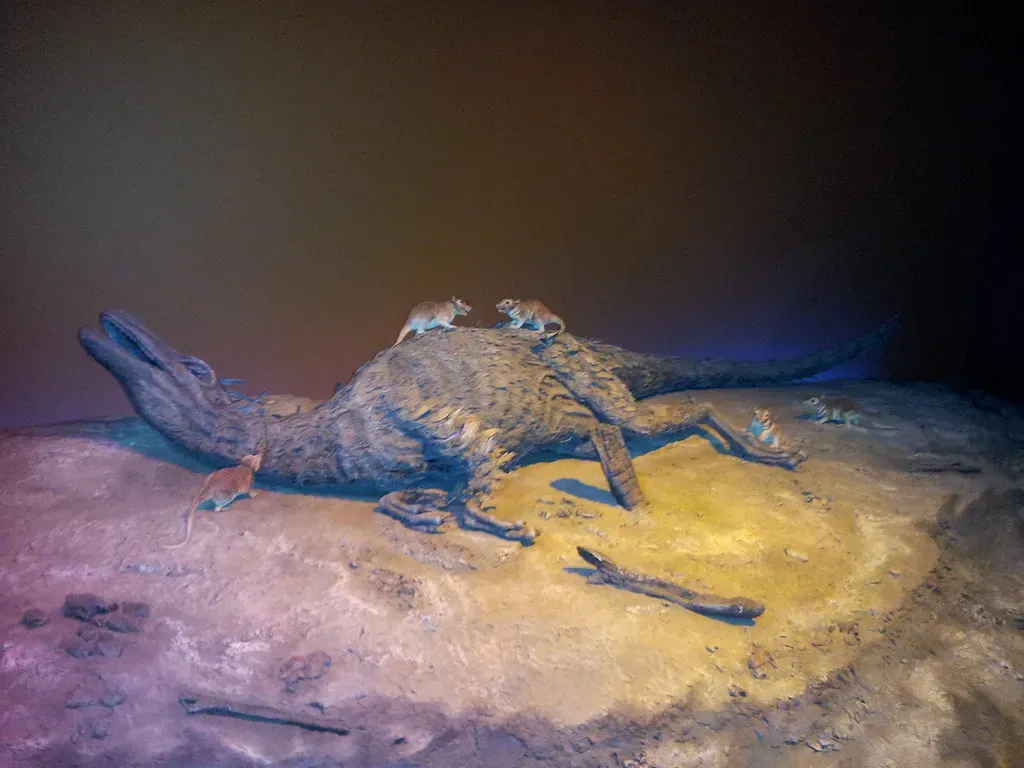
The airborne soot blocked sunlight, forcing ecosystems to collapse. Photosynthesis ground to a halt. Food chains disintegrated from the bottom up. The mighty Tyrannosaurus rex, the three-horned Triceratops, and flying pterosaurs all perished. Yet remarkably, some dinosaurs did survive: birds, which are technically avian dinosaurs, made it through and diversified into the thousands of species we see today. Small mammals that had lived in the shadows of dinosaurs for over 100 million years suddenly found themselves with unprecedented opportunities, eventually giving rise to the age of mammals we live in now.
Conclusion: Lessons from Deep Time
Looking back across these five cataclysmic events, a pattern emerges. Each mass extinction was triggered by rapid environmental change that overwhelmed species’ ability to adapt. Volcanic eruptions, climate swings, ocean chemistry changes, and asteroid impacts have all played their roles in reshaping life on Earth.
Here’s what strikes me most: life has proven remarkably resilient. After each extinction, biodiversity eventually recovered and often exceeded previous levels, though recovery typically took millions of years. The survivors evolved to fill empty ecological niches, leading to entirely new forms of life. Without these extinctions, mammals might never have risen to prominence, and humans certainly wouldn’t be here pondering these ancient catastrophes.
Yet we shouldn’t take too much comfort from life’s past resilience. Today, extinction rates are accelerating at unprecedented speeds due to human activities, leading many scientists to believe we’re entering a sixth mass extinction. The difference? This time, it’s happening far faster than any previous event, potentially giving species less time to adapt. What do you think we can learn from Earth’s five great dyings as we face our current biodiversity crisis?