Every morning, you wake up to the sound of birds chirping outside your window. You might watch a pigeon pecking at crumbs on the sidewalk, or spot a hawk circling overhead. What you’re actually witnessing is something extraordinary. Those creatures aren’t just distant relatives of dinosaurs. They are dinosaurs, living and breathing right now in the 21st century.
It’s honestly hard to wrap your head around at first. The same lineage that gave us the fearsome Tyrannosaurus rex also produced the humble sparrow perched on your fence. The humble pigeon is a descendant of the group of dinosaurs that also includes the mighty Tyrannosaurus rex, and the two species share a remarkable biological past. Let’s dive into how these modern avians inherited their ancient legacy.
The Theropod Connection You Never Knew About
Modern birds descended from a group of two-legged dinosaurs known as theropods, whose members include the towering Tyrannosaurus rex and the smaller velociraptors. Here’s the thing. Not all dinosaurs were massive, lumbering beasts. Some theropods were actually quite small and agile, nothing like the Hollywood monsters we’ve seen on screen.
The gradual evolutionary change from fast-running, ground-dwelling, bipedal theropods to small, winged, flying birds probably started about 160 million years ago. Think about that timeline for a moment. This wasn’t an overnight transformation or some sudden leap. The journey from earthbound predator to sky-soaring bird unfolded slowly across countless generations, with each small adaptation building upon the last.
Feathers Came Before Flight
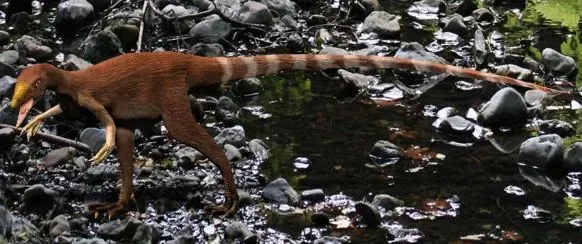
Let me tell you something surprising. Feathers didn’t evolve for flying. Feathers, once thought unique to birds, must have evolved in dinosaurs long before birds developed. Many dinosaurs sported various types of feathery coverings millions of years before any creature took to the air.
The discovery of Sinosauropteryx prima in 1996 was one of the most important fossil finds of the century, as it was the first non-avian dinosaur found with feather-like structures. These early feathers were likely used for warmth, display, or attracting mates rather than aerodynamics. Imagine a fuzzy Velociraptor showing off its colorful plumage. The feathers of nonflying, winged dinosaurs were a rainbow of colors, and some were even iridescent, like the plumage of today’s crows, perfect for attracting mates or intimidating rivals.
Hollow Bones and Wishbones Were Dinosaur Traits
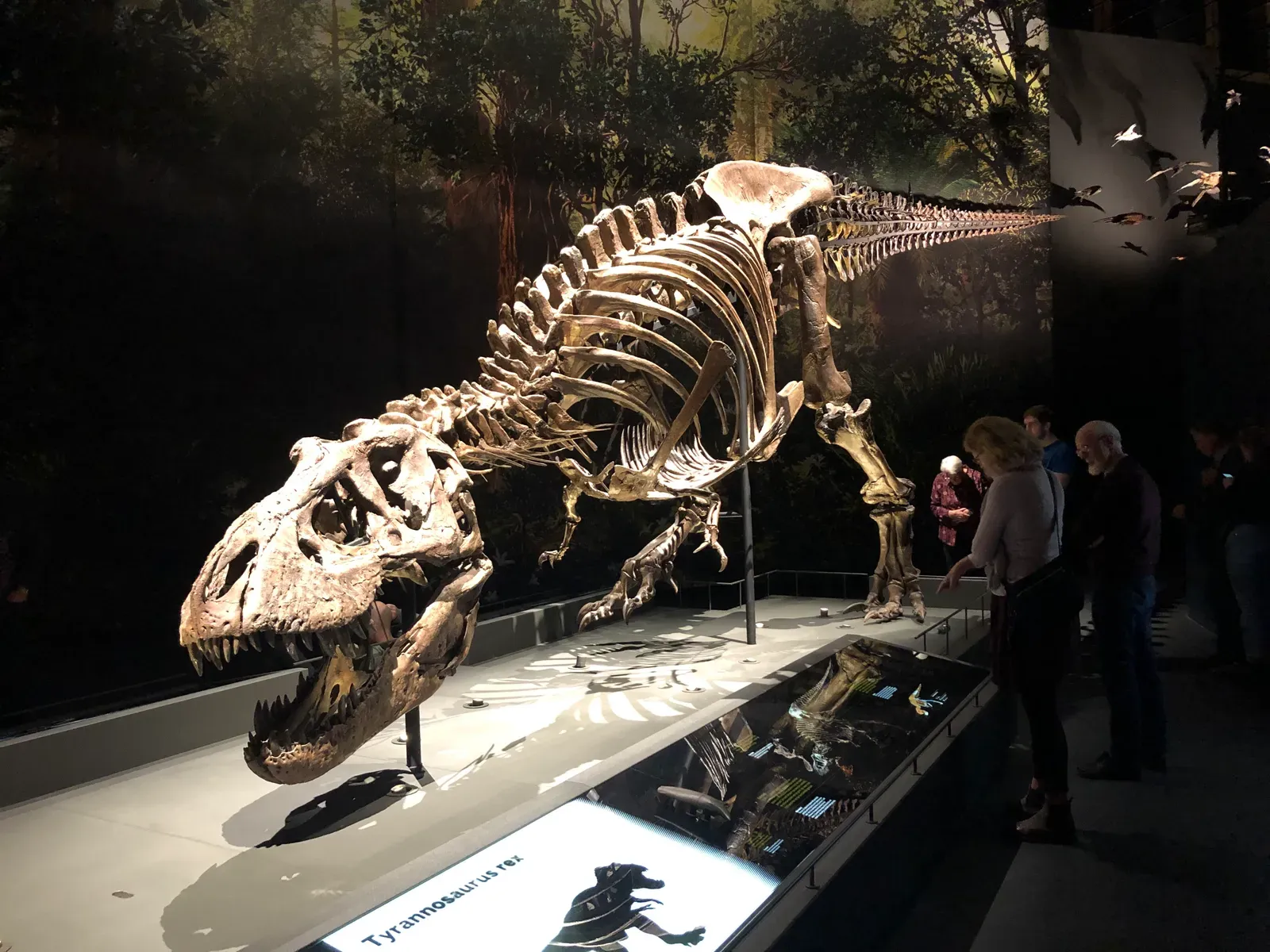
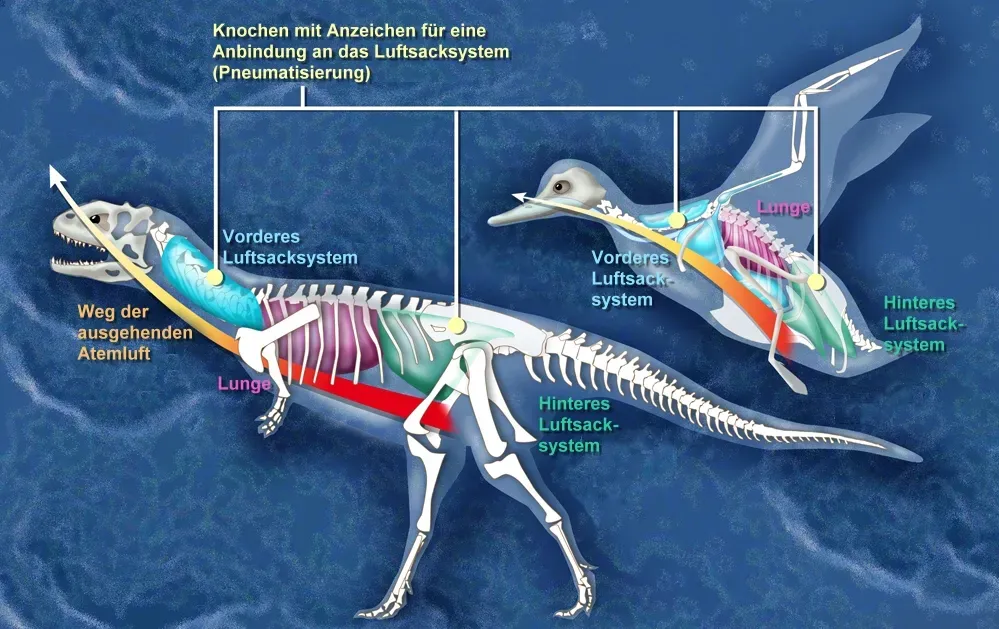
You might assume hollow bones evolved specifically to help birds fly. Wrong. Studies have shown that Allosaurus, a fairly primitive theropod, also had hollow bones, and Allosaurus was a big animal with tiny arms, so it wasn’t flying anywhere. These lightweight skeletal features appeared early in the dinosaur family tree.
The wishbone tells a similar story. Once thought unique to birds, wishbones started turning up in some bipedal, meat-eating dinosaurs, such as Velociraptor, almost as soon as scientists started looking. That traditional Thanksgiving ritual of breaking the wishbone? You’re handling a feature that existed in creatures that roamed Earth more than seventy million years ago.
Shrinking Down Over Millions of Years
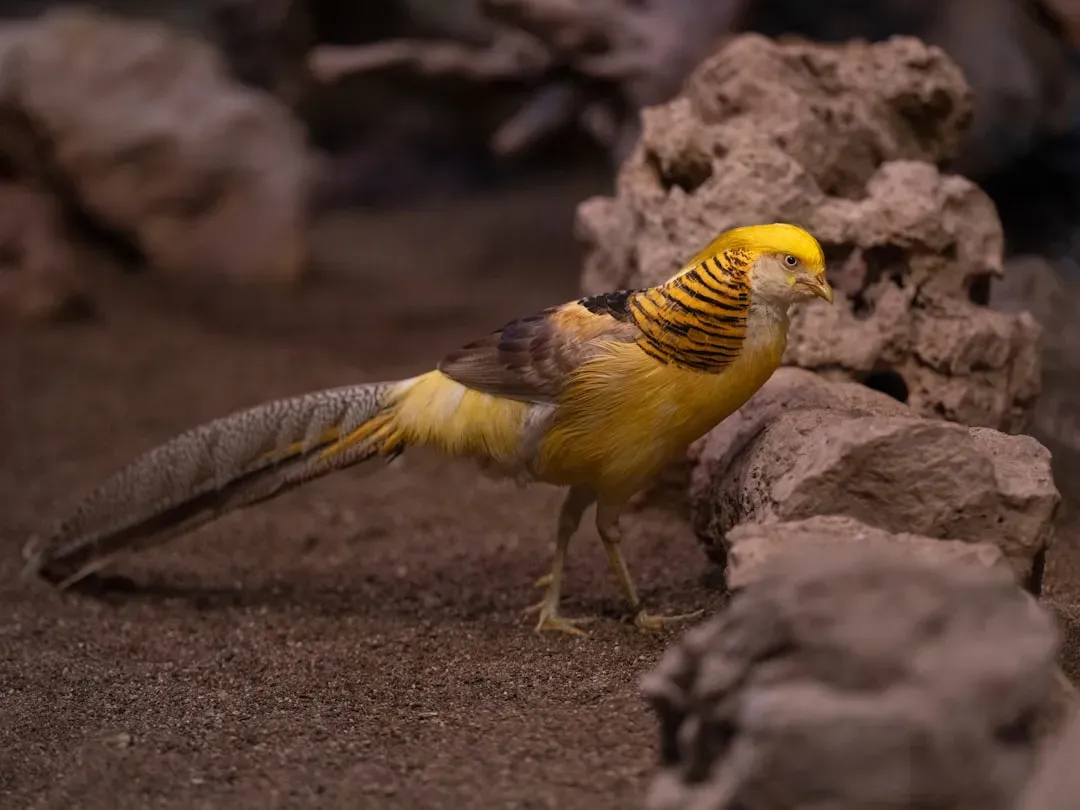
A study published in Science found that the miniaturization process began much earlier than scientists had expected, with some coelurosaurs starting to shrink as far back as 200 million years ago. This was fifty million years before Archaeopteryx emerged. While most dinosaur lineages were getting bigger and bigger, one group was doing the exact opposite.
Why shrink? Small body size evolved through a gradual trend of reduction, and one possibility is that the ever shrinking physiques gave these feathery dinosaurs entry to new ecological niches like trees, brush, perhaps even underground caves or burrows. Being small opened doors, quite literally, that were closed to the giants.
The Famous Archaeopteryx Bridged Two Worlds
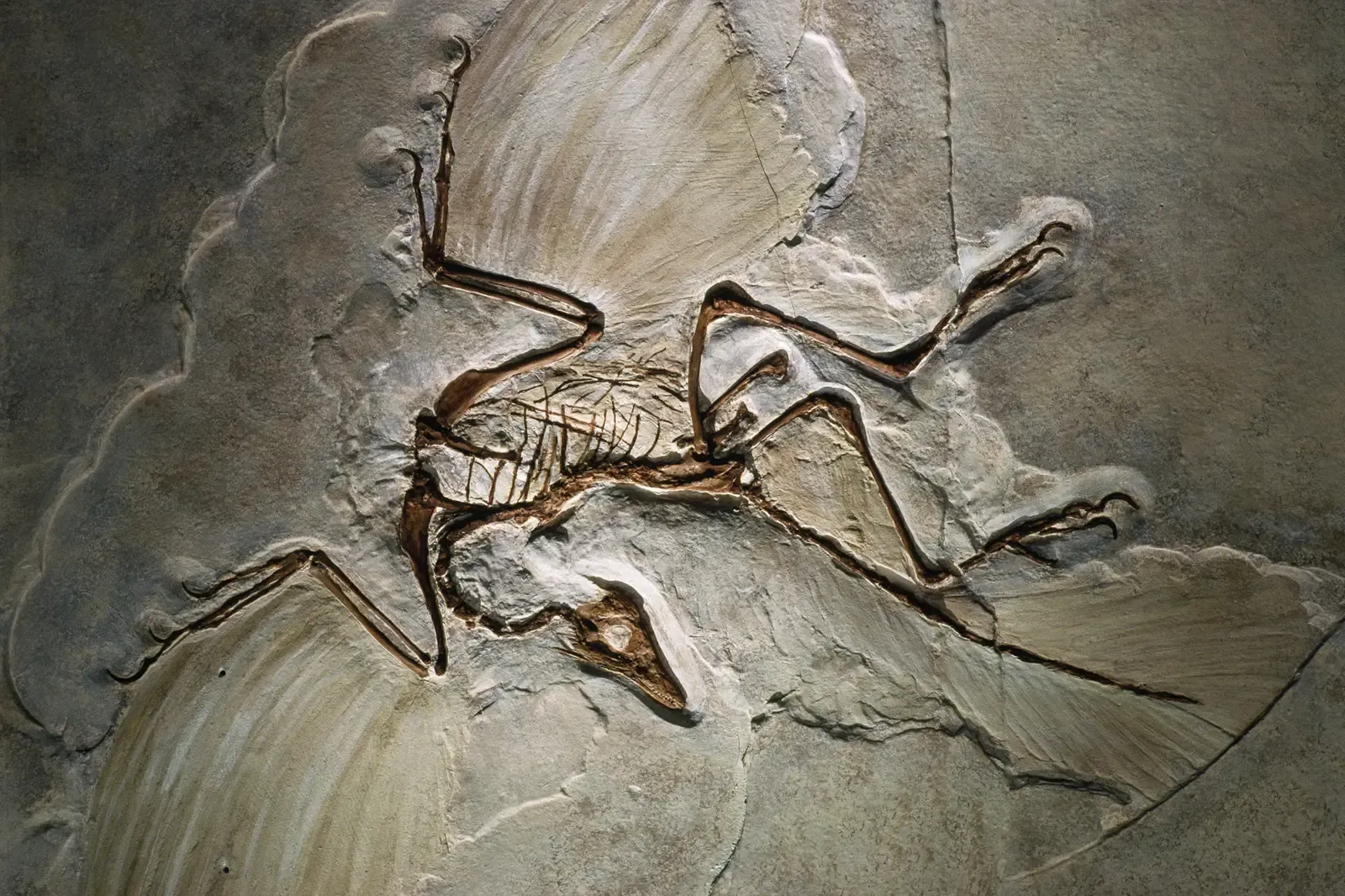
Archaeopteryx is a transitional fossil, with features clearly intermediate between those of non-avian theropod dinosaurs and birds. Discovered in Germany back in 1861, this creature became a paleontological superstar. It had feathers and wings like a bird, yet retained teeth and a long bony tail like a dinosaur.
Recently, new research on an exceptionally preserved specimen confirmed something scientists long suspected. The Chicago Archaeopteryx revealed crucial insight into the species, including that it likely could fly, as detailed in a study published in the journal Nature. The hard slab of limestone had also preserved a key layer of feathers called tertials that had never been documented before in Archaeopteryx. These tertials are crucial in modern birds for generating lift during flight.
Behavioral Traits Passed Down Through Time
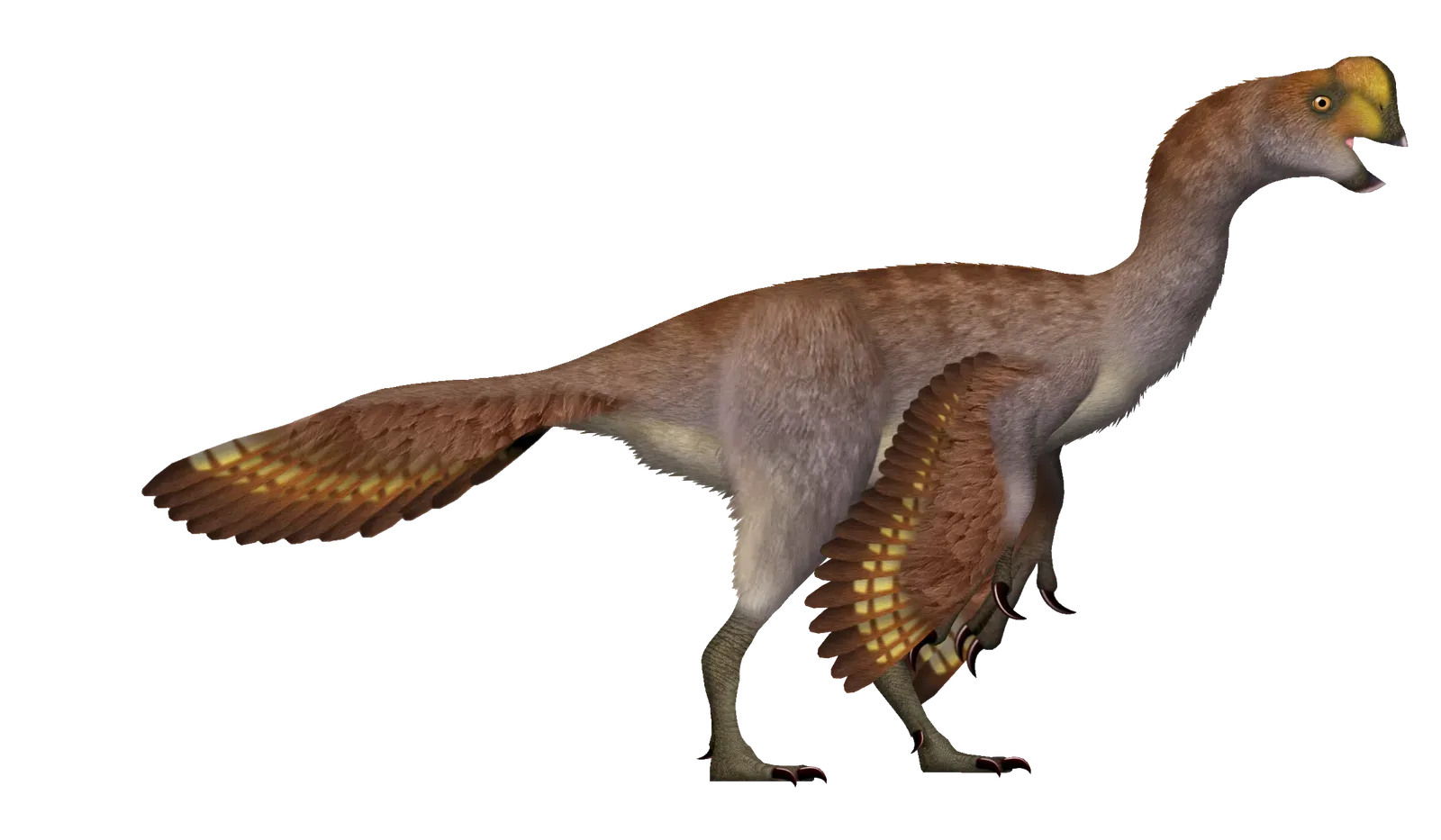
It’s not just about bones and feathers. Skeletons of oviraptorids and troodontids have been discovered on top of their clutches of eggs, showing evidence that these animals adopted a posture similar to that of brooding birds. Think about a mother hen sitting protectively on her nest. Dinosaurs were doing that same behavior over seventy million years ago.
The fossilized skeleton of Mei long, a non-avian coelurosaur from China, was preserved with its head tucked under its forelimb, a posture resembling the sleeping pose commonly used by modern birds. Even how birds sleep has ancient roots. These aren’t coincidental similarities. They’re inherited behaviors that survived through the ages.
The Beak Revolution Changed Everything
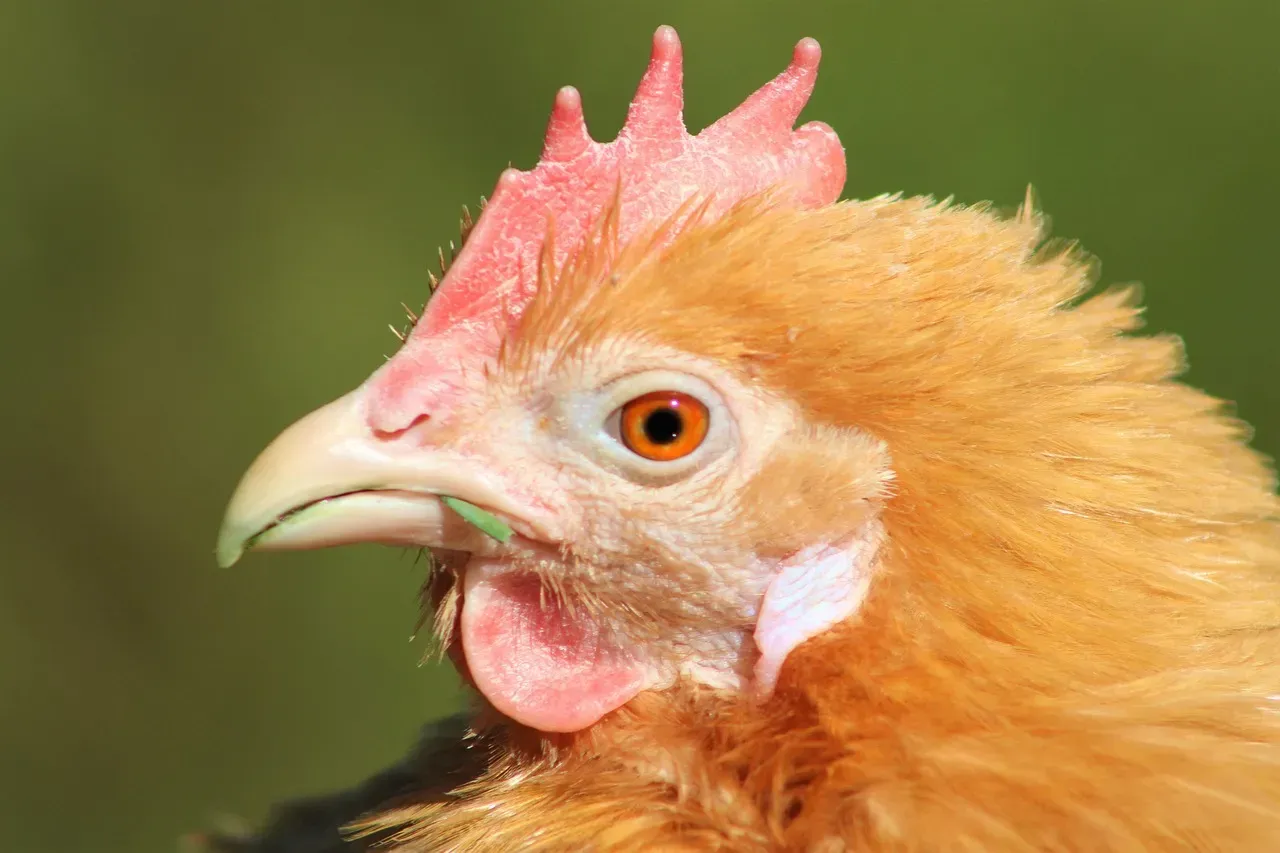
The beak is a remarkable structure that birds use to find food, clean themselves, make nests, and care for their young, and birds’ widespread success stems not just from their ability to fly, but from their amazing diversity of beaks. Dinosaurs had snouts filled with teeth. Birds, with rare exceptions, do not.
Recent research revealed something fascinating about how this transformation occurred. Researchers treated chicken embryos using chemicals to block genes in the middle of the face, and the treated embryos developed a more dinosaurlike face. The findings highlight how simple molecular tweaks can trigger major structural changes, showing that the same forces that shape microevolution also drive macroevolution. Birds didn’t need massive genetic overhauls to create entirely new features.
Modern Evidence in Living Birds Today
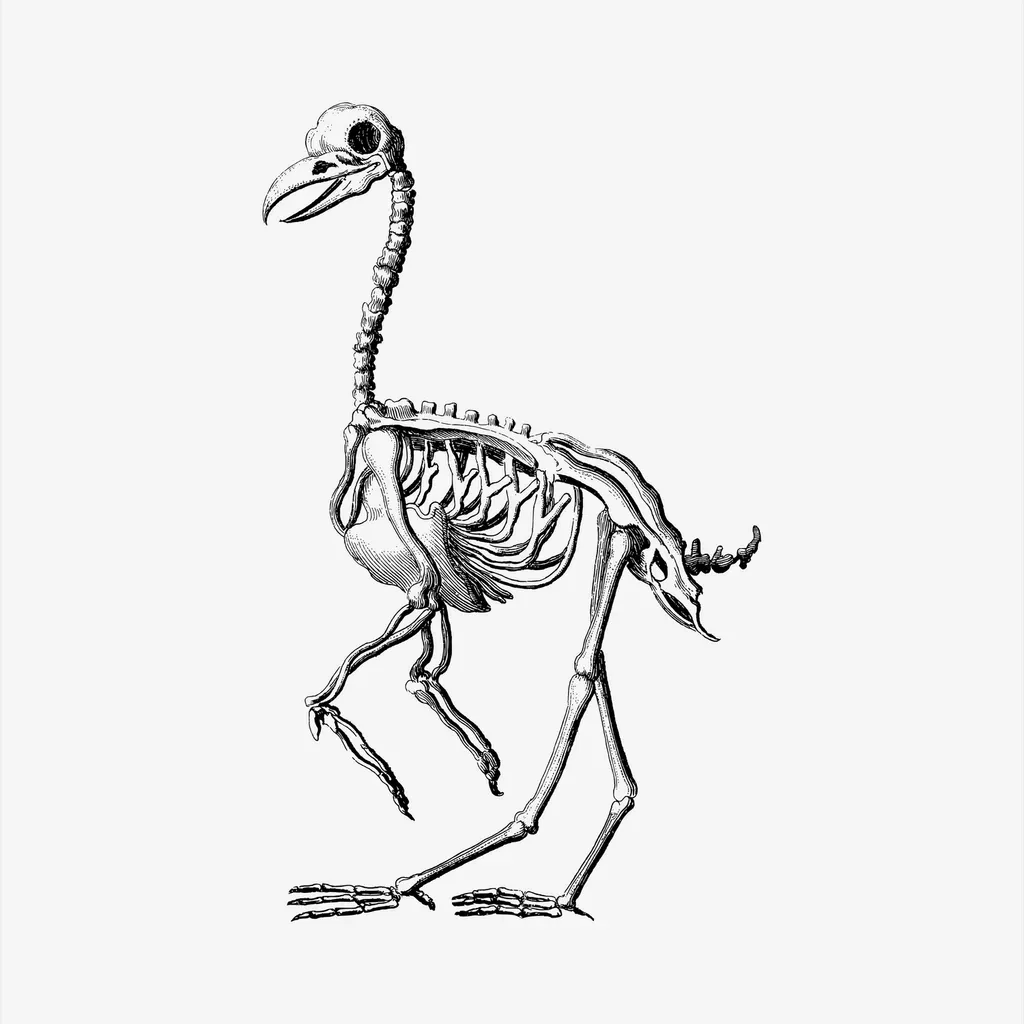
Many anatomical features that define theropods are observable in birds today, with key traits like hollow bones, the furcula (wishbone), and the three-toed foot structure all inherited from their dinosaur ancestors. Next time you see a chicken or turkey, look at its legs. Those scales, that structure, the way it walks. That’s pure dinosaur anatomy.
In a group of dinosaurs called coelurosaurs, the organization of bone canaliculi form in a randomly branching network, and that same pattern today is found only among birds. Even at the microscopic level, the connection is undeniable. Scientists examined the tiny channels within bones that connect cells to nutrient sources, finding matching patterns between ancient dinosaurs and modern birds that exist nowhere else in the animal kingdom.
Why This Matters More Than You Think
At any one time there were probably only about 1,000 species of dinosaur on earth, whereas birds have taken what they’ve inherited from dinosaurs and done a lot more with it, giving rise to an enormous diversity of 11,000 species. Birds didn’t just survive. They thrived spectacularly, adapting to nearly every environment on the planet.
Understanding this connection changes how we see both the past and present. When you understand that birds are a type of dinosaur, that the evidence has stacked up, everything starts to make more sense. The next time you spot a robin pulling a worm from the ground or watch an eagle soaring overhead, remember you’re witnessing living dinosaurs in action. They carry the legacy of a group that dominated Earth for over 160 million years, and they’re still going strong today. What do you think about having real dinosaurs flying around your neighborhood? Pretty remarkable, isn’t it?