
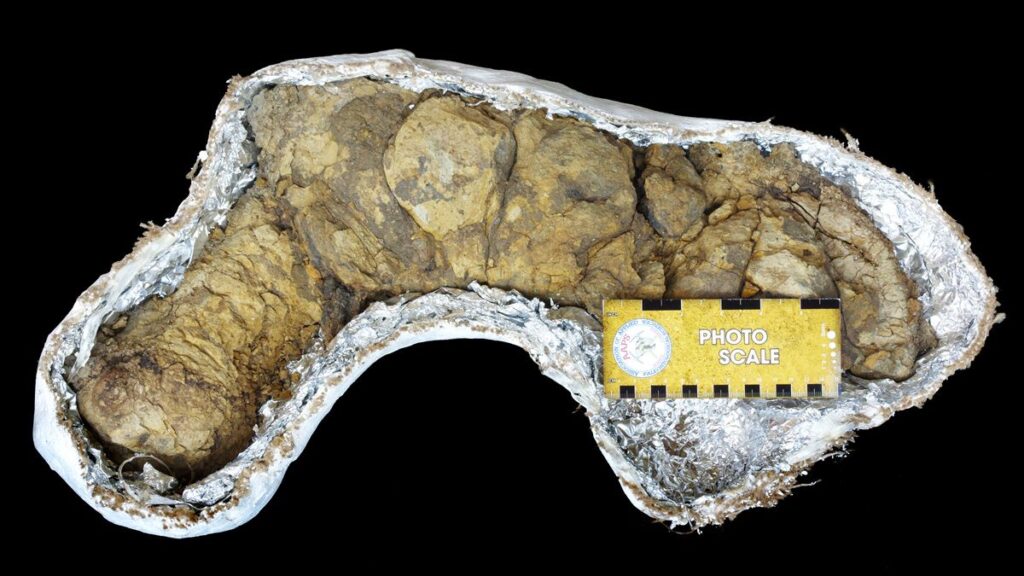
There is something quietly rebellious about a scientist getting excited over a fossilized turd. While most of us picture ancient civilizations through gleaming temples, stone tools, and dramatic skeletons, the real secrets of everyday life are often locked inside the least glamorous remains of all: prehistoric poop. It sounds funny, a bit gross even, but those brownish time capsules have upended long‑held assumptions about what ancient people actually ate and how they lived.
In the last couple of decades, advances in DNA sequencing, microscopy, and chemistry have turned coprolites – the technical term for fossilized feces – into some of the most informative artifacts in archaeology. When I first read a paper where researchers proudly celebrated identifying individual people from their poop, I laughed out loud… and then realized how powerful that is. Hidden in those compact lumps are traces of meals, microbes, and even parasites that paint a far more vivid and sometimes surprising portrait of ancient diets than almost anything else we have.
The Science Of Coprolites: Why Poop Became A Superstar In Archaeology
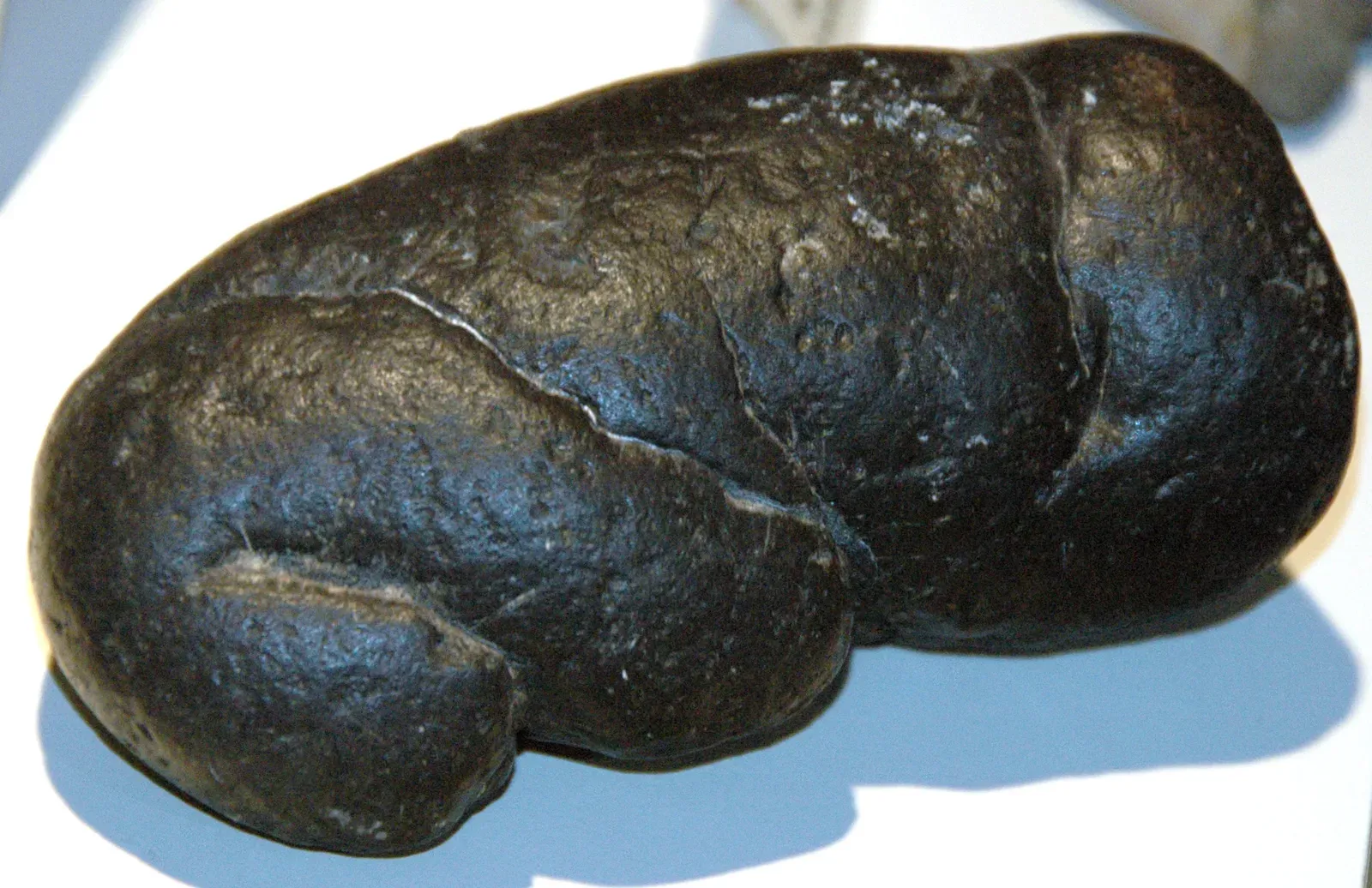
Here is the shocking part: for a long time, archaeologists simply did not realize how scientifically valuable old poop could be. It was often ignored, misidentified, or discarded in favor of shinier artifacts like pottery or tools. As lab techniques improved and scientists learned to extract DNA, fats, and microscopic remains from even tiny, degraded samples, coprolites went from being a joke to a goldmine. It turns out that what passed through ancient intestines is sometimes better preserved than the food scraps left on the ground.
Poop has a major advantage over many other kinds of evidence: it is direct. Instead of guessing what people might have eaten based on animal bones or plant remains lying around a site, coprolites show what actually ended up in someone’s gut. Researchers can slice a coprolite into thin sections, stain them, and peer under the microscope to spot seeds, bits of plant fibers, and even tiny bone fragments. Then chemical tests and DNA analyses can layer on more detail, transforming what once looked like a vague brown pebble into a detailed record of a specific meal from a specific moment in the past.
Rebuilding Ancient Menus: What Poop Reveals That Bones And Pots Cannot
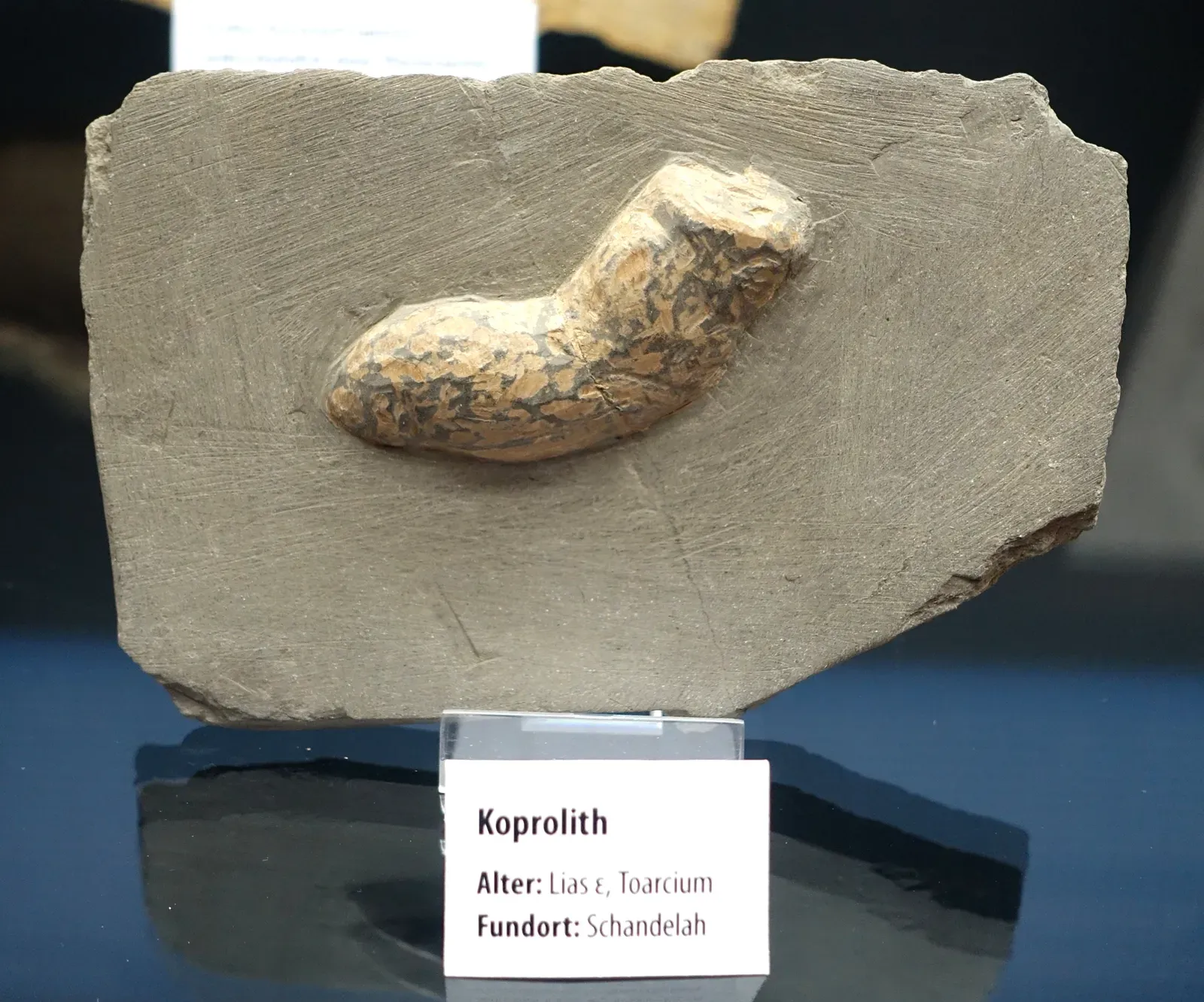
Traditional archaeology often leans heavily on things that preserve well: large animal bones, fish vertebrae, or durable plant remains like nutshells. But that can seriously skew our view of what people actually ate, because soft foods vanish without a trace and small scraps are easily missed. Coprolites cut through that bias. They routinely reveal traces of plants that do not leave obvious macroscopic remains, or small, underrepresented animals like rodents, insects, or tiny fish that rarely show up in standard excavations. Suddenly, the ancient menu looks more like a crowded food stall than a neat, limited restaurant menu.
For example, microscopic analysis of prehistoric feces from caves and ancient latrines has uncovered seeds from wild fruits, grains, and herbs that archaeologists had not recognized as important at those sites. In some cases, coprolites have even shown evidence of people eating foods that were assumed to be rare or ceremonial, suggesting they were surprisingly common. You can imagine it like opening an old cookbook you thought you knew – only to find scribbled notes in the margins revealing all the everyday recipes no one bothered to write down properly. Poop is those scribbled notes, messy but honest.
DNA From The Gut: Tracing Who Ate What (And When)
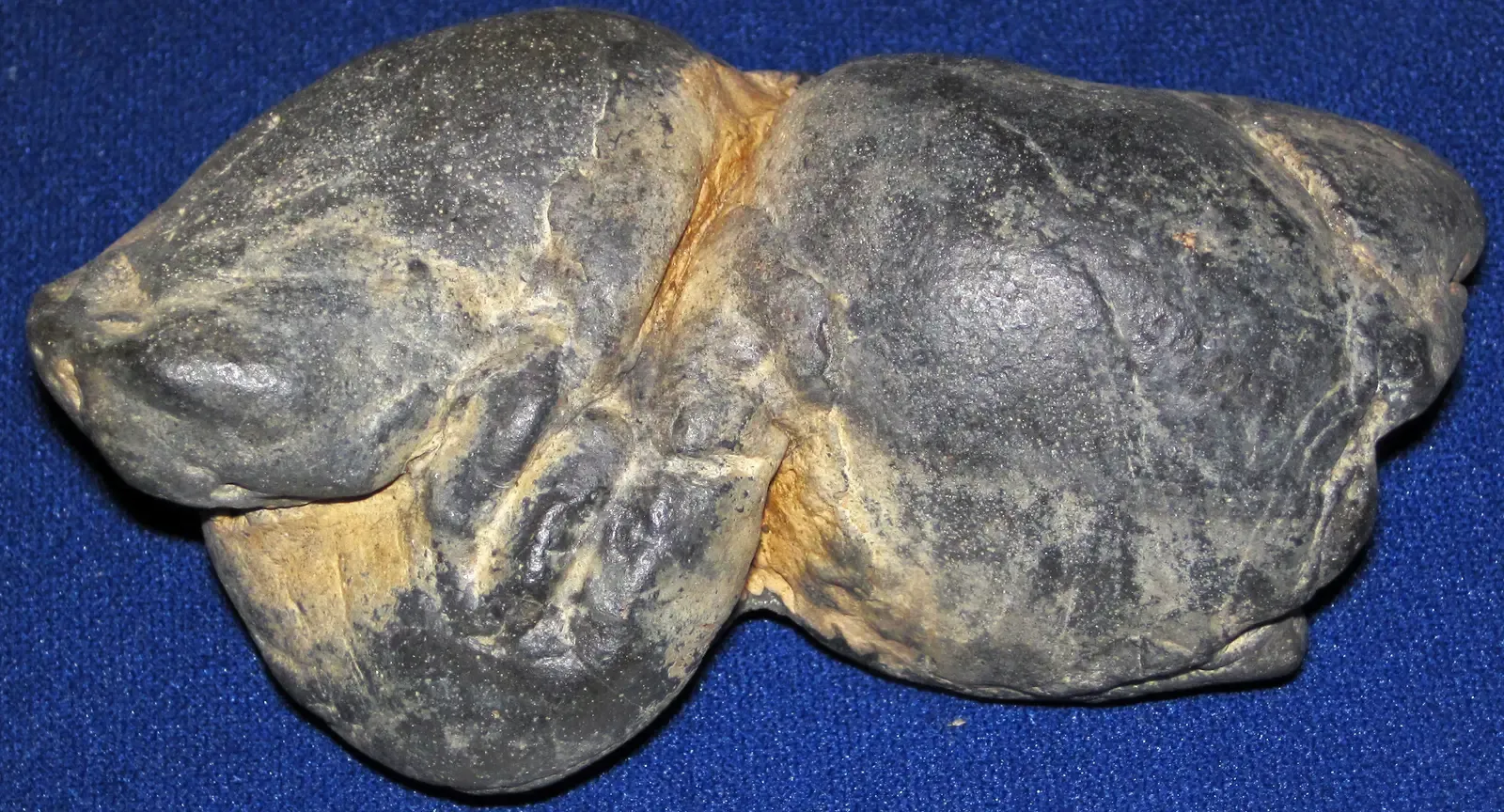
One of the biggest breakthroughs has been the ability to pull ancient DNA out of coprolites. Not just DNA from the food, but also from the person who produced the poop and from the microbes living in their gut. That combination is incredibly powerful. It lets researchers link specific dietary habits to particular individuals or groups, sometimes even distinguishing between human poop and dog poop in the same archaeological layer. That may sound trivial, but it matters a lot when you are trying to figure out whether a pile of remains reflects a human meal, animal scavenging, or both.
By sequencing DNA from plant and animal fragments within coprolites, scientists can build a detailed list of species that made up ancient diets, including ones that do not otherwise preserve well. These lists can then be compared across time and space to see how diets changed with climate shifts, migrations, or the arrival of new crops and animals. It is like having a time‑stamped grocery receipt from thousands of years ago. And because the host DNA is often present too, researchers can sometimes connect those “receipts” to specific ancestral lineages, tightening the link between genetics, culture, and food.
The Ancient Gut Microbiome: How Poop Rewrites Our Ideas Of “Healthy” Eating
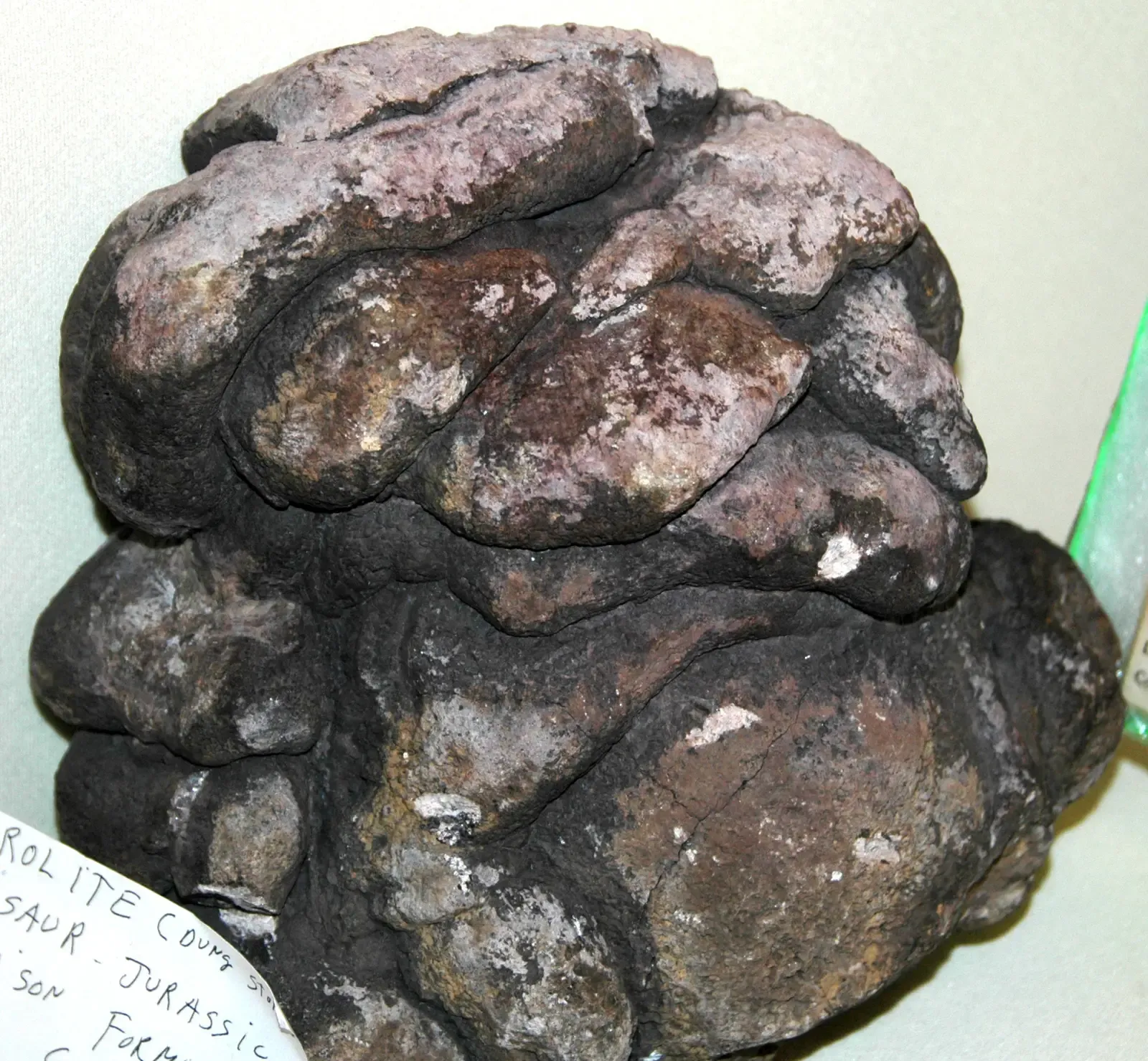
Prehistoric poop is not only about what people ate, but also about how their guts processed it. Inside every coprolite is a snapshot of an ancient microbiome: the billions of bacteria and other microbes that lived in someone’s intestines. Comparing these ancient microbial communities to those of modern people has produced some sobering insights. Many studies suggest that contemporary urban populations have lost a substantial chunk of the microbial diversity that once characterized human guts, likely due to processed foods, antibiotics, and ultra‑clean environments.
Why does that matter for diet? Because gut microbes help us digest fiber, synthesize vitamins, and train our immune systems. When researchers see that ancient microbiomes are richer in microbes adapted to high‑fiber, minimally processed diets, it challenges modern assumptions about what “normal” eating looks like. Instead of romanticizing a vague “caveman diet,” poop gives us specific clues: more wild plants, more roughage, more naturally fermented foods, and far fewer refined carbohydrates. The result is a more grounded, evidence‑based picture of ancestral diets that avoids both nostalgia and moralizing.
Myths Busted: The Real Story Behind “Paleo” And Hunter‑Gatherer Diets
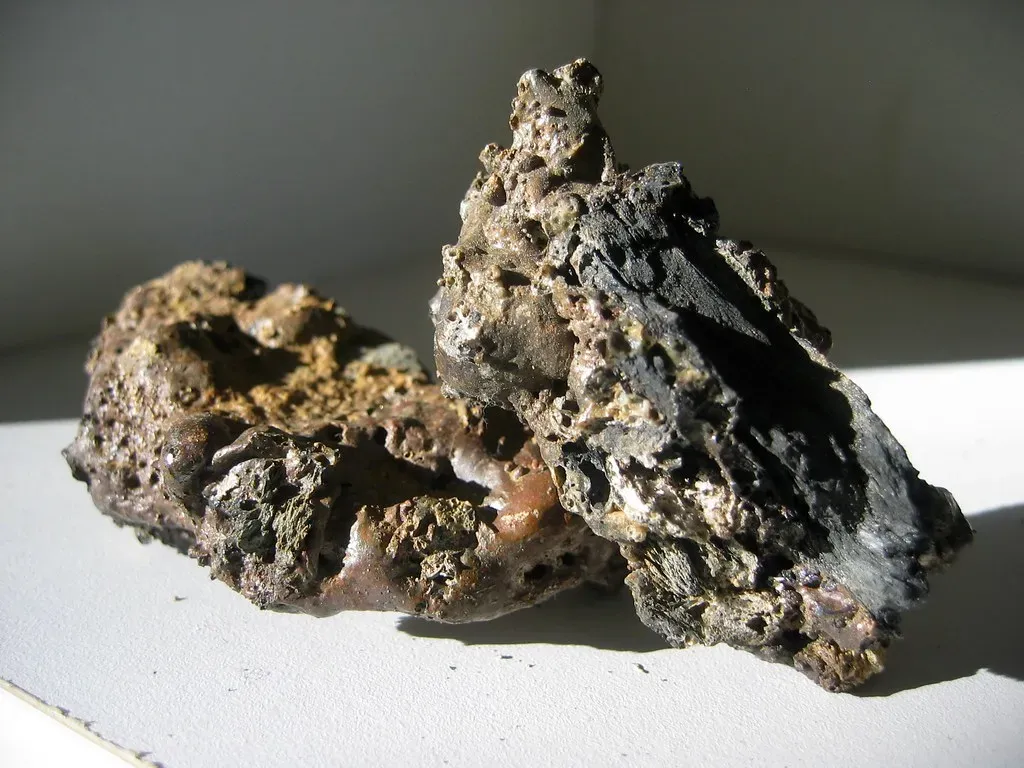
Popular culture loves simplified stories about the past, and few are as persistent as the idea that hunter‑gatherers ate a constant parade of meat with a side of berries. Coprolite studies routinely complicate that narrative. In many sites, ancient poop shows people eating a wide range of plants, from starchy roots and seeds to fruits and leafy greens, often in greater variety than what many modern eaters consume. Animal remains are still there, of course, but they share the stage with a surprisingly diverse plant cast. The old image of endless roasted mammoth is giving way to something closer to a very eclectic salad bar with occasional meat specials.
These findings have quietly undermined some of the more rigid versions of modern “paleo” diets that insist on narrow rules or heavy, constant meat intake. Real prehistoric diets were flexible, opportunistic, and deeply tied to local landscapes and seasons. People ate what they could find, cultivate, or trade, combining plants and animals in ways that do not always fit clean modern labels. Coprolites remind us that the human body evolved to handle a messy, varied diet, not a perfectly branded meal plan. In my view, that is a welcome correction to the fantasy of a single, pure ancestral way of eating.
Hidden Stories Of Class, Gender, And Season In Ancient Poop
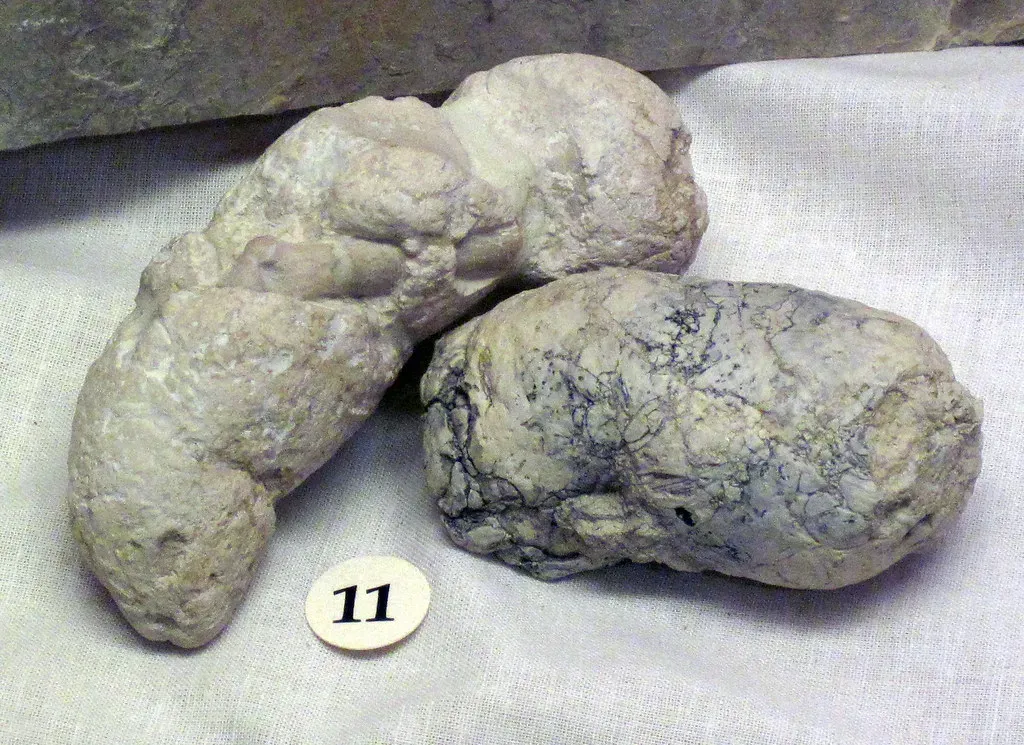
Once you can match poop to individuals or households, patterns start to emerge that go beyond generic “human diet.” In some settlements, coprolites from different areas of a site show distinct food signatures, hinting at social differences in access to certain foods. One group’s coprolites might be richer in animal fats and rare species, while another’s are packed with coarse grains and wild plants. This suggests that inequality in diet is not a modern invention and that class or status already shaped who got to eat what thousands of years ago. Poop, oddly enough, becomes a quiet witness to social stratification.
Seasonal patterns can surface as well. Seeds and plant fragments from certain fruits or crops appear in coprolites only in layers corresponding to particular times of year, helping researchers reconstruct seasonal cycles of abundance and scarcity. In some contexts, differences between male and female burials or living areas can be cross‑checked with the coprolites nearby to explore gendered divisions of labor and food. It is not perfect evidence, and it must be interpreted carefully, but it adds a human, intimate layer to ancient societies. Rather than abstract “populations,” we see people navigating hunger, celebration, privilege, and routine through the meals they left behind.
From Poop To Policy: What Ancient Diets Can Teach Modern Eaters
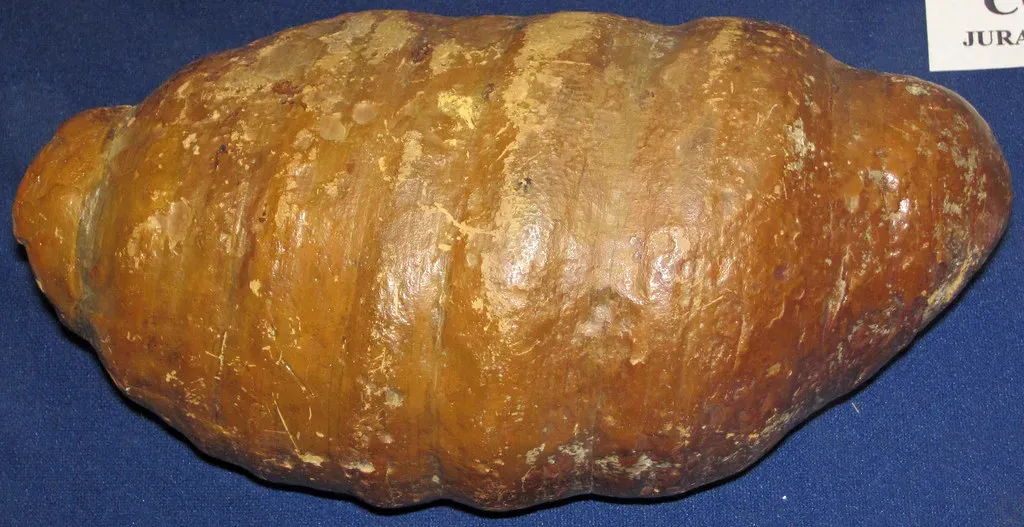
All this might sound like quirky science, but it has real implications for how we think about food today. When you see just how adaptable and varied ancient diets were, it becomes harder to defend modern extremes that demonize entire food groups or chase a single perfect way of eating. Prehistoric poop shows that humans have always been nutritional opportunists, mixing plants and animals, wild and cultivated, depending on context. That flexibility may actually be our greatest dietary strength, and losing it to highly standardized, ultra‑processed food systems could be a serious mistake.
There is also a humbling lesson here about waste. The very thing we flush away without a thought turns out to be one of the richest archives of information about how humans live, eat, and interact with their environments. Maybe we should not be shocked that future archaeologists could learn more about us from our sewage systems than from our smartphones. Personally, I find it oddly grounding to know that something as unglamorous as poop can guide more honest conversations about sustainable diets, gut health, and cultural food traditions. If ancient coprolites can reshape scientific debates, perhaps our own waste streams should factor more seriously into how we design healthier food and city systems.
Conclusion: Why Taking Poop Seriously Changes The Story Of Us
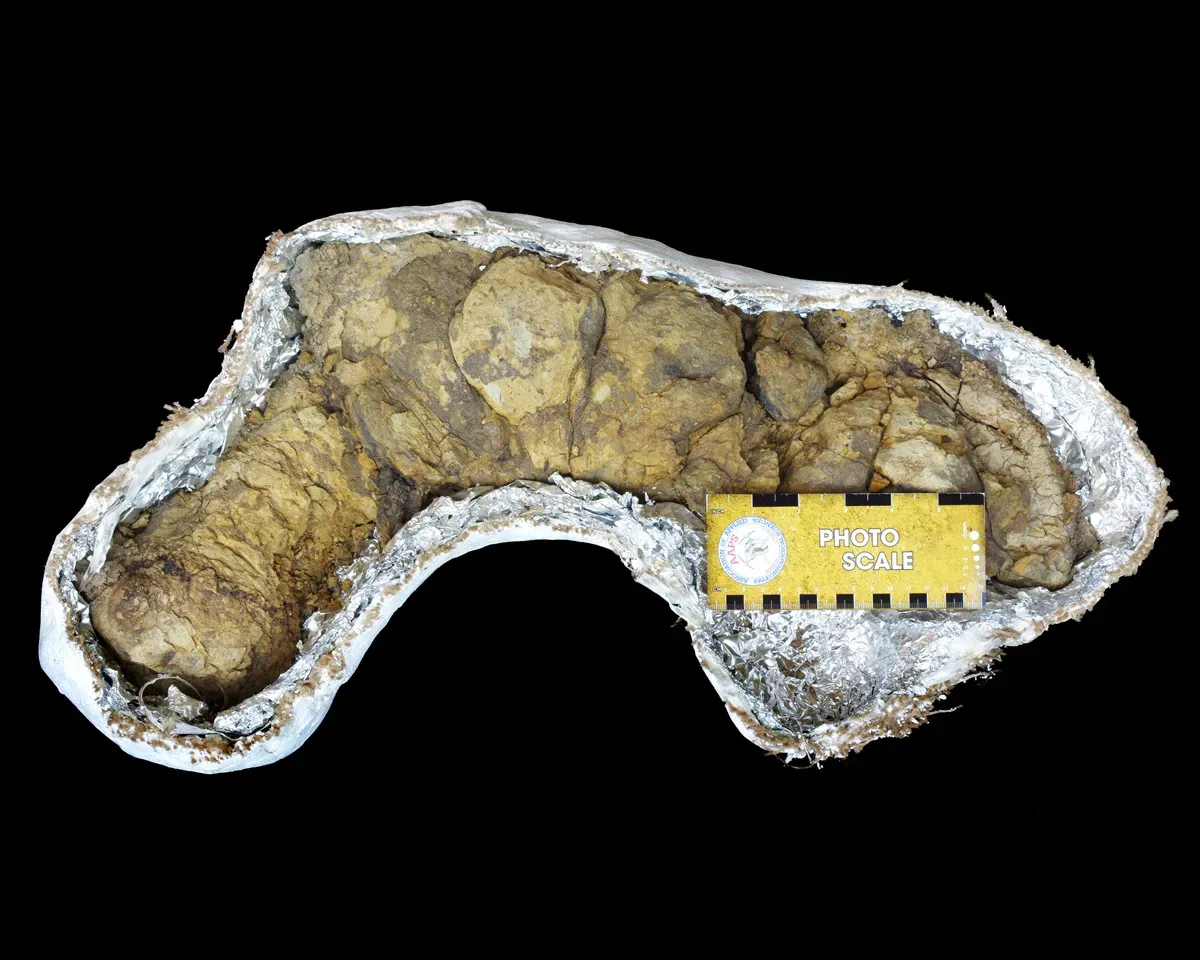
It is tempting to snicker at the idea of scientists carefully cataloguing prehistoric droppings, but that reaction says more about our squeamishness than about the value of the work. Coprolites have quietly overturned neat myths about meat‑obsessed hunter‑gatherers, given us a sharper view of plant diversity in ancient diets, and exposed the depth of change in our gut microbiomes over time. In my opinion, they have done more to humanize the past than many of the grander, more photogenic discoveries, because they speak to the most ordinary act of all: eating and then, inevitably, digesting.
Taking poop seriously forces us to accept that real history is messy, embodied, and often unflattering. It suggests that the search for a single ideal “ancestral diet” is misguided, and that we should instead pay attention to diversity, adaptability, and the intimate ties between food, microbes, and community. The next time someone makes a sweeping claim about how humans “were meant” to eat, it is worth remembering that the most honest answers are coming not from glossy diet books, but from ancient latrines and cave deposits. In the end, the past is not telling us to copy one strict menu; it is asking whether we are willing to look at the unglamorous evidence and let it change our minds. Would you have guessed that something we are so eager to flush away might be one of the best guides to who we really are?