The magnificent story of dinosaurs spans approximately 165 million years, during which Earth itself underwent dramatic transformations. One of the most significant factors influencing dinosaur evolution was the continuous movement and changing configuration of Earth’s continents. From the unified supercontinent Pangaea to the fragmented landmasses we recognize today, these tectonic shifts created new environments, barriers, and opportunities that shaped dinosaur diversity. This article explores how continental drift influenced the evolution, distribution, and ultimate fate of dinosaurs, offering insights into the intricate relationship between geological processes and biological evolution.
The Supercontinent Pangaea: Cradle of Early Dinosaurs

When dinosaurs first appeared in the Late Triassic period, approximately 230 million years ago, Earth’s landmasses were united as the supercontinent Pangaea. This single connected landmass created a relatively uniform climate and few geographical barriers, allowing early dinosaur species to disperse widely across vast territories. The first dinosaurs emerged in what is now South America, but fossil evidence shows they quickly spread throughout Pangaea. This initial continental configuration explains why we find similar early dinosaur fossils across regions that are now separated by oceans. The homogeneity of Pangaea meant that early dinosaur evolution occurred across a connected landscape, creating widespread lineages that would later diversify as the continents separated.
The Beginning of Continental Breakup
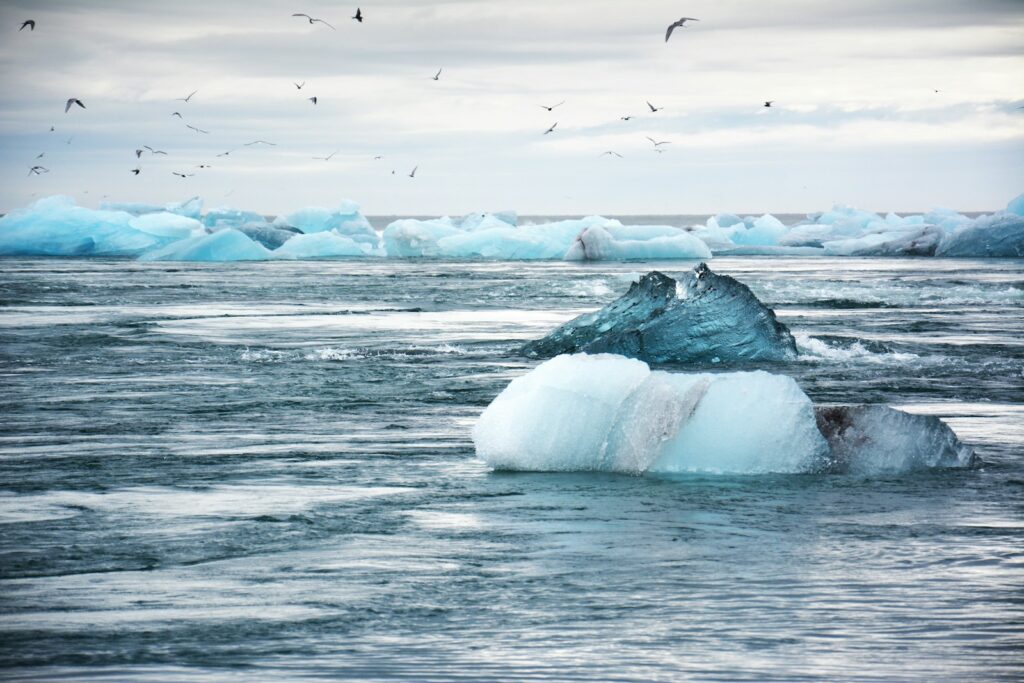
By the Early Jurassic period, around 200-175 million years ago, Pangaea began fragmenting into two major landmasses: Laurasia in the north and Gondwana in the south, separated by the Tethys Sea. This initial split created the first major geographical barrier in the dinosaur world, setting the stage for divergent evolution between northern and southern populations. The rifting process wasn’t sudden but occurred gradually over millions of years, slowly isolating dinosaur populations from one another. As the distance between landmasses increased, gene flow between dinosaur populations decreased, leading to the first major biogeographical patterns in dinosaur evolution. The widening seaway between Laurasia and Gondwana functioned as a filter, allowing some dinosaur groups to cross while others became increasingly isolated.
Gondwana: The Southern Dinosaur Laboratory
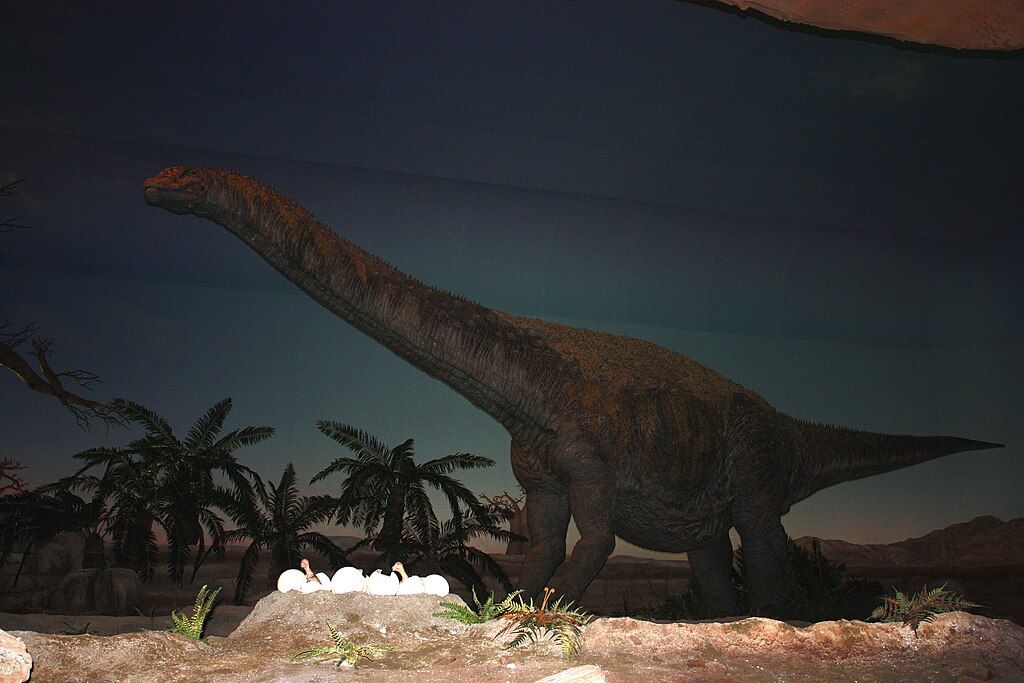
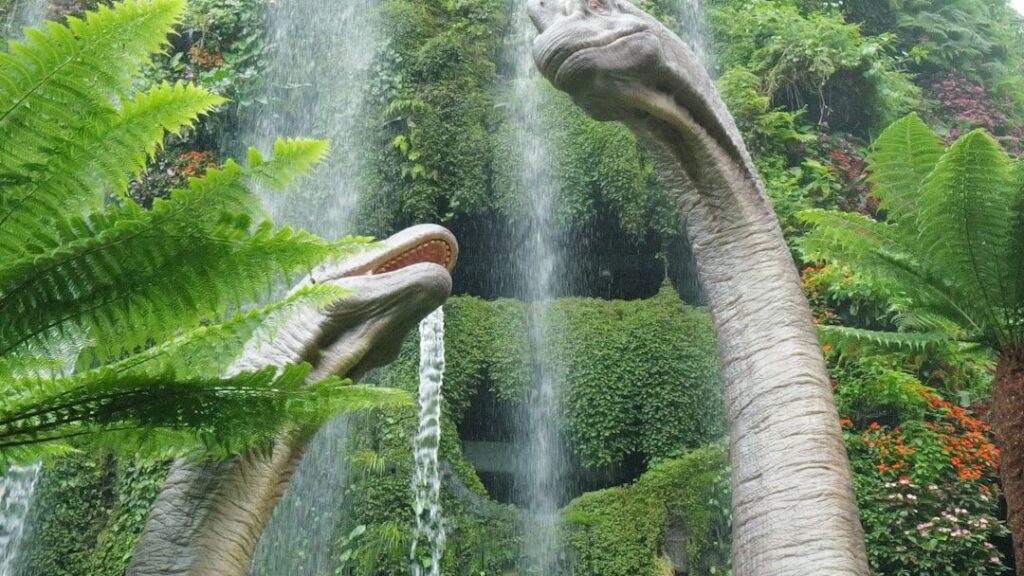
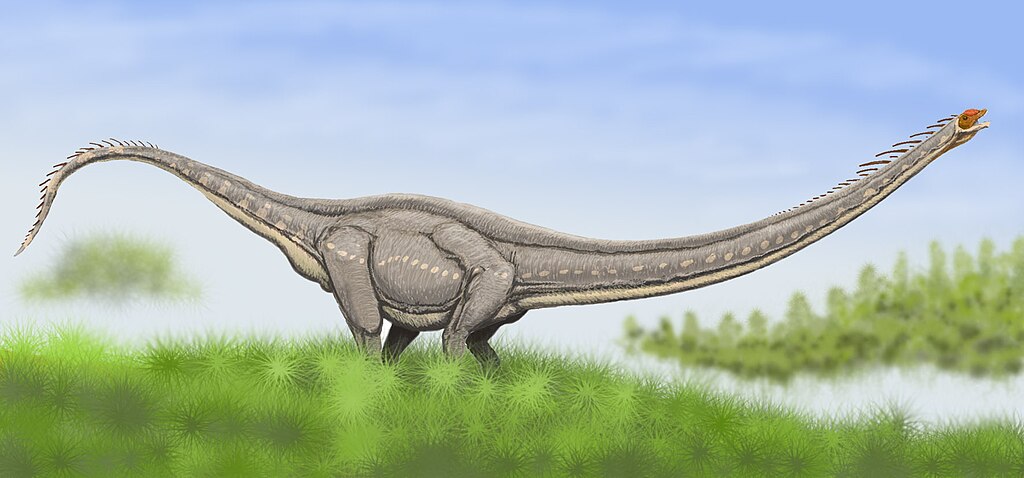
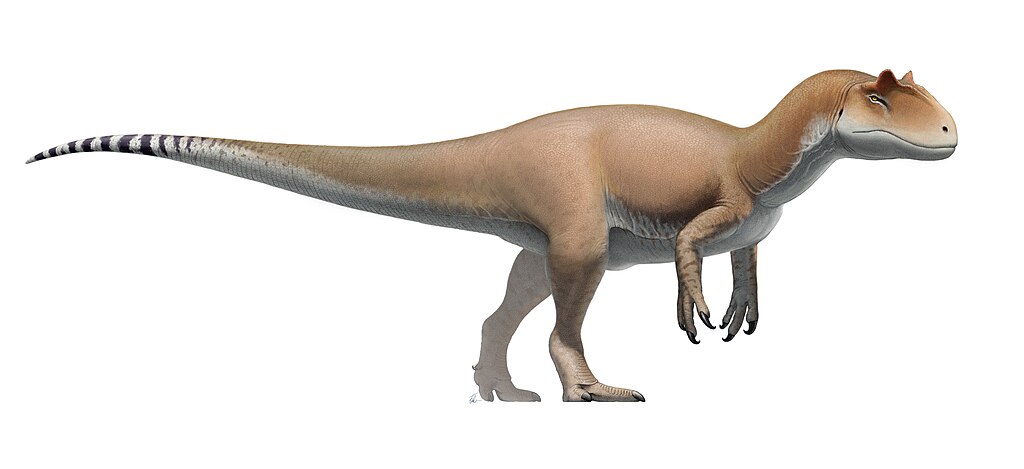
The southern supercontinent Gondwana, comprising what would become South America, Africa, Antarctica, Australia, and India, became an evolutionary crucible for distinct dinosaur lineages. As Gondwana itself gradually fragmented throughout the Jurassic and Cretaceous periods, it created increasingly isolated environments where evolution proceeded along separate paths. Titanosaurs, the largest sauropods ever to walk the Earth, diversified extensively across Gondwana, with unique species emerging in each isolated region. In South America, distinctive theropod lineages like the Abelisaurids evolved with their characteristic short arms and ornate skull crests, filling apex predator niches that Tyrannosaurs occupied in the north. The Gondwanan breakup essentially created a series of natural evolutionary experiments, with each fragment developing its unique dinosaur fauna in response to local conditions and isolation.
Laurasia: Northern Dinosaur Diversification
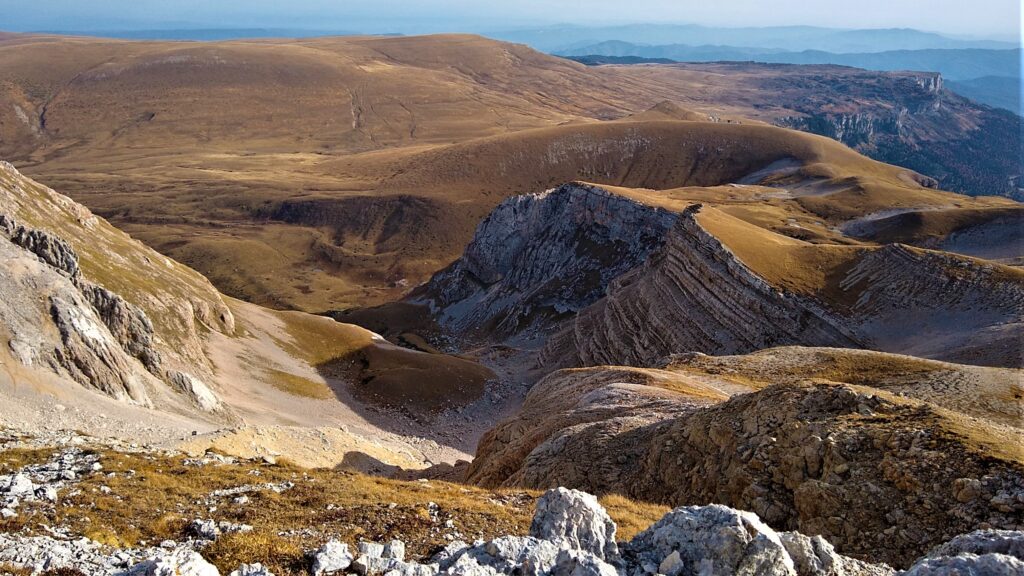
The northern landmass Laurasia, comprising what would become North America, Europe, and Asia, experienced its unique patterns of dinosaur evolution. Here, dinosaur groups like the Tyrannosaurs, Hadrosaurs, and Ceratopsians underwent spectacular diversification, especially during the Cretaceous period. The periodic land connections between North America and Asia via the Bering land bridge allowed intermittent dinosaur migrations, explaining why we find related species across these continents. Europe, frequently fragmented into island archipelagos due to rising sea levels, became home to unusual dinosaur species exhibiting island dwarfism, where large species evolved smaller body sizes in response to limited resources. The distinctive Laurasian dinosaur assemblages reflect not only the isolation from Gondwana but also the complex pattern of connections and separations between the northern continental blocks themselves.
Dinosaur Provincialism: The Rise of Distinct Faunas

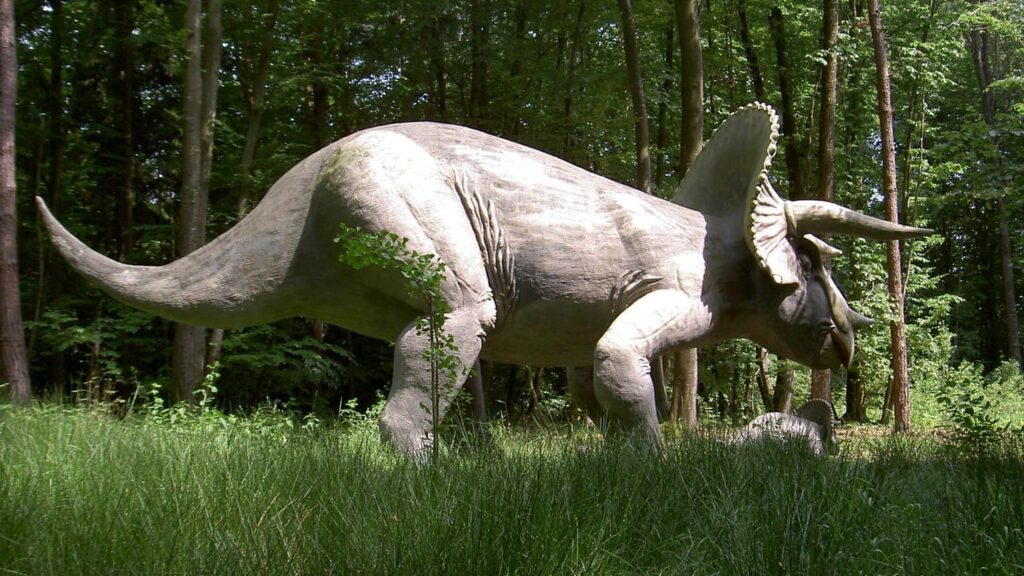
By the Late Cretaceous period, approximately 80-66 million years ago, continental separation had progressed to such a degree that distinct dinosaur “provinces” had emerged worldwide. North America housed the famous Tyrannosaurs, Triceratops, and duck-billed Hadrosaurs that dominate museum displays today. South America developed a completely different ecosystem dominated by Abelisaurid predators and unique Titanosaur sauropods. Africa saw the evolution of specialized predators like Spinosaurus, adapted to semi-aquatic lifestyles in its river systems. Asia became home to distinctive feathered dinosaurs and early bird predecessors. Australia, long isolated, harbored relict populations of dinosaurs that had disappeared elsewhere. This provincialism demonstrates how continental drift directly influenced biodiversity patterns, creating a patchwork of increasingly specialized dinosaur communities across the globe.
Climate Consequences of Continental Movement
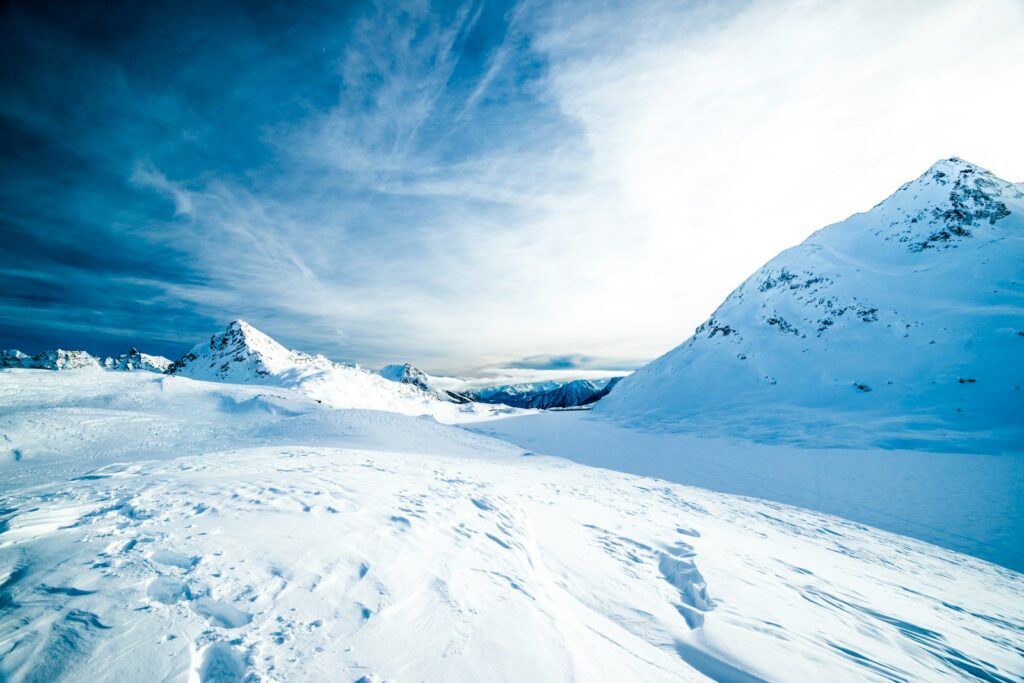
The shifting continental configurations dramatically altered global climate patterns, creating new challenges and opportunities for dinosaur evolution. As landmasses moved toward higher latitudes, dinosaurs encountered seasonal environments with longer winters and periods of darkness. Fossil evidence from Alaska and Antarctica reveals dinosaur species that adapted to these polar conditions, some developing enhanced vision for low-light environments and possible physiological adaptations for surviving cooler temperatures. The breakup of continents also altered ocean currents and atmospheric circulation, changing rainfall patterns and creating new desert regions in continental interiors. These climate shifts drove adaptive radiation as dinosaur lineages evolved new traits to survive in changing environments. The overall climate trend toward the end of the Cretaceous was cooling and increased seasonality, forcing dinosaurs to adapt or migrate to maintain their preferred environmental conditions.
Mountain Building and Dinosaur Isolation
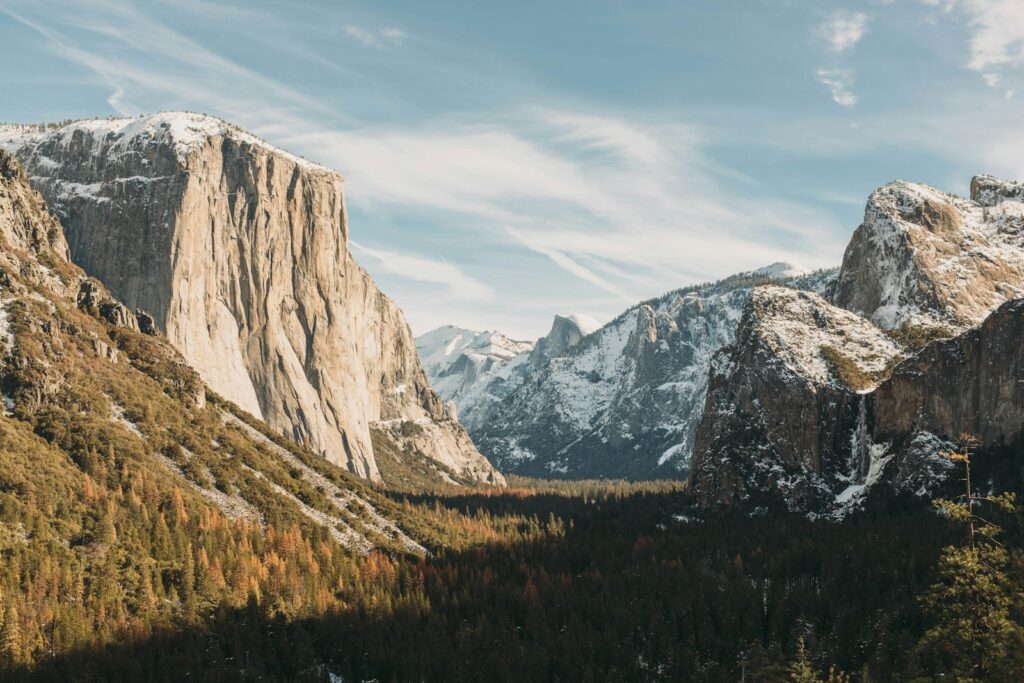
Continental collisions and the formation of major mountain ranges created new barriers that fragmented dinosaur populations, accelerating speciation events. The uplift of the Rocky Mountains in North America during the Late Cretaceous effectively divided the continent into eastern and western dinosaur provinces, with distinct species evolving on either side. Similarly, the rise of the Andes in South America created elevation gradients and rain shadows that produced diverse habitat types within relatively small geographical areas. These orogenic (mountain-building) events created topographical complexity that increased the available ecological niches, allowing for greater dinosaur specialization. Some dinosaur groups evolved adaptations for high-altitude environments, with shorter limbs and barrel-chested forms that could thrive in the thinner air of elevated regions. Mountain ranges thus served as both barriers to movement and creators of novel habitats, driving diversification through geographical isolation.
Sea Level Fluctuations and Habitat Fragmentation

Throughout the Mesozoic Era, global sea levels fluctuated dramatically, partly in response to continental movements and mid-ocean ridge activity. During high sea-level stands, shallow seas flooded continental interiors, creating the Western Interior Seaway that divided North America and similar marine incursions elsewhere. These marine transgressions fragmented dinosaur habitats, creating island-like conditions that accelerated speciation through geographical isolation. The fossil record shows pulses of dinosaur diversification corresponding to these periods of habitat fragmentation. Coastal-dwelling dinosaurs developed specialized adaptations for life in these hybrid environments, with some species evolving salt-tolerance or specialized diets based on marine resources. When sea levels eventually receded, previously isolated populations came into contact again, sometimes leading to competitive replacement or hybridization events. This cyclic pattern of isolation and reconnection, driven by sea level changes, created an evolutionary pump that generated dinosaur diversity.
Endemism: Unique Island Dinosaurs

As continents fragmented further and sea levels rose during certain periods, many dinosaur populations became stranded on islands, leading to fascinating examples of island evolution. The Late Cretaceous dinosaurs of what is now Romania (then an island in the Tethys Sea) show clear evidence of island dwarfism, with normally large dinosaurs evolving into much smaller forms to survive with limited resources. Conversely, some small dinosaur lineages trapped on islands without large predators evolved into larger-bodied species, demonstrating island gigantism. These isolated island environments functioned as natural laboratories for evolution, producing some of the most unusual dinosaur adaptations. Modern island biogeography principles help paleontologists understand these patterns, recognizing that isolation, reduced competition, and resource limitations drove rapid evolutionary changes. Island endemism thus produced some of the most specialized and unusual dinosaur species of the Mesozoic Era.
Continental Corridors and Migration Events
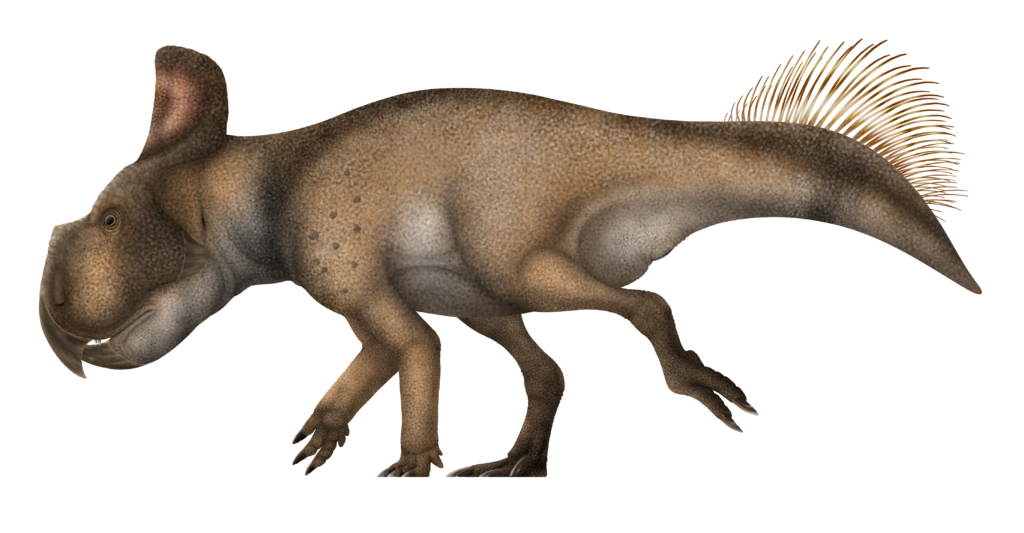
Even as continents drifted apart, temporary land bridges and corridors periodically formed, allowing dinosaur migrations that dramatically reshaped ecosystems. The North Atlantic land bridge connected North America and Europe until the Early Cretaceous, explaining the similarities between dinosaur faunas on these continents. The Bering land bridge between North America and Asia functioned intermittently throughout the Cretaceous, allowing bidirectional movement of dinosaur species. Fossil evidence reveals several major dinosaur migration events, including the spread of Ceratopsians (horned dinosaurs) from Asia to North America and Hadrosaurs moving in the opposite direction. When dinosaur groups migrated to new continents, they often encountered novel ecological conditions and competitors, triggering adaptive radiation into new niches. These migration corridors thus functioned as evolutionary highways, allowing dinosaur innovations that evolved in one region to spread globally, despite the overall trend toward continental separation.
Volcanic Activity and Dinosaur Evolution
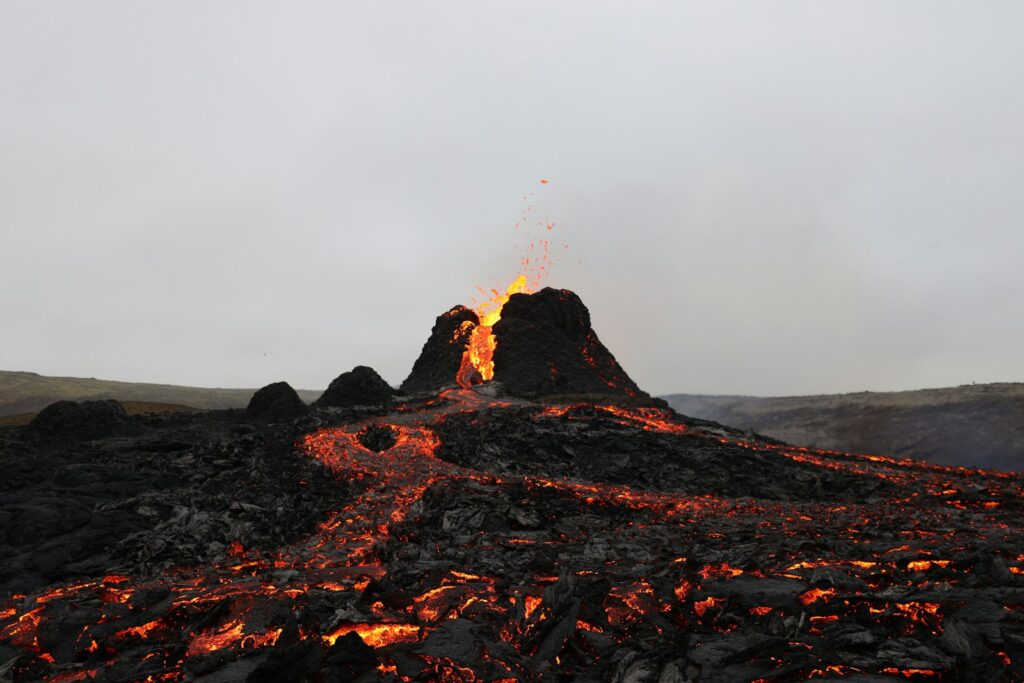
Continental breakup was accompanied by massive volcanic eruptions along rift zones, creating environmental stresses that influenced dinosaur evolution. The Central Atlantic Magmatic Province (CAMP), one of the largest volcanic events in Earth’s history, coincided with the initial breakup of Pangaea and the Triassic-Jurassic extinction event that helped dinosaurs rise to dominance. Later, the Deccan Traps eruptions in India near the end of the Cretaceous released enormous volumes of greenhouse gases, contributing to pre-asteroid environmental stresses on dinosaur populations. These volcanic episodes altered global climate, acidified oceans, and covered vast regions with lava flows, eliminating habitats but also creating new ecological opportunities in their aftermath. Dinosaur lineages that survived these volcanic perturbations often underwent adaptive radiation, filling niches vacated by victims of the environmental changes. The relationship between tectonically driven volcanism and dinosaur evolution highlights how geological processes repeatedly reshaped the evolutionary playing field.
The End-Cretaceous Mass Extinction: Continental Configuration’s Final Act
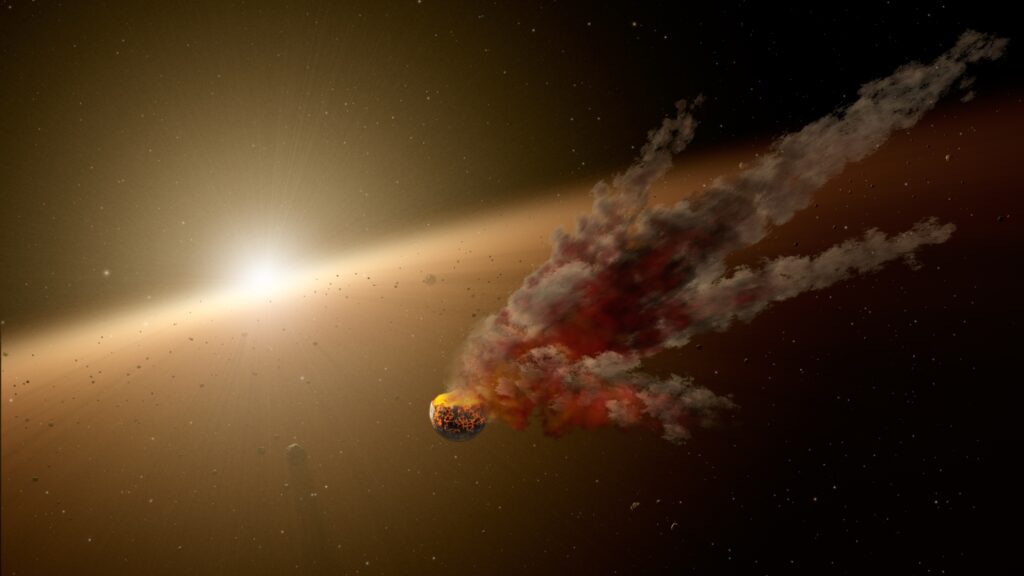
The asteroid impact that triggered the end-Cretaceous mass extinction 66 million years ago didn’t act alone—the continental configuration at that time played a crucial role in determining which species survived and which perished. The location of the Chicxulub impact crater in modern-day Mexico maximized the damage to terrestrial ecosystems in the Americas, while more distant landmasses experienced somewhat less severe immediate effects. The fragmented nature of the continents meant that no dinosaur species could escape the global climate catastrophe by migration, unlike earlier extinction events when Pangaea provided migration corridors to more favorable regions. Only those dinosaurs with the right adaptations—small body size, burrowing capabilities, or the flight abilities of early birds—managed to survive. The continental arrangement thus contributed to the selective nature of the extinction, determining which evolutionary lineages would persist into the Cenozoic Era. In this final chapter of dinosaur evolution, continental configuration played a decisive role in closing one evolutionary era and opening another.
Modern Understanding: Paleobiogeography and Dinosaur Evolution
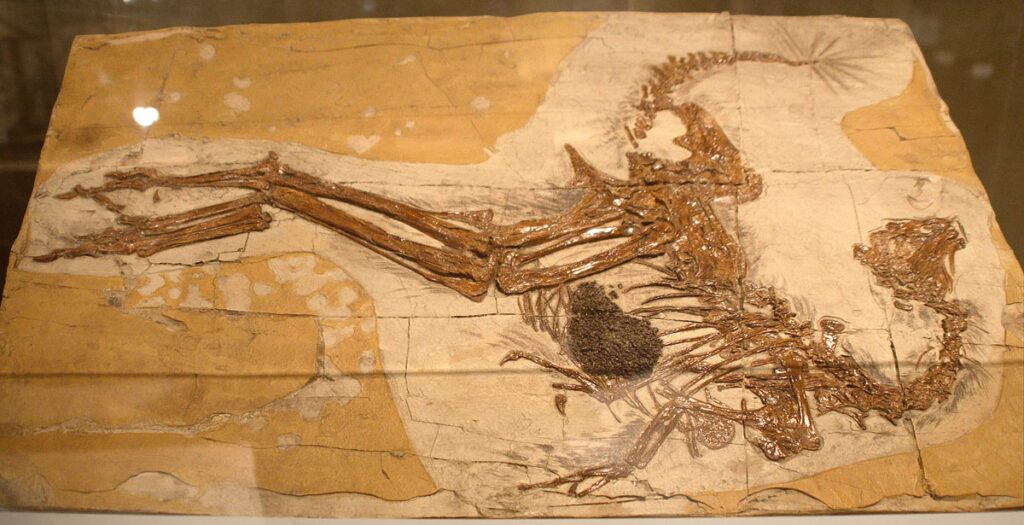
Today’s paleontologists use sophisticated approaches to understand how continental movements influenced dinosaur evolution, combining fossil evidence with plate tectonic reconstructions, climate modeling, and phylogenetic analysis. New fossil discoveries continually refine our understanding of dinosaur distribution patterns, sometimes revealing unexpected connections between distant landmasses. Advanced dating techniques allow researchers to correlate dinosaur evolutionary events precisely with specific stages of continental movement. Genetic studies of living dinosaur descendants (birds) provide insights into ancient biogeographical patterns that complement the fossil record. Paleobiogeographical analysis has become essential for understanding larger patterns in dinosaur evolution, helping scientists distinguish between convergent evolution (similar adaptations evolving independently) and shared ancestry. This integrated approach reveals dinosaur evolution as a dynamic process intimately connected to Earth’s changing geography, providing a model for understanding how geological processes influence biological evolution more broadly.
Conclusion
The story of dinosaur evolution cannot be fully understood without recognizing the profound influence of Earth’s changing continental configurations. From the unified landscape of Pangaea to the fragmented continents of the Late Cretaceous, tectonic processes continuously reshaped the stage upon which dinosaur evolution played out. These geological changes created isolation that drove speciation, established migration corridors that allowed range expansions, altered climates that demanded new adaptations, and ultimately influenced which lineages survived the end-Cretaceous extinction event. The magnificent diversity of dinosaurs we discover in the fossil record was not merely a product of biological processes but emerged from the complex interplay between life and a dynamic, ever-changing planet. As we continue to uncover new fossils and refine our understanding of ancient geography, the fascinating relationship between continental drift and dinosaur evolution becomes increasingly clear, offering insights into how geological processes have shaped life on Earth throughout deep time.