
Have you ever replayed a hurtful moment in your mind, feeling that familiar sting of anger or betrayal all over again? You’re not alone. Most of us carry emotional wounds that feel impossible to shake off. The good news is that your brain isn’t hardwired to hold onto pain forever. In fact, science now reveals something remarkable about forgiveness. It’s not just a sentimental idea your grandmother talked about. It’s a genuine neurological process that can actually reshape how your brain processes emotions, reduces stress, and even changes your physical health. The question isn’t whether forgiveness works. It’s whether you’re ready to discover how this powerful tool can set your mind free.
Your Brain on Grudges: What Happens When You Hold On

When you refuse to let go of resentment, your brain essentially stays stuck in survival mode. Holding onto grudges keeps your body in a state of low-grade fight-or-flight response, which means your nervous system never fully relaxes. Think of it like leaving your car engine running all night. Eventually, something’s going to break down.
Ruminating on negative outcomes stimulates the nucleus accumbens repeatedly to activate pain sensors in the brain, reduce feel-good neuromodulators like serotonin, and push happiness levels further into uncomfortable, miserable territory. You’re basically training your brain to feel worse over time. I know it sounds counterintuitive, but holding onto anger doesn’t protect you. It imprisons you in a cycle of your own making.
What’s worse, this constant state of emotional alert has real consequences. Chronic anger puts you in fight-or-flight mode, resulting in sustained increases in cortisol, which activates mechanisms leading to heart disease, diabetes, depression, anxiety, and obesity. Your body pays the price for every grudge you carry.
The Three Brain Systems That Light Up During Forgiveness
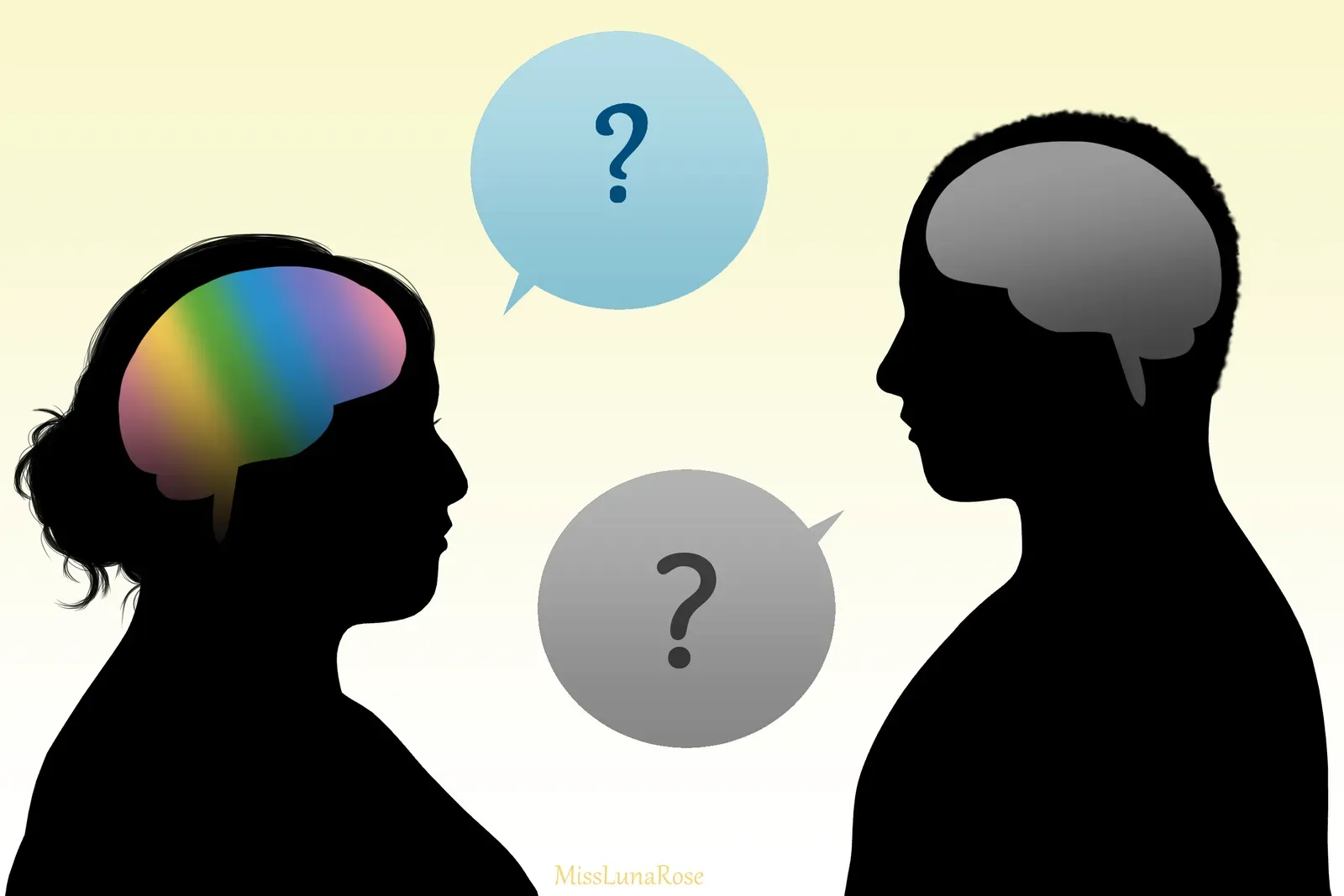
Here’s where things get fascinating. When researchers measure brain activation in people instructed to extend forgiveness for past harm, three main systems get activated. These aren’t random areas. They’re sophisticated networks that help you connect with others and regulate your emotions.
The first system includes structures and pathways involved in empathy and perspective taking, sensing the emotions of others and imagining their thoughts and feelings. When you forgive, you’re literally exercising the parts of your brain responsible for understanding other people’s experiences. It’s like lifting weights for your compassion muscles.
The second system is central to coping, involving the dorsal lateral prefrontal cortex, ventral lateral prefrontal cortex, and dorsal anterior cingulate cortex, which support keeping track of, focusing, and reallocating attention deliberately. This means forgiveness isn’t passive. It’s an active decision to redirect your mental energy away from pain and toward healing. The third system connects multiple brain regions that help you make sense of complex social situations and find meaning in difficult experiences.
How Forgiveness Literally Reshapes Your Brain Structure

You might think your brain’s structure is fixed, but it’s not. Larger middle frontal gyrus volume is significantly associated with higher self-reported dispositional forgiveness scores and lower levels of depressive and anxiety symptoms. What this means is that people who practice forgiveness actually develop more brain tissue in areas responsible for emotional control.
Even more interesting, a larger left dorsolateral prefrontal cortex is associated with forgiveness, and dysfunction of this region is believed to cause depression, so the lack of depressive tendencies promotes forgiveness. It’s a positive feedback loop. The more you forgive, the stronger these brain regions become. The stronger they become, the easier forgiveness gets.
Research has also shown that variable gray matter volume and white matter volume in areas of the dorsolateral prefrontal cortex, insular cortex, and inferior frontal gyrus are structural markers of individual differences in tendency to forgive. Your capacity for forgiveness is quite literally built into the architecture of your brain, and you can strengthen that architecture through practice.
The Stress Hormone Connection You Need to Know

Let’s talk about cortisol, your body’s main stress hormone. Being unforgiving produces cortisol in a pattern similar to what’s experienced during other stress responses. Every time you replay that argument or betrayal in your head, you’re flooding your system with stress chemicals as if the event were happening right now.
Mechanisms underlying forgiveness benefits include the reduction of stress hormones like cortisol, improved emotional regulation, and the restoration of hope, while fostering forgiveness reduces activation of stress hormones like cortisol and adrenaline. This isn’t just about feeling better emotionally. It’s about giving your body a break from constant chemical assault.
The good news? Quick recovery of cortisol levels after conflict allows better processing of emotional distress, facilitating forgiveness. When you choose to forgive, you’re essentially telling your stress response system to stand down. Your cortisol levels can return to normal, and your body can finally start repairing the damage that chronic stress has caused.
Forgiveness as a Pathway Out of Depression and Anxiety

Depression and anxiety aren’t just “in your head.” They’re deeply connected to how your brain processes emotional pain. Forgiveness mediates the relationship between middle frontal gyrus volume and both depressive and anxiety symptom levels. This suggests that one way your brain’s cognitive regulation strategies improve mental health is by increasing your capacity to forgive.
Empirical studies show that forgiveness decreases anger, anxiety, and depression while increasing self-esteem and hopefulness for the future. I think this is crucial to understand. When you forgive, you’re not just being nice to someone else. You’re actively treating your own mental health conditions.
Several studies show that forgiveness is associated with more happiness, better mental and physical health, healthier physiologic profiles, and less depression. The evidence is overwhelming. Forgiveness works as a legitimate therapeutic intervention, sometimes as effectively as traditional treatments for mood disorders.
The Physical Health Benefits That Might Surprise You

Your mental state doesn’t stay in your mind. It affects every cell in your body. Studies show forgiveness can reverse health risks by reducing blood pressure and heart rate, improving pain perception, anxiety, depression, stress, and inflammatory markers. These aren’t small changes. We’re talking about measurable improvements in cardiovascular health.
Forgiveness practices improve sleep quality, which is essential for mental and physical health, helping reduce feelings of fatigue and enhancing emotional regulation. Better sleep alone can transform your life. When you stop ruminating on past hurts at night, your brain finally gets the rest it desperately needs to function properly during the day.
Research even shows that forgiving colleagues for their missteps leads to increased productivity, lower absenteeism, and even fewer literal headaches. Forgiveness doesn’t just feel good. It makes you healthier, more functional, and more present in your life.
Why Forgiveness Doesn’t Mean What You Think It Means

Here’s the thing that trips most people up about forgiveness. Forgiveness does not mean condoning or endorsing anything that was done that caused harm to you. You’re not saying what happened was okay. You’re not inviting toxic people back into your life. You’re simply choosing to stop poisoning yourself with resentment.
The American Psychological Association defines forgiveness as the intentional decision to release anger and resentment while fostering empathy and compassion for the wrongdoer, and it does not require reconciliation but focuses primarily on personal healing and growth. You can forgive someone and never speak to them again. Those two things aren’t mutually exclusive.
The activation of these three brain systems suggests that a decision to forgive puts you back in control of your brain and actions, returning the power to choose what to focus on and how to react. Honestly, this is what forgiveness is really about. It’s about reclaiming your power from the person who hurt you.
Taking Your First Steps Toward Neural Peace
Starting the forgiveness process doesn’t require heroic emotional leaps. Decisional forgiveness involves a conscious choice to replace ill will with good will, where you no longer wish bad things to happen to that individual. You don’t have to feel warm and fuzzy about someone to decide they no longer deserve space in your mental real estate.
Forgiveness is associated with positive emotional states compared to unforgiveness, which means even the decision to begin the process starts shifting your brain chemistry in the right direction. The emotions will eventually catch up with the decision, but you have to start somewhere.
Neuroscience reveals forgiveness isn’t one act but four distinct brain phases, each requiring specific strategies, and it’s not a flip you switch but a staircase. Be patient with yourself. Your brain is literally rewiring itself, and that takes time. Each step you take up that staircase strengthens the neural pathways that lead to lasting peace.
Your brain has an incredible capacity to heal itself when you give it the right tools. Forgiveness isn’t about being weak or letting people off the hook. It’s about liberating yourself from the neural prison of chronic resentment and giving your mind permission to finally find peace. The question is, are you ready to let your brain do what it does best and heal? What would your life look like if you weren’t carrying that weight anymore?