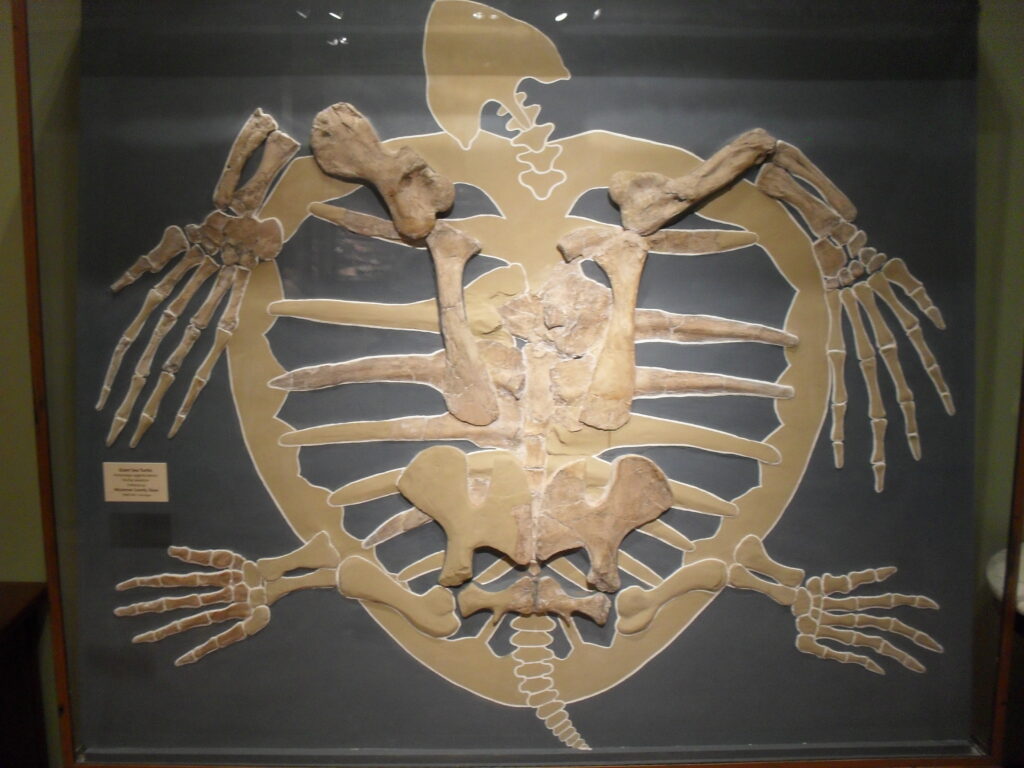
In the realm of prehistoric fascination, few creatures capture our imagination quite like dinosaurs. These magnificent beasts that once roamed our planet have been reimagined countless times in books, movies, and perhaps most influentially, as toys. While paleontologists have made remarkable discoveries that continually reshape our understanding of dinosaurs, toy manufacturers have played an outsized role in perpetuating certain dinosaur myths in popular culture. From featherless raptors to upright T. rexes, the plastic dinosaurs of our childhood have quietly shaped public perception of these ancient creatures, often lagging behind scientific discoveries by decades. This disconnect between scientific understanding and commercial representation has created a fascinating case study in how entertainment and merchandising can influence public knowledge about the natural world.
The Upright Tyrannosaurus Myth

One of the most pervasive dinosaur myths perpetuated by toy companies is the image of Tyrannosaurus rex standing upright, dragging its tail on the ground. For decades, toy manufacturers produced T. rex figures with a Godzilla-like posture, despite paleontologists having evidence since the 1970s that these massive predators actually maintained a horizontally balanced posture. The toys depicted these creatures standing tall with their tails dragging behind them like lizards, creating a posture that would have been anatomically impossible for the actual animal. This incorrect posture became so embedded in popular imagination that even when scientific understanding evolved, many toy companies continued producing the inaccurate designs simply because they were more recognizable to consumers. The upright T. rex became a visual shorthand for “dinosaur” that proved difficult to dislodge from public consciousness, even as museum displays and scientific illustrations adopted the correct horizontal posture.
Scaly Velociraptors: Jurassic Park’s Commercial Legacy

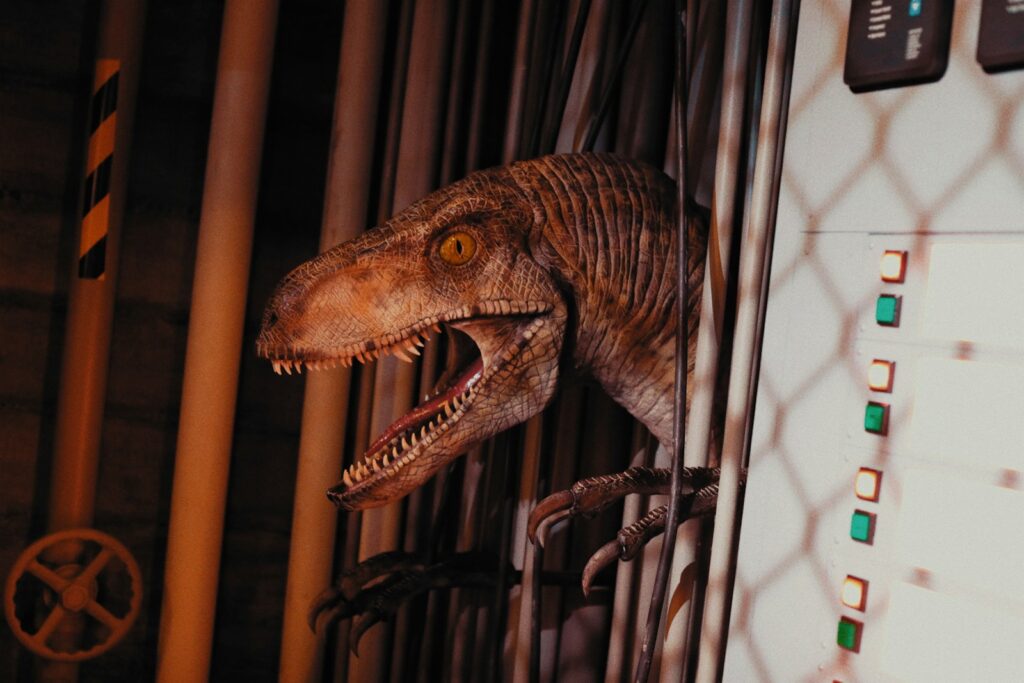
Perhaps no dinosaur has suffered more from misrepresentation than Velociraptor, thanks to the phenomenally successful Jurassic Park franchise and its accompanying toy lines. The real Velociraptor was turkey-sized and covered in feathers, but toy companies, following the film’s lead, produced countless scaly, man-sized raptor figures that bore little resemblance to the actual animal. This misconception was further cemented when the movies’ popularity spawned massive toy lines that prioritized the film’s designs over scientific accuracy. Even after conclusive evidence of feathered dromaeosaurids (the family including Velociraptor) emerged in the late 1990s, toy manufacturers largely ignored these discoveries to maintain visual consistency with the popular films. The commercial success of these toys effectively solidified the scaly raptor image in public consciousness, creating a situation where many children could recognize the inaccurate movie version while having no awareness of the actual animal’s appearance.
The Brontosaurus Confusion
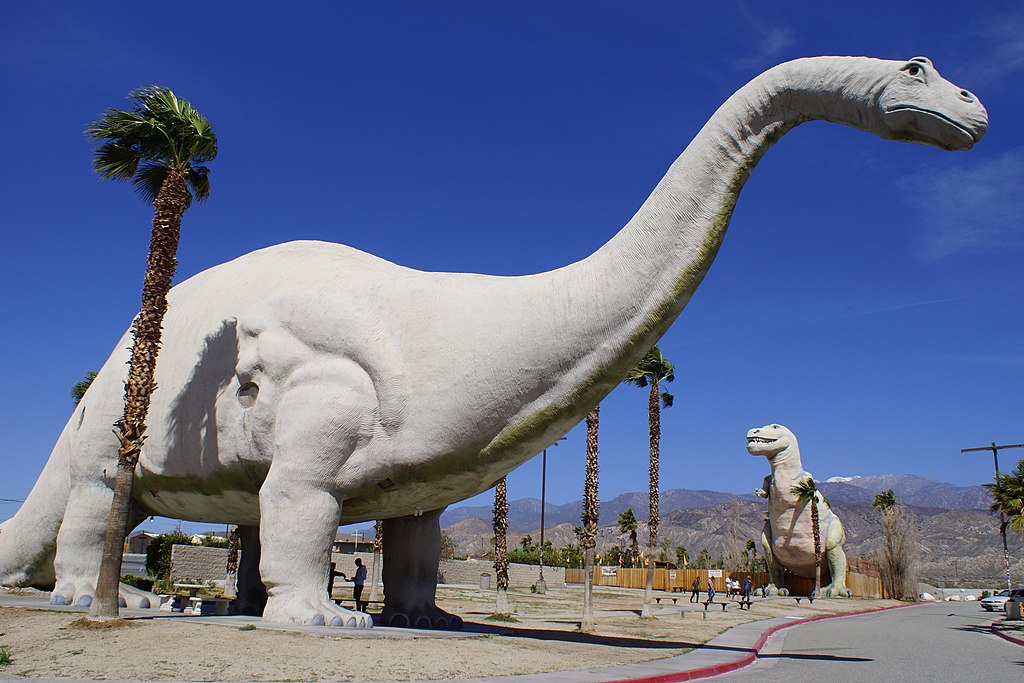
The curious case of Brontosaurus illustrates how toy companies can preserve outdated paleontology in plastic form for generations. In 1903, scientists determined that Brontosaurus was actually the same dinosaur as the previously discovered Apatosaurus, making Brontosaurus technically invalid as a genus. However, toy companies continued producing dinosaur sets labeled “Brontosaurus” for the next century, effectively keeping the name alive in popular culture long after science had moved on. The familiar long-necked silhouette and catchy name proved too marketable to abandon, resulting in generations of children learning an outdated classification. Interestingly, in 2015, new research suggested Brontosaurus might be a valid genus after all, creating a situation where toys had accidentally preserved a name that would eventually return to scientific legitimacy. This peculiar cycle demonstrates how commercial representations can sometimes outlast and even influence scientific consensus through their cultural staying power.
Dinosaur Color Conundrums
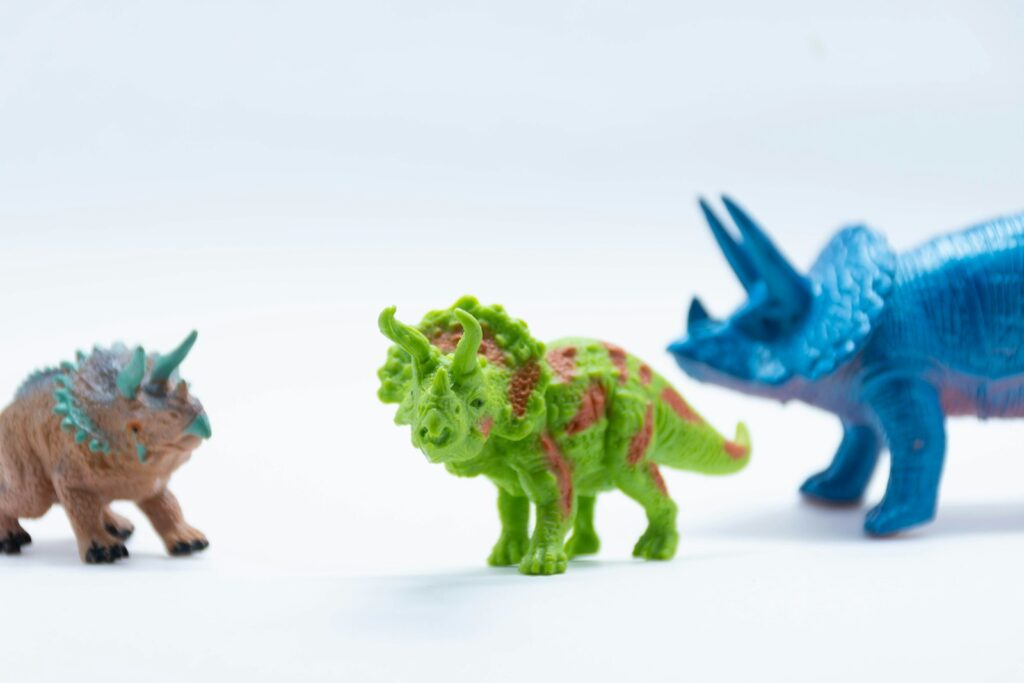
For decades, toy manufacturers painted dinosaurs in vivid greens, browns, and grays based purely on speculation, as no evidence of dinosaur coloration existed until relatively recently. These color choices, often inspired by modern reptiles, created a persistent image of dinosaurs as universally drab and lizard-like. The bright greens and olive tones became so standard that they effectively became the default coloration in public imagination. Recent scientific breakthroughs using microscopic melanin structures have revealed that many dinosaurs actually displayed complex patterns and bright colors, with some species showing evidence of iridescent feathers or striking color displays similar to modern birds. Despite these discoveries, toy companies have been slow to update their color palettes, with many modern dinosaur toys still displaying the same speculative colors established decades ago. This lag perpetuates outdated visual representations and delays public understanding of dinosaurs as dynamic, colorful creatures more akin to birds than to lizards.
The Dinosaur Sound Problem

Electronic dinosaur toys have contributed significantly to misconceptions about how dinosaurs sounded, with roaring T. rexes and bellowing sauropods becoming standard features. Despite having no fossil evidence of dinosaur vocalizations, toy companies created an entire acoustic world for these creatures based largely on what sounded appropriately fearsome or marketable. The classic electronic roar of toy dinosaurs has been repeated so often across different products that it has become the expected sound of dinosaurs in public consciousness. Paleontologists now believe that many dinosaurs likely made sounds more similar to their living relatives – birds and crocodilians – potentially including booms, clicks, hisses, and even songs rather than mammalian-style roars. Electronic toys with sound features rarely incorporate these scientific insights, continuing to rely on dramatic roars that make for more exciting playthings but further distance the toys from scientific understanding. This auditory misconception has proven particularly persistent, as it’s reinforced not just by toys but also by film and television depictions.
The Commercial Appeal of Dinosaur “Monsters”

Toy manufacturers have consistently emphasized the monstrous qualities of dinosaurs, particularly theropods like T. rex and Velociraptor, portraying them as perpetually aggressive killing machines rather than animals with complex behaviors. This monsterification served commercial interests by creating more dramatic toys that appealed to children’s fascination with fearsome creatures. The exaggeration typically involves oversized teeth, pronounced claws, and impossibly gaping jaws that could open far wider than anatomically possible. Scientific understanding suggests dinosaurs were sophisticated animals that hunted when necessary but weren’t constantly engaged in dramatic combat as toy designs might suggest. The emphasis on predatory features created an imbalanced public perception that focused disproportionately on carnivorous species, despite herbivores constituting the majority of dinosaur diversity. This commercial choice has had lasting effects on which dinosaur species become familiar to the public, with predators receiving disproportionate attention compared to their actual prevalence in the fossil record.
The Playskool Effect on Young Minds
Simplified dinosaur toys marketed to very young children, like those from Playskool or Fisher-Price, have perhaps the most profound impact on cementing dinosaur misconceptions early in cognitive development. These toys, designed for children as young as two or three, typically feature extremely stylized dinosaurs with exaggerated features and minimal anatomical accuracy in favor of child-friendly rounded shapes and bright colors. The simplified designs create first impressions of dinosaurs that can persist through childhood and beyond. For many children, these preschool dinosaur toys constitute their first exposure to paleontological concepts, creating a foundation of understanding that can be difficult to correct later. Research in childhood development suggests that early conceptual frameworks can be particularly persistent, meaning these first simplified dinosaur models may have disproportionate influence on how children conceptualize these animals. The commercial prioritization of approachability over accuracy in these toys reflects an understandable focus on age-appropriate design, but nevertheless contributes to the perpetuation of misconceptions from the earliest ages.
The LEGO Dinosaur Phenomenon
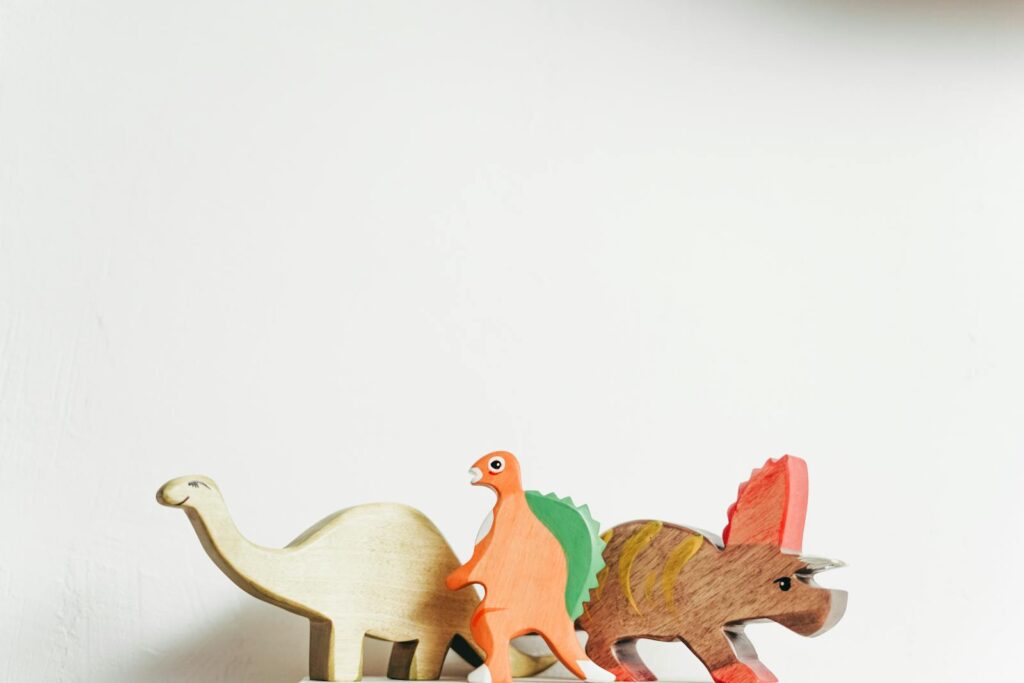
LEGO, as one of the world’s most influential toy companies, has played a significant role in shaping dinosaur perceptions through its various dinosaur-themed sets over the decades. The company’s blocky aesthetic necessarily involves simplification, resulting in dinosaur representations that often reinforce outdated imagery. The phenomenally popular LEGO Jurassic World sets, in particular, have further cemented the film franchise’s already scientifically questionable dinosaur designs in the minds of millions of children worldwide. Interestingly, LEGO has occasionally attempted to include educational elements with their dinosaur sets, including facts and information about the real animals. However, these educational components often conflict with the designs of the toys themselves, creating a confusing mixed message where text might mention feathers while the accompanying figure displays none. This contradiction between educational content and toy design exemplifies the broader tension between commercial appeal and scientific accuracy that characterizes much of dinosaur merchandising.
The Missing Feathered Revolution
Perhaps the most significant scientific update that toy companies have resisted is the feathered dinosaur revolution that has transformed paleontology over the past three decades. Despite overwhelming evidence that many dinosaurs, particularly theropods (the group including T. rex and Velociraptor), had feathery coverings, toy manufacturers have been remarkably reluctant to incorporate this feature into their products. This resistance appears largely driven by marketing concerns, as feathered dinosaurs don’t match the established “dinosaur look” that consumers expect. When toy companies have attempted to introduce more accurate feathered versions, they’ve often faced commercial challenges as these toys don’t align with the dinosaur imagery established by decades of previous merchandise and media. This reluctance has created a significant lag between scientific understanding and commercial representation, with many children’s first exposure to dinosaurs still being the outdated scaly versions. The few companies that have embraced feathered designs typically market them as specialty or educational products rather than mainstream toys, further reinforcing the perception of feathered dinosaurs as somehow less authentic than their scaly counterparts.
The Dinosaur Size Exaggeration
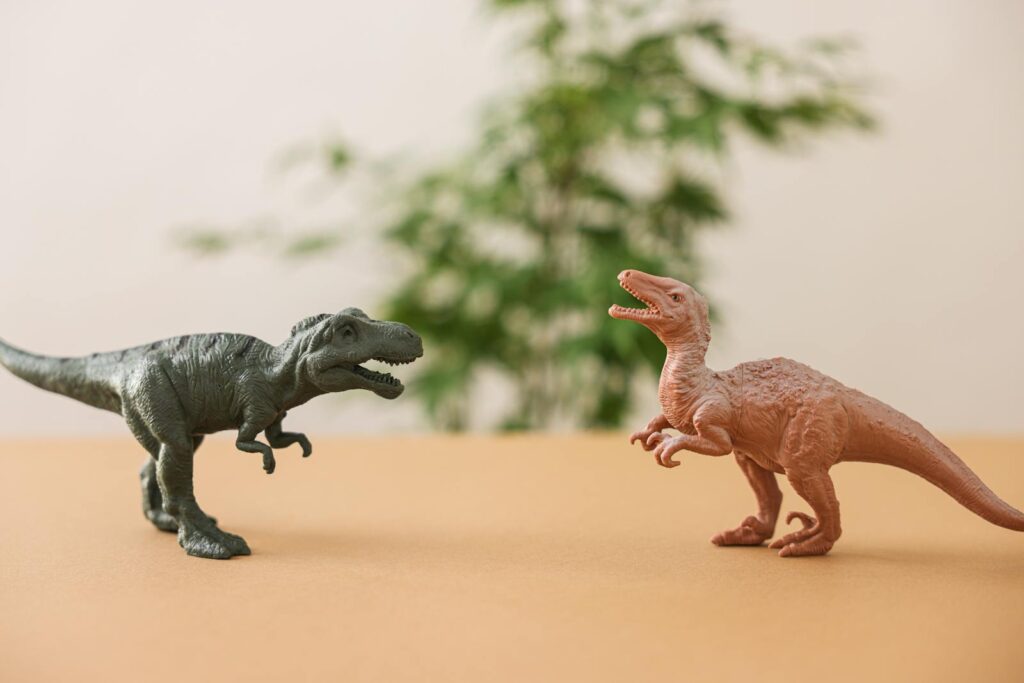
Toy manufacturers have consistently exaggerated the size of certain dinosaur species relative to humans and other dinosaurs, creating misconceptions about their actual proportions. This size distortion often stems from practical manufacturing considerations – small dinosaurs made to scale would be tiny toys – but it has real consequences for public understanding. The problem is particularly noticeable in dinosaur playsets that include human figures, where species like Velociraptor are routinely depicted at many times their actual size. Even more problematic are toy sets that include multiple dinosaur species from different time periods and regions at wildly inconsistent scales, creating the false impression that all these creatures coexisted. This size inconsistency has created persistent misconceptions about which dinosaurs were contemporary with each other and how they would have interacted. While scientifically accurate scaling would present genuine manufacturing challenges, the commercial decision to prioritize playability over proportional accuracy has contributed significantly to public confusion about dinosaur dimensions and temporal relationships.
Marketing-Driven Dinosaur Hybrids
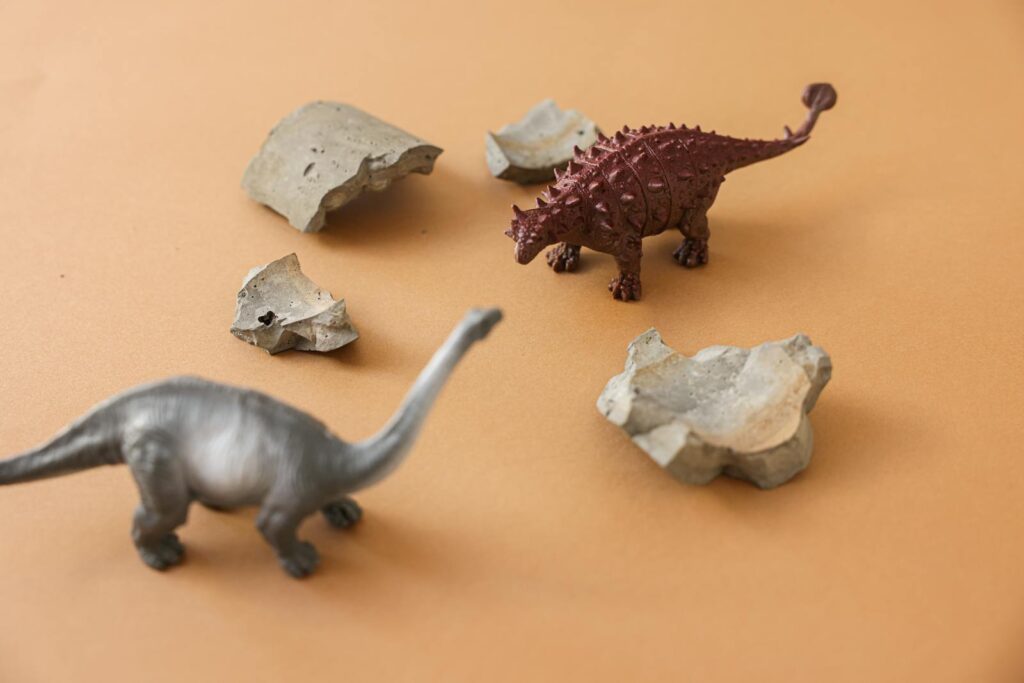
In pursuit of novelty and marketability, toy companies have frequently created dinosaur “hybrids” that combine features from multiple species, further muddying public understanding of actual dinosaur taxonomy. This trend reached its commercial apex with the introduction of fictional hybrid dinosaurs in the later Jurassic World films, which toy companies eagerly reproduced as action figures and playsets. These manufactured monsters, while labeled as fictional, nevertheless blur the line between paleontological reality and commercial fantasy in young minds. The Indominus rex and Indoraptor toys, with their accompanying marketing campaigns, introduced a new dimension of confusion by presenting clearly labeled fictional dinosaurs alongside actual species. This practice makes it increasingly difficult for children to distinguish between factual prehistoric animals and commercial inventions. While creative play certainly has value, the presentation of these hybrids within otherwise ostensibly educational dinosaur toy lines creates a problematic blending of science and fiction that further complicates public understanding of dinosaur diversity and evolution.
The Slow Evolution of Accurate Dinosaur Toys
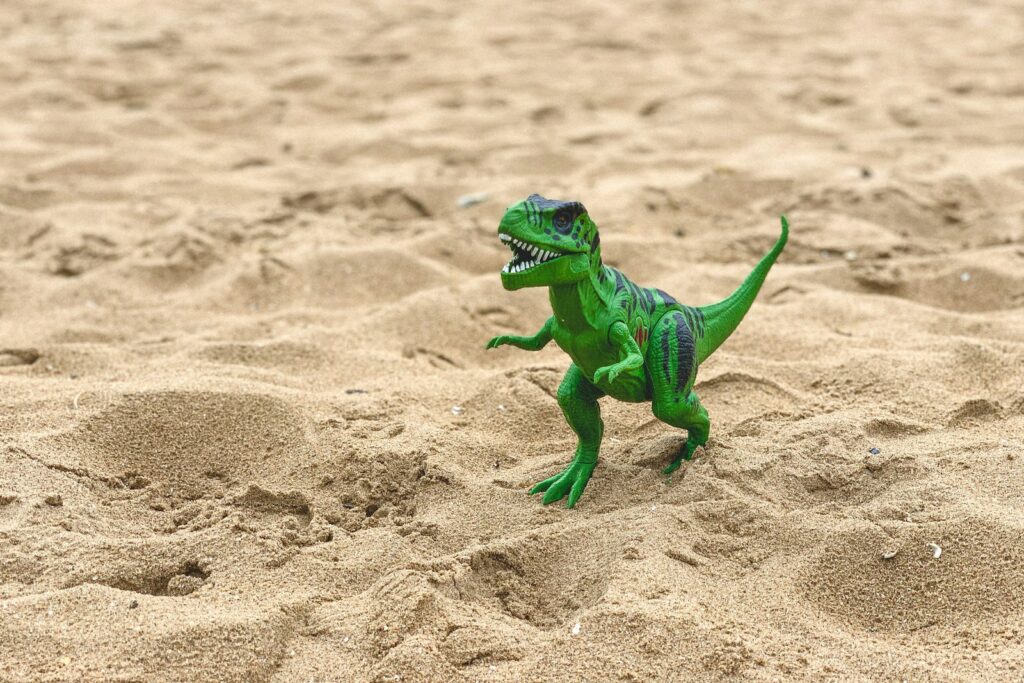
Despite the persistent myths, a gradual evolution toward greater accuracy has occurred in the dinosaur toy market, particularly in the last decade. Specialty companies like Safari Ltd and CollectA have begun producing more scientifically rigorous dinosaur figures, including appropriately feathered raptors and correctly postured theropods. These advances represent a significant shift in the industry, albeit one primarily confined to specialty and educational markets rather than mainstream toy aisles. The emergence of these more accurate toys has been driven partly by demand from increasingly knowledgeable consumers, including parents and collectors who specifically seek out paleontologically current representations. Social media has accelerated this trend, with paleontologists and enthusiasts readily pointing out inaccuracies in new dinosaur toy releases. This public accountability has created commercial incentive for greater accuracy, at least in certain market segments. While mass-market toys still largely perpetuate older dinosaur imagery, the growing presence of alternatives suggests a potential path toward gradually correcting these long-standing misconceptions through consumer education and market differentiation.
The Future of Dinosaur Representation in Toys
The relationship between scientific understanding and commercial representation of dinosaurs continues to evolve, with signs that the gap may finally be narrowing. Major media franchises like Jurassic World still wield enormous influence over toy design, but increasing public awareness of dinosaur research is creating market pressure for greater accuracy. Some companies have begun producing dual lines – one matching popular media portrayals and another reflecting current science – allowing them to serve both the mass market and the growing segment of consumers who value accuracy. Augmented reality and digital components in modern toys also present opportunities to bridge this gap, with physical toys maintaining familiar appearances while digital elements can provide updated scientific information. The growing popularity of dinosaur-focused YouTube channels and social media accounts that emphasize current paleontology suggests a potential shift in consumer expectations that may eventually influence mainstream toy design. As scientific literacy increases and information becomes more accessible, toy companies may find that accuracy itself becomes a marketable feature, potentially aligning commercial interests with scientific understanding in ways previously unseen in this market.
Conclusion

The role of toy companies in shaping public perception of dinosaurs represents a fascinating case study in the complex relationship between commercial interests, scientific knowledge, and popular culture. While these toys have undoubtedly fueled enthusiasm for paleontology among generations of children, they have simultaneously perpetuated misconceptions that can prove remarkably resistant to correction. The persistent gap between scientific understanding and toy representation highlights broader questions about responsibility in educational merchandising and the challenges of updating deeply embedded cultural images. As both paleontology and toy manufacturing continue to evolve, the potential for greater alignment between science and commercial representation offers hope that future generations may develop a more accurate understanding of these fascinating prehistoric creatures. Until then, the plastic dinosaurs that populate toy boxes worldwide will continue to tell their own particular story of the prehistoric past – one that reflects commercial considerations as much as scientific discovery.