Rangeli municipality, eastern Nepal – Viral images of spotted hyenas allegedly crossing from India triggered panic and hasty official action last November.
Sudden Panic Descends on Quiet Neighborhoods
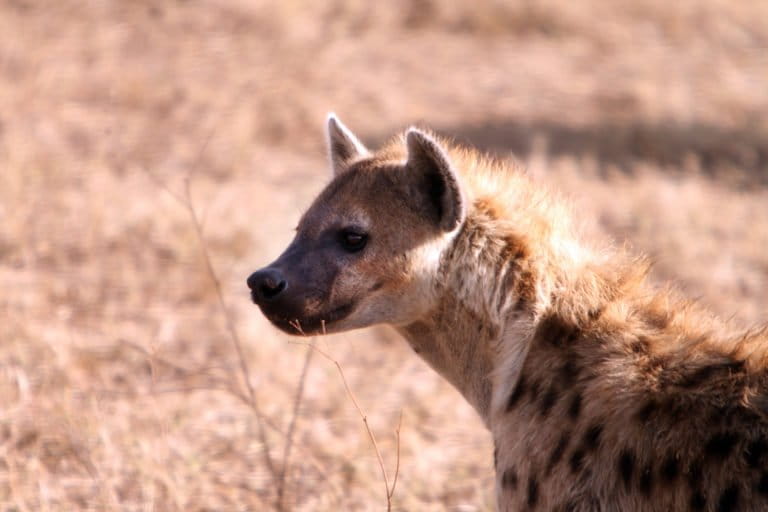
Sudden Panic Descends on Quiet Neighborhoods (Image Credits: Imgs.mongabay.com)
On the night of November 8, 2025, residents of Rangeli municipality in Morang district awoke to alarming reports. Social media platforms buzzed with photos depicting a group of spotted hyenas advancing toward the town from the nearby India-Nepal border. The images spread rapidly, amplifying fears among locals who shared stories of the predators lurking nearby.
National media outlets soon amplified the claims, portraying an imminent threat to the community. Families barricaded doors, and whispers of attacks circulated. The District Forest Office in Morang responded swiftly by dispatching a capture team. Yet, initial excitement gave way to questions as searches yielded no trace of the animals.
Investigation Reveals a False Trail
District forest officer Utsav Thapa led the effort. His team scoured the area but found nothing. “No one could confirm the sighting, and we later found the information to be false,” Thapa stated.
Analysis showed the photos originated from an Indian border road, not Rangeli. Spotted hyenas, native to Africa, do not inhabit Nepal. Striped hyenas exist in the country’s west but remain rare and endangered. Officials urged calm and warned against sharing unverified content. Police from the local area office confirmed no injuries or sightings occurred.
The episode lasted mere days, but its echoes lingered. Rumors had morphed from leopards to hyenas over a week, heightening tension in wards 5 and 6.
Misinformation’s Rapid Rise in Nepal
This incident underscored Nepal’s escalating online information challenges. Smartphone ownership reached 73% of households by the 2021 census, up sharply from prior years. Internet access climbed to 38%, fueling social media’s dominance.
A 2021 survey by the Center for Media Research Nepal revealed nine in ten social media users encountered false information, primarily on Facebook. Wildlife reports often suffer most, as unverified claims distort public views. Researcher Gobinda Pokharel of the National Trust for Nature Conservation noted, “When it comes to wildlife, even many mainstream media publish unverified reports that help spread false information. Such instances not only incite fear and confusion but also affect people’s perception of animals, their behavior and, eventually, their conservation.”
| Year | Smartphone Ownership (% households) | Internet Access (%) |
|---|---|---|
| 2011 | 65 (mobile phones) | 3 |
| 2021 | 73 | 38 |
Debates Intensify Over Solutions
The Press Council Nepal logged over 130 complaints on misinformation in print and digital media during the past five months. Authorities invoke Section 47 of the Electronic Transactions Act for false information cases, though priorities favor criminal matters.
Experts diverge on remedies. Some push for targeted laws, while others prioritize digital literacy. A prior ban on 26 platforms sparked Gen Z protests, highlighting regulation’s pitfalls. Ujjwal Acharya of the Center for Media Research stressed building fact-checking habits over quick legal fixes.
Key Takeaways
- Viral hyena photos were recycled from India, featuring non-native spotted species.
- Nepal’s internet boom enables fast misinformation spread, affecting 90% of social media users.
- Experts advocate literacy and verification to safeguard wildlife perceptions and public trust.
The Rangeli scare serves as a stark reminder: unchecked rumors can mobilize resources and sow fear needlessly. As Nepal navigates its digital growth, fostering reliable information flows remains crucial. What do you think about combating online misinformation? Tell us in the comments.