Picture a world where towering mammoths trudged through vast grasslands, where saber-toothed cats stalked prey beneath open skies, and where landscapes teemed with creatures that dwarf almost anything alive today. You might know that Ice Age North America was home to giants, but here’s the thing: the real story isn’t just about the animals themselves. It’s about the ecosystems they lived in, the intricate environments that don’t exist anywhere on Earth today. These hidden worlds shaped how these megafauna evolved, how they thrived, and ultimately, why so many vanished.
We’re living in a time when understanding past ecosystems matters more than ever. What happened during the Pleistocene offers clues about how large animals interact with their environment, how climate shifts reshape entire biomes, and what role humans might play in ecological collapse. Let’s dive into the concealed landscapes that molded Ice Age giants.
The Mammoth Steppe: A Vanished Grassland Empire
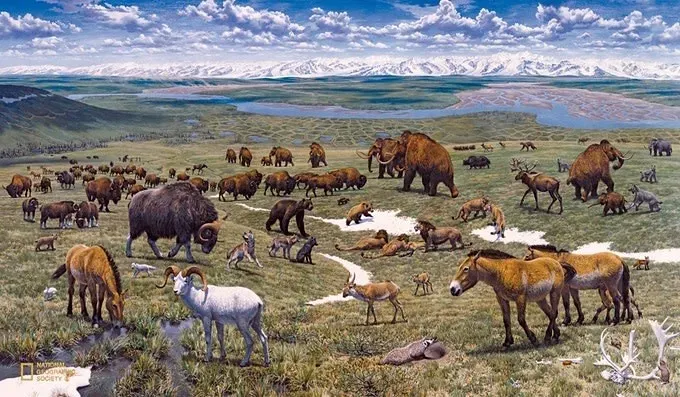
During the last ice age, the world’s most extensive ecosystem stretched from France across the Bering Strait to Canada and from the arctic islands to northern China. This wasn’t the frozen wasteland you might imagine when thinking about glacial periods. The mammoth steppe was a unique biome with a more continental climate featuring little precipitation and clear skies, unlike anything found in Beringia now. Honestly, it’s hard to wrap your head around just how productive this place was.
High productive grazing ecosystems dominated most of the planet during the last Ice Age, with high animal density comparable to what we now see only in a few African national parks. The mammoth steppe spanned from Spain to Canada and from Arctic Islands to China, where millions of mammoths, bison, horses, reindeer, wolves and tigers maintained the grasslands. The vegetation itself was unlike modern Arctic tundra. It supported large populations of woolly mammoth, horses, bison and other mammals during extensive Northern Hemisphere glaciation, and consisted of prairie sage, bunch-grasses and forbs representing ice-age steppe vegetation.
Diverse Regional Ecosystems Within Beringia
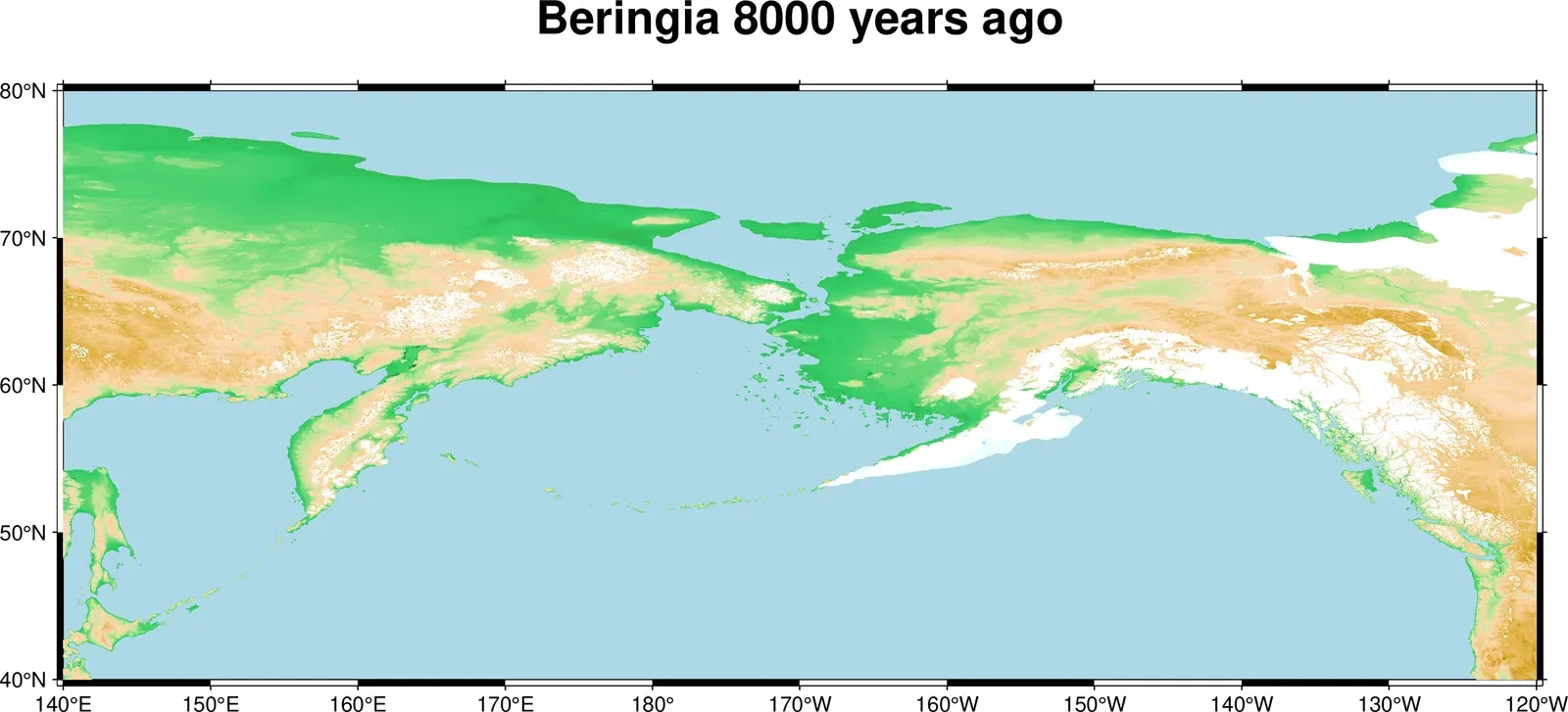
Beringia was not one vast homogenous ecosystem, but was made up of diverse ecosystems. Different regions supported different dominant species based on local conditions. During the late Pleistocene in Siberia, caribou was the most common species followed by horse and bison, whereas in northern Alaska, the horse was most common followed by bison and caribou, and in interior Alaska, bison dominated the landscape followed by horse and mammoth.
These regional variations reveal something crucial about megafauna evolution: animals adapted to specific local conditions even within broader biome types. Estimates of Pleistocene megafaunal biomass are about 100 times greater than today’s. The sheer density of large animals shaped vegetation patterns, nutrient cycling, and even soil composition in ways that modern ecosystems simply don’t experience. It was an ecosystem engineered by its own inhabitants.
The Cold Dry Climate That Fueled Productivity
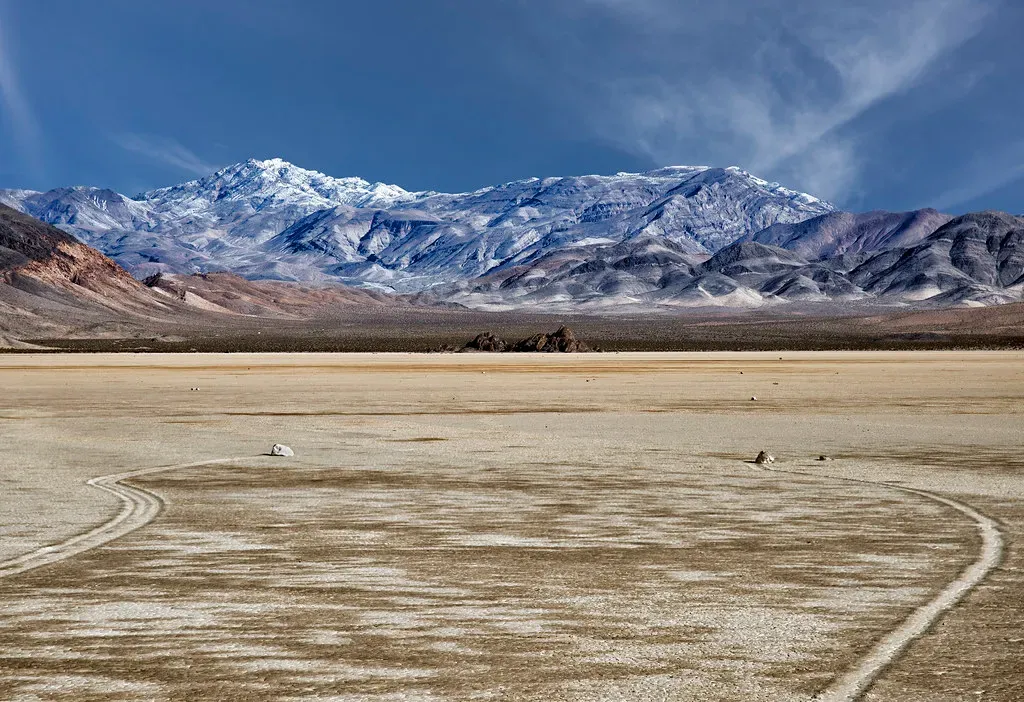
Here’s where things get counterintuitive. You’d expect cold temperatures to limit plant growth and therefore animal populations. Yet the opposite happened. The overall cold temperatures in an ice age world reduced significantly the evaporation of water from the oceans, resulting in a drier atmosphere and lack of precipitation on large areas of the continents, causing dry conditions in the summer and also reduced snow cover during winter time. Less snow meant plants could actually photosynthesize more.
The mammoth steppe was cold and dry, and relatively featureless, though climate, topography, and geography varied considerably throughout, with certain areas such as coastal areas having wetter and milder climates than others. The reduced snow cover was a game changer. Modern tundra stays buried under snow for months, preventing growth. The climate was generally colder and drier during most of the Pleistocene, and because sea level was lower, the land mass of Beringia was larger, resulting in a more continental climate with little precipitation and clear skies. This created conditions perfect for grasses and forbs rather than the mossy, boggy vegetation we see today.
Wildflower Meadows: The Unexpected Diet
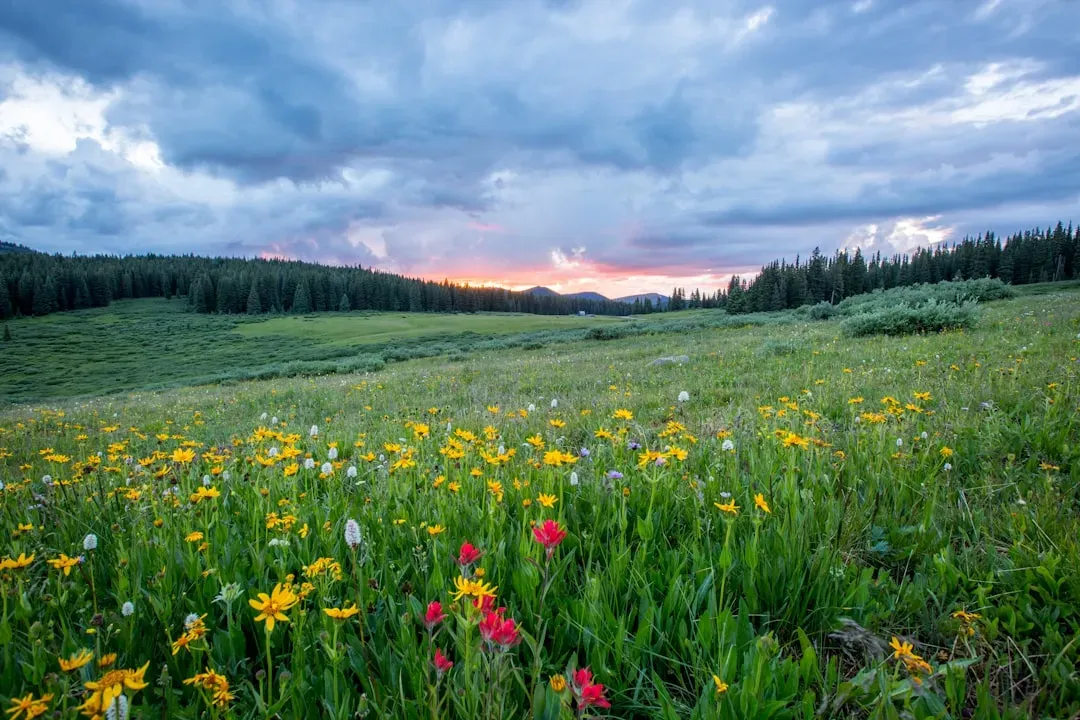
Popular belief held that Ice Age herbivores subsisted mainly on grasses in monotonous steppe environments. Recent discoveries paint a far more colorful picture. DNA analysis of gut contents and soils revealed lots more wildflowers than previously thought, with nearly half of the digested plants being wildflowers, suggesting a very colorful system rather than a grassy, dull one.
This finding completely reshapes our understanding of megafauna dietary needs and ecosystem complexity. Species of warm and dry habitats did coexist with species of cold and humid habitats, resulting in a plant community with a uniquely rich biodiversity. Think about what this means for evolution: herbivores weren’t just adapted to tolerate cold, they evolved in an environment offering diverse nutritional options. The mammoth steppe was less savanna and more wildflower prairie dotted with grazing giants.
Ecosystem Engineers: How Megafauna Created Their Own Habitat
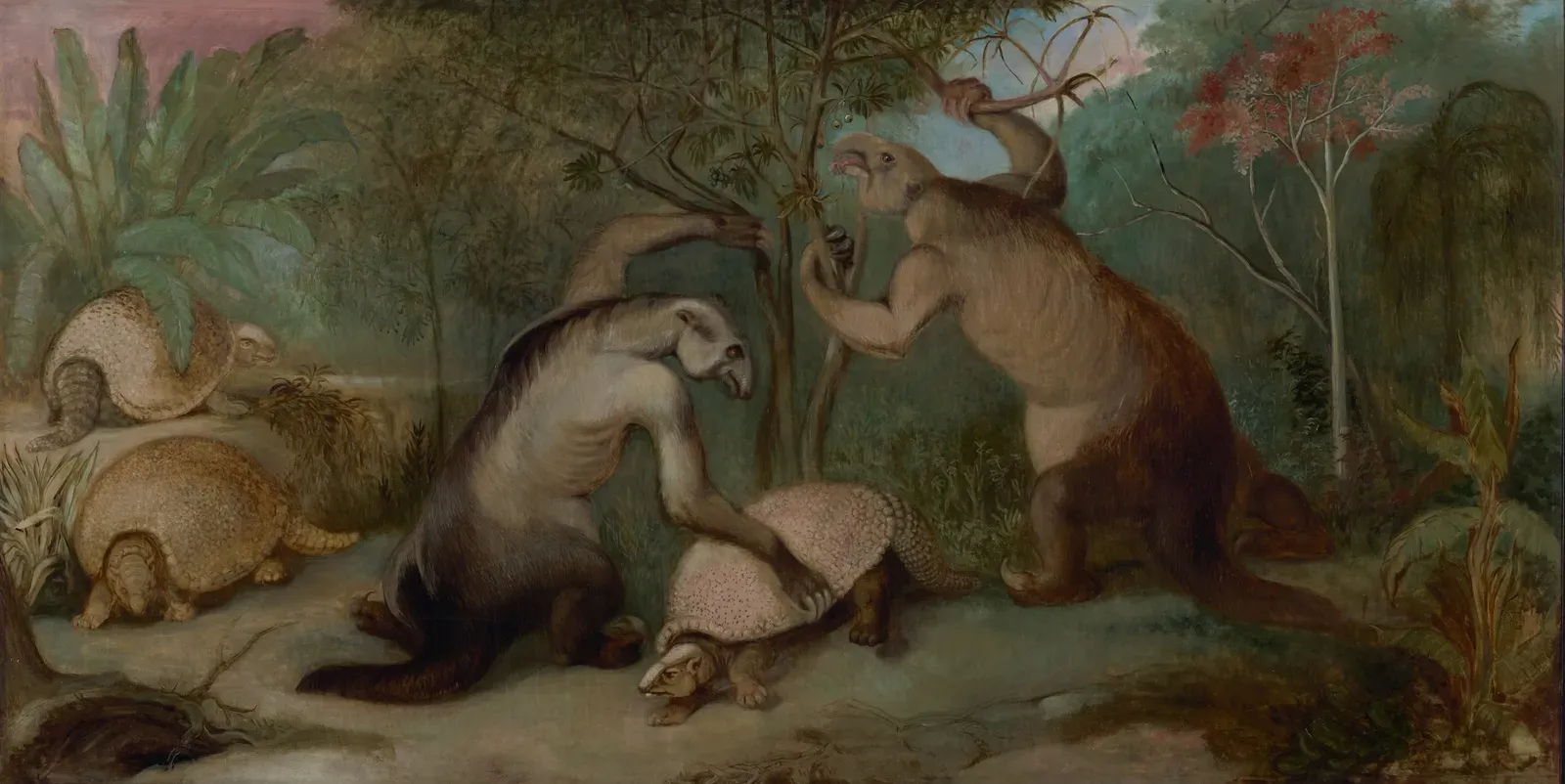
The lost megafauna weren’t just charismatic characters from a closed act in Earth’s history; they helped make the world what it was. This role as ecosystem engineers was fundamental to how these landscapes functioned. The mastodon was a browser preferring tree branches and woody vegetation, and would have trampled down paths through the woods and scraped its tusks against tree trunks, altering the landscape by stamping out some young plants and hindering the growth of others.
Many megaherbivores performed key ecological functions such as providing needed nutrients through manure or grazing mature vegetation to increase biological diversity, acting as keystone species whose extinction causes the entire ecosystem to change. Mammoths pushed down trees, bison grazed grass, creating a patchwork of habitats. Megafauna play a significant role in the lateral transport of mineral nutrients in an ecosystem, translocating them from areas of high to those of lower abundance through their movement between consumption and elimination. Without these massive movers and shakers, nutrients stayed put, vegetation grew unchecked, and entire biomes transformed.
Boom and Bust: Population Dynamics Through Climate Shifts
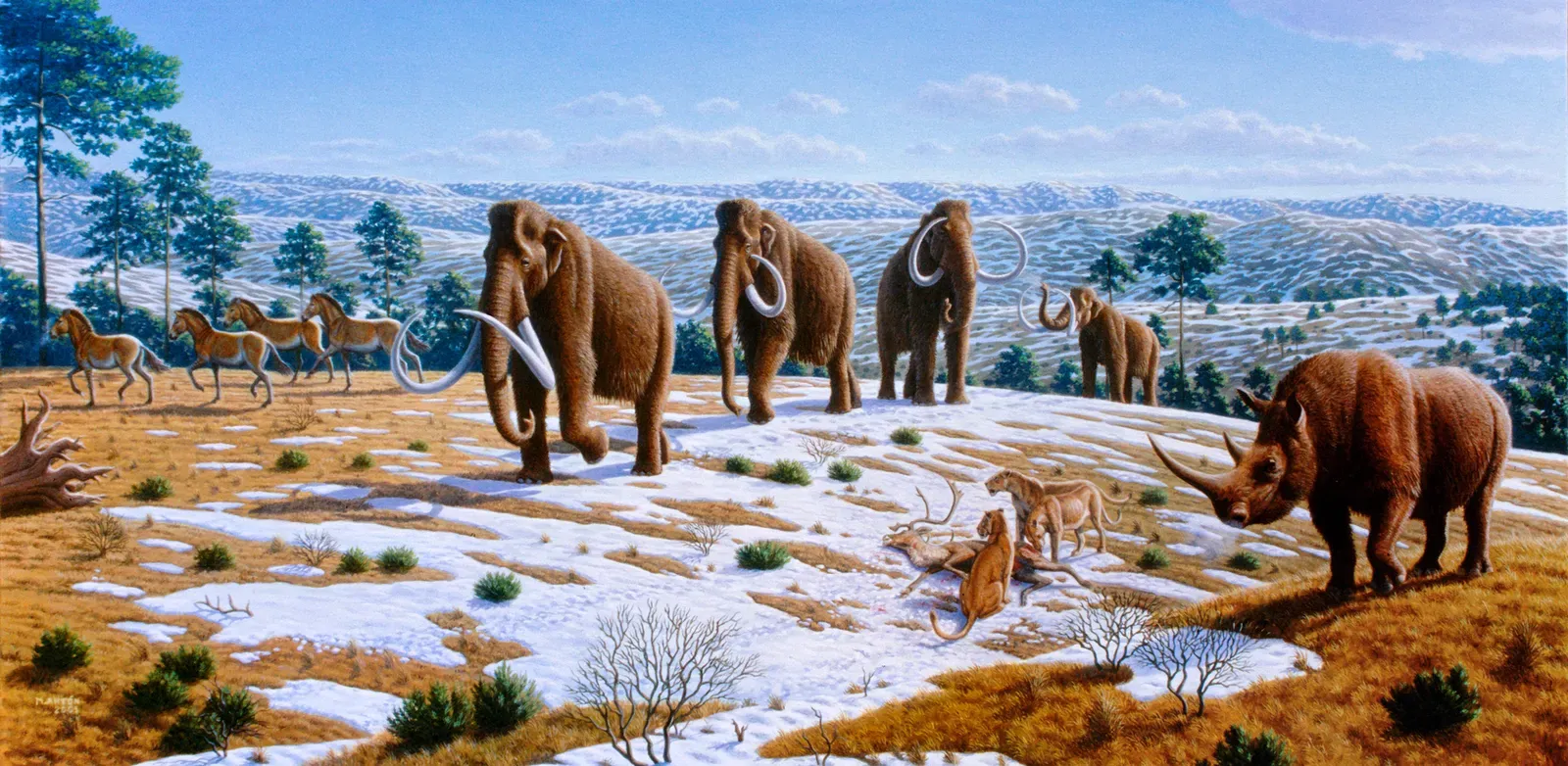
Concurrence between peaks in numbers of bones and periods of climatic transitions implies boom and bust cycles in ice-age megafaunal populations in arctic Alaska, with megafaunal populations fluctuating because the ecosystems supporting them were changing, suggesting short-term ecological instability was a characteristic feature of the mammoth steppe. Regional extinctions followed by recolonization occurred repeatedly throughout the Pleistocene.
The Pleistocene-Holocene transition was a period of ecological disequilibrium, during which the climate had become warmer and wetter but the vegetation cover had not yet had time to equilibrate with these changes. Interestingly, this lag period actually benefited megafauna temporarily. Edible graminoids and forbs that had dominated the mammoth steppe became more productive during this transition and could support more animals. But it was the calm before the storm.
The Collapse: When Ecosystems Shifted Beyond Recovery
The end of the Pleistocene in North America saw the extinction of 38 genera of mostly large mammals. The debate about whether humans or climate caused these extinctions continues, but recent evidence suggests a more nuanced picture. The Younger Dryas involved a specific set of climatic and ecological changes that may have been particularly devastating to megafauna populations, with summer insolation reaching one of its highest peaks, atmospheric CO2 rapidly rising, and some of the fastest vegetation changes of the Late Glacial occurring.
In northern Siberia, mossy tundra and forest tundra replaced the mammoth ecosystem, with only reindeer that grazed on lichens and moose that fed on willows surviving. Many regions in northern Eurasia and northwestern North America that supported mammoth steppe during the ice age are today blanketed by peat-rich plant communities incapable of supporting large biomasses of grazing mammals. The ecosystem itself vanished, taking most of its megafauna with it. What we see now in the Arctic is fundamentally different from what existed for millennia.
Ice Age America’s hidden ecosystems were far more complex, productive, and dynamic than most people realize. These weren’t just frozen wastelands populated by oversized animals struggling to survive. They were intricate, functioning biomes where megafauna and vegetation coevolved, creating landscapes unlike anything we have today. The mammoth steppe’s disappearance represents not just the loss of iconic species, but the collapse of an entire ecological system that once dominated much of the Northern Hemisphere. Understanding how these ecosystems functioned and why they collapsed offers vital lessons as we face our own period of rapid environmental change. What do you think would happen if we could bring back these lost ecosystems? Could we, or should we even try?