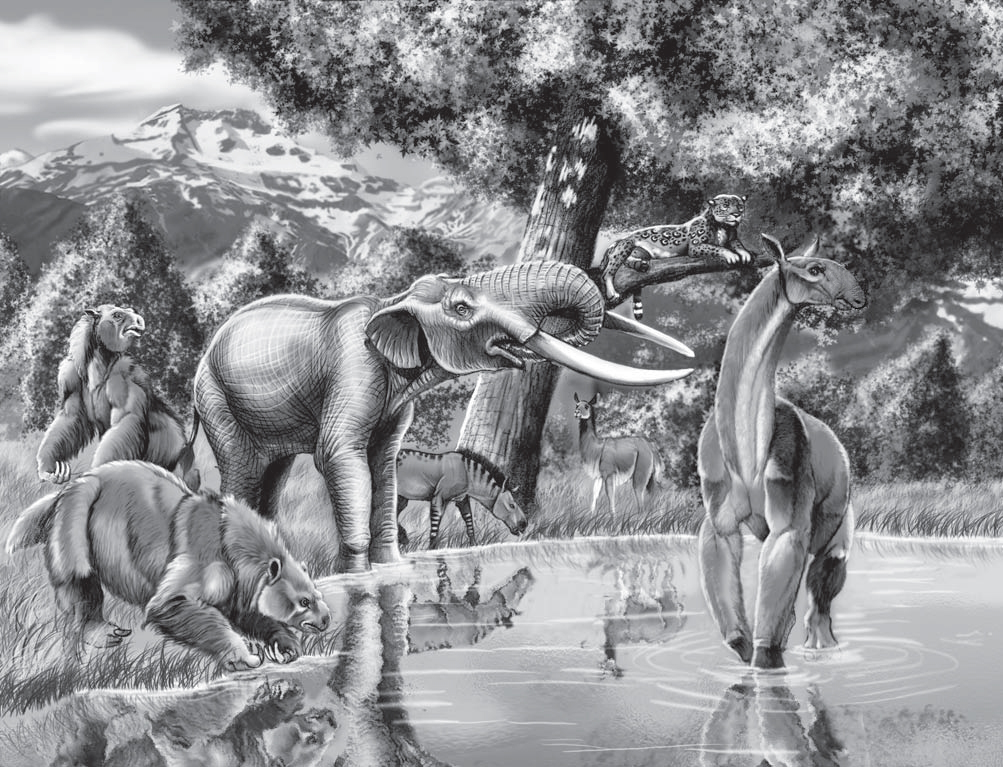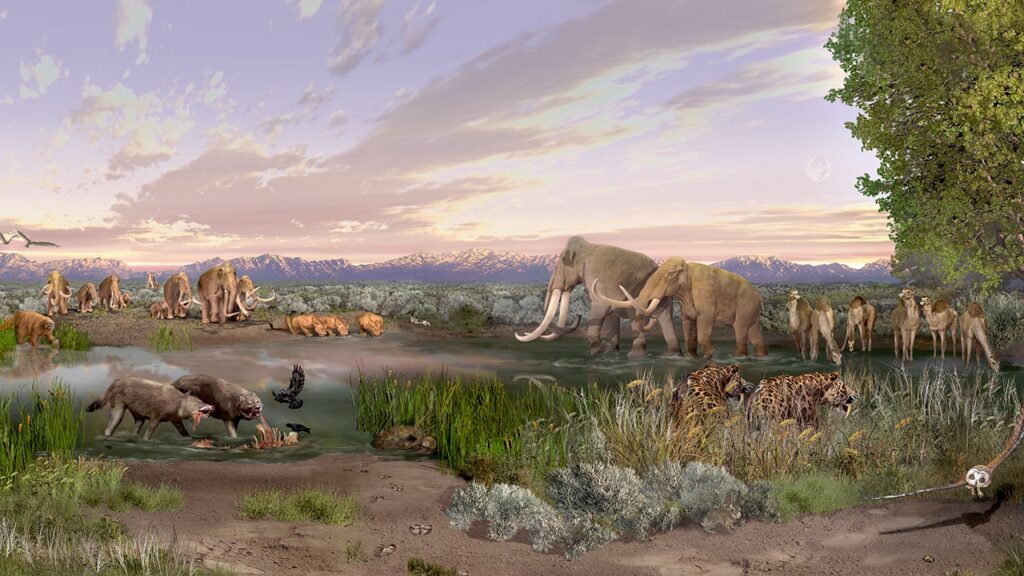
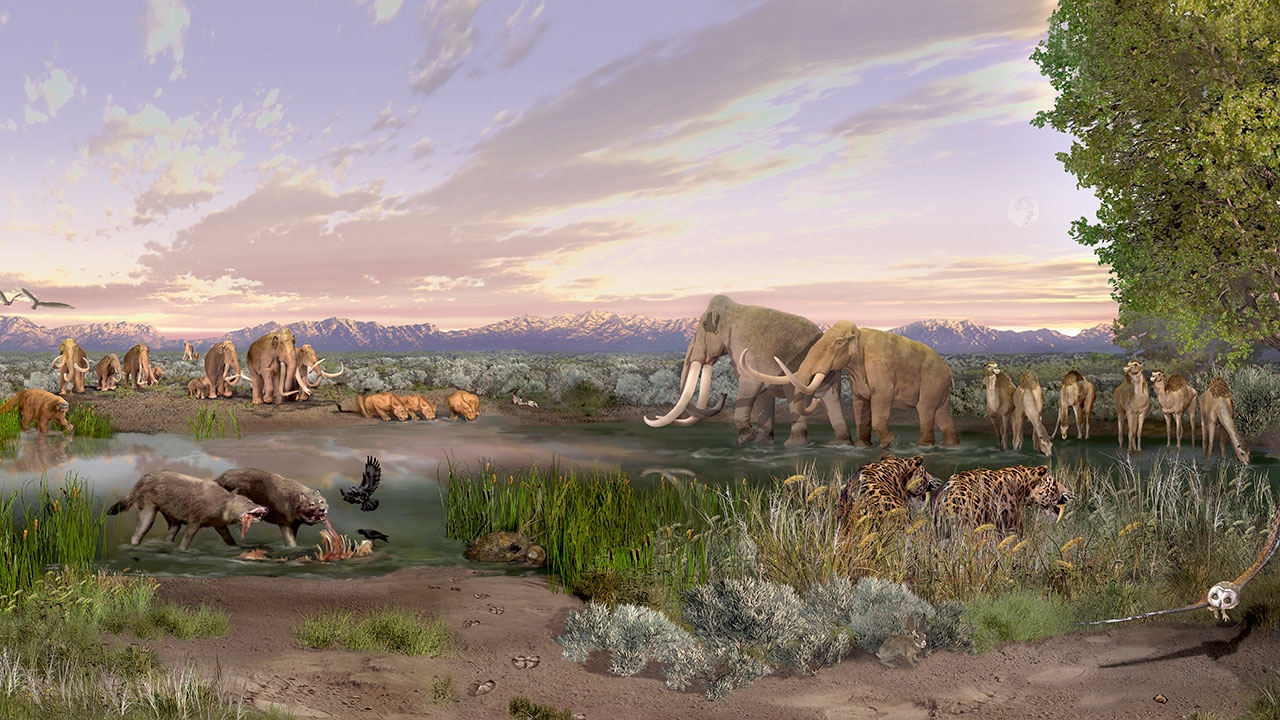
Canada’s Yukon – Researchers extracted ancient DNA from permafrost sediments to uncover how Ice Age megafauna navigated a devastating volcanic event around 29,000 years ago. Mammoths, bison, and horses not only survived the massive ashfall but also preserved their genetic diversity in the aftermath. This finding challenges assumptions about the fragility of prehistoric ecosystems under extreme stress.
A Cataclysmic Eruption Shakes the Ancient World
A Cataclysmic Eruption Shakes the Ancient World (Image Credits: Upload.wikimedia.org)
The volcanic eruption deposited thick layers of ash across vast landscapes, smothering vegetation and altering habitats for large herbivores. Scientists identified this event through sediment layers preserved in the Yukon’s frozen ground. The ashfall represented one of the most severe environmental disruptions during the late Pleistocene.
Despite the catastrophe, populations of megafauna persisted without significant genetic bottlenecks. Evidence from DNA sequences showed stable diversity levels before and after the eruption. This resilience surprised experts who expected sharp declines in animal numbers.
Deciphering DNA from Frozen Time Capsules
Teams analyzed environmental DNA, or eDNA, trapped in permafrost cores from the Yukon region. These samples captured genetic material shed by animals grazing nearby thousands of years ago. Advanced sequencing techniques allowed reconstruction of community compositions over time.
The study revealed continuous presence of mammoth, bison, and horse DNA post-eruption. Genetic markers indicated no major loss of diversity, pointing to robust population structures. Such methods have revolutionized paleontology by providing direct glimpses into extinct ecosystems.
Nature’s Mechanisms for Rapid Recovery
Rapid regrowth of plants played a crucial role in sustaining the megafauna. Hardy grasses and forbs quickly recolonized ash-covered soils, restoring food sources for grazers. Seasonal snowmelt further aided recovery by washing away ash layers, exposing fresh ground.
These large mammals likely migrated short distances to unaffected areas during the peak impact. Their broad diets and social behaviors helped them exploit recovering patches efficiently. The combination of ecological factors ensured minimal long-term harm to their populations.
Key elements of this survival included:
- Quick vegetation rebound on disturbed lands.
- Snow and water clearing toxic ash deposits.
- Mobility of herds seeking viable foraging sites.
- Diverse grazing habits adapting to sparse regrowth.
- Pre-existing genetic health buffering stresses.
Lessons from Prehistory for Modern Science
This discovery reframes discussions on megafauna extinctions later in the Ice Age. Volcanic events like this one tested ecosystems without leading to collapse for these species. It underscores the adaptability of Pleistocene giants under abrupt changes.
Comparisons with other disasters highlight unique northern conditions, such as permafrost preservation and cold-climate regrowth patterns. Findings could inform models of resilience in today’s changing environments.
| Factor | Impact on Megafauna |
|---|---|
| Ashfall Coverage | Temporary habitat disruption |
| Plant Regrowth | Restored food supply |
| Snowmelt Action | Cleared landscapes |
| Genetic Diversity | Maintained population health |
Key Takeaways:
- Ice Age mammals showed remarkable genetic stability post-eruption.
- Environmental recovery mechanisms were swift and effective.
- These insights reveal strengths in ancient ecosystems.
The Yukon’s permafrost archives continue to yield stories of endurance, reminding us that life often finds ways to persist amid chaos. What do you think enabled these ancient survivors? Share your thoughts in the comments.