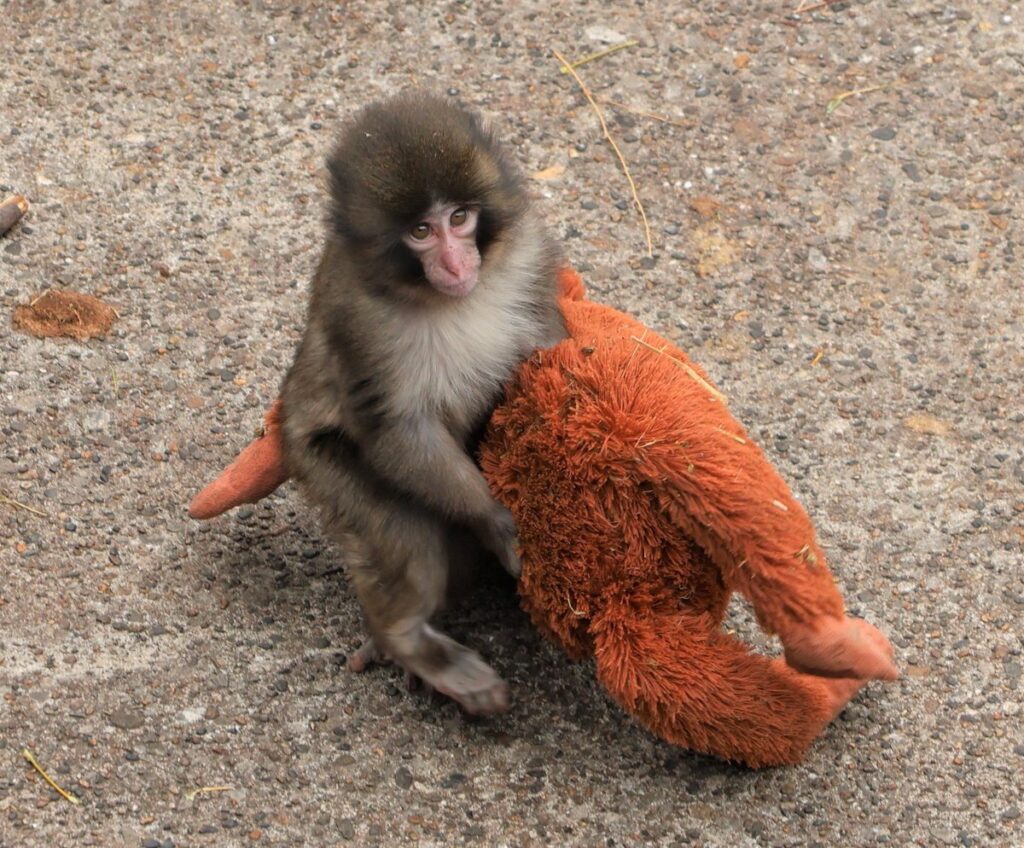
Ichikawa City, Japan – A hand-reared Japanese macaque named Punch drew millions of heartbroken viewers worldwide after footage captured his rocky entry into zoo troop life.
Rejected in the Heat: A Mother’s Hard Choice
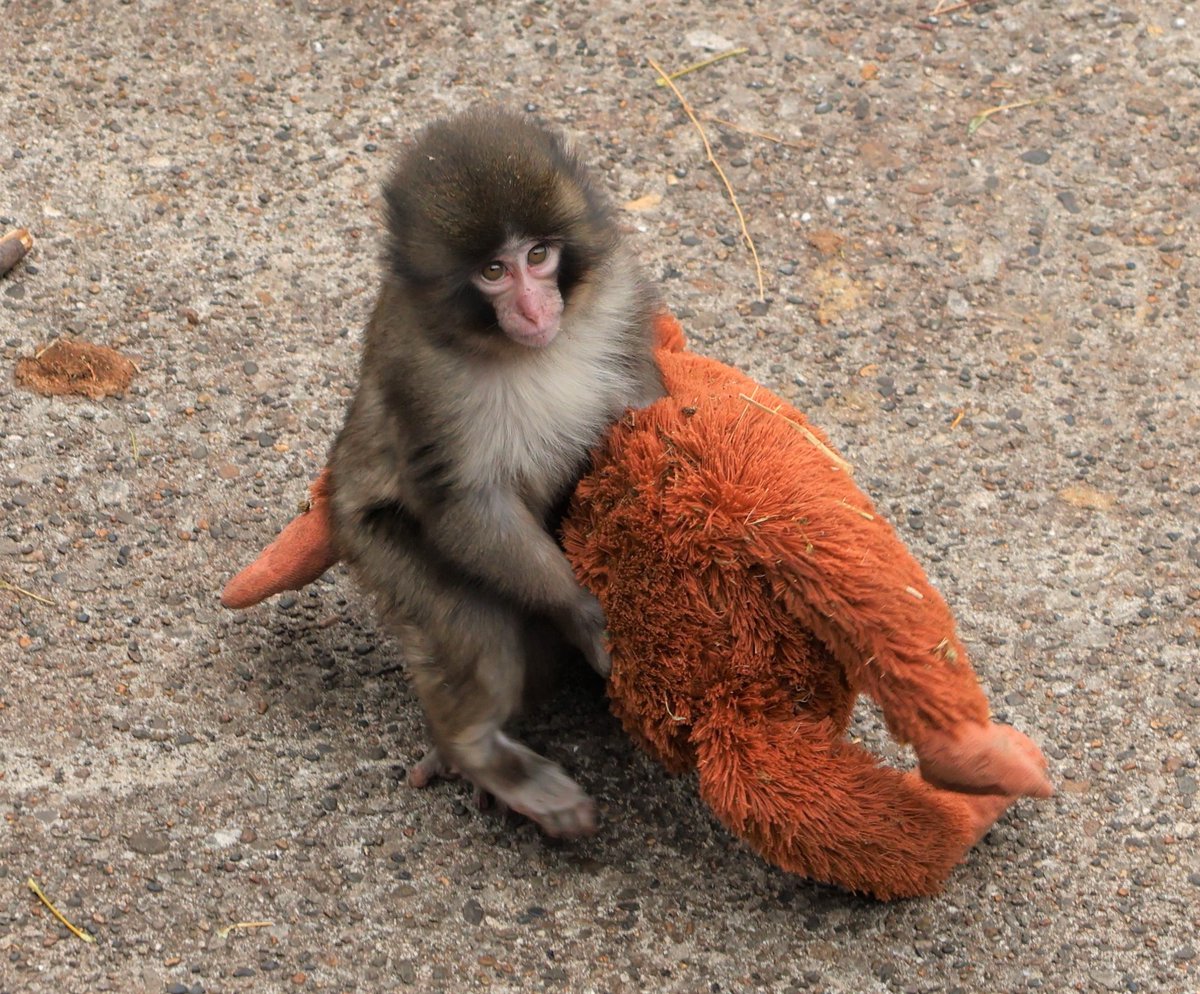
Rejected in the Heat: A Mother’s Hard Choice (Image Credits: Upload.wikimedia.org)
First-time mothers face immense pressure, and extreme summer heat pushed Punch’s mother to abandon him shortly after birth at Ichikawa City Zoo.
Zoo staff monitored the situation, hoping another female would adopt the infant. When no one stepped in, keepers separated Punch and began hand-rearing him. They provided rolled towels for constant contact, later switching to a plush orangutan toy that he embraced immediately. This surrogate offered the touch crucial for his early development. Primate studies emphasize how soft textures soothe infants deprived of maternal care.
Such rejections occur under stress, as mothers prioritize their own survival and future offspring. In the wild, an abandoned baby like Punch would rarely survive.
Viral Videos Spark Global Outrage
January marked Punch’s monitored reintroduction to the troop, where cameras caught an adult macaque dragging him roughly. The clip exploded online, amassing millions of views and prompting widespread sympathy.
Viewers flooded social media with pleas to rescue him. Crowds surged to Ichikawa Zoo, turning the seven-month-old into a star attraction. Later videos showed lighter moments, like grooming and play, but the initial shock dominated headlines. Speculation about adoption swirled, even as Japanese law bans private macaque ownership.
Recent clips depict Punch hitching rides on peers, hinting at budding bonds.
The Hierarchy Behind the Harsh Treatment
Japanese macaques enforce strict matrilineal hierarchies, dictating food access, grooming, and alliances. Without a mother to teach cues, Punch navigates this world blindly.
The “dragging” incident reflected discipline, not cruelty, according to behavioral experts. Juveniles often face aggression during social negotiations. Zoo officials clarified it as typical troop dynamics.
- Matrilineal structure favors females and their kin.
- Subordinates learn through correction.
- Hand-reared monkeys lack maternal guidance on rank signals.
- Isolation harms development more than managed exposure.
- Macaques mature fast, turning territorial by adulthood.
Experts warn viral fame risks fueling illegal pet trades, as cute infants grow challenging.
Reintegration Progress Amid Scrutiny
Punch now clings less to his toy and engages more with the group. He plays and approaches others, showing gradual acceptance. The zoo provides medical care impossible in the wild.
Staff recently addressed visitor concerns over troop hair loss and enclosures, affirming welfare standards. Groups like PETA urged halting video shares to protect him from exploitation. Yet fans continue flocking, blending support with pressure.
Key Takeaways:
- Captivity offers survival odds denied in nature.
- Viral stories oversimplify complex behaviors.
- Support zoos ethically, avoiding pet myths.
Punch’s saga underscores captivity’s trade-offs: structured second chances against wild perils. As he forges troop ties, his story prompts reflection on primate needs and human fascination. What lessons do you draw from Punch’s experience? Share in the comments.