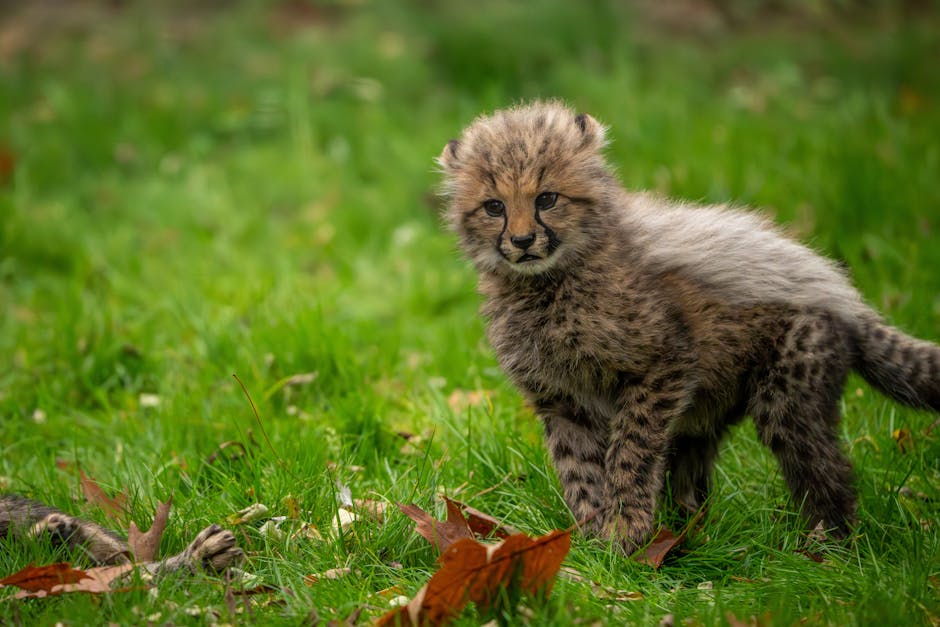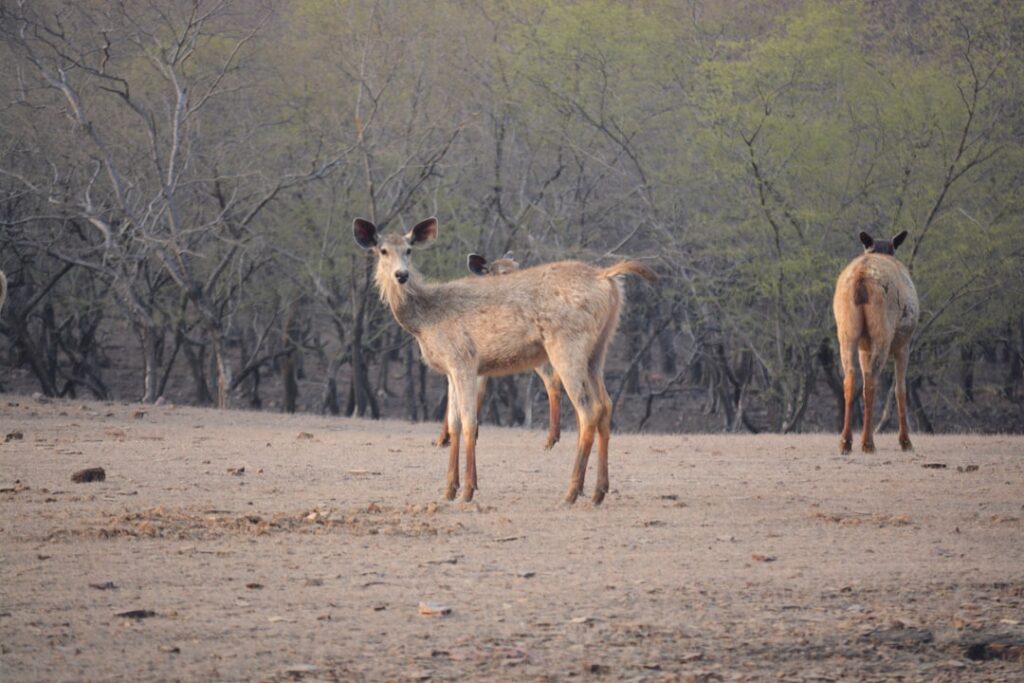
India has long balanced rapid development with the urgent need to protect its rich biodiversity. Efforts to conserve wildlife have yielded impressive results in recent years, particularly for species like the Asiatic lion. These initiatives highlight a commitment to safeguarding ecosystems from the Gir forests to the arid expanses of Kutch.
The Asiatic Lion’s Remarkable Recovery
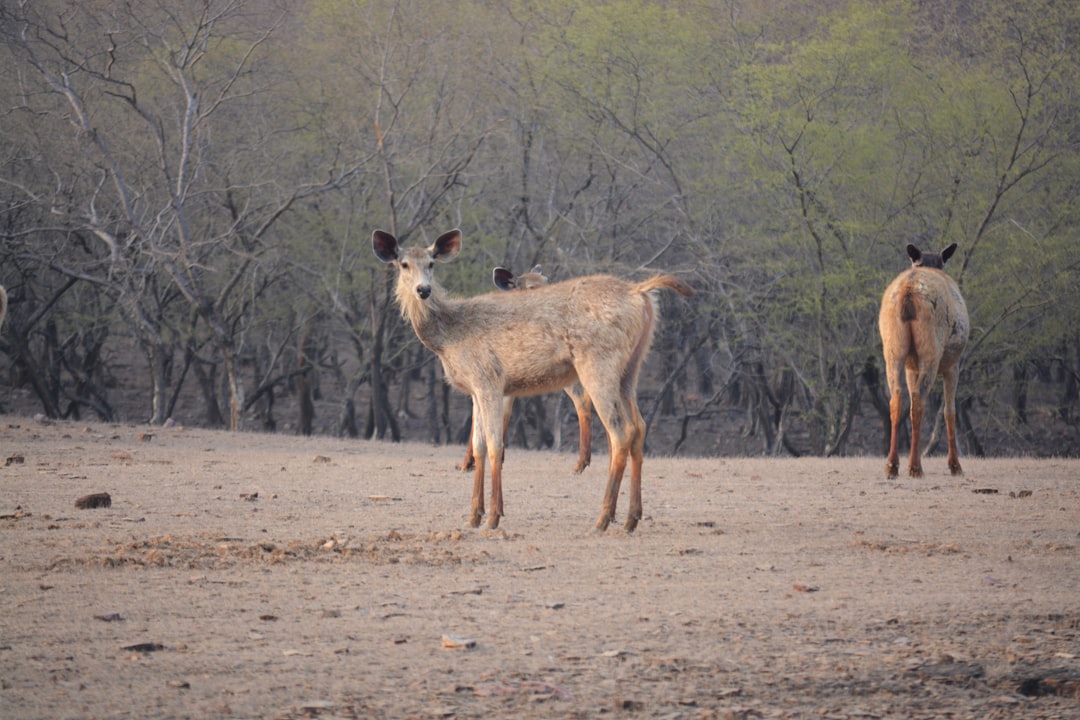
The Asiatic Lion’s Remarkable Recovery (Image Credits: Unsplash)
Conservationists celebrated a major milestone when the Asiatic lion population climbed to 891 individuals in 2025, up from 674 in 2020. This growth stemmed from dedicated habitat protection and anti-poaching measures in Gujarat’s Gir Forest National Park, the lions’ last natural stronghold. Officials credited enhanced veterinary services and conflict mitigation strategies for the surge.
The Gujarat Forest Department conducted satellite telemetry studies to track lion movements and identify key corridors. These efforts expanded the lions’ range into new areas, including river corridors and wastelands. Such scientific interventions reduced human-wildlife conflicts and bolstered prey availability. Park authorities also invested in infrastructure like secure wells and observation platforms.
Revival in the Rann of Kutch
Beyond the lions, the Little Rann of Kutch emerged as a haven for the Indian wild ass, with populations thriving in this unique salt desert ecosystem. Spanning over 4,900 square kilometers across several districts, the Wild Ass Sanctuary supports not only these swift herbivores but also migratory birds during winter. Conservation here focused on preserving seasonal wetlands amid harsh conditions.
Authorities implemented habitat restoration and regulated grazing to prevent overexploitation. These steps allowed wild ass numbers to stabilize and grow, demonstrating effective management in arid zones. Migratory flamingos and cranes now flock to the region, adding to its ecological vibrancy. Local communities participated through awareness programs, fostering coexistence.
Nationwide Initiatives Driving Change
India’s conservation landscape extends far beyond Gujarat and Rajasthan. Project Lion, launched in 2020, mirrors Project Tiger by emphasizing scientific monitoring and habitat expansion. Gene pool centers in Saurashtra and Junagadh aid breeding efforts, while translocation plans aim to create secondary populations. Complementary programs like Project Elephant protect pachyderms across states.
Government bodies strengthened enforcement with wildlife crime cells and task forces. Investments in camera traps and radio-collaring provided real-time data for adaptive management. These measures addressed poaching, habitat loss, and disease risks nationwide. International collaborations further amplified impacts through shared expertise.
- Population monitoring via satellite and ground surveys
- Community engagement to reduce conflicts
- Habitat enhancement through vegetation protection
- Veterinary support for injured or ill animals
- Expansion of protected areas and corridors
Overcoming Hurdles for Sustainable Futures
Challenges persist, including human encroachment and climate pressures. Lions increasingly ventured outside protected zones, prompting holistic strategies like crop safeguards and awareness campaigns. In Kutch, water scarcity tested resilience, yet innovative solutions prevailed.
Experts advocated translocating lions to diversify ranges and mitigate risks like epidemics. Successes in Gir inspired similar models elsewhere, proving proactive governance works. Ongoing funding and policy support remain crucial.
| Year | Asiatic Lion Population |
|---|---|
| 2020 | 674 |
| 2025 | 891 |
Key Takeaways:
- Asiatic lion numbers rose 32% in five years through targeted protections.
- Wild ass sanctuary exemplifies arid ecosystem management.
- National projects integrate science, community, and enforcement for lasting impact.
India’s wildlife story reflects determination and innovation, turning near-extinctions into recoveries. As habitats evolve, sustained collaboration will ensure these species endure. What do you think about these conservation wins? Tell us in the comments.